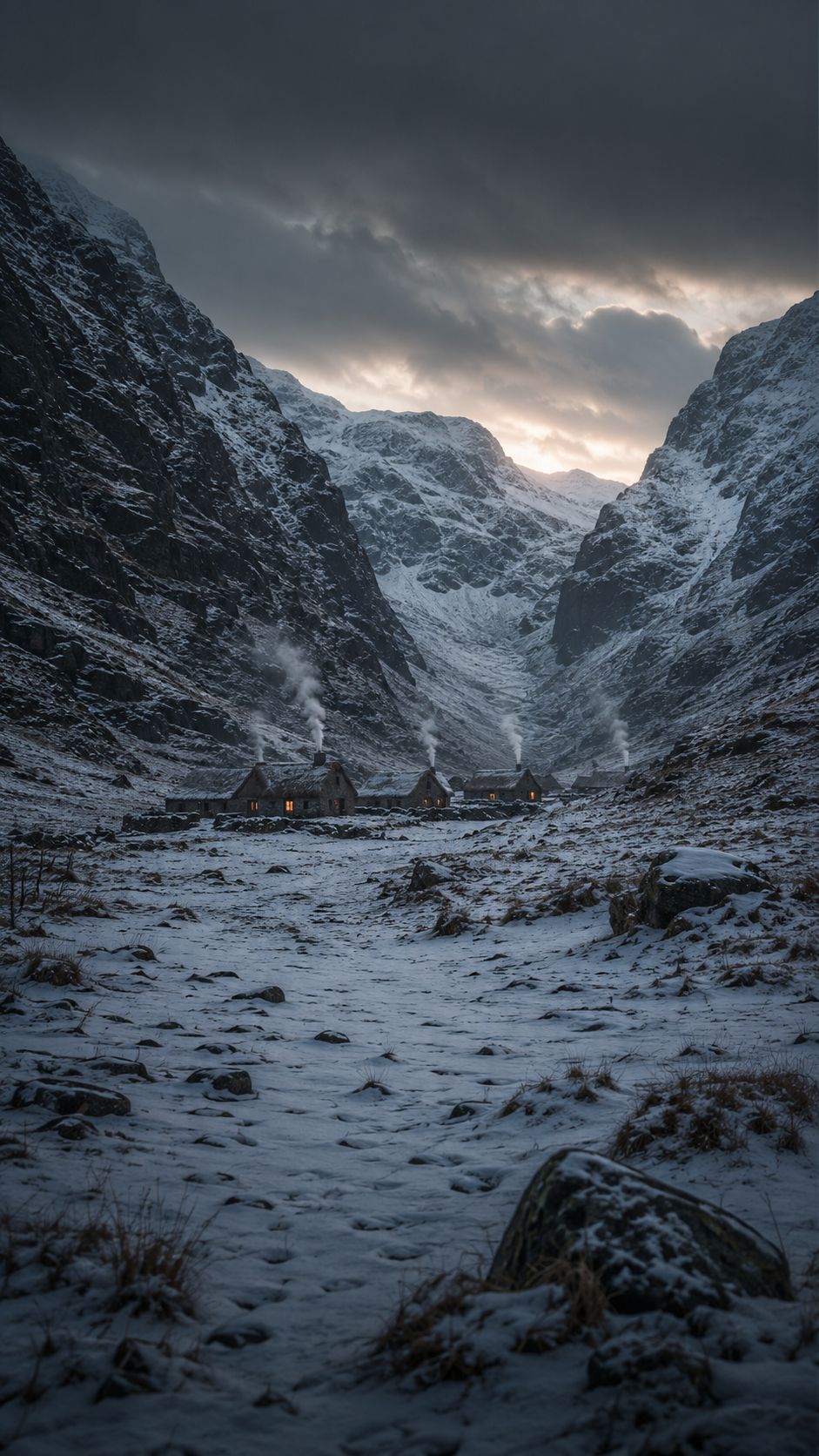
Ghost stories are not spread evenly across history. They cluster around particular kinds of event, and the pattern is consistent enough to be predictable. If you want to know where the legends will be, look for the places where a lot of people died suddenly, unjustly, or without being properly buried.
Battlefields
Gettysburg, Culloden, Towton, Edgehill: the largest single-day death tolls in a country’s history tend to become its most haunted ground. Part of that is scale. Part of it is what happened to the bodies — mass graves, hurried burials, the dead left where they fell for days. And part of it is the survivors, who came home and told the story, and whose descendants went back to look.
Battlefield legends usually take a particular form: the battle is seen or heard replaying. The phantom army at Edgehill was reported within months of the fighting in 1642 and was investigated by a royal commission. The pattern of a landscape “remembering” an event has been repeated at nearly every major battlefield since.
Execution grounds and prisons
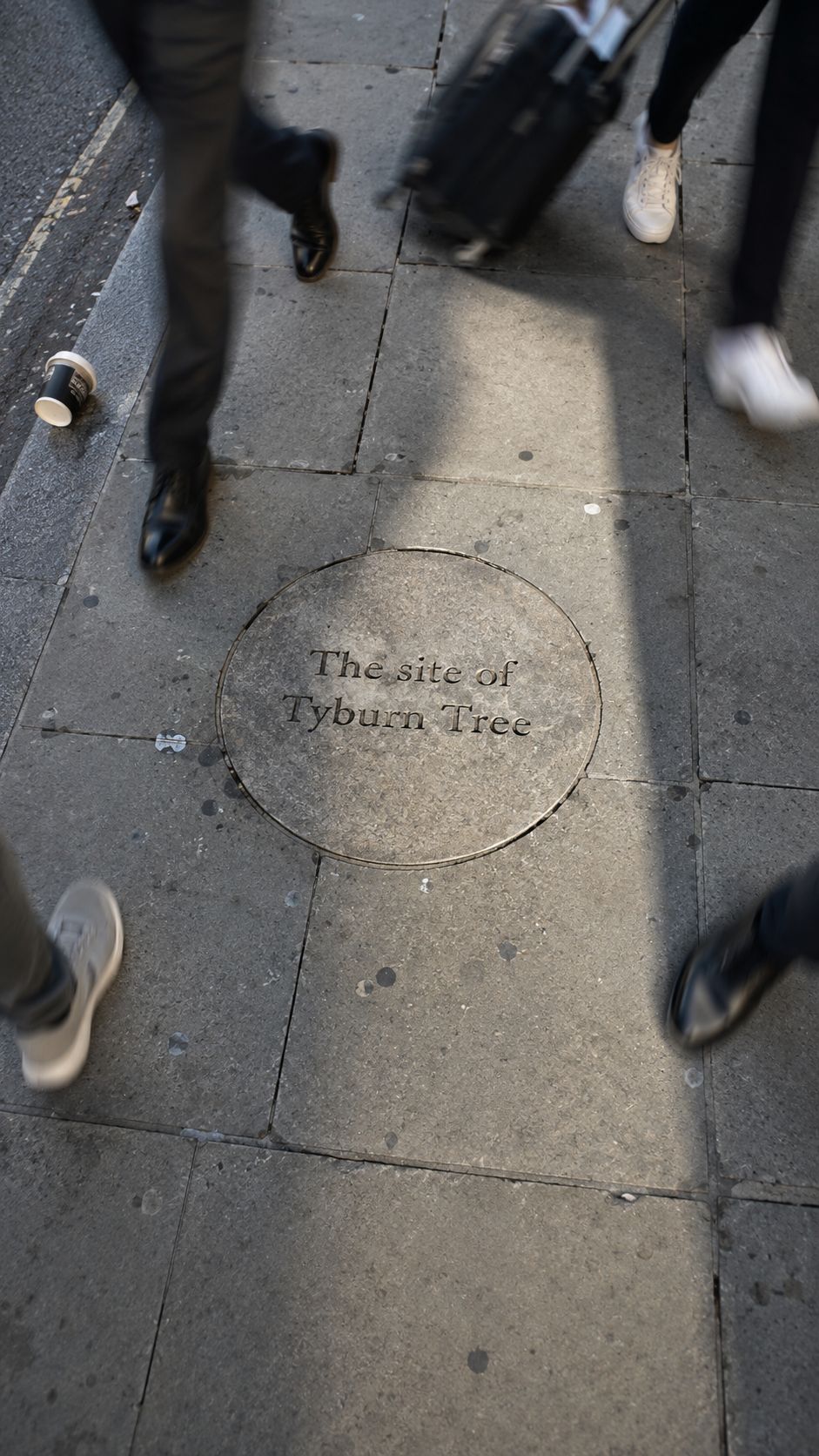
Tyburn, Newgate, the Tower of London, the Conciergerie, Eastern State Penitentiary. Places built for judicial killing and long confinement gather stories in proportion to the injustice done in them. The ghosts that get remembered are the ones who died protesting their innocence, or who died badly at the hands of an incompetent executioner. The figure is nearly always the victim, not the judge.
Plague and epidemic
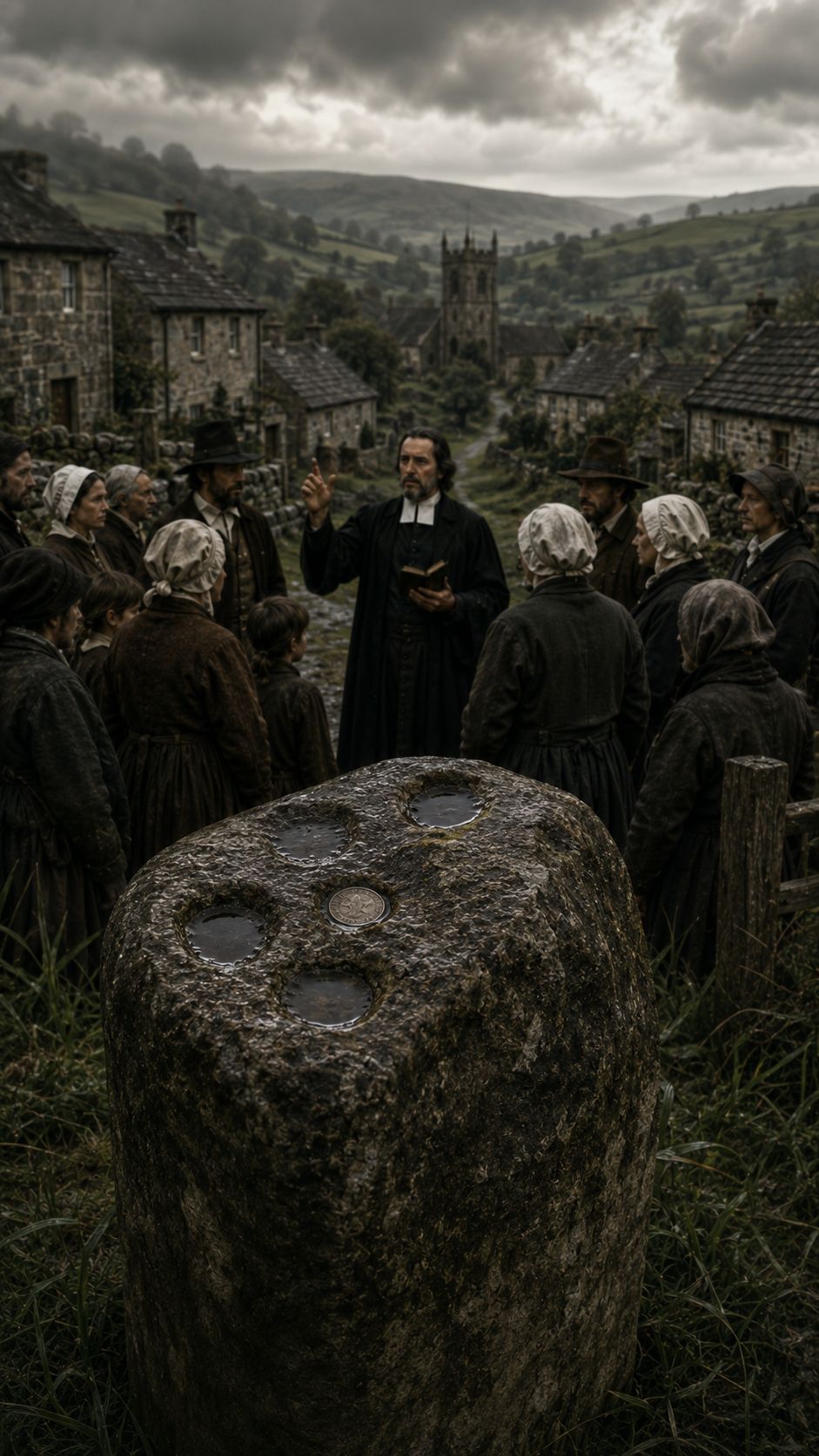
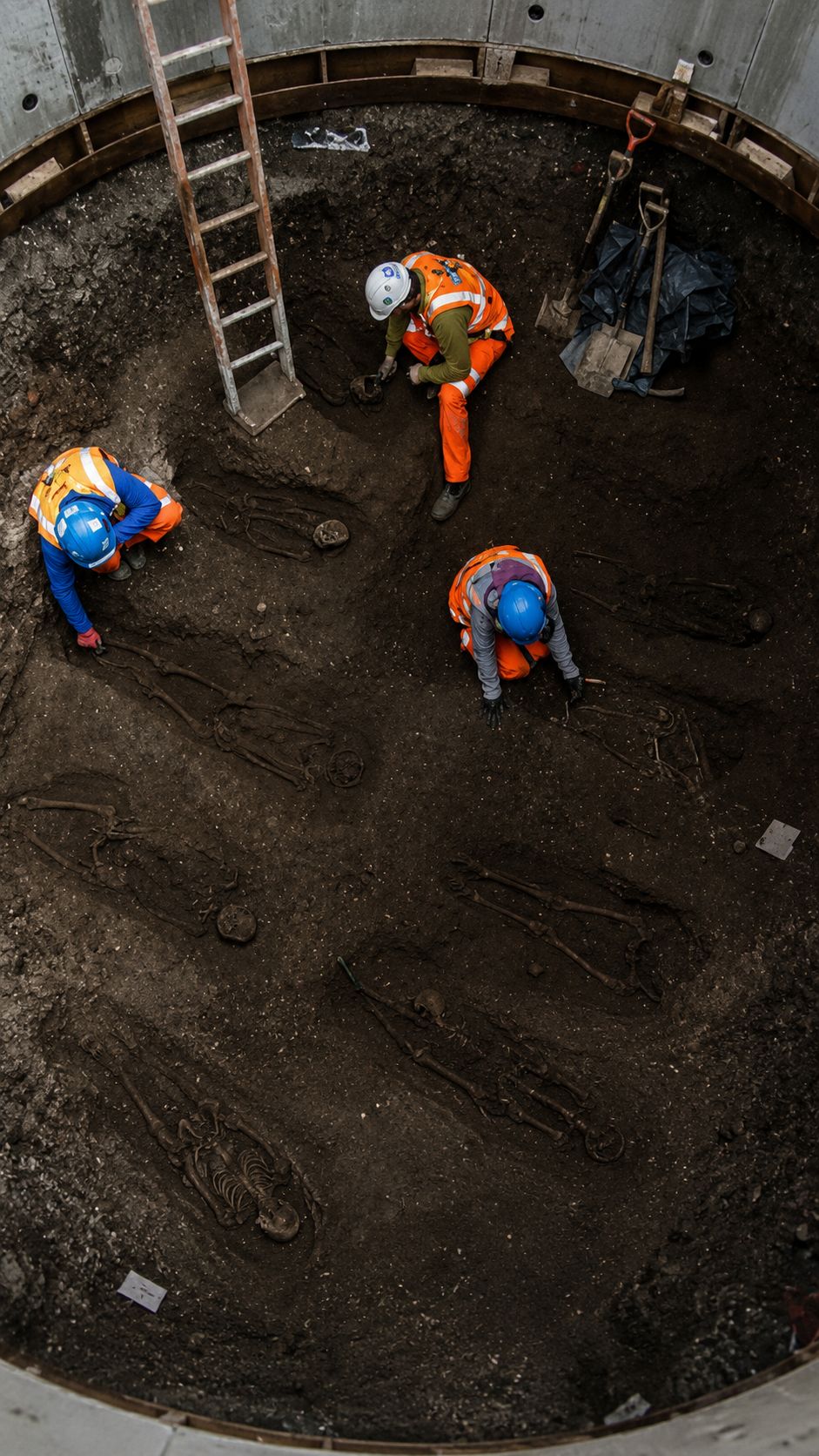
Sudden mass death without violence produces a different kind of legend — less about individuals and more about places sealed off, pits filled and forgotten, villages emptied. Eyam’s self-imposed quarantine in 1665–66 is the best-known English example; the plague pits under London’s streets are still turned up by building work and still generate stories with every excavation.
Fire, wreck and collapse
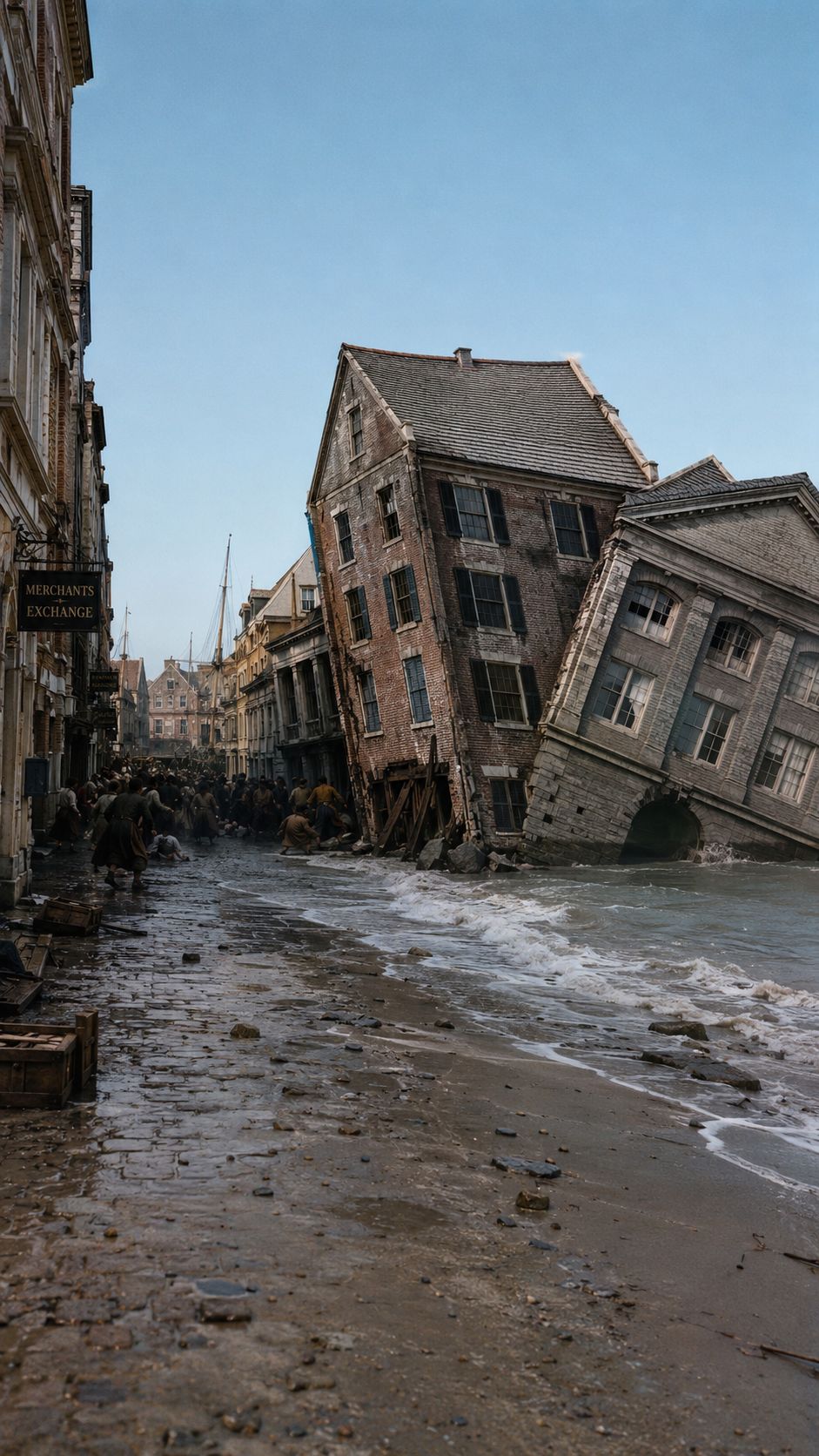
Disasters that killed many people in one place and one hour — theatre fires, mine collapses, shipwrecks, the Tay Bridge — leave a story because the deaths were public, the victims were named in the newspapers, and the site remained. A wreck that is still visible at low tide is a legend that never gets the chance to fade.
Sudden change
The final category is quieter: a community abandoned, a house emptied by a single scandal, a religious order dissolved overnight. The dissolution of the monasteries between 1536 and 1541 produced more English ghost stories than any single event before the Civil War — monks walking cloisters that no longer exist, in buildings that were sold for their stone. When the institution disappears but the building remains, the building tells the story.
The common thread
In every case the legend marks a debt that was never settled: the unburied, the unjustly killed, the unmourned. Folklore is a form of accounting. The ghost is what a community produces when it knows something wrong happened here and has no other way to keep the record.