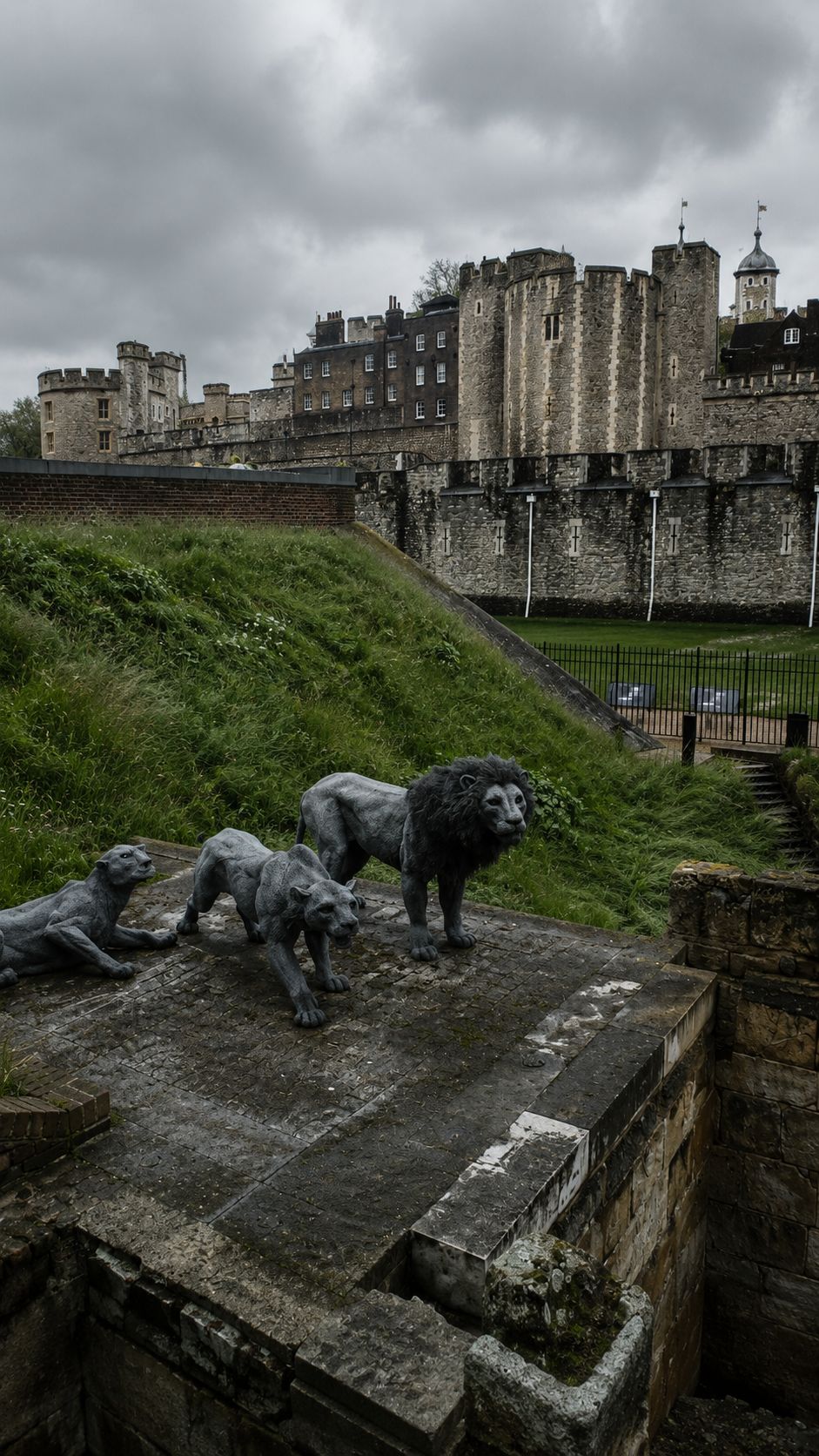
The Tower of London is the densest square of dark history in Britain. Twenty-eight of the stories in this archive happened inside its walls, and most of the places they happened are still there and open to visitors. This is a route that follows the stories rather than the guidebook. Allow a full day; the Tower rewards slowness.
Before you go
Book online for the first entry slot of the day and go straight to the Crown Jewels while the queue is short, then do everything else at your own pace. Yeoman Warder tours leave every half hour from the entrance and are the best free thing in London; take one early, because the Warders tell the stories this site tells, and they tell them well. Tower Green and the chapel are only open to visitors on those tours or at set times, so check the day’s schedule when you arrive.
Morning: the Bloody Tower and Traitors’ Gate
Enter over the causeway and stop at Traitors’ Gate, the water entrance from the Thames through which Anne Boleyn, Thomas More and Elizabeth I (as a prisoner, in 1554) all arrived. The Bloody Tower stands directly above it. This is where the twelve-year-old Edward V and his brother were lodged in 1483 and never seen again; the room is furnished as it might have been, and the staircase under which two children’s skeletons were found in 1674 is nearby in the White Tower. Walter Raleigh’s rooms in the Bloody Tower are where he spent thirteen years writing a history of the world.
Late morning: Tower Green and the chapel
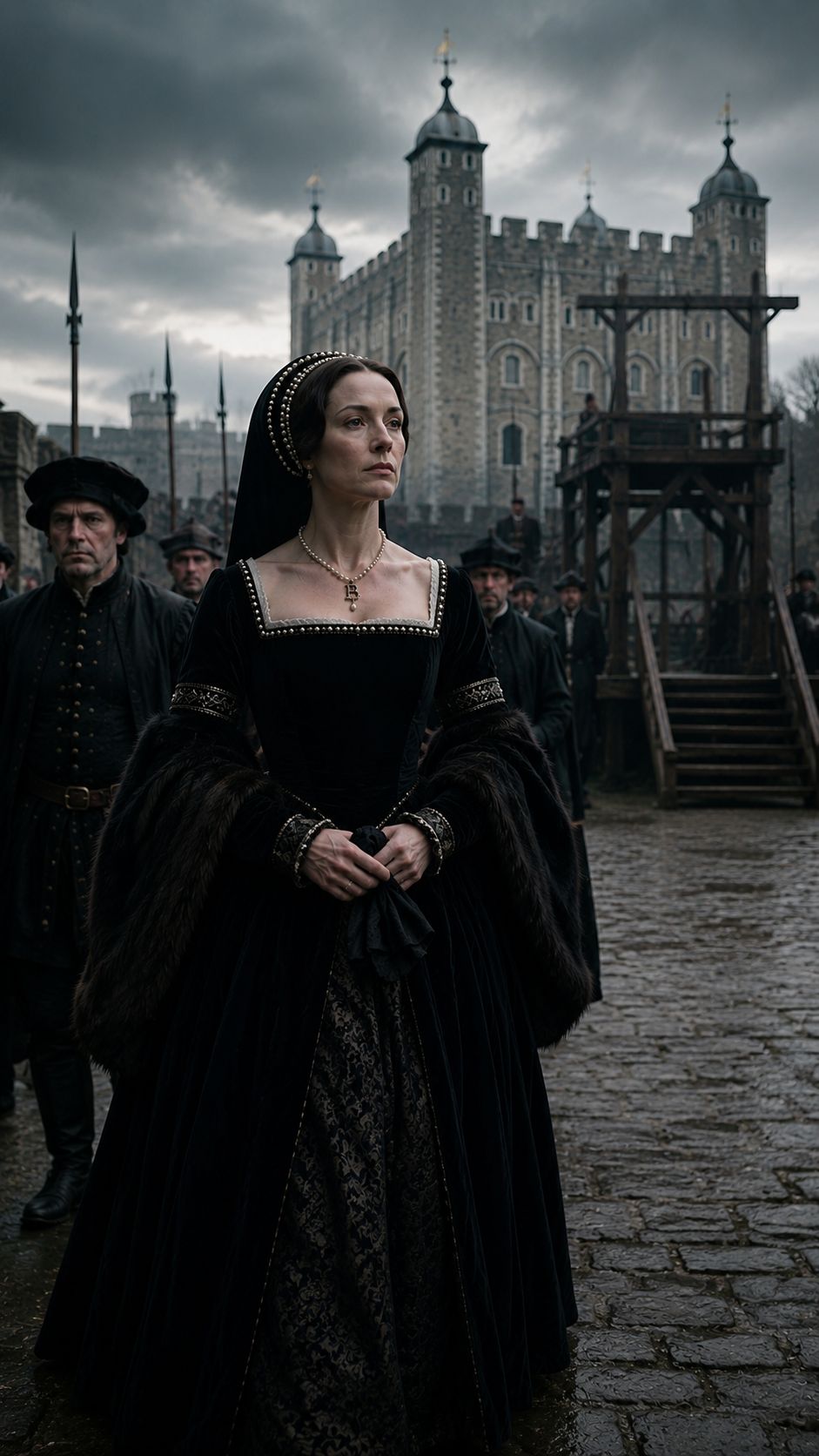
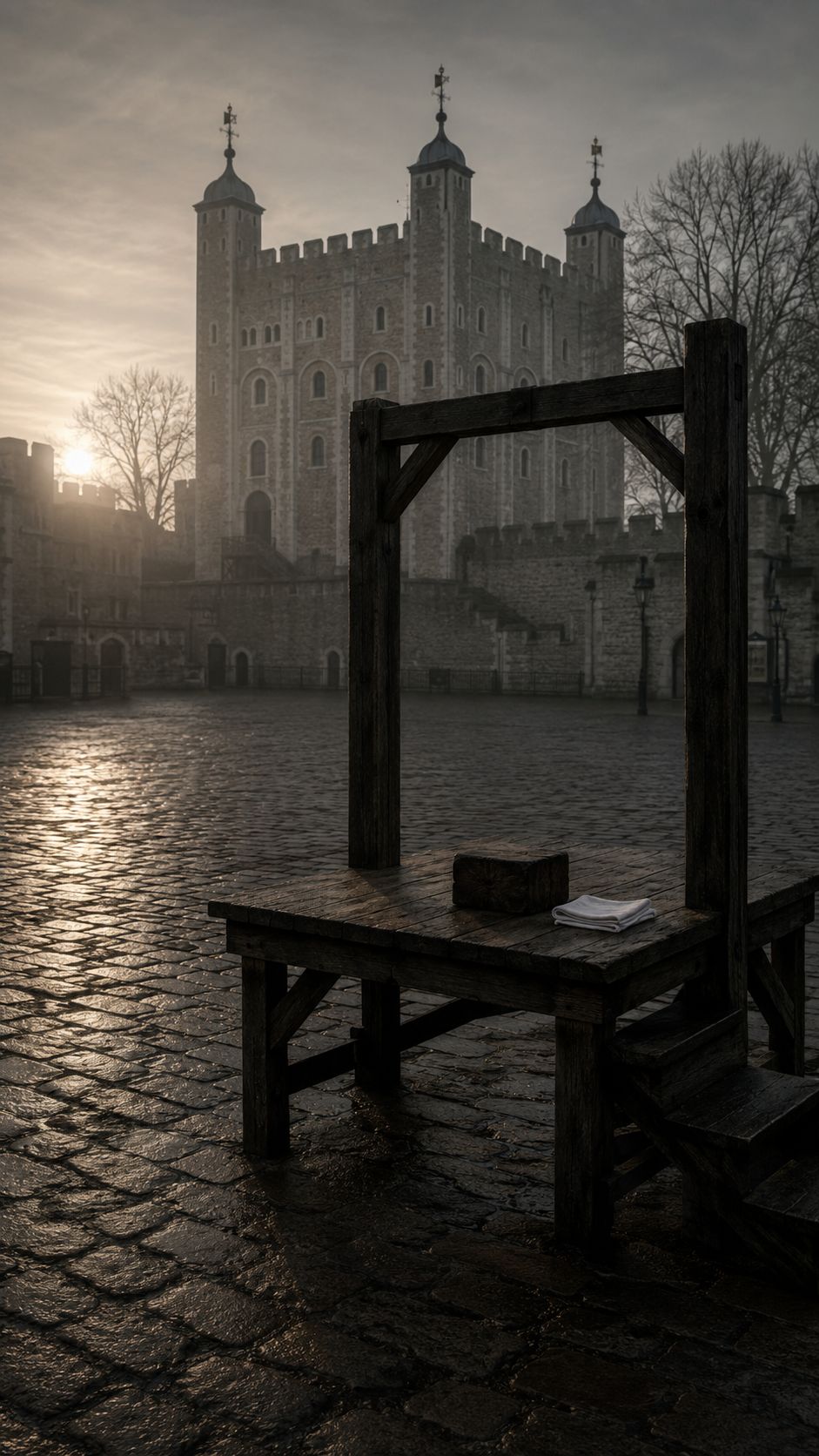
Walk through to Tower Green. The glass memorial marks the site of the private scaffold where seven people were beheaded away from the crowds on Tower Hill — among them Anne Boleyn, who asked for a French swordsman rather than an axe; Catherine Howard; Lady Jane Grey, who had watched her husband’s body carried back from Tower Hill that morning; and Margaret Pole, Countess of Salisbury, whose execution in 1541 went so badly that it is remembered for the executioner chasing her. All of them are buried a few yards away under the floor of the Chapel of St Peter ad Vincula, which you can enter on a Warder tour.
Lunch
There is a café in the New Armouries, but on a fine day it is better to take sandwiches out onto the wharf and eat with the river in front of you and the walls behind. Tower Hill, where the public executions took place, is across the road — a small garden marks the scaffold site.
Afternoon: the White Tower and the Beauchamp Tower
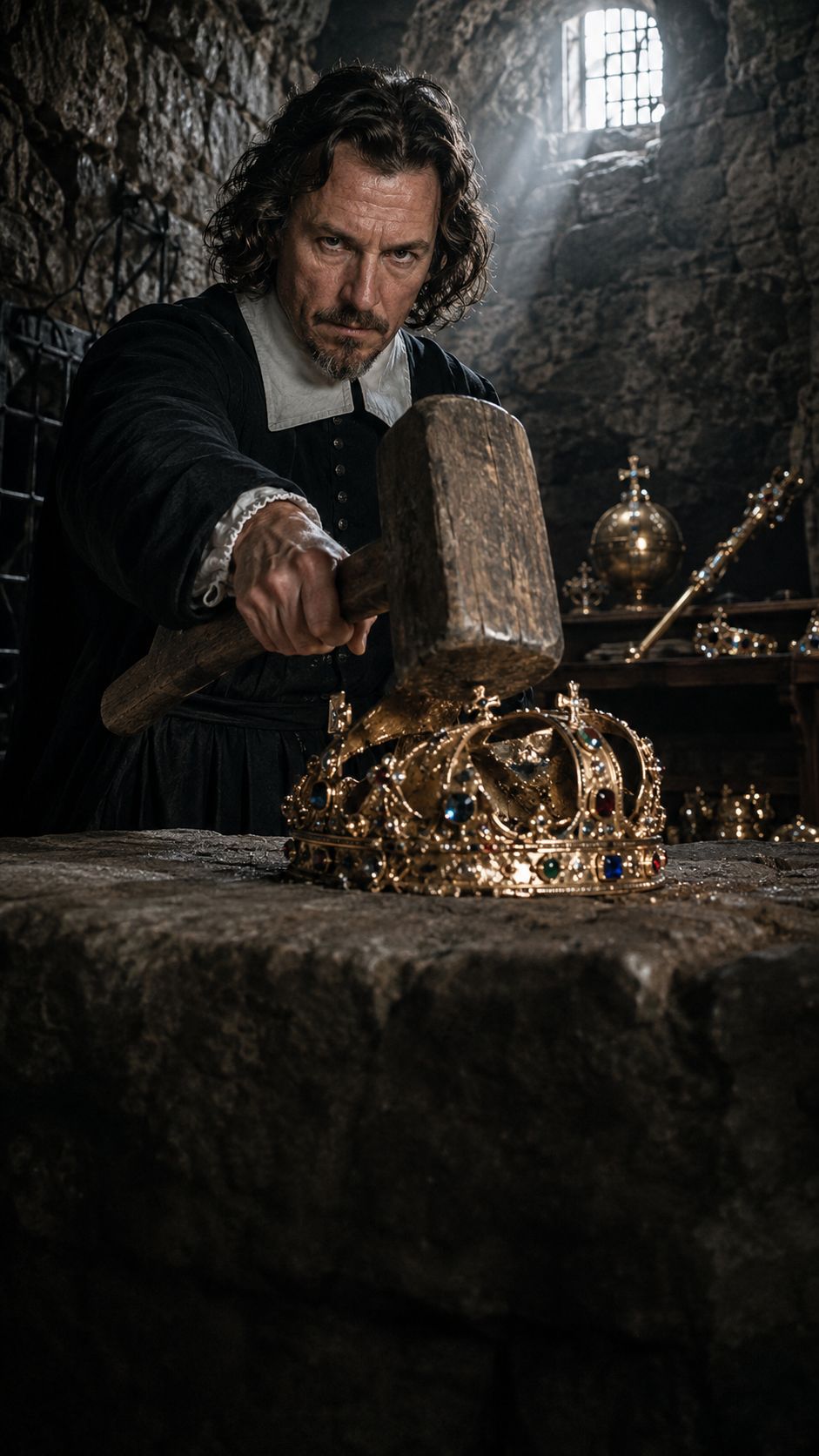
The White Tower holds the armouries and the Chapel of St John, and on the way round you pass the site of the rack, the instrument that turned Guy Fawkes’s signature into a scrawl in 1605. The Beauchamp Tower is the one not to miss: its walls are covered in the carved graffiti of Tudor prisoners, including the name “IANE” carved by the Dudley brothers while Jane Grey waited in a house across the green. The Salt Tower, the Martin Tower and Wakefield Tower fill in the rest — the Martin Tower is where Colonel Blood stole the Crown Jewels in 1671 and was pardoned for it.
Before you leave
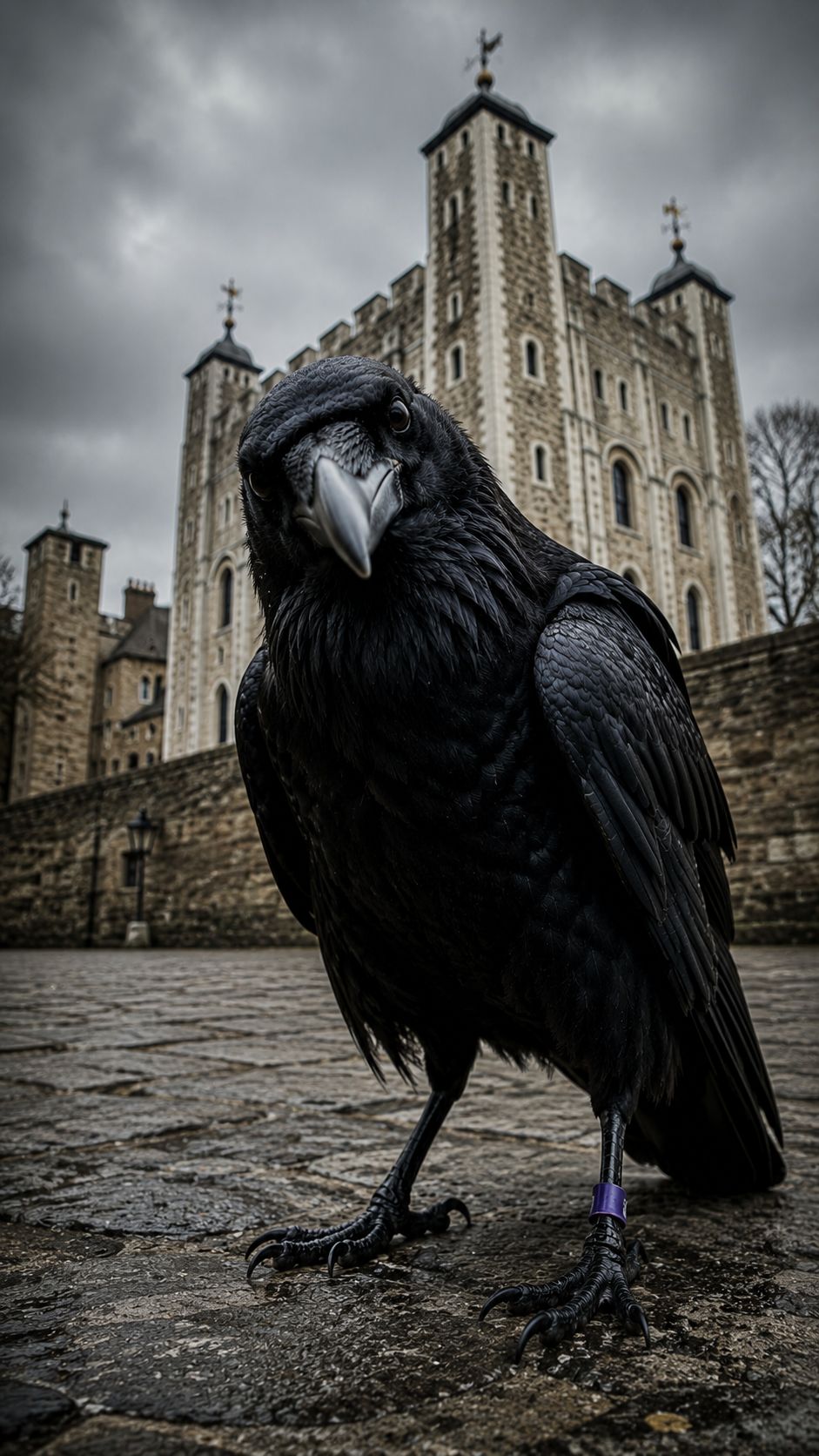
Find the ravens. The legend that the kingdom falls if they leave is a Victorian invention — nobody wrote it down before the 1880s — but the birds are real, their wings are clipped, and they will look at you like you owe them money. Then walk out through the Byward Tower as the day-visitors thin out; the Ceremony of the Keys at ten each night has closed the gates the same way for seven centuries, and tickets for it are free but must be booked well ahead.
Read the stories first
Everything above is on the Dark Atlas. Read the stories on the train in, and the Tower stops being a monument and becomes a set of rooms where you know exactly what happened.