Open any list of the most haunted places in the world and the same building types appear again and again: prisons, asylums, hospitals, castles, battlefields, theatres and hotels. This is not a coincidence, and it is not evidence of anything supernatural. It is the result of three overlapping patterns.
Pattern one: death and confinement
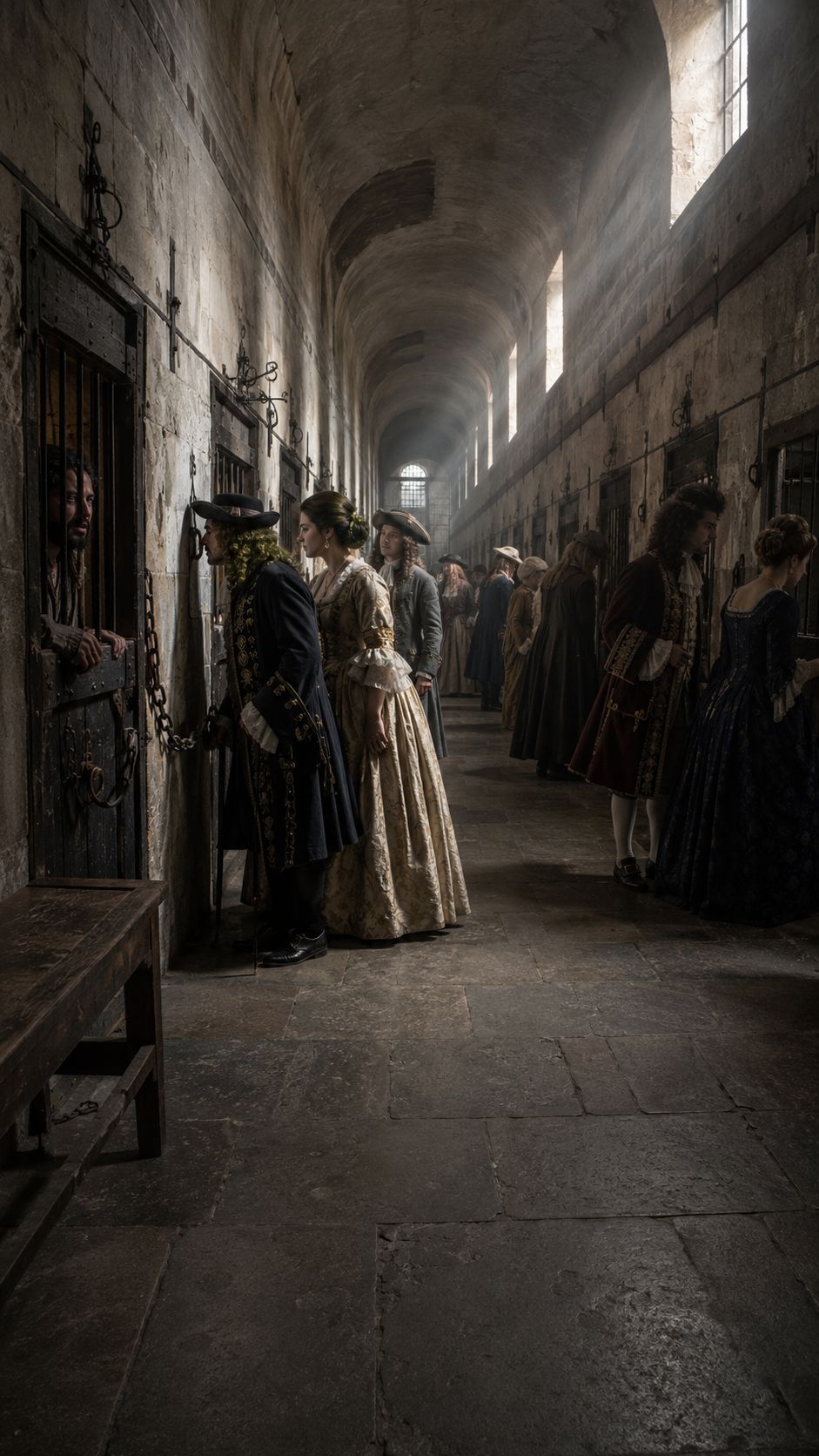
The buildings that dominate haunted lists are the ones where large numbers of people died, suffered or were held against their will over a long period. A Victorian asylum that operated for a century held tens of thousands of patients; a county gaol carried out public executions for generations; a military hospital received the wounded of every war of its era. The sheer volume of human distress concentrated in one set of walls makes it almost inevitable that stories attach to it.
Pattern two: survival of the building
A haunting needs an address. Places that were demolished lose their ghosts within a generation; places that survive keep them. Castles, prisons and asylums were built to last, often of stone, often in locations that resisted redevelopment, and many have found second lives as museums, hotels and tourist attractions. The Tower of London has been in continuous use for over 900 years. Its ghosts have had 900 years to accumulate.
The building also needs to be visitable. A haunting nobody can experience is not a haunting anyone talks about. The most haunted places are, almost by definition, the ones that are open.
Pattern three: atmosphere and expectation
Old institutional buildings share a set of physical properties: long corridors, poor lighting, draughts, temperature differentials, structural noises, and infrasound from wind across large open spaces. These are exactly the conditions under which the human nervous system produces the sense of a presence, and they are exactly the conditions visitors arrive expecting to feel something in. The reputation and the architecture reinforce each other. Ghost tours and paranormal television have accelerated this: a place that has been on screen as “haunted” will produce more reported experiences the following year than it did the year before.
What the clustering tells you
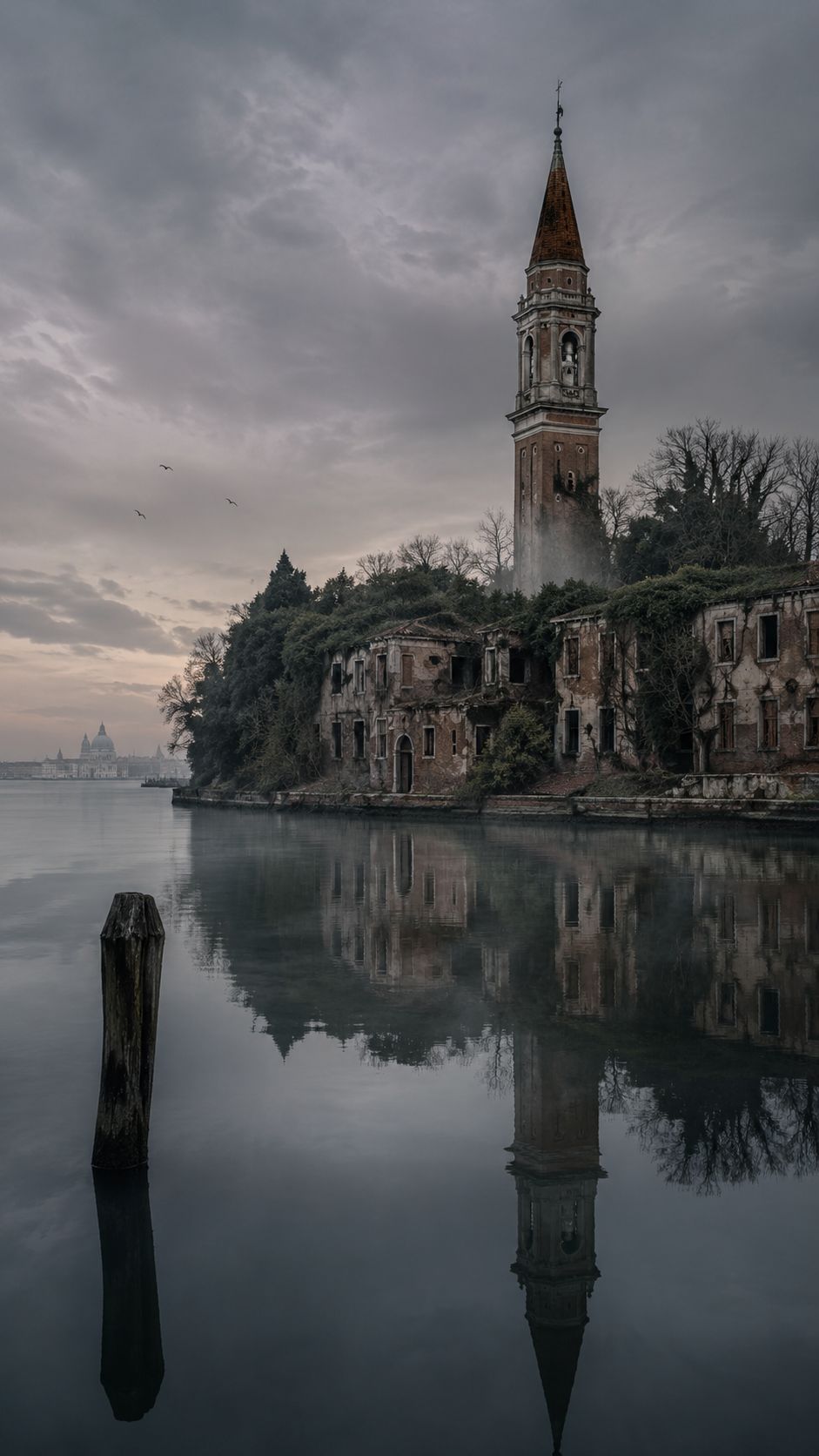
Read the list of haunted places as a list of institutions a society has stopped using and is not quite sure what to do with. Asylums were closed in the late twentieth century as psychiatric care moved into the community, and became haunted almost immediately. Prisons that shut when new ones were built became museums, then ghost-hunt venues. The haunting is what happens in the gap between a building’s original purpose and its next one — the moment when the public is allowed in to see a place that was designed to keep them out.
Using the atlas
On the Dark Atlas, you will see the same clustering: London, Edinburgh, Paris and Rome, and within them the Tower, the Old Town, the Conciergerie and the Colosseum. When you search a city, the stories are where the institutions were. That is the map of where history happened in public — and where it was hidden.