On 7 May 1915 the British ocean liner RMS Lusitania was crossing the Atlantic carrying nearly 2,000 passengers when a German U-boat fired a torpedo into the side of the ship off the coast of Ireland, and within seconds a second explosion tore through the vessel causing panic across the decks as passengers rushed toward lifeboats while the ship began tilting heavily into the freezing sea, and many of the lifeboats could not even be launched properly because of the angle of the deck, and people were thrown into the water as the Lusitania sank in just eighteen minutes, and witnesses later described hearing screams across the ocean while hundreds struggled in the freezing Atlantic surrounded by wreckage, and by the time it was over nearly 1,200 people were dead, including more than one hundred children.
Interesting Fact
The sinking of the Lusitania shocked the world because many passengers were civilians. Germany argued the ship was carrying war materials, something historians later confirmed was partly true. The disaster helped turn public opinion strongly against Germany during World War I.
Nearby on the Dark Atlas
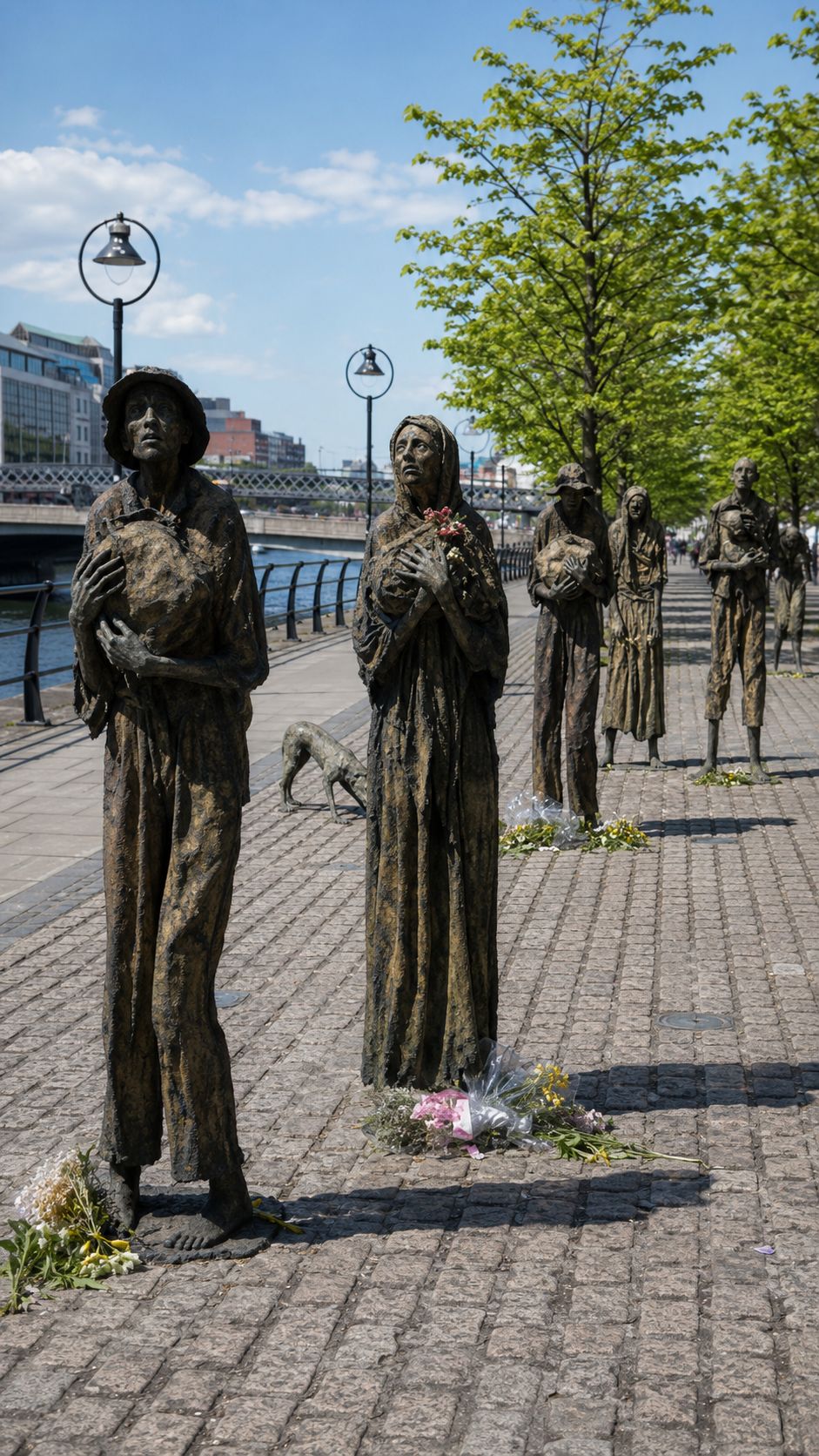 The Famine That Emptied A Nation
A potato blight kills over a million people while ships keep leaving Irish ports loaded with food.
Skibbereen, Ireland · 1845 · 51 km away
 The Village Sold To Barbary Slavers
A captured fisherman guided Barbary corsairs into an Irish village at night, betraying his neighbours into slavery to save his own life.
Baltimore, County Cork, Ireland · 1631 · 59 km away
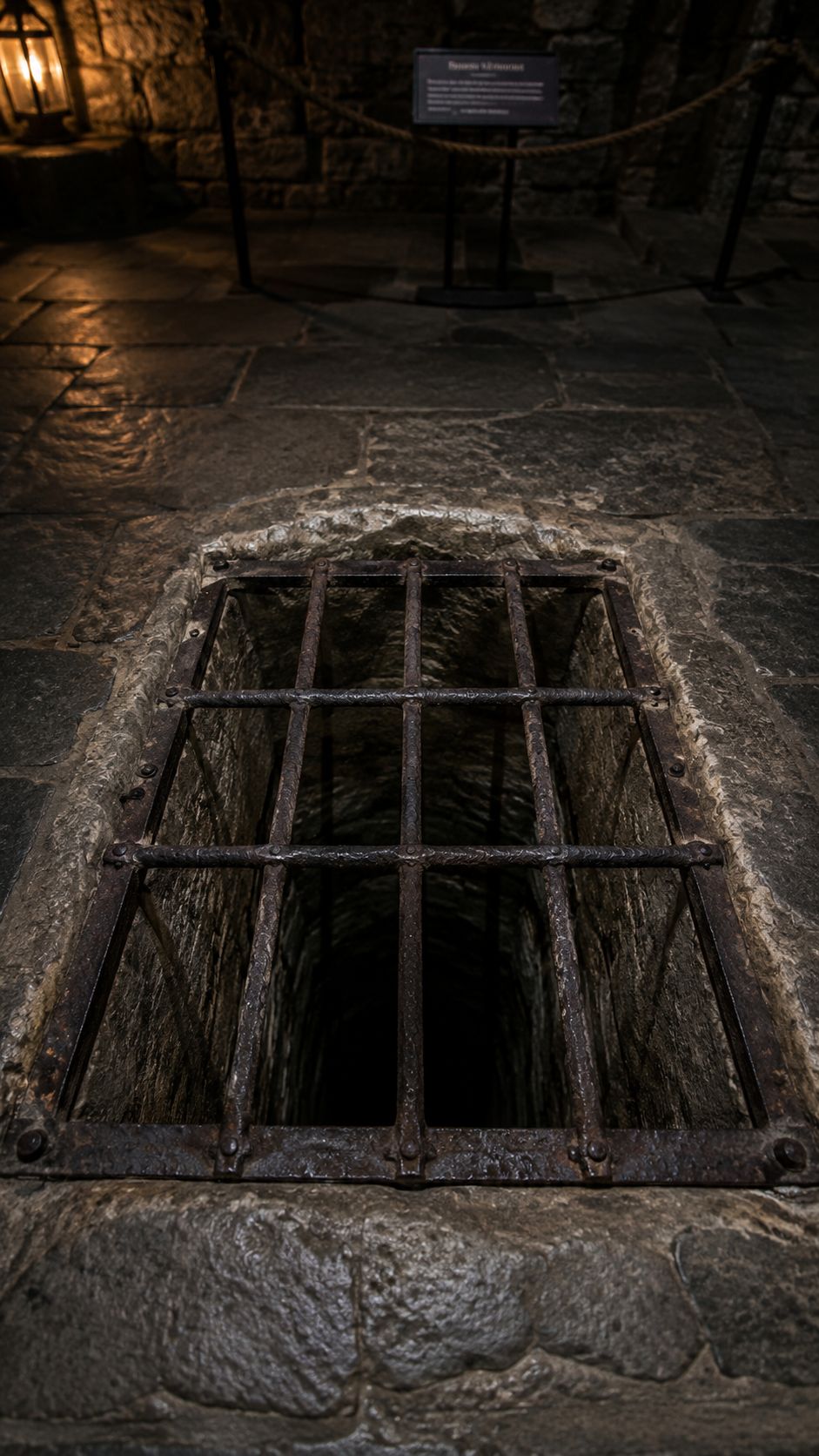 The Pit Built To Make You Forgotten
Unlike a dungeon with doors and gaolers, this drop into darkness offered no sentence, no ransom, and no way out.
Leap Castle, Ireland · 1250 · 158 km away
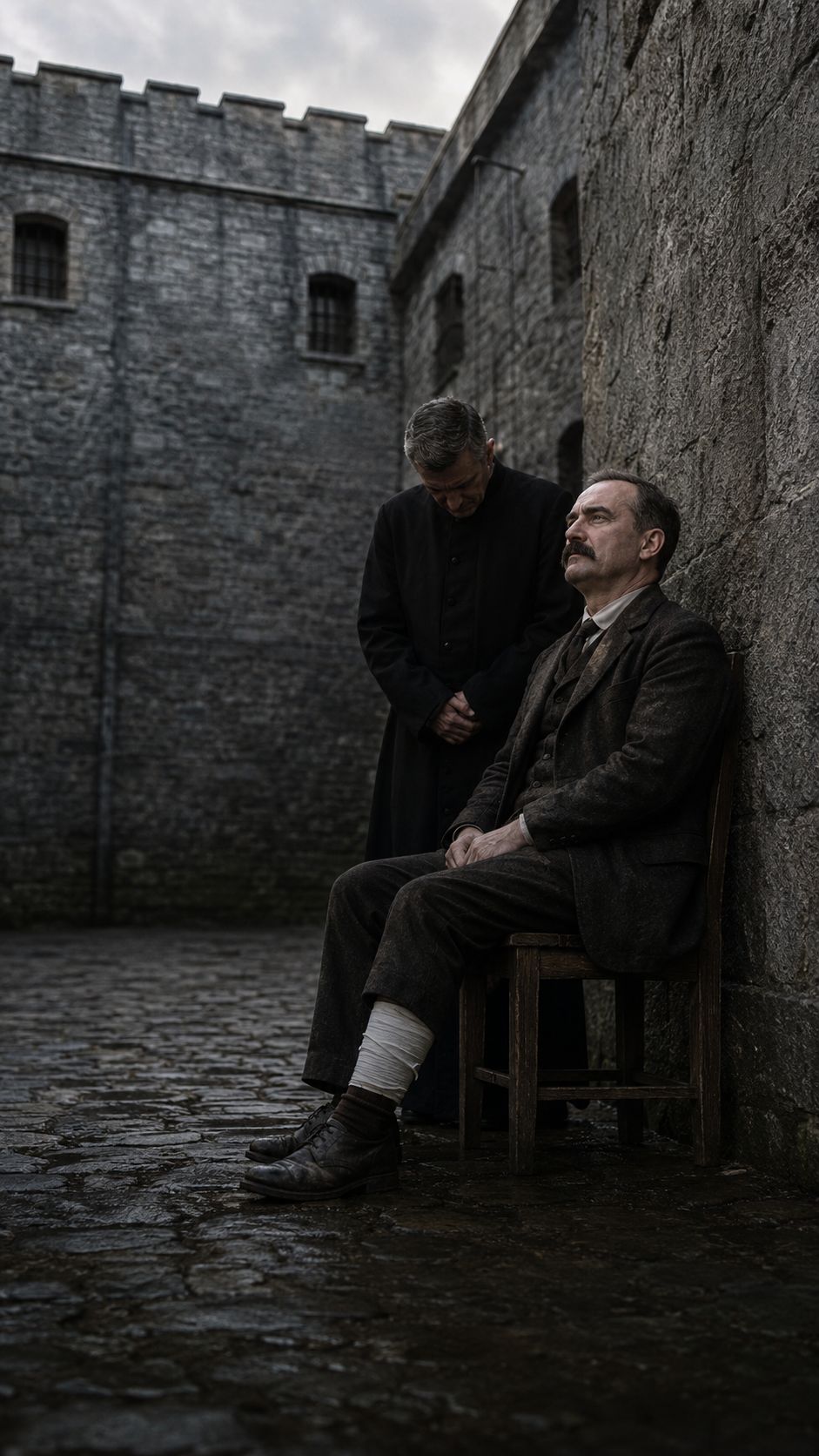 The Execution That Turned Dublin Against Britain
A dying, wounded rebel leader was tied to a chair and shot, an act so brutal it turned Ireland toward independence.
Kilmainham Gaol, Dublin, Ireland · 1916 · 245 km away
More like this
- The Diplomat Hanged As A Traitor And Honoured As A Saint
The man who exposed Congo's atrocities was hanged for treason, then given a hero's state funeral decades later.
Pentonville Prison, London, United Kingdom · 1916
- The Real Survival Story Behind The Revenant
Mauled by a bear and left for dead, a frontier trapper crawled across hundreds of miles of wilderness to survive.
Shadehill, South Dakota, United States · 1823
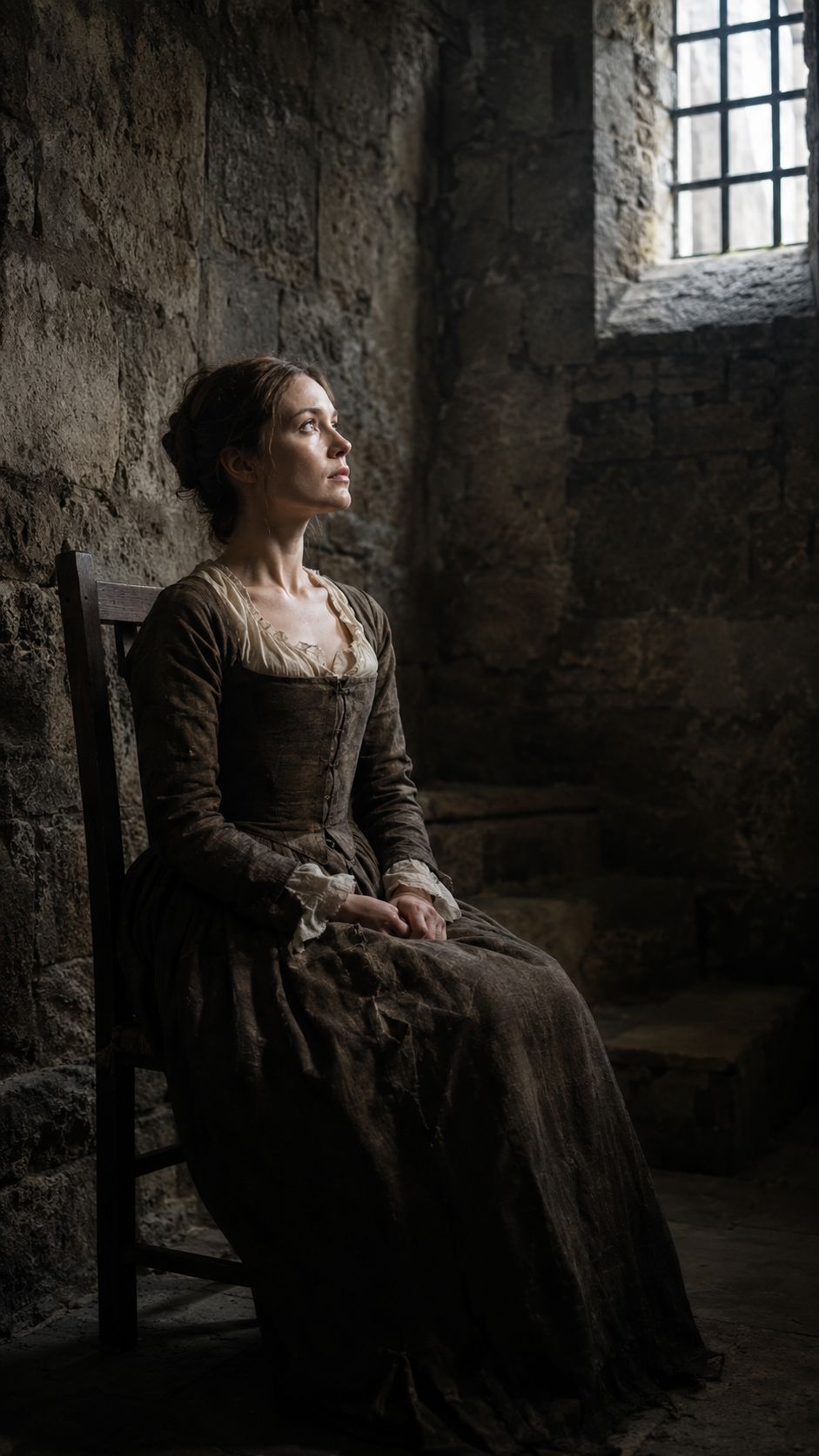 The Rape Trial That Ended In Trial By Combat
A woman's accusation of rape led to France's last judicial duel, with her own life staked on the outcome.
Paris, France · 1386
- The Parish Registers Of The Beast's Victims
Between 1764 and 1767 something killed roughly a hundred people, recorded in the registers as 'devoured by the beast.'
Saugues, France · 1764