There is a plain Georgian townhouse on the west side of Berkeley Square in Mayfair, one of the most expensive districts in London. Number 50 looks much like its neighbours — four storeys of dark brick, tall sash windows, black iron railings guarding the basement area below. And for the whole of the late nineteenth century it carried a reputation no other address in the capital could match. It was called, quite flatly and quite widely, the most haunted house in London.
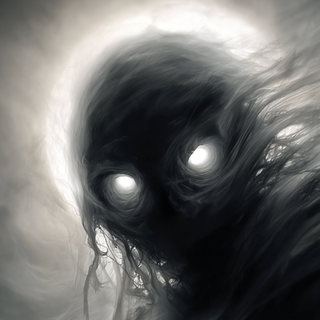
The legends all cluster around a single place inside it: a small, plain room up in the attic. In the Victorian tellings, something lived up there. It was never clearly seen — described only as a shapeless brown mist, or a pale crawling thing, or simply an overwhelming presence in the dark — and it was said to possess a terrible power. It could kill anyone who spent a night alone in that room, not by touch or by claw, but by sheer, stopping terror. To sleep there was to risk being frightened literally to death.
The Horror
The stories came down thick, lurid and much-repeated. In one, a maid was sent to sleep in the attic to air and prepare it for an expected guest. In the small hours the household was woken by screaming, and found the young woman collapsed on the floor, rigid, her eyes bulging, entirely out of her mind. She could not, or would not, say what she had seen, and — in the darkest versions — she died soon afterward in an asylum, her reason gone, her secret with her. In another, a sceptical gentleman guest laughed the whole thing off and insisted on sleeping in the attic himself to prove there was nothing to it; he was discovered in the morning speechless and paralysed with fright, and in some tellings simply dead, his face frozen in horror. Most famous of the ‘brave man’ stories is that of a visitor who arranged a signal with the household below — he would ring a bell once if all was well, and twice, urgently, if he needed help, and they were to come only on the second ring. In the night a single ring came. Then, almost at once, a frantic second. They ran up the stairs and burst in. He was dead, they said, his face fixed in terror, staring at one corner of the room.
But the tale that fixed 50 Berkeley Square in the public imagination is the story of the two sailors. On a bitter winter’s night, so it goes, two destitute sailors on shore leave, with nowhere to stay, broke into the empty and by-then decaying house looking for somewhere out of the cold to sleep. They climbed up through the dark building until they found the one room that seemed usable — the attic — and settled down there. In the dead of night one of them woke to a sound, and to something moving in the blackness: a shape, formless and wrong, oozing across the floor toward them. Blind with panic, he fought free of it and ran — but in his terror he did not find the stairs. He went out through the attic window instead, and was found in the morning impaled and dead on the iron railings in the area far below. His companion, who fled the other way and survived, could afterward only babble about a shapeless thing coming for them out of the shadows.
Where did such a horror supposedly come from? The real history of the house feeds the legend at every turn. For fifteen years in the mid-nineteenth century number 50 was occupied by a reclusive man named Thomas Myers, said to have been jilted by his bride and to have shut himself away in bitter grief, refusing ever to leave, letting the once-fine house rot and moulder around him until it became a byword for gloom and neglect on an otherwise glittering, fashionable square. His slow descent into madness, and the sight of a genuinely derelict mansion sitting like a rotten tooth among the mansions of the rich, gave the ghost stories a perfect natural home. Other versions layer on further tragedies — a young woman who threw herself from the top-floor window to escape a cruel and predatory uncle, a child mistreated and killed in the nursery — the classic ingredients of every haunted house, accreted over decades of retelling.
So how much of it is true? Almost certainly the deaths and the killer attic are folklore, inflated by Victorian magazines hungry for a delicious horror and by the very real, very visible sight of a rotting house in the middle of rich Mayfair. Sober researchers have pointed out that the wildest of the tales — the dead maid, the dead nobleman, the impaled sailor — cannot be tied to firmly documented, named victims with dates. But that, in the end, is exactly how the most haunted house in London was built. Not by one verified ghost, but by a real derelict mansion, a real broken recluse rotting away inside it, and a great city that simply could not stop telling itself the story.
The Modern Relic
And you can go and stand in front of it tomorrow. Number 50 Berkeley Square still stands, immaculate now, its dark and derelict days long behind it — for most of the twentieth century it was the dignified home of the antiquarian booksellers Maggs Bros, and no shapeless horror has troubled it in living memory. But the address has never quite shaken its legend. Walk the west side of Berkeley Square, find the number on the door, and look up at the small attic windows tucked under the roofline — and you are looking at the room that Victorian London swore, in a hundred breathless retellings, could frighten a grown man to death.
Nearby on the Dark Atlas
- Betrayed by a Farmer's Grudge
The man who helped condemn Anne Boleyn was destroyed years later by a tenant's accusation and a single well-placed word.
Tyburn, London, United Kingdom · 1540 · same site
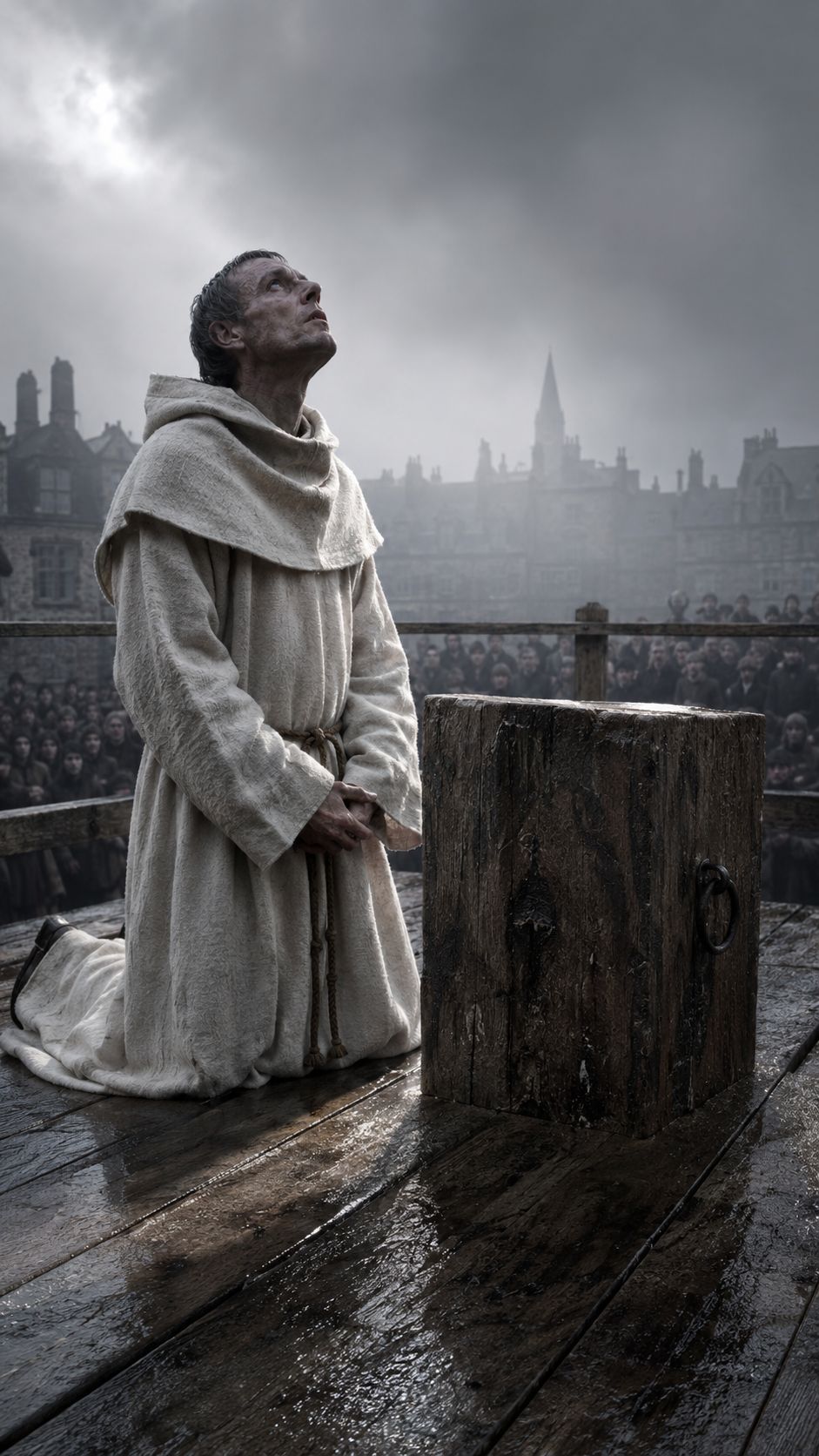 The Cheerful Walk to Tyburn
Watching from his cell, Thomas More saw five monks dragged to Tyburn cheerful as bridegrooms, knowing he would follow.
Tyburn, London, United Kingdom · 1535 · same site
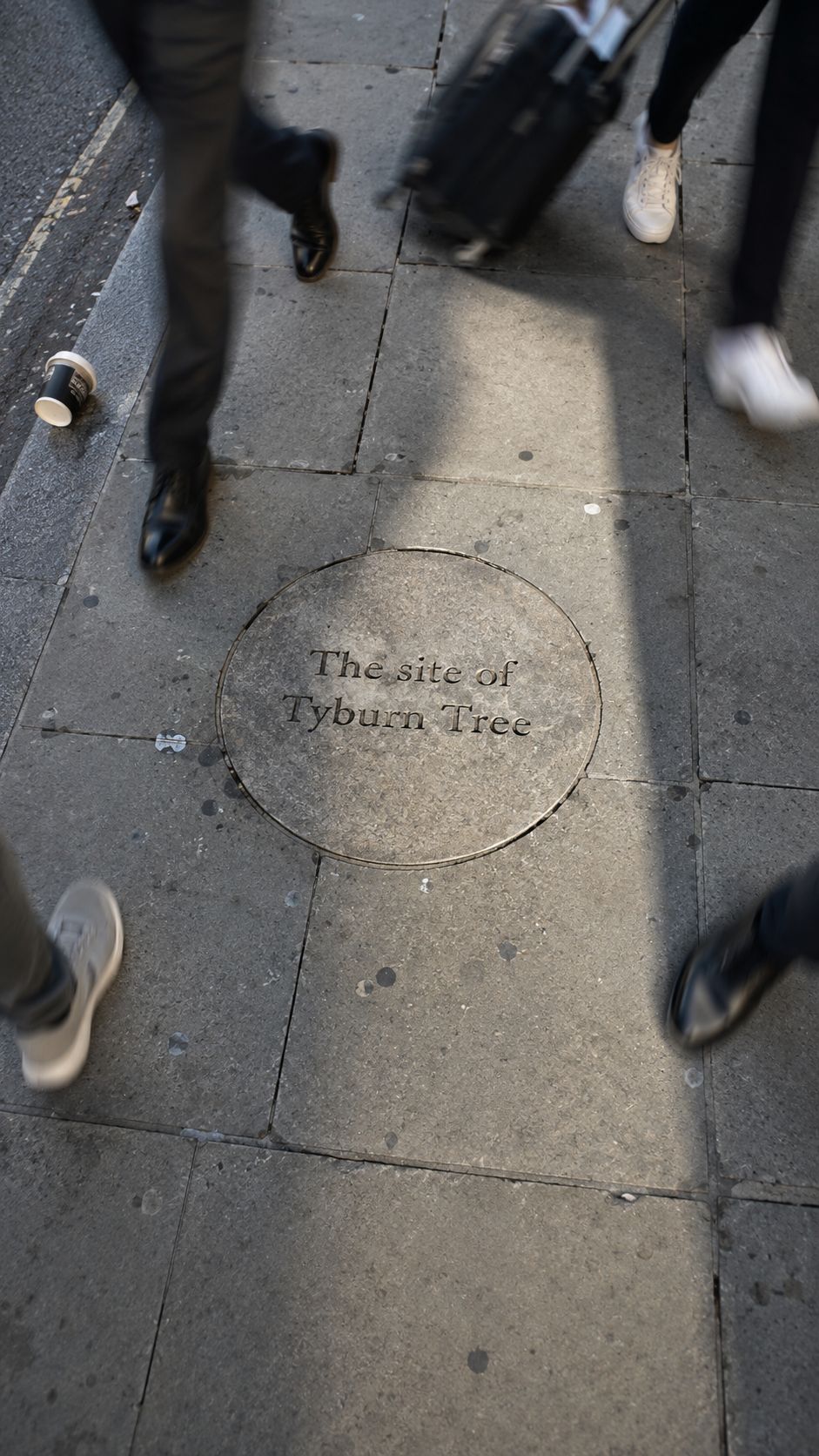 The Killing Ground Beside Marble Arch
For nearly 600 years a triangular wooden gallows on a London traffic island hanged tens of thousands, and almost nobody notices the plaque today.
Marble Arch, London, United Kingdom · 1700 · same site
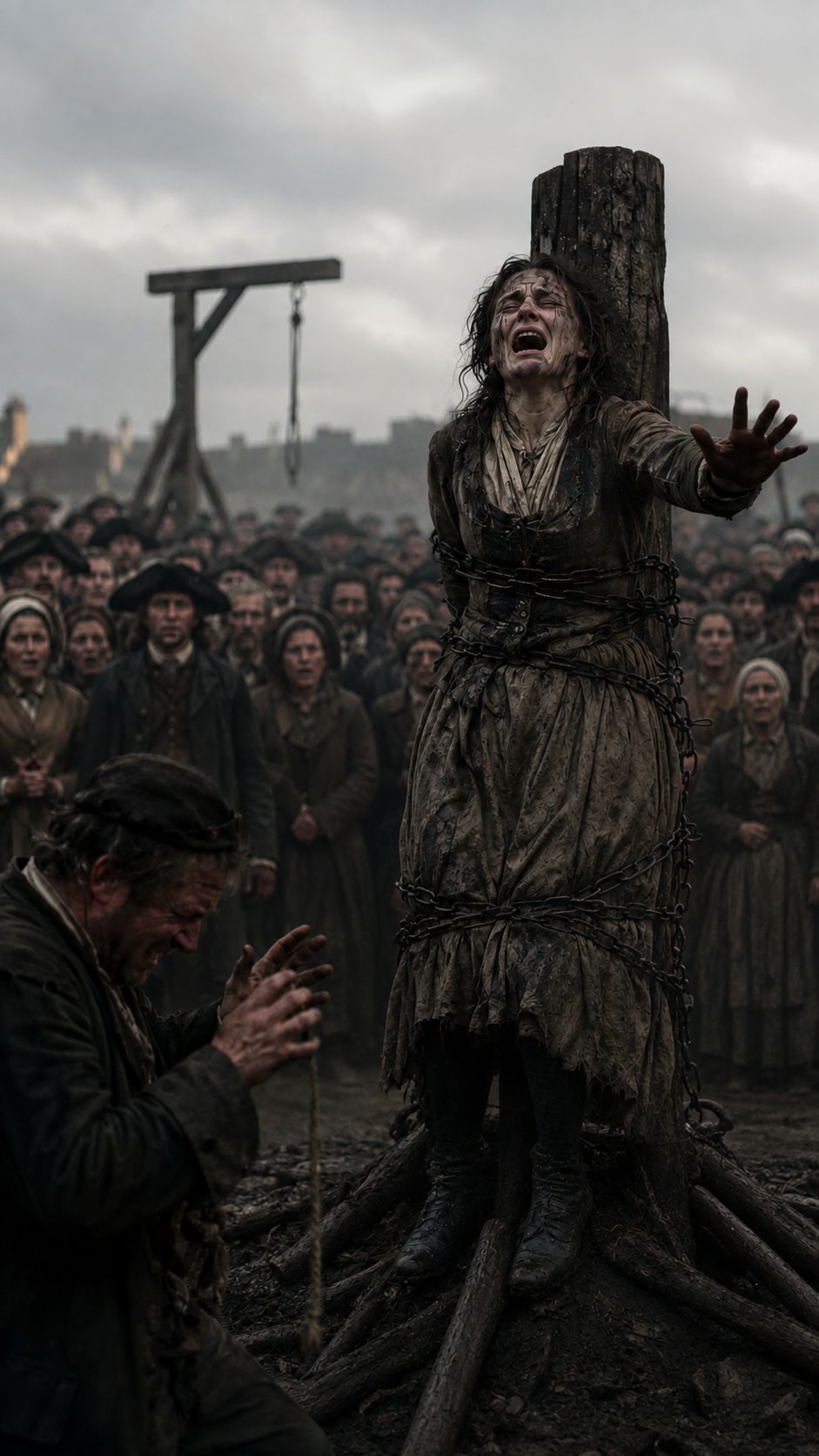 The Last Woman Burned Alive In England
Her murder became the stuff of ballads and nightmares — and her execution went so wrong it stands as a black mark on English justice.
London, United Kingdom · 1726 · same site