On the morning of 19th May 1536, Anne Boleyn walked from her lodgings in the Tower of London to a scaffold on Tower Green. She was about 35. She had been Queen of England for three years. She had been convicted of adultery, incest and treason on evidence most historians now see as manufactured.
Henry VIII — who had broken with Rome, split the English Church and reshaped England’s constitution to marry her — now wanted her dead. Not divorced. Not exiled. Dead.
He also wanted it done well. He sent to Calais for an expert executioner.
THE HORROR In England, executions used an axe. The condemned knelt, laid their head on a block, and the headsman swung downward. It was crude and often botched. Five years later, Margaret Pole would suffer eleven blows on the same ground.
Henry ordered something different for Anne. He hired Jean Rombaud, the swordsman of Calais — a specialist in beheading by sword. A sword strike could be faster and cleaner than the axe, but it demanded great precision. The condemned knelt upright with no block; the executioner struck horizontally, severing the neck from behind in a single stroke while the victim was still kneeling.
Anne Boleyn became the only person in English history executed by sword. Henry paid for precision. Anne received it.
On the scaffold, she spoke briefly. She praised the king, as convention demanded, and asked the crowd to pray for her. She made a small, bitter joke that has survived for nearly five centuries: “I heard say the executioner was very good, and I have a little neck.” Then she put her hand around her throat and laughed.
She knelt upright. Her ladies removed her hood and pinned up her hair. A white cloth was tied over her eyes.
Then witnesses noticed something unsettling.
Blindfolded, Anne began turning her head, trying to locate where the sword was. Left, right, left — searching for the sound or sense of the blade. The sword itself had been hidden under the straw covering the scaffold. She could not see it or hear it. She didn’t know where the blow would come from.
The executioner, realising that this movement would make a clean strike difficult, called out to his assistant: “Bring me the sword.”
Anne turned her head toward the voice — toward the direction she thought the sword was being fetched from.
Rombaud was already holding it. The shout was a trick. As Anne turned one way, the blade came from the other.
One stroke. Her head fell. Her body stayed upright on its knees for a moment before collapsing.
Several witnesses reported that her eyes and lips continued to move briefly after separation — likely a few seconds of residual nerve activity, interpreted at the time as a horrifying hint that consciousness might outlive the blade.
No coffin had been prepared. The Queen of England was buried in an old elm arrow chest — a box meant for longbow shafts, found in the Tower’s stores. Her head was placed beside her body. She was interred under the floor of the chapel of St Peter ad Vincula inside the Tower.
THE MODERN RELIC The chapel of St Peter ad Vincula is part of today’s Tower of London tour. Anne’s name appears on a memorial stone in the floor near the altar, alongside Catherine Howard, Margaret Pole and other victims of Tudor politics. On Tower Green, a glass monument marks a symbolic execution site.
Anne’s daughter, Elizabeth, was two years and eight months old when her mother died. She was declared illegitimate, removed from the succession and raised in a court where her mother’s name was almost never spoken.
She became Elizabeth I — widely regarded as England’s greatest monarch. She reigned for 45 years, defeated the Spanish Armada and presided over Shakespeare’s age and the English Renaissance. She never married, never named a successor and never publicly discussed her mother in any detail. The silence lasted a lifetime.
One intimate object survived: a locket‑ring Elizabeth wore for years, which opens to reveal two miniature portraits — one of Elizabeth herself, the other of a dark‑haired woman many historians believe is Anne.
The daughter kept her mother in a ring. The father kept her in an arrow chest. The Tower kept her under the floor.
Nearby on the Dark Atlas
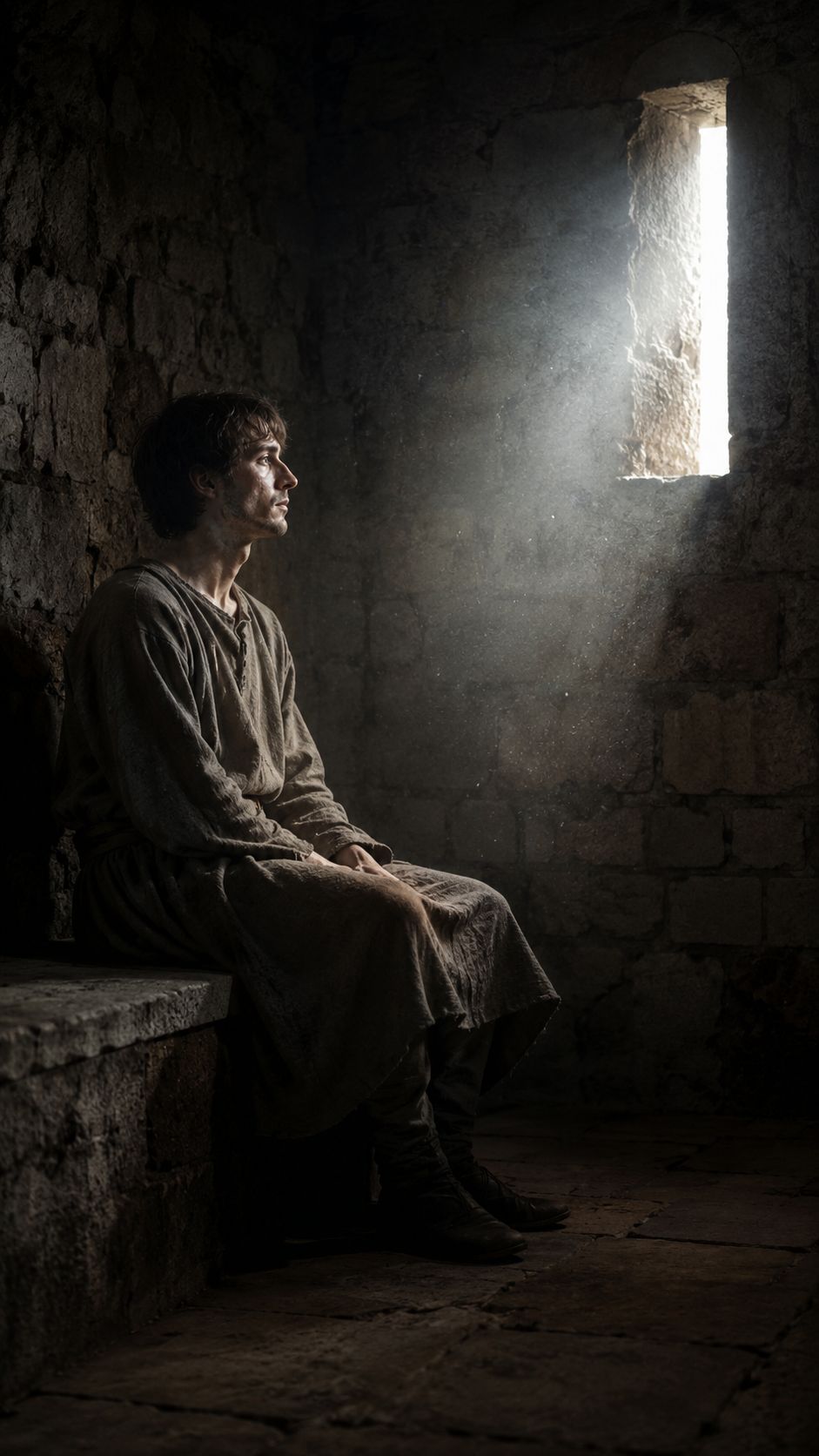 Fourteen Years in the Tower for His Bloodline
Locked away as a boy for the crime of his birth, he emerged so isolated he could no longer recognize an animal.
Tower of London, London, United Kingdom · 1499 · same site
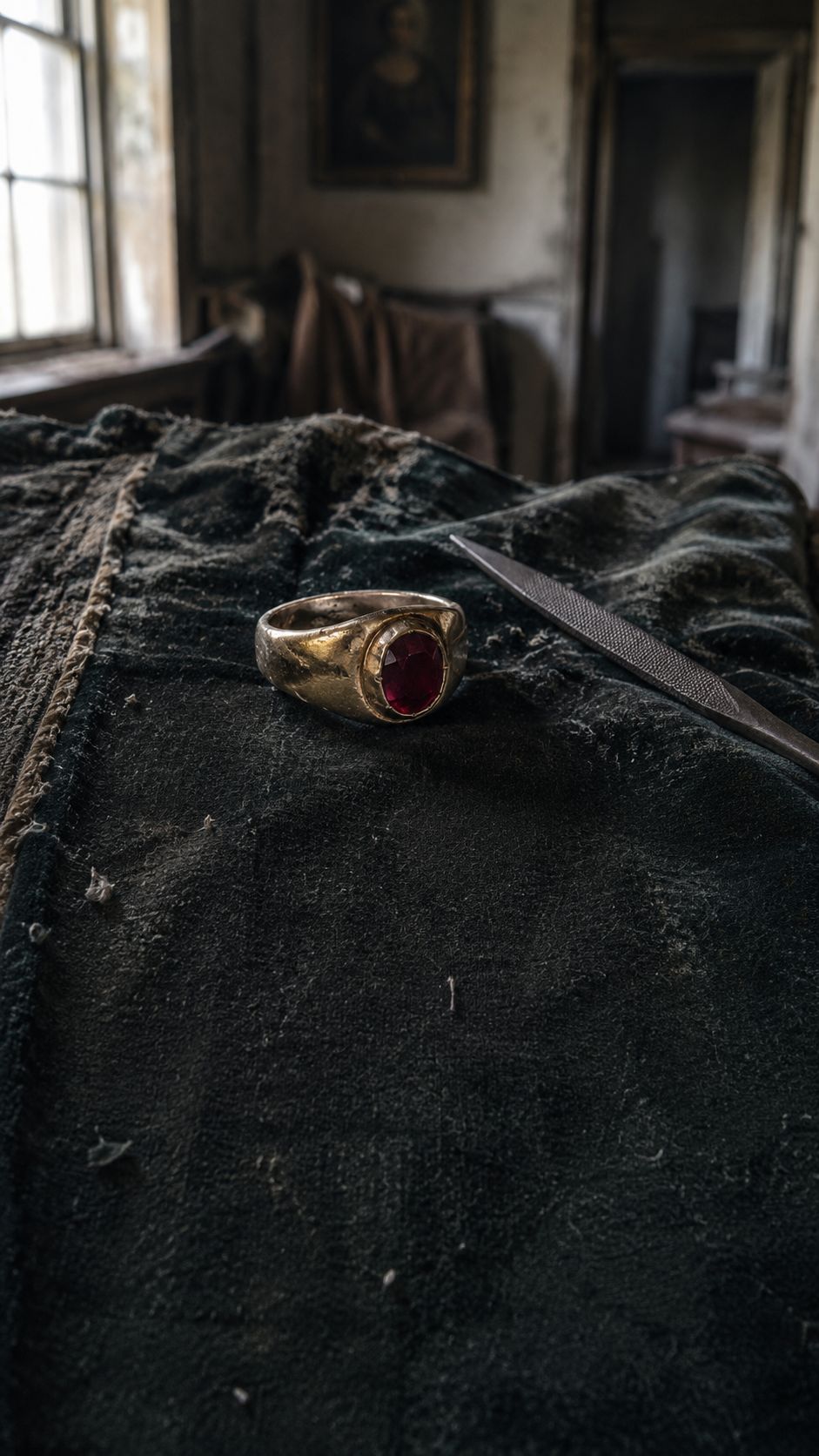 Poisoned in the Tower Over a Marriage
Imprisoned on a diplomatic post designed to fail, he died slowly of a poison that took months to finish the job.
Tower of London, London, United Kingdom · 1613 · same site
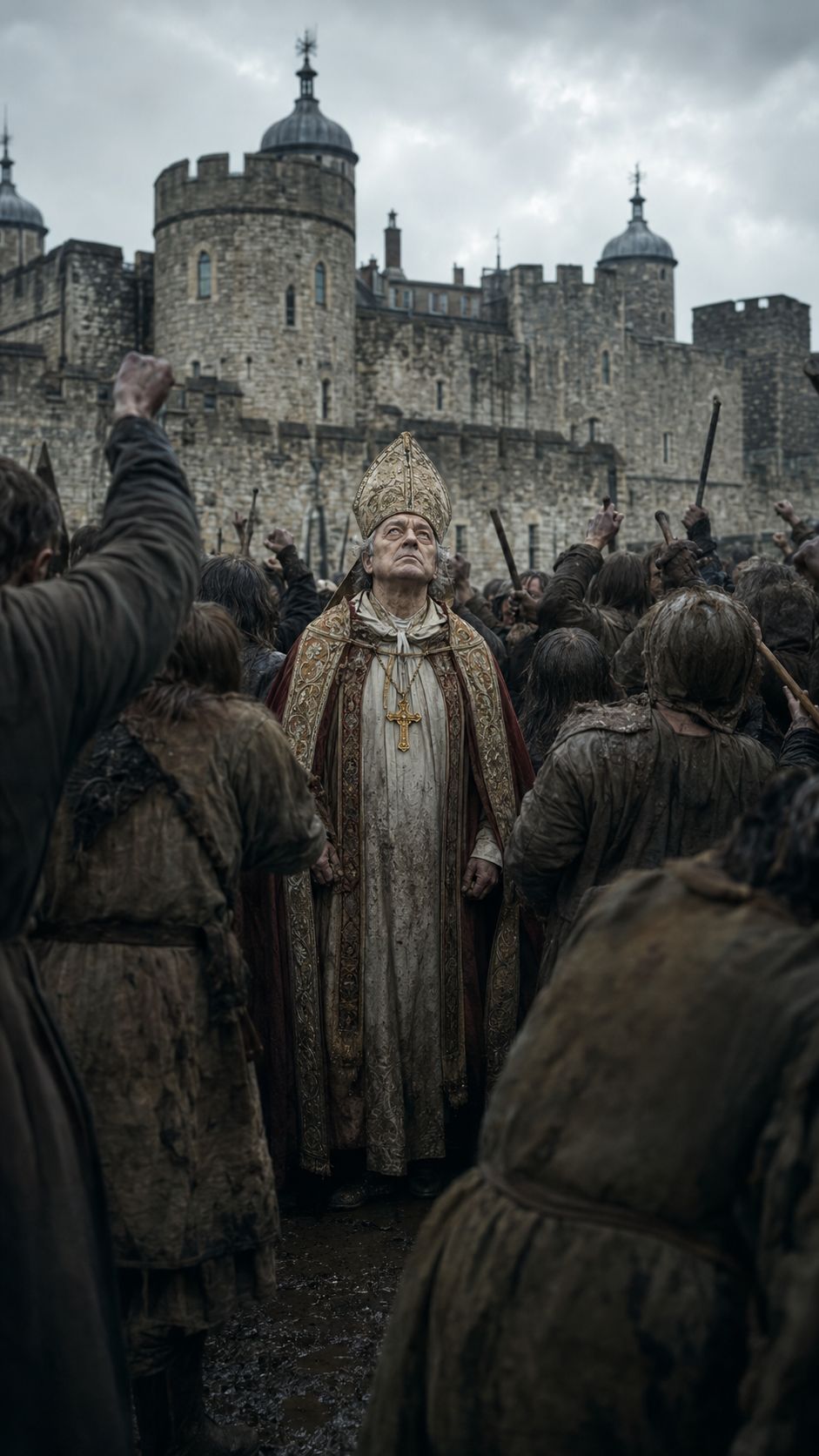 The Archbishop's Head That Still Survives
A raging mob hacked the Archbishop of Canterbury to death, and his mummified head still sits in a Suffolk church today.
London, United Kingdom · 1381 · same site
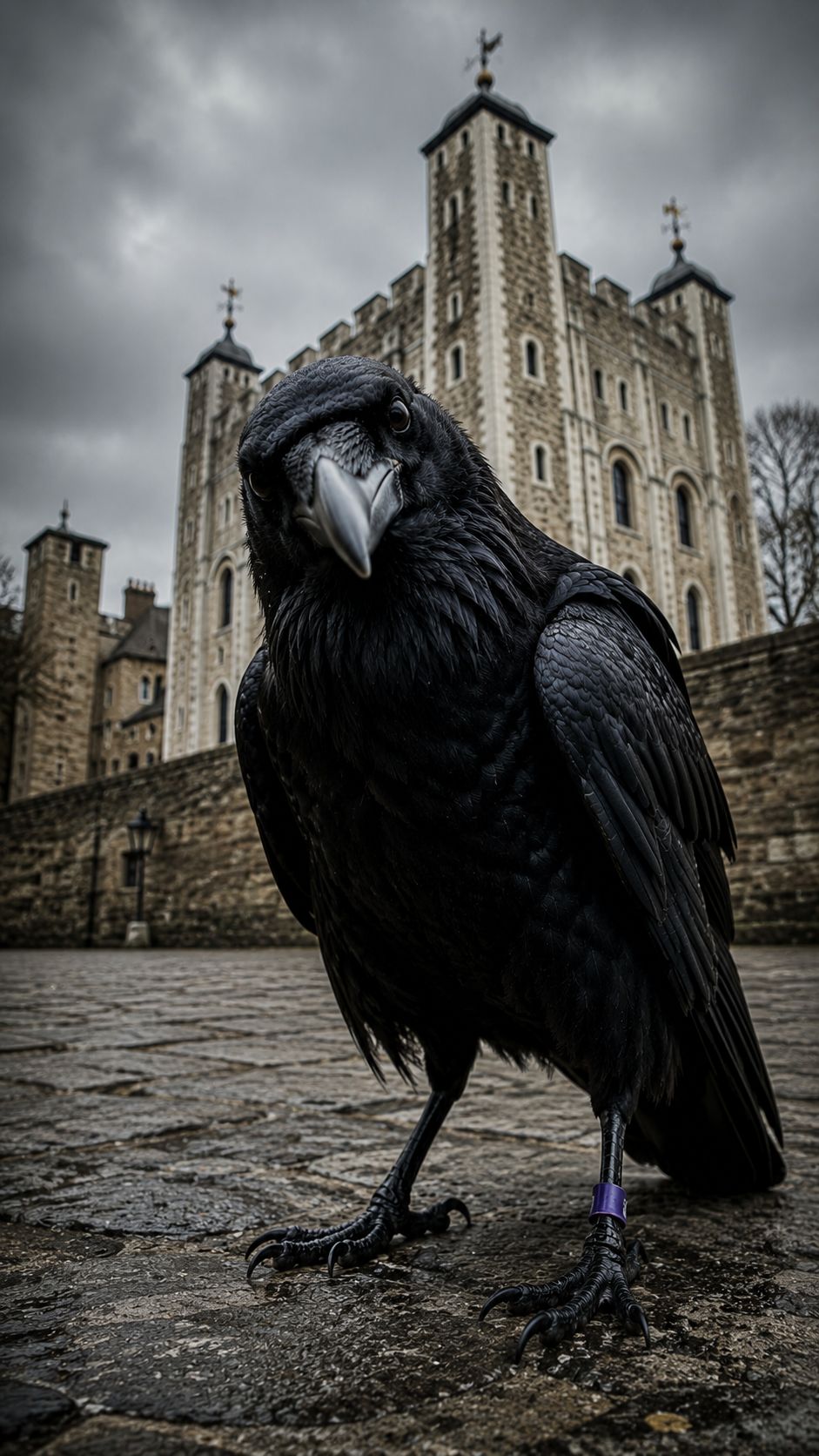 The Birds Whose Wings Are Clipped Forever
Legend says England falls the day these birds leave the Tower, so their flight feathers are trimmed to make sure they never can.
Tower of London, London, United Kingdom · 1600 · same site