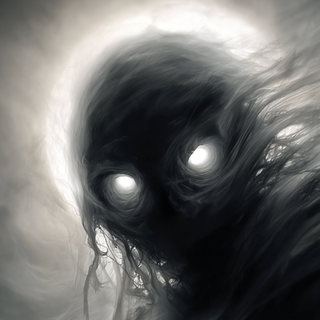
On 3 May 1483 the twelve-year-old King Edward V was taken into custody by his uncle Richard, Duke of Gloucester, while travelling to London for his coronation, and at first it appeared to be a protective move, but within weeks Edward and his younger brother Richard were placed inside the Tower of London, which at the time was still a royal residence, and their coronation was delayed, and then quietly cancelled, and soon after Richard declared that the boys were illegitimate and claimed the throne for himself, becoming King Richard III, and the two princes were seen less and less inside the Tower until they disappeared completely, and no official record was ever made of their deaths, but rumours spread across England that the boys had been murdered in their sleep, and centuries later two small skeletons were discovered buried beneath a staircase in the Tower, and to this day nobody knows exactly what happened to them.
Interesting Fact
The skeletons found in the Tower of London in 1674 were believed to be the princes and were placed in Westminster Abbey, but they have never been definitively identified. Requests for modern DNA testing have been repeatedly denied, so the mystery remains unsolved.
Nearby on the Dark Atlas
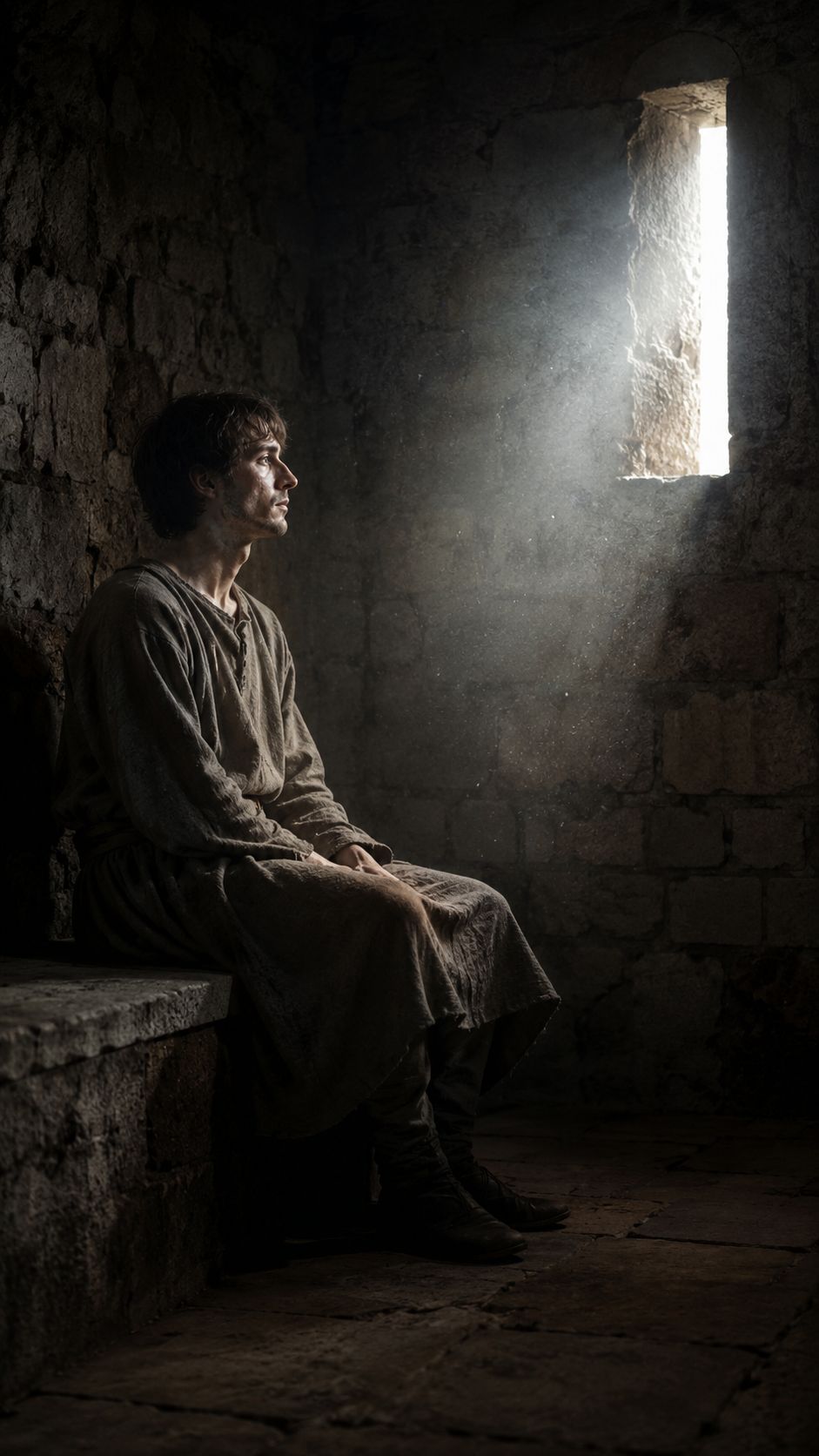 Fourteen Years in the Tower for His Bloodline
Locked away as a boy for the crime of his birth, he emerged so isolated he could no longer recognize an animal.
Tower of London, London, United Kingdom · 1499 · same site
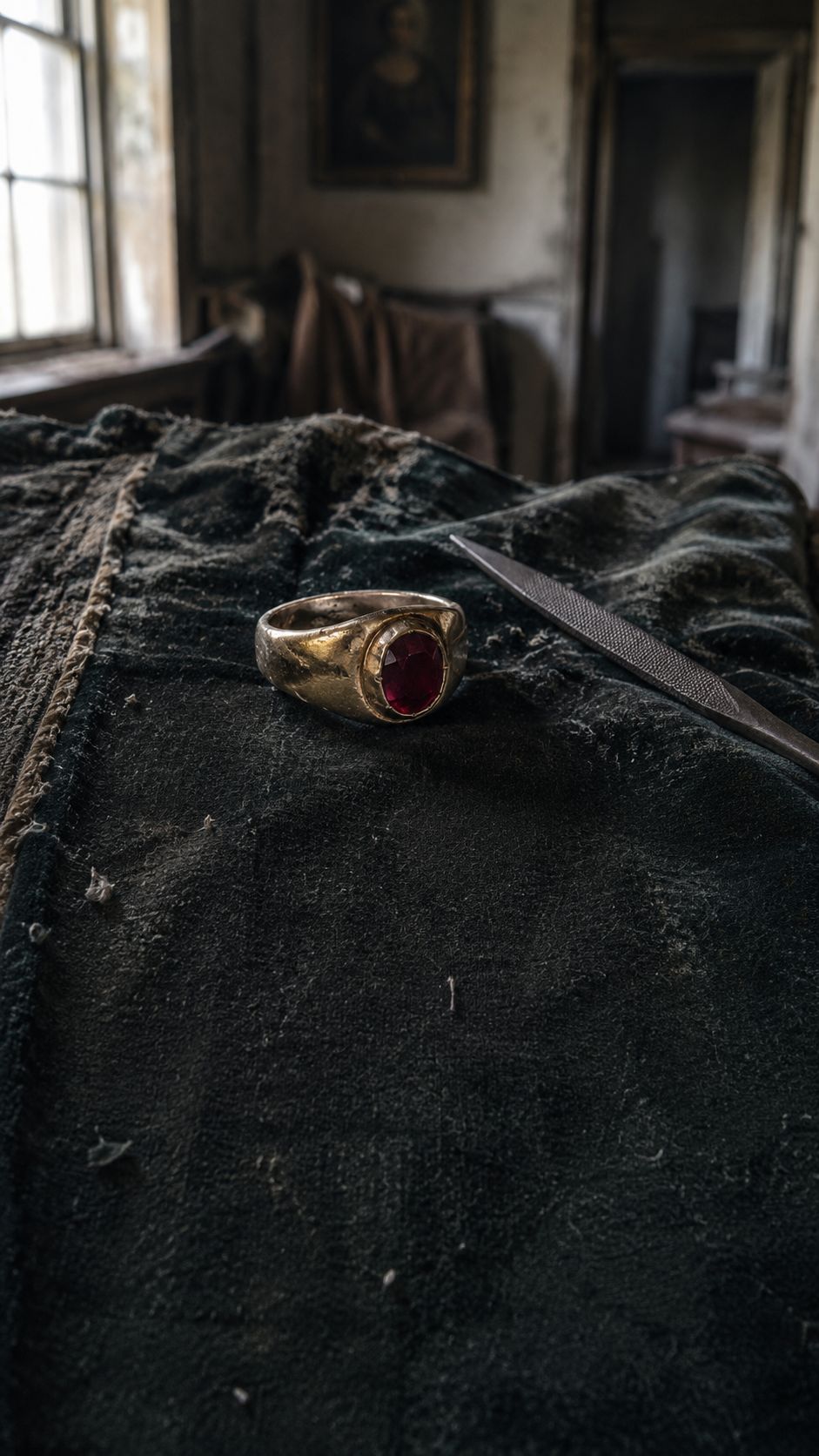 Poisoned in the Tower Over a Marriage
Imprisoned on a diplomatic post designed to fail, he died slowly of a poison that took months to finish the job.
Tower of London, London, United Kingdom · 1613 · same site
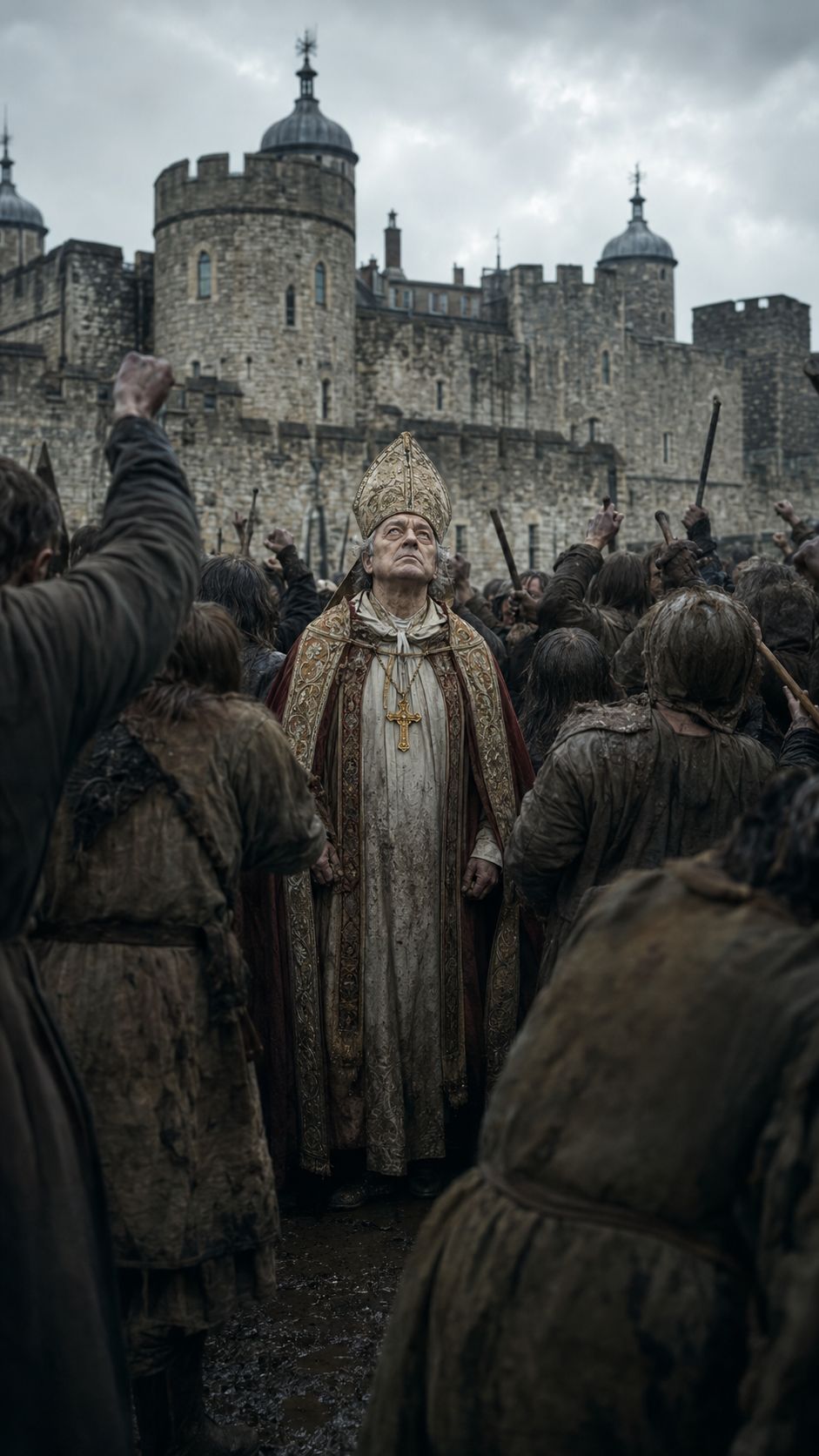 The Archbishop's Head That Still Survives
A raging mob hacked the Archbishop of Canterbury to death, and his mummified head still sits in a Suffolk church today.
London, United Kingdom · 1381 · same site
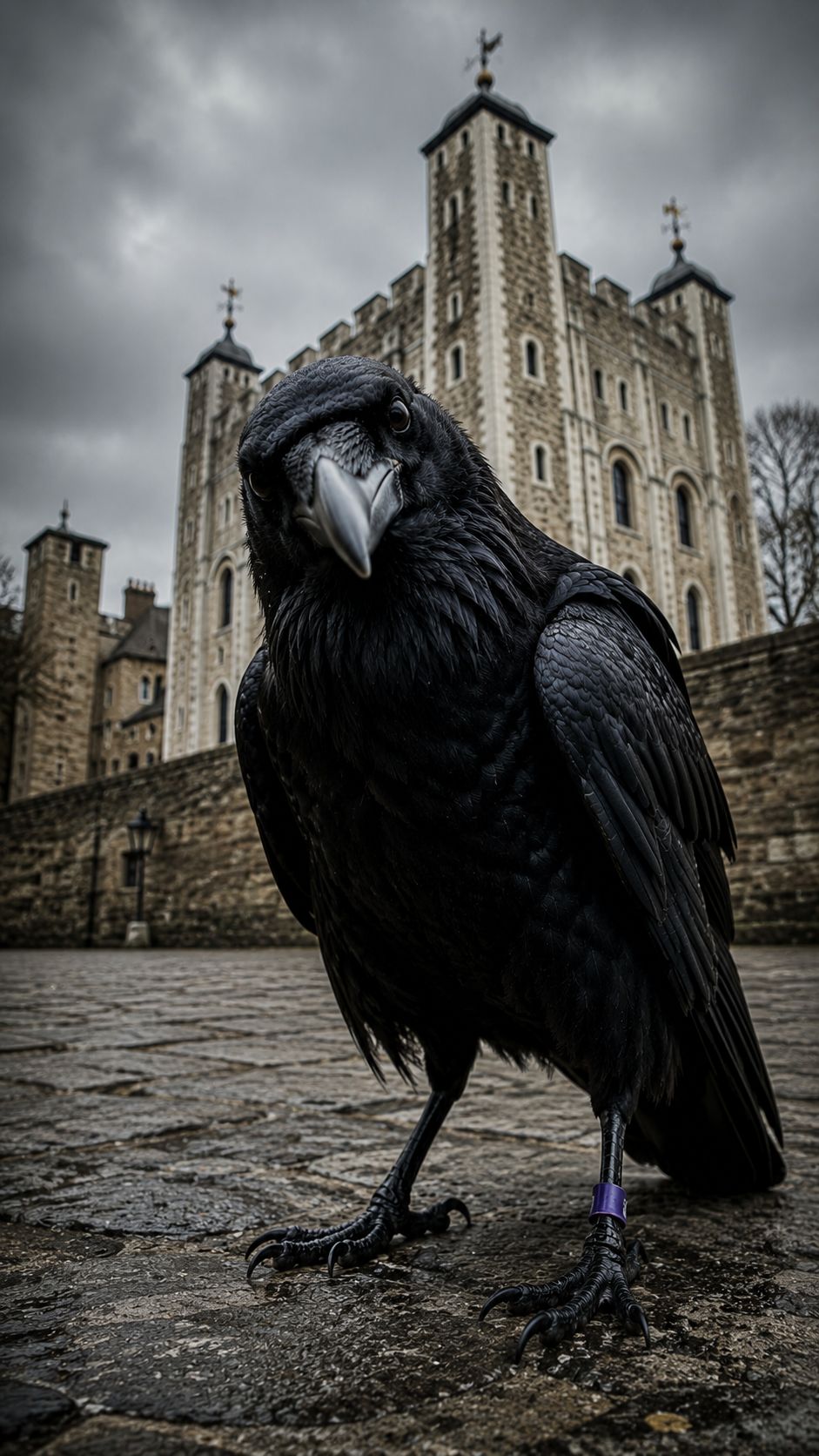 The Birds Whose Wings Are Clipped Forever
Legend says England falls the day these birds leave the Tower, so their flight feathers are trimmed to make sure they never can.
Tower of London, London, United Kingdom · 1600 · same site