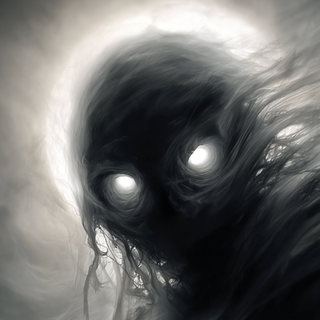
Poveglia is known, in whispers, as the most haunted place on earth — a small, forbidden island sitting silently in the Venetian lagoon, in full view of one of the most beautiful and romantic cities in the world, yet soaked in a history so dark that for decades no one was permitted to set foot on it. It is a place where the beauty of Venice meets centuries of death, and its story — part documented horror, part chilling legend, and, most recently, a genuinely uplifting modern twist — is one of the most compelling of any place on the planet.
To understand it, you have to picture where it sits. Poveglia is a tiny island, only around seventeen acres, floating in the southern part of the Venetian lagoon, just a few miles across the water from the glittering domes and crowds of St Mark’s Square. From its shores you can see the tourist boats and the glamour of Venice and the Lido. And yet, for most of the last century, it has been utterly deserted — a crumbling, overgrown ruin, strictly off-limits, a dark stain on one of the loveliest seascapes in Europe. To understand why, you have to understand what Venice used the island for.
The Horror
Poveglia’s dark history is, above all, a history of the plague. In the age when the Black Death and its recurrences swept through Europe again and again, killing in unimaginable numbers, the great trading city of Venice — packed, wealthy, and terrified of contagion — needed somewhere to put the infected and the dying, to keep the disease away from the city itself. And the islands of the lagoon became its answer. Poveglia became one of Venice’s plague islands: a quarantine station, a lazaretto, to which the sick and the suspected were shipped away from the city, often never to return. Over the centuries of plague, it is believed that a staggering number of people — by some accounts, tens of thousands, with the most dramatic estimates reaching into the hundreds of thousands across the generations — were sent to Poveglia and the lagoon’s plague islands to die.
And the dead had to be dealt with. To stop the spread of infection, the corpses of the plague victims were burned in great pyres, and buried in mass graves, in vast plague pits, on the island. So many bodies were burned there, over so many years, that a chilling piece of local lore grew up around the place — the claim, repeated to this day, that the very soil of Poveglia is composed of more than fifty percent human ash: that the ground itself is made, in large part, of the burned remains of the countless dead. Whether or not that grim figure is literally true, the reality it points to is real enough — this was an island of mass death, where thousands died in agony far from home and were burned and tipped into pits in the earth. It is that documented weight of suffering, more than any ghost story, that gives Poveglia its terrible atmosphere.
And then, centuries later, came the second dark chapter — and the part where fact begins to blur into legend. In the twentieth century, a hospital, and then a mental asylum, was built on the island, operating until 1968. And around this asylum grew some of Poveglia’s most lurid and famous ghost stories: the tale, in particular, of a doctor at the asylum who was said to have tormented and experimented cruelly upon his patients — and who, according to the legend, was eventually driven mad himself, or tormented by the spirits of those he had wronged, and fell, or threw himself, to his death from the island’s bell tower. It is a genuinely creepy story, and it is a huge part of Poveglia’s reputation. But it is important to be honest: this asylum-doctor tale is folklore, not documented history, and much of Poveglia’s modern fame as “the most haunted island on earth” was built and amplified by foreign ghost-hunting television shows looking for a sensational location. The real horror of Poveglia was never the ghosts. It was the plague.
The Modern Relic
After the asylum closed in 1968, Poveglia was simply abandoned, left to rot. Its buildings — the old hospital wards, the bell tower, the crumbling structures — were left standing empty, the vegetation slowly swallowing them, the rusted hospital bed-frames reportedly still sitting in the dormitories exactly where they had been left, decades of silence settling over the island of the dead. It became strictly forbidden to visitors, a ruin you could see from Venice but never legally reach — which, of course, only deepened its dark mystique, drawing ghost-hunters, urban explorers, and the morbidly curious to slip across the water and film its decaying halls.
But the most recent chapter of Poveglia’s story is, remarkably, a hopeful one — and it is the reason the island is in the news. In 2014, the cash-strapped Italian government, desperate to cut its debts, put Poveglia up for auction, offering a long lease to the highest bidder — and the fear was that this island of the dead, this mass grave, would be sold off to developers and turned into a luxury hotel or private resort, its terrible and sacred history paved over for tourists. To many Venetians, this was an outrage — one of them compared it to Rome auctioning off the Trevi Fountain. And so the people of Venice fought back. A grassroots group was formed, called “Poveglia per Tutti” — “Poveglia for Everyone” — led by a determined Venetian named Patrizia Veclani. They rallied thousands of ordinary residents of the city, some four and a half thousand of them, each contributing, to raise the money to bid for the island themselves and keep it out of developers’ hands. And, extraordinarily, they won. In 2025, this collective of Venetian citizens secured a ninety-nine-year lease on Poveglia from the state, taking possession of the island on the first of August 2025. Their plan is not a hotel, and not a ghost-tour attraction, but something quiet and human: to slowly, carefully turn the haunted island into a peaceful public urban park — a green space open to the residents of Venice, a place for the living, closed to mass tourism, where the city’s people can escape the crushing crowds of their own beautiful, overrun home.
The relic, then, is an island at a turning point — and one you still, for now, cannot freely visit. Poveglia remains, at the time of writing, off-limits and undeveloped, its crumbling hospital and bell tower still standing, the plague pits still undisturbed beneath the earth, as the Venetians who saved it begin the long work of reclaiming it. Across the lagoon, on the nearby island of San Servolo, the story of Venice’s plague islands and asylums is preserved in a museum you can visit today. But Poveglia itself sits waiting — no longer destined to be a luxury resort, no longer purely a ghost-hunter’s playground, but something in between its dark past and a gentler future. It is a place where tens of thousands of the plague dead were burned into the very soil; where legend layered horror upon horror until it became “the most haunted island on earth”; and where, in the end, the ordinary people of Venice reached across the water to reclaim their island of ghosts, not to be feared or sold, but to be, at long last, a quiet place for the living to walk among the memory of the dead.
Nearby on the Dark Atlas
- The Islands That Invented Forty Days Of Isolation
To hold back the plague, Venice invented a word and a system the whole world still uses: quarantine.
Venice, Italy · 1423 · 2.8 km away
- The Coup Undone by a Falling Pot
A secret army marching to seize a republic was stopped cold by a single dropped piece of pottery.
Venice, Italy · 1310 · 5.8 km away
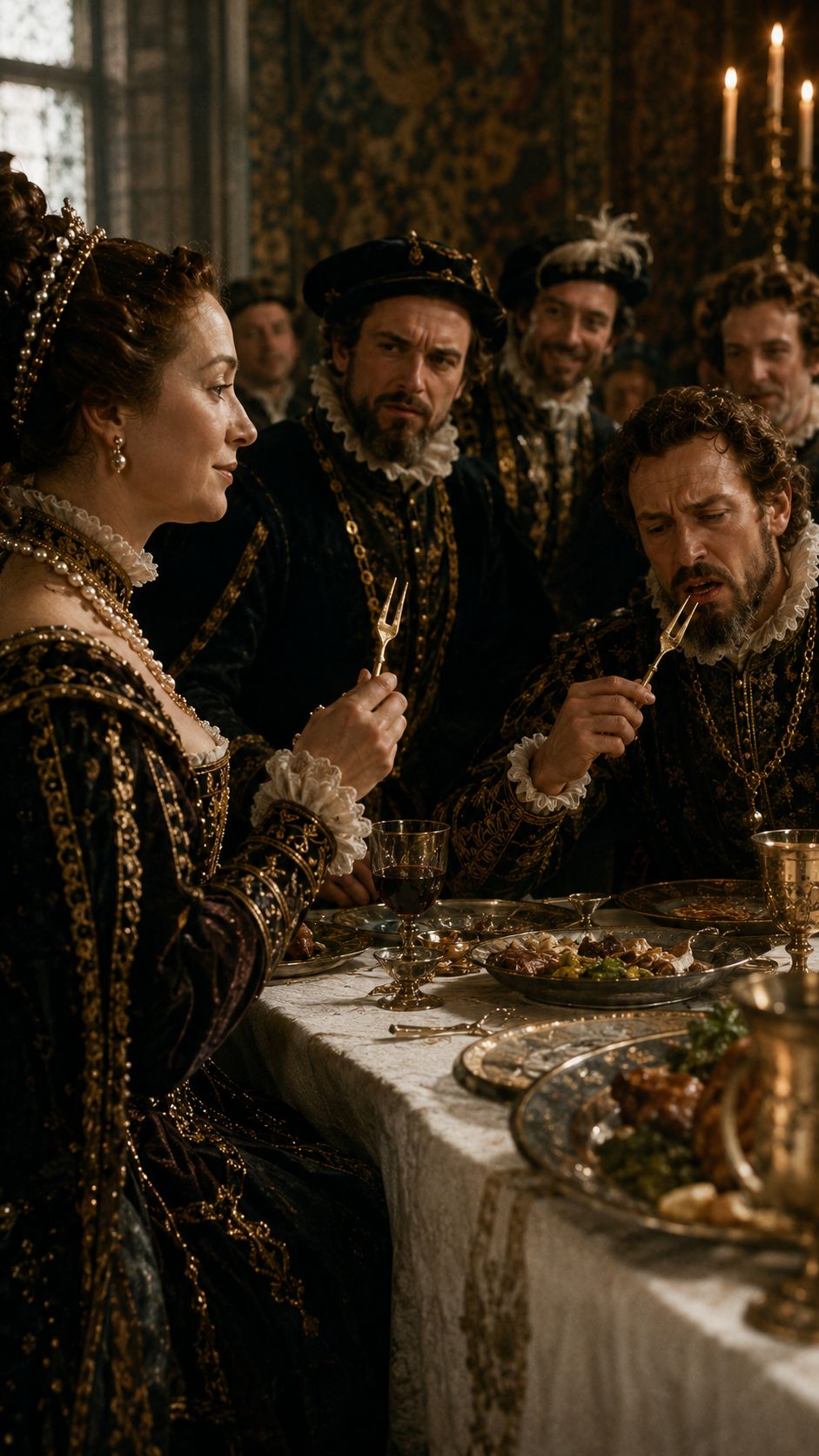 The Fork That Scandalized Venice
A Byzantine noblewoman marries into Venice's ruling dynasty and horrifies the city by eating with a two-pronged golden utensil instead of her fingers.
Venice, Italy · 1004 · 6.7 km away
 The Poisoner Legend That Was Almost Entirely False
History remembers her as a scheming poisoner, but she was really a pawn sold and blamed by the men who used her.
Ferrara, Italy · 1503 · 82 km away