
The high heel — the shoe most associated today with femininity, glamour and women’s fashion — was invented by men, for men, to help them kill more efficiently from horseback.
The horror: a weapon on your foot In medieval Persia, mounted warriors faced a practical problem. To fire a bow accurately from a galloping horse, a rider needed to stand up in the stirrups. Flat‑soled shoes slipped. An elevated heel — about an inch or two — hooked into the stirrup and gave the rider a secure platform to twist, aim and shoot without losing balance.
The heel was not decorative. It was equipment.
As Persian and other Near Eastern fashions filtered into Europe through trade, diplomacy and the fascination with “Eastern” military prowess in the late 16th century, European aristocrats adopted the heeled shoe. But they used it for different reasons. A heeled shoe added height, changed posture — chest forward, shoulders back, calves emphasized — and signalled status. Heels made a man look literally above others at court, and they made it clear he did not walk or work like ordinary people.
Louis XIV of France, the Sun King, embraced heels as part of his armour of power. He was not especially tall, and he deliberately used heeled shoes — often with striking red heels and soles — to increase his height and presence. He restricted the right to wear red heels to members of his court, turning a colour into a badge of royal favour visible across any hall. The red sole did not begin with a 20th‑century designer; it began as a royal privilege.
The higher and more ornate the heel, the less practical the shoe became for physical labour. That was the point. A man in high, delicate heels could not easily march, plough, or haul. His footwear proclaimed: I am above manual work. High heels were a class marker before they were a gender marker.
From kings to women’s wardrobes In the 17th century, women began wearing heels too, at first adopting the same styles men wore. For some, it was a way to borrow the visual language of status and power; for others, it was simply fashion. Over time, men’s heels tended to become thicker and more solid, while women’s heels became narrower and more curved. The difference between “men’s” and “women’s” heels was literally carved into the leather and wood.
By the 18th century, cultural winds shifted. The Enlightenment and changing ideas about masculinity favoured practicality, reason and a rejection of aristocratic display. Men’s footwear flattened out. Heels shrank or vanished from male wardrobes.
Women’s did not.
By the 19th century, heels had largely completed their migration: from Persian cavalry gear, to European noblemen’s status symbols, to a predominantly female fashion item. Their original military function faded from memory, replaced by ideas about beauty, sexuality and “proper” feminine dress.
The modern relic: war in the wardrobe Today, the global women’s footwear market is worth tens of billions. High heels remain a dominant symbol of formal femininity: often expected in corporate dress codes, evening wear and red‑carpet culture.
The Persian horse‑archer who needed his foot locked into a stirrup would not recognise a modern stiletto, but the underlying mechanics are the same. A raised heel tips the body forward, shifts the pelvis and alters the spine’s curve, changing gait and stance. For a cavalryman, that helped stabilise the body against a saddle. For a 17th‑century king, it projected authority. For a modern woman walking into a boardroom or onto a runway, the identical biomechanics carry a very different cultural script.
Portraits of Louis XIV still hang at Versailles, his red heels clearly visible. Modern luxury brands sell red‑soled heels for hundreds or thousands of pounds. The king who turned red heels into a symbol of power has been dead for centuries; the colour still signals status.
The soldiers are gone. The horses are gone. The battlefield has moved. The heel stayed.
Nearby on the Dark Atlas
- The Soldier Devoured Alive by Insects
A young soldier was bound between two boats and left to be eaten alive by insects drawn to honey on his skin.
Persia, Iran · 401 BC · 191 km away
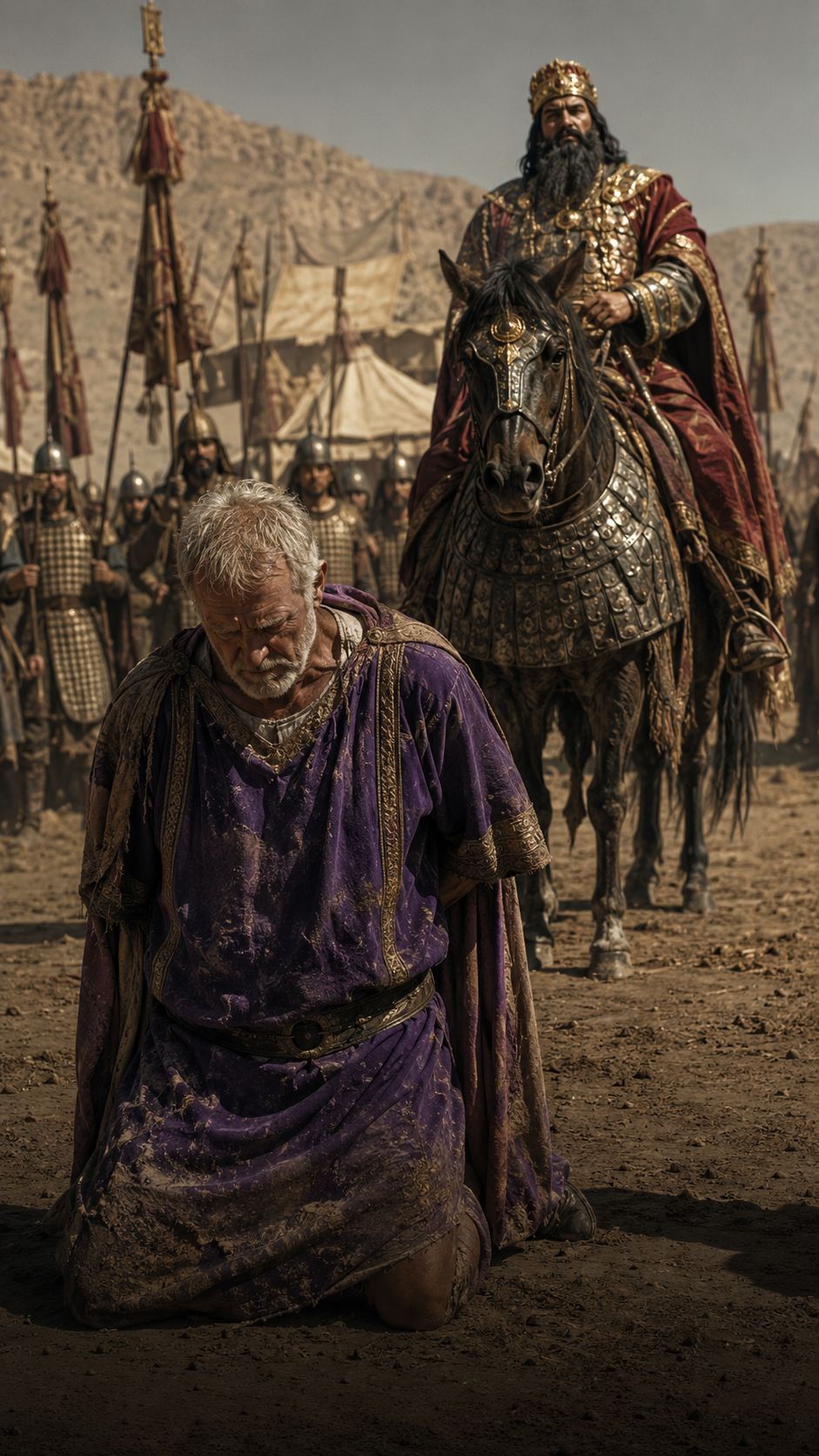 The Roman Emperor Carved Into a Persian Cliff
No Roman emperor suffered a fate worse than his, captured alive and immortalised in stone as a monument to Roman humiliation.
Naqsh-e Rostam, near Persepolis, Iran · 260 · 318 km away
 The Boats
Persian executioners reportedly force-fed the condemned honey and milk, keeping them alive for days inside a locked wooden boat.
Persepolis, Iran · 400 BC · 324 km away
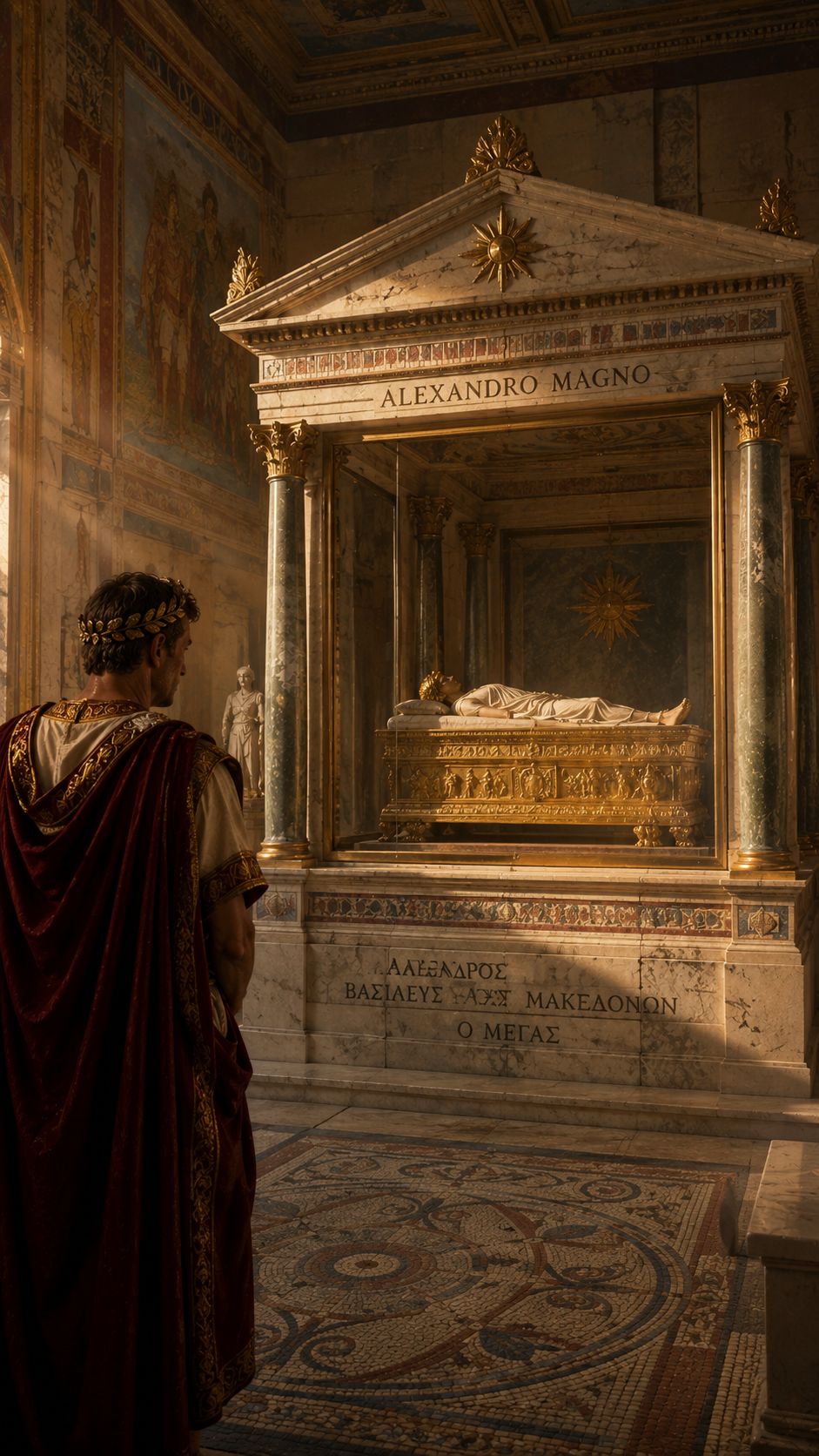 The Conqueror Whose Body Started A War
He conquered more of the world than any king before him, then died with no heir — and his generals went to war over his corpse.
Babylon, Iraq · 323 BC · 678 km away