
The execution was so medieval that it literally turned a man’s internal organs into liquid while he was still entirely conscious. In 401 BC, a young soldier named Mithridates offended the Persian King Artaxerxes. His punishment was a notorious, highly specialized execution method known as “scaphoism.” He was stripped naked and tightly bound between two identical wooden boats, leaving only his head, hands, and feet exposed to the elements. The executioners didn’t use blades; instead, they forcefully poured a mixture of milk and honey down his throat until he suffered severe, uncontrollable diarrhea. They then smeared the sweet mixture across his exposed face and eyes to attract thousands of wasps and flesh-eating insects. The bugs nested inside the enclosed space, systematically consuming him from the inside out over the course of seventeen agonizing days until his body finally gave up.
Interesting Fact The psychological and physical trauma of scaphoism was intentionally prolonged by the state. Guard forces were legally required to forcefully feed Mithridates every single morning; if he refused to eat the milk and honey mixture, the executioners would violently poke him in the eyes with needles until the blinding pain forced him to swallow, ensuring his organs wouldn’t fail too early.
Nearby on the Dark Atlas
 The Weapon That Became A Fashion Statement
Long before it symbolised glamour, the elevated heel was battlefield equipment built to help mounted archers kill more efficiently.
Isfahan, Iran · 1600 · 191 km away
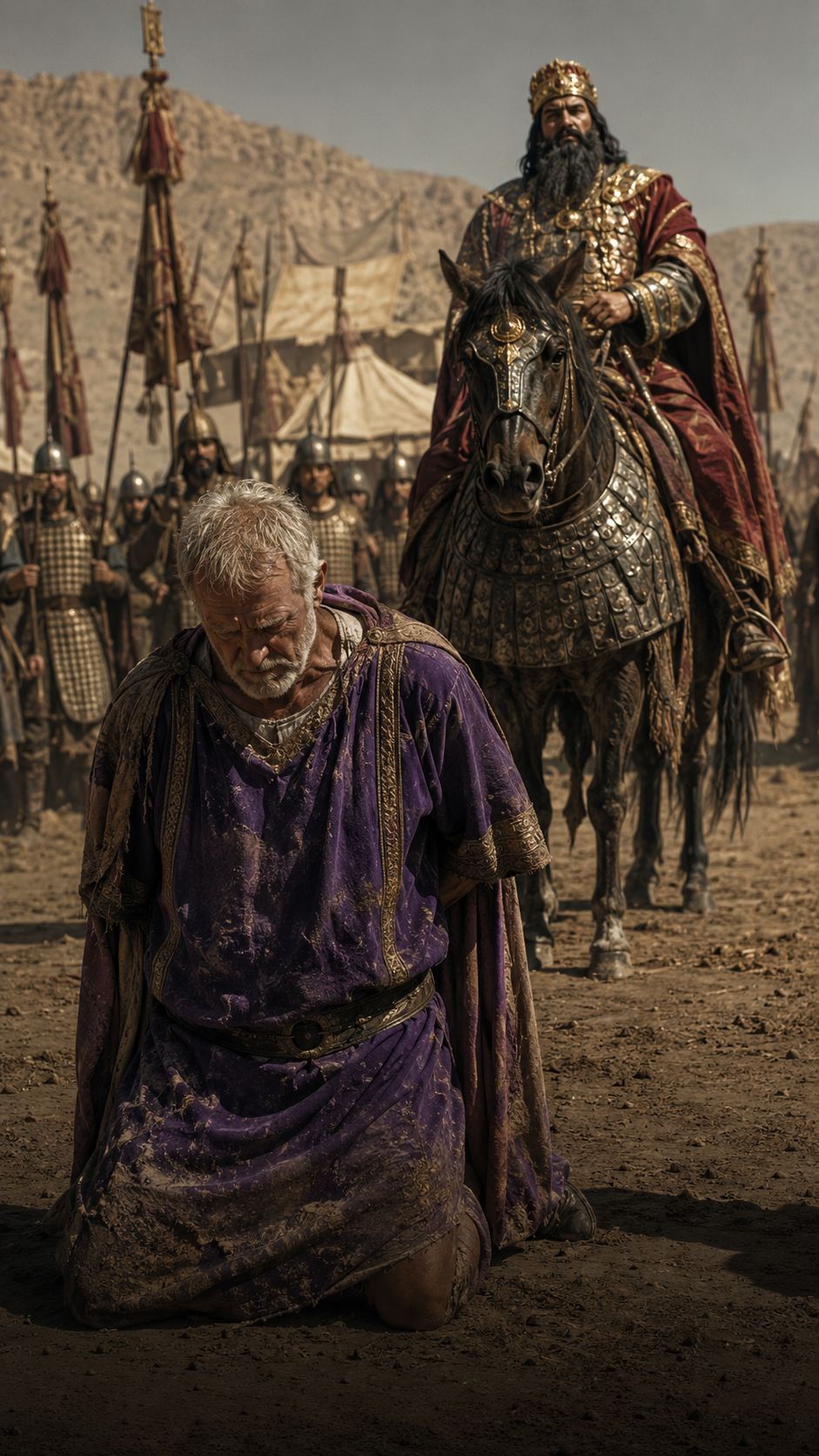 The Roman Emperor Carved Into a Persian Cliff
No Roman emperor suffered a fate worse than his, captured alive and immortalised in stone as a monument to Roman humiliation.
Naqsh-e Rostam, near Persepolis, Iran · 260 · 282 km away
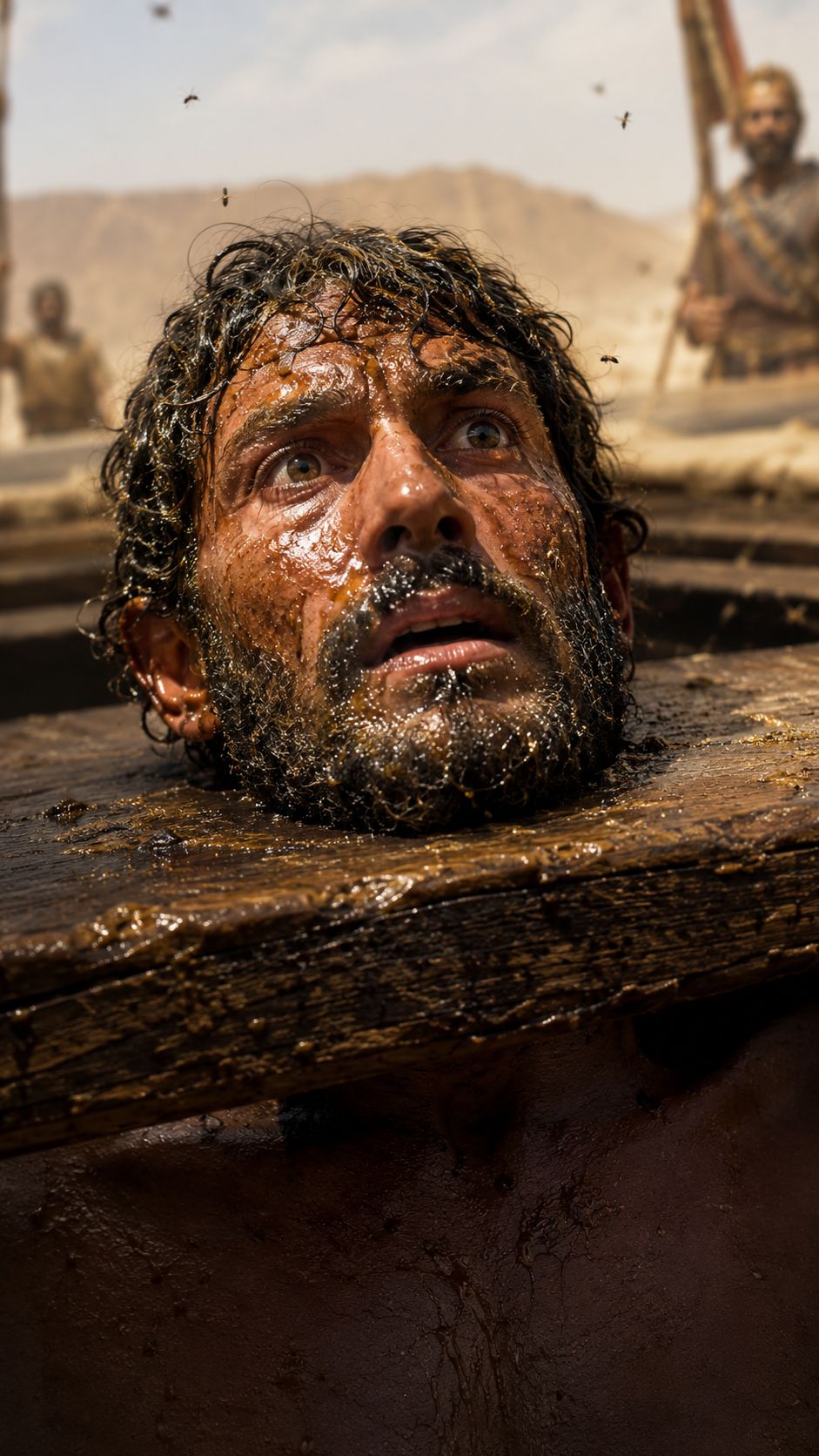 The Boats
Persian executioners reportedly force-fed the condemned honey and milk, keeping them alive for days inside a locked wooden boat.
Persepolis, Iran · 400 BC · 287 km away
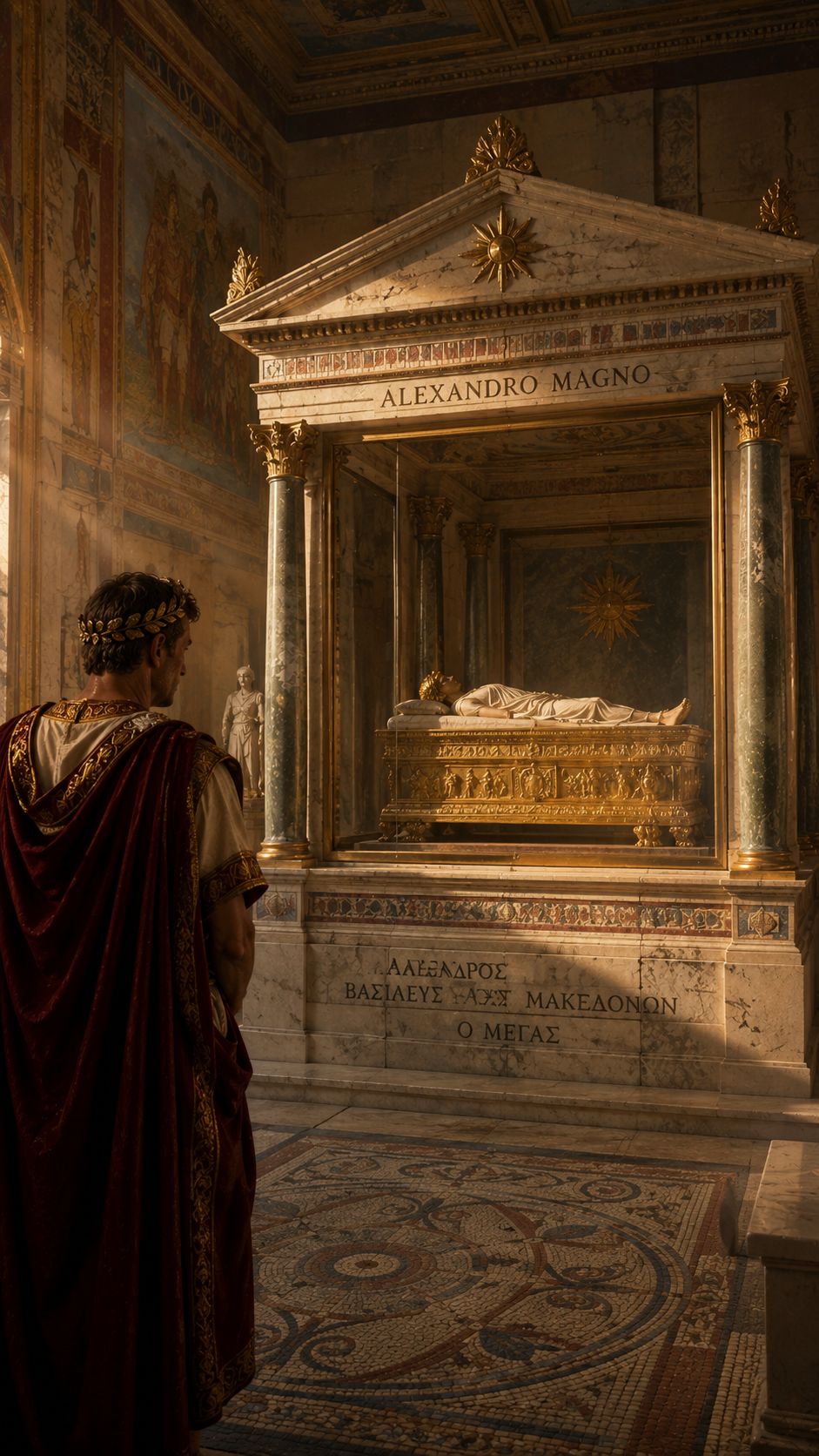 The Conqueror Whose Body Started A War
He conquered more of the world than any king before him, then died with no heir — and his generals went to war over his corpse.
Babylon, Iraq · 323 BC · 868 km away