Just after midnight on 20th June 1631, two ships dropped anchor in the harbour of Baltimore — a tiny fishing village on the coast of West Cork, Ireland. Two hundred armed men rowed ashore in the dark.
They knew exactly where to go. A local fisherman named John Hackett — captured at sea days earlier — had guided them up the narrow channel in exchange for his life. He told them where the houses were. He told them where the people slept. He sold his neighbours for his own freedom.
The pirates lit the thatched roofs. The village woke to fire.
THE HORROR The raiders were Barbary corsairs — North African slave traders operating under the authority of the Ottoman‑backed regency of Algiers. They had sailed over a thousand miles — through the Strait of Gibraltar, up the Atlantic coast of Portugal and Spain, past the Bay of Biscay — to reach a village most people in Ireland had barely heard of.
Their captain was a man named Murad Reis the Younger. His real name was Jan Janszoon. He was Dutch. He had been captured by Barbary pirates years earlier, enslaved, converted to Islam, and risen through the ranks until he was doing to others what had been done to him. A European man who had been taken as a slave was now taking Europeans as slaves.
The attack lasted less than two hours. The corsairs moved through the Cove — the cluster of fishermen’s cottages nearest the harbour — and dragged families from their beds. Men, women, children. The youngest were infants — “even those in the cradle,” according to the official report. Fifty of the 107 taken were children.
Thirty‑four were women.
The villagers who escaped fled into the hills above the harbour. They watched from the darkness as their neighbours — people they had eaten with, prayed with, worked beside for years — were herded in chains toward the boats. Some screamed. Some were silent. The children were carried.
By dawn, the ships were gone. The harbour was empty. The roofs were still burning. The village of Baltimore had been gutted — not by war, not by famine, but by men who had sailed a thousand miles to steal a hundred people and sell them.
The captives were taken to Algiers. A French missionary priest working in the city saw several of them being auctioned at the slave market — Irish men, women, and children standing on a block, being examined, being sold. The men were bought for labour — galleys, quarries, construction. The women and younger captives were bought for domestic service, or for the private households of wealthy Algerians. The children disappeared into the city.
Of the 107 people taken from Baltimore on the night of 20th June 1631, only two or three are confirmed to have returned to Ireland. They were ransomed — bought back from their owners at enormous cost — approximately fourteen years after the raid. They came home to a village that no longer existed.
THE MODERN RELIC The survivors of the raid — the families who had escaped into the hills — did not stay. Baltimore was too close to the sea. The memory was too close to the harbour. Most of them moved inland to Skibbereen, several miles from the coast, where the water could not reach them. Baltimore was abandoned. It remained nearly empty for decades.
John Hackett — the fisherman who had guided the pirates up the channel — was captured by the authorities. He was tried. He was convicted of treason and collaboration. He was hanged. The man who sold a village for his own life lost both.
Baltimore exists today — a small, quiet harbour village in West Cork. Tourists visit for the sailing, the seafood, the views of Sherkin Island and Cape Clear. A heritage centre tells the story of the raid. The Cove — where the corsairs came ashore and the roofs burned and the children were carried — is a row of painted houses overlooking the water.
The harbour is the same harbour. The channel is the same channel. The Cove is the same Cove. The village that was emptied has been refilled. The people who fill it are not the people who were taken. Those people — 107 men, women, and children dragged from their beds by a Dutchman who had once been dragged from his own — are in Algiers, in the ground, in the records of a slave market that closed three centuries ago. Two came home. The rest did not. The village moved on. The harbour stayed.
Nearby on the Dark Atlas
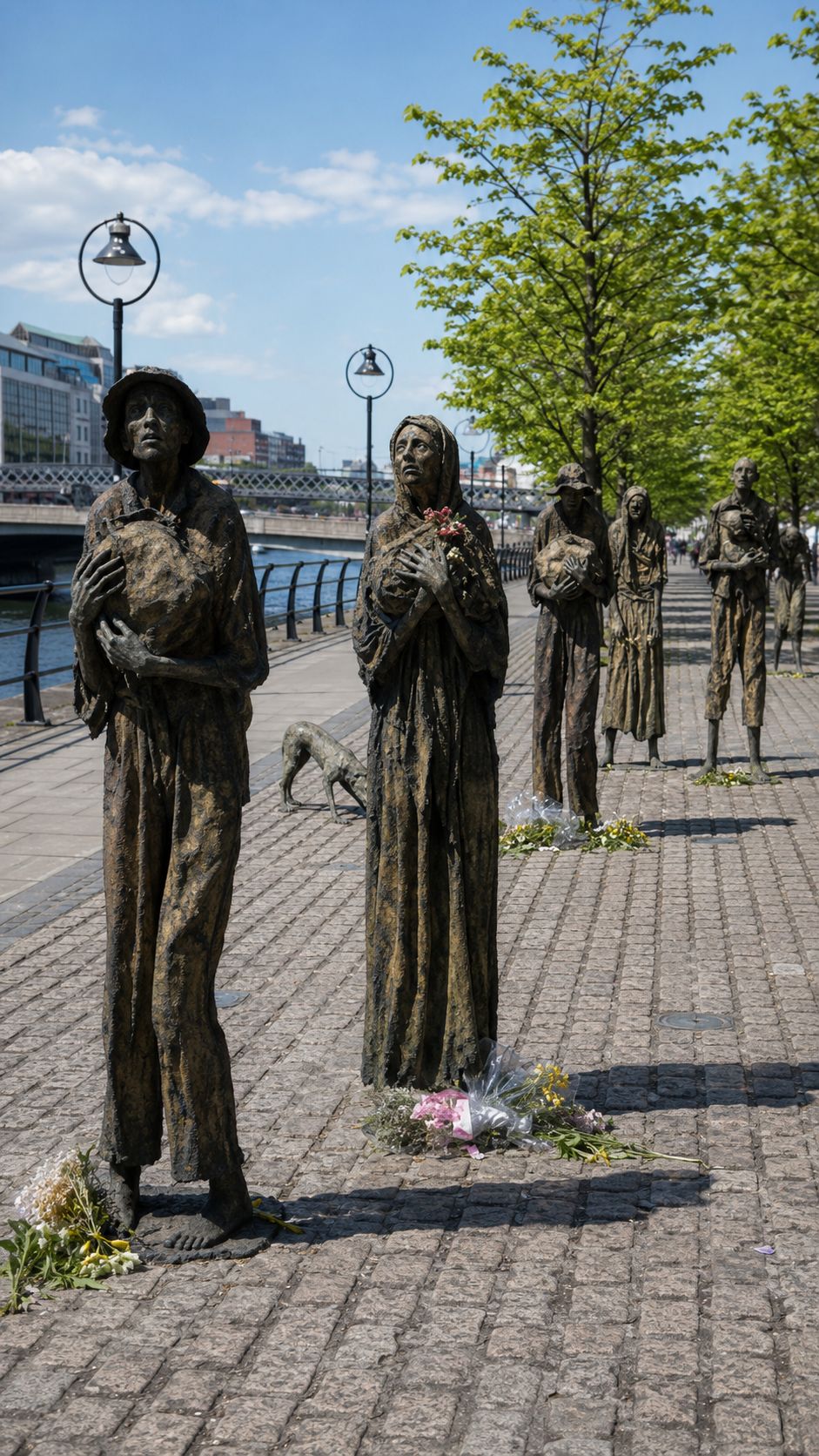 The Famine That Emptied A Nation
A potato blight kills over a million people while ships keep leaving Irish ports loaded with food.
Skibbereen, Ireland · 1845 · 10 km away
- The Liner Torpedoed In Eighteen Minutes
A U-boat's torpedo tipped the deck so steeply that half the lifeboats never made it into the water.
Old Head of Kinsale, Ireland · 1915 · 59 km away
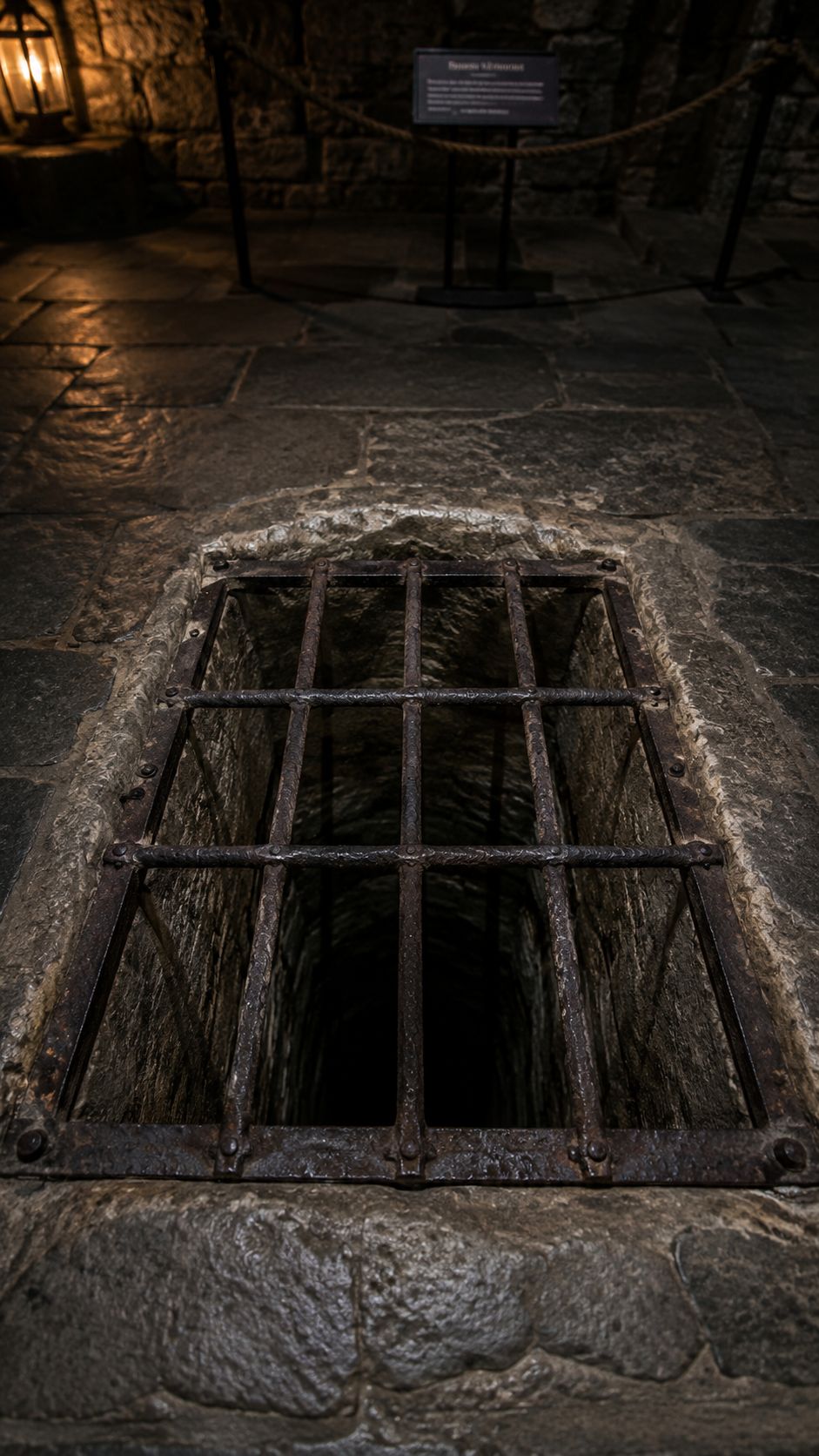 The Pit Built To Make You Forgotten
Unlike a dungeon with doors and gaolers, this drop into darkness offered no sentence, no ransom, and no way out.
Leap Castle, Ireland · 1250 · 192 km away
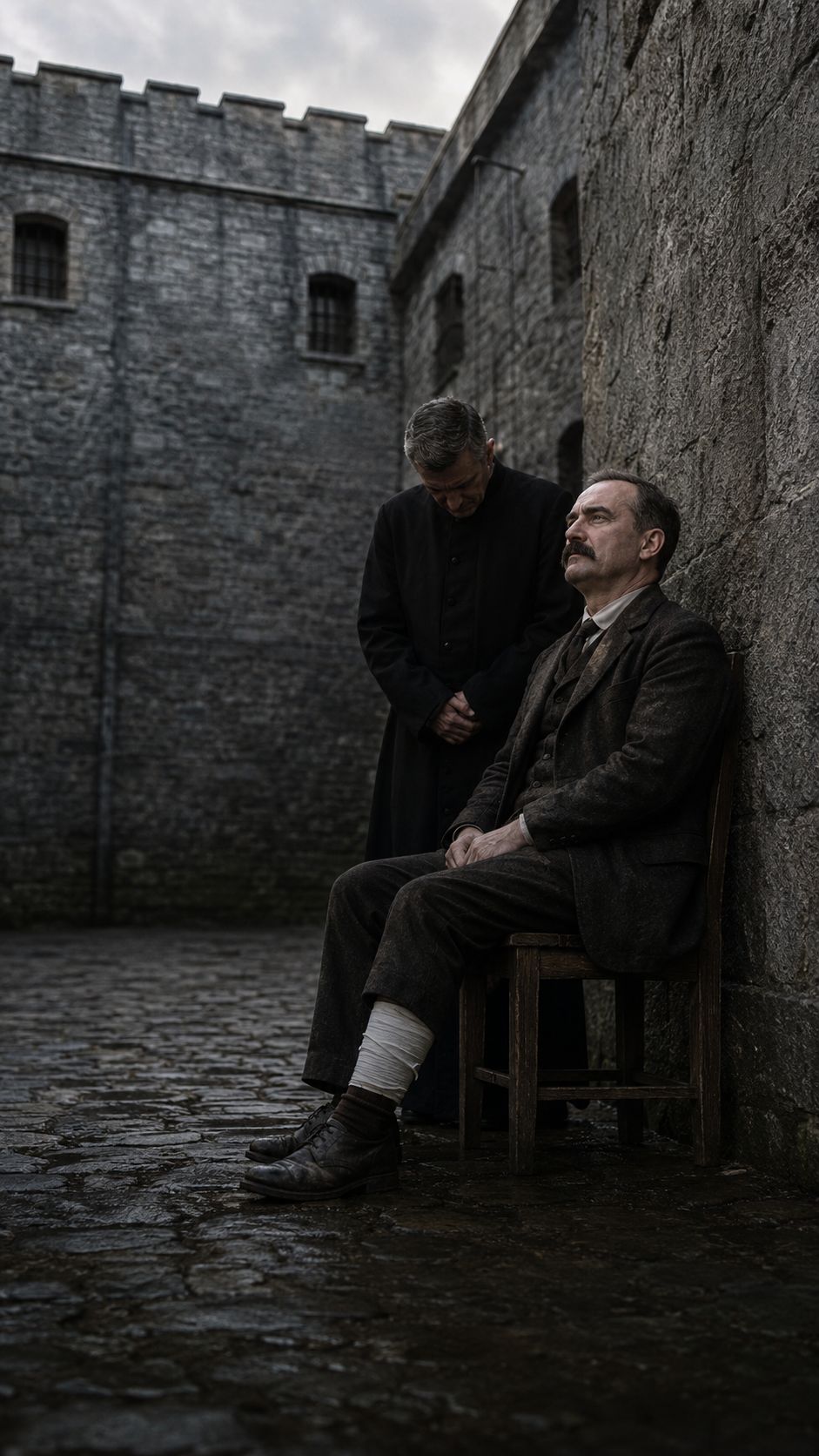 The Execution That Turned Dublin Against Britain
A dying, wounded rebel leader was tied to a chair and shot, an act so brutal it turned Ireland toward independence.
Kilmainham Gaol, Dublin, Ireland · 1916 · 293 km away
More like this
- The Murder Dickens Turned Into Fiction
A cold, calculated murder buried a body in a Bermondsey kitchen, and became fodder for the country's most famous novelist.
Bermondsey, London, United Kingdom · 1849
- The Chair No One Is Allowed To Sit In
A murderer's cursed armchair now hangs on a museum wall, five feet off the ground, so no one can sit in it again.
Thirsk, United Kingdom · 1702
- The Poisoner Who Weaponised A Town's Sweet Shops
She poisoned an entire town's confectionery to disguise the murder of a woman she hated, killing a child she never met.
Brighton, United Kingdom · 1871
 The Rape Trial That Ended In Trial By Combat
A woman's accusation of rape led to France's last judicial duel, with her own life staked on the outcome.
Paris, France · 1386