Latest stories

The Curse That Coincided With Barbarossa

His tomb warned that opening it would unleash a conqueror worse than himself, and it was opened the day before Hitler invaded Russia.

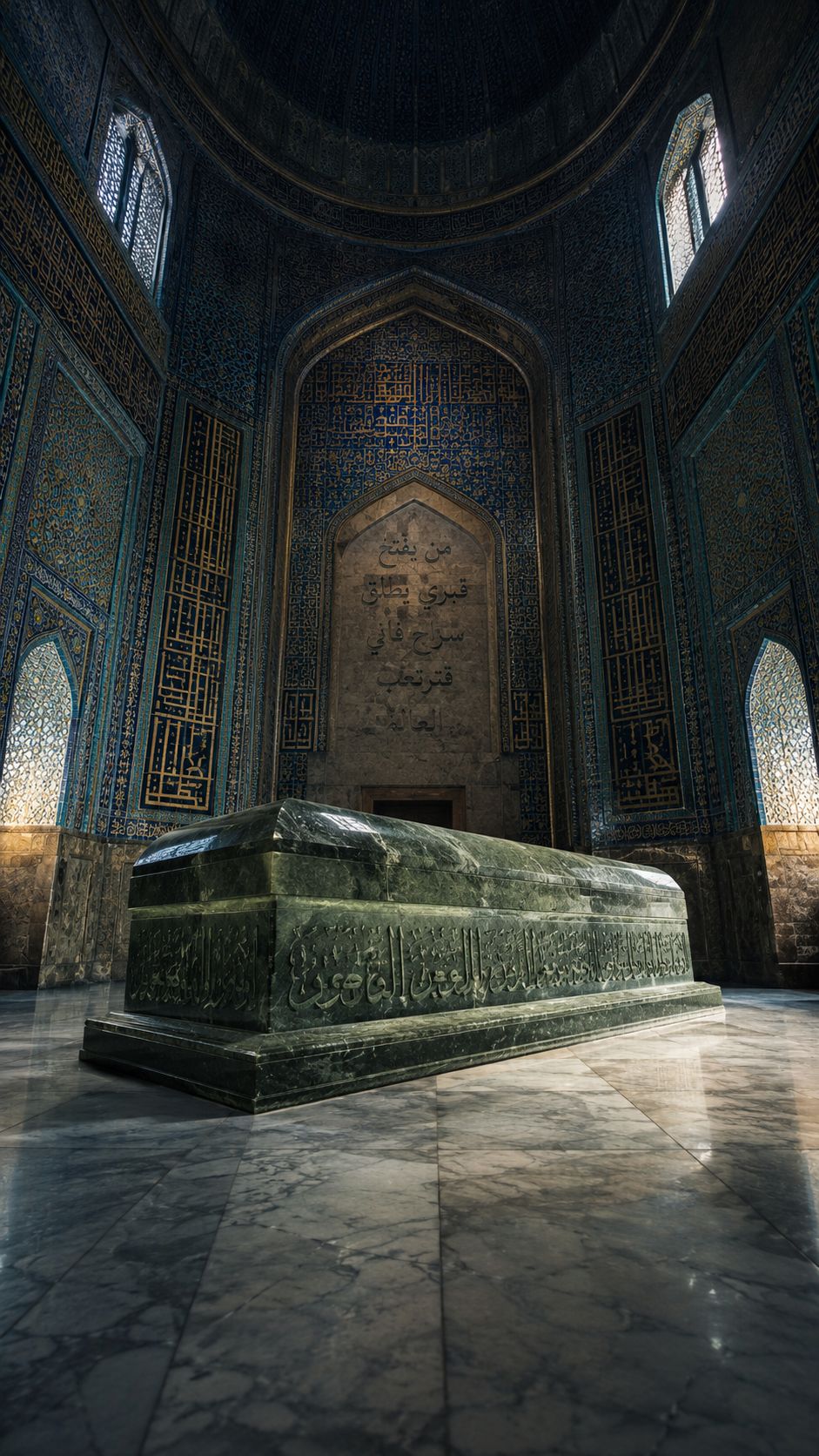
Tamerlane was a Central Asian conqueror who built one of the largest empires in history between 1370 and 1405. His campaigns resulted in the deaths of an estimated 17 million people — approximately 5% of the world’s population at the time. He constructed towers and pyramids from the skulls of defeated enemies across Persia, India and the Middle East. In June 1941 Soviet archaeologists opened his tomb in Samarkand despite warnings from local elders. An inscription inside warned that opening the tomb would release a conqueror more terrible than Tamerlane. On 22 June 1941 Nazi Germany launched Operation Barbarossa — the largest military invasion in history.

INTERESTING FACT Soviet archaeologists were ordered to reseal the tomb and return Tamerlane’s remains with full Islamic burial rites in November 1942. Two months later the Germans surrendered at Stalingrad. The timing has never been officially acknowledged by the Russian government.
A note on sources

The claims in this story have not been independently checked for this edition. Where a detail is famous but unproven, we have tried to say so in the text.

Nearby on the Dark Atlas

  • The Tomb That Warned The World Would Tremble

    Soviet scientists opened the tomb of a conqueror who killed millions — and, so the legend goes, unleashed a curse the next morning.

  • The Retreat That Killed An Army

    Sixteen thousand British troops and camp followers retreated from Kabul, and almost none of them made it out alive.

  • The Diamond Taken From a Ten-Year-Old King

    A legal trap stripped a child king of his mother, his throne, and the most famous diamond in the world.

  • The Soldier Devoured Alive by Insects

    A young soldier was bound between two boats and left to be eaten alive by insects drawn to honey on his skin.

All stories near Samarkand →

← Back to the archive