
They literally left his body hanging in iron chains above the river for years just to let the changing tides systematically rot his flesh. In the execution of high-seas convicts under Admiralty law, the English monarchy used an incredibly slow method of public terror called gibbeting. Instead of a quick noble burial after a hanging at Execution Dock, the executioners covered the corpse in thick tar to preserve it against the weather and encased it in a tight, custom-fit iron cage. They hoisted the cage high onto a wooden post right at the low-water mark of the River Thames. For three consecutive tides, the rising water completely submerged the body, turning the major shipping lane into a graphic warning system that every single merchant sailor was forced to stare at as they entered London.
Interesting Fact The execution of Captain Kidd in 1701 was specifically designed to be an extreme public spectacle. His rope actually snapped during the first hanging attempt, forcing the panicked executioners to drag him back up the steps and hang him a second time before sealing his body into the iron gibbet frame where it remained swinging in the wind for over two years.
Nearby on the Dark Atlas
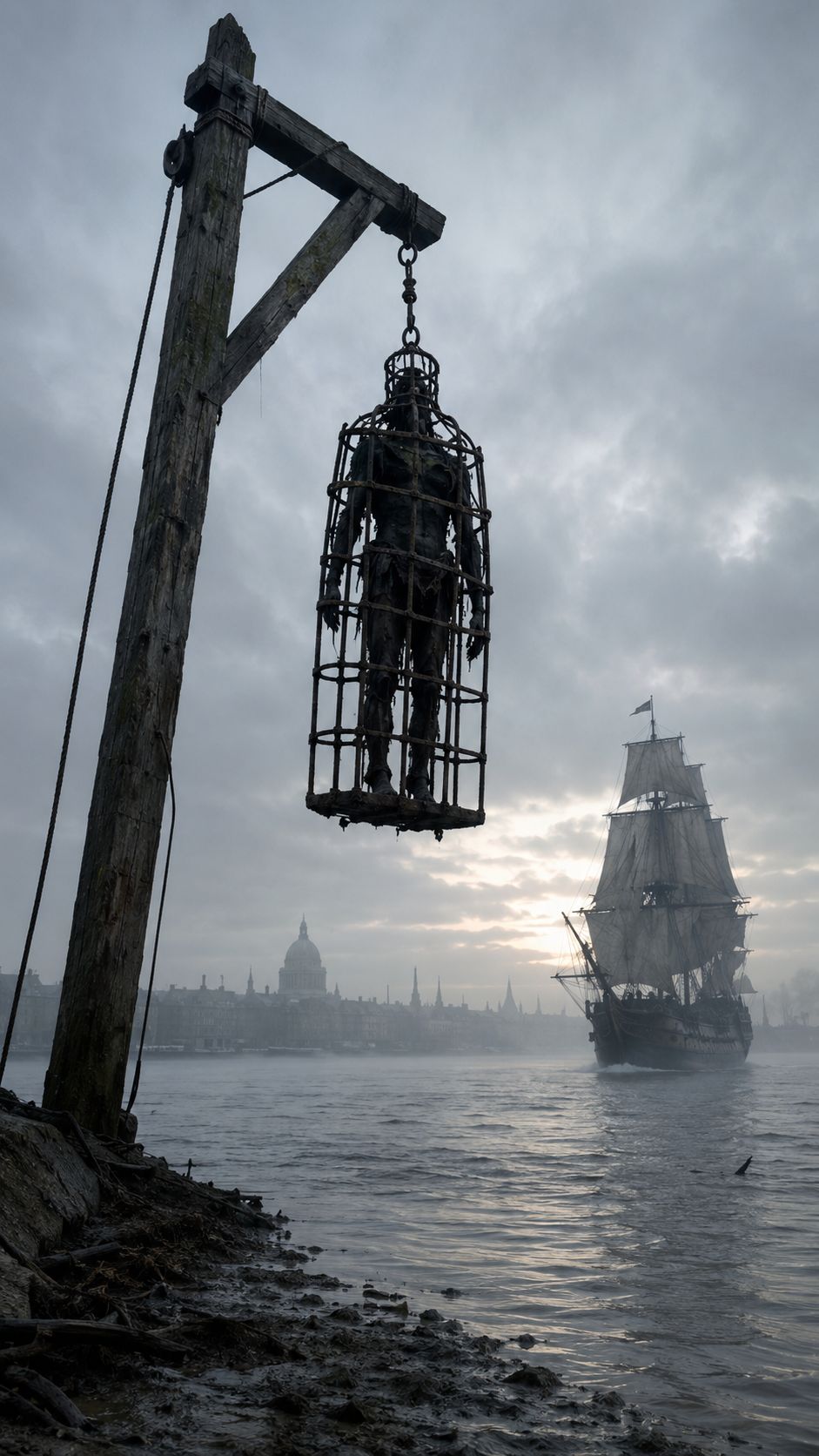 The Pirate Hunter Who Became A Pirate
Sent to hunt pirates for the Crown, he was hanged for piracy himself when the politics turned against him.
Wapping, London, United Kingdom · 1701 · same site
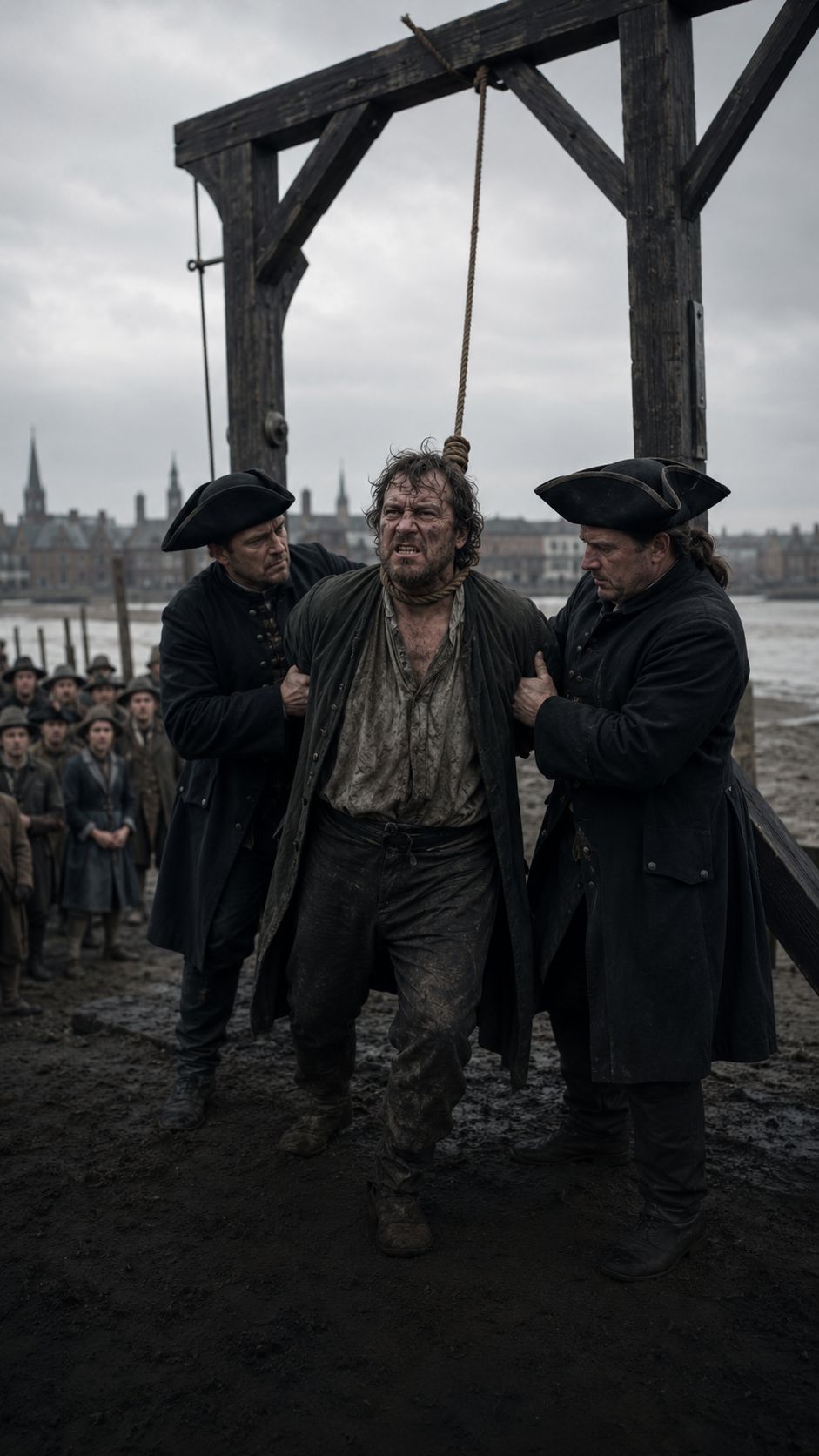 The Pirate Hanged Twice In One Morning
A respected captain became a public scapegoat for piracy, and even his execution refused to go as planned.
London, United Kingdom · 1701 · same site
- The Truth Behind The Elephant Man
The real man behind the famous film was quieter, stranger and far more heartbreaking than any screenplay.
Whitechapel, London, United Kingdom · 1890 · 1.3 km away
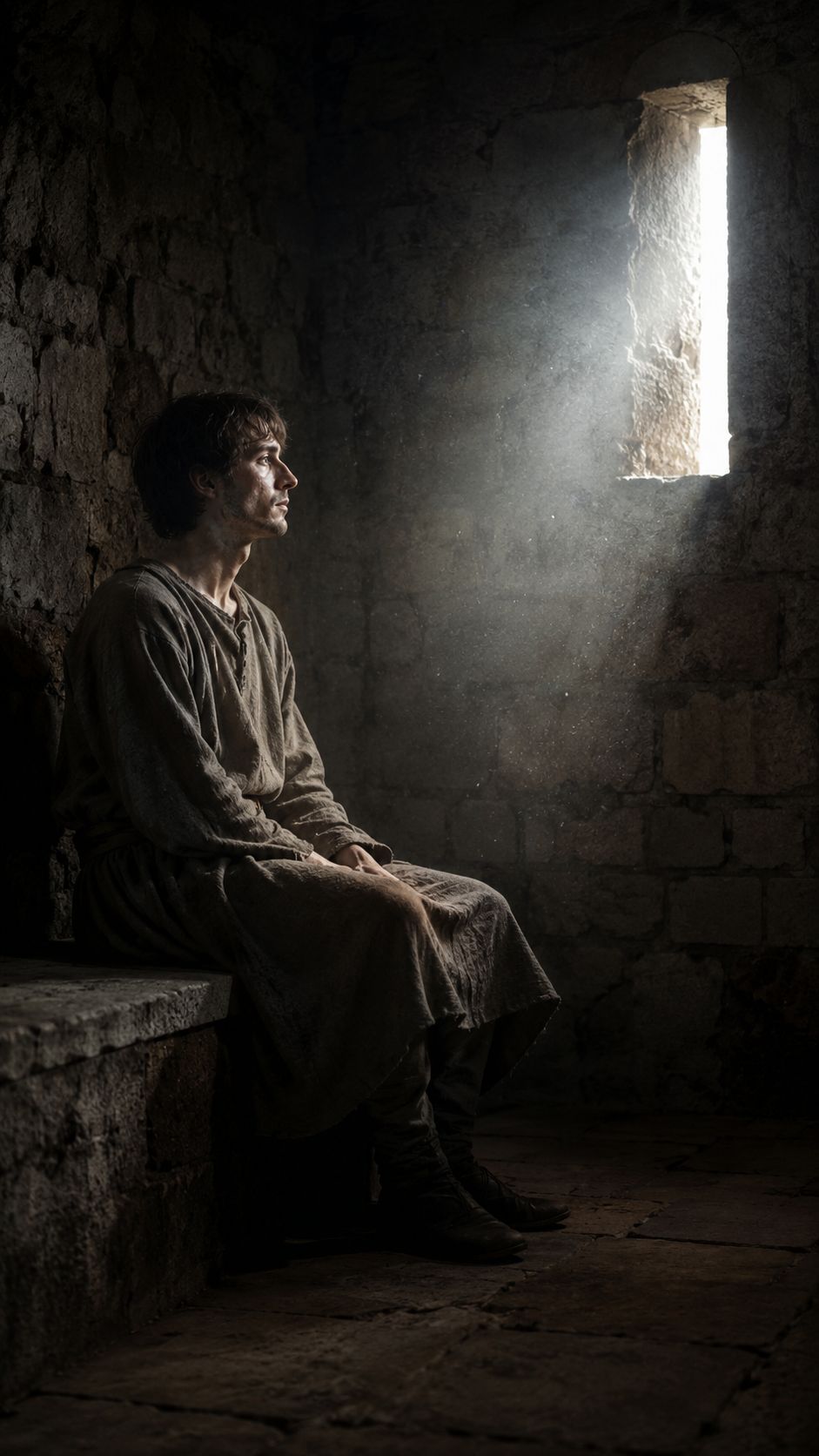 Fourteen Years in the Tower for His Bloodline
Locked away as a boy for the crime of his birth, he emerged so isolated he could no longer recognize an animal.
Tower of London, London, United Kingdom · 1499 · 1.4 km away