
In the 1330s, a Moroccan scholar named Ibn Battuta arrived in Delhi as a guest of Sultan Muhammad bin Tughluq. He was given a house, a salary, and a post as a judge. He was also given a front‑row seat to the Sultan’s justice system.
He wrote down what he saw.
The Horror
“Upon a certain day, when I myself was present, some men were brought out who had been accused of having attempted the life of the vizier. They were ordered to be thrown to the elephants, which had been taught to cut their victims to pieces. Their hoofs were cased with sharp iron instruments, and the extremities of these were like knives.”
That is a direct eyewitness account from the most widely travelled man in the medieval world.
The elephants did not simply crush. They were trained — by specialist handlers called mahouts — to execute on command in specific ways. Some were drilled to pin a prisoner and crush the skull on a stone block. Others dragged victims by a leg across open ground until every joint dislocated. Some tossed prisoners into the air and caught them again on their tusks. In Delhi, iron blades were fitted to the tusks, and iron casings with knife‑edges were strapped to their feet.
Ibn Battuta describes one execution in more detail: “They started cutting them in pieces with the blades placed on their tusks and throwing some of them in the air and catching them. All the time the bugles and fifes and drums were being sounded.”
Music played while it happened. The court watched from a pavilion. This was not chaos. It was theatre.
Later Mughal emperors continued the practice. Akbar is recorded as using elephants both to execute and to publicly torment offenders, sometimes having them rolled under the animals’ feet for days before issuing a pardon. Seventeenth‑century witnesses like the French physician François Bernier wrote of their horror at the pleasure emperors seemed to take in watching. In the early 1700s, Captain Alexander Hamilton described how Shah Jahan ordered an offending commander “carried to the Elephant Garden” to be executed by an elephant — “reckoned to be a shameful and terrible death.”
This was not one ruler, and not one century. Elephant execution was practised in various forms across South and Southeast Asia for more than two millennia — from references in ancient Indian legal and narrative texts through to documented cases under early modern rulers and into the colonial period.
The Modern Relic
The Red Fort in Delhi — where later Mughal emperors held court and administered justice — still stands. Historical accounts and architectural surveys record the elephant stables and parade spaces attached to imperial forts and palaces. Walk through a gate like Delhi’s Lahori Gate today and you enter the same kind of walled courtyards where rulers once sat on raised platforms and watched trained elephants carry out sentences to the sound of drums. The music has stopped. The stones haven’t moved.
Nearby on the Dark Atlas
 The Real Boy Raised By Wolves
A boy really was found living among wolves in the Indian jungle, and what happened to him is the opposite of a fairy tale.
Bulandshahr, India · 1872 · 66 km away
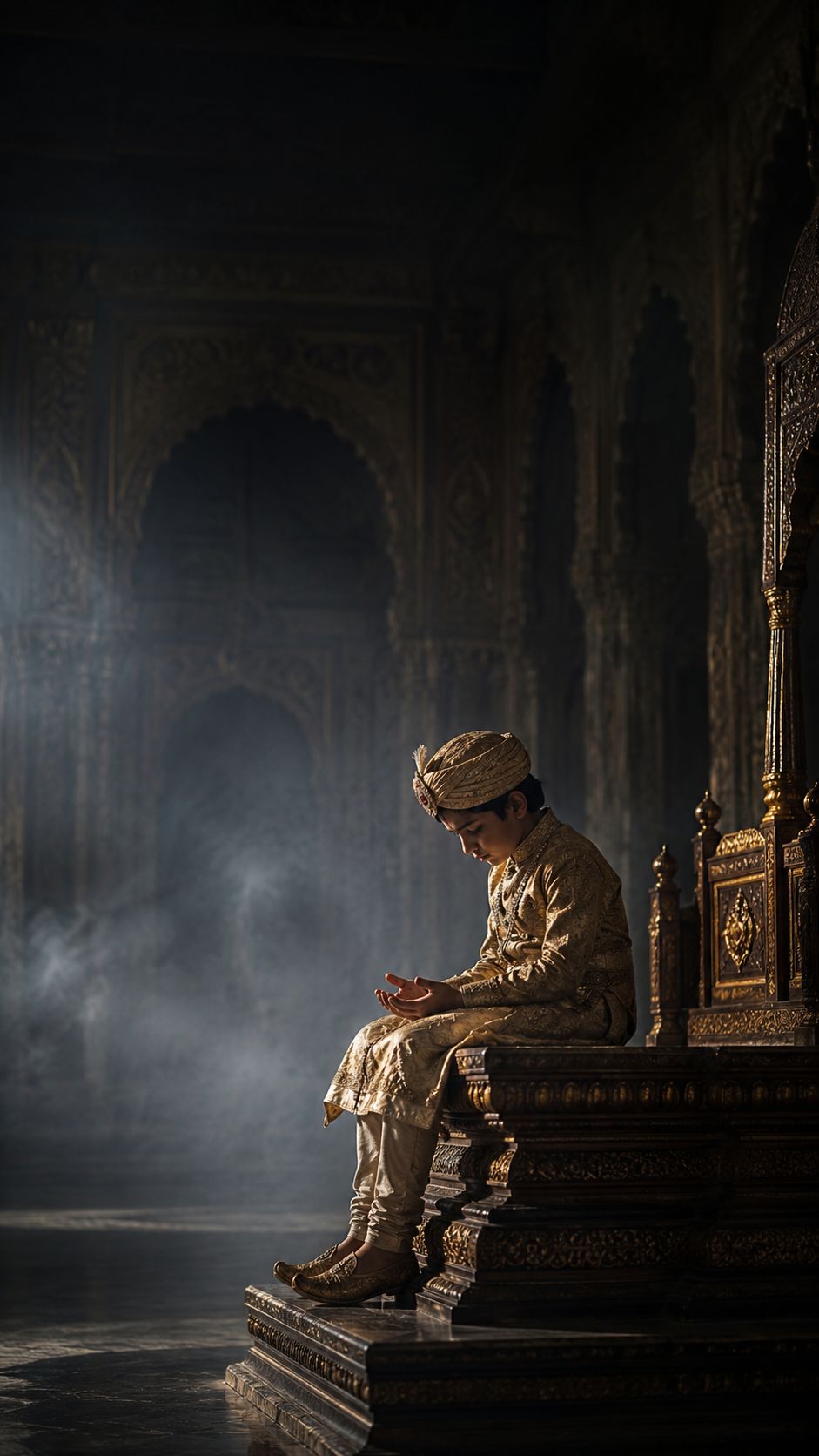 The Diamond Taken From a Ten-Year-Old King
A legal trap stripped a child king of his mother, his throne, and the most famous diamond in the world.
Lahore, Pakistan · 1849 · 426 km away
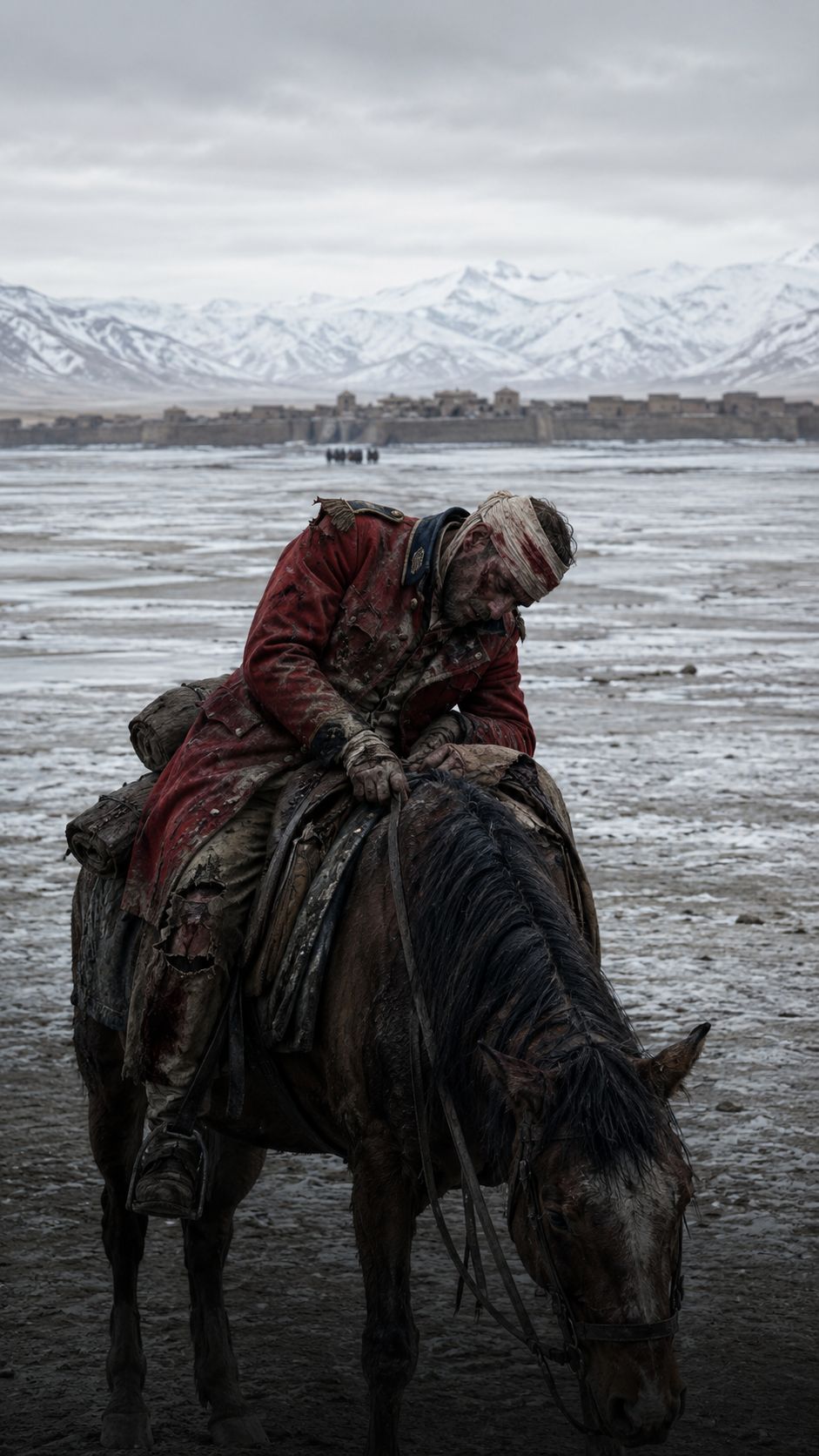 The Retreat That Killed An Army
Sixteen thousand British troops and camp followers retreated from Kabul, and almost none of them made it out alive.
Kabul to Jalalabad road, Afghanistan · 1842 · 1004 km away
- The Curse That Coincided With Barbarossa
His tomb warned that opening it would unleash a conqueror worse than himself, and it was opened the day before Hitler invaded Russia.
Samarkand, Uzbekistan · 1941 · 1541 km away