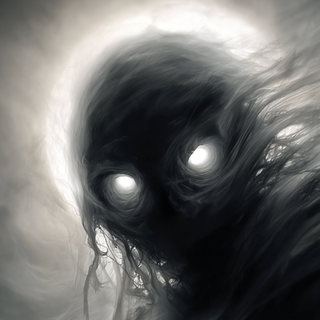
On the evening of 25 November 1120, a brand‑new vessel called the White Ship left Barfleur harbour on the Normandy coast, carrying perhaps 300 people — the young cream of the Anglo‑Norman aristocracy. Prince William Adelin, the seventeen‑year‑old only legitimate son and heir of King Henry I, was on board. So were two of Henry’s illegitimate children, the Earl of Chester, and many of the younger nobles of the English court.
Henry I had already sailed earlier that evening on another ship. William stayed behind to celebrate, and the passengers demanded wine for themselves and the crew. The sailors were drunk. When they finally left Barfleur, William ordered the captain to overtake his father’s vessel.
Just outside the harbour, the White Ship struck a submerged rock — the Quilleboeuf rock, still visible at low tide off Barfleur today. The hull tore open. The ship began to sink.
The Horror
According to later accounts, William Adelin made it into a small boat and could have escaped. Then he heard his half‑sister Matilda, Countess of Perche, screaming from the wreck. He ordered the boat to turn back. As the skiff reached the drowning mass, panicked survivors tried to haul themselves aboard. The little boat was swamped. It capsized. William disappeared under the black water and was never seen again.
The captain, Thomas FitzStephen, also survived the initial sinking and came up alive in the water. He asked what had become of the prince. When he was told William had drowned, he threw up his hands and let himself sink, choosing to drown rather than face the king. His father had captained the ship that brought William the Conqueror to England in 1066. The son would not survive the disaster that destroyed his master’s dynasty.
Out of roughly 300 people on board, only one man is known to have survived: Berold (or Beroldus), a butcher from Rouen who had taken passage to collect debts from his aristocratic customers. He clung first to wreckage and then, according to some versions, to the ship’s mast through the freezing November night. His cheap sheepskin coat kept him warm enough to survive while the fine silks and velvets of the nobility soaked, dragged, and chilled their wearers. Fishermen pulled him from the water at dawn.
When the news crossed the Channel, no baron or court officer wanted to be the one to tell the king that his only legitimate son was dead. Chroniclers say they sent a young boy to deliver the message. Henry is said to have fainted, and contemporaries later remarked that he “never smiled again”. He reigned for another fifteen years but never produced another legitimate male heir.
One of the young nobles who had planned to sail on the White Ship was Henry’s nephew, Stephen of Blois. According to later tradition, he stepped off before departure because he had a sudden bout of stomach trouble — possibly diarrhoea after the heavy drinking — and chose a different ship. Fifteen years later, when Henry I died in 1135, Stephen seized the throne. Henry’s designated heir, his daughter Empress Matilda, contested his claim. The result was the Anarchy: nearly twenty years of intermittent civil war that tore England apart.
One shipwreck. One prince who turned back. One survivor wrapped in sheepskin. One future king who stepped ashore. Twenty years of war.
The Modern Relic
Barfleur harbour still lies on the Normandy coast — today a small, quiet fishing port. The rock that ripped open the White Ship, the Quilleboeuf rock, still lurks just under the surface a short distance offshore, visible at low tide and well known to modern sailors. The shoreline from which William the Conqueror launched his invasion fleet in 1066 and from which his grandson drowned in 1120 has barely moved. The butcher’s descendants, if they exist, have never been traced.
Nearby on the Dark Atlas
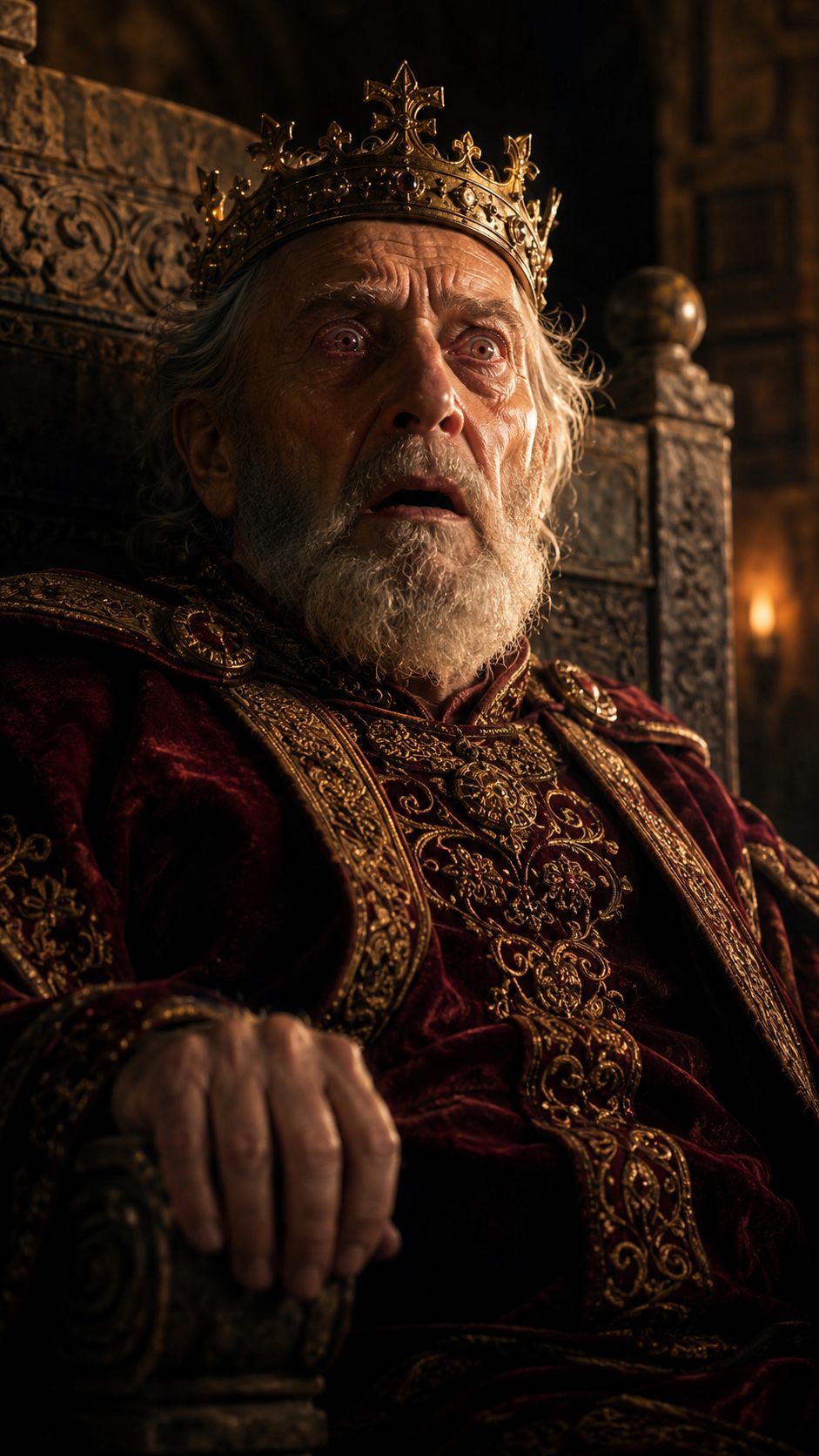 The Conqueror Whose Funeral Fell Apart
The king who took England died alone, stripped of his valuables, and his funeral turned into a grotesque disaster.
Caen, France · 1087 · 84 km away
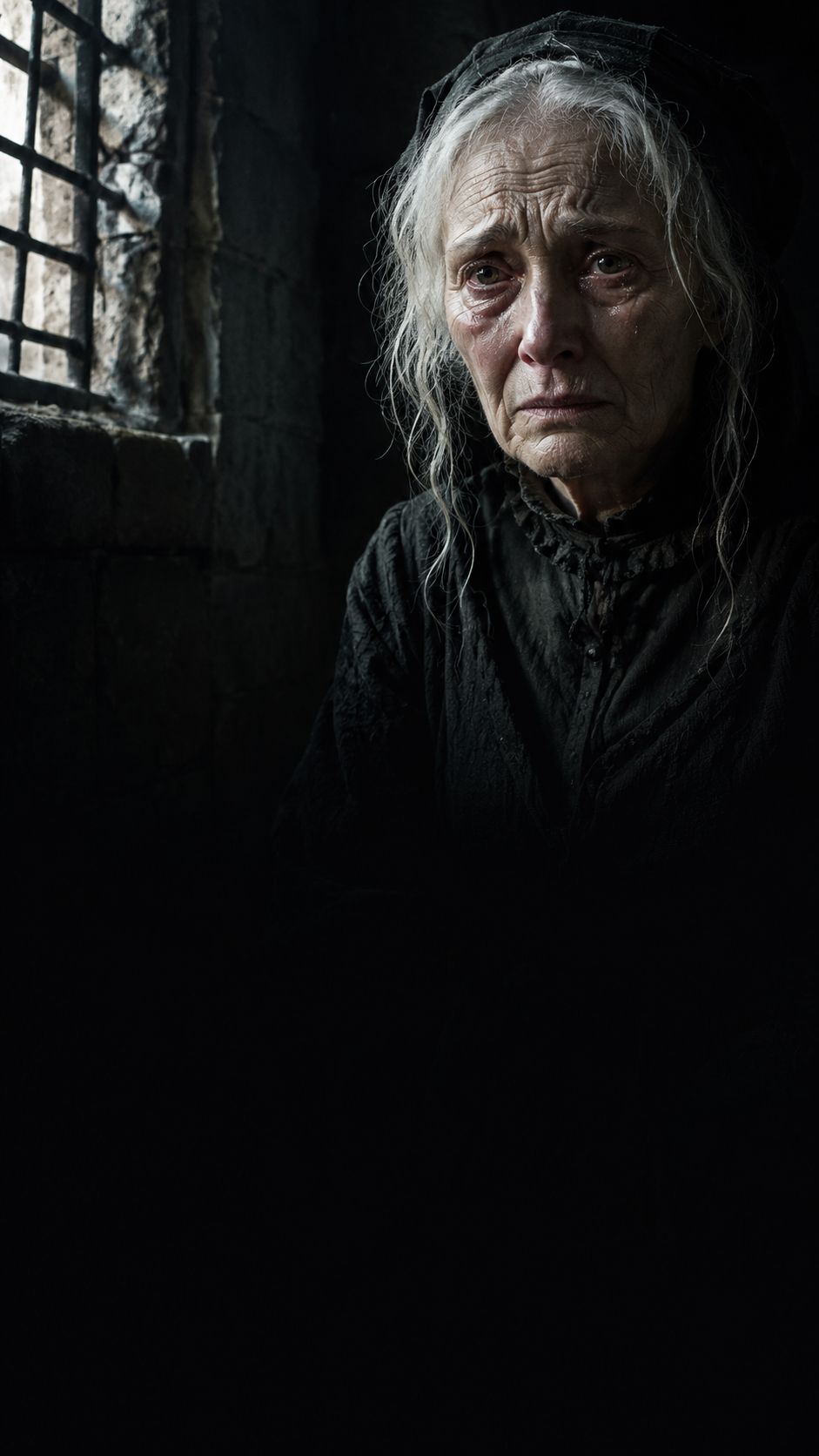 The Rope That Broke at the Stake
Acquitted of theft, three women were burned for heresy anyway when the strangling rope snapped before the flames rose.
Saint Peter Port, Guernsey · 1556 · 95 km away
- The Guernsey Martyr Who Burned With Her Baby
A pregnant Protestant woman was burned alive on Guernsey during Mary I's persecutions, in an atrocity even her chroniclers called unmatched.
St Peter Port, Guernsey, United Kingdom · 1556 · 95 km away
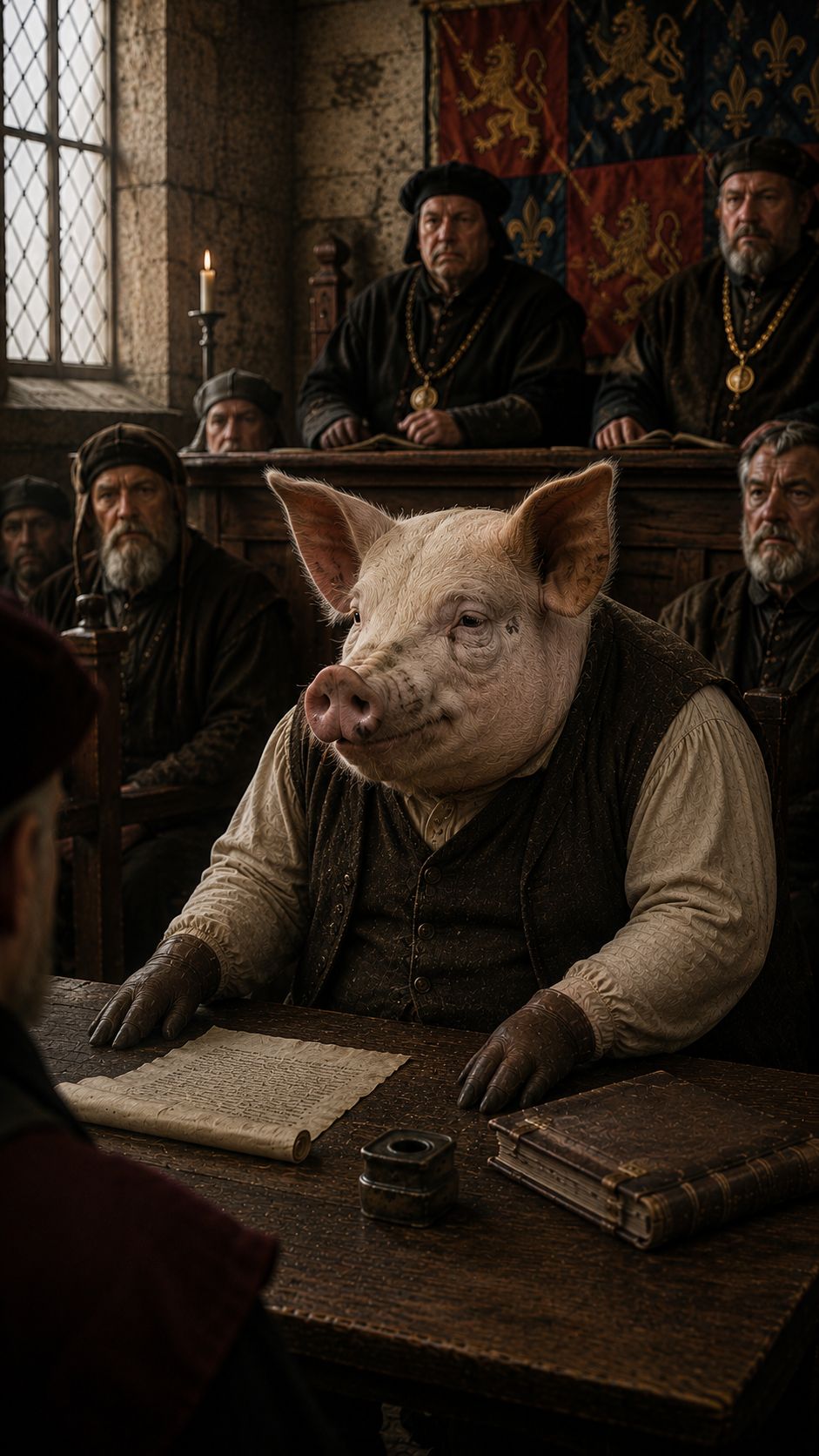 The Pig Put On Trial For Murder
A pig was arrested, given a lawyer, tried in a real court, dressed in human clothes, and hanged for killing a baby.
Falaise, France · 1386 · 116 km away
More like this
- The King's Favourite Who Bet Against Richelieu
A dazzling young courtier gambled his head against Cardinal Richelieu, and lost it in a public square.
Place des Terreaux, Lyon, France · 1642
- The Leper King's Story No Film Would Show
Kingdom of Heaven gave him a dignified death behind a silver mask, the truth was far crueller.
Jerusalem, Israel · 1185
- The Only Peer Ever Hanged At Tyburn
A violent nobleman was hanged before a stunned crowd who never expected to see a lord die on the public gallows.
Tyburn, London, United Kingdom · 1760
 The Rape Trial That Ended In Trial By Combat
A woman's accusation of rape led to France's last judicial duel, with her own life staked on the outcome.
Paris, France · 1386