
On 9th January 1386, a sow approximately three years old was led to the gallows in the market square of Falaise, France. She had been arrested, imprisoned, tried in a court of law, found guilty, and sentenced to death.
She was wearing a waistcoat, gloves, a pair of drawers, and a human mask on her face.
Her crime: she had attacked a three‑month‑old baby in its crib, biting the child’s face and arms. The infant died.
The pig had a lawyer. The court heard testimony for and against. The pig was convicted.
The Horror
The sentence was deliberate. The pig’s forelegs were first “mangled and maimed” — matching the injuries she had inflicted on the child. Eye for an eye. Then she was hanged from the gallows dressed in human clothes.
A receipt for the execution survives. It records a payment of ten sous and ten deniers to the executioner for “having dragged and then hanged at the Justice in Falaise a sow of approximately three years of age.” The receipt also records an additional charge: the cost of a new pair of gloves for the hangman — “that he might come from the discharge of his duty with clean hands.”
The execution was painted as a fresco on the wall of the Church of the Holy Trinity in Falaise — a pig in human clothes hanging from a gibbet, commemorated on a church wall alongside the saints. The fresco survived for over 400 years. In 1820, a workman whitewashed over it. It is gone.
The Falaise pig was not an isolated case. Between 1250 and 1500, at least 25 pigs were formally prosecuted for killing children across France alone. A bull was hanged in 1314 for escaping its pen and fatally injuring a man. A rooster was tried for witchcraft in 1474 in Basel — it had laid an egg, which was considered proof of demonic possession. The rooster was burned at the stake.
The most extraordinary case involved rats. In 1522, the diocese of Autun brought charges against a colony of rats for destroying crops. The rats were assigned a defence lawyer — the celebrated jurist Barthélemy de Chasseneuz. When his clients failed to appear in court, Chasseneuz argued that they could not reasonably be expected to make the journey because the roads were infested with cats — posing a mortal danger to the defendants.
The court accepted the argument. The case was postponed.
Chasseneuz became famous. He went on to become President of the Parlement of Provence — one of the highest judicial positions in France. His career was built, in part, on successfully defending rats.
The Modern Relic
The receipt for the Falaise pig execution is in the French archives. The fresco that commemorated it is gone — whitewashed in 1820 by a man who presumably did not appreciate the artistry of a pig in a waistcoat hanging from a gibbet. The Church of the Holy Trinity still stands in Falaise. The market square where the pig was hanged is still there. Medieval animal trials continued across Europe until the 18th century — over 500 years of formal legal proceedings against creatures who could not understand the charges, could not speak in their own defence, and were dressed in human clothes so that justice could be seen to treat all defendants equally. The gloves were new. The law was satisfied. The pig was a pig.
Nearby on the Dark Atlas
 The Conqueror Whose Funeral Fell Apart
The king who took England died alone, stripped of his valuables, and his funeral turned into a grotesque disaster.
Caen, France · 1087 · 34 km away
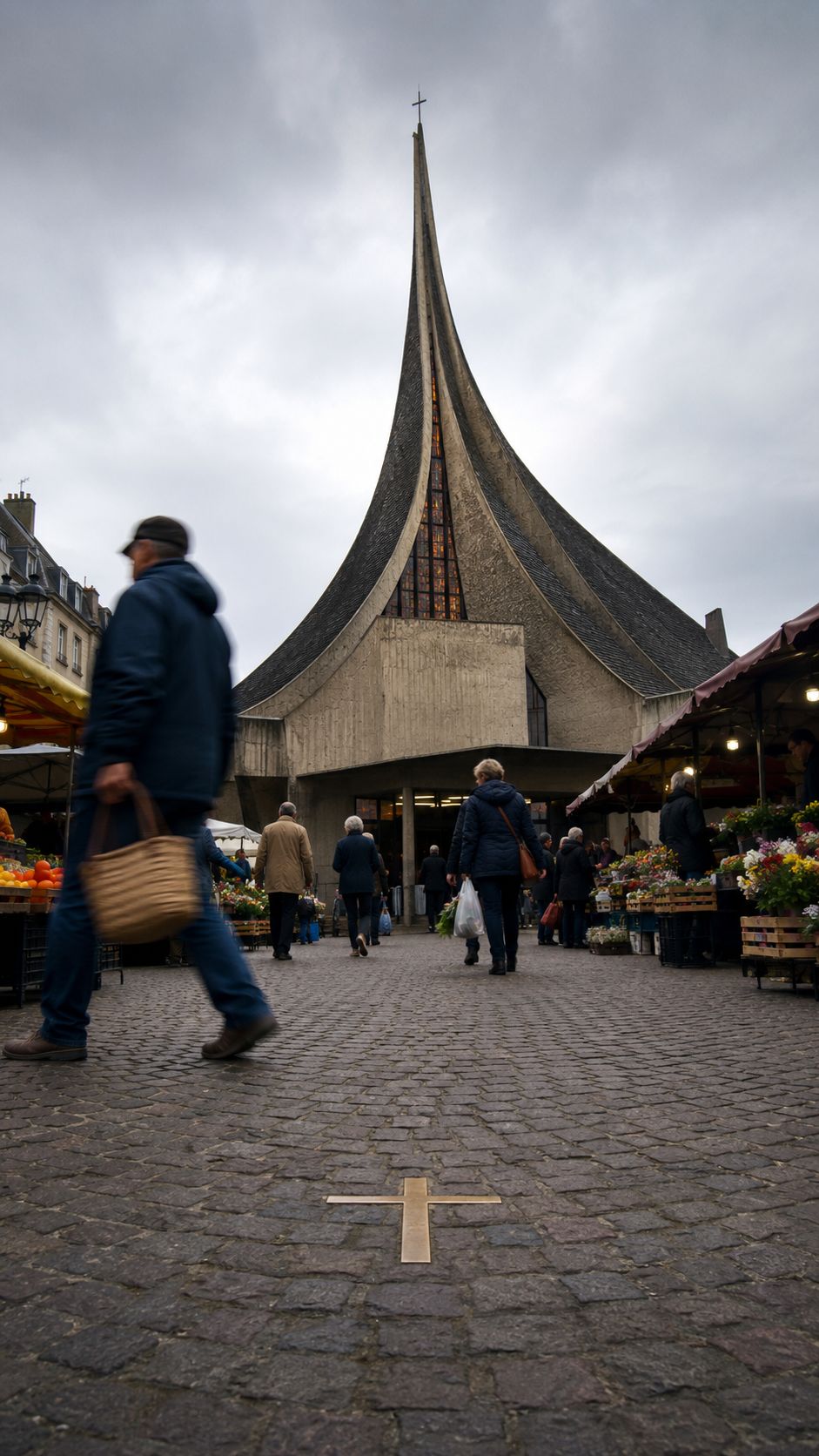 The Teenage Warrior Burned As A Heretic
A nineteen-year-old who turned the tide of a war is condemned to death not for anything military, but for the clothes she wore.
Rouen, France · 1431 · 113 km away
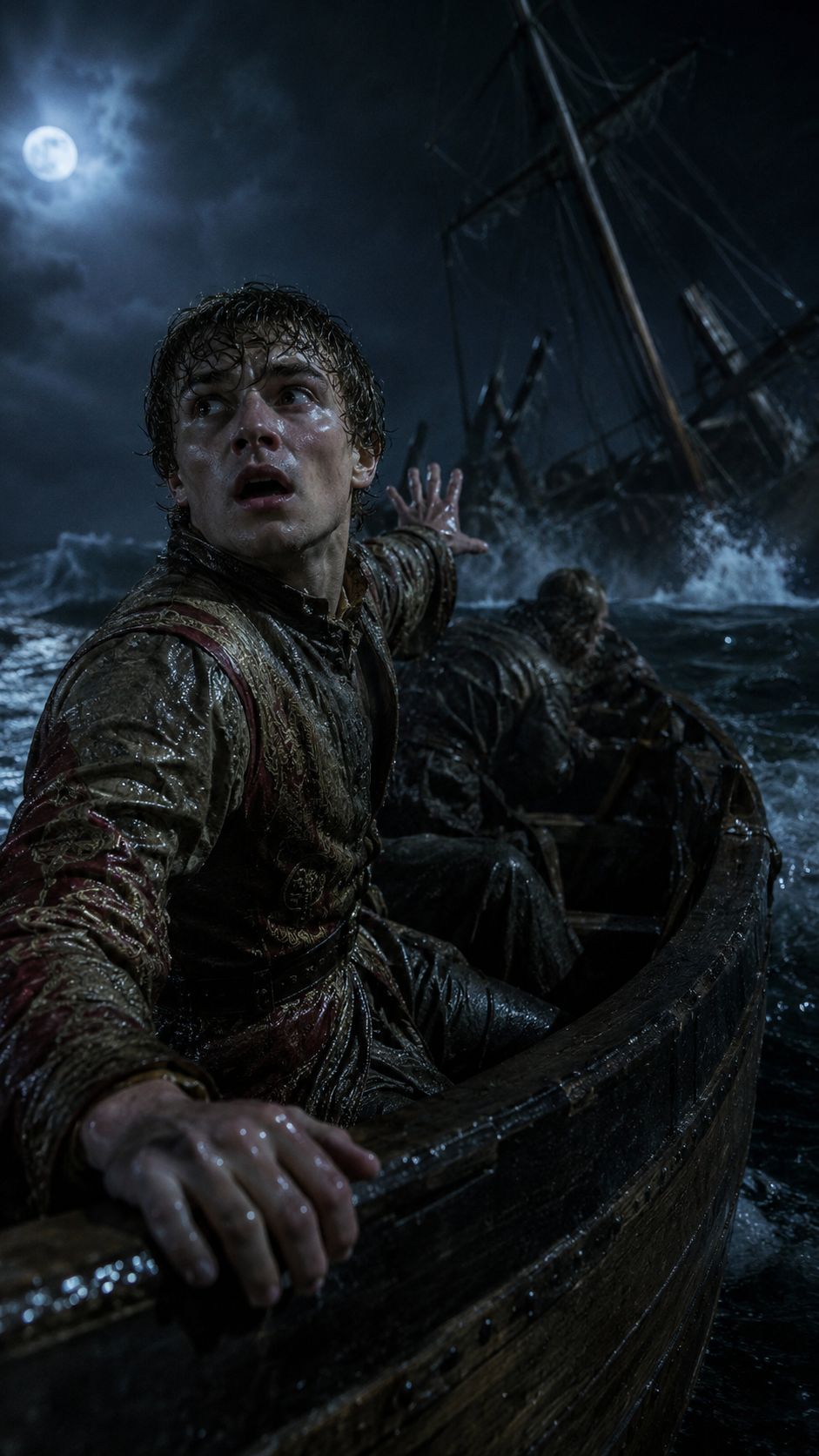 The Wreck That Sank a Dynasty
A drunken crew and a hidden rock drowned the only heir to the English throne on a single reckless night.
Barfleur, France · 1120 · 116 km away
 Was Van Gogh's Death Not A Suicide
A dying artist may have covered for the boys who accidentally shot him rather than name them.
Auvers-sur-Oise, France · 1890 · 174 km away