
On the morning of 29th October 1618, Sir Walter Raleigh — explorer, courtier, poet, historian, once a favourite of Elizabeth I and long‑time prisoner of James I — was brought to the scaffold in Old Palace Yard at Westminster. He was 66 years old. For thirteen years he had been confined in the Tower of London on a treason charge that many in England believed had been engineered to remove him from politics rather than to punish an actual conspiracy.
In 1616 he was released for one last throw of the dice: to lead an expedition to South America in search of gold along the Orinoco, the fabled El Dorado. The voyage failed. No gold was found. Worse, his men attacked a Spanish outpost in violation of James I’s fragile peace with Spain, and Raleigh’s eldest son, Wat, was killed in the fighting. Raleigh returned home empty‑handed and bereaved. The Spanish ambassador demanded justice. James, eager to placate Spain, revived the old treason sentence instead of staging a new trial. Raleigh was condemned to die.
The Horror
On the scaffold, Raleigh was composed and almost theatrical — very much the courtier to the end. He addressed the crowd in a careful speech defending his loyalty and faith. Midway through, he was overtaken by a coughing fit in the cold autumn air and had to stop.
Someone offered him a cup of sack (fortified wine). He drank, and when asked if it pleased him, replied: “’Tis a good drink, if a man might tarry by it,” a final dry joke about how little time he had left to enjoy anything.
He then asked to see the axe. The executioner hesitated, but Raleigh insisted. The blade was brought to him. Running his thumb along the edge, he remarked: “This is a sharp medicine, but it is a physician for all diseases and miseries.” Death, in other words, was a cure.
Asked which way he wished to face — customarily east, toward Jerusalem — he answered: “So the heart be right, it is no matter which way the head lieth,” turning a ritual detail into another statement of inner conviction over outward show.
He knelt and laid his head on the block. The executioner, unnerved by the moment and by Raleigh’s status, hesitated. Raleigh waited, then called out: “What dost thou fear? Strike, man, strike!”
The first blow failed to sever the neck completely. Raleigh did not move. The second stroke finished the work. Someone in the crowd is said to have murmured: “We have not such another head to be cut off” — a grim compliment to the man whose head they had just watched fall.
The Modern Relic
Raleigh’s severed head was embalmed and given to his wife, Lady Elizabeth (“Bess”) Raleigh. She had it placed in a red leather bag. She did not bury it. She kept it.
For the next twenty‑nine years — from his execution in 1618 until her own death in 1647 — she is said to have carried that bag with her wherever she lived. It sat by her bed. It travelled with her when she moved. Visitors to the Raleigh household later recalled being shown the bag and, on occasion, its contents — as if being introduced to a very quiet guest. When asked, she reportedly said simply: “It is my dead lord’s head.”
Not “my late husband,” not “Sir Walter” — my dead lord’s head. The possessive was the point. The state had taken his life. She kept what it had cut off.
Accounts differ on what happened next. Some say that when Lady Raleigh died, the head was buried with her. Others report that it passed to their son Carew Raleigh, who kept it until his own death in 1666. In that version, the head was finally interred at St Margaret’s Church, Westminster — the parish church beside Westminster Abbey and a short walk from the scaffold where Raleigh had urged the executioner to strike.
Raleigh’s body was buried separately at St Margaret’s in 1618, probably under the chancel, but the exact spot is uncertain. Head and body have never been definitively reunited. The red leather bag is gone. The stories about it linger.
Today, visitors to St Margaret’s can stand near the place where his remains are believed to lie and look across the road at the Palace of Westminster, where he once moved in splendour and from whose shadow he went to the block. His last lines of gallows wit and his wife’s decision to keep his head have outlived both the king who condemned him and the empire his voyages helped to begin.
Nearby on the Dark Atlas
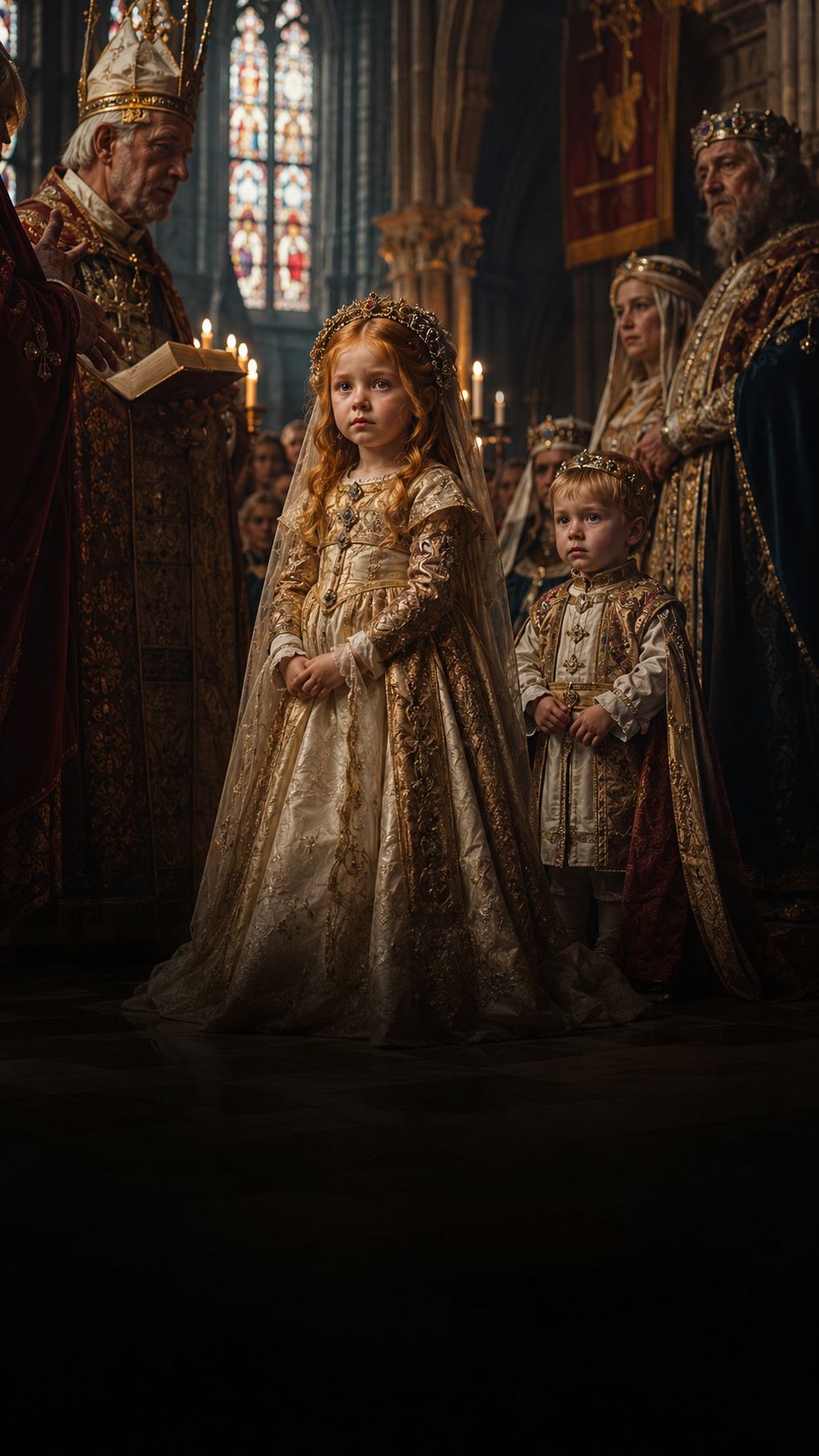 The Child Bride Whose Coffin Vanished For 500 Years
She died before she was nine, a pawn of kings, and her tiny coffin was lost until a digging machine tore it open centuries later.
Westminster, London, United Kingdom · 1481 · same site
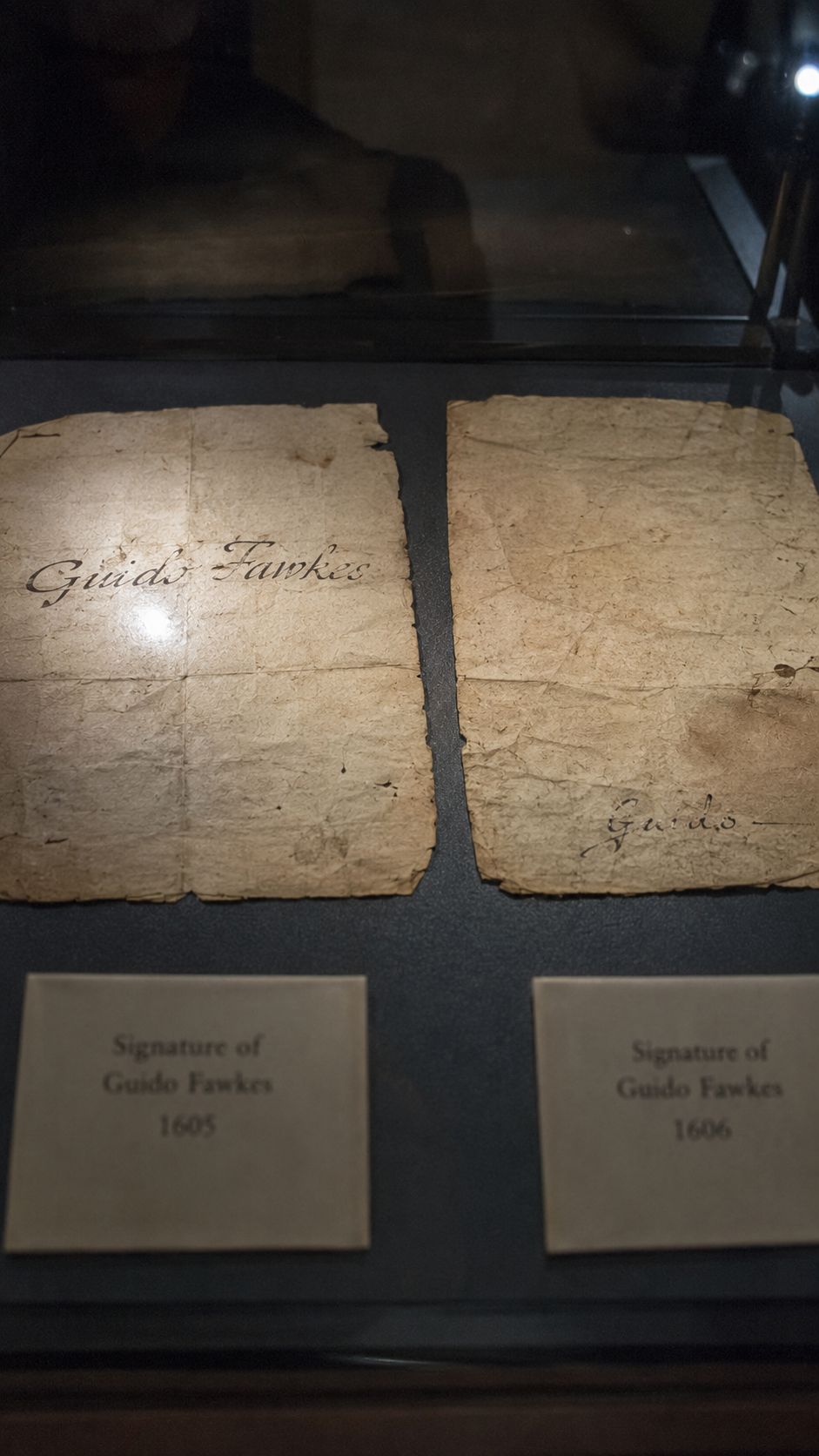 The Signature That Broke Under Torture
Found in a cellar beneath Parliament with 36 barrels of gunpowder, his confident signature collapsed into a scrawl after days on the rack.
Westminster, London, United Kingdom · 1605 · same site
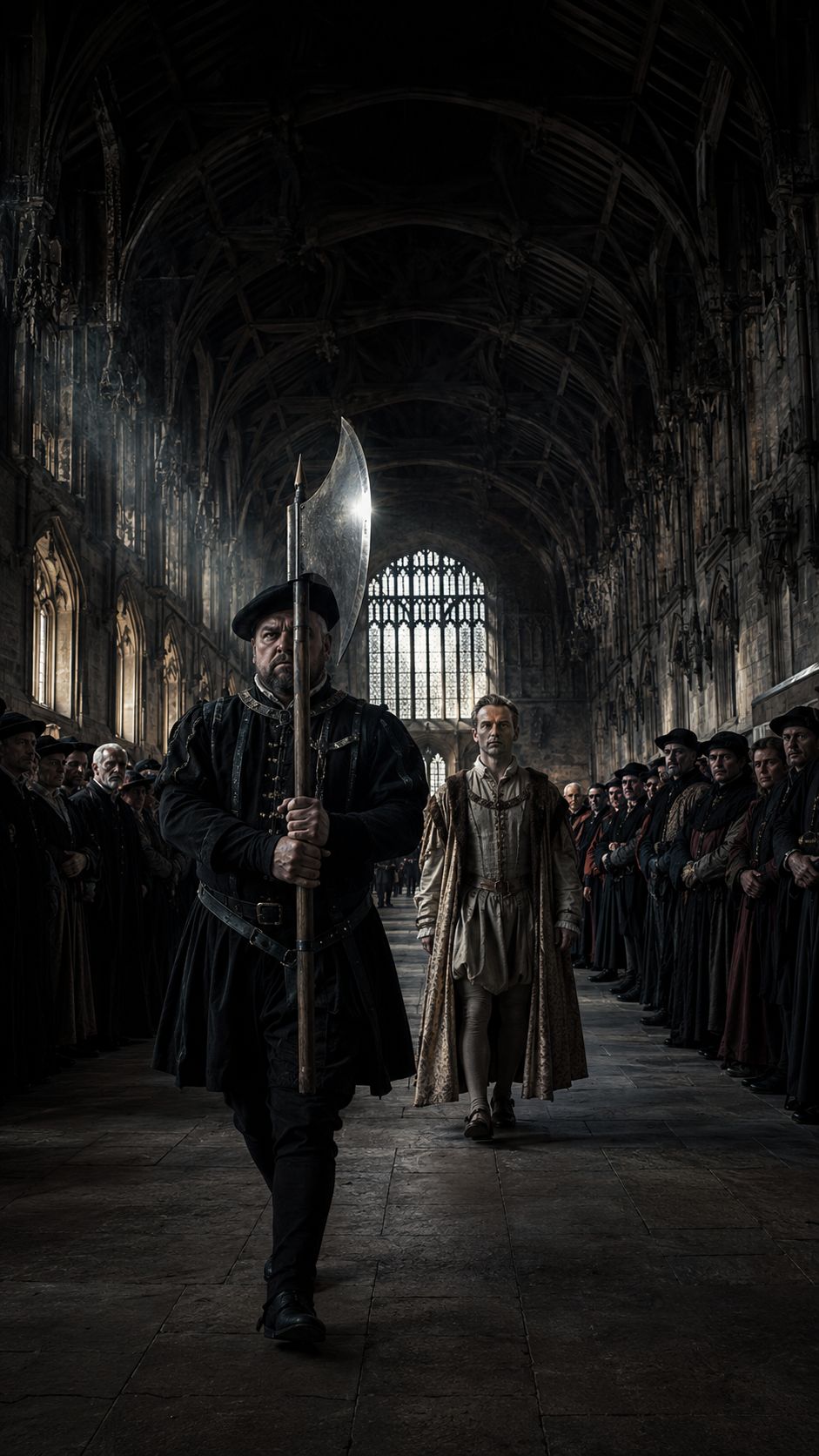 The Sword That Sealed a Traitor's Fate
Before a word was spoken, prisoners at Westminster Hall could read their fate in which way the ceremonial blade pointed.
Westminster Hall, London, United Kingdom · 1521 · same site
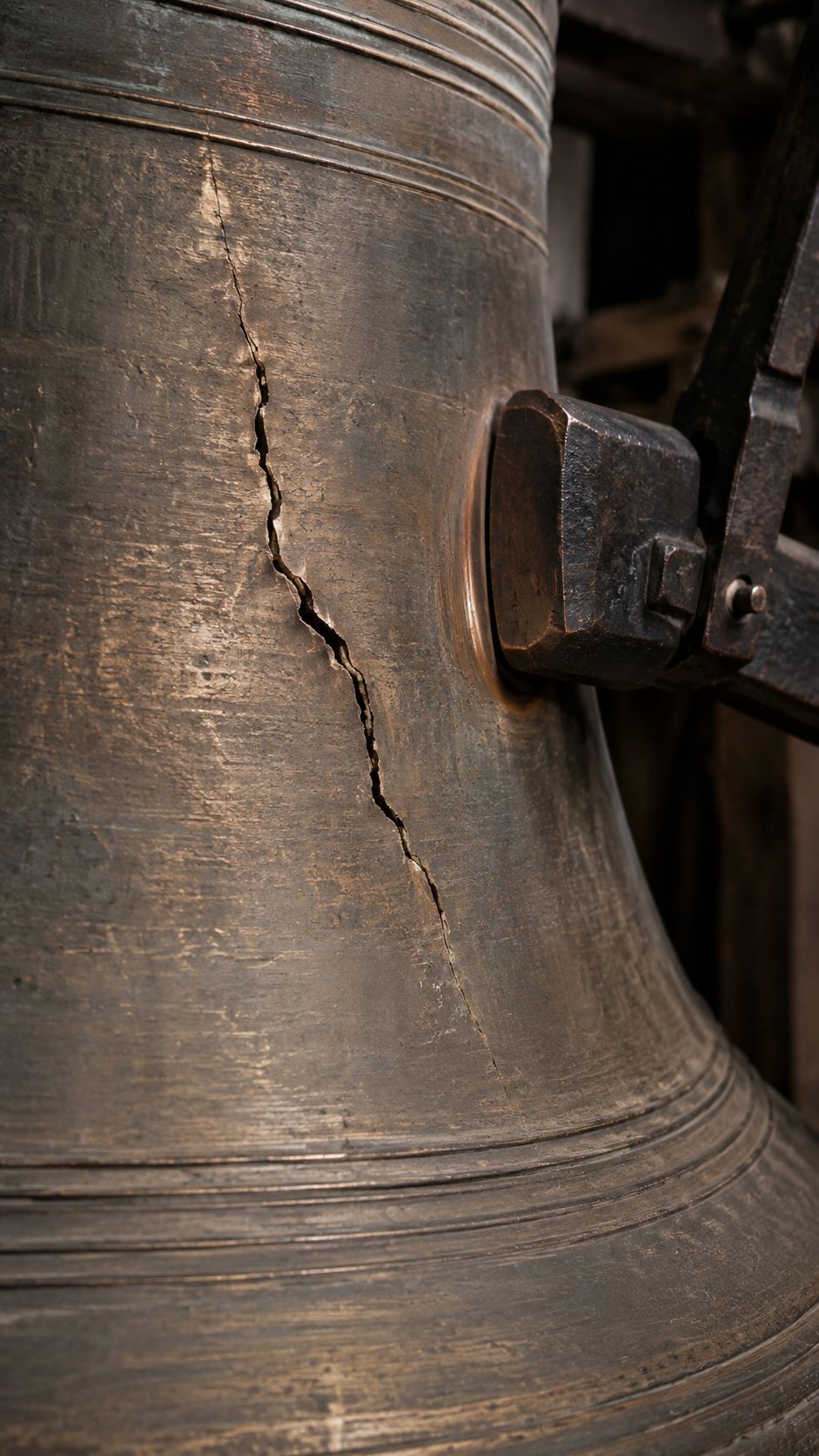 The Bell That Cracked Before It Ever Rang
Britain's largest bell ever cast splits during testing before it ever rings in the tower, and nobody has ever fully fixed it.
Westminster, London, United Kingdom · 1859 · same site