Violet Jessop was not supposed to survive childhood. Born in 1887 in Argentina to Irish parents, she contracted tuberculosis as a girl. Doctors thought she had months to live. She recovered completely. It was the first time she declined to die when expected. It wouldn’t be the last.
The Horror
In 1911, Violet was working as a stewardess aboard the RMS Olympic — the first and largest of the White Star Line’s three Olympic‑class sister ships. On 20 September, the Olympic collided with the Royal Navy cruiser HMS Hawke in the Solent. The warship’s bow tore a large hole in the liner’s side. The Olympic limped back to port for repairs. Violet was unhurt.
Disaster one. Ship one.
In April 1912, friends persuaded Violet to sign on for the maiden voyage of the Olympic’s new sister ship — the Titanic. She was reluctant; she’d heard the North Atlantic was rough and the first‑class passengers demanding. Her friends insisted it would be an adventure.
On the night of 14 April 1912, the Titanic struck an iceberg. As the ship listed and orders went out for women and children to the boats, Violet was told to board lifeboat 16. As she prepared to climb in, a ship’s officer handed her a bundle and said: “Here, Miss Jessop. Look after this baby.”
She sat for hours in the freezing darkness of the North Atlantic, clutching a stranger’s infant against her cork life jacket in an open boat. At dawn, the Carpathia arrived. Once aboard, a woman rushed up to Violet, snatched the baby from her arms without a word, and vanished.
Years later, Violet received a telephone call. A woman on the line said: “I was that baby.” Violet laughed, disbelieving, and the caller hung up. No name. No follow‑up. Just a sentence and a dial tone.
Disaster two. Ship two.
In 1916, Violet was serving as a nurse for the Red Cross aboard HMHS Britannic — the youngest of the three sisters, converted into a hospital ship during the First World War. On 21 November in the Aegean Sea, Britannic struck a mine (or possibly a torpedo) and began to sink.
As lifeboats were lowered, the ship’s engines were still running. The giant propellers turned, churning the water and pulling some of the boats toward the stern. The sea around the blades turned red as boats and people were dragged into them.
Violet’s boat was being drawn toward the props. Realising what was happening, she jumped out, into the water. She was pulled under; the descending hull struck her head. She surfaced dazed, bleeding and alive, and was eventually rescued.
Disaster three. Ship three.
Three Olympic‑class liners. Three major accidents: collision, iceberg, mine. One woman aboard all three, surviving each.
After Britannic, Violet spent years recovering from her head injury. Then she did something almost no one would expect. She went back to sea. In 1920, she returned to work as a stewardess — again for the White Star Line — and even served on the Olympic, the first ship that had nearly killed her in 1911. She continued working on ocean liners for decades.
A friend once joked to her, before Britannic: “Never undertake another disaster without first making sure of your toothbrush.” Violet undertook another disaster anyway.
She retired in 1950 at age 63, moving to a thatched cottage in Great Ashfield, Suffolk. She kept hens, tended a garden, and filled her home with mementoes from 42 years at sea.
On 5 May 1971, Violet Jessop died of congestive heart failure at 83. No iceberg, no collision, no mine. Just a quiet, ordinary death on land, long after the ships that shaped her life had gone.
The Modern Relic
Violet is buried in the churchyard at Hartest in Suffolk — a small, peaceful village, far from any ocean. Her grave does not proclaim her as “Miss Unsinkable” or “Titanic survivor of three sister ships.” It is a modest stone in a country cemetery.
The three great ships she sailed on are gone. Titanic lies in pieces on the seafloor of the North Atlantic. Britannic rests off Greece in the Aegean. Olympic was scrapped in 1935, her fittings dispersed and hull broken up.
Violet’s voice survives in her memoir, Titanic Survivor, written in later life and published posthumously in 1997, and in the stories retold about a woman who lived through three of the most famous maritime disasters of the early 20th century, then chose chickens and a cottage over the sea.
The disasters became history. The ships became wrecks and scrap. The woman who walked away from all three went home and died of an overworked heart.
Nearby on the Dark Atlas
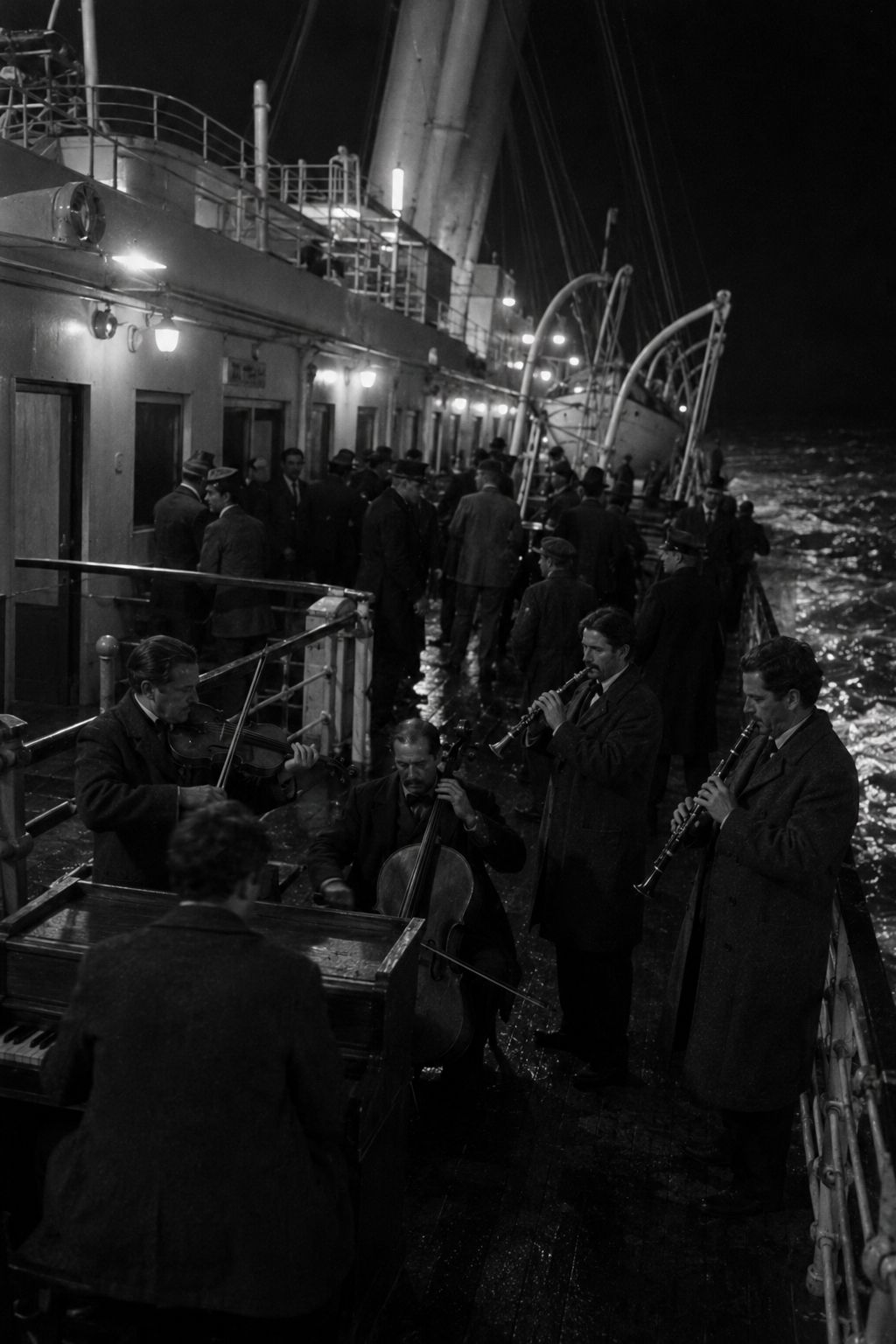 The Band That Played Until The End
As lifeboats load and the deck tilts toward the water, eight musicians keep playing without being ordered to.
North Atlantic Ocean, International waters · 1912 · same site
- The Ship That Watched And Did Nothing
A steamer stopped for the night sits close enough to see Titanic's lights, while her sole wireless operator has already gone to bed.
North Atlantic Ocean, International waters · 1912 · same site
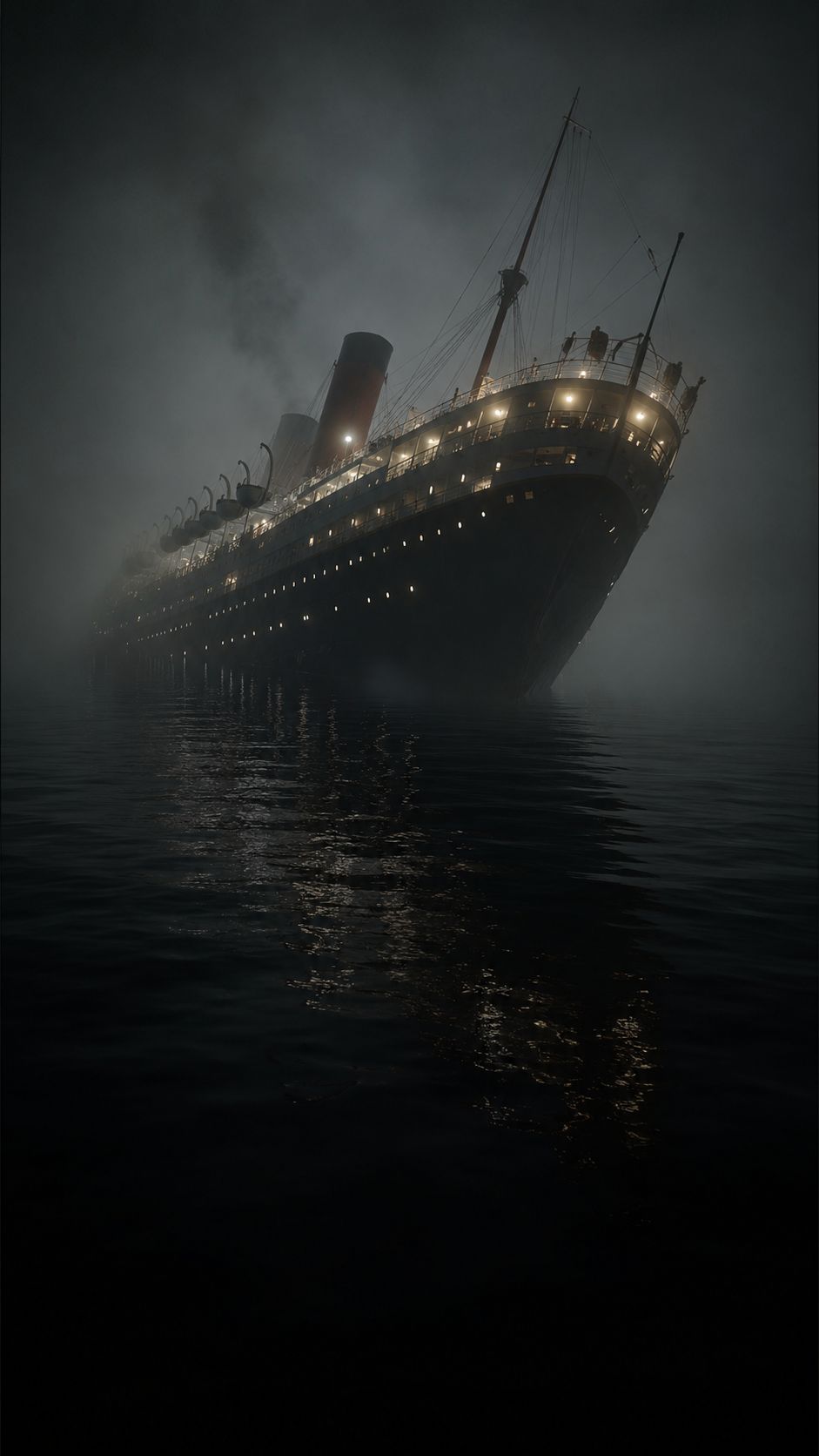 Twenty Minutes to the Bottom of the River
A freighter loomed out of the fog and struck her broadside — she was gone beneath the St. Lawrence in under fifteen minutes.
Rimouski, Canada · 1914 · 1649 km away
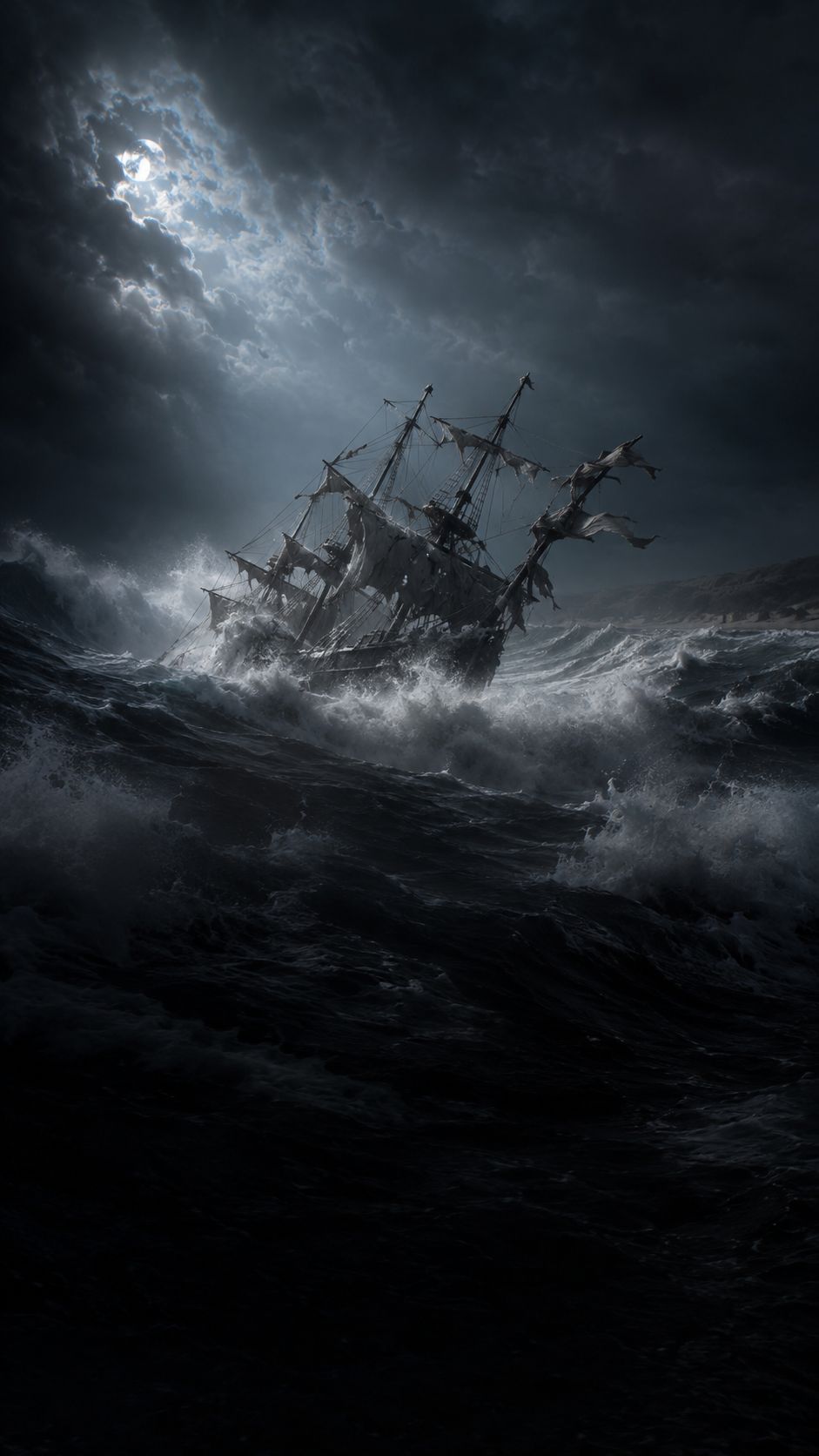 The Pirate's Sunken Promise To His Love
A poor sailor turned pirate to win a fortune for the woman he loved, and his treasure ship vanished for over 260 years.
Cape Cod, United States · 1717 · 1655 km away
More like this
 The Rape Trial That Ended In Trial By Combat
A woman's accusation of rape led to France's last judicial duel, with her own life staked on the outcome.
Paris, France · 1386
- The Parish Registers Of The Beast's Victims
Between 1764 and 1767 something killed roughly a hundred people, recorded in the registers as 'devoured by the beast.'
Saugues, France · 1764
- The Manufacturing Of England's Most Haunted House
For decades it was called the most haunted house in England, until its ghost story revealed how a haunting gets made.
Borley, Essex, United Kingdom · 1929
- The Truth Behind The Elephant Man
The real man behind the famous film was quieter, stranger and far more heartbreaking than any screenplay.
Whitechapel, London, United Kingdom · 1890