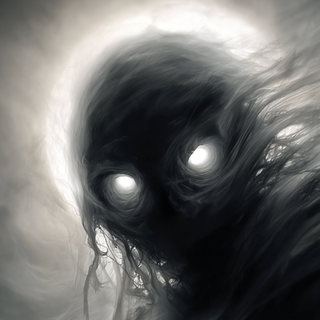
In December 1920, a two‑year‑old girl named Rosalia Lombardo died of pneumonia in Palermo, Sicily. She was one week shy of her second birthday.
Her father, Mario, was devastated. He refused to accept that his daughter’s body would simply disappear into the earth. He wanted to see her still. He wanted her to remain.
He turned to Alfredo Salafia — a Palermo embalmer who had already preserved cardinals, aristocrats, and public figures. But little Rosalia would become his masterpiece.
The Horror
Salafia performed a single arterial injection using a formula of his own invention: formalin (to kill bacteria), zinc salts (to harden and “fix” the tissues), alcohol (to dry them), salicylic acid (to prevent fungal growth), and glycerin (to keep some moisture and prevent the body from becoming completely desiccated). To her face, he added paraffin dissolved in ether, to keep her cheeks softly rounded and give the impression of living skin.
It worked. More than a century later, it is still working.
Rosalia’s internal organs are still present. Her skin is smooth and pale under the glass. Her golden hair is parted and tied back with a silk bow. Her blue irises are faintly visible beneath her lashes — not fully open, but not fully hidden either. She lies in a glass‑topped coffin on a wooden pedestal in a small chapel inside the Capuchin Catacombs of Palermo. She looks like she is sleeping. She has looked like she is sleeping for over a hundred years.
Visitors and time‑lapse photographs have repeatedly shown her eyelids appearing to open and close over the course of the day. In 2009, Italian paleopathologist Dario Piombino‑Mascali showed that it is an optical illusion: the position of her eyelids is fixed, but changing angles of light through the side windows cast shifting shadows over her eyes, making it seem as if they slowly lift and fall. The explanation is simple. The effect is not.
When Salafia died in 1933, his embalming formula died with him. For decades, nobody knew precisely how he had achieved such preservation. In the early 2000s, Piombino‑Mascali contacted Salafia’s descendants and located a bundle of his handwritten notes. Inside were the ingredients and proportions of the arterial solution — the recipe, in the embalmer’s own hand, preserved longer than most of his subjects.
Rosalia was the last body ever placed in the Capuchin Catacombs. The catacombs had officially closed to new burials in 1881. An exception was made for a grieving father.
She is not alone down there. The catacombs hold around 8,000 bodies: monks, priests, professionals, soldiers, women, children — many still dressed in the clothes they wore in life, arranged by profession and social rank. Some stand upright in niches. Some hang from hooks. Some lie in open coffins. Rosalia is at the end of a corridor, in a small room of her own.
The Modern Relic
The Capuchin Catacombs of Palermo are open to visitors. Admission is a few euros. You walk through corridor after corridor of dressed, preserved bodies — skulls under veils, hands folded, uniforms and wedding dresses turned brittle with age — and at the end you reach a small, softly lit glass case containing a two‑year‑old girl with a silk bow in her hair who died in 1920 and has barely changed.
Today she rests in a sealed, nitrogen‑filled case, designed to protect her from light, humidity, and the breath of visitors. Her father wanted her to live forever. The embalmer made it happen. The formula was lost. The formula was found. She is still there.
Nearby on the Dark Atlas
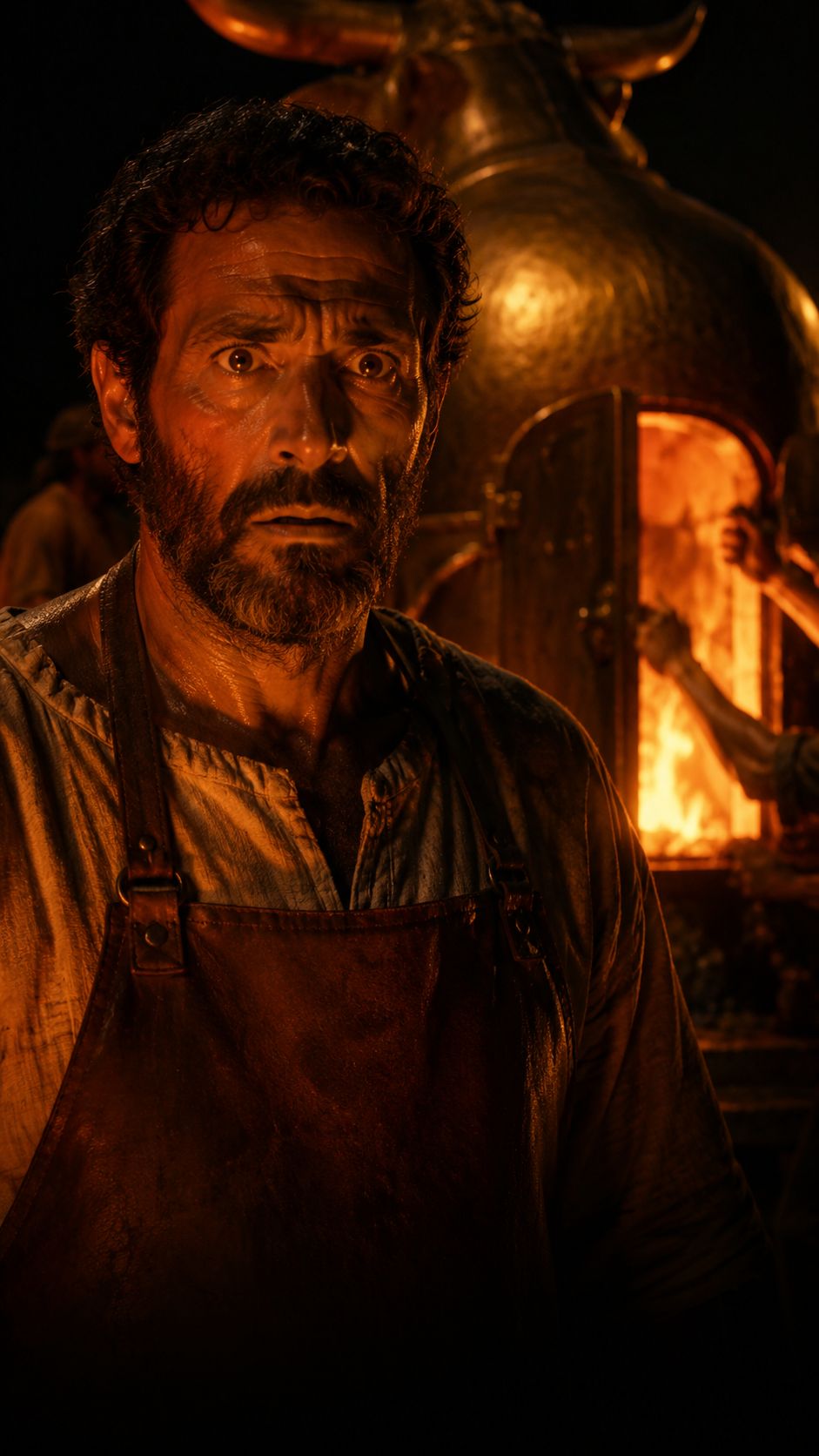 The Bronze Bull Built To Turn Screams Into Song
An inventor designed a bronze bull to roast men alive and pipe their screams out as music — then became its first victim.
Akragas (Agrigento), Italy · 550 BC · 91 km away
- The Bull That Sang With Human Screams
A bronze bull was built to turn a dying man's screams into music for the crowd.
Agrigento, Italy · 550 BC · 91 km away
- The Bull That Turned Screams Into Bellows
Tubes built into its bronze head disguised a burning man's screams as the roar of an animal.
Agrigento, Italy · 560 BC · 91 km away
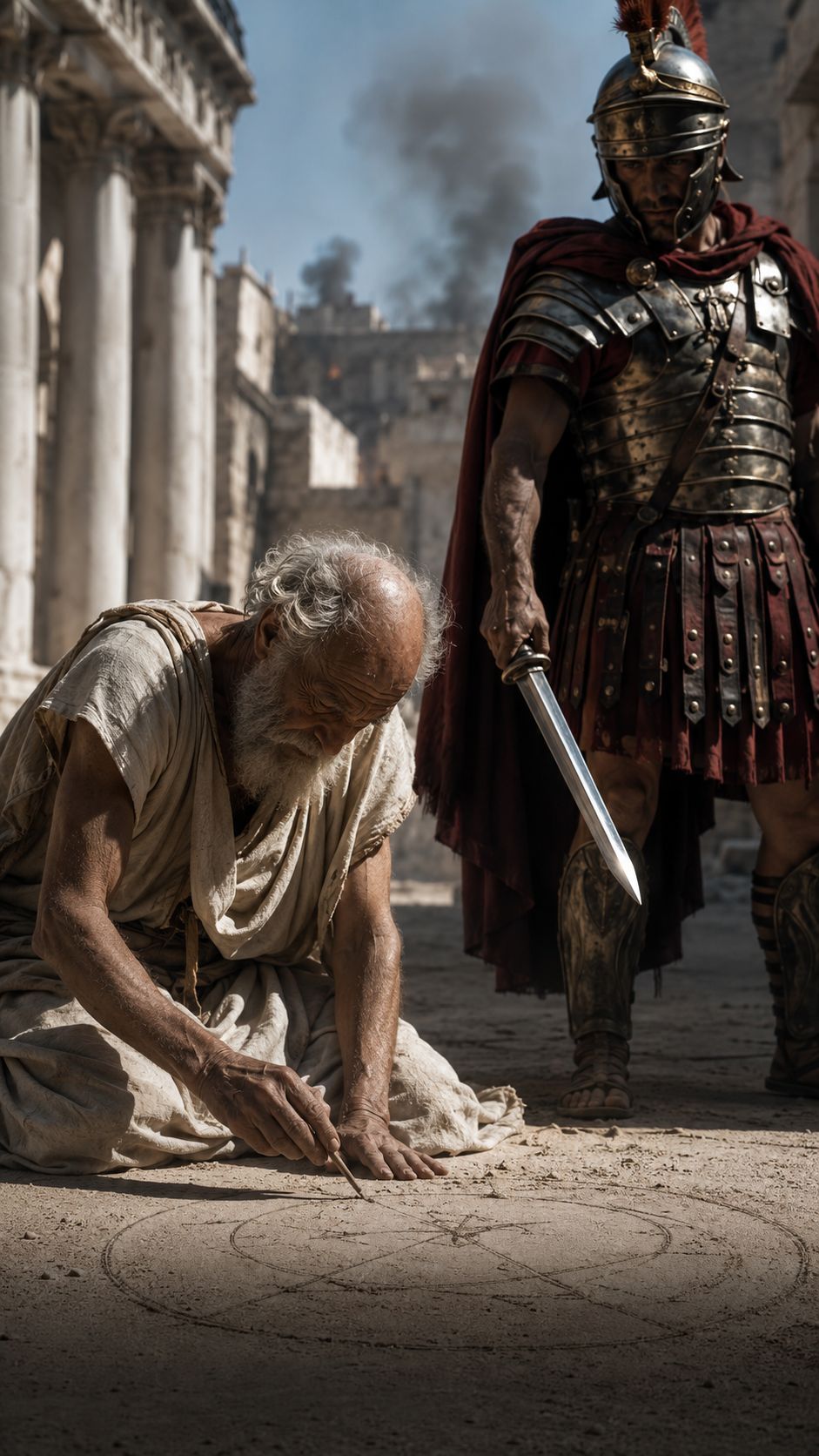 Killed Over A Drawing In The Sand
Rome's soldiers finally broke into Syracuse, and its greatest mind died mid-calculation, refusing to abandon his diagram.
Syracuse, Italy · 212 BC · 205 km away
More like this
- The Leper King's Story No Film Would Show
Kingdom of Heaven gave him a dignified death behind a silver mask, the truth was far crueller.
Jerusalem, Israel · 1185
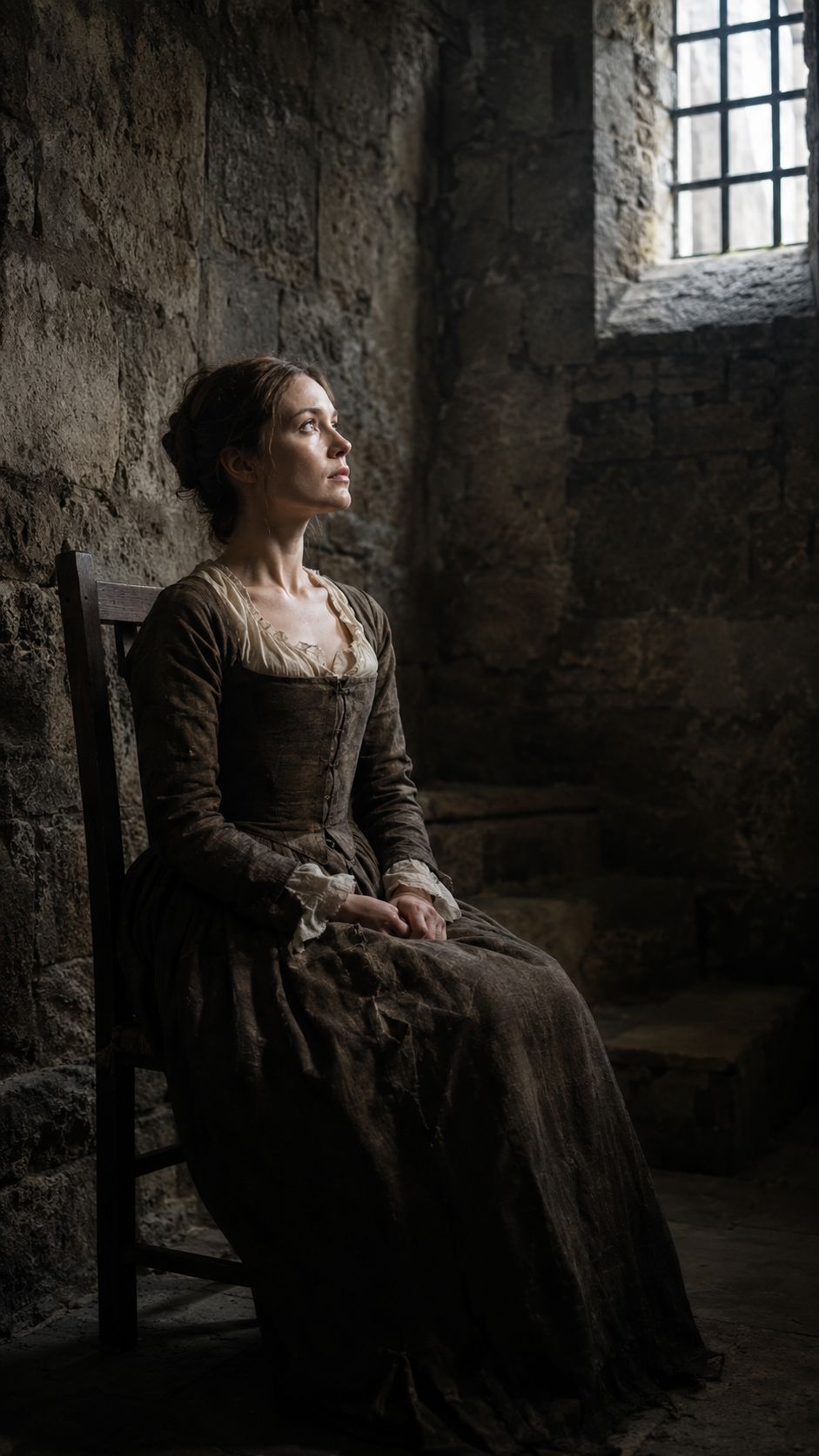 The Rape Trial That Ended In Trial By Combat
A woman's accusation of rape led to France's last judicial duel, with her own life staked on the outcome.
Paris, France · 1386
- The Parish Registers Of The Beast's Victims
Between 1764 and 1767 something killed roughly a hundred people, recorded in the registers as 'devoured by the beast.'
Saugues, France · 1764
- The Manufacturing Of England's Most Haunted House
For decades it was called the most haunted house in England, until its ghost story revealed how a haunting gets made.
Borley, Essex, United Kingdom · 1929