Sir Thomas Overbury made one fatal mistake. He told Robert Carr — the King’s favourite, his closest friend and patron — not to marry Frances Howard.
Frances Howard’s family had a solution. They persuaded King James to offer Overbury the post of ambassador to Russia — a posting so remote and thankless that Overbury would obviously refuse. When he did refuse, the King treated the refusal as an insult and had him imprisoned in the Tower of London for contempt. That was in April 1613. He was dead by September.
The Horror
When Overbury died on 14th September 1613, his body was in such a state that even contemporaries suspected more than “natural causes”: his stomach was reported covered in yellow pustules, his back turned a dark, corrupted brown, and there was an appalling stink. He had been poisoned. Over time, arsenic, corrosive sublimate (a mercury compound), and other poisons were added to his food, drinks, and emetics. The killing blow, according to later testimony, was a smuggled enema laced with mercury chloride.
Two years passed. Then a Yorkshire apothecary’s assistant confessed on his deathbed that he had been paid £20 to supply poison. The trail ran from him to Frances Howard’s waiting‑woman Anne Turner, to the Lieutenant of the Tower and other officials, and ultimately to Frances Howard and Robert Carr themselves — the most glamorous couple at the Jacobean court.
James I tried to suppress or narrow the investigation. The rumours refused to stop and eventually began hinting at James’s own knowledge or involvement, forcing him to allow a full inquiry. The trials of 1615 and 1616 exposed an entire network of bribery, corruption, and poison. Four accessories were hanged. Carr and Howard were convicted of Overbury’s murder and sent to the Tower — the same Tower where their victim had died.
The Modern Relic
The Tower of London still stands. Overbury died in it, framed into imprisonment by a diplomatic appointment designed to fail. Carr and Howard were later imprisoned in it, convicted of the murder. Walk through the Beauchamp Tower today and you’re inside the building that was both the crime scene and the eventual prison for the people tied to the crime.
Nearby on the Dark Atlas
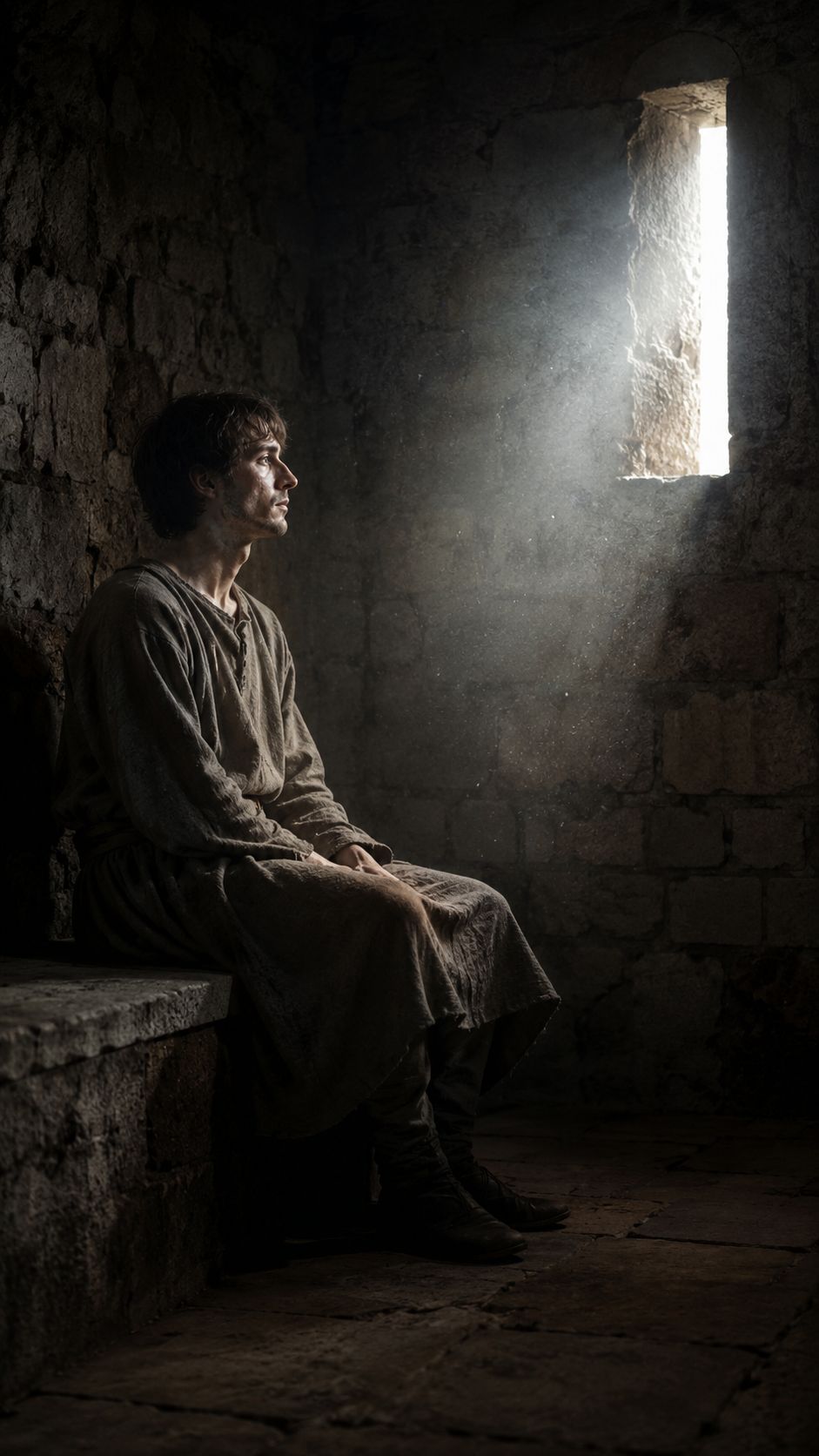 Fourteen Years in the Tower for His Bloodline
Locked away as a boy for the crime of his birth, he emerged so isolated he could no longer recognize an animal.
Tower of London, London, United Kingdom · 1499 · same site
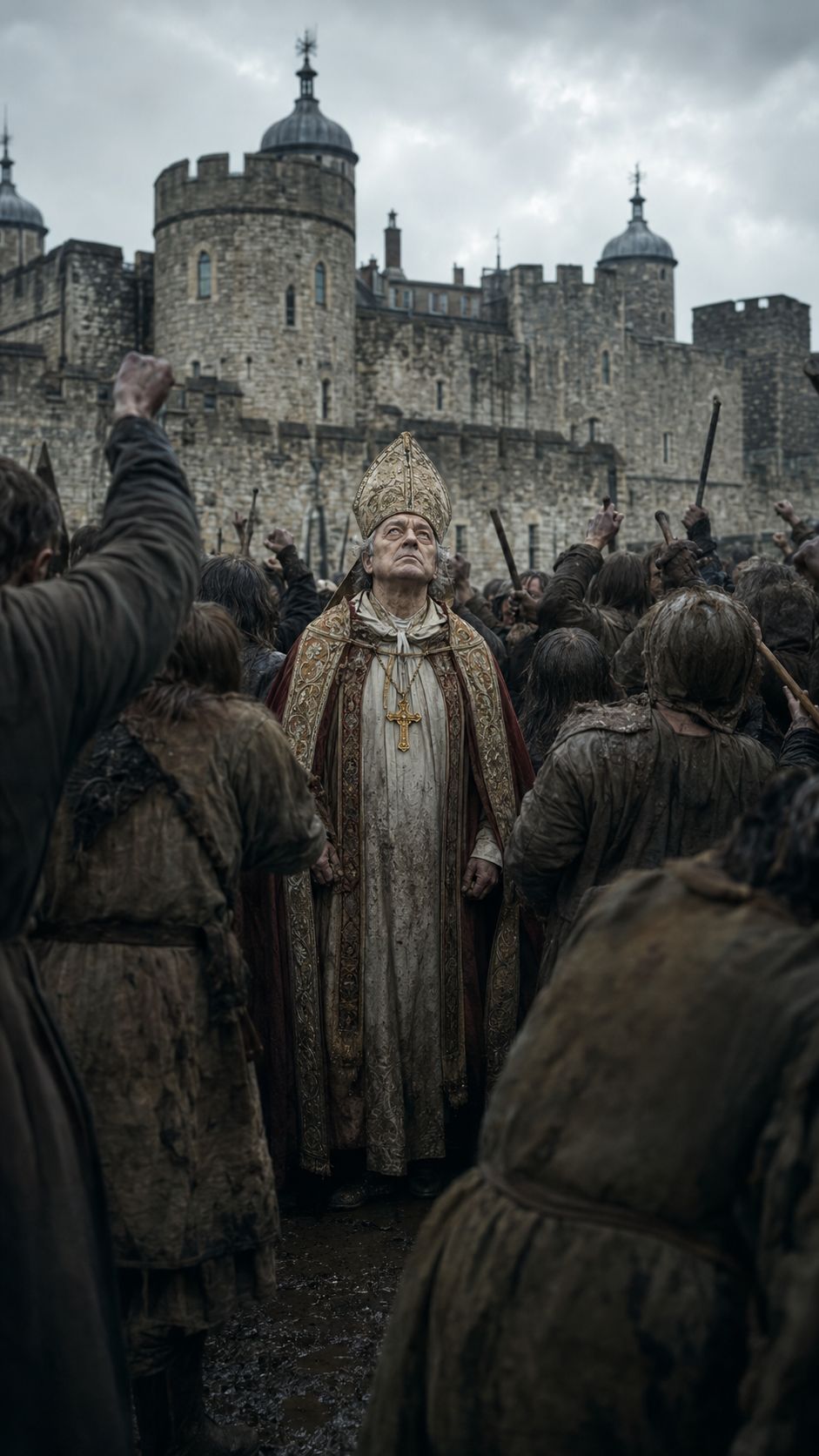 The Archbishop's Head That Still Survives
A raging mob hacked the Archbishop of Canterbury to death, and his mummified head still sits in a Suffolk church today.
London, United Kingdom · 1381 · same site
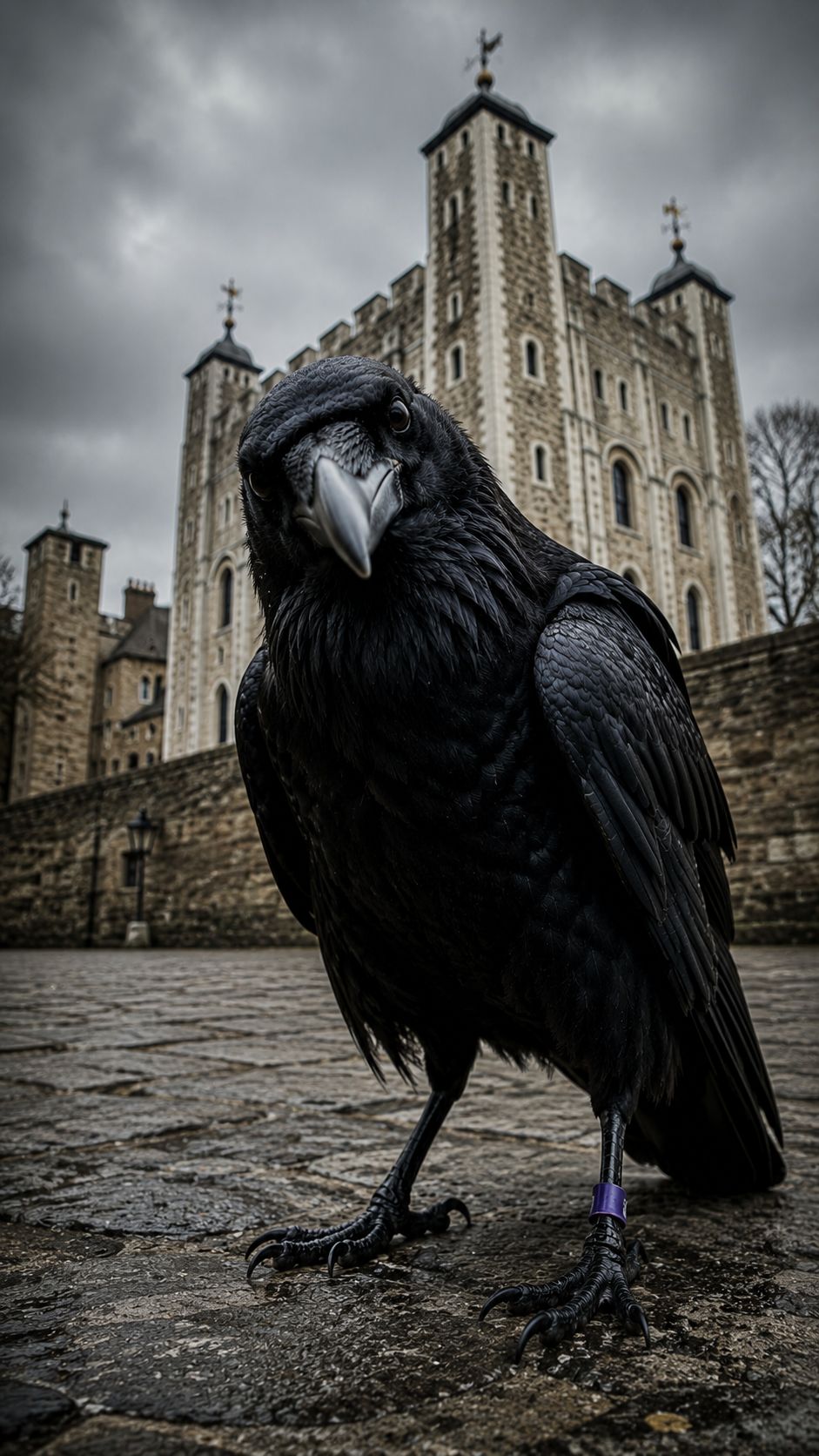 The Birds Whose Wings Are Clipped Forever
Legend says England falls the day these birds leave the Tower, so their flight feathers are trimmed to make sure they never can.
Tower of London, London, United Kingdom · 1600 · same site
 The Blunt Blade That Would Not Finish
After a failed rebellion, an untrained executioner hacked repeatedly at her neck with a dull blade before a mocking crowd.
Tower of London, London, United Kingdom · 1601 · same site