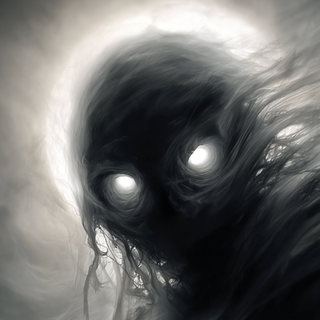
Edward Teach — Blackbeard — is the most famous pirate who ever lived, and he built that fame deliberately. He understood something most cutthroats never grasped: if you can terrify a ship into surrendering, you never have to fight for it. So he engineered himself into a living nightmare. He was a huge man with a wild black beard that covered most of his face, which he braided with ribbons. He wore a sling across his chest holding six loaded pistols. And before boarding a ship, he would tuck slow-burning cannon fuses under the brim of his hat and light them, so that he came over the rail wreathed in a halo of smoke and sparks — a creature who looked, to the terrified sailors facing him, like the Devil himself climbing aboard.
For two years he was the terror of the American coast, commanding a captured slave ship he rechristened the Queen Anne’s Revenge, mounting around forty guns. He grew so bold that in 1718 he blockaded the port of Charleston, holding an entire city hostage. But that same year his flagship ran aground and was lost, and Blackbeard took a royal pardon, settled in Bath, North Carolina, and even married. The retirement did not last. By August he was back at sea, and the Governor of Virginia — acting beyond his own jurisdiction and helping finance the expedition — sent Lieutenant Robert Maynard to hunt him down.
THE HORROR On the morning of 22 November 1718, Lieutenant Robert Maynard cornered Blackbeard’s sloop in the shallow, treacherous channels of Ocracoke Inlet. Blackbeard had spent the night drinking. The battle opened with a devastating pirate broadside that swept Maynard’s force and badly damaged one of his two vessels, helping set up one of the most brutal close-quarters fights in pirate history.
So Maynard did something clever. He ordered many of his surviving men to hide below decks, leaving his sloop looking like a slaughtered, half-abandoned ghost ship. Blackbeard saw the carnage, believed he had won, and boarded to finish it.
The trap slammed shut. Maynard’s men came boiling up out of the hold, and the deck exploded into hand-to-hand combat. Blackbeard and Maynard met face to face. In later tellings, Blackbeard broke Maynard’s sword with a cutlass blow and nearly killed him before another sailor intervened. What is solid is the outcome: when the fighting ended, Maynard reported that Blackbeard had fallen with five shots in him and twenty “dismal cuts” across his body.
And still he did not go down easily. According to the later narrative tradition, he was still fighting almost to the last second, reloading and trying to fire again as he collapsed. That part belongs more to the dramatic retellings than to Maynard’s blunt report — but the sheer scale of his wounds is not legend.
Maynard cut off Blackbeard’s head. He hung it from the bowsprit of his sloop as a trophy, and Blackbeard’s body was thrown overboard into the waters off Ocracoke. And it is here that the man became a myth — because the story spread almost immediately that his headless corpse refused to die, and swam three full circles around the ship before finally sinking. That is folklore, not fact. But it is one of the reasons Blackbeard stopped being just a dead pirate and became something immortal.
THE MODERN RELIC Blackbeard’s head made one final voyage. Maynard sailed back toward Virginia with the pirate’s severed head hanging from his bowsprit as proof for the reward. It was later displayed on a pole near the entrance to the Hampton River, at a place long associated with Blackbeard’s Point. Fifteen surviving pirates were taken to Williamsburg for trial, and thirteen were hanged.
But here is the relic, and it is extraordinary. In 1996, a wreck discovered off Beaufort Inlet was identified by state researchers as Blackbeard’s flagship, the Queen Anne’s Revenge, abandoned there in 1718. Archaeologists have recovered hundreds of thousands of artefacts from the site, including cannons, shot, gold dust, medical tools, and objects from everyday life aboard the ship.
You can go and stand in front of them. The North Carolina Maritime Museum in Beaufort has a permanent exhibition built around finds from the wreck, and Blackbeard material has also been exhibited through the Graveyard of the Atlantic Museum in Hatteras. Out on Ocracoke, you can still look across the water toward the place long called Teach’s Hole, where the most feared pirate on the ocean made his final stand — and where legend says his body is still swimming in the dark.
Nearby on the Dark Atlas
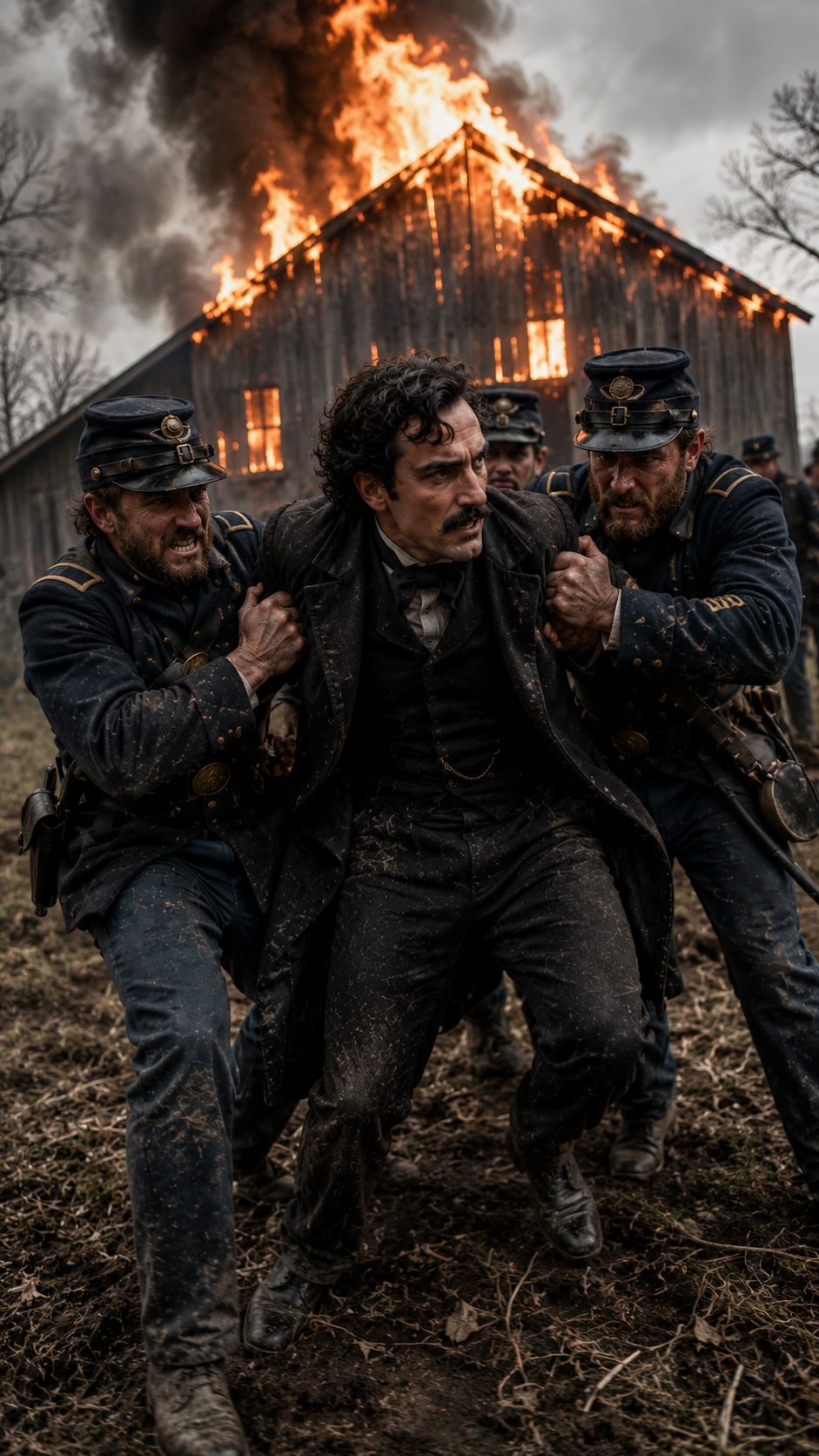 The Barn Where Lincoln's Killer Fell
Cornered in a burning tobacco barn, America's most wanted fugitive met a violent end after a twelve-day manhunt.
Port Royal, Virginia, United States · 1865 · 357 km away
- The Curse A Jeweller Invented To Sell A Diamond
The world's most infamous curse was largely invented a century ago by a jeweller trying to make a sale.
Washington, D.C., United States · 1910 · 430 km away
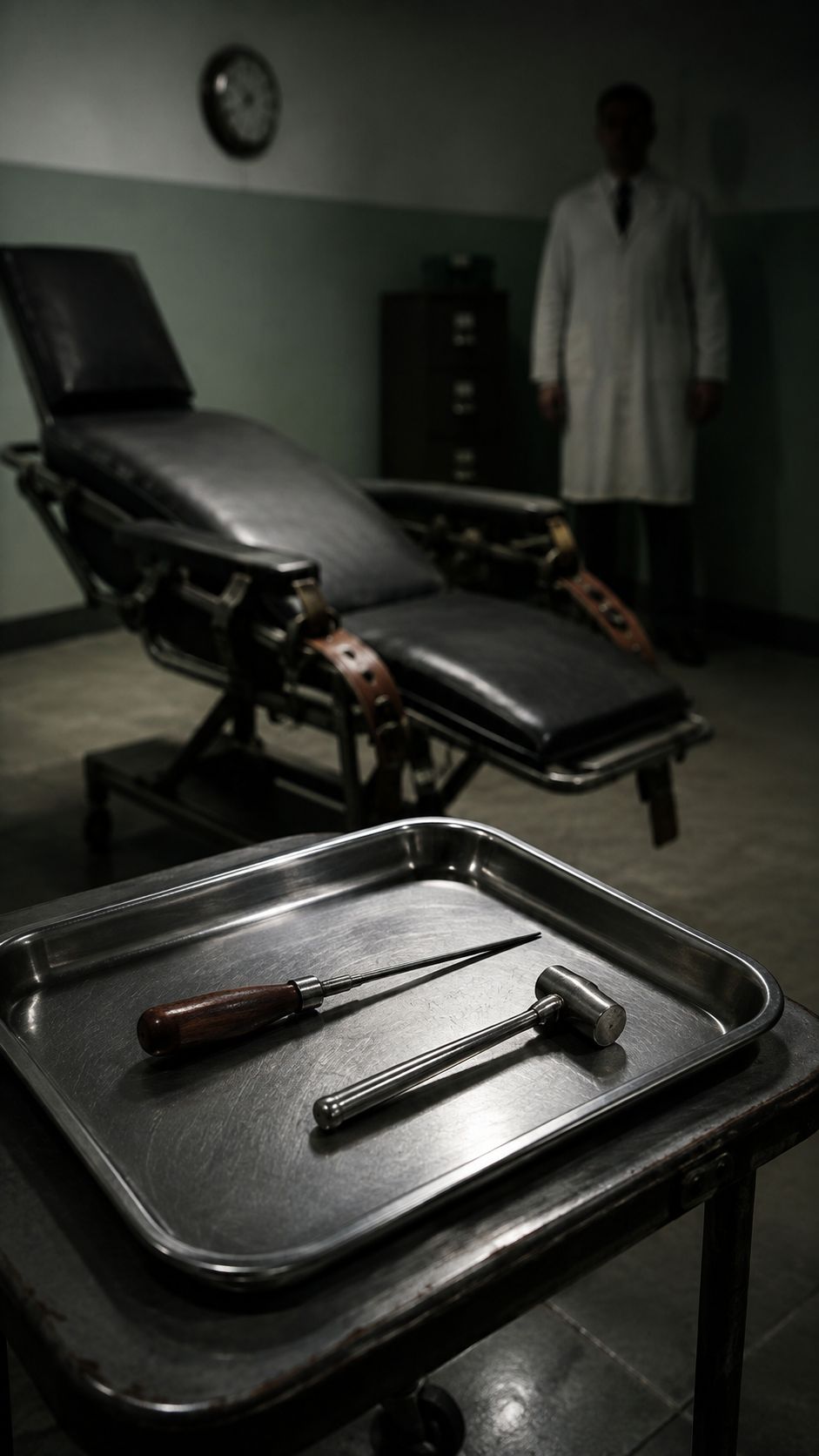 The Lobotomy That Silenced A Kennedy
Doctors kept cutting into her brain until a conscious young woman stopped making sense.
Washington, D.C., United States · 1941 · 432 km away
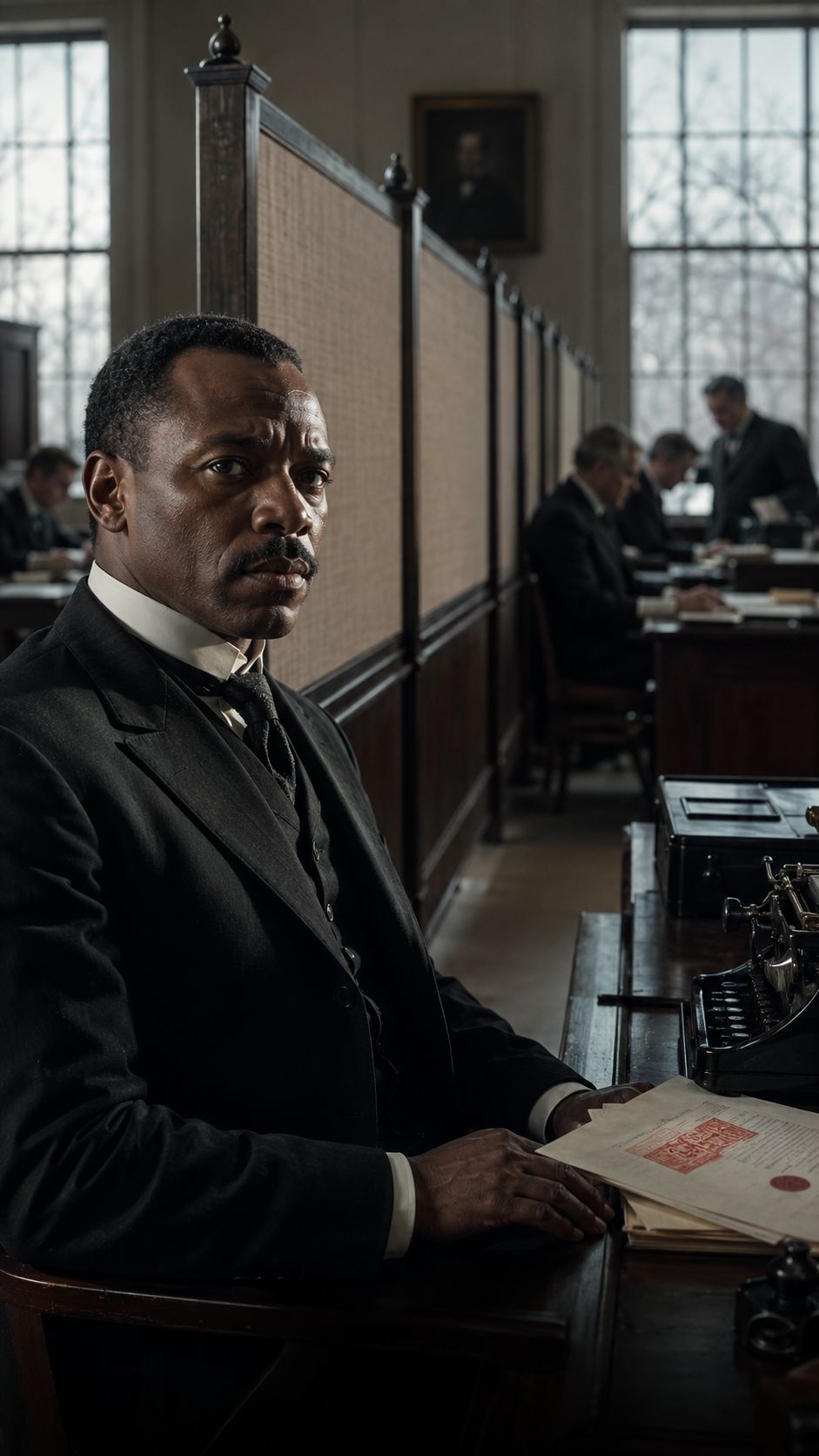 The President Who Screened Segregation's Anthem
The man who promised to make the world safe for democracy resegregated the federal government and praised a racist epic in the White House.
Washington, D.C., United States · 1915 · 432 km away