
Marcus Tullius Cicero was the most brilliant orator, lawyer, and statesman of the Roman Republic — a self-made man who rose from a small-town family to the very peak of Roman power, and who spent his life defending the Republic against dictators. When Julius Caesar crossed the Rubicon, Cicero opposed him. When Caesar was assassinated, Cicero tried to save the Republic from Mark Antony. And when Antony’s proscription lists named Cicero an enemy of the state, the old man knew exactly what was coming.
Cicero was 63 years old in December 43 BC. The Second Triumvirate — Octavian, Lepidus, and Mark Antony — had drawn up lists of their enemies to be hunted down and killed without trial. Cicero’s name topped Antony’s list. The hatred was personal: Cicero had delivered a series of speeches, the Philippics, that tore Antony apart in the Senate, mocking his drunkenness, his arrogance, his unworthiness. Antony had sworn revenge. Now he had the power to take it.
Cicero fled Rome, hoping to reach the coast and sail to join the last defenders of the Republic in Macedonia. He was overtaken by soldiers led by Herennius, a centurion, and Popilius, a military tribune — a man Cicero had once successfully defended in court on a charge of murdering his own father. They caught up with him at Formiae, at his country villa, as he was being carried in a litter toward the sea. His household slaves were loyal and ready to fight to protect him, but Cicero ordered them to stand down and told the searchers he had not been seen. He was given away instead by Philologus, a young man he had personally educated and later freed. Cicero ordered his litter set down. He looked at the soldiers and waited.
THE HORROR According to the historian Plutarch, Cicero did not run. He did not plead. According to a tradition recorded by later writers, he looked at Herennius and spoke his last words: “There is nothing proper about what you are doing, soldier, but do try to kill me properly.” It’s worth noting that the earliest and most contemporary accounts, Plutarch, Appian, and Cassius Dio, record no last words at all, describing him simply as silently stretching out his neck; only Seneca the Elder, writing decades later, preserves any spoken line, and in a different wording. He offered his neck. Herennius cut it through. Around him, hardened soldiers who had killed before could not bear to watch, and covered their own faces as he died. They cut off his head and his hands, the hands that had written the Philippics.
They carried them back to Rome and nailed them to the rostra, the speaker’s platform in the Forum, where Cicero had once held the crowds spellbound. When Antony was told the deed was done, he is said to have declared, “Now let our proscriptions have an end.” Legend also holds that Antony’s wife Fulvia took the head into her lap before it was mounted on display, and pierced the tongue with her own hairpins, in revenge for the words that had wounded not only her husband but her first husband before him, murdered years earlier and mocked by Cicero even in death. This story comes from a single source, Cassius Dio, writing more than two centuries after the events, and is absent from the more contemporary accounts of Plutarch and Appian — many historians now suspect it was invented or exaggerated to blacken Fulvia’s name.
Cicero had tried to save the Roman Republic with nothing but words. In the end, the Republic could not be saved, and the words were silenced. But the memory of how he died — composed, dignified, defiant to the last — outlived the men who killed him.
THE MODERN RELIC The relic is the Forum. You can walk through the Roman Forum today, past the ruins of the Senate house and the temples, and stand on the spot where the rostra once stood, the speaker’s platform where Cicero’s severed head was displayed. There is no monument to him there now, only the stones. But his writings survived. The rediscovery of Cicero’s letters by the poet Petrarch in 1345 helped spark the Renaissance itself. The man whose hands were nailed to the rostra because of what he wrote became, centuries later, the teacher of humanism to all of Europe. The tongue that legend says Fulvia once pierced with her hairpins had already changed the world forever.
Nearby on the Dark Atlas
- The Saint Who Kept Preaching While Disemboweled
Romans wound his intestines out on a ship's winch, and he reportedly never stopped preaching.
Formia, Italy · 303 · same site
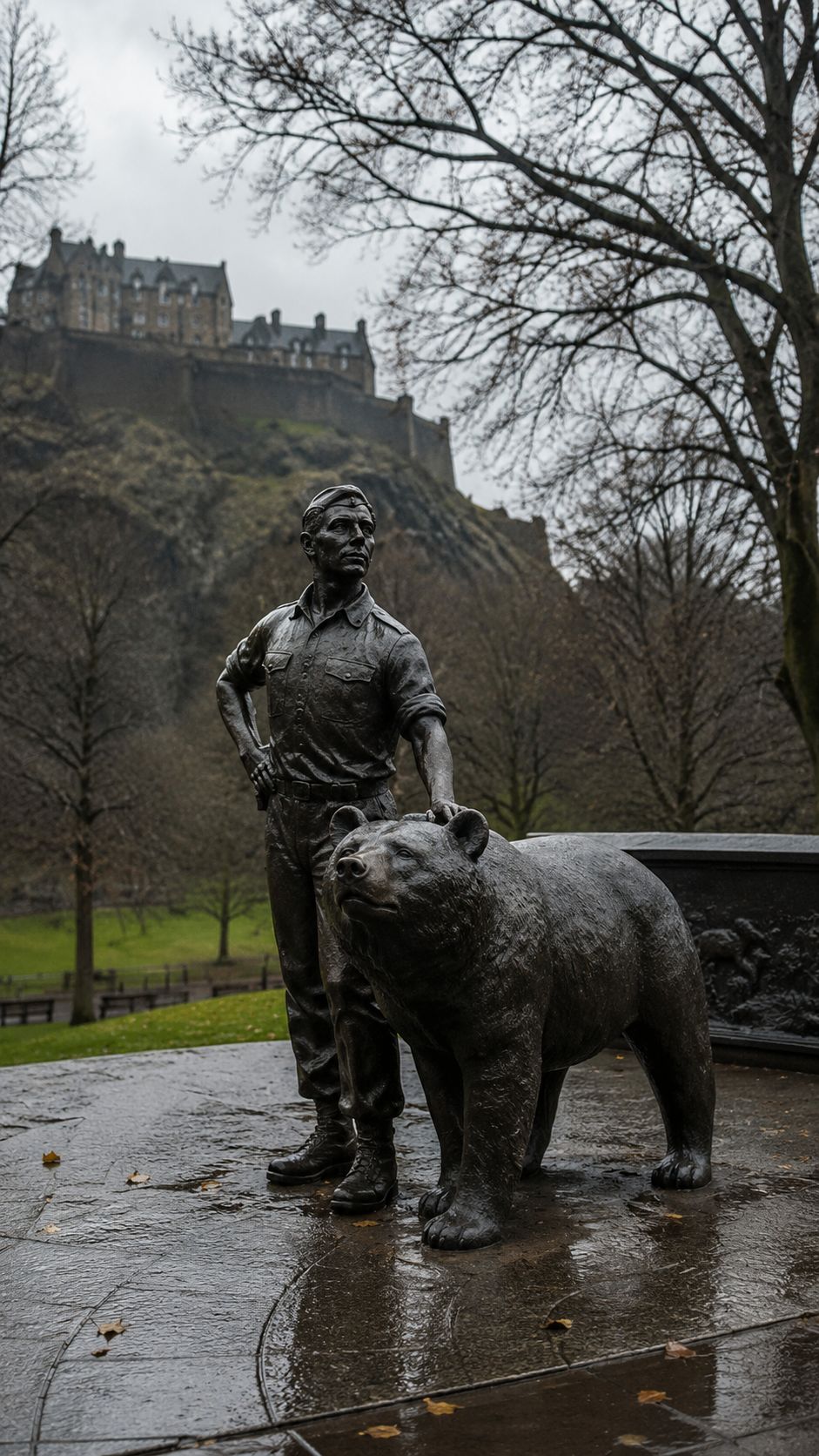 The Bear Who Became A Polish Soldier
A rescued bear cub bought for a Swiss army knife and some chocolate grows up convinced he's one of the men, and he isn't wrong.
Monte Cassino, Italy · 1942 · 31 km away
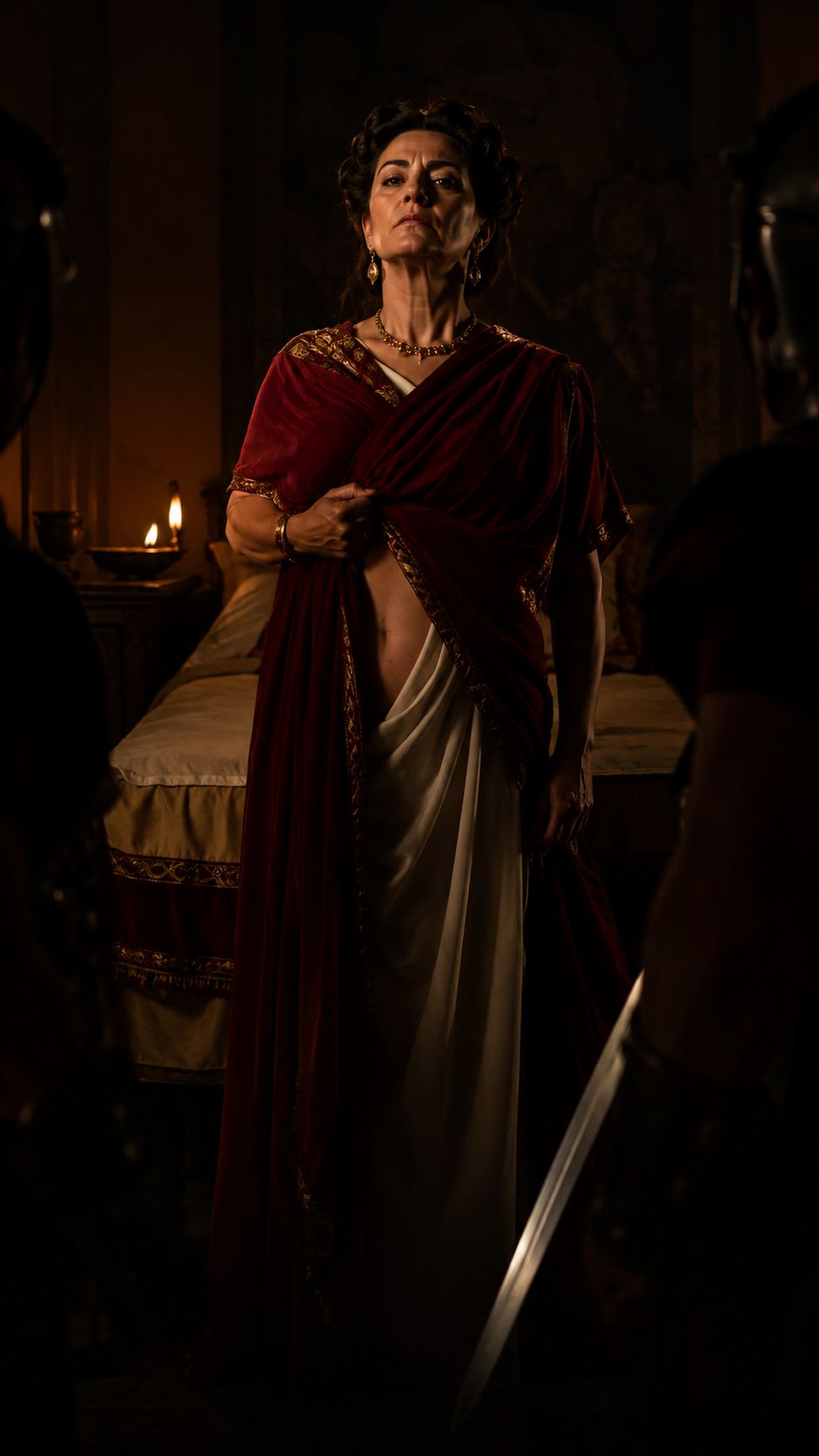 Strike The Womb That Bore Nero
Sent assassins by her own son, she bared her stomach and dared them to strike the womb that had borne an emperor.
Baiae, Italy · 59 · 66 km away
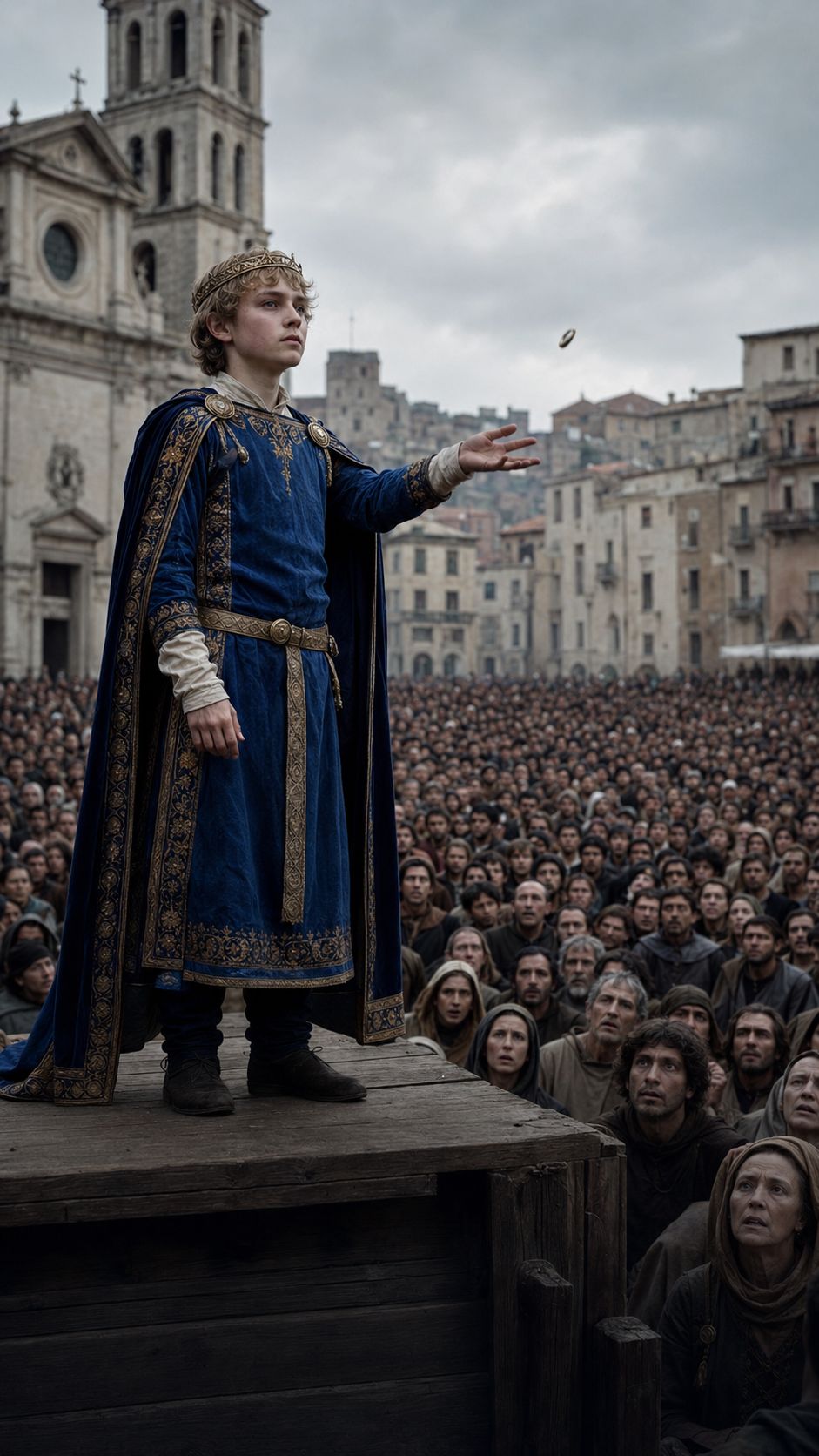 The Boy-King Beheaded In A Market Square
The last heir of a glittering medieval dynasty was publicly beheaded at sixteen, horrifying all of Christendom.
Naples, Italy · 1268 · 72 km away