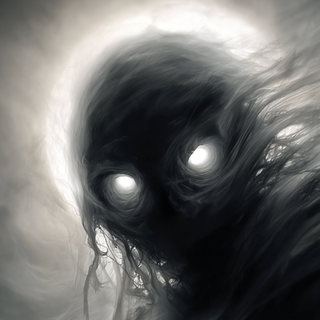
Keelhauling was an official naval punishment used primarily by the Dutch navy from the 16th to 18th centuries. The condemned sailor was bound and thrown overboard, then dragged under the length of the ship by ropes. The hull was covered in barnacles sharp enough to strip flesh from bone. Death by drowning or blood loss was common before the victim resurfaced. Survivors faced immediate infection from the open wounds combined with saltwater exposure. The punishment was formally abolished by the Dutch navy in 1853. It had been in use for over two hundred years.
INTERESTING FACT Keelhauling was considered a moderate punishment in the Dutch navy. More severe offences carried the death penalty. Sailors who survived keelhauling were expected to return to duty. The scars were considered proof of discipline rather than evidence of cruelty.
Nearby on the Dark Atlas
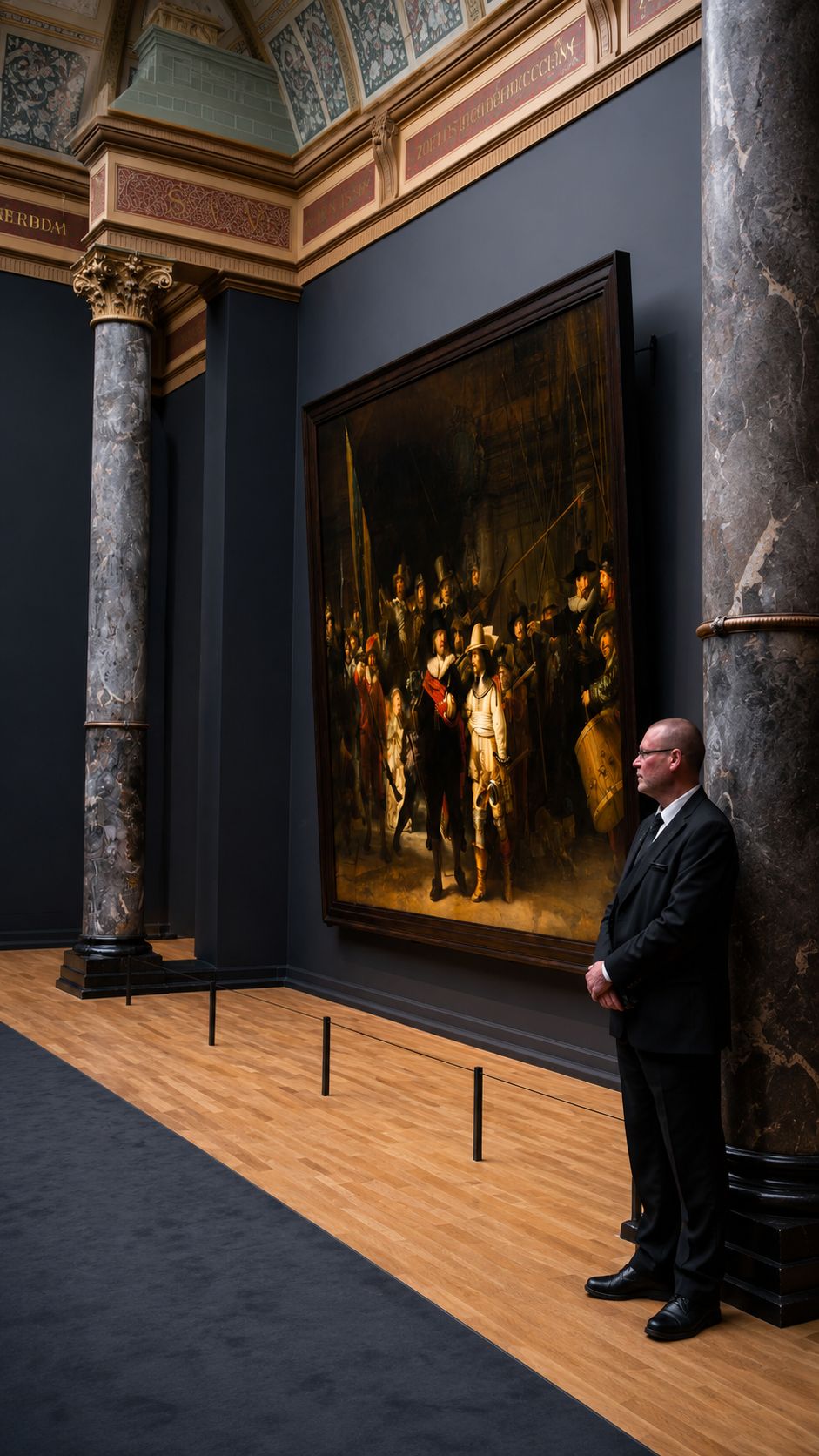 The Painting That Was Cut Down To Size
The most famous painting in Dutch history hanging in the Rijksmuseum today isn't the painting Rembrandt actually made.
Amsterdam, Netherlands · 1642 · same site
- The Interrogation Method That Used Starving Rats
A bowl of starved rats and hot coals turned a prisoner's own body into the exit wound.
Alkmaar, Netherlands · 1572 · 31 km away
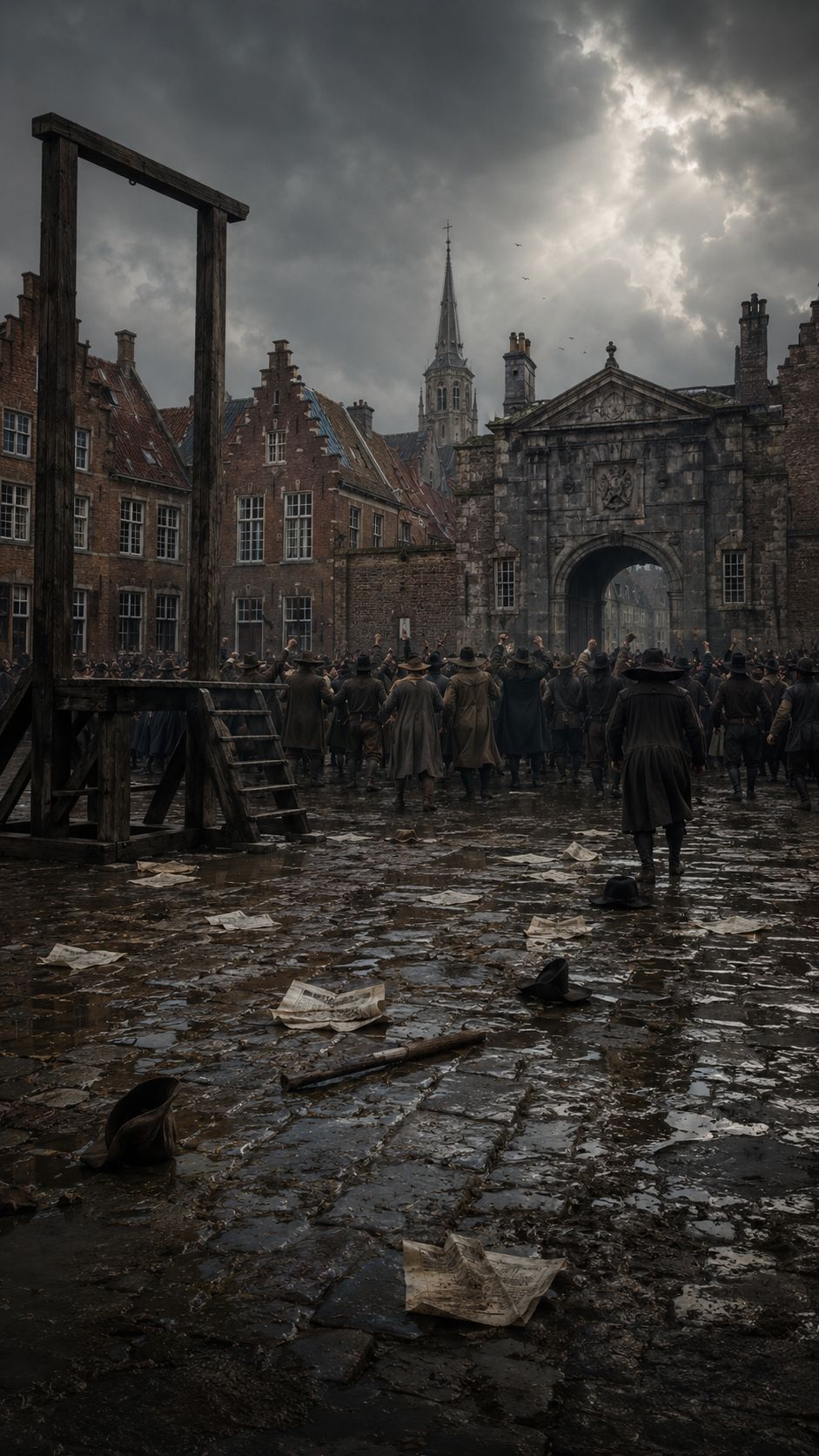 The Brothers Torn Apart By Their Own Countrymen
The leaders of a wealthy, sophisticated republic were torn apart and cannibalised by their own citizens in broad daylight.
The Hague, Netherlands · 1672 · 52 km away
- The Assassin Paid In His Victim's Own Coin
A stranger too poor to attend church was given money for clothes — he used it to buy the pistols that killed his benefactor.
Delft, Netherlands · 1584 · 54 km away
More like this
- England's Most Fought-Over Haunted Castle
Centuries of border warfare and torture wrote Chillingham's darkness into history long before anyone spoke of ghosts.
Chillingham, Northumberland, United Kingdom · 1245
- The Blood And Blindness In The Original Cinderella
There is no fairy godmother in the Grimms' first Cinderella, only a grave, mutilation, and eyes pecked out by birds.
Kassel, Germany · 1812
- The Christmas Gift Book Full Of Horror
A cheerful hand-coloured children's book shows a boy's thumbs sliced off and a girl burning to ash.
Frankfurt am Main, Germany · 1845
 The Real Warlord Behind Count Dracula
Behind the caped movie vampire lies a real medieval warlord whose deeds were more horrifying than Bram Stoker's fiction.
Târgoviște, Romania · 1462