
During the Dutch Revolt in the 16th century, a military commander named Diederik Sonoy, ally of William of Orange, developed an interrogation method in which a prisoner was strapped flat on their back, a pottery bowl packed with starved rats was placed open-side down on their bare stomach, hot charcoal was piled on top of the bowl, and then everyone waited, because the rats inside had no choice but to find another way out, and the only way out was down, and the rats, frantic with heat and hunger, began to claw and gnaw through the skin and muscle and into the bowels of the person beneath them while that person was still fully conscious, and this method was later used under military dictatorships in Brazil, Chile, Uruguay and Argentina in the 20th century, and the most recently documented case of someone being threatened with it was in New Jersey in 2010.
Interesting Fact: The Tower of London had its own variant. A dungeon was built below the waterline of the River Thames, pitch black and sealed. At high tide the water rose and rats floated in with it. Prisoners lying on the floor could not see them — they could only hear them and feel them moving across their bodies in the dark. Catholic writers from the Elizabethan era documented prisoners having flesh torn from their arms and legs. The dungeon became known simply as the Rats Dungeon. Diederik Sonoy, who refined the heated bowl method during the Dutch Revolt, was considered one of the most effective commanders on the Protestant side. History records him as a hero of Dutch independence.
Nearby on the Dark Atlas
- The Naval Punishment Worse Than the Lash
Dragged beneath the ship across barnacle-covered wood, few survived the infections that followed, if they survived at all.
Amsterdam, Netherlands · 1853 · 31 km away
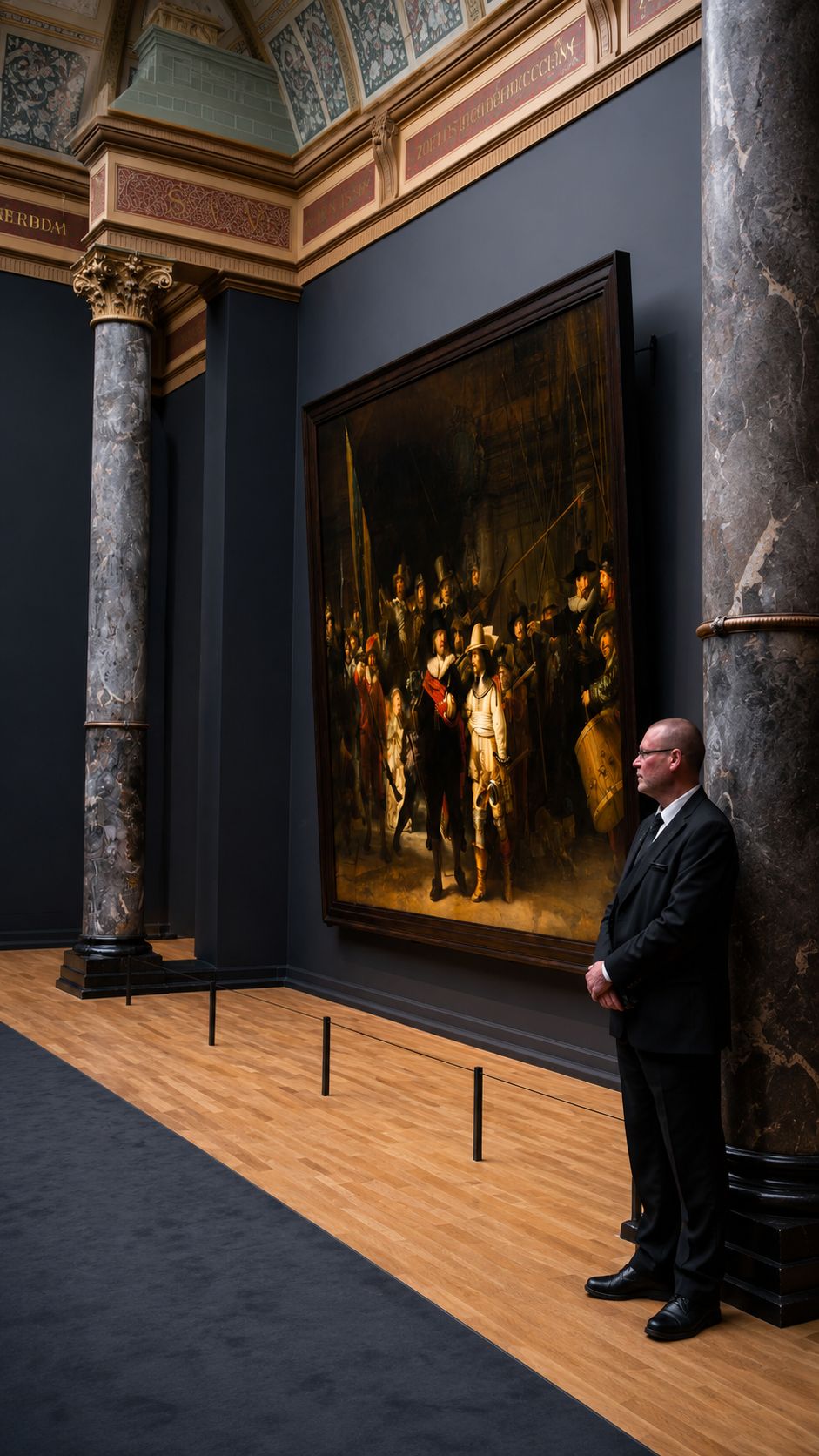 The Painting That Was Cut Down To Size
The most famous painting in Dutch history hanging in the Rijksmuseum today isn't the painting Rembrandt actually made.
Amsterdam, Netherlands · 1642 · 31 km away
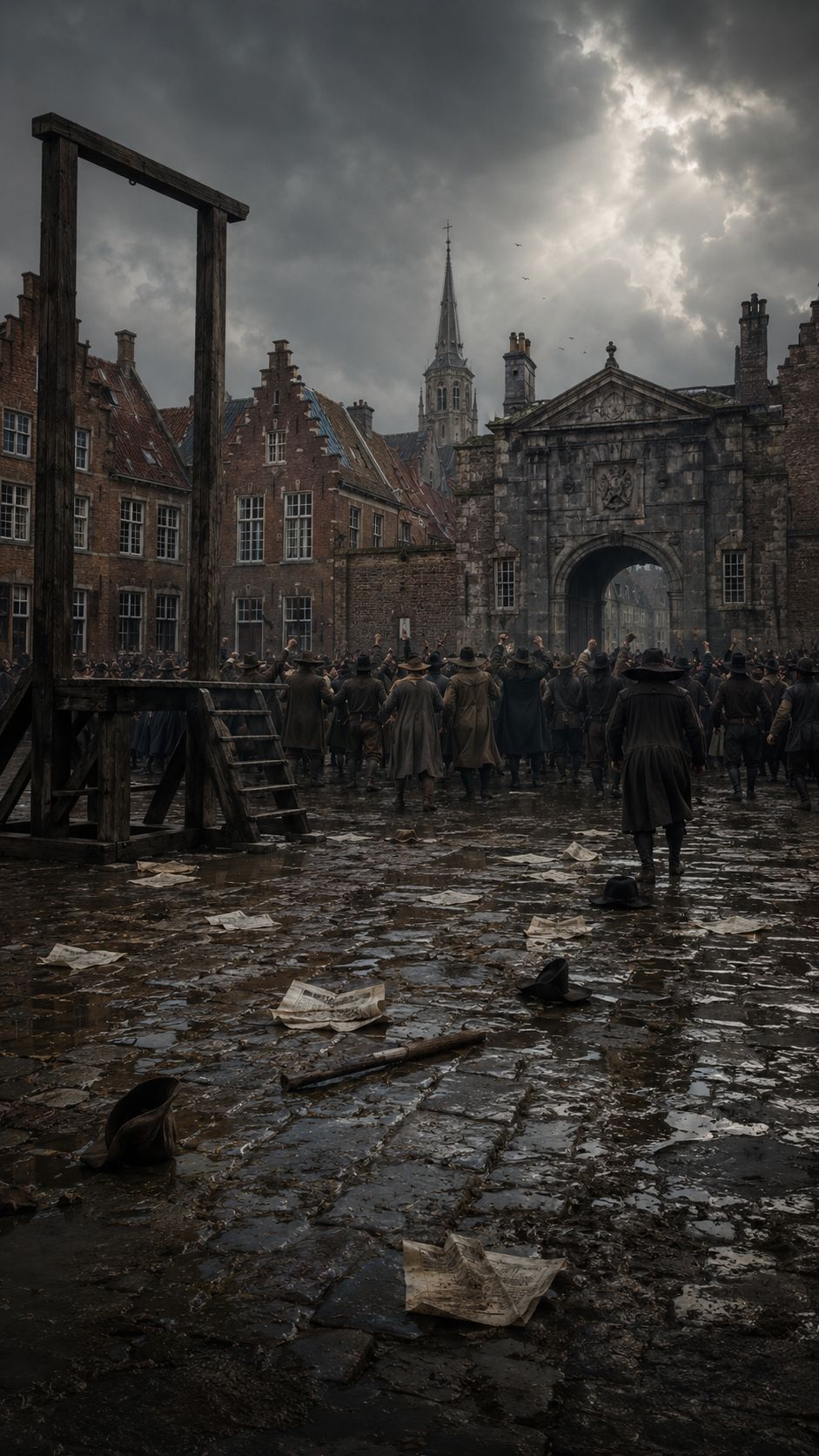 The Brothers Torn Apart By Their Own Countrymen
The leaders of a wealthy, sophisticated republic were torn apart and cannibalised by their own citizens in broad daylight.
The Hague, Netherlands · 1672 · 68 km away
- The Assassin Paid In His Victim's Own Coin
A stranger too poor to attend church was given money for clothes — he used it to buy the pistols that killed his benefactor.
Delft, Netherlands · 1584 · 74 km away