
Sir Henry Norris had been closer to Henry VIII than almost any man alive. As Groom of the Stool, he managed the King’s most private bodily functions, controlled who could enter the royal chambers, and had been at Henry’s side for over a decade. No one had more intimate daily access to the King of England.
On 29th April 1536, Anne Boleyn said something she shouldn’t have. In front of witnesses, she accused Norris of looking for “dead men’s shoes” — implying he was waiting for the King to die so he could have her. It was reckless, probably meaningless court banter. It was enough.
The Horror
Three days later, at the May Day jousting tournament at Greenwich, the King abruptly left the tournament, pulled Norris aside, and offered him a full pardon — if he would confess to adultery with the Queen. Norris refused. He maintained his innocence entirely, and rode to the Tower that same afternoon.
He was tried alongside George Boleyn, Francis Weston, William Brereton, and musician Mark Smeaton — all condemned on charges that modern historians largely consider fabricated, predicated on uncorroborated hearsay and one coerced confession from Smeaton. On 17 May 1536, all five were beheaded on Tower Hill.
From the Bell Tower, the poet Thomas Wyatt — himself arrested in Anne’s fall but spared — watched them die and later wrote that the sight stuck in his head day and night.
Anne Boleyn followed them to the scaffold two days later.
The Modern Relic
Hampton Court Palace still stands. Norris ran its inner world — the private chambers, the access, the patronage. Anyone who wanted to reach the King had to go through Norris first. Walking those corridors now, you’re in the space where a man who could have saved himself chose not to. He had the King’s offer in his hand. He gave it back.
Nearby on the Dark Atlas
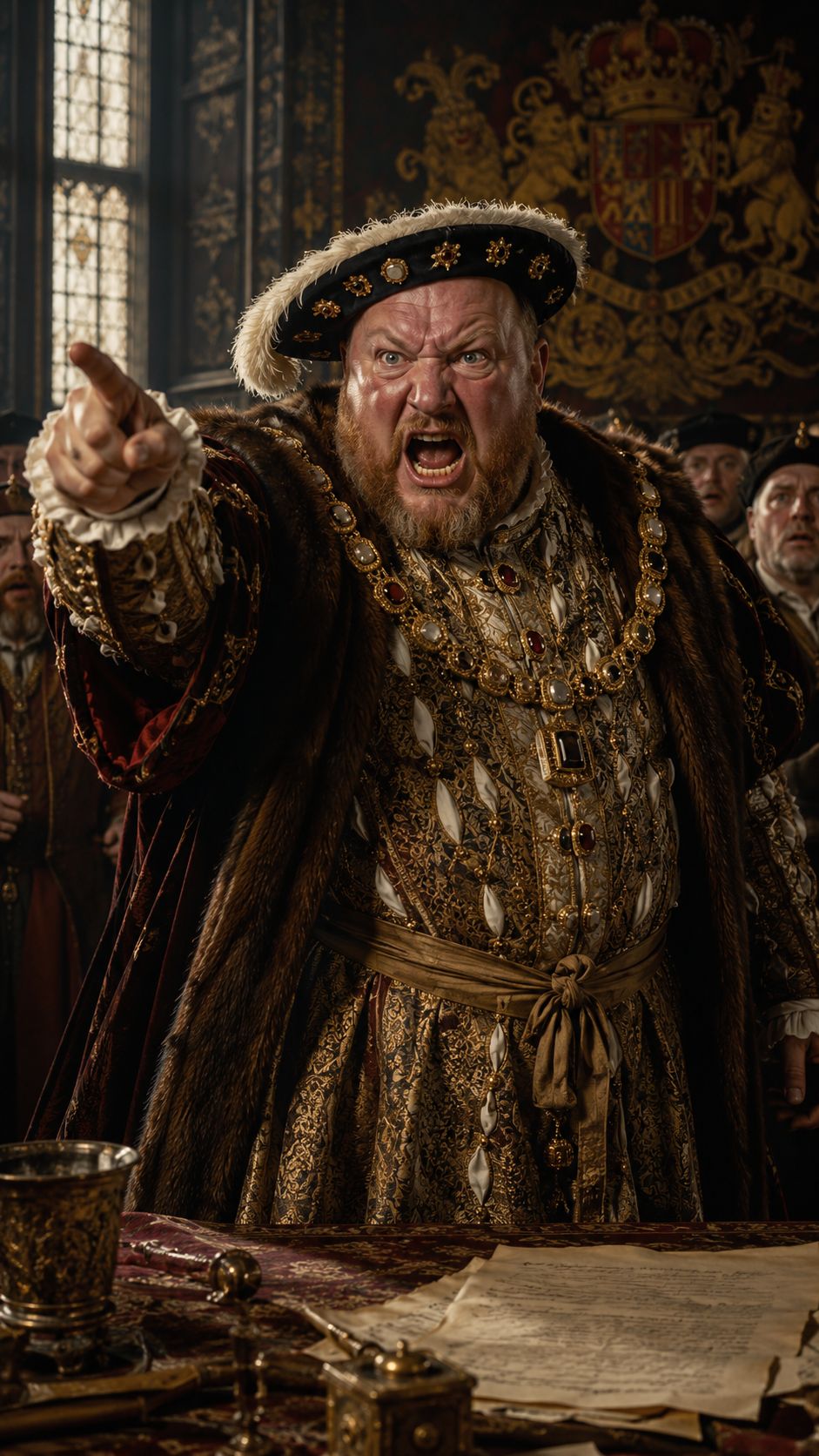 Executed for a Coat of Arms
A dying king found an excuse to destroy England's most powerful noble house over a painted family crest.
Tower Hill, London, United Kingdom · 1547 · same site
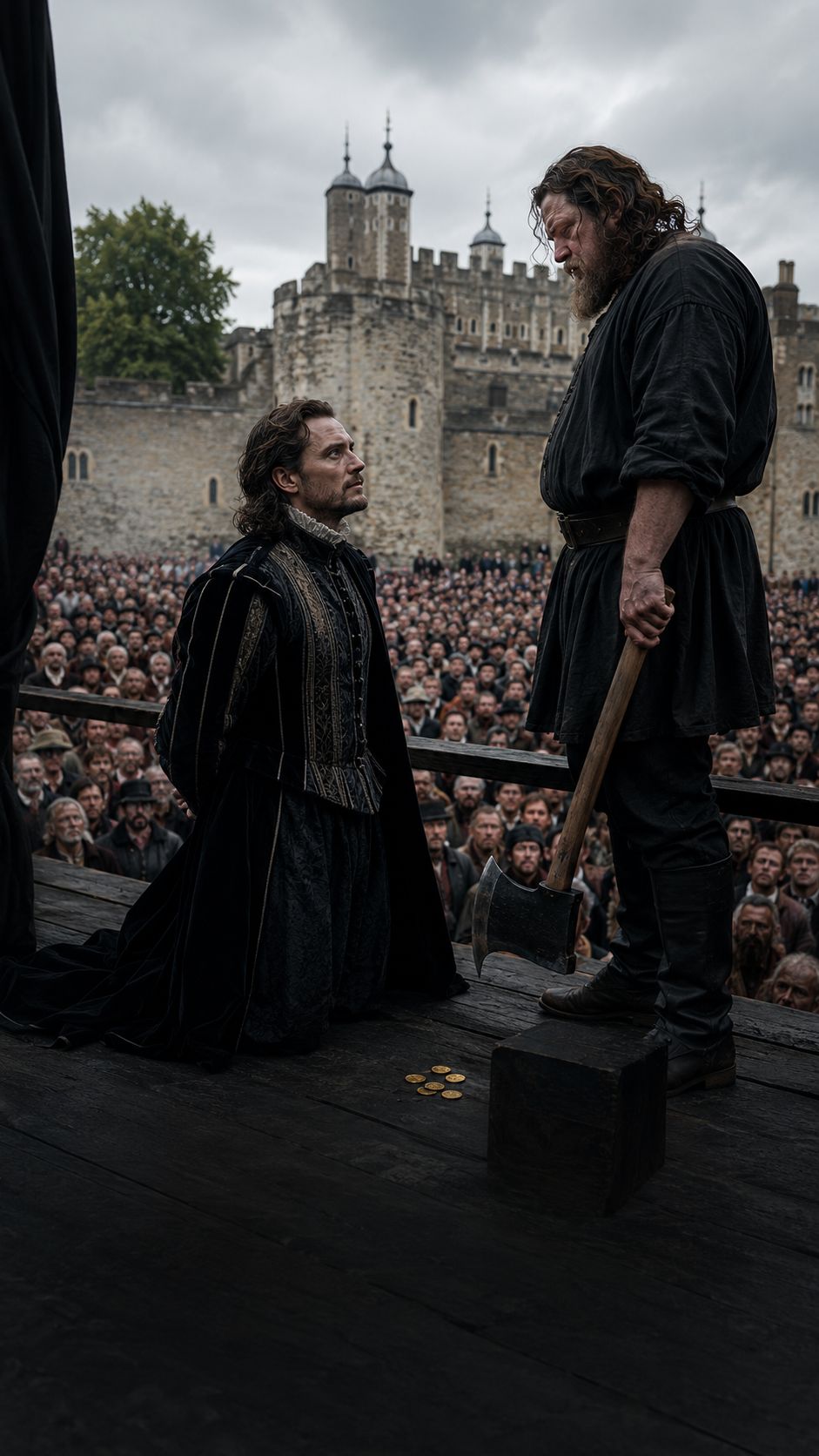 The Botched Beheading That Named The Hangman
It took the executioner several horrific blows to finish the job, and his name became slang for hangman forever.
Tower Hill, London, United Kingdom · 1685 · same site
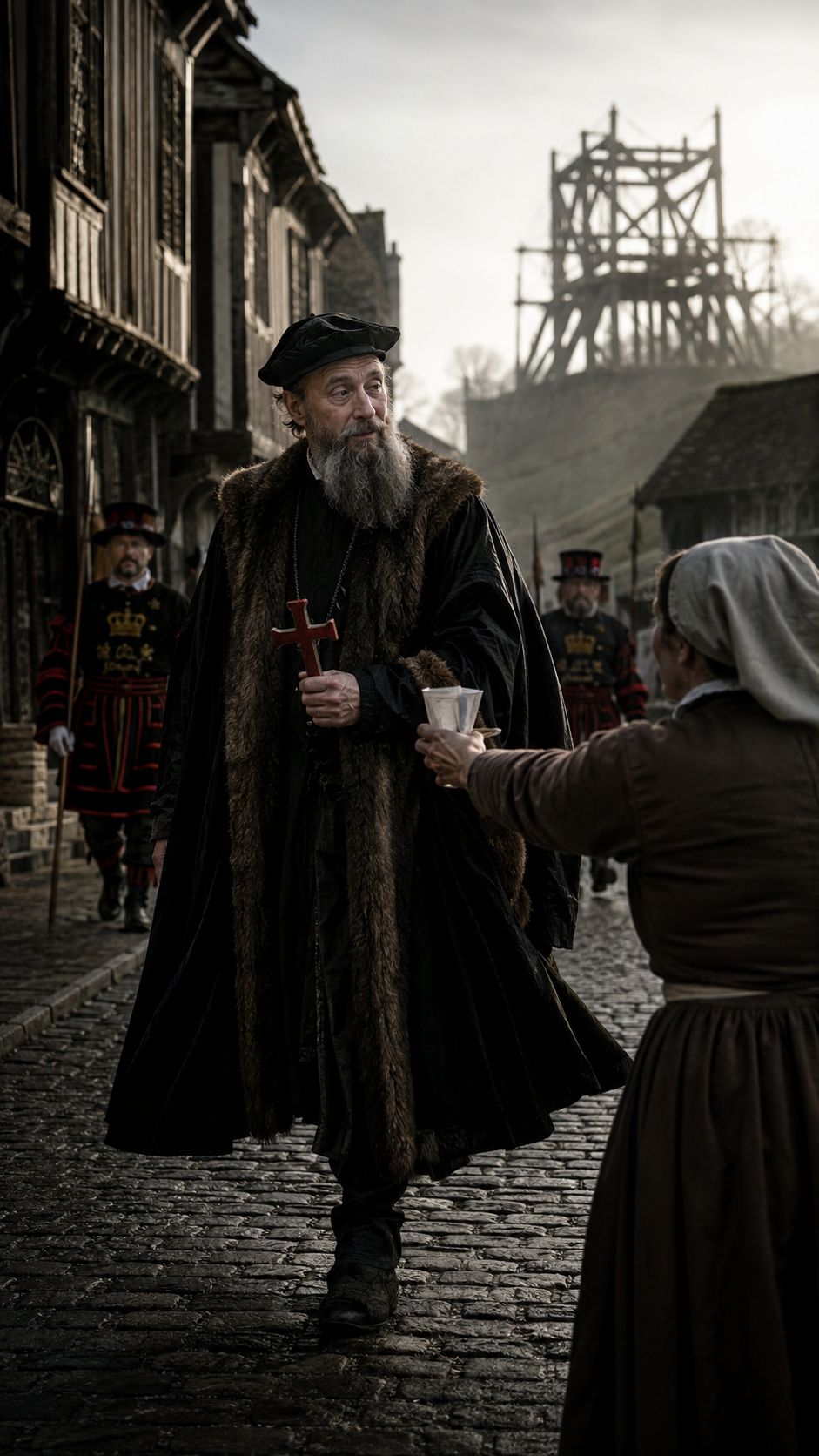 The Chancellor Who Refused His King's Supremacy
Henry VIII's own former Lord Chancellor walked to the block for refusing to accept the king as head of the Church.
Tower Hill, London, United Kingdom · 1535 · same site
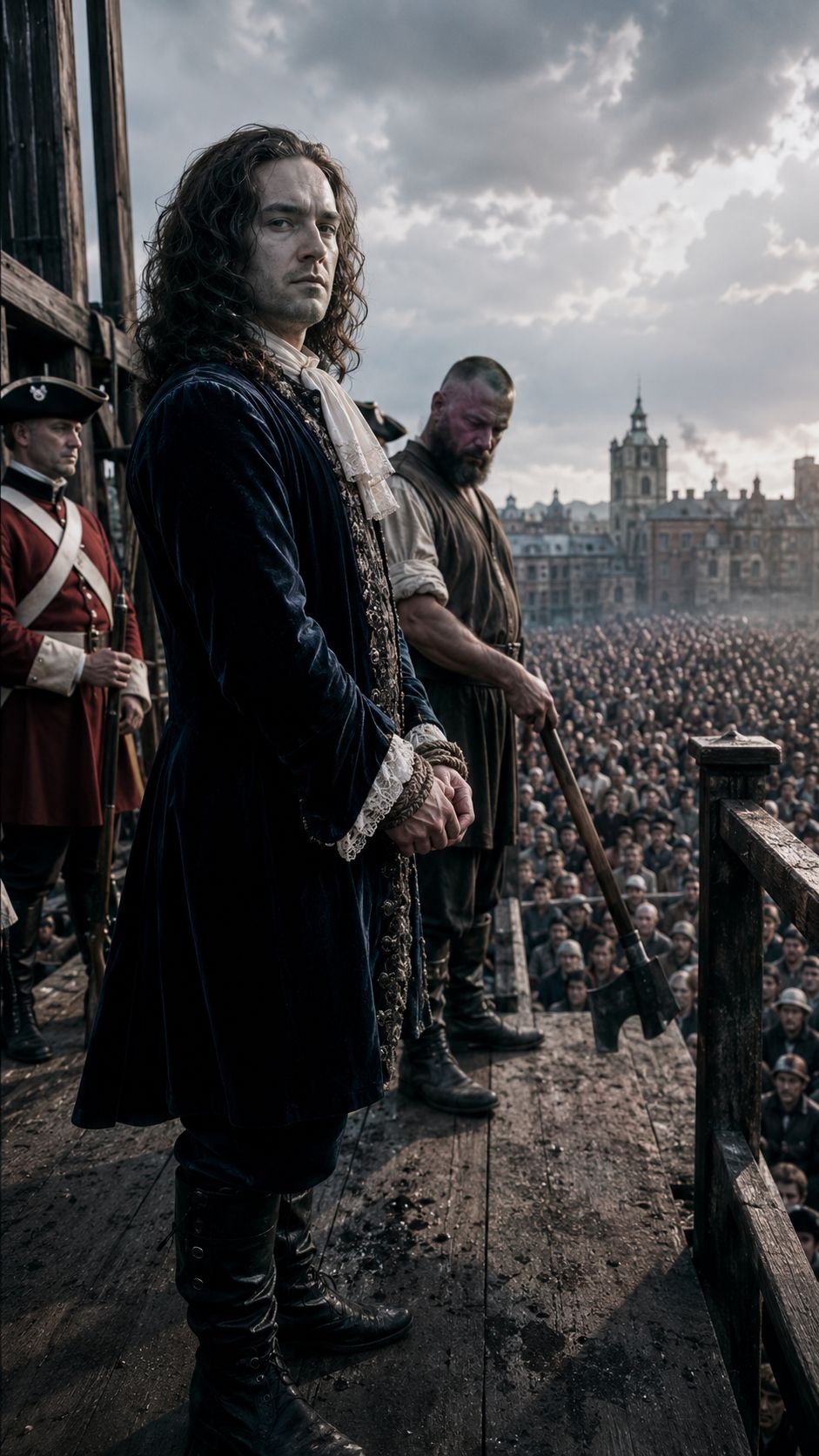 The Duke Who Paid The Headsman In Advance
He handed the executioner six guineas and begged him not to hack him apart like his last victim — it didn't work.
Tower Hill, London, United Kingdom · 1685 · same site