
Anneliese Michel is the subject of one of the most disturbing cases of medical neglect disguised as faith in modern European history — a young German woman whose epilepsy and mental illness were treated not with medicine but with 67 exorcism rites, until her body gave out and her parents and priests were convicted of negligent homicide. The 2005 film The Exorcism of Emily Rose turned her death into a PG-13 supernatural thriller, complete with demonic visions and a noble priest on trial. The reality was not a battle with the devil. It was a battle with biology — and biology lost because the people who should have helped her chose prayer over penicillin.
Anneliese Michel was born in 1952 in Klingenberg am Main, Bavaria, into a devoutly Catholic family. At sixteen, she suffered a seizure and was diagnosed with temporal lobe epilepsy. By twenty, she was hearing voices, seeing demonic faces, and had become intolerant of religious objects. She was also diagnosed with bipolar disorder and depression. For five years, psychiatric medication failed to help, and her condition worsened. Then, in 1975, her family found a priest named Ernst Alt, who became convinced she was possessed. He petitioned the local bishop, Josef Stangl, who approved a major exorcism — on the condition of total secrecy. Two priests, Alt and Arnold Renz, began visiting the Michel home weekly, sometimes twice a week, for sessions lasting up to four hours. Over ten months, they performed 67 exorcisms.
The Horror
The family stopped consulting doctors. Anneliese stopped eating. She was forced to genuflect in prayer so many times that she broke the bones and ripped the tendons in her knees. She crawled on the floor, barked like a dog, ate spiders and coal, and bit the head off a dead bird — behaviors that, in hindsight, look like the severe neurological and psychiatric deterioration of a starving, untreated epileptic woman. The priests recorded 42 hours of sessions, during which Anneliese spoke in different voices and named her demons: Lucifer, Cain, Judas Iscariot, Nero, Adolf Hitler, and a disgraced priest named Fleischmann. By the summer of 1976, she weighed 66 pounds, could not move without assistance, and had contracted pneumonia. On 1 July 1976, she died of malnutrition and dehydration. She was twenty-three.
The autopsy was damning. The coroner found no demons — only a body destroyed by starvation, dehydration, and untreated epilepsy. In 1978, Anneliese’s parents and the two priests were tried for negligent homicide. Doctors testified that she had never been possessed, that her symptoms were the result of epilepsy, mental illness, and religious delusion reinforced by the exorcisms themselves. The defense played the exorcism tapes in court. All four were convicted but given suspended sentences — six months in jail, reduced to three years probation, plus fines. The Catholic Church later recanted its finding of possession and attributed her condition to mental illness.
The Modern Relic
The relic is her grave — and the silence around it. In Klingenberg, a different narrative persists. Pilgrims still visit Anneliese’s grave, believing she can save lost souls. Her mother, Anna Michel, told a reporter in 2005: “I don’t regret it. There was no other way.” The house where she died still stands in the Bavarian countryside. The exorcism tapes are said to still exist, locked away, 42 hours of a young woman’s voice breaking apart in a room where medicine was forbidden and prayer became a death sentence. The movie made her into Emily Rose, a possessed girl fighting demons. The real Anneliese Michel was fighting her own brain — and the people who loved her let her lose.
Nearby on the Dark Atlas
- The Christmas Gift Book Full Of Horror
A cheerful hand-coloured children's book shows a boy's thumbs sliced off and a girl burning to ash.
Frankfurt am Main, Germany · 1845 · 51 km away
 How A Volcano Gave Us The Bicycle
A volcanic eruption on the far side of the world triggers failed harvests, a horse shortage, and the invention that changed how the world moves.
Mannheim, Germany · 1817 · 61 km away
- The Monk Who Defied the Emperor and Survived
Declared an outlaw who anyone could kill without consequence, he stood before the empire and refused to take back a word.
Worms, Germany · 1521 · 61 km away
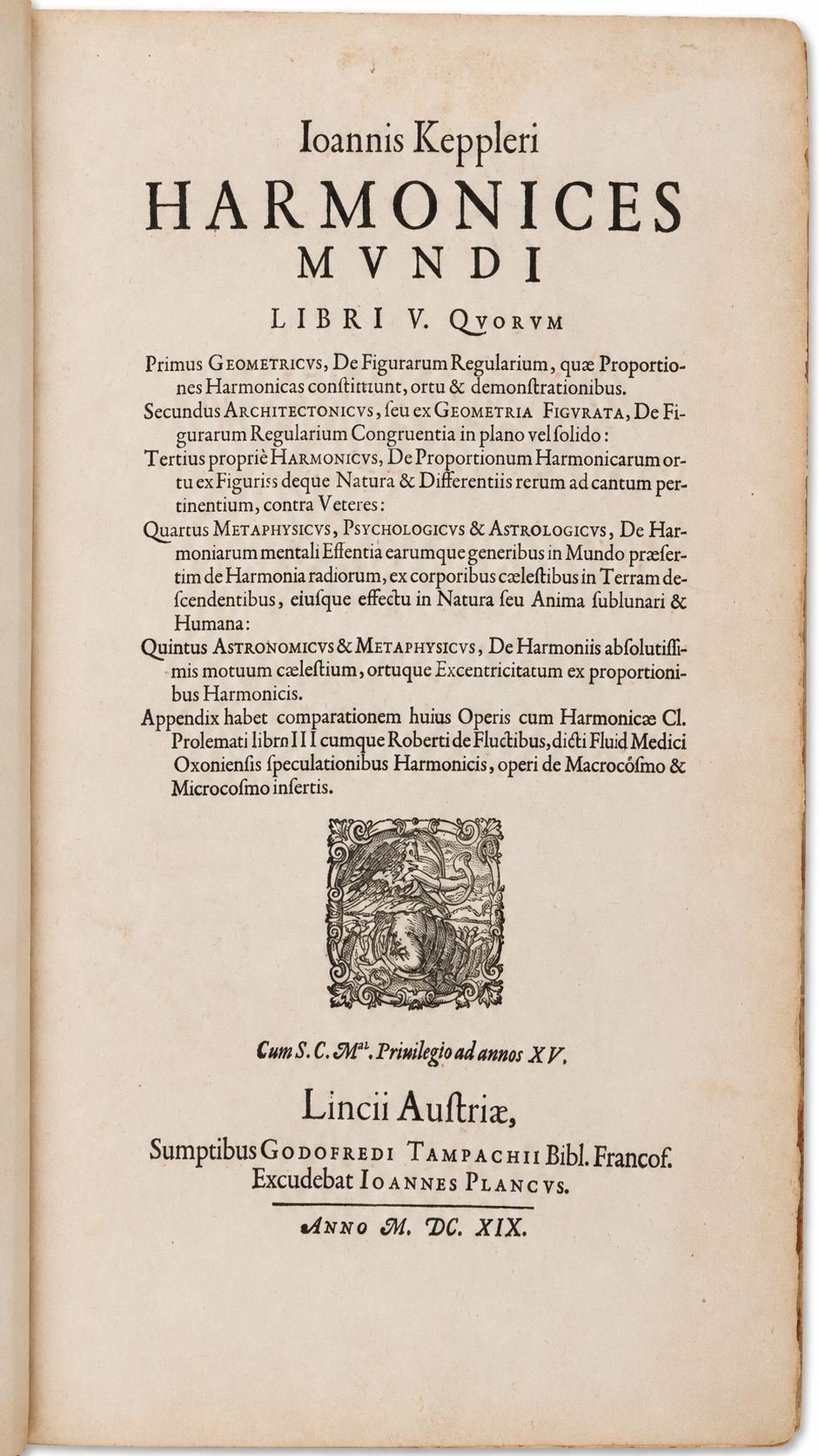 The Astronomer Who Raced Home To Save A Witch
While her son mapped the orbits of planets, a sharp-tongued old herbalist sat in a cell accused of witchcraft.
Leonberg, Germany · 1615 · 109 km away
More like this
- The Murder Dickens Turned Into Fiction
A cold, calculated murder buried a body in a Bermondsey kitchen, and became fodder for the country's most famous novelist.
Bermondsey, London, United Kingdom · 1849
- The Chair No One Is Allowed To Sit In
A murderer's cursed armchair now hangs on a museum wall, five feet off the ground, so no one can sit in it again.
Thirsk, United Kingdom · 1702
- The Poisoner Who Weaponised A Town's Sweet Shops
She poisoned an entire town's confectionery to disguise the murder of a woman she hated, killing a child she never met.
Brighton, United Kingdom · 1871
 The Rape Trial That Ended In Trial By Combat
A woman's accusation of rape led to France's last judicial duel, with her own life staked on the outcome.
Paris, France · 1386