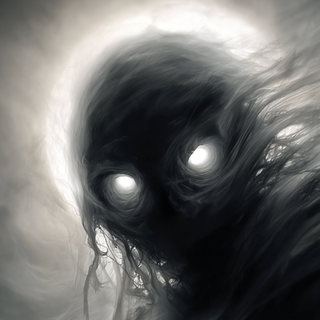
In 1596, Robert Devereux — the Earl of Essex, Elizabeth I’s favourite — was commanding an expedition against Cádiz when one of his sailors was convicted of rape and sentenced to death.
No one would volunteer to carry out the execution. Essex pardoned the man, Thomas Derrick, on one condition: he would kill his 23 condemned shipmates himself, then become London’s permanent executioner at Tyburn.
Derrick agreed. Essex went home a hero.
The Horror
Five years later, Essex led a failed coup against Elizabeth’s Privy Council, was tried for treason, and was condemned to die. Elizabeth, knowing the crowds adored him, denied him a public execution on Tower Hill. He was brought instead to Tower Green — a private execution inside the Tower walls, witnessed by roughly 150 selected observers. The last private beheading ever held there.
On the scaffold, Essex confessed that his sins were “more in number than the hairs on my head,” prayed two verses of Psalm 51, then cried out: “Executioner, strike home!”
The executioner was Thomas Derrick. He swung the axe three times before Essex’s head finally came free. Then he held it up and shouted “God save the Queen.”
The messenger who rode to Elizabeth with the news found her at the palace, playing the virginals. She died two years later, weary and in silence.
The Modern Relic
Essex was the last person ever beheaded on Tower Green. The execution site memorial is still there — a small paved square inside the Tower of London. His name is the last on the plaque. Walk past it and you’re standing on the ground where the man who built Thomas Derrick’s career finally met him at the end of it.
Nearby on the Dark Atlas
 The Madness That Could Not Save Her
English law forbade executing the insane, so the King rewrote the law to make sure it would not save her.
Tower Green, London, United Kingdom · 1542 · same site
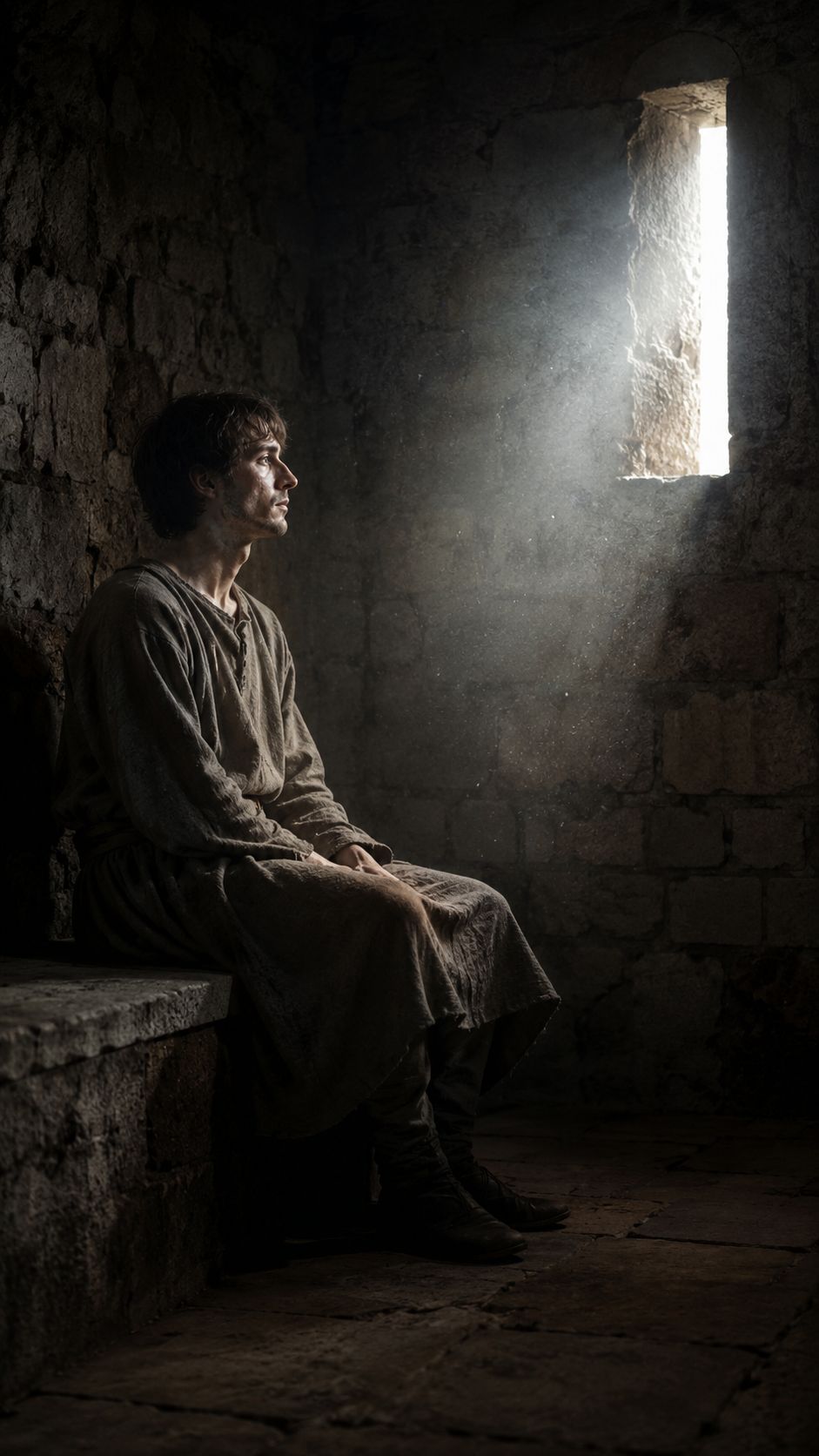 Fourteen Years in the Tower for His Bloodline
Locked away as a boy for the crime of his birth, he emerged so isolated he could no longer recognize an animal.
Tower of London, London, United Kingdom · 1499 · same site
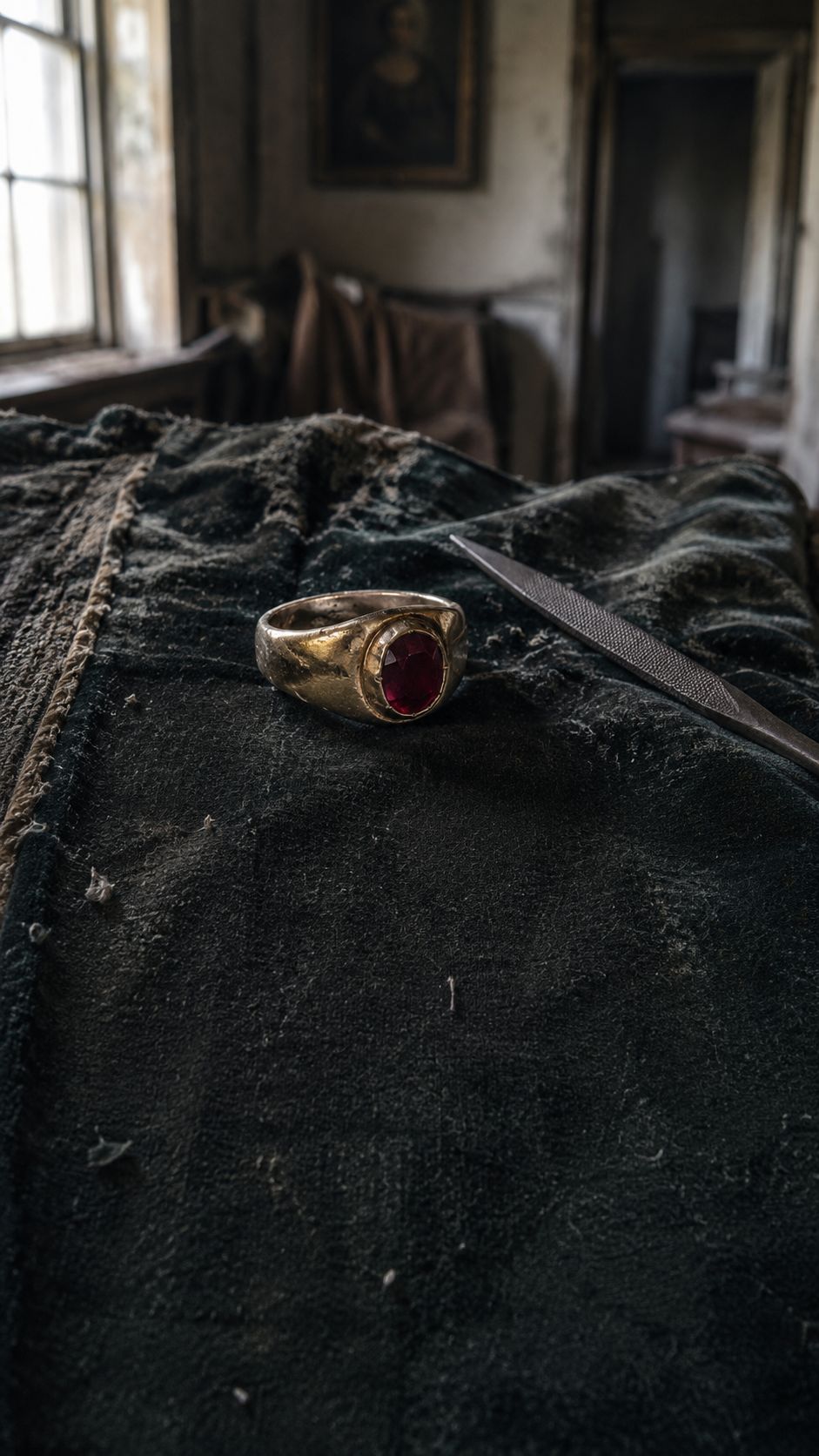 Poisoned in the Tower Over a Marriage
Imprisoned on a diplomatic post designed to fail, he died slowly of a poison that took months to finish the job.
Tower of London, London, United Kingdom · 1613 · same site
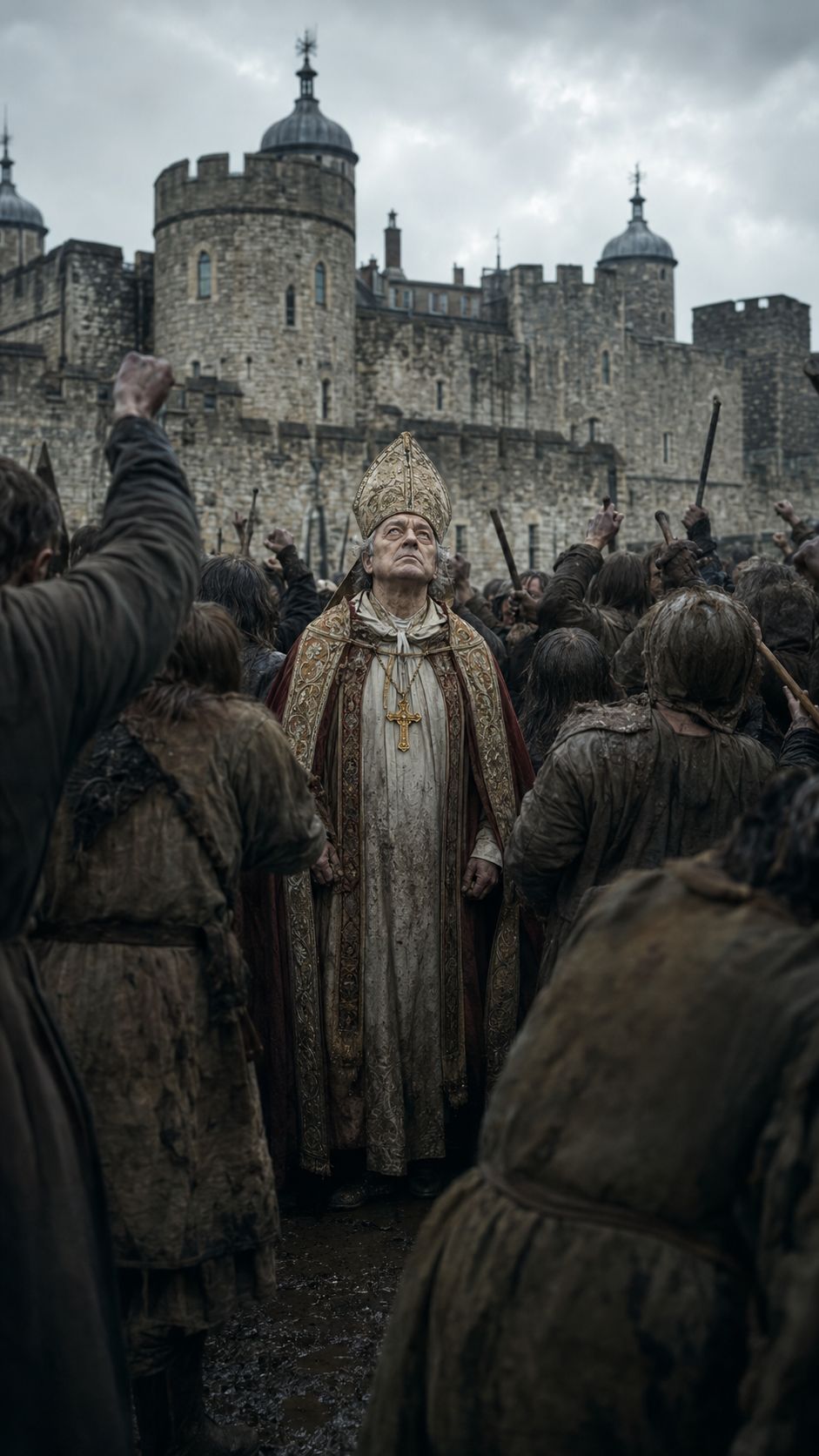 The Archbishop's Head That Still Survives
A raging mob hacked the Archbishop of Canterbury to death, and his mummified head still sits in a Suffolk church today.
London, United Kingdom · 1381 · same site