
Death by sawing was recorded across ancient Persia, Rome, and medieval Europe. The condemned was suspended upside down by the ankles. A two-man saw was then drawn through the body beginning at the groin. The inversion was deliberate — blood pooled in the head and upper body, keeping the brain oxygenated and the victim conscious far longer than would otherwise be possible. Historical accounts describe victims remaining alive and aware until the saw reached the chest cavity. The method was used for crimes considered beyond ordinary punishment.
INTERESTING FACT The Roman emperor Caligula reportedly used sawing as a personal punishment for those who displeased him. The Bible references sawing as a method of execution in the book of Hebrews. Medieval European courts records confirm its use as late as the 16th century. It was chosen specifically because it was slow.
Nearby on the Dark Atlas
- How Crucifixion Actually Killed Its Victims
The nails weren't the killer — the Romans built a death that came from suffocation, one agonising push-up at a time.
Rome, Italy · 100 · same site
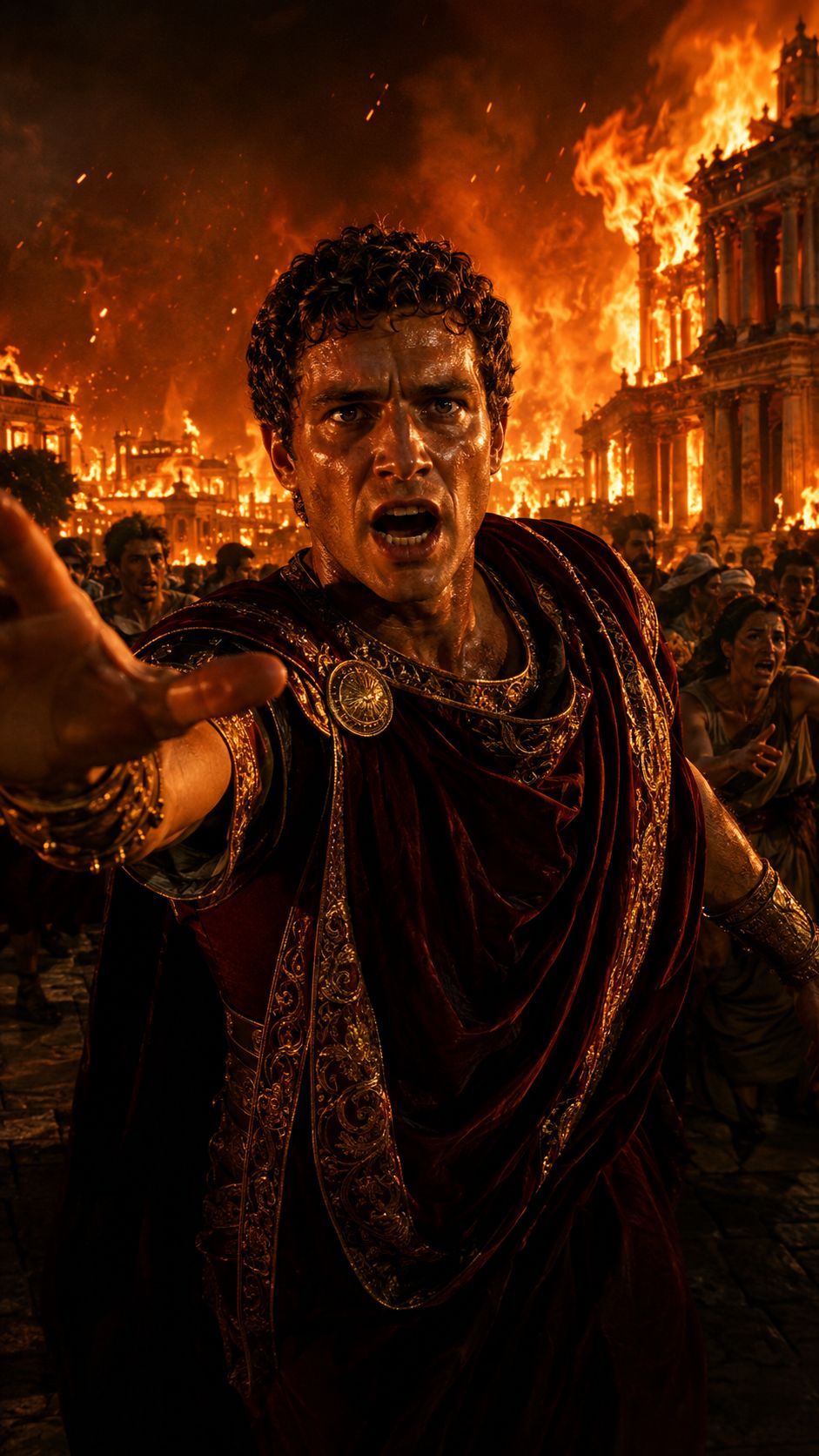 Nero Never Fiddled While Rome Burned
The most famous image of imperial cruelty in Roman history turns out to be almost entirely fabricated.
Rome, Italy · 64 · same site
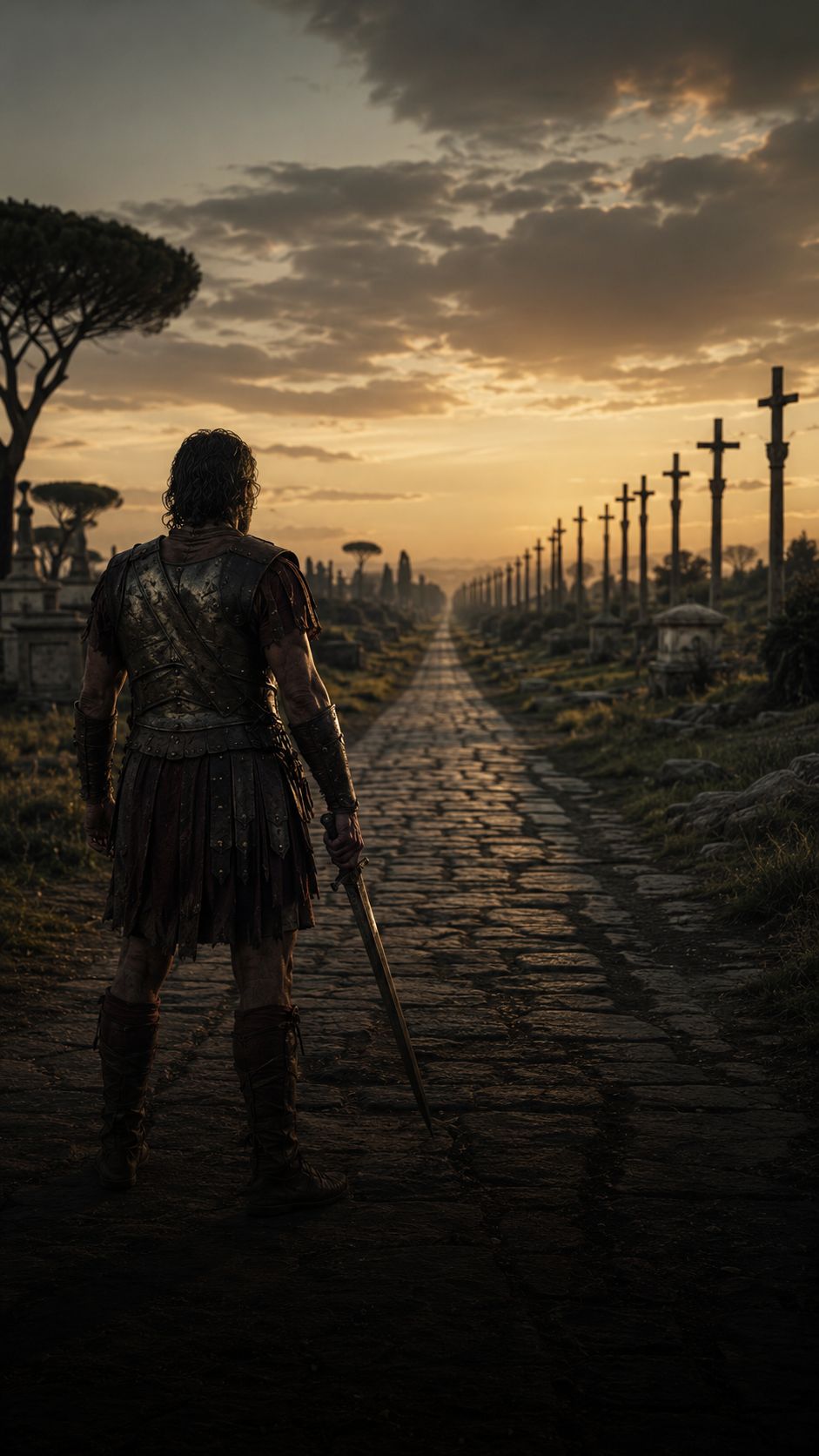 Six Thousand Crucified Along The Appian Way
The slave rebellion Hollywood romanticised did not end with one man on a cross, but six thousand.
Rome, Italy · 71 BC · same site
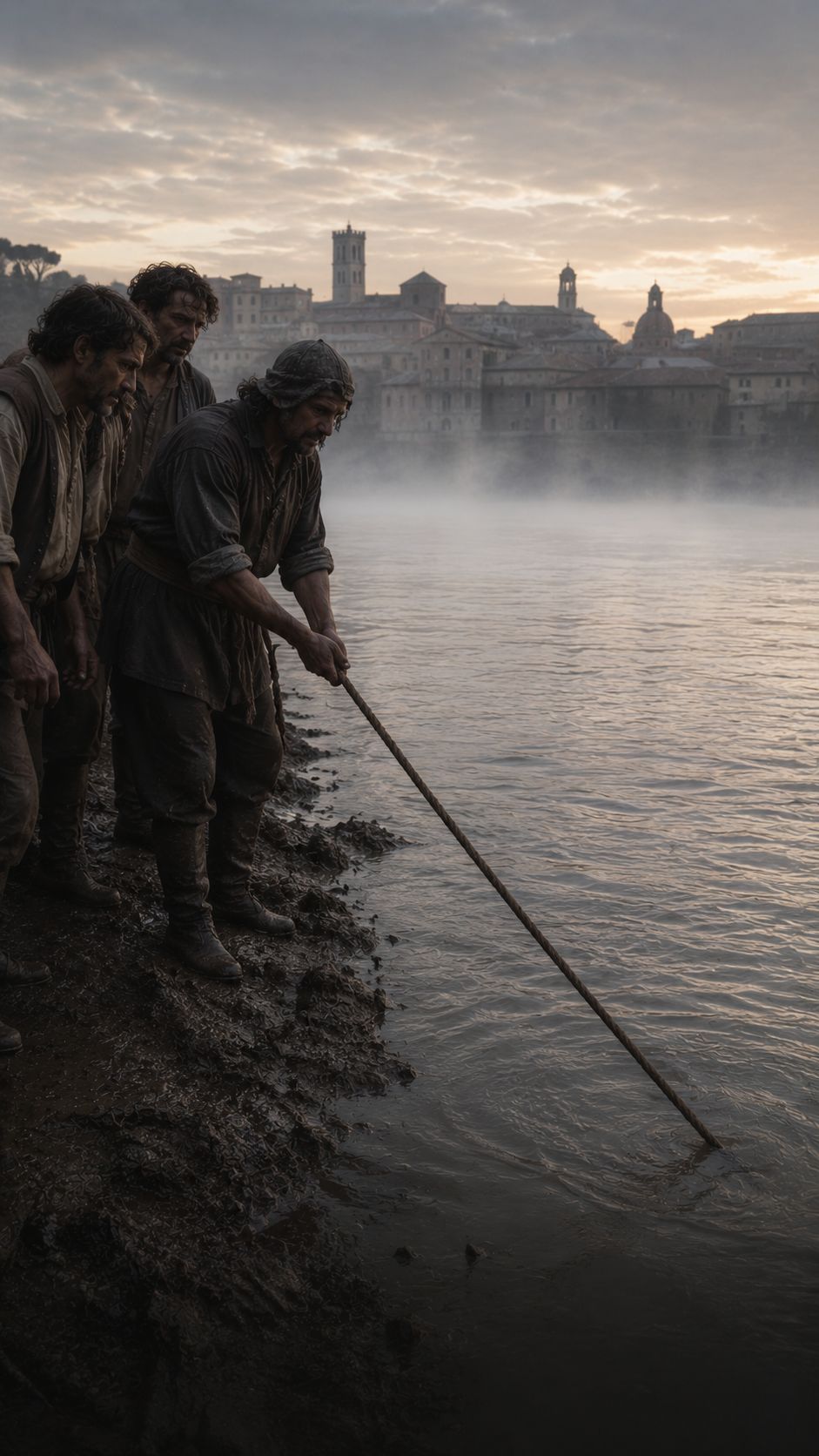 The Borgia Pope's Unsolved Family Murder
The pope's own favourite son was murdered and dumped in the Tiber, with suspicion pointing straight at his own brother.
Rome, Italy · 1497 · same site