
On 18th February 1478, George Plantagenet, Duke of Clarence, was executed inside the Bowyer Tower at the Tower of London. He was 28 years old. He had betrayed his brother, King Edward IV, twice — joining Warwick’s rebellion, switching sides, reconciling, then slandering the Crown again. He was condemned by Act of Attainder for “unnatural, loathly treasons.”
He was not beheaded. He was not hanged. The execution was carried out in private, behind closed doors. No official record described the method.
Then the rumours started.
The Horror
The tradition — reported by several near‑contemporary chroniclers — is that George, Duke of Clarence, was drowned in a butt of Malmsey wine. A butt is about 570 litres. Roughly 150 gallons. Enough to fill a modern bathtub twice over. Sweet, strong, Madeira‑style wine imported from the Mediterranean.
Some accounts say the method was chosen as a cruel joke, because George was notorious for his love of drink. Others say he was granted the “mercy” of choosing the manner of his own death and asked for Malmsey himself.
When his remains were later inspected, his bones were still articulated, with no sign of decapitation — unlike most nobles executed for treason. Whatever killed the Duke of Clarence, it was not the axe.
Edward IV — the brother who signed the death warrant — is said to have delayed the execution for weeks. He did not want to kill George. Parliament and his councillors forced his hand. After it was done, Edward paid for an elaborate funeral, a carved monument, and a chantry at Tewkesbury Abbey to fund prayers for George’s soul. He had his brother drowned in wine, then paid for masses to be sung over the grave.
Over a century later, Shakespeare dramatised the death in Richard III. He gave Clarence a nightmare in which he drowns, crying: “O Lord, methought what pain it was to drown, what dreadful noise of waters in my ears, / What sights of ugly death within mine eyes.” The speech runs for about forty lines. Shakespeare understood that the horror was not the barrel. It was knowing the barrel was coming and having to wait for it.
The Modern Relic
George is buried in Tewkesbury Abbey in Gloucestershire, behind the high altar, in a vault he shares with his wife, Isabel Neville. A glass panel in the floor reveals a lead‑covered medieval coffin. The Bowyer Tower, where the execution is said to have taken place, still stands inside the Tower of London. Visitor boards mention Clarence and the Malmsey story; no barrel has ever been found.
What has been found, in the records, is the cost of killing his line — not in wine, but in blood.
George’s son, Edward Plantagenet, Earl of Warwick, was placed in the Tower at around ten. He spent fourteen years inside its walls. He was kept so isolated that one observer wrote he could not “discern a goose from a capon” — he had seen so little of ordinary life that he couldn’t tell common animals or dishes apart. In 1499, he was executed for a “conspiracy” he almost certainly did not understand.
George’s daughter, Margaret Pole, Countess of Salisbury, lived longer. She survived the Wars of the Roses, the Tudors, and five decades of political storms. In 1541, Henry VIII finally signed her death warrant, not for anything she had done, but because her son, Cardinal Reginald Pole, was in Rome denouncing him.
Margaret was 67. She refused to kneel at the block. She told the executioner that if he wanted her head, he would have to take it as best he could. The man was inexperienced. The first blow struck her shoulder. It took multiple swings to kill her. Witnesses said she attempted to move around the scaffold, pursued by the axe.
The man drowned in a barrel of wine left two children. One was locked in a fortress for fourteen years and beheaded for a plot he couldn’t fully grasp. The other ran from an axe at 67 and died badly. The Plantagenet branch of Clarence ended not in battle, but in a series of private, clumsy killings stretched over sixty‑three years: a barrel, a cell, and a botched execution.
The wine was the kindest of the three.
Nearby on the Dark Atlas
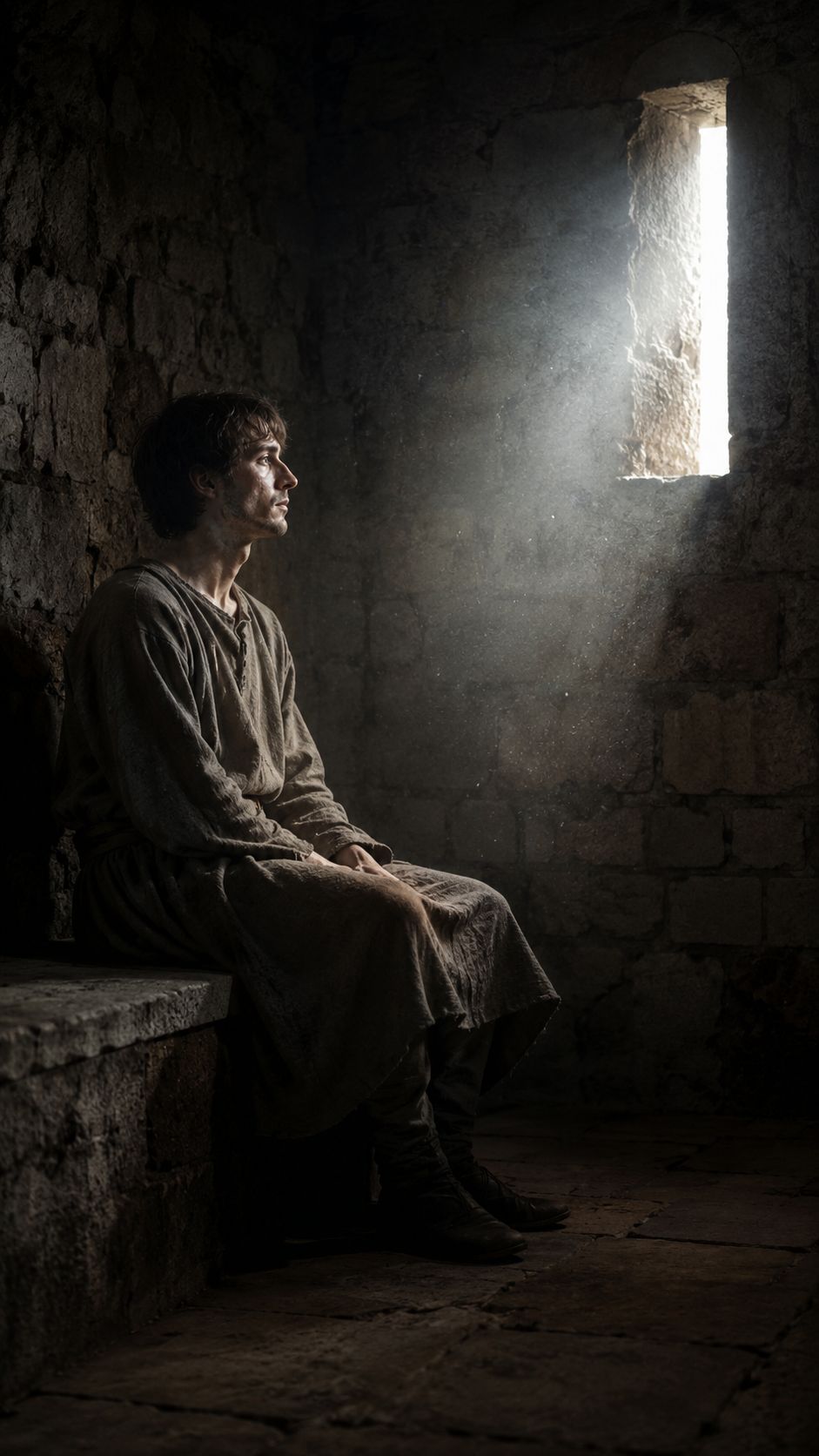 Fourteen Years in the Tower for His Bloodline
Locked away as a boy for the crime of his birth, he emerged so isolated he could no longer recognize an animal.
Tower of London, London, United Kingdom · 1499 · same site
 Poisoned in the Tower Over a Marriage
Imprisoned on a diplomatic post designed to fail, he died slowly of a poison that took months to finish the job.
Tower of London, London, United Kingdom · 1613 · same site
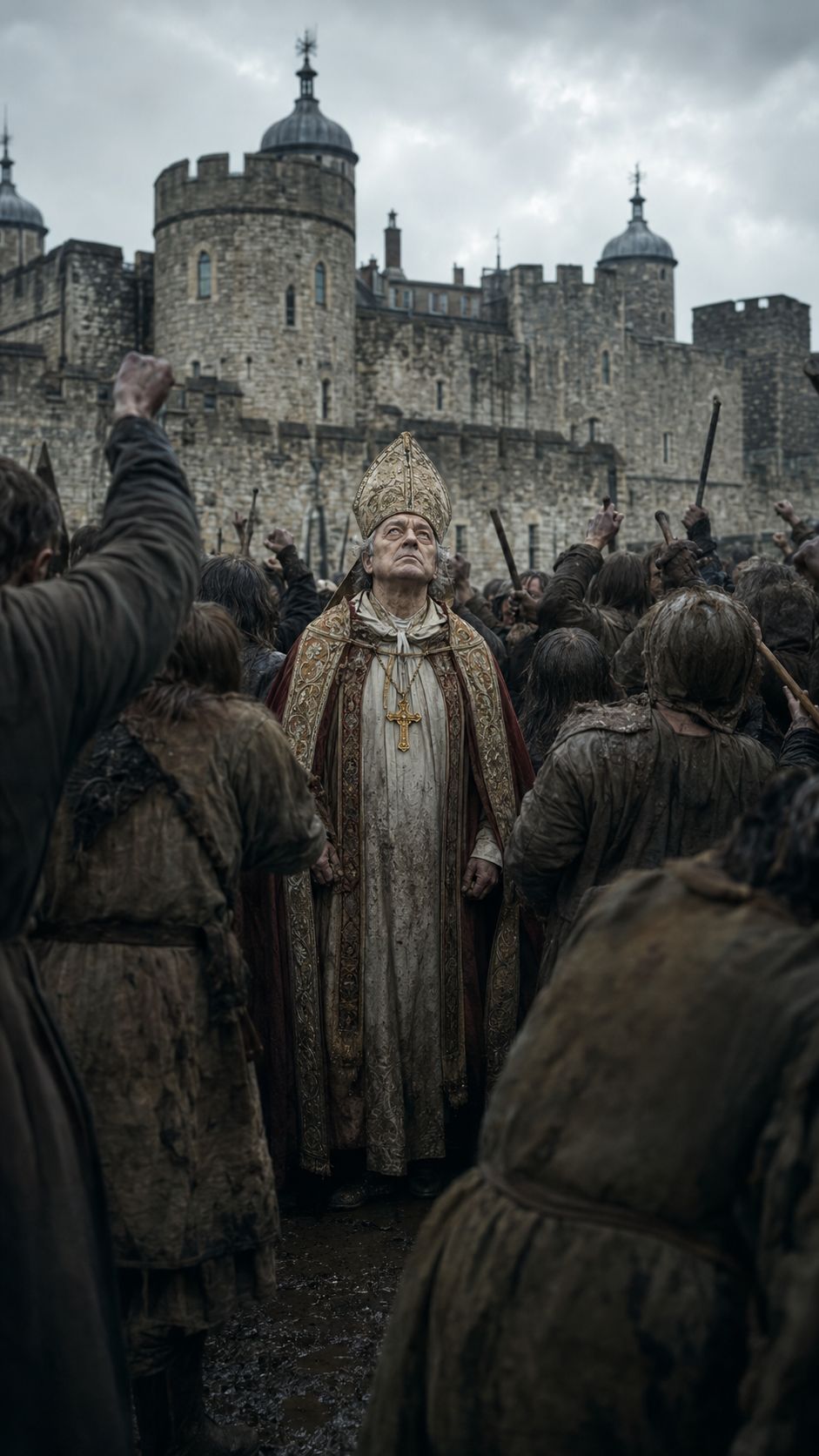 The Archbishop's Head That Still Survives
A raging mob hacked the Archbishop of Canterbury to death, and his mummified head still sits in a Suffolk church today.
London, United Kingdom · 1381 · same site
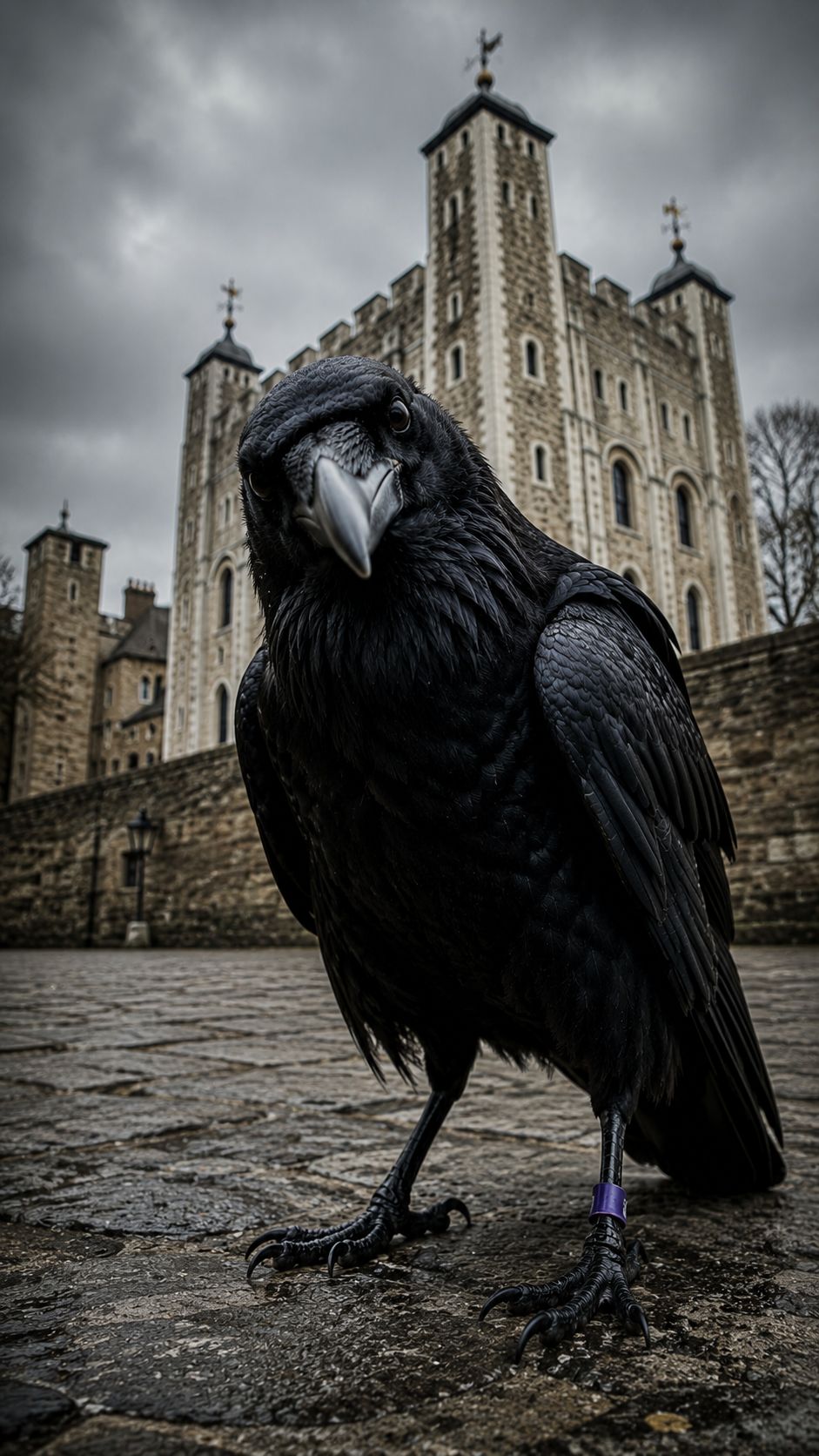 The Birds Whose Wings Are Clipped Forever
Legend says England falls the day these birds leave the Tower, so their flight feathers are trimmed to make sure they never can.
Tower of London, London, United Kingdom · 1600 · same site