
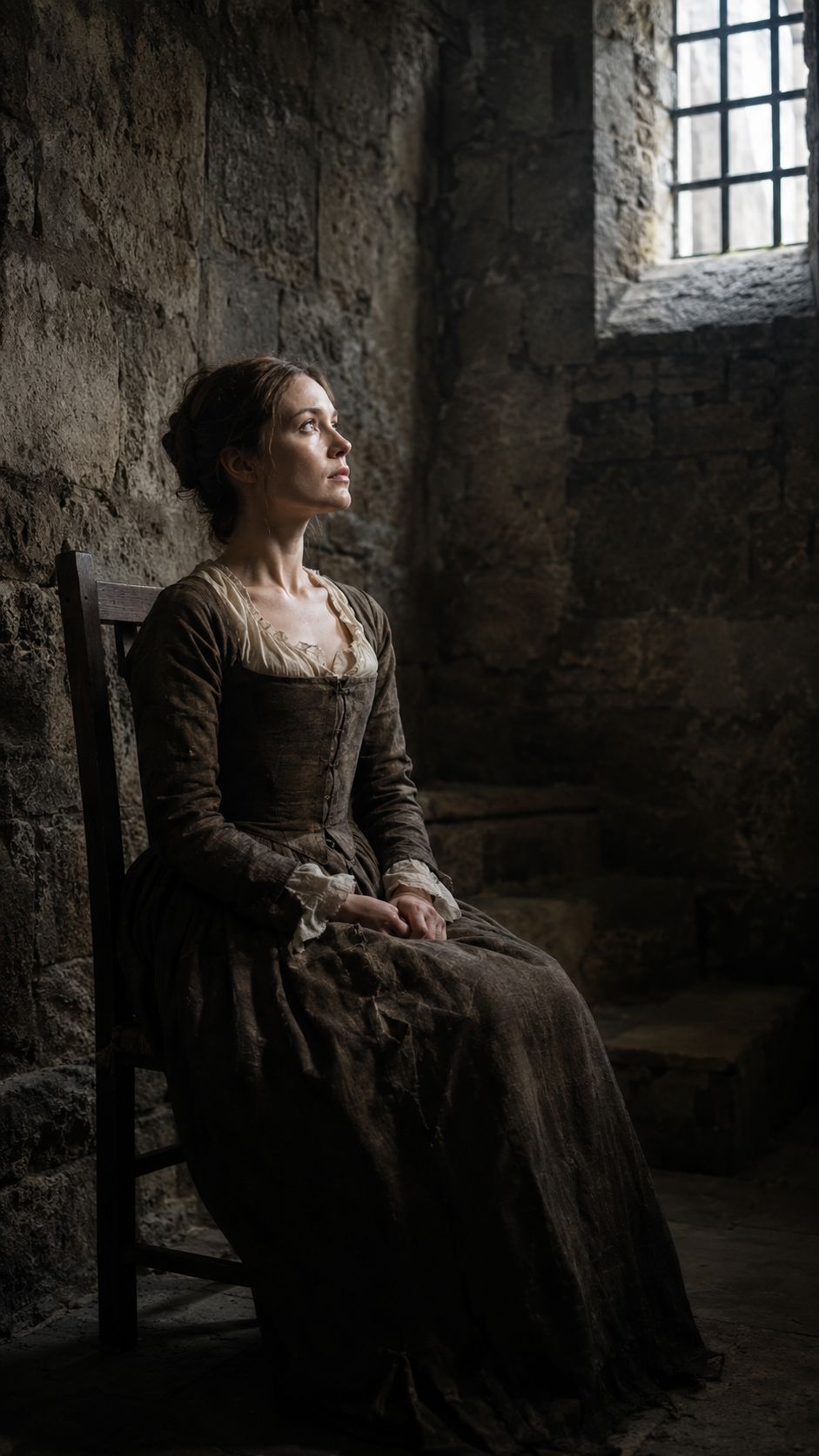
The execution was so medieval that the state had to hang a dead man’s corpse from a public scaffold just to carry out the physical mechanics of the sentence. In 1514, a wealthy London merchant named Richard Hunne openly challenged the financial corruption of the local church. Days later, he was found dead inside his private cell in Lollards’ Tower, hanging from a silk hook. While prison guards claimed it was a clear case of suicide, a forensic coroner’s jury examined the body and discovered his neck had been broken and his clothes were soaked in blood before the rope was attached. To protect the high-ranking religious officials from an angry public uprising, Henry VIII’s prosecutors carried out a terrifying legal solution: they formally tried the dead corpse for heresy, found it guilty, and marched his dead body to Smithfield to be publicly burned alive at the stake in front of thousands of onlookers.
Interesting Fact The public execution of Richard Hunne’s corpse backfired completely on the Tudor state. The graphic spectacle of burning a murdered man’s body to cover up a clerical crime caused a massive, years-long wave of anti-clerical anger across London, directly laying the psychological groundwork for the public to support Henry VIII when he later severed ties with Rome.
Nearby on the Dark Atlas
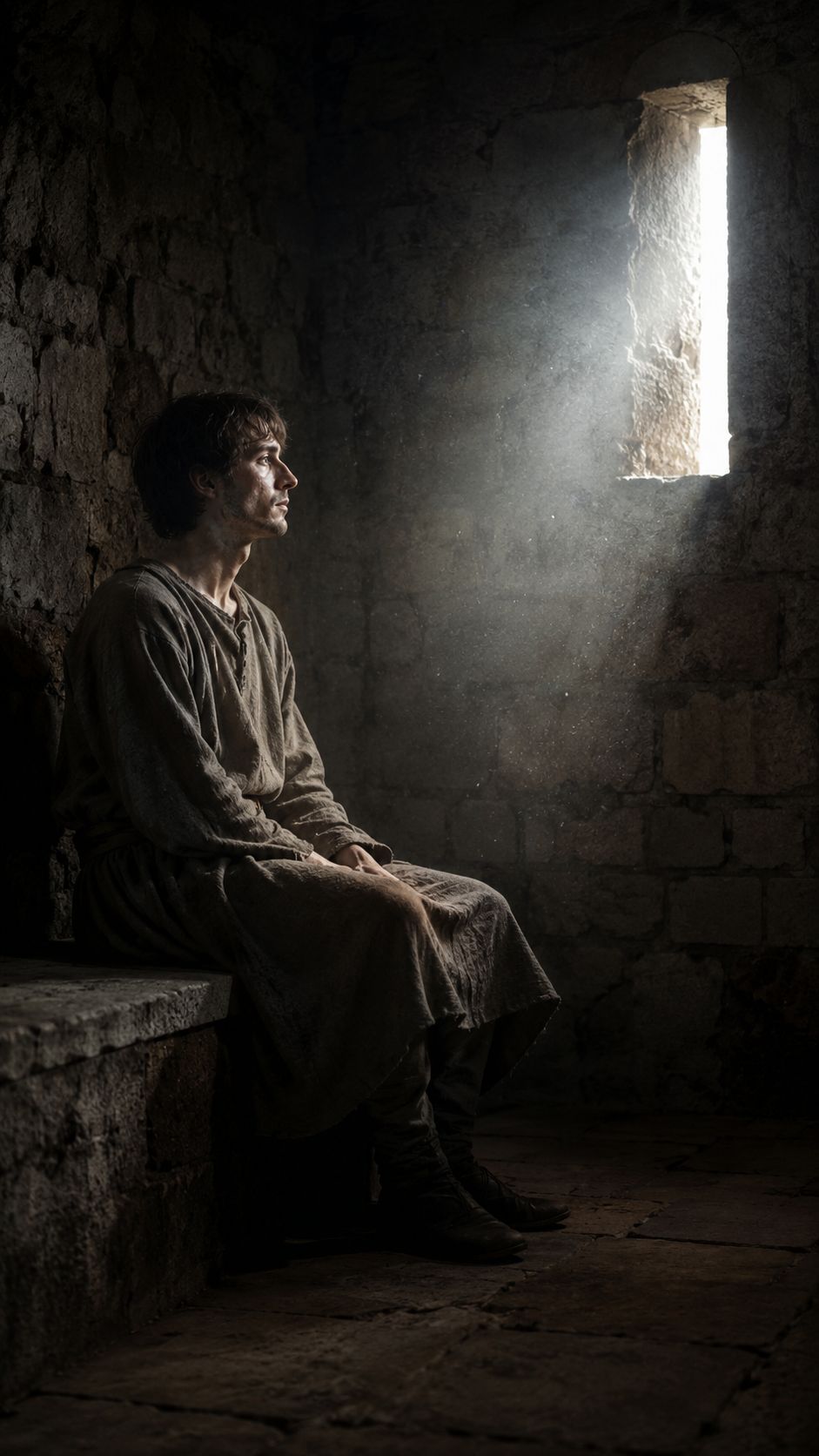 Fourteen Years in the Tower for His Bloodline
Locked away as a boy for the crime of his birth, he emerged so isolated he could no longer recognize an animal.
Tower of London, London, United Kingdom · 1499 · same site
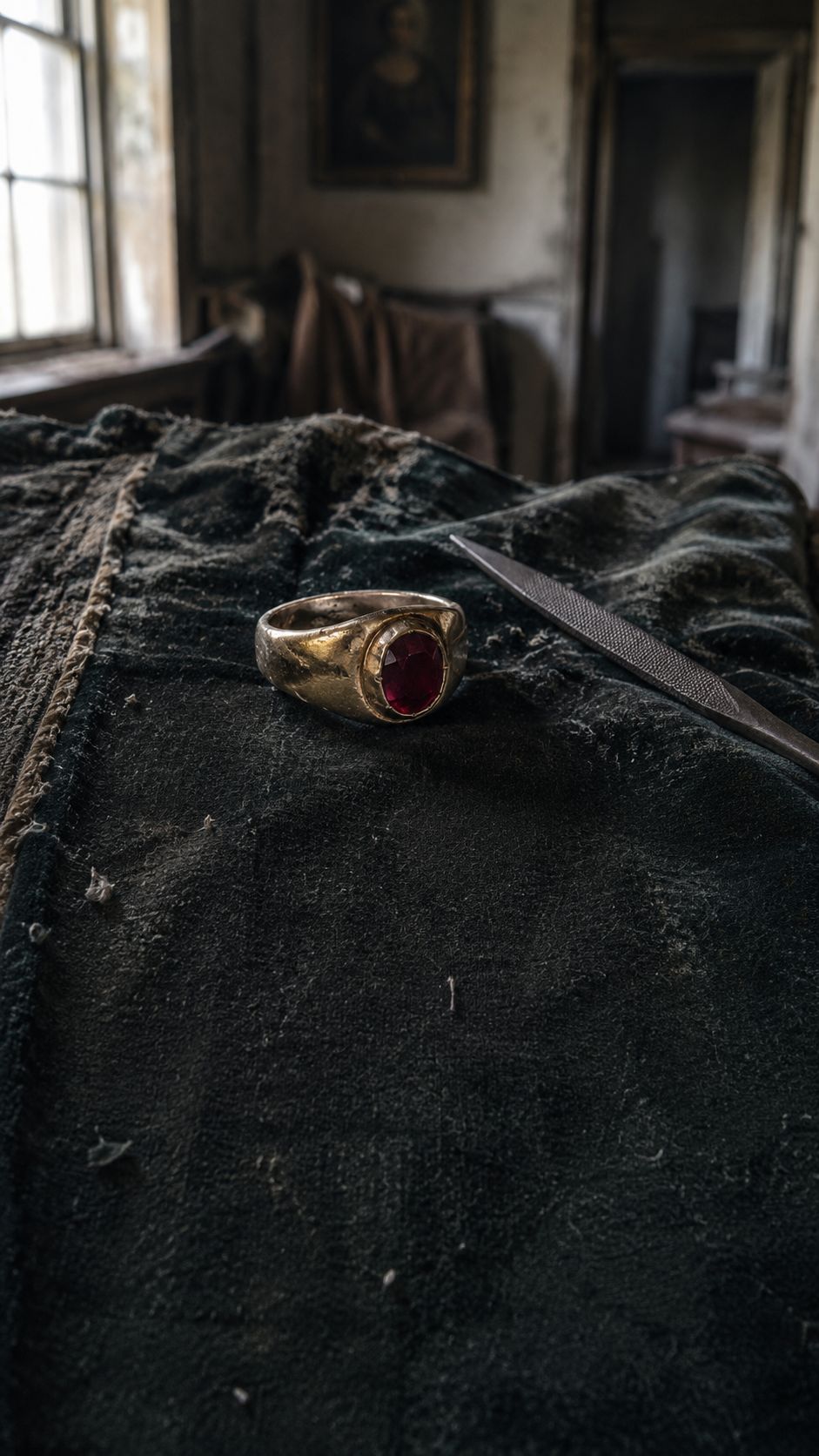 Poisoned in the Tower Over a Marriage
Imprisoned on a diplomatic post designed to fail, he died slowly of a poison that took months to finish the job.
Tower of London, London, United Kingdom · 1613 · same site
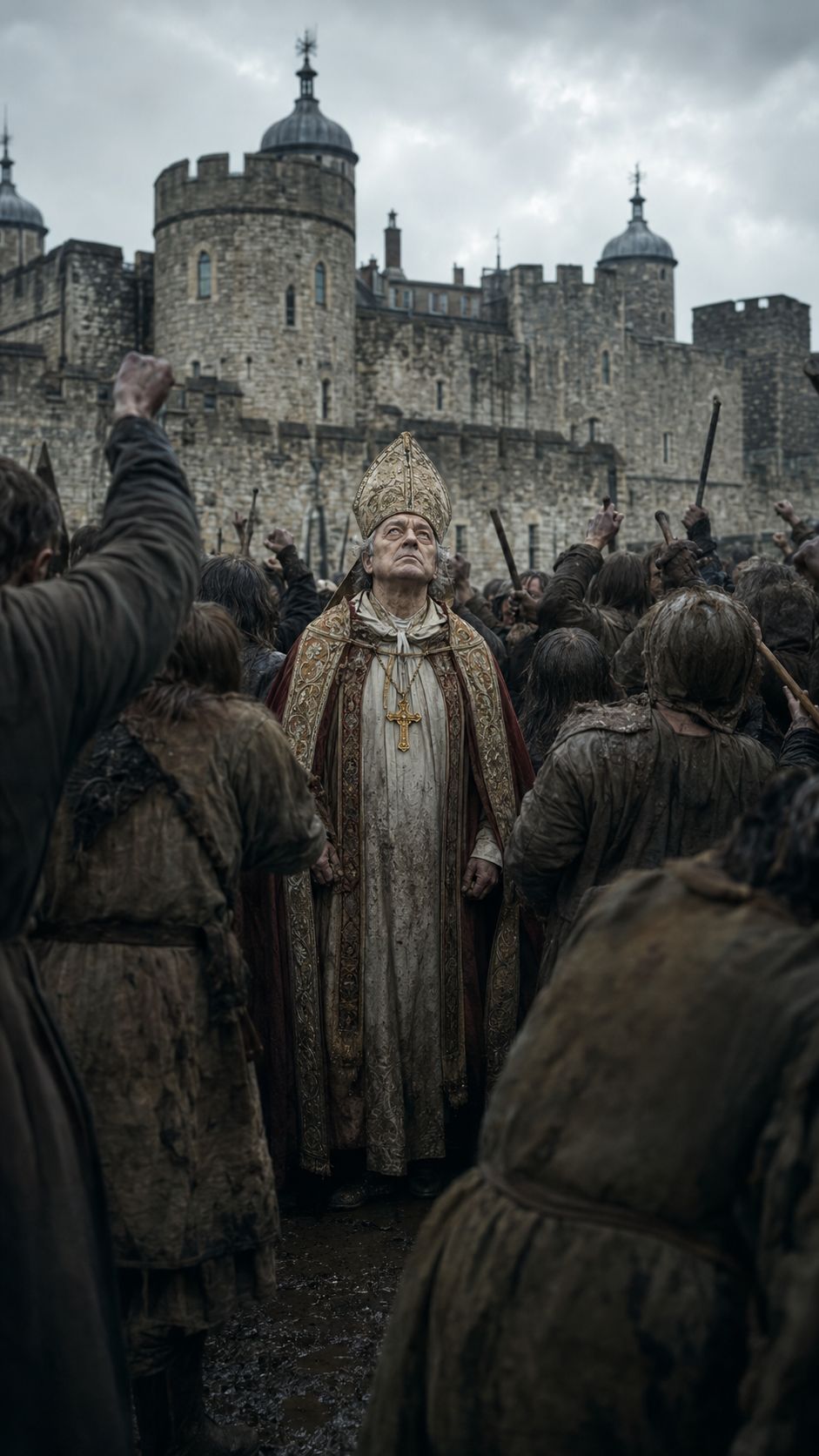 The Archbishop's Head That Still Survives
A raging mob hacked the Archbishop of Canterbury to death, and his mummified head still sits in a Suffolk church today.
London, United Kingdom · 1381 · same site
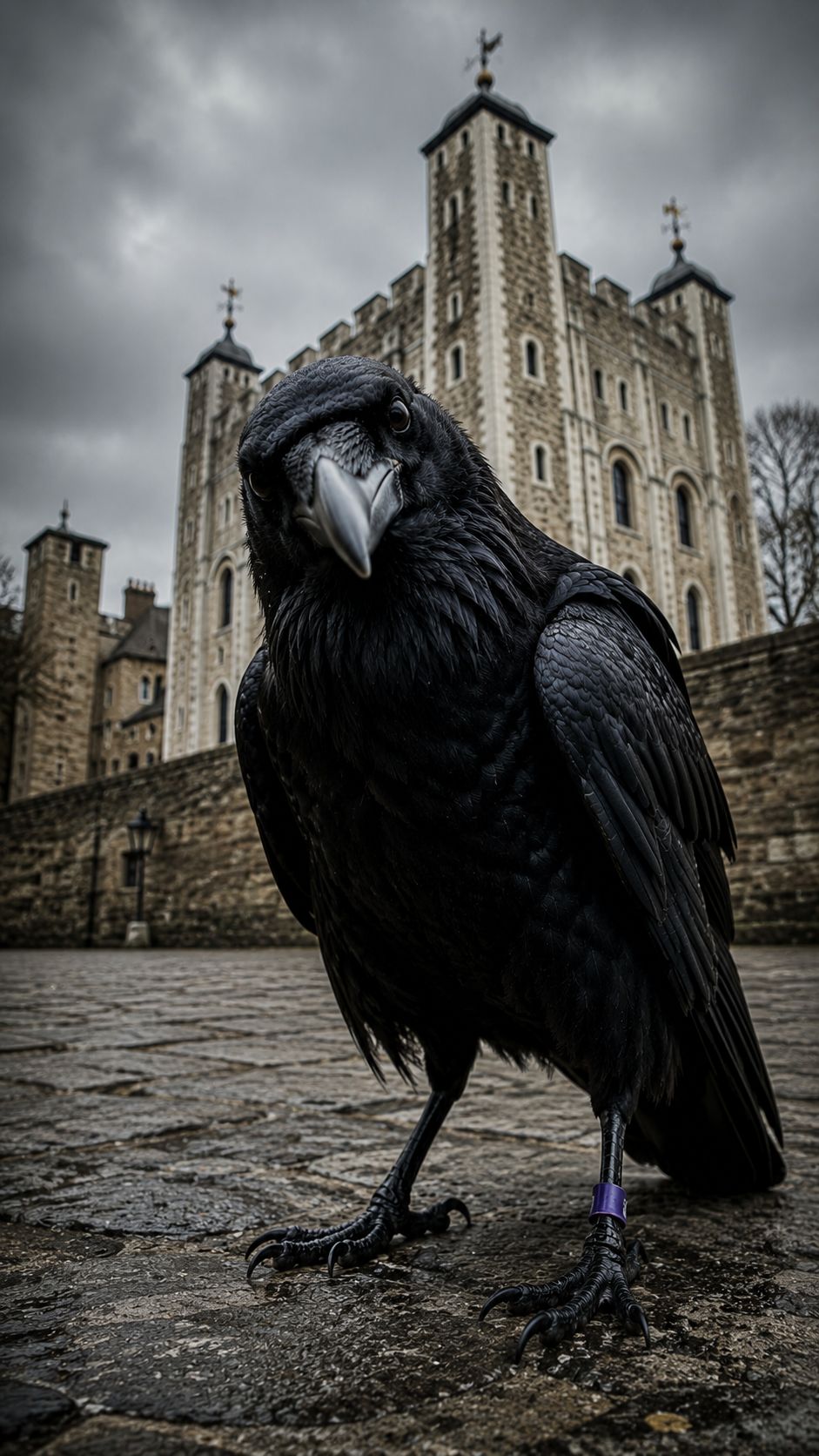 The Birds Whose Wings Are Clipped Forever
Legend says England falls the day these birds leave the Tower, so their flight feathers are trimmed to make sure they never can.
Tower of London, London, United Kingdom · 1600 · same site
More like this
- The Murder Dickens Turned Into Fiction
A cold, calculated murder buried a body in a Bermondsey kitchen, and became fodder for the country's most famous novelist.
Bermondsey, London, United Kingdom · 1849
- The Chair No One Is Allowed To Sit In
A murderer's cursed armchair now hangs on a museum wall, five feet off the ground, so no one can sit in it again.
Thirsk, United Kingdom · 1702
- The Poisoner Who Weaponised A Town's Sweet Shops
She poisoned an entire town's confectionery to disguise the murder of a woman she hated, killing a child she never met.
Brighton, United Kingdom · 1871
 The Rape Trial That Ended In Trial By Combat
A woman's accusation of rape led to France's last judicial duel, with her own life staked on the outcome.
Paris, France · 1386