On 5th December 1791, Wolfgang Amadeus Mozart died in his Vienna apartment at 35. He had written over 600 works — operas, symphonies, concertos and chamber pieces that would define Western music: The Marriage of Figaro, Don Giovanni, The Magic Flute, and the unfinished Requiem on his desk when he died.
The funeral was held the next day. Almost nobody came.
THE HORROR Arrangements were handled by Baron Gottfried van Swieten, a patron and friend, who chose the cheapest standard option: a third‑class funeral. That meant a simple ceremony at St Stephen’s Cathedral, burial in a communal grave at St Marx Cemetery, and no permanent marker.
Only a small group attended the short service — estimates run from a few people to perhaps a dozen. After the prayers, Mozart’s coffin was loaded onto a hearse and driven out toward St Marx on the edge of the city.
As the hearse rolled through the streets, the little group of mourners peeled away. Some accounts blame the winter weather; others simply note that people had other places to be. By the time the carriage passed through the Stubenthor city gate, the coffin was alone except for the driver.
Constanze, Mozart’s wife, was not among them. Overwhelmed, she had left the apartment and gone to stay with friends shortly after his death. She did not accompany the coffin. She did not stand by the grave.
At St Marx, the gravedigger’s assistant and the driver placed the coffin in a common plot with other bodies. No headstone was erected. No cross or plaque was set. Nothing marked the spot where Mozart’s remains went into the ground.
No one came to visit. Not that week. Not that year. Not that decade.
Constanze finally went to St Marx in 1808 — seventeen years later. By then, the gravedigger who had buried Mozart, Joseph Rothmayer, was dead. No one still working at the cemetery could say exactly which communal trench had held his coffin.
Those graves were reused every ten years: bones removed and the ground opened for new burials. Mozart’s body, buried in 1791, would have been exhumed around 1801 — seven years before Constanze’s belated visit. Whatever remained of him had already been taken out and discarded.
She was seventeen years late to a grave that had been gone for seven. The city that had heard him play had quietly dug him up and moved on.
THE MODERN RELIC Rothmayer — or someone claiming his knowledge — later said he had marked Mozart’s skull during the grave recycling and kept it. That skull passed through private collections for more than a century before ending up at the Mozarteum Foundation in Salzburg, where it sits now in a glass case.
In 2006, for Mozart’s 250th birthday, researchers tried to test it. They compared DNA from the skull with DNA from bones in the Mozart family grave in Salzburg, believed to belong to his grandmother and niece.
The results solved nothing. The skull didn’t match the bones in the family grave — but the two female skeletons in the grave didn’t match each other either. The “family” grave held remains that weren’t related. The skull was uncertain. The grave was uncertain.
Nobody knows where Mozart is.
The skull in Salzburg might be his. The family grave might not even hold his relatives. The communal plot at St Marx was emptied more than two hundred years ago. The most performed composer in history has no confirmed remains anywhere.
A memorial was erected in St Marx in the 19th century — an angel and a broken column on a chosen patch of grass that is probably not the original spot. Tourists leave flowers there today.
They are almost certainly leaving them in the wrong place.
Nearby on the Dark Atlas
 The Composer Buried Without His Own Head
Eight days after his funeral, phrenology obsessives dug up a beloved composer and made off with his skull.
Vienna, Austria · 1809 · 3.4 km away
 The Composer Whose Skull Was Stolen
A genius conceals his encroaching deafness for years, and even after death, souvenir hunters aren't done taking pieces of him.
Vienna, Austria · 1827 · 3.4 km away
 The Doctor Who Discovered Handwashing Too Late
A Vienna doctor works out why women are dying of childbed fever in droves, and nobody in power wants to believe him.
Vienna, Austria · 1847 · 3.4 km away
- The Man Bambi's Success Could Not Save
The gentle author behind Bambi became one of the countless writers erased and exiled by the Nazis he had once tried to outrun.
Vienna, Austria · 1938 · 3.4 km away
More like this
- The Leper King's Story No Film Would Show
Kingdom of Heaven gave him a dignified death behind a silver mask, the truth was far crueller.
Jerusalem, Israel · 1185
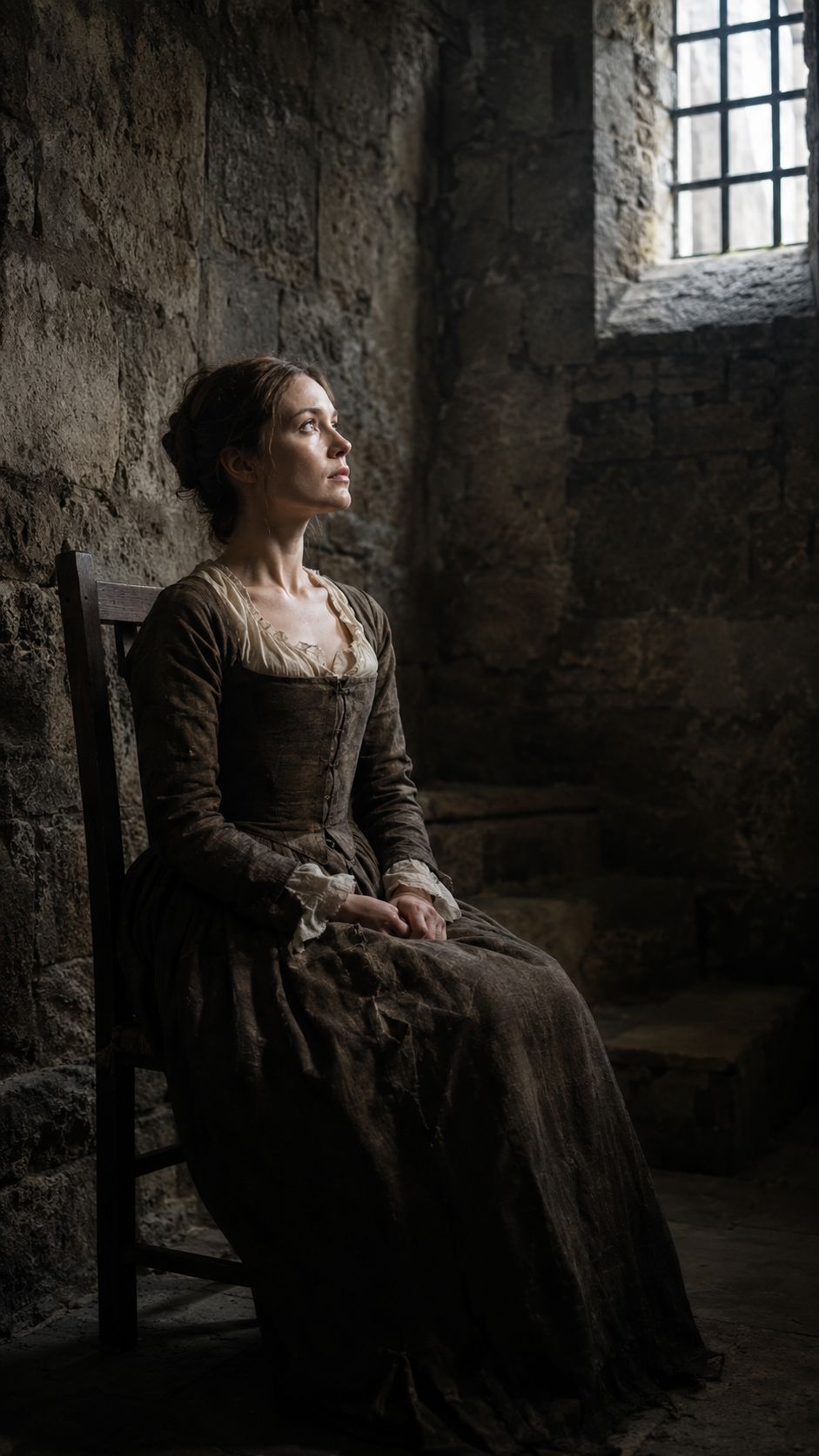 The Rape Trial That Ended In Trial By Combat
A woman's accusation of rape led to France's last judicial duel, with her own life staked on the outcome.
Paris, France · 1386
- The Parish Registers Of The Beast's Victims
Between 1764 and 1767 something killed roughly a hundred people, recorded in the registers as 'devoured by the beast.'
Saugues, France · 1764
- The Manufacturing Of England's Most Haunted House
For decades it was called the most haunted house in England, until its ghost story revealed how a haunting gets made.
Borley, Essex, United Kingdom · 1929