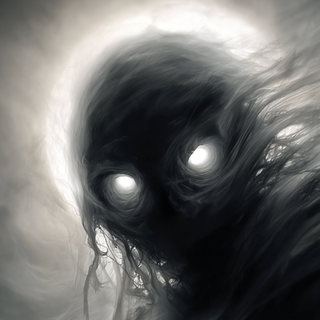
In September 52 BC, Vercingetorix — the chieftain who had united every tribe in Gaul, who had defeated Caesar at Gergovia, who had come closer to destroying Caesar than any man alive — rode out of the gates of Alesia on his finest horse, in his finest armour, and threw his weapons at Caesar’s feet.
He did not do this because he had lost hope. He did it because the people inside the walls were starving. Tens of thousands of men, women, and children were trapped. The relief army had failed. The Roman double wall — built by Caesar’s legions in weeks, encircling the entire hilltop — had held against everything thrown at it.
Vercingetorix could have fought to the last man. He chose to surrender himself instead. One life for the people inside the walls.
Caesar accepted the surrender. He did not release the people. He enslaved them — distributing Gallic prisoners to his soldiers as property, one per legionary, the spoils of a war paid in human beings.
And he kept Vercingetorix. Not to kill him. Not yet. To wait.
THE HORROR Vercingetorix was taken to Rome and placed in the Tullianum — the oldest prison in the city, a stone chamber beneath the Forum, accessed only through a circular hole in the ceiling. The prisoner was lowered into the pit on a rope. The hole was sealed.
The chamber was dark. The chamber was small — roughly twelve feet across. The walls were damp. The air was foul. There was no window. There was no bed. There was a drain in the floor that connected to the Cloaca Maxima — Rome’s great sewer. The man who had united Gaul lived above a sewer in a room the size of a grave.
He was there for six years.
Six years in the dark. Six years without sunlight. Six years while Caesar crossed the Rubicon, fought a civil war, pursued Pompey to Egypt, romanced Cleopatra, and returned to Rome as dictator. Six years while the world above the pit changed completely and the man inside it did not change at all — because there was nothing to change into.
He was stored. He was inventory. He was the centrepiece of a parade that hadn’t been scheduled yet.
In September 46 BC, Caesar held his Triumph — the greatest victory parade Rome had ever seen. Four triumphs in one month — Gaul, Egypt, Pontus, Africa. The streets were packed. People lined the route from the Campus Martius to the Capitoline Hill.
Vercingetorix was pulled from the pit. After six years in darkness, he was brought into the light — blinking, emaciated, a man who had entered the dungeon as the most feared warrior in Europe and emerged as a body to be displayed.
He was chained. He was marched barefoot through the streets of Rome behind Caesar’s golden chariot. The crowd cheered Caesar. They threw flowers. They sang. The man in chains walked through the celebration of his own destruction — past temples, past monuments, past the faces of Romans who had come to watch the empire congratulate itself.
At the end of the parade route — at the foot of the Capitoline Hill — the procession stopped. Vercingetorix was separated from the crowd. He was taken to the Tullianum. The same pit. The same hole. The same rope.
He was lowered into the dark for the last time. An executioner followed him down. In the chamber where he had spent six years, Vercingetorix was strangled.
No last words were recorded. No speech was permitted. The man who had united a nation was killed in a basement while the parade continued above him.
THE MODERN RELIC The Tullianum — now called the Mamertine Prison — is still there. It is beneath the church of San Giuseppe dei Falegnami, at the foot of the Capitoline Hill, beside the Roman Forum. Tourists can visit. They descend a narrow staircase and stand in the circular chamber where Vercingetorix spent six years and died.
The room is small. The ceiling is low. The hole through which prisoners were lowered is visible. The drain to the sewer is in the floor. The walls are the same walls.
Two years after strangling Vercingetorix, Caesar was dead — stabbed twenty-three times by senators on the Ides of March, 44 BC. The man who kept a chieftain in a pit for six years was murdered in a building he walked past every day.
Vercingetorix has a statue at Alesia — erected by Napoleon III in 1865, seven metres tall, overlooking the battlefield. The face on the statue is reportedly modelled on Napoleon III himself. The first hero of France wears the face of a man who lived eighteen centuries later.
Caesar has statues across the world. Vercingetorix has one — with someone else’s face. The dungeon is a tourist stop. The parade route is a road. The strangling room is below a church. The hole in the ceiling is still there. The rope is not.
Nearby on the Dark Atlas
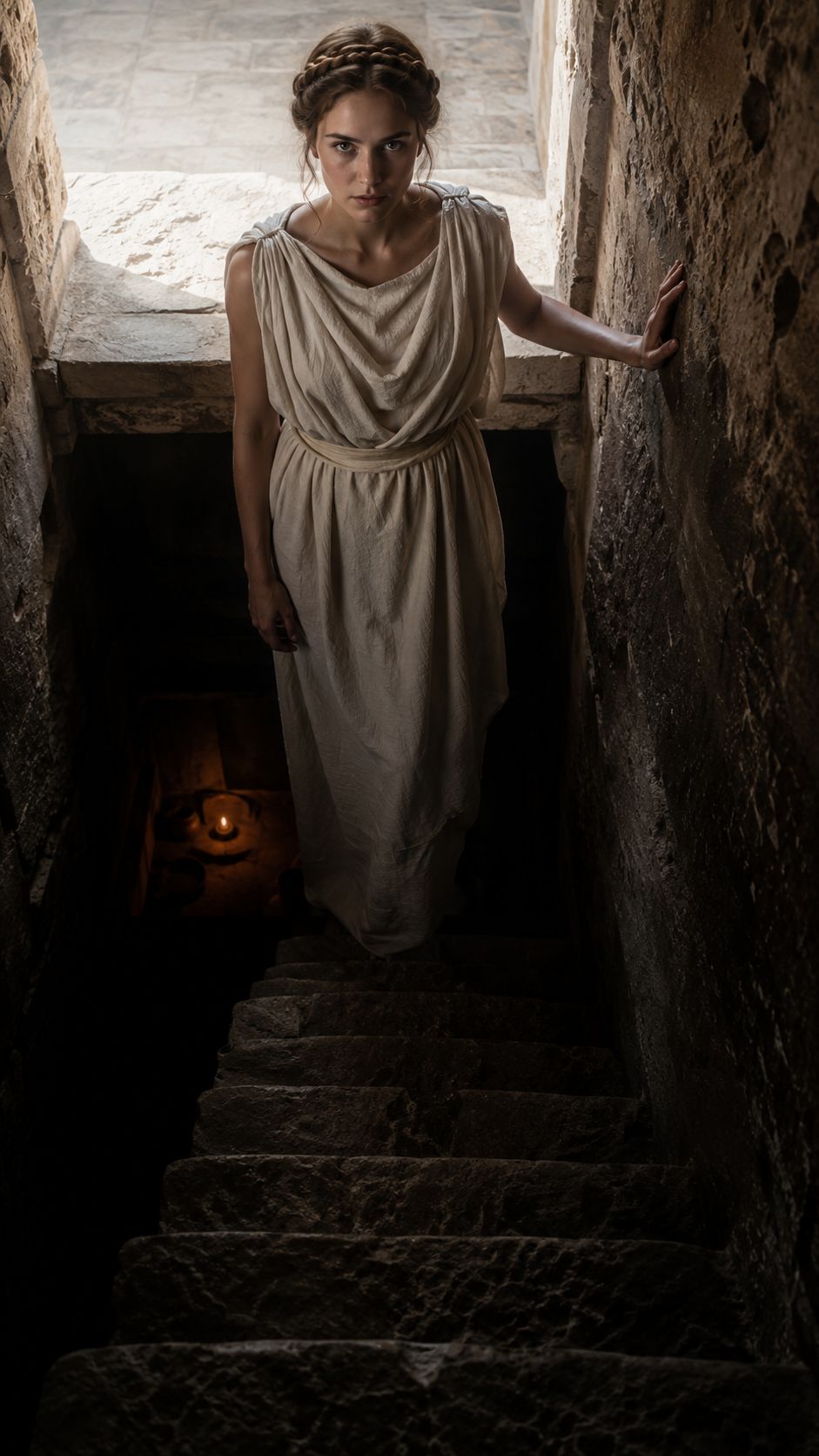 Buried Alive to Avoid Shedding Her Blood
Roman law forbade killing a Vestal or burying her in the city, so they sealed the condemned underground alive instead.
Rome, Italy · 100 BC · same site
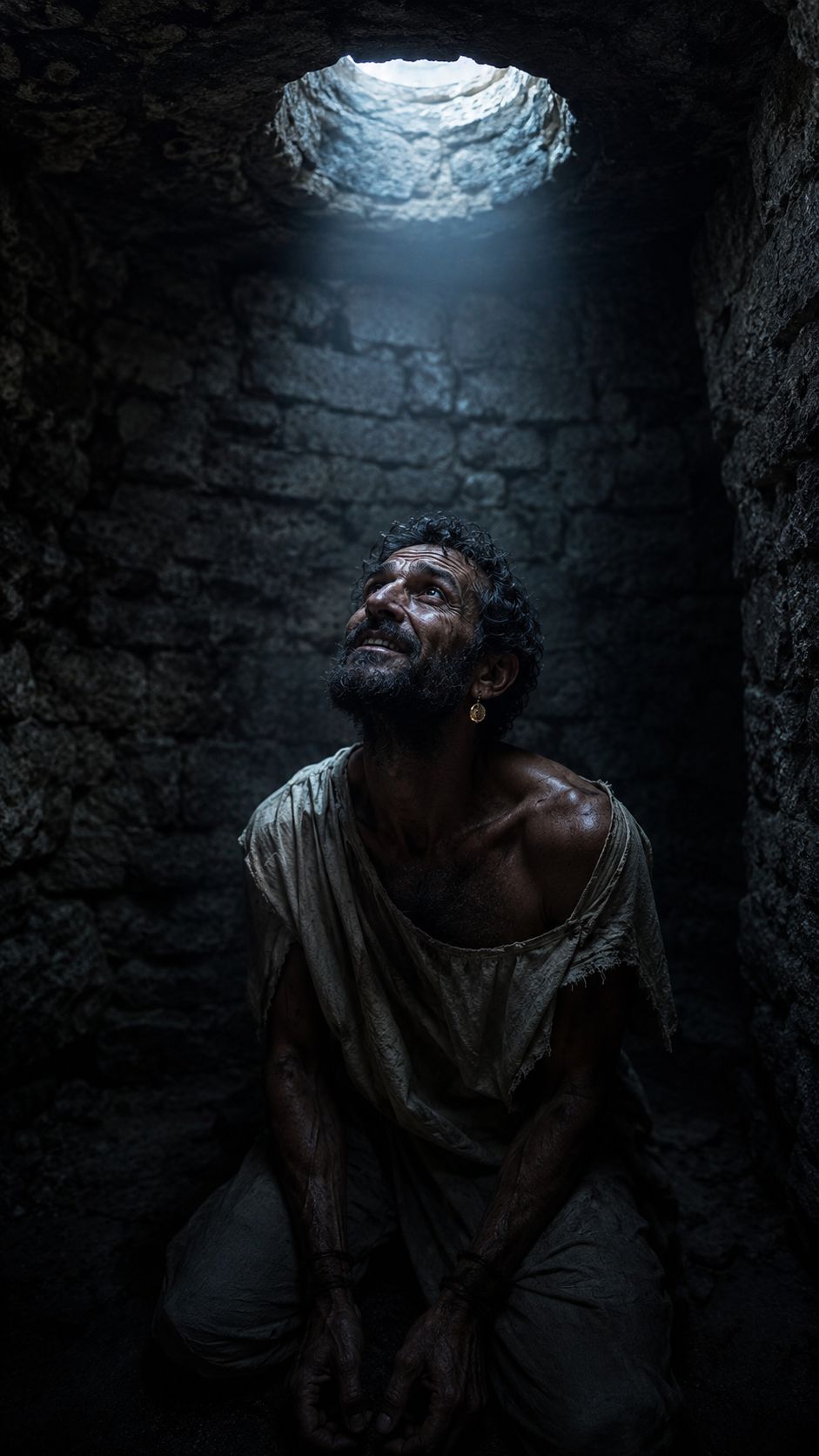 The King Left To Starve Beneath Rome
A Numidian king who beat Rome with bribery for years was finally stripped naked and left to starve in a pit.
Rome, Italy · 104 BC · same site
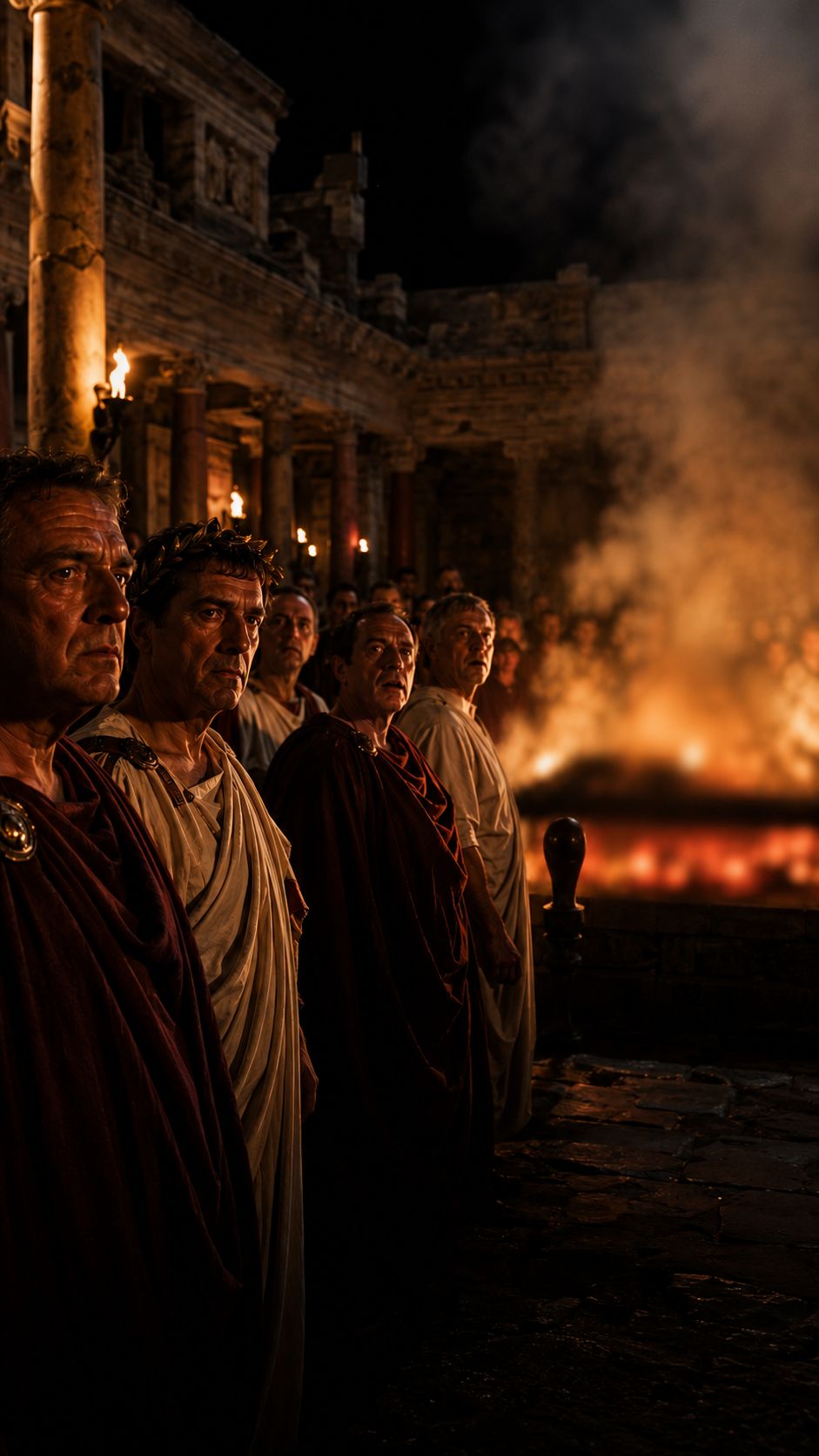 The Black Day Rome Never Forgot
A broken diplomatic mission brought a Gallic warband to the gates of Rome, and the city that never lost anything watched itself burn.
Rome, Italy · 390 BC · same site
 The Emperor Who Fought As A Gladiator For Fun
Gladiator showed him as a scheming villain — the real emperor clubbed amputees to death and billed the treasury for it.
Rome, Italy · 192 · same site