Thomas More had been Henry VIII’s closest friend. His most trusted advisor. His Lord Chancellor — the highest legal officer in England. They had dined together. They had walked together in the gardens at Hampton Court, the king’s arm around More’s shoulders. Henry had called him the most brilliant mind in the kingdom.
Then Henry asked him to do one thing: acknowledge the king as head of the English Church. More said no.
The friendship ended. The arm came off the shoulder. The Tower door opened.
THE HORROR More was imprisoned in the Tower of London for fifteen months. His daughter Margaret — the most educated woman in England, fluent in Latin and Greek, a scholar who had translated Erasmus — visited him when she was permitted. She smuggled letters in and out. She argued with him. She begged him to sign the oath.
He refused. He would not sign. He would not bend. He told Margaret: “I die the king’s good servant, but God’s first.”
On 6th July 1535, Thomas More was led to the scaffold on Tower Hill. He was frail — fifteen months in the Tower had broken his body. He needed help climbing the steps. At the top, he looked at the executioner and made a joke: he moved his beard aside from the block and said: “This hath done no offence against the king.”
The axe fell. One stroke.
His body was buried in the Chapel of St Peter ad Vincula inside the Tower — the same chapel that would later hold Anne Boleyn, Catherine Howard, and Margaret Pole.
His head was parboiled — boiled in water and cumin to preserve it — then dipped in tar and placed on a spike on London Bridge. It joined the other heads there — a gallery of traitors, displayed above the gatehouse, visible to everyone crossing the river.
Margaret watched.
For approximately one month, she watched. She tracked the head. She noted which spike. She waited for the day it would be removed — because heads were routinely taken down to make room for new ones, and the old heads were thrown into the Thames.
When the day came, Margaret was ready. She bribed the man whose job it was to throw the heads into the river. The price is not recorded. The transaction is.
She took her father’s head.
She carried it home. She preserved it — in spices, possibly in a leaden box. She kept it in her possession for nine years. A daughter kept her father’s boiled, tarred head in her house for nearly a decade.
Thomas Cromwell — the political architect of More’s downfall — discovered what Margaret had done. She was arrested. She was brought before the Privy Council and accused of keeping the head for subversive purposes — as a Catholic relic, as a symbol of defiance.
Her answer was a single sentence: “I have saved my father’s head from being devoured by the fishes, with the intention of burying it.”
They released her. She kept the head. She was not charged. Something in the sentence — or in the woman who said it — made even Cromwell’s council step back.
Margaret Roper died in 1544, aged thirty-nine. The cause is unknown. She was buried in the Roper family vault. Her father’s skull was placed beside her.
THE MODERN RELIC Thomas More’s body is in the Tower of London — in the Chapel of St Peter ad Vincula, beside Anne Boleyn. His head is sixty miles away — in the Roper vault beneath St Dunstan’s Church in Canterbury.
A tablet in the church floor reads: “Beneath this floor is the vault of the Roper family, in which is interred the head of Sir Thomas More, of illustrious memory, sometime Lord Chancellor of England, beheaded on Tower Hill, 6th July 1535.”
The vault was opened in 1837 and a skull was observed inside a lead box. It has not been opened since.
In July 2025, the church announced plans to exhume and conserve the skull ahead of the 500th anniversary of More’s death in 2035. The daughter who bribed a bridge keeper and faced down the Privy Council to save her father’s head may finally see it returned to the light.
Thomas More was canonised as a Catholic saint in 1935. His feast day is 22nd June. His body is in a chapel with the wives of the king who killed him. His head is in a vault with the daughter who stole it back. The king took his life. The daughter took his head. The head and the body have never been reunited. The father and the daughter have.
Nearby on the Dark Atlas
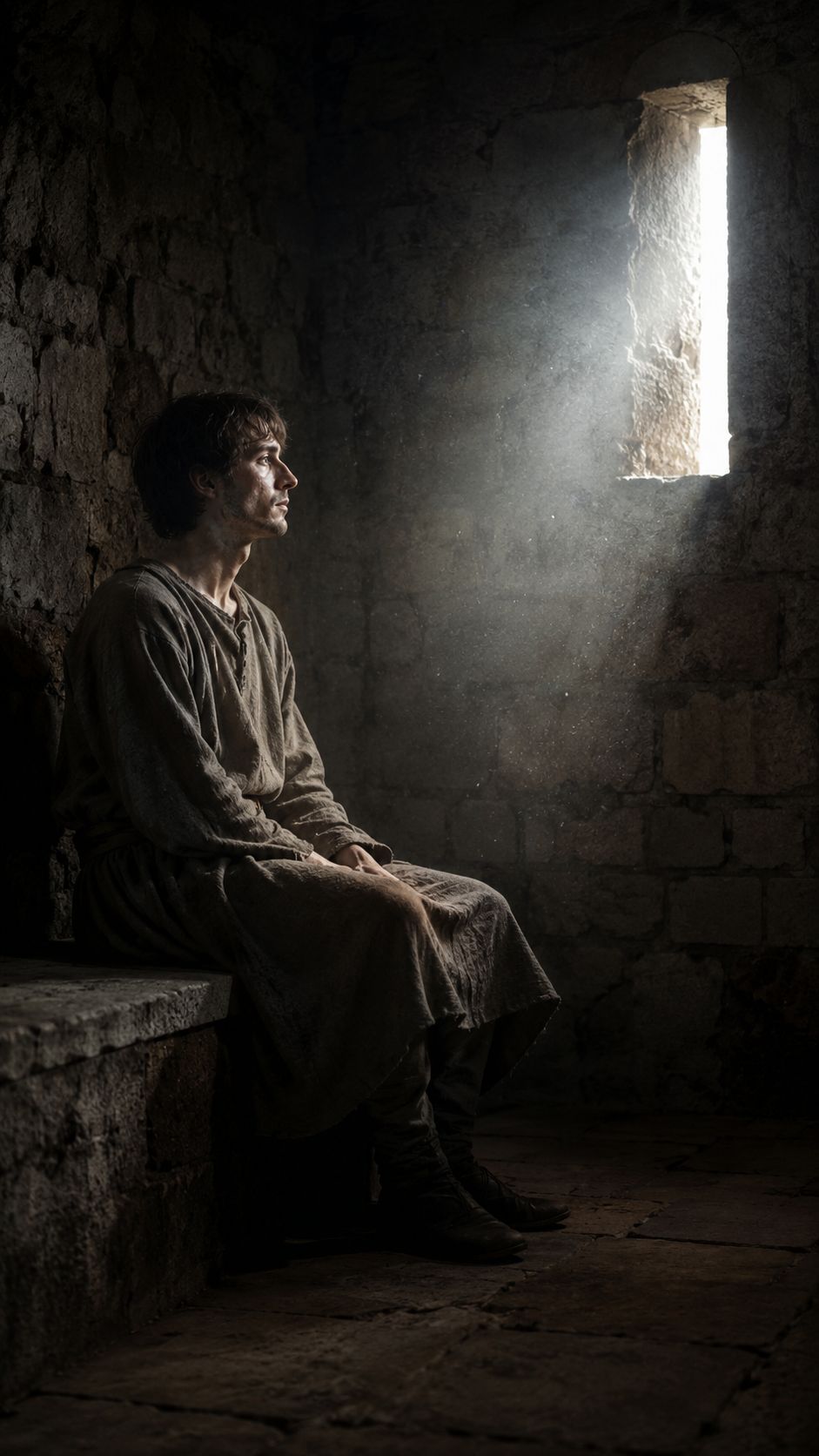 Fourteen Years in the Tower for His Bloodline
Locked away as a boy for the crime of his birth, he emerged so isolated he could no longer recognize an animal.
Tower of London, London, United Kingdom · 1499 · same site
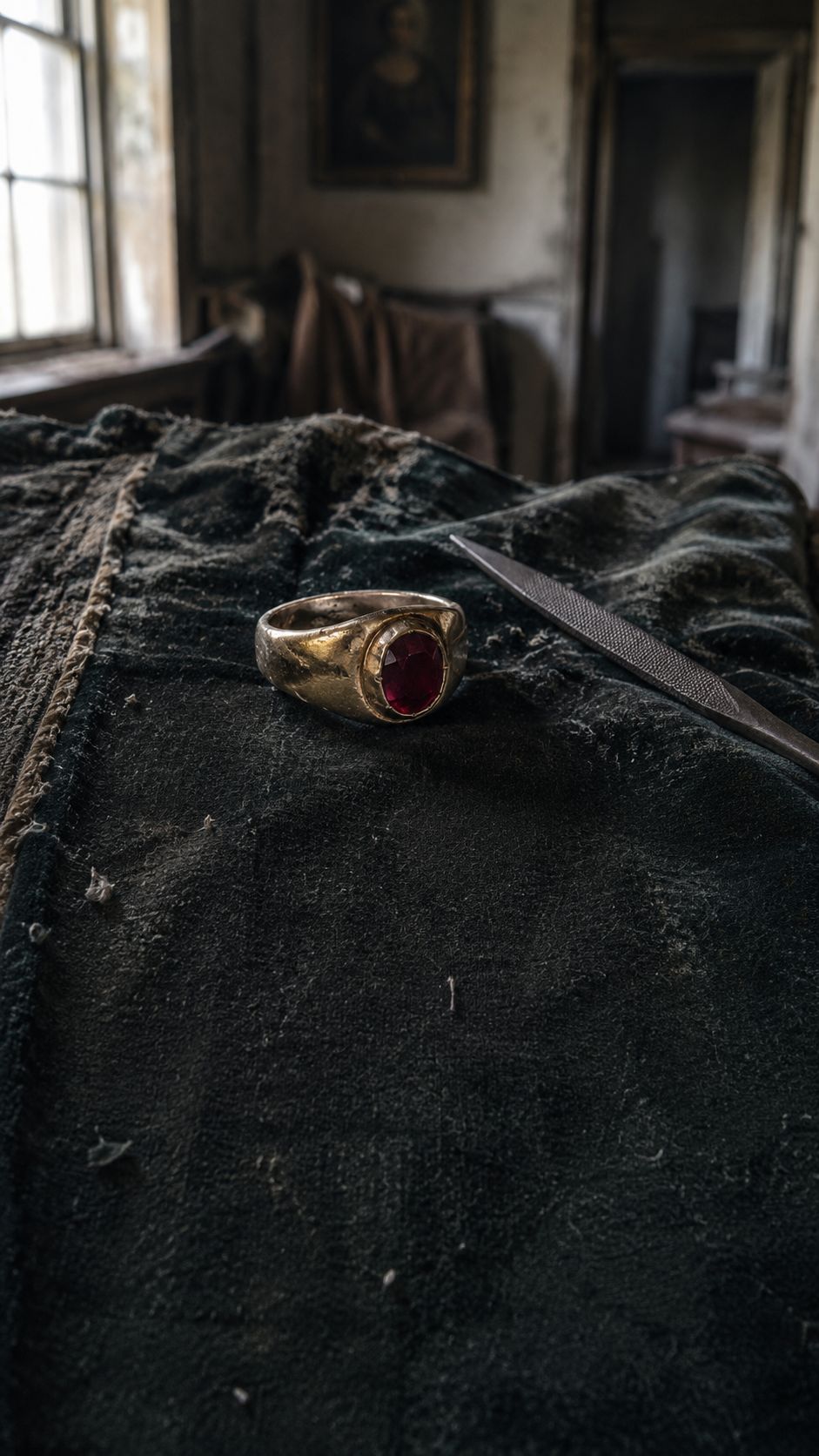 Poisoned in the Tower Over a Marriage
Imprisoned on a diplomatic post designed to fail, he died slowly of a poison that took months to finish the job.
Tower of London, London, United Kingdom · 1613 · same site
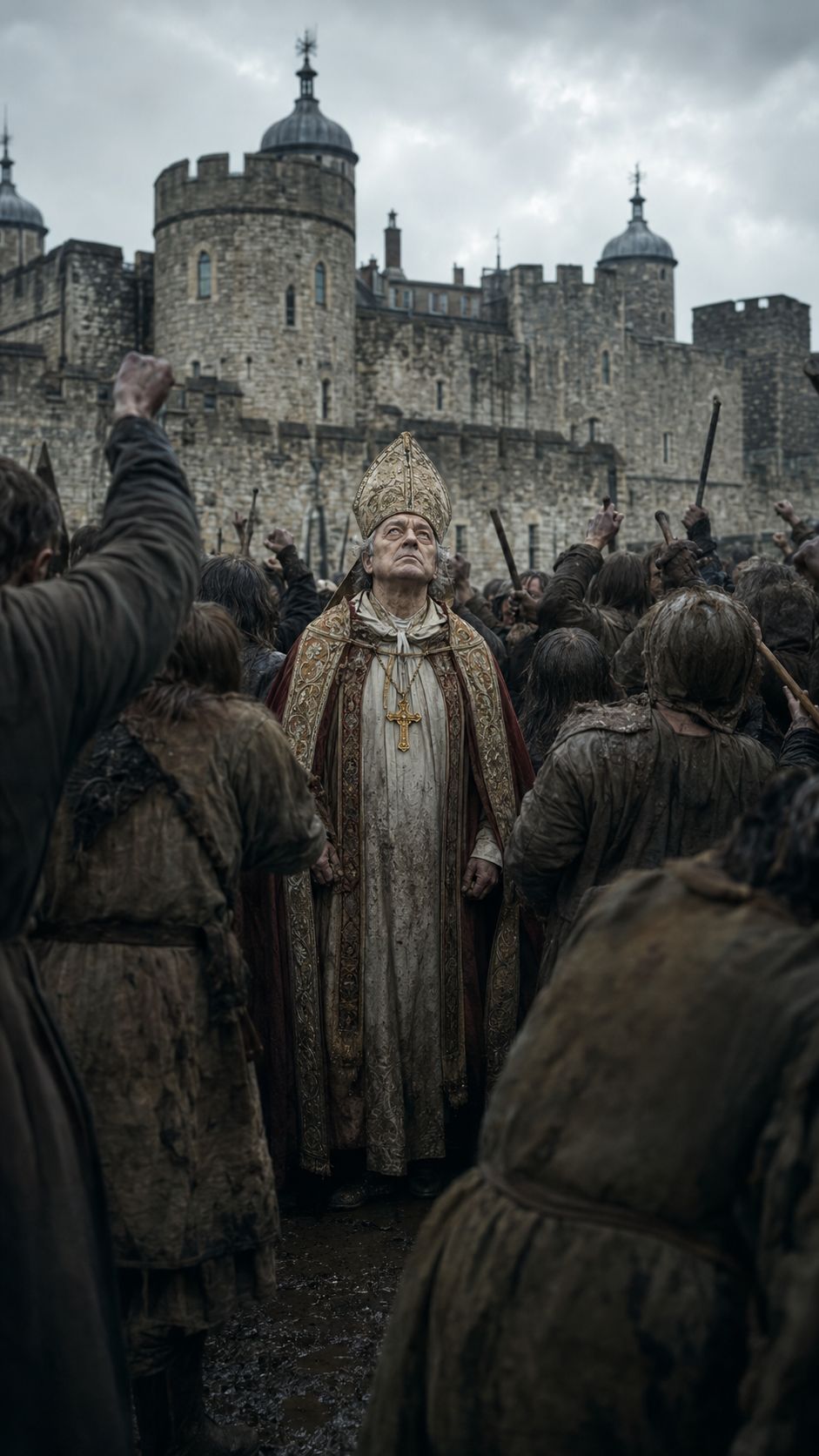 The Archbishop's Head That Still Survives
A raging mob hacked the Archbishop of Canterbury to death, and his mummified head still sits in a Suffolk church today.
London, United Kingdom · 1381 · same site
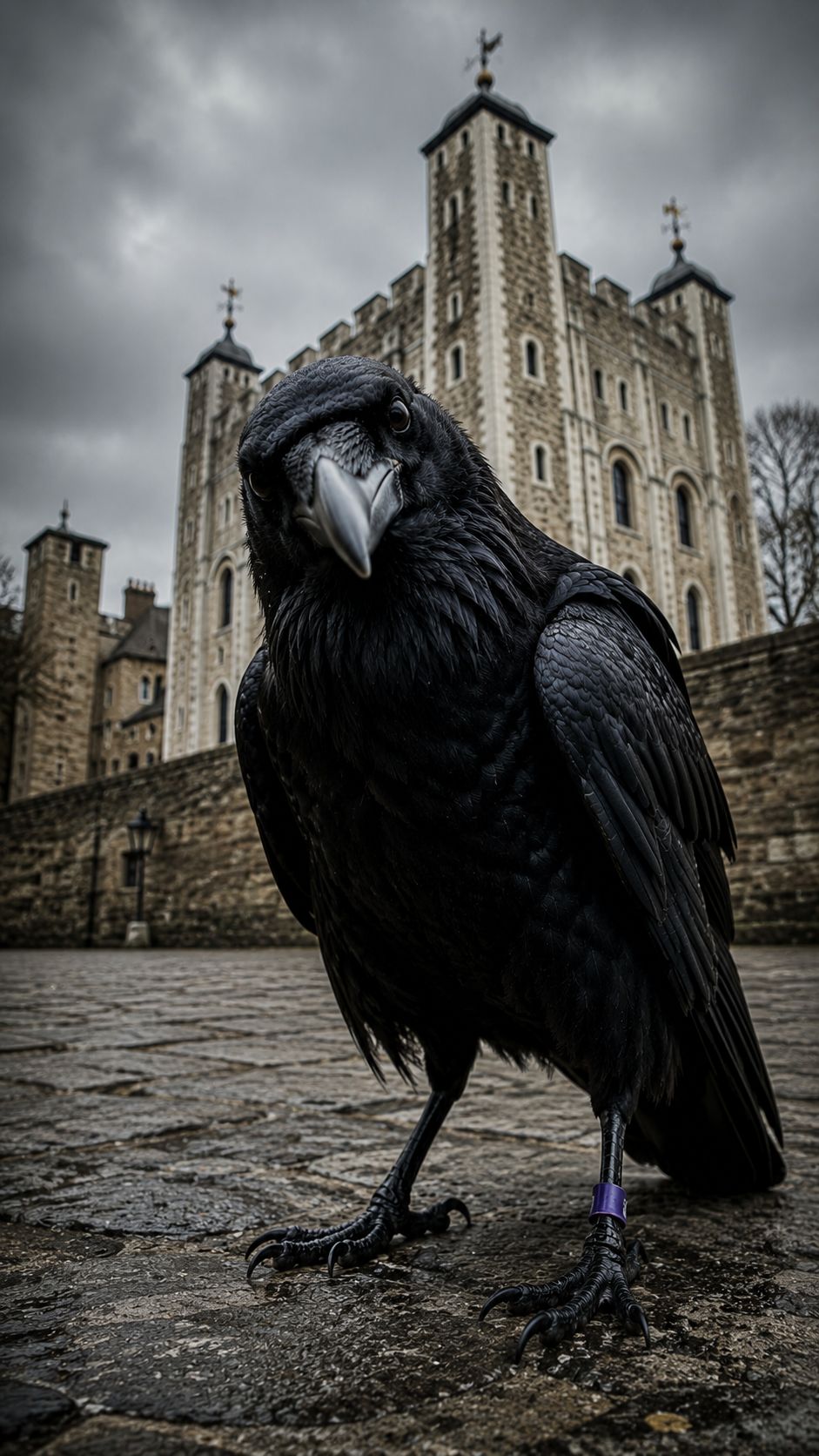 The Birds Whose Wings Are Clipped Forever
Legend says England falls the day these birds leave the Tower, so their flight feathers are trimmed to make sure they never can.
Tower of London, London, United Kingdom · 1600 · same site