
For centuries, Paris buried its dead in one central cemetery. The Cimetière des Saints‑Innocents, in the heart of the city, received its first burials in the Middle Ages. It was still receiving them in 1780.
By the end, the ground level of the cemetery was about two and a half metres — roughly eight feet — higher than the surrounding streets. Generations of bodies had physically raised the earth above the city around it.
Mass graves were dug down to astonishing depths, with some shafts reported up to 20 metres deep and holding well over a thousand bodies at a time. They were left open until they were full — a process that could take months. In hot weather, the stench was so bad that perfume shops on the surrounding streets struggled to do business at all.
The Horror
In the spring of 1780, after weeks of heavy rain, a cellar wall on the Rue de la Lingerie finally gave way under the pressure of the saturated cemetery soil next door. Human remains from Saints‑Innocents spilled into the basement of a neighbouring property — often described as a restaurant or food seller.
Inspectors sent to investigate found that gases from decomposing corpses had already burst through cellar walls in several houses bordering the graveyard. Residents were suffering from vomiting, respiratory problems, and delirium. For years, they had been breathing their neighbours’ remains.
The Church fought to keep the cemetery open. Burial fees were a major source of income. Louis XV ordered it closed; nothing changed. Louis XVI repeated the order; the Church resisted again. It took corpses physically pouring into a cellar to end centuries of burials in the city centre.
In December 1785, workers began exhuming the dead and transferring them to the abandoned limestone quarries beneath the Left Bank. The bones were moved at night, in carts draped with black cloth, accompanied by priests chanting the Office of the Dead. Paris went on sleeping while its past was quietly loaded up and taken underground.
The process lasted years. Eventually, remains from more than thirty different cemeteries were brought into the tunnels. Today, an estimated six to seven million people lie in the catacombs beneath Paris. Some of the oldest bones date back over a thousand years. Victims and makers of the Revolution — Robespierre, Marat, and countless others — almost certainly ended up down there as anonymous piles of bone. Nobody knows exactly where.
In 1810, an inspector named Louis‑Étienne Héricart de Thury decided to turn the chaotic bone piles into an ordered monument. He had skulls and femurs stacked into neat, repeating walls, arches, and patterns, with occasional arrangements of tibias in crosses or circles. He transformed an underground dump into something between an ossuary and an art installation. Before long, it was being shown to select visitors. Eventually, it became a tourist site.
The Modern Relic
The entrance to the Paris Catacombs is at 1 Avenue du Colonel Henri Rol‑Tanguy, near Denfert‑Rochereau. You walk down 131 steps, pass through a long, narrow stone corridor, and suddenly find yourself facing walls made entirely of human bone. The sign above the gateway reads: “Arrête ! C’est ici l’empire de la Mort” — “Stop! This is the empire of the Dead.” Six million people surround you, stacked in patterns that make the walls look solid until you look closely and recognise eye sockets.
Above ground, the cemetery that caused the crisis — the one that rose eight feet above the streets and broke through a cellar wall — is gone. The site of Saints‑Innocents is now Place Joachim‑du‑Bellay, a public square with a Renaissance fountain. Office workers and tourists eat lunch there. Children run around the basin. The ground level has been lowered back to match the surrounding streets. The bodies that raised it are six storeys below, lining the tunnels in careful rows. Paris understood the arrangement: the dead were moved out of sight, not out of mind.
Nearby on the Dark Atlas
- The Assassin Torn Apart With Molten Lead
A student's failed attempt on the King's life ended with red-hot pincers and molten lead poured into his open wounds.
Paris, France · 1594 · same site
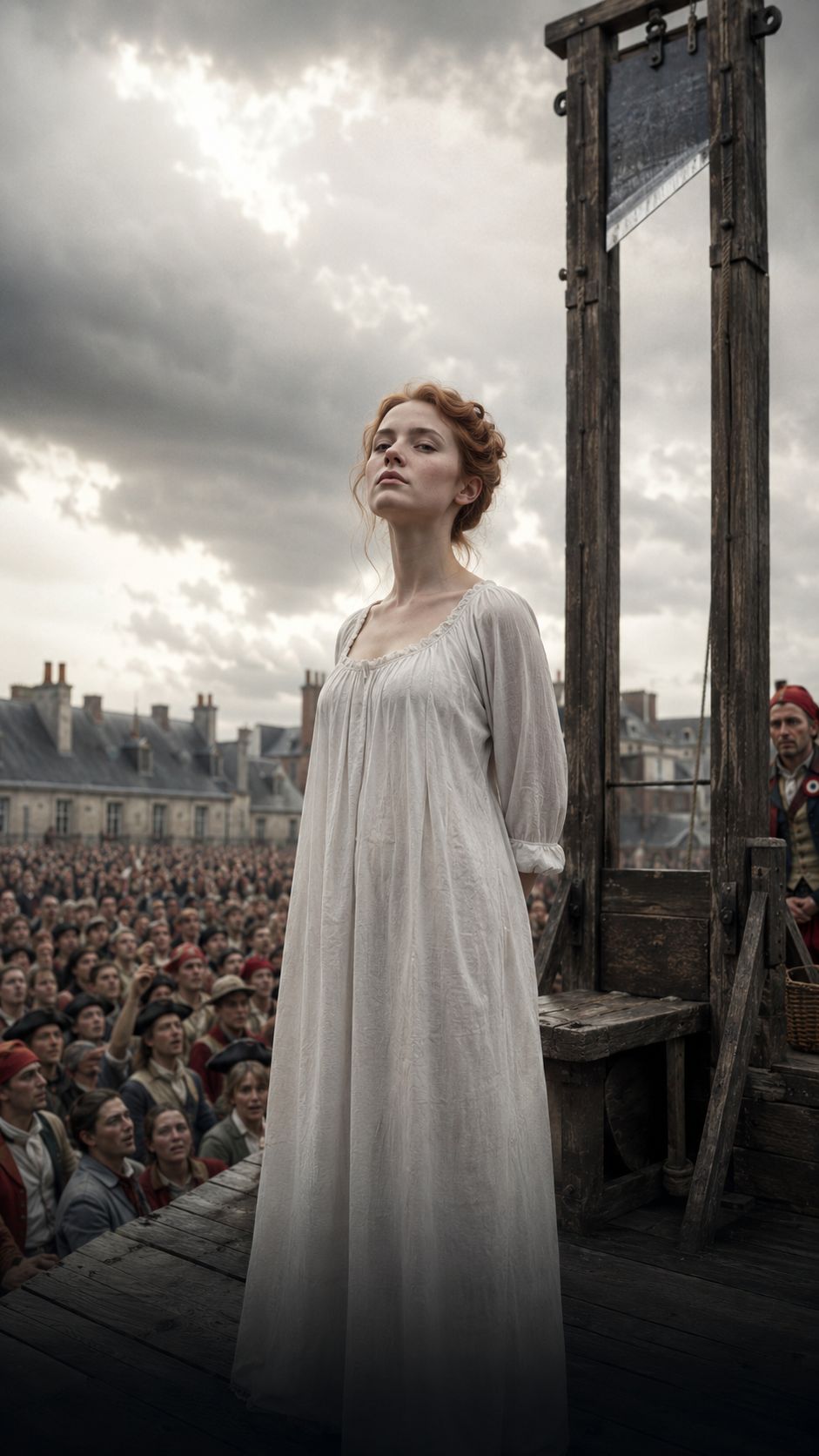 The Assassin Whose Severed Head Blushed
She murdered a revolutionary leader in his bath to save France, and witnesses swore her severed head reddened afterward.
Paris, France · 1793 · same site
 The Book That Outlived Its Author's Pyre
A woman was burned for writing that the soul could reach God without the Church, but her banned book kept circulating in secret for centuries.
Paris, France · 1310 · same site
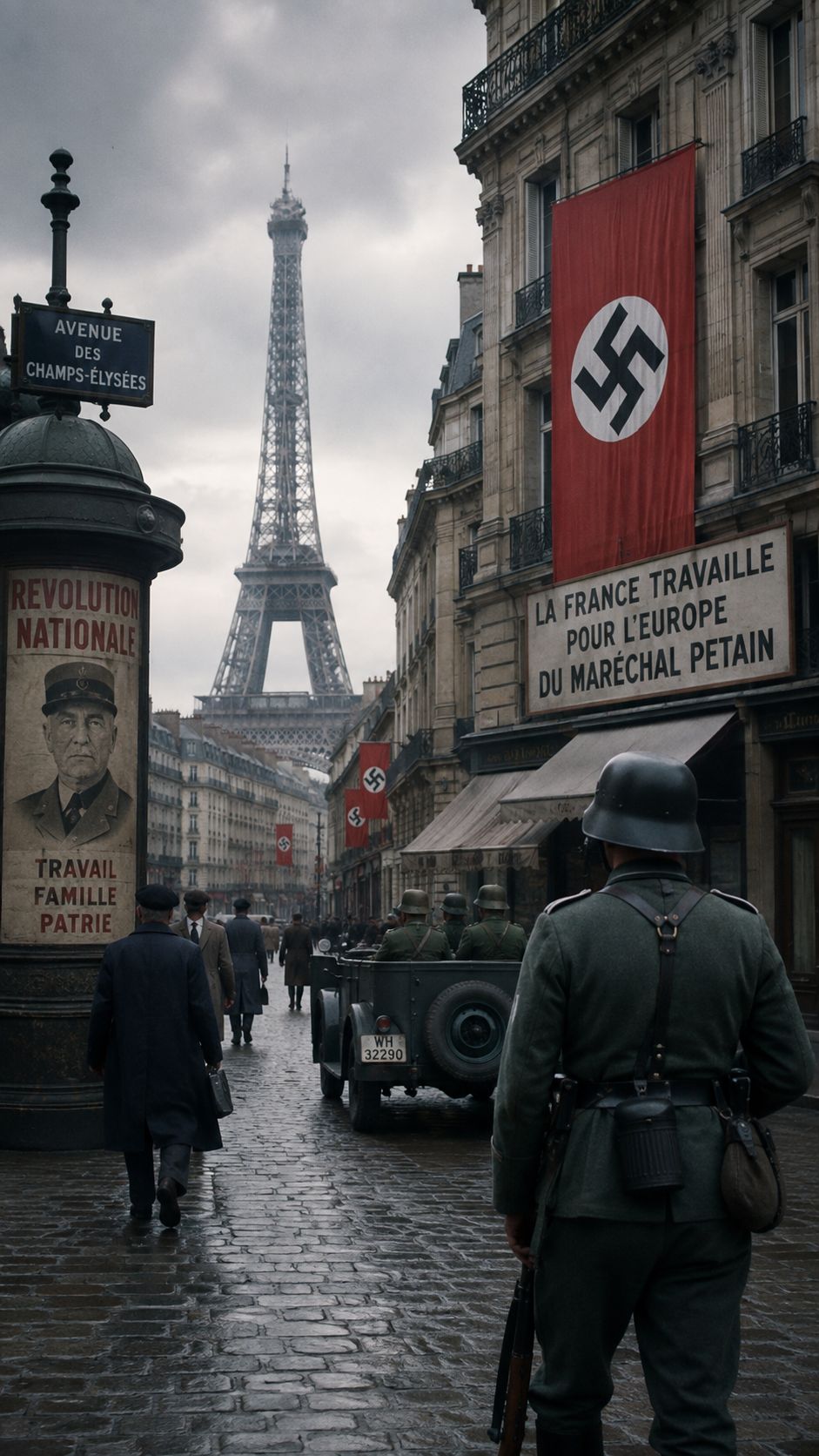 The Designer Who Spied For The Nazis
While Paris starved under occupation, the fashion icon lived at the Ritz as a documented Nazi intelligence agent.
Paris, France · 1943 · same site