
Olympe de Gouges is one of the most extraordinary and tragic figures of the French Revolution — a woman who looked at the revolutionaries’ soaring promises of freedom and equality, pointed out that they had left out every woman in France, and was sent to the guillotine for saying so. Her most famous line reads today like a chilling prophecy of her own death.
She was born Marie Gouze in 1748, the daughter of a butcher in the south of France. She was largely self-educated, and she was clever, bold, and fiercely independent from the start. At just sixteen, she was forced into a marriage she did not want, to a man she did not love. He died about a year later — and the experience left her with a lifelong hatred of marriage, which she scathingly called “the tomb of trust and love.” She resolved never to marry again, and she never did.
Instead, she moved to Paris, reinvented herself with a new name — Olympe de Gouges — and became a writer: a playwright and a pamphleteer with strong, radical opinions and the courage to publish them. She was decades ahead of her time. She wrote passionately against the slave trade, attacking it as founded on greed and prejudice at a time when few dared to — and her anti-slavery play caused such an uproar that it was suppressed.
The Horror
Then came the French Revolution in 1789, and Olympe de Gouges threw herself into it. She believed in its ideals of liberty and equality. But she quickly saw a glaring, hypocritical flaw at the heart of the whole thing.
In 1789, the revolutionaries had proclaimed their founding creed: the “Declaration of the Rights of Man and of the Citizen.” It declared that all men were born free and equal in rights. It was a magnificent, world-changing document. And Olympe de Gouges read it and asked the obvious, dangerous question: what about women? The Revolution spoke constantly of the universal rights of “man” — and then denied women the vote, denied them equal legal standing, denied them a political voice, and relegated them to the status of second-class citizens with no real rights at all. The Revolution’s grand promise of equality had quietly excluded half of France.
So in 1791, Olympe de Gouges did something breathtakingly bold. She wrote her own version: the “Declaration of the Rights of Woman and of the Female Citizen.” Point by point, she rewrote the men’s declaration to include women, insisting that women were born equal to men and deserved equal rights — to property, to a political voice, to speak, to vote, to participate fully in the nation. It was the first great declaration of women’s rights in history, published a year before Mary Wollstonecraft’s famous work in England.
And in it, she wrote the line that would define her, and eerily foretell her fate. She declared: “A woman has the right to mount the scaffold; she must equally have the right to mount the rostrum.” Her point was searing and logical: if the state considered a woman responsible enough to be executed for her actions — to climb the scaffold and die under the law — then it must also grant her the right to climb the speaker’s platform and be heard, to vote, to take part in the politics that could send her to that scaffold. You cannot punish someone as a citizen while denying them the rights of a citizen.
But Olympe de Gouges did not stop at women’s rights, and it was her wider politics that sealed her doom. As the Revolution descended into the Reign of Terror, she refused to stay silent. She was a moderate — she opposed the execution of King Louis XVI, arguing against the death penalty itself. She aligned herself with the moderate Girondin faction. And, most fatally of all, she openly attacked the architect of the Terror, Maximilien Robespierre, denouncing him as a tyrant and a despot. In the paranoid, blood-soaked climate of 1793, to be a woman who dared to publish political opinions, defend the king, and accuse Robespierre of despotism was a death sentence many times over.
In July 1793, she was arrested. She was charged with sedition, imprisoned, and — even from her cell — continued to write and smuggle out pamphlets denouncing the Terror. She was brought before the Revolutionary Tribunal, denied a lawyer to defend her, and, in a trial that was a mere formality, condemned to death. The men of the Revolution branded her a counter-revolutionary — and, revealingly, denounced her as an “unnatural” woman, a woman who had abandoned the proper, silent, domestic role of her sex to meddle in the affairs of men. Her real crime, in the end, was refusing to stay in her place.
THE MODERN RELIC On the 3rd of November 1793, Olympe de Gouges was taken to the Place de la Révolution — the same square where Marie Antoinette had died weeks before, and where her friend Madame Roland would die days later — to be guillotined. She was forty-five years old. And she went to her death with the same courage she had shown all her life. As she mounted the scaffold — the very scaffold she had written about two years earlier, making her own words come horribly true — she is said to have turned to the watching crowd and cried out her defiant last words: “Children of the Fatherland, you will avenge my death!”
Then the blade fell. The woman who had demanded that France live up to its own promise of equality was killed by the Revolution that had made that promise. She became one of the only women executed during the entire Revolution purely for her political writings — killed, in essence, for the crime of insisting that women were human beings equal to men.
And history did avenge her, in its way, and proved her right. Just eight months after Olympe de Gouges climbed the scaffold, Maximilien Robespierre — the tyrant she had denounced — was himself dragged to the very same guillotine, and the Terror ended. And her great idea, the one they killed her for, did not die. The vision she published in 1791 — that women are the equals of men and deserve equal rights and an equal voice — would take more than a century to begin to come true, but it did come true, and Olympe de Gouges is now honoured as one of the founding mothers of feminism, the woman who told the French Revolution the truth it didn’t want to hear.
The relics are her words and her belated glory. Her “Declaration of the Rights of Woman” survives and is studied around the world as a landmark document in the history of human rights. The Place de la Révolution where she died is today the Place de la Concorde in the heart of Paris. And in 2016, more than two centuries after the Revolution silenced her, France honoured Olympe de Gouges with a plaque in the Panthéon — the great monument in Paris where the nation enshrines its heroes — finally giving the butcher’s daughter who dared to demand equality her rightful place among the immortals of France. “A woman has the right to mount the scaffold,” she wrote — and having proven it with her own life, she won, at last, the right to mount the rostrum too.
Nearby on the Dark Atlas
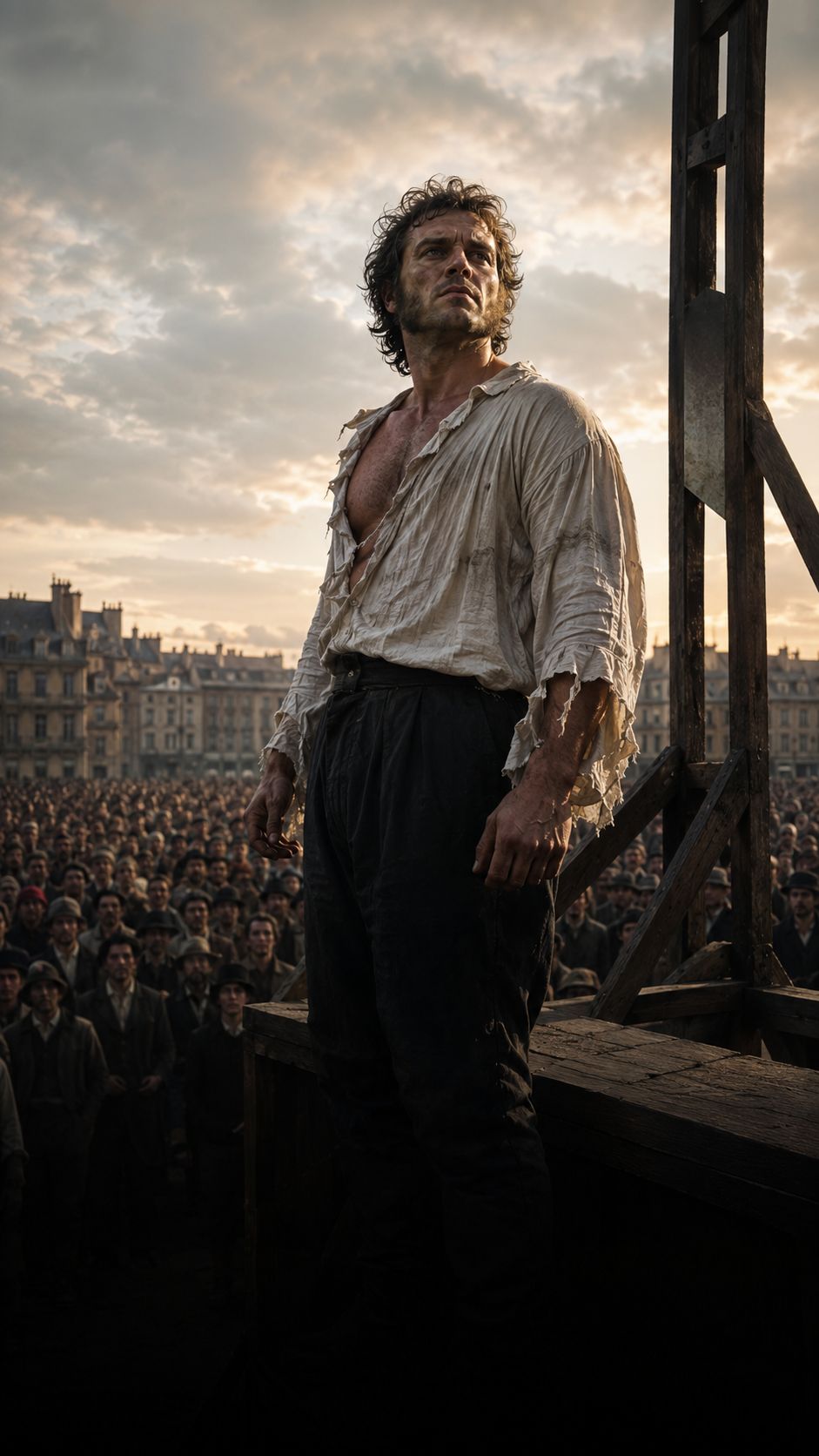 Betrayed By The Friend Who Stood At Their Wedding
The revolutionary firebrand and his devoted wife were destroyed by the very friend who once witnessed their marriage.
Place de la Révolution, Paris, France · 1794 · same site
 Devoured By The Revolutionary Machine He Built
He helped build the tribunal that sent thousands to the guillotine, and then it turned on him too.
Place de la Révolution, Paris, France · 1794 · same site
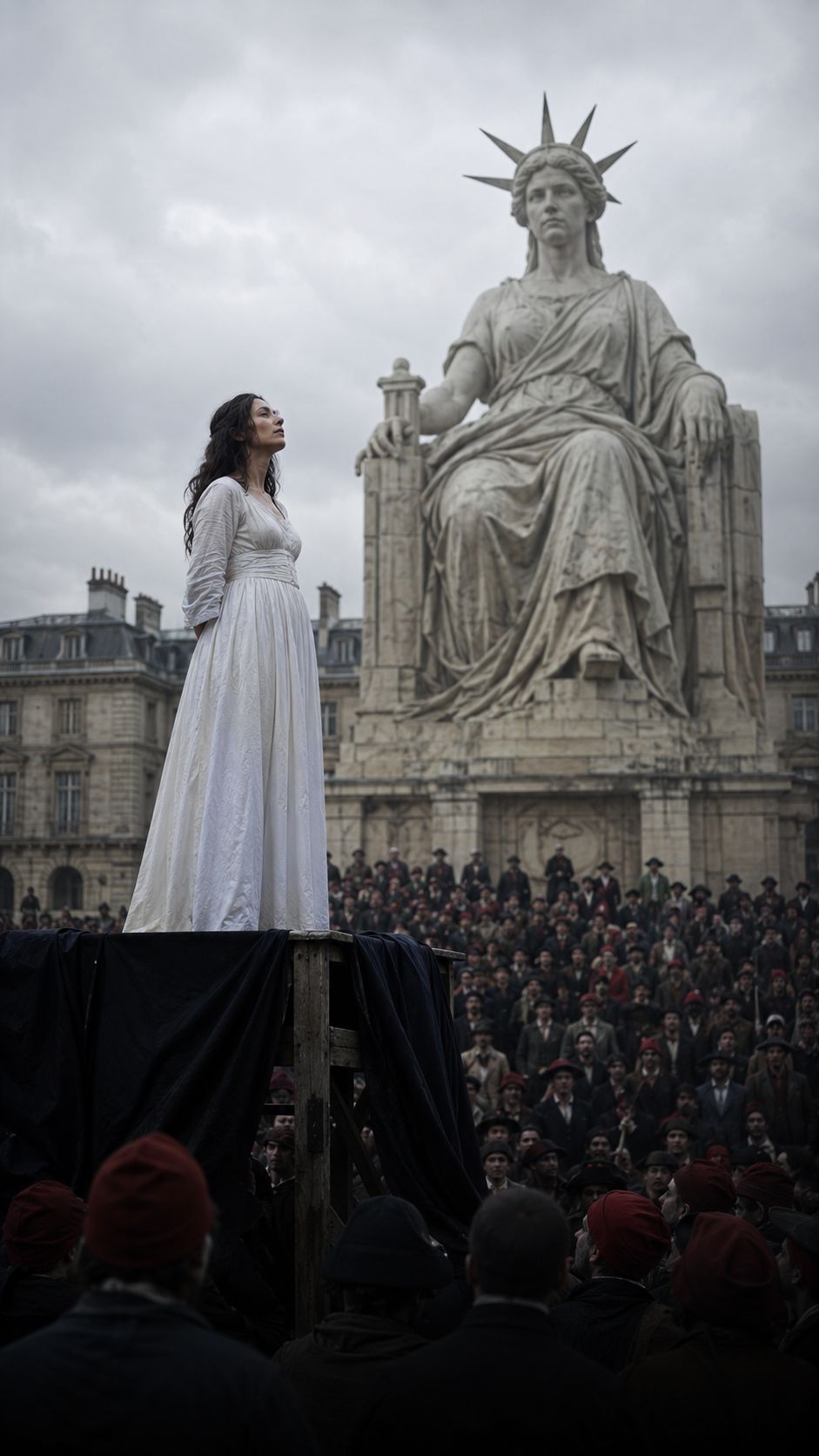 She Faced The Statue Of Liberty Before The Blade Fell
Destroyed by the revolution she helped build, she turned to a statue of Liberty for her final, famous words.
Place de la Révolution, Paris, France · 1793 · same site
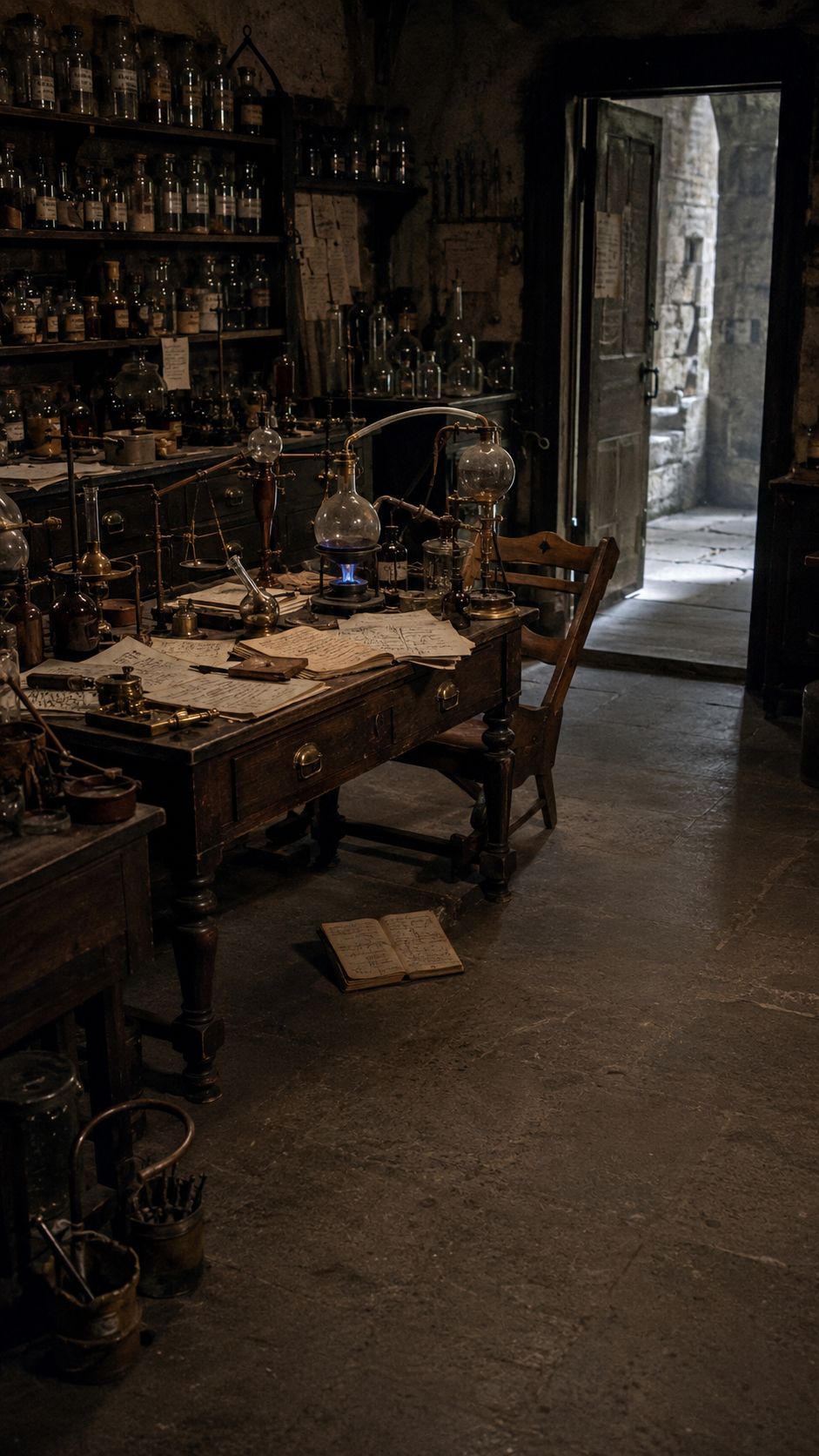 The Chemist The Revolution Had No Time For
The man who discovered oxygen was guillotined not for his science, but for a tax company he once belonged to.
Paris, France · 1794 · same site