
Madame Roland was one of the most brilliant and influential women of the French Revolution — and her death on the guillotine in 1793 is one of its most haunting, because she was destroyed by the very revolution she had helped to build, and met her end with a grace and a final line that have never been forgotten.
She was born Marie-Jeanne Phlipon in Paris in 1754, the daughter of a humble engraver. She was no aristocrat — she was a commoner, but a phenomenally gifted one. A voracious reader from childhood, she devoured the works of the great Enlightenment philosophers, especially Rousseau, and grew into one of the sharpest political minds of her age. She married Jean-Marie Roland, a government official, and became far more than his wife: she was his intellectual partner, ghost-writing his speeches and official letters, shaping his ideas, and driving his career.
The Horror
When the French Revolution erupted in 1789, the Rolands threw themselves into it with passion. They believed, utterly, in its founding ideals — liberty, equality, an end to the tyranny of absolute monarchy. And Madame Roland became the beating intellectual heart of the movement. Her Paris salon became the gathering place for the leaders of the Girondins, the moderate republican faction — the men who wanted to end the monarchy but build a stable, lawful, democratic republic in its place. Everyone who mattered passed through her drawing room. In the early days, even the radicals Maximilien Robespierre and Georges Danton were part of her circle. She was, in all but name, one of the most powerful political figures in France — a woman shaping the destiny of a nation at a time when women were supposed to have no public voice at all. Her husband even served as Minister of the Interior, with Madame Roland effectively at his right hand.
But the Revolution she loved was beginning to turn dark. As it grew more extreme and more violent, the moderate Girondins found themselves horrified by the bloodshed — appalled by the September Massacres, when mobs slaughtered prisoners in the streets, and increasingly at odds with the radical Jacobins led by Robespierre, who believed the Revolution could only be saved through terror. The two factions became locked in a struggle for the soul of France. And the Girondins lost.
In the summer of 1793, the radicals seized total control and moved to crush their moderate rivals utterly. The Girondins were purged. Madame Roland’s husband managed to flee Paris and go into hiding. But Madame Roland herself was arrested and thrown into prison, charged with treason. The charge was a fiction — there were no real grounds for it. But this was the dawn of the Reign of Terror, when the trials were a formality and the verdict was decided before they began. Her fate was sealed.
She spent months imprisoned, and used the time with extraordinary composure — writing her memoirs, a passionate defence of herself and the Girondin cause, which she smuggled out to a friend. They would survive, and be published, keeping her voice alive long after her death. And through it all, she prepared herself to die with dignity.
On the 8th of November 1793 — just weeks after Marie Antoinette had gone to the same blade — Madame Roland was taken to the Place de la Révolution to be executed. She was dressed, by her own choice, in white. And she was not alone in the tumbrel: she was led to the scaffold alongside a fellow condemned man, a printer named Lamarche, who was utterly terrified, trembling with fear at the sight of the guillotine.
And here Madame Roland performed the act that defined her. The order of execution had her going first. But seeing how frightened the poor man beside her was, she asked the executioner to change the order — to take Lamarche first — so that he would be spared the horror of watching her die and standing alone in his terror. It was against the rules, and the executioner protested. But Madame Roland, with a small, sad smile, gently talked him into it, reportedly saying, “Surely you cannot refuse a woman’s last request?” She gave up her own few remaining moments of life to spare a stranger a few moments of fear. He was executed first.
THE MODERN RELIC Then it was her turn. Overlooking the Place de la Révolution stood a colossal statue of the Goddess of Liberty — a great clay figure erected by the revolutionaries as the very symbol of everything they had fought for, everything Madame Roland herself had believed in and helped to create. The same Liberty who stands, in another form, in New York Harbor today.
As Madame Roland mounted the scaffold, she turned and looked at that statue of Liberty — the idol of the cause that was now about to kill her, in a revolution that had betrayed every ideal it was built on. And she bowed to it, and spoke the words that have become one of the most famous utterances of the entire French Revolution:
“O Liberty, what crimes are committed in thy name!”
In a single sentence, she captured the whole tragedy — the terrible truth that the noble ideal of liberty had been twisted into a justification for mass murder, that the Revolution had become a machine that devoured its own children, and that she, one of its truest believers, was about to be destroyed by it. Moments later, she was beheaded.
The tragedy did not end there. When her husband, Jean-Marie Roland, in hiding outside Paris, received the news that his beloved wife and intellectual partner had been guillotined, he could not bear to live in a world that had murdered her. He wrote a final note — “From the moment I learned that they had murdered my wife, I would no longer remain in a world stained with enemies” — and took his own life.
The relic is the place, and her own words. The Place de la Révolution, where Madame Roland bowed to Liberty and died, is today the Place de la Concorde — one of the grandest and most beautiful squares in Paris, its cobblestones walked by millions who never guess that it was once the killing ground of the Terror, where the guillotine stood and where the Revolution consumed Marie Antoinette, Madame Roland, and thousands of others. And her greatest relic is her voice: the memoirs she wrote in her prison cell, smuggled out and published, survive to this day — the testament of a brilliant woman who helped light the fire of a revolution, was burned by it, and used her last breath to name the crimes committed in the name of the freedom she had loved.
Nearby on the Dark Atlas
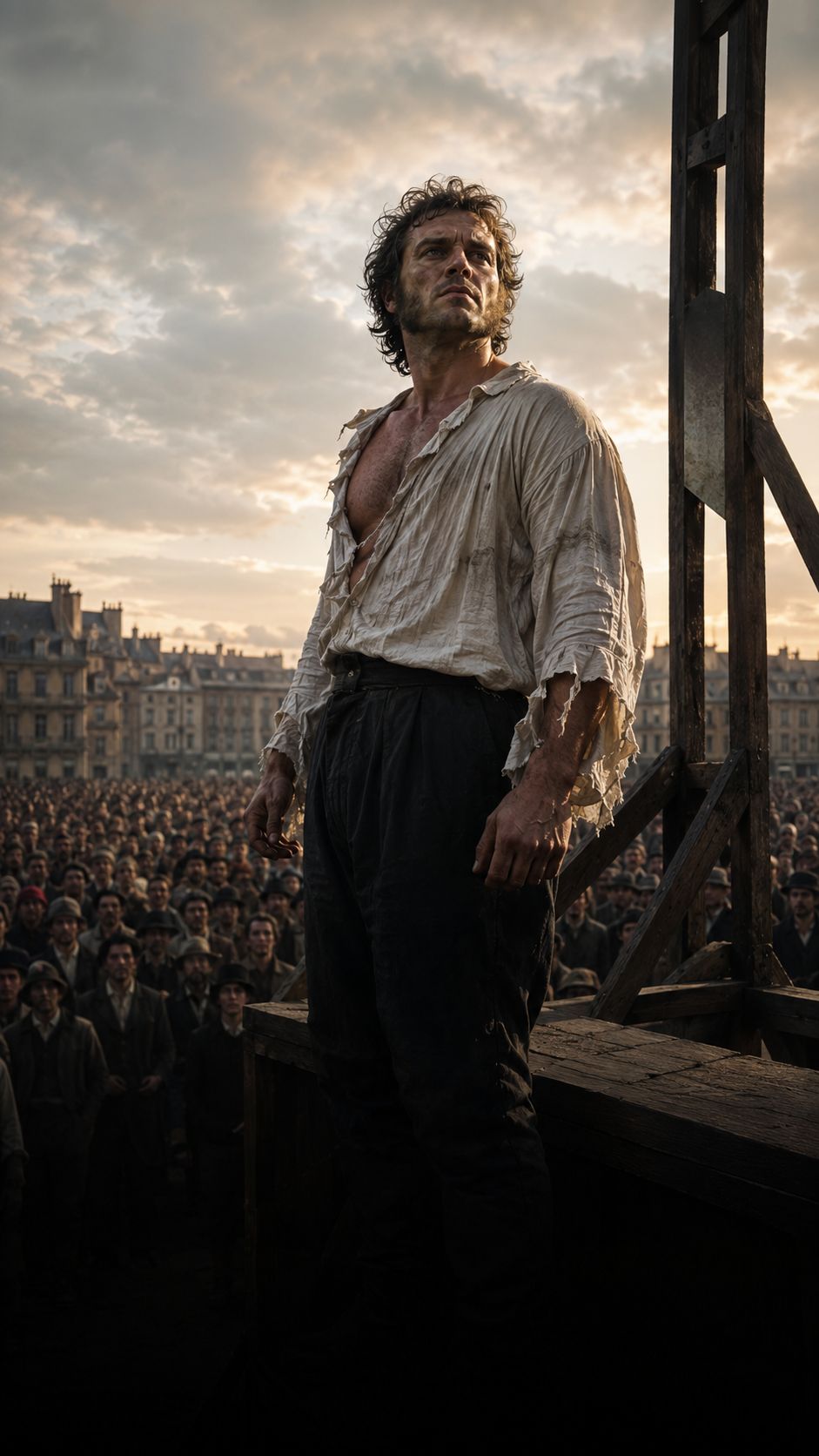 Betrayed By The Friend Who Stood At Their Wedding
The revolutionary firebrand and his devoted wife were destroyed by the very friend who once witnessed their marriage.
Place de la Révolution, Paris, France · 1794 · same site
 Devoured By The Revolutionary Machine He Built
He helped build the tribunal that sent thousands to the guillotine, and then it turned on him too.
Place de la Révolution, Paris, France · 1794 · same site
 She Wrote Women's Rights Into Existence And Was Guillotined
She demanded the Revolution include women too, and was sent to the same scaffold she had once written about.
Place de la Révolution, Paris, France · 1793 · same site
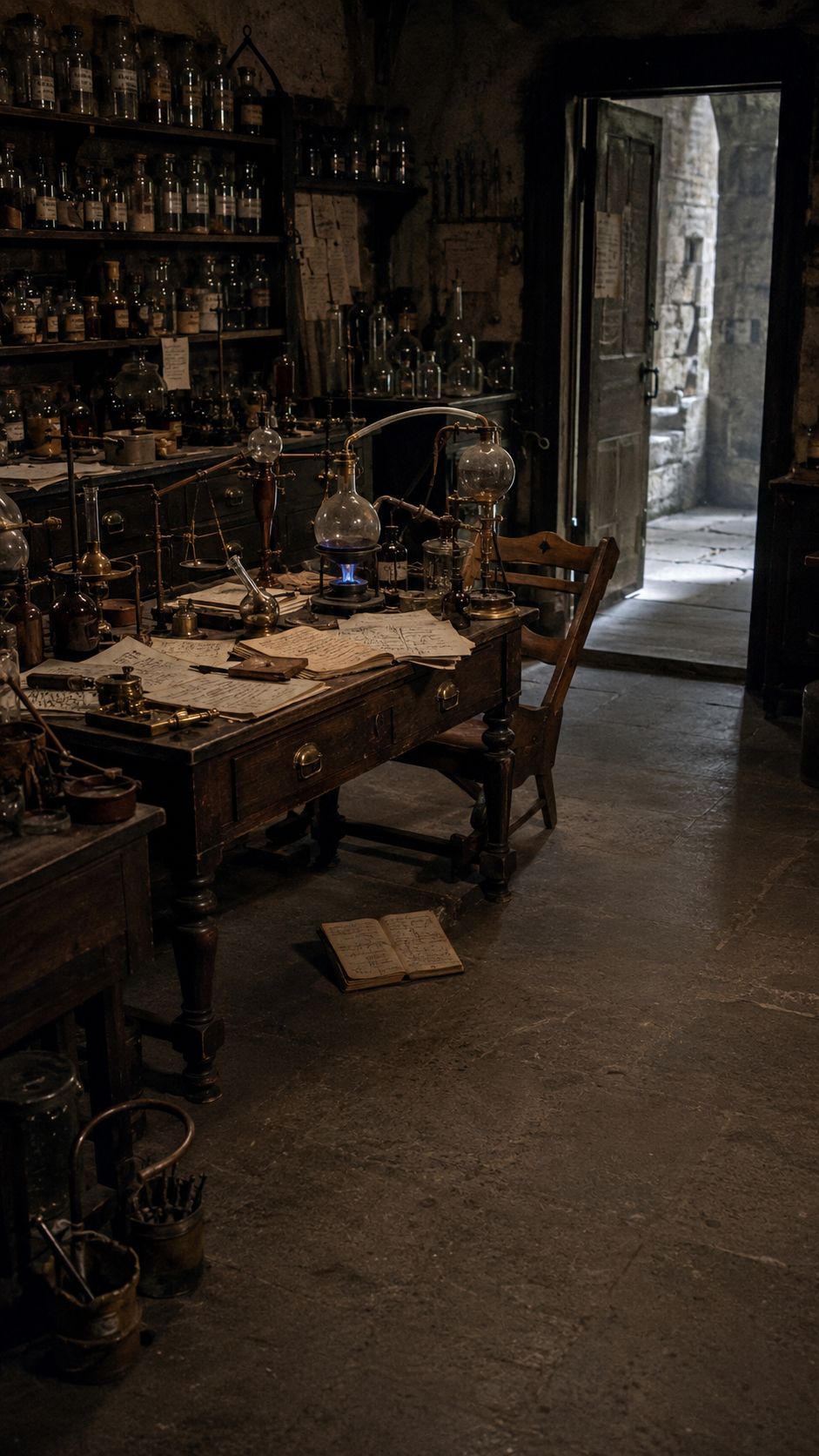 The Chemist The Revolution Had No Time For
The man who discovered oxygen was guillotined not for his science, but for a tax company he once belonged to.
Paris, France · 1794 · same site