
The case of Kate Webster is one of the most notorious and genuinely macabre murders in all of Victorian history — a crime so grisly it gripped and horrified the whole of Britain in 1879, and which then produced, more than a century later, one of the most extraordinary and unexpected epilogues of any murder case ever recorded: the discovery of the victim’s missing skull, in the garden of one of the most beloved figures in the country. It is a story of violence, cold audacity, and a mystery that took a hundred and thirty-one years to solve. But at its heart is a real woman, Julia Martha Thomas, who deserves to be remembered as more than the victim of a horror story.
To understand it, you have to go to Richmond, a genteel, respectable suburb in the south-west of London, in the early months of 1879. There lived Julia Martha Thomas, a widow in her fifties — twice widowed, in fact — a small, particular, and devoutly religious woman, a former schoolteacher living comfortably but rather alone in a modest villa on Park Road. Like many women of her situation, she employed a live-in maid to help run the household. And in January 1879, she took on a new servant: a thirty-year-old Irishwoman calling herself Kate Webster.
It was a disastrous match. Kate Webster — born Catherine Lawler in County Wexford, Ireland — was not the respectable domestic she appeared. She had a long history of theft, fraud, and drunkenness, and had already served time in prison. And the two women could not get along. Mrs Thomas, strict and disapproving, was unhappy with her maid’s heavy drinking and unreliability; Webster, resentful and desperate, chafed under her employer’s sharp manner. The tension between mistress and servant built over the weeks toward a breaking point.
The Horror
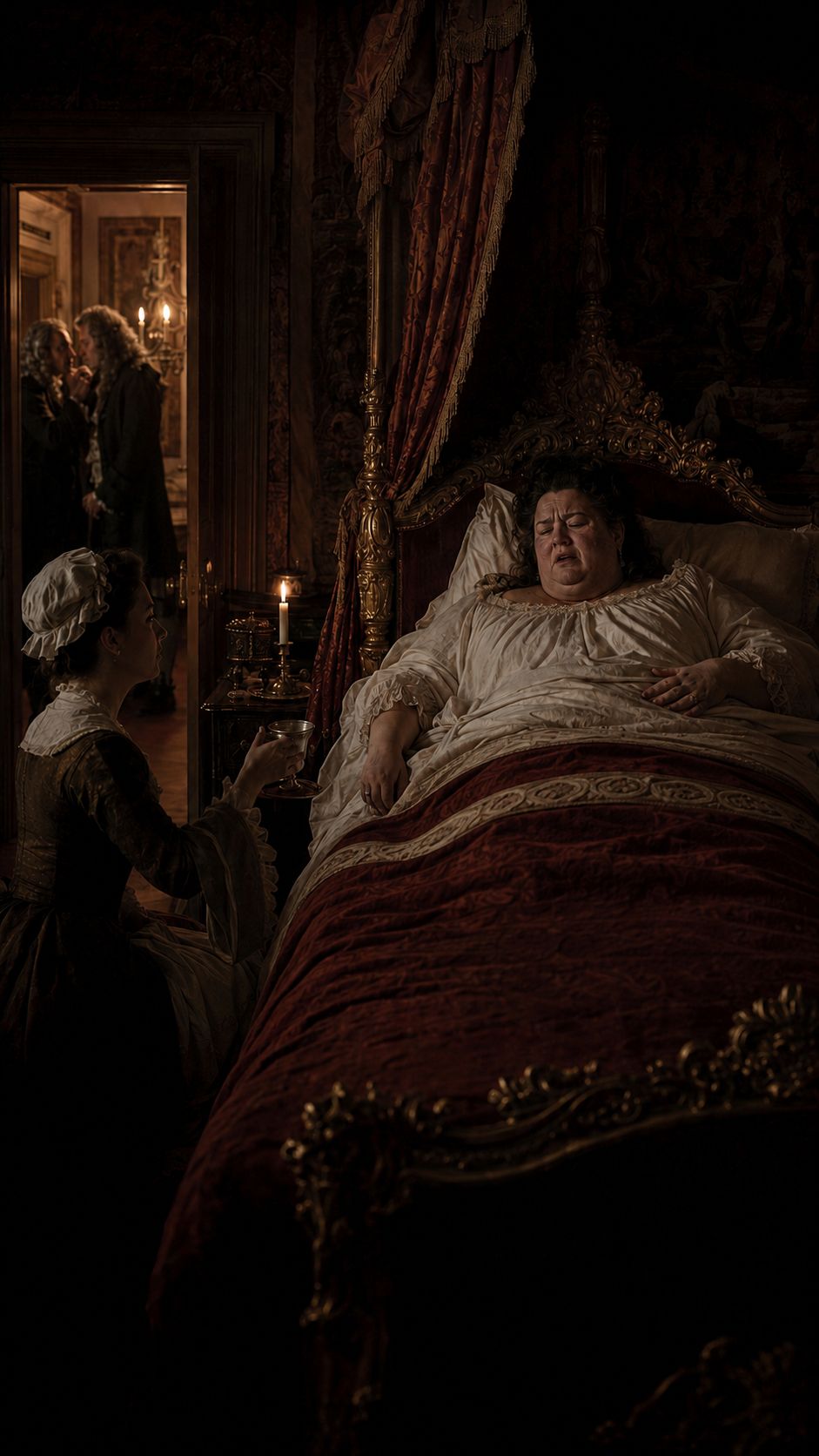
That point came on Sunday the 2nd of March 1879. Mrs Thomas had been to church that evening, and returned home in an agitated state, having, it seems, resolved to dismiss her troublesome maid. An argument erupted between the two women in the house. And in a fit of rage, Kate Webster attacked her employer — pushing the small, elderly widow down the stairs, and then throttling her to death. Julia Martha Thomas was dead.
But it was what Webster did next that turned an ordinary domestic killing into one of the most infamous crimes of the age. Faced with the body of the woman she had murdered, Webster set about disposing of it with a cold, methodical, and appalling determination. Over the following hours, in the house, she dismembered the body. And then she boiled it — placing the parts in the copper laundry boiler and on the stove, and boiling the flesh from the bones to reduce and destroy the remains. It was a horrifying, gruesome labour that she carried out over that night and the days that followed. She burned some parts, and she packed the boiled remains into a wooden box and a bag, and carried them out to dispose of them — throwing most of them into the River Thames, and leaving the box on the riverbank. And here the case acquired its single most gruesome and enduring detail: it was alleged at the time — though it was never actually proven — that Webster had offered the fat and grease rendered from the boiling to a local publican and to neighbours and children, passing it off as dripping and lard for cooking. Whether or not that grotesque story is literally true, it seized the Victorian imagination and earned Webster a place among the most horrifying killers in British history, sometimes called a “female Sweeney Todd.”
And then Kate Webster did something almost more chilling than the murder itself. She simply took over her dead employer’s life. For about two weeks, she stayed on in the house, wearing Mrs Thomas’s clothes and jewellery, and passing herself off to those who didn’t know them well as the widow herself. She began selling off her victim’s possessions and even arranged to sell the contents of the house, calmly liquidating the estate of the woman whose boiled remains she had thrown into the river. It was the sheer audacity of this that finally exposed her: when a neighbour helping to move the furniture recognised that “Mrs Thomas” was in fact the maid, and became suspicious, Webster panicked and fled — running back to her family’s home in Ireland. Meanwhile, the wooden box of boiled human remains had been found by the Thames at Barnes, and the mystery of the unidentified body parts — the “Barnes Mystery,” as the press called it — was gripping London. Investigators pieced together the truth, traced it to the house in Richmond, and pursued Webster to Ireland, where she was arrested at the end of March.
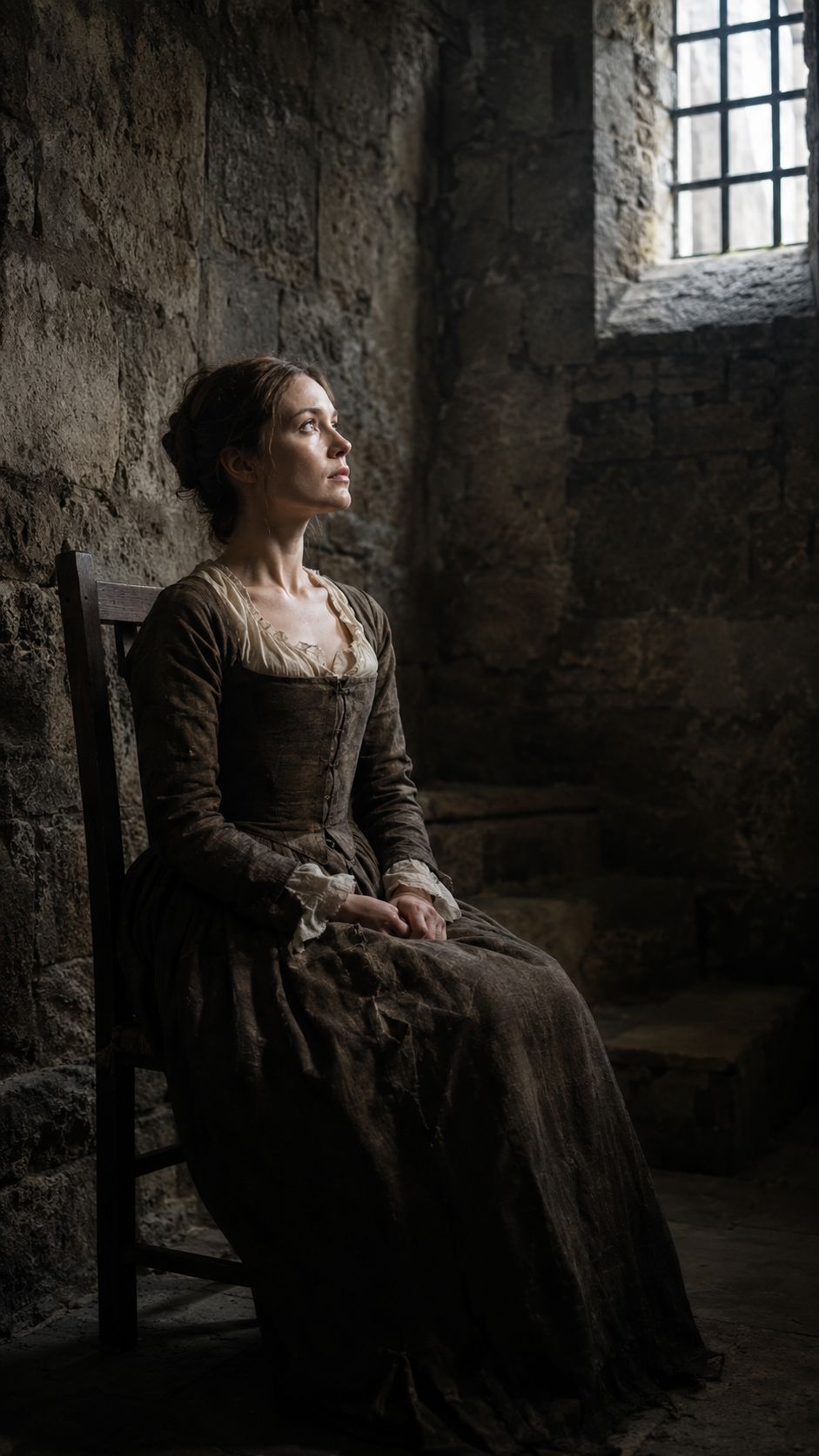
Kate Webster was brought back to London and tried at the Old Bailey in July 1879. The evidence was overwhelming. She was convicted of the murder of Julia Martha Thomas and sentenced to death. On the night before her execution, she finally confessed to the killing, taking full responsibility and clearing several innocent men she had earlier tried to implicate. And on the morning of the 29th of July 1879, Kate Webster was hanged at Wandsworth Prison by the executioner William Marwood, using his newly developed “long drop” method. Outside the prison walls, a crowd had gathered, and when the black flag was raised to signal that the sentence had been carried out, they reportedly cheered. Webster was buried in an unmarked grave within the prison grounds.
The Modern Relic
But the case was not quite closed — because one part of Julia Martha Thomas had never been found. Amid all the remains recovered from the river and elsewhere, her head, her skull, had vanished, and despite everything, it was never located in 1879. For a hundred and thirty-one years, the victim’s skull remained missing, the last unsolved fragment of the Barnes Mystery.
And then, in October 2010, came one of the most astonishing turns in the history of British true crime. On Park Road in Richmond — the very street where Julia Thomas had been murdered — stood a property that had once been a pub called the Hole in the Wall, situated just yards from the murder house. And that property was now owned by none other than Sir David Attenborough — the world-famous naturalist and broadcaster, one of the most cherished figures in Britain — who was having building works done to extend his home. On the 22nd of October 2010, workmen digging at the rear of the old pub unearthed a “dark, circular object” in the ground, resting on a layer of old Victorian tiles. It was a human skull. Forensic examination followed, and the results were remarkable: carbon dating placed the skull in the right period; it showed fractures consistent with a fall down stairs; and its collagen levels were unusually low — exactly what would be expected of a skull that had been boiled. In 2011, a coroner formally concluded that the skull was that of Julia Martha Thomas, and delivered a verdict of unlawful killing, closing the Barnes Mystery after more than a century and a third. Kate Webster had, it emerged, buried her victim’s head near that pub in 1879 — and it had lain there, undiscovered, until it surfaced in the garden of a national treasure.
The relic, then, is that skull, and the place itself. The story is bound forever now to Park Road in Richmond — where Julia Martha Thomas lived and died, and where her head lay hidden for 131 years beneath what became David Attenborough’s garden. The murder house itself stood empty and shunned for years after the crime, too notorious to let. And the case endures as one of the strangest in the annals of British crime — a Victorian sensation of boiling and dripping and impersonation, given an almost unbelievable modern coda by a chance turn of a builder’s spade. But the truest way to remember it is to remember her: not “the Barnes Mystery,” not a grisly anecdote, but Julia Martha Thomas — a lonely, devout widow who was murdered in her own home by the woman she had trusted to serve her, and whose long-lost skull finally came to light, and was laid properly to rest, more than a century after the maid who killed her was hanged for it.
Nearby on the Dark Atlas
- The King's Corpse The Dogs Got To First
Sealed in lead and left overnight, his body leaked and swelled until stray dogs found their way inside the room.
Syon House, London, United Kingdom · 1547 · 2.2 km away
 The Phantom Pregnancies Of Bloody Mary
England's first queen regnant endured two phantom pregnancies while Parliament prepared for a birth that never came.
Hampton Court, London, United Kingdom · 1555 · 6.7 km away
 The Boy King Who Ended Up in the Kitchens
Crowned king in Dublin at age ten, the pretender's rebellion collapsed at Stoke Field — and he lived out his life turning meat in the royal kitchens.
East Molesey, United Kingdom · 1487 · 7.2 km away
 The Real Queen Behind The Favourite
The film shows a campy love triangle, but the real queen buried seventeen children and ruled in constant physical agony.
London, United Kingdom · 1714 · 9.4 km away
More like this
- The Murder Dickens Turned Into Fiction
A cold, calculated murder buried a body in a Bermondsey kitchen, and became fodder for the country's most famous novelist.
Bermondsey, London, United Kingdom · 1849
- The Chair No One Is Allowed To Sit In
A murderer's cursed armchair now hangs on a museum wall, five feet off the ground, so no one can sit in it again.
Thirsk, United Kingdom · 1702
- The Poisoner Who Weaponised A Town's Sweet Shops
She poisoned an entire town's confectionery to disguise the murder of a woman she hated, killing a child she never met.
Brighton, United Kingdom · 1871
 The Rape Trial That Ended In Trial By Combat
A woman's accusation of rape led to France's last judicial duel, with her own life staked on the outcome.
Paris, France · 1386