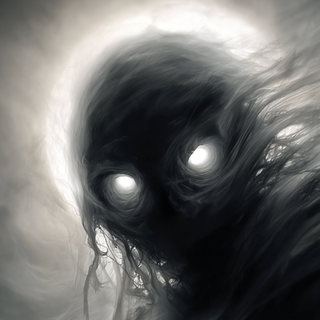
On the night of 1 May 1517 in London, over a thousand angry citizens rampaged through the city attacking the homes and workshops of immigrants — Flemish cobblers, Italian merchants, French courtiers, Spanish diplomats — and threw stones, bricks, bats, hot water, shoes and boots, and sacked the houses of foreign merchants, and the Lieutenant of the Tower of London ordered his artillery to fire on his own city to suppress it, and the Duke of Norfolk marched 1,300 soldiers through the streets, and within days hundreds were under arrest, and the prisoners brought before the court included some men, some lads, some children of thirteen years, and at least thirteen were hanged drawn and quartered for treason, and the foreigners they had attacked made up just two percent of London’s population of fifty thousand people, and Catherine of Aragon knelt before Henry VIII and begged him to pardon the rest, and he did, and the prisoners took the halters from their necks and danced and sang, and William Shakespeare later co-wrote a play about the night, and the speech he wrote for Thomas More pleading with the mob to stop has been called the greatest argument against anti-immigrant violence ever written in the English language.
Interesting Fact: The riot was ignited by a single sermon. A preacher named Dr Bell delivered an inflammatory speech on Easter Tuesday claiming foreigners were stealing English livelihoods — that they ate the bread of fatherless children and took work from honest craftsmen. Two weeks later London burned. The speech Shakespeare wrote for Thomas More in the play — believed to be in Shakespeare’s own handwriting, one of only six surviving examples of his handwriting in existence — asks the rioters to imagine themselves as refugees in a foreign country, dependent on the mercy of strangers. The manuscript page containing the speech is held in the British Library. The foreigners attacked on Evil May Day made up two percent of London’s population. The resentment that ignited the riot had been building for years over a handful of wealthy merchants with royal connections. The cobblers and wool-carders who fled their burning homes that night had nothing to do with any of it.
Nearby on the Dark Atlas
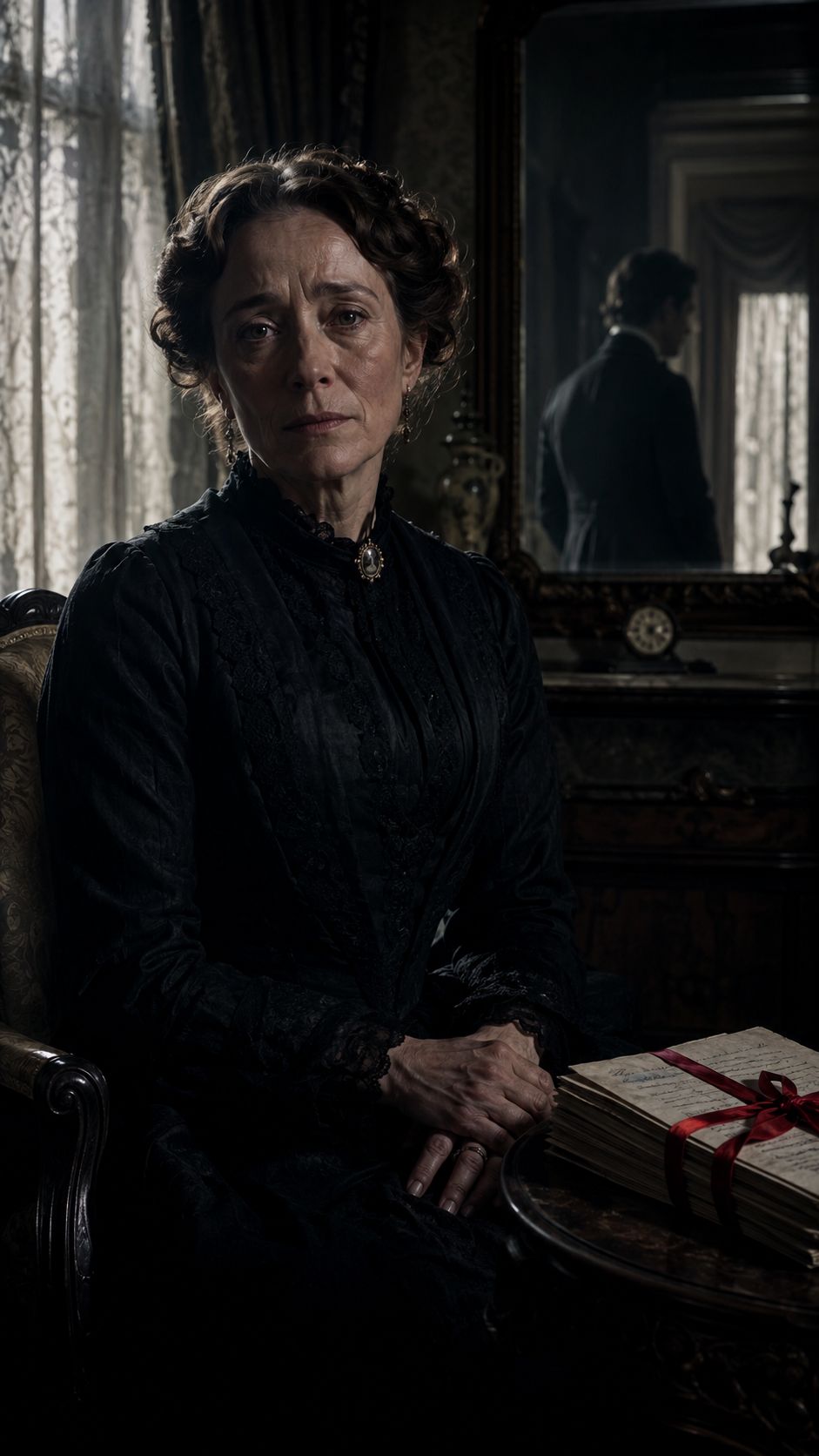 The Asylum Dickens Wanted For His Wife
The beloved author of A Christmas Carol tried to have his sane wife declared mad to be rid of her.
London, United Kingdom · 1858 · same site
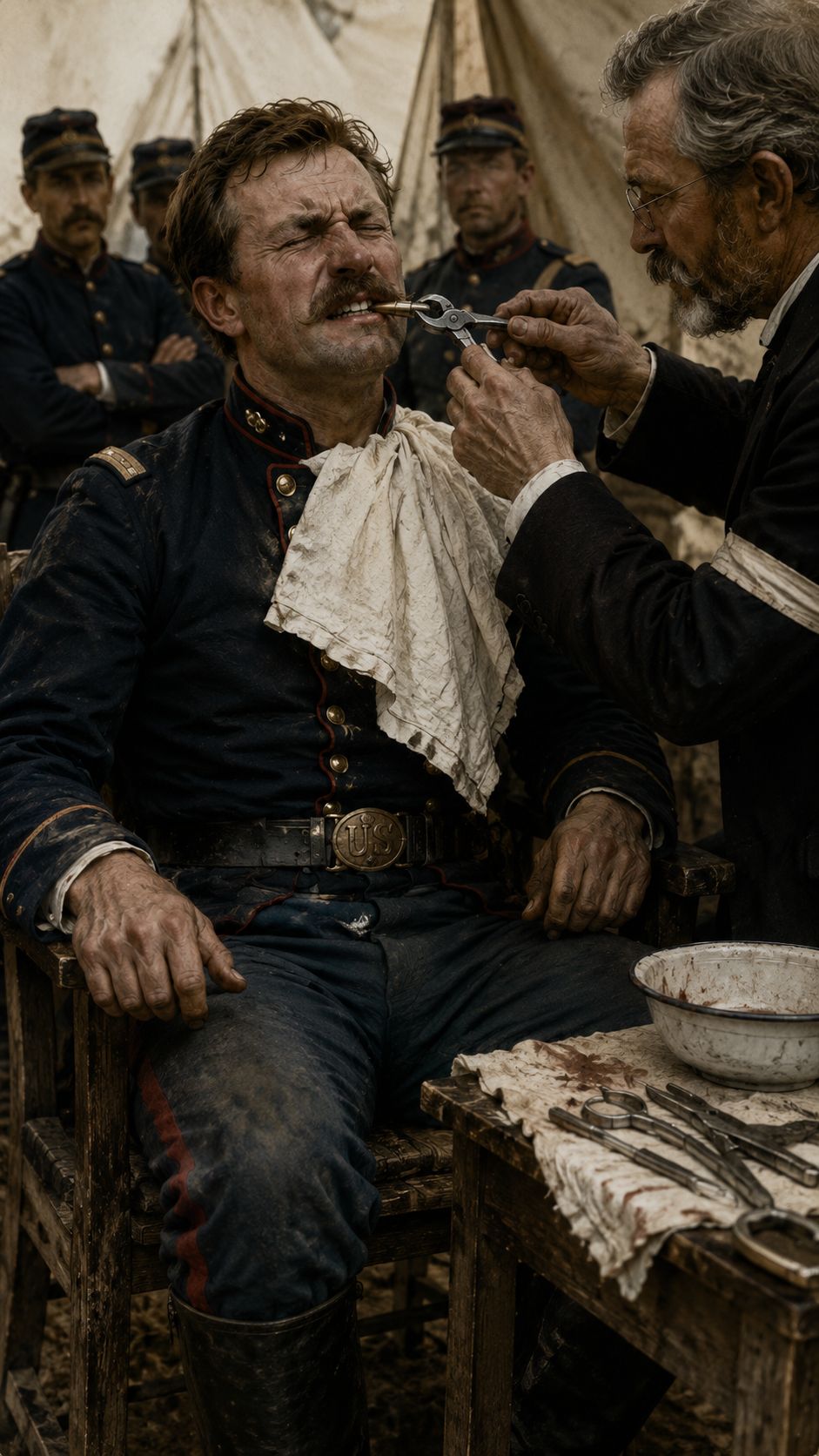 The Battlefield Origin Of Biting The Bullet
Before anaesthesia, wounded men bit down on lead to endure the surgeon's knife, or so the grim legend says.
London, United Kingdom · 1891 · same site
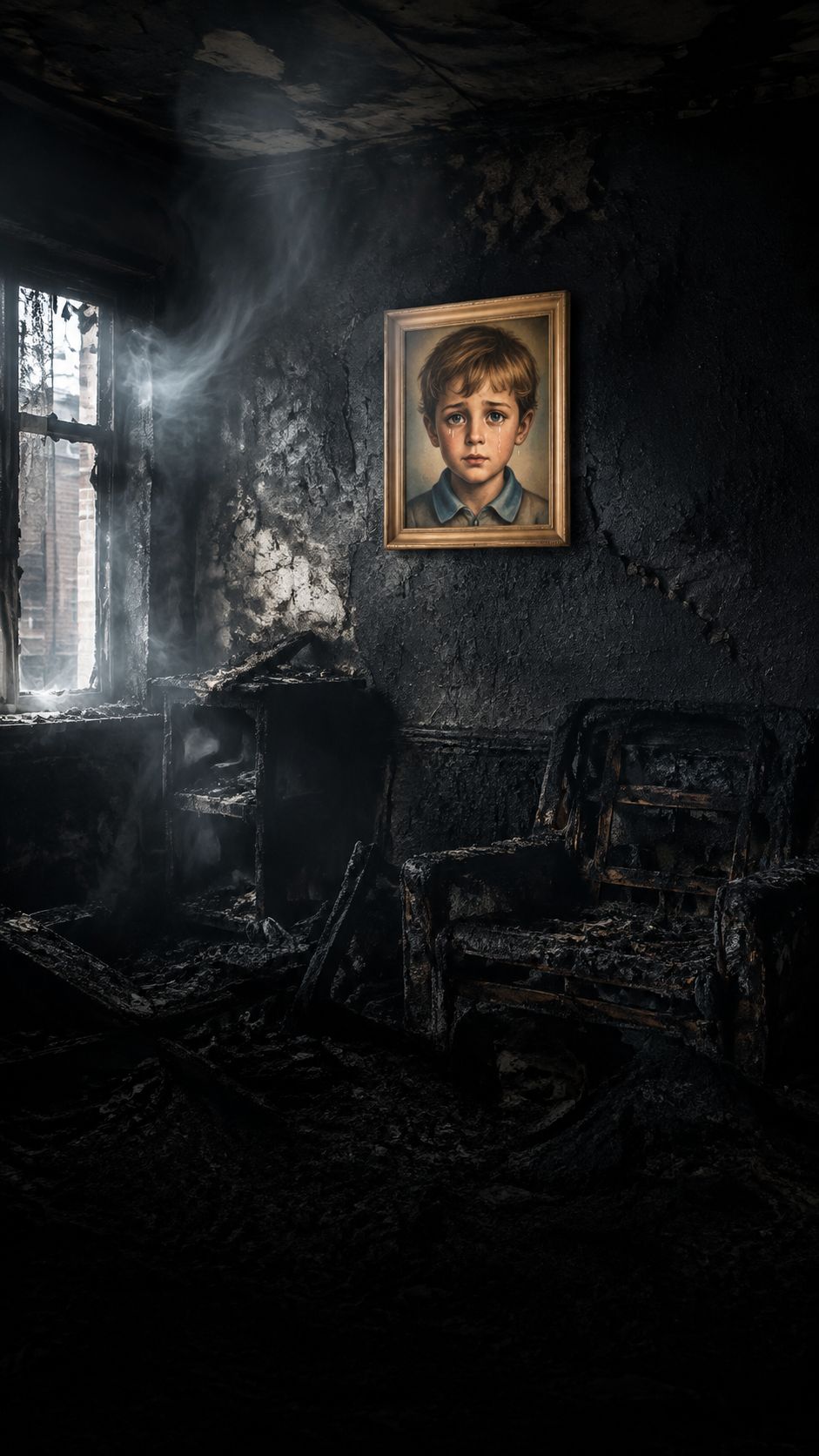 The Cursed Painting That Survived House Fires
A cheap mass-produced print sparked a nationwide panic that it caused fires, and always survived the ashes untouched.
London, United Kingdom · 1985 · same site
- The Disease That Killed By Nightfall
Tudor England lived in terror of a plague so fast it could kill a healthy person before sundown.
London, United Kingdom · 1485 · same site