The Last Samurai is a beloved film — the sweeping story of a disillusioned American soldier who is captured by samurai, learns their ancient code of honour, and joins their doomed but noble rebellion against a modernising Japan. It is a stirring tale. And the real history it is based on is far darker, far sadder, and — stripped of its Hollywood hero — infinitely more tragic. Because the real last samurai was not an American. There was no Tom Cruise. There was a Japanese man named Saigō Takamori, and his story is one of the most poignant in all of Japanese history: a great hero who helped create a new Japan, and was then destroyed by the very world he had built.
To understand him, you have to understand the earthquake that Japan was living through. For more than two and a half centuries, Japan had been a closed, feudal society ruled by the shōgun, with the samurai — the warrior class — at its heart, living by the ancient code of bushidō. But in the 1860s, that entire world was overthrown. In a sweeping change known as the Meiji Restoration, the power of the shōgun was abolished, the young Emperor Meiji was restored to the centre of power, and Japan set out to transform itself, with breathtaking speed, into a modern industrial nation on the Western model. And one of the towering heroes of that revolution — one of its greatest leaders, celebrated as one of the “Three Great Nobles” who made the new Japan — was Saigō Takamori. He was a giant of a man, revered for his courage, his honour, and his adherence to the samurai ideal. He had helped bring down the old order and build the new imperial government. But there was a terrible contradiction at the heart of what Saigō had helped create. The new, modern Japan had no place for the samurai. In its drive to modernise, the Meiji government systematically stripped the warrior class of everything that defined them: their government stipends, their special status, their right to carry their swords in public — the very soul of a samurai. The proud warriors who had ruled Japan for centuries were being made obsolete, cast aside, reduced to nothing, by the modern state. And Saigō Takamori — himself the very embodiment of the samurai ideal — found himself caught between the two worlds. He had resigned from the government in 1873 over other disagreements and returned home to Satsuma, in the south, where he became the reluctant figurehead of thousands of embittered, disenfranchised samurai who looked to him as their leader and their last hope.
The Horror
In 1877, that discontent exploded into open war: the Satsuma Rebellion. Saigō, reluctantly, took command of the rebel samurai in a rising against the very government he had helped to found — a last, doomed stand by the old warrior world against the modern age. And it was doomed. Because the Meiji government now fielded exactly the thing that made the samurai obsolete: a modern conscript army, made up of ordinary peasants, but armed with rifles, artillery, and Gatling guns, and vastly larger than anything the samurai could muster. The rebellion, after early successes, was ground down relentlessly. Saigō’s army was defeated in battle after battle, pushed ever southward, dwindling as it went, until at last the survivors retreated all the way back to Saigō’s own birthplace, the city of Kagoshima, and took up a final position on a hill overlooking it: Shiroyama, the “Castle Mountain.”
And there, on the 24th of September 1877, the last of the samurai made their last stand. By that final morning, Saigō Takamori had only around five hundred men left — many with no ammunition remaining, reduced to fighting with their swords, the ancient weapon of their class. Surrounding them were some thirty thousand imperial troops, dug in behind fortifications, backed by artillery that had been shelling the hill relentlessly. It was not a battle; it was an execution. In the pre-dawn darkness, the imperial army launched its final assault. And the samurai, knowing all was lost, chose to die as samurai. Saigō and his last followers drew their swords and charged downhill, into the massed rifles and Gatling guns of the modern army — a final, magnificent, suicidal charge, meant not to win, but to die well, with honour, sword in hand, in the way of the warrior. They were cut down in the storm of bullets. And Saigō Takamori was struck and mortally wounded, hit in the hip or thigh as he charged.
What happened in his final moments has become legend, and its exact truth is debated. According to the most enduring tradition, the gravely wounded Saigō, unable to go on and unwilling to be captured, chose to die in the ultimate samurai fashion: he committed seppuku — ritual suicide — there on the blood-soaked hillside, with a loyal retainer assisting him to a warrior’s honourable death, and reportedly turning to face the direction of the Imperial Palace as he died. Other accounts suggest he may simply have died of his wounds before he could complete the act. But the meaning was the same. Every single one of the samurai who had followed Saigō to Shiroyama died there with him. The last stand of the samurai ended in their total annihilation — and with it, the age of the samurai, after seven hundred years, was over forever.
The Modern Relic
And here is the detail that makes the real story so much more haunting than the film. Saigō Takamori was killed by the government he had helped to build, fighting for a world he had himself helped to sweep away. He died a rebel and a traitor to the state. And yet the Japanese people so loved and revered him that his memory could not be buried. He became a tragic national hero almost immediately — a symbol of sincerity, honour, and loyalty to one’s principles even unto death. And just twelve years after his death, in 1889, the same Meiji government that had crushed him formally and officially pardoned him, restoring his honour and embracing him as a hero of the nation. Japan chose to keep what was noble about him even as it acknowledged that his world had to end.
The relic is one of the most famous and beloved statues in all of Japan, and you can go and stand before it. In 1898, a great bronze statue of Saigō Takamori was unveiled in Ueno Park in Tokyo — depicting him not as a fearsome warlord, but gently, as a heavy-set man in simple clothing walking his dog, a portrait of the humble, honourable spirit the nation came to love. It is one of the most recognisable monuments in Tokyo, visited by millions. And in his home city of Kagoshima, the hill of Shiroyama where he made his last stand still rises above the city, with the cave where he is said to have spent his final hours, and memorials to the fallen samurai, all preserved and visitable today. The Last Samurai gave the world an American hero and a beautiful fiction. The truth is the tragedy of Saigō Takamori — the greatest samurai of his age, who helped create modern Japan and then died, sword in hand, in a hopeless charge to defend the ancient world that modern Japan had no room for, taking the entire seven-hundred-year age of the samurai into the grave with him.
Nearby on the Dark Atlas
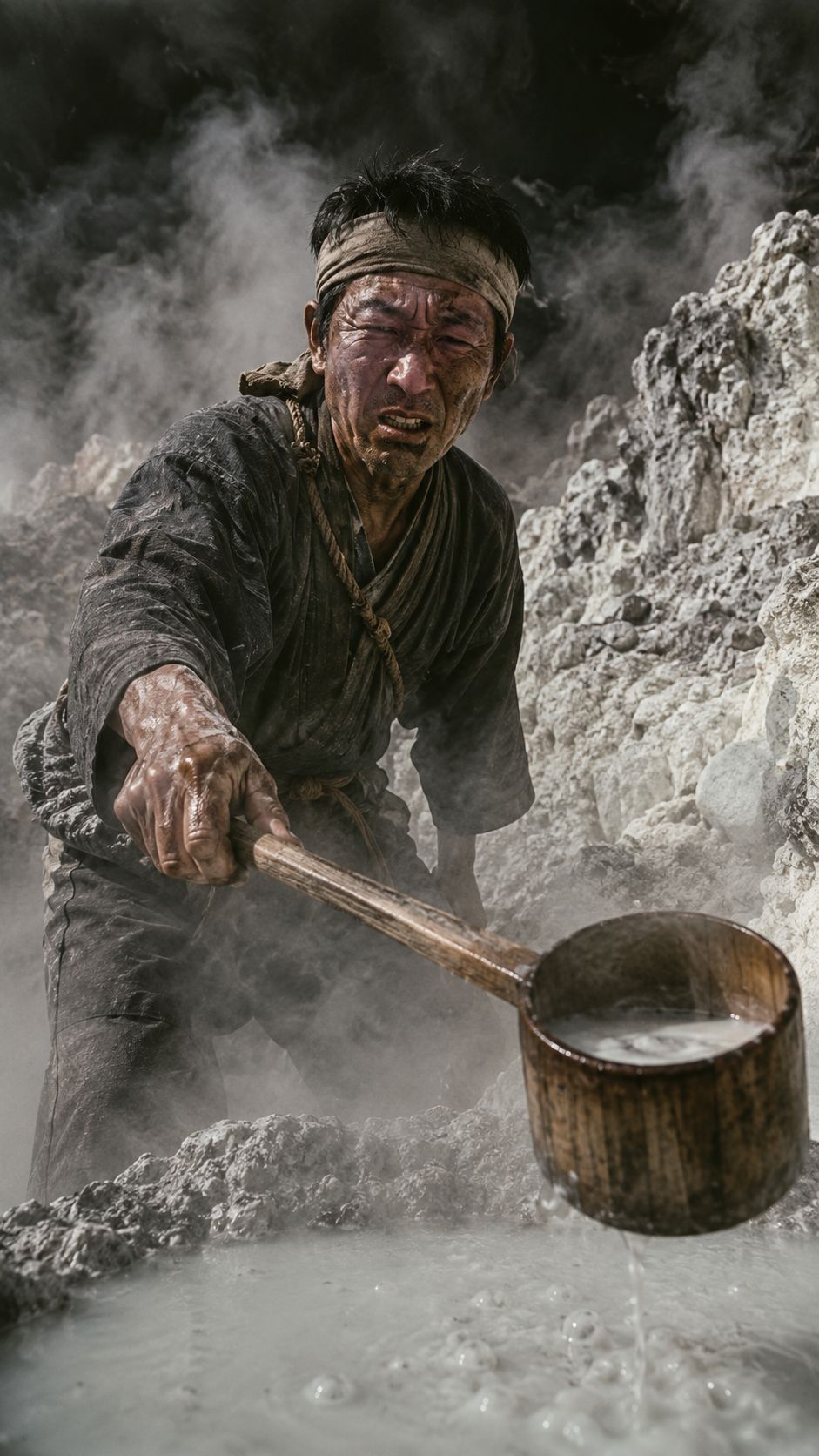 Boiled Alive on Unzen's Sulfur Mountain
Christians who refused to trample a holy image were stripped and doused with boiling spring water on a steaming mountain.
Unzen, Japan · 1630 · 130 km away
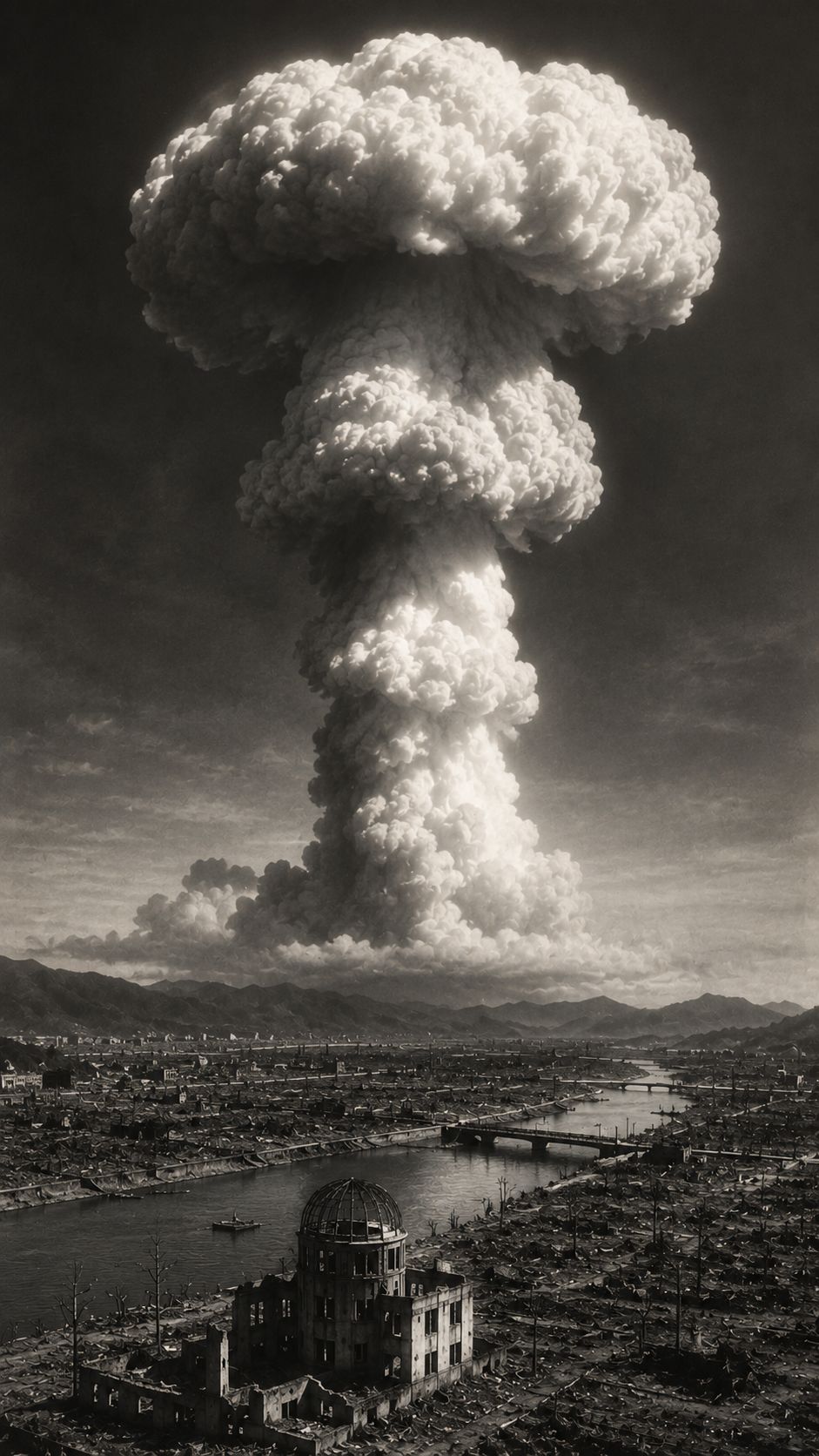 The Shadow Burned Into The Steps
In less than a second, a bank's granite steps bleach white everywhere except where one person happened to be sitting.
Hiroshima, Japan · 1945 · 357 km away
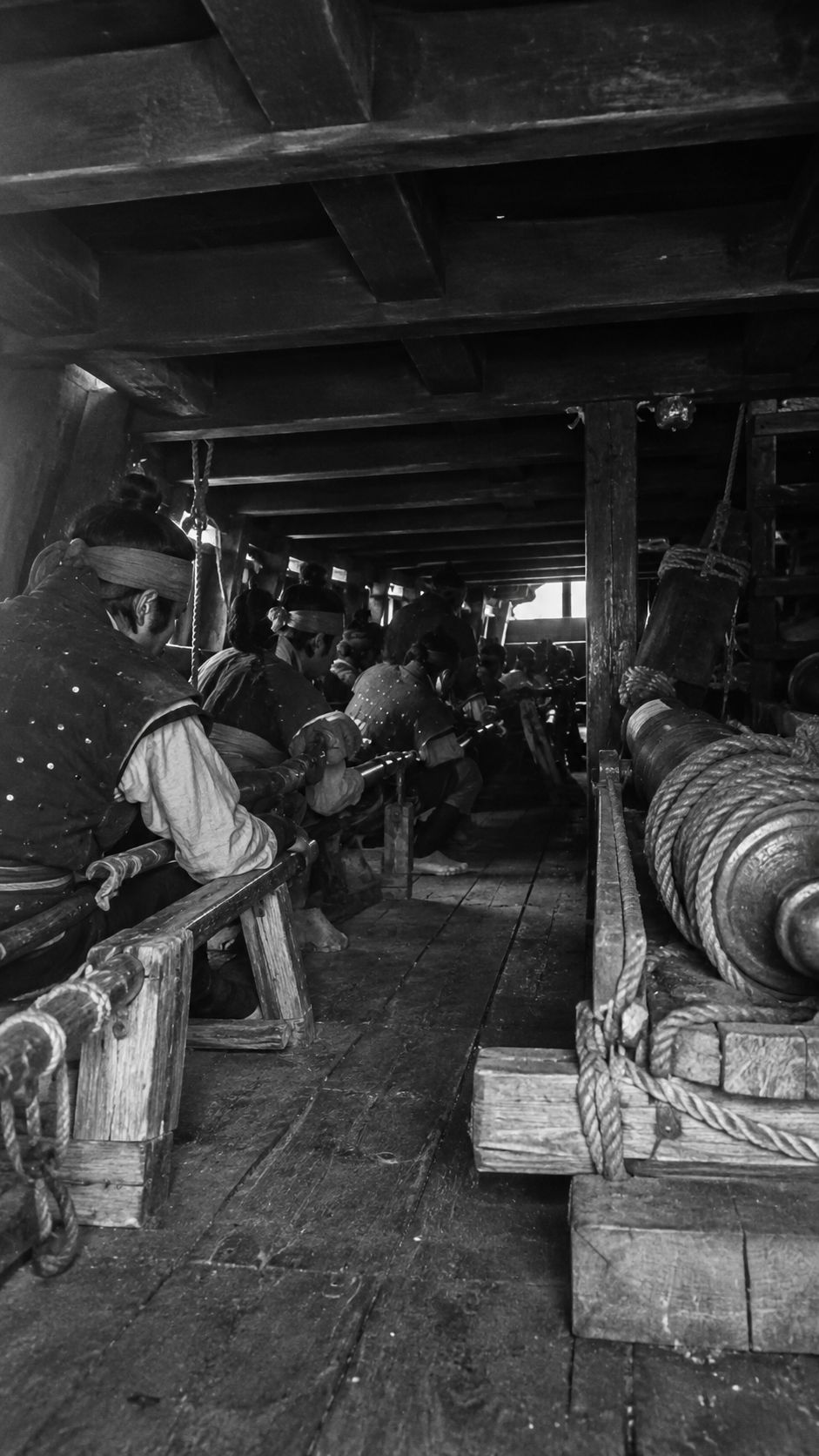 The Crane's Wing That Crushed a Fleet
A decoy fleet lured Japanese warships into open water, straight into a U-shaped trap that sealed their fate.
Hansan Island, South Korea · 1592 · 400 km away
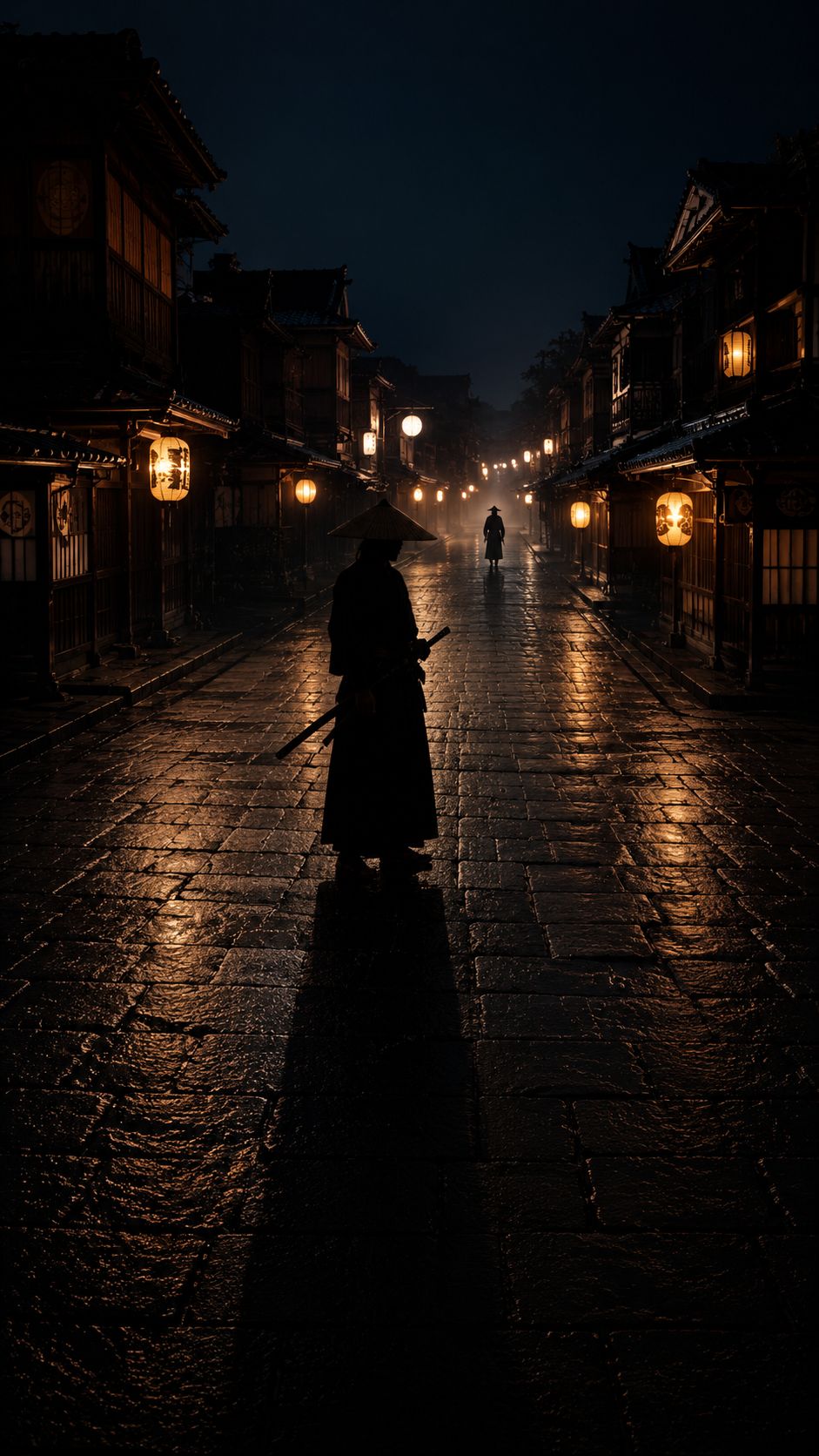 The Samurai Who Tested Swords On Strangers
Japanese swordsmen once tested new blades by cutting down unsuspecting passersby at night, until the shogunate finally banned it.
Edo, Japan · 1602 · 956 km away