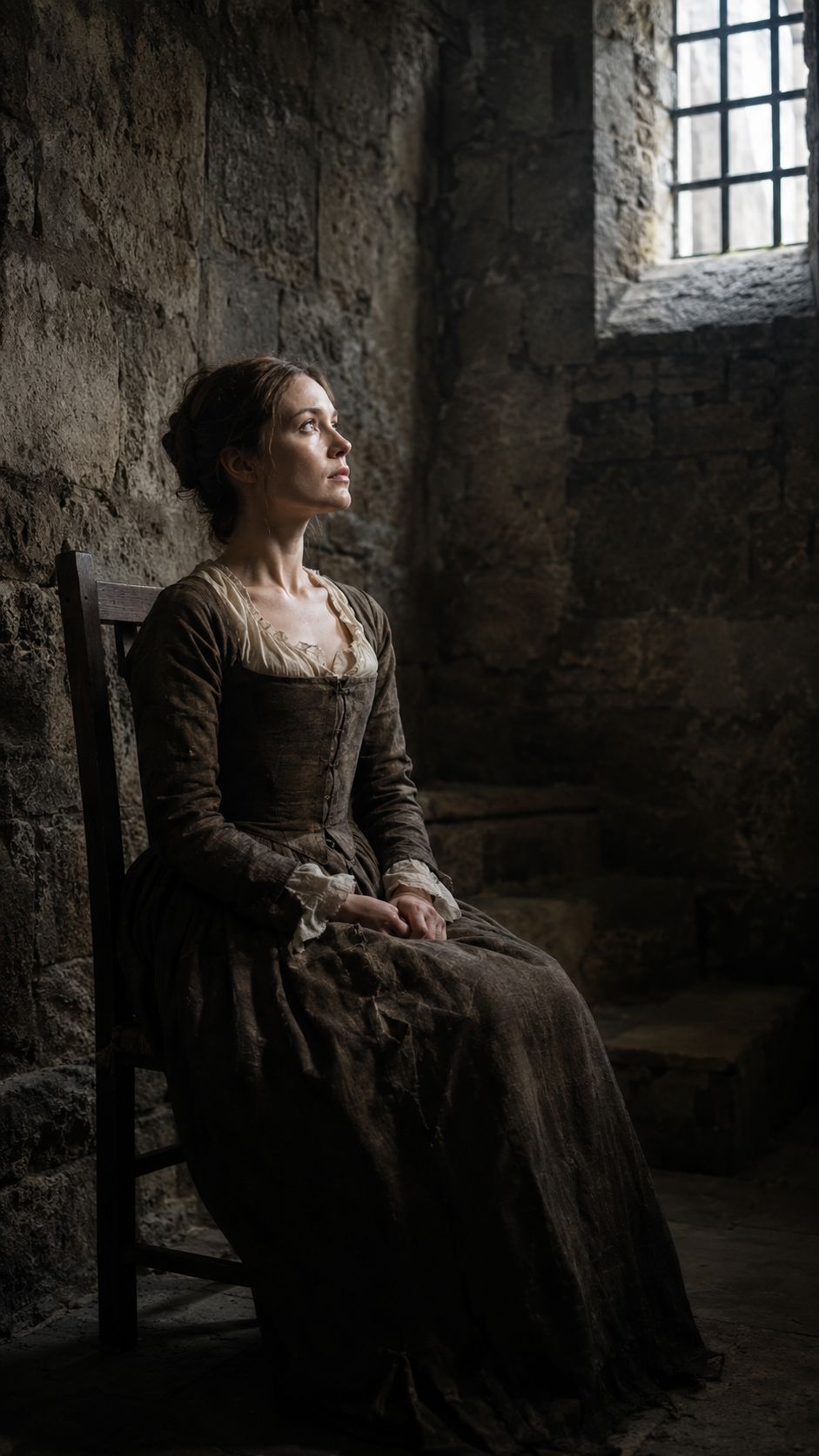
Catherine of Aragon had been queen of England for twenty-four years when Henry VIII had their marriage annulled, stripped her of her title, separated her from her daughter Mary, and exiled her to Kimbolton Castle in Cambridgeshire where she confined herself to one room, left only to hear Mass, wore a hair shirt, and refused to the end of her life to call herself anything other than Queen, and on 7 January 1536 at two o’clock in the afternoon she died at fifty years old while praying, and when the embalmer opened her body he found every organ healthy apart from the heart, which he described as quite black and hideous to look at, with a black growth attached to one side, and the rumour spread immediately that Anne Boleyn had poisoned her, and modern doctors believe it was cancer, and when the news reached Henry he dressed in yellow and danced and showed off his daughter Elizabeth to the court, and later that same day he wept in private, and three weeks after Catherine was buried Anne Boleyn miscarried a son, and four months after that Anne Boleyn was dead.
Interesting Fact: Henry had forbidden Catherine’s closest friend Maria de Salinas from visiting her. Maria came anyway, travelling through snow without permission, and was at Catherine’s side when she died. Catherine’s best friend ignored the king’s direct order to be with her at the end. Her daughter Mary was not permitted to come. They had not seen each other for years. The monument Henry promised to build over Catherine’s grave was eventually destroyed by Oliver Cromwell’s troops during the Civil War. In 1777 her grave was opened to settle a dispute — a witness drilled a hole in the coffin and pulled out a thread of black and silver brocade from her burial robes. It disintegrated the moment it hit the air. She is buried at Peterborough Cathedral. Her grave is marked: Katharine Queen of England.
Nearby on the Dark Atlas
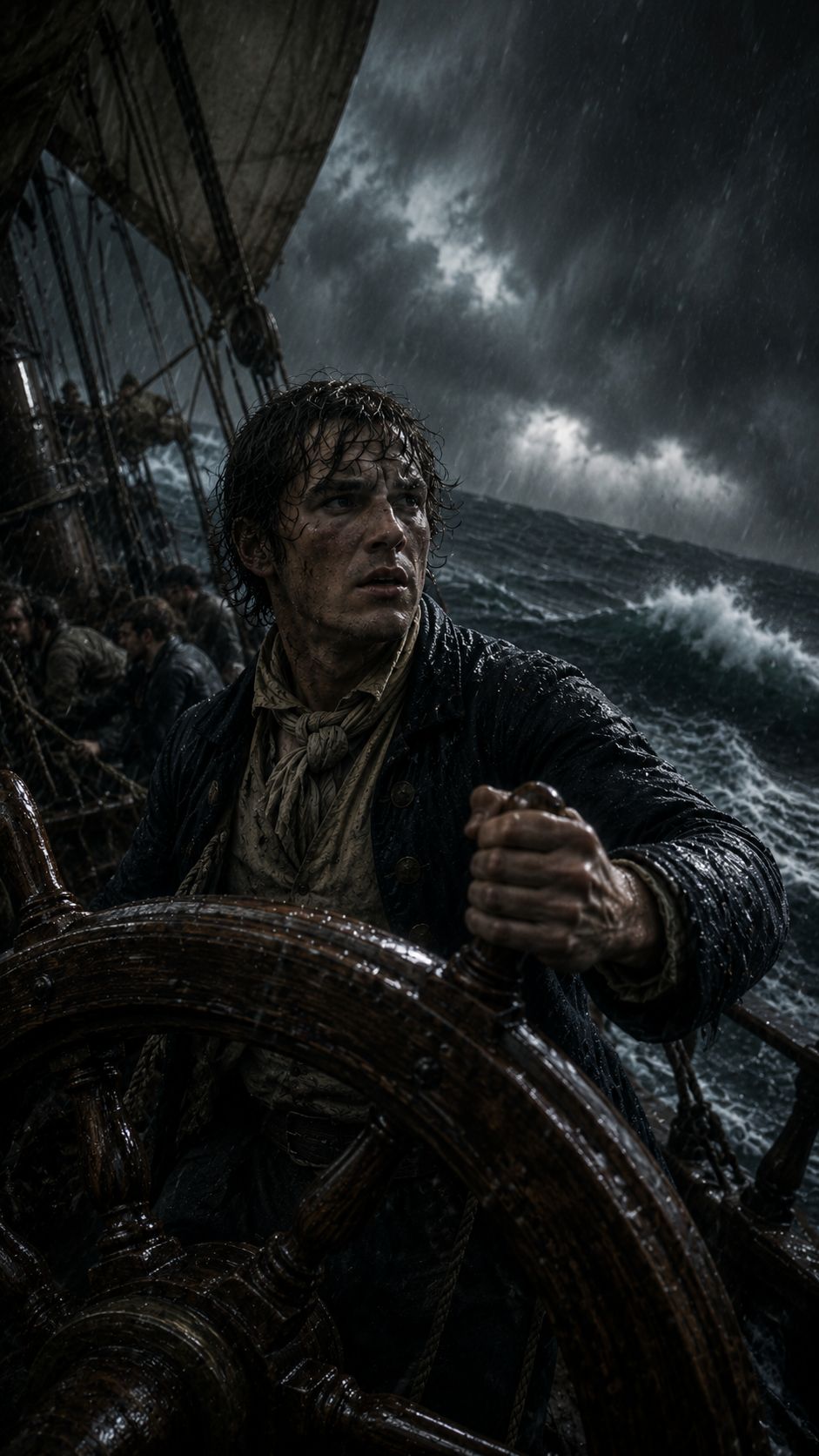 The Slave Trader Who Wrote Amazing Grace
A sailor prays for the first time in years as his ship breaks apart in a storm, then goes back to trading enslaved people for six more years.
Olney, United Kingdom · 1748 · 26 km away
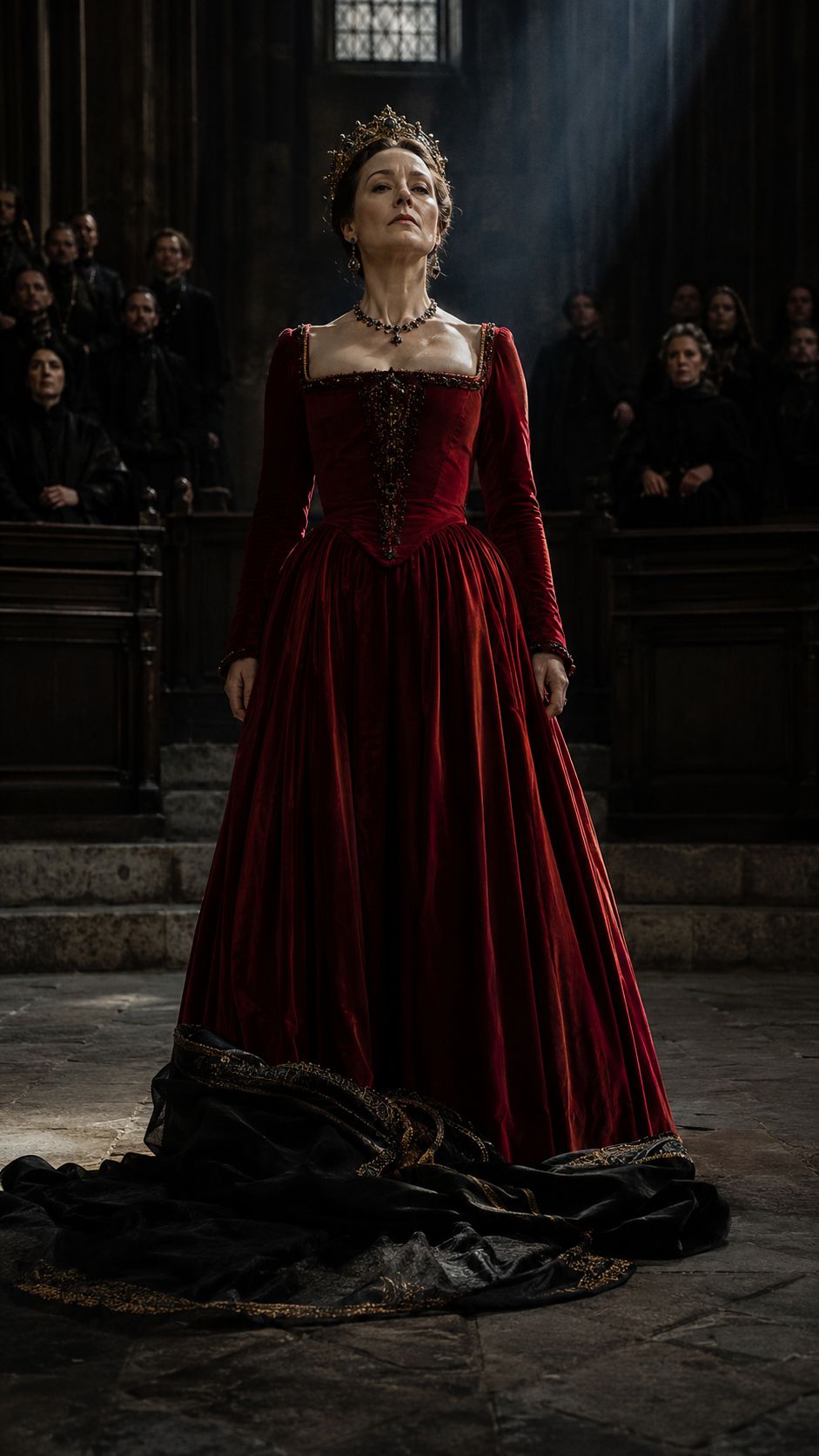 The Queen Who Dressed for Martyrdom
On her final morning, she revealed a crimson gown beneath her black robes — the color of Catholic martyrdom.
Fotheringhay, United Kingdom · 1587 · 27 km away
- The Last Woman Sentenced to Die for Witchcraft in England
Reprieved from the gallows, she spent the rest of her life hiding from a community that never accepted her acquittal.
Walkern, United Kingdom · 1712 · 48 km away
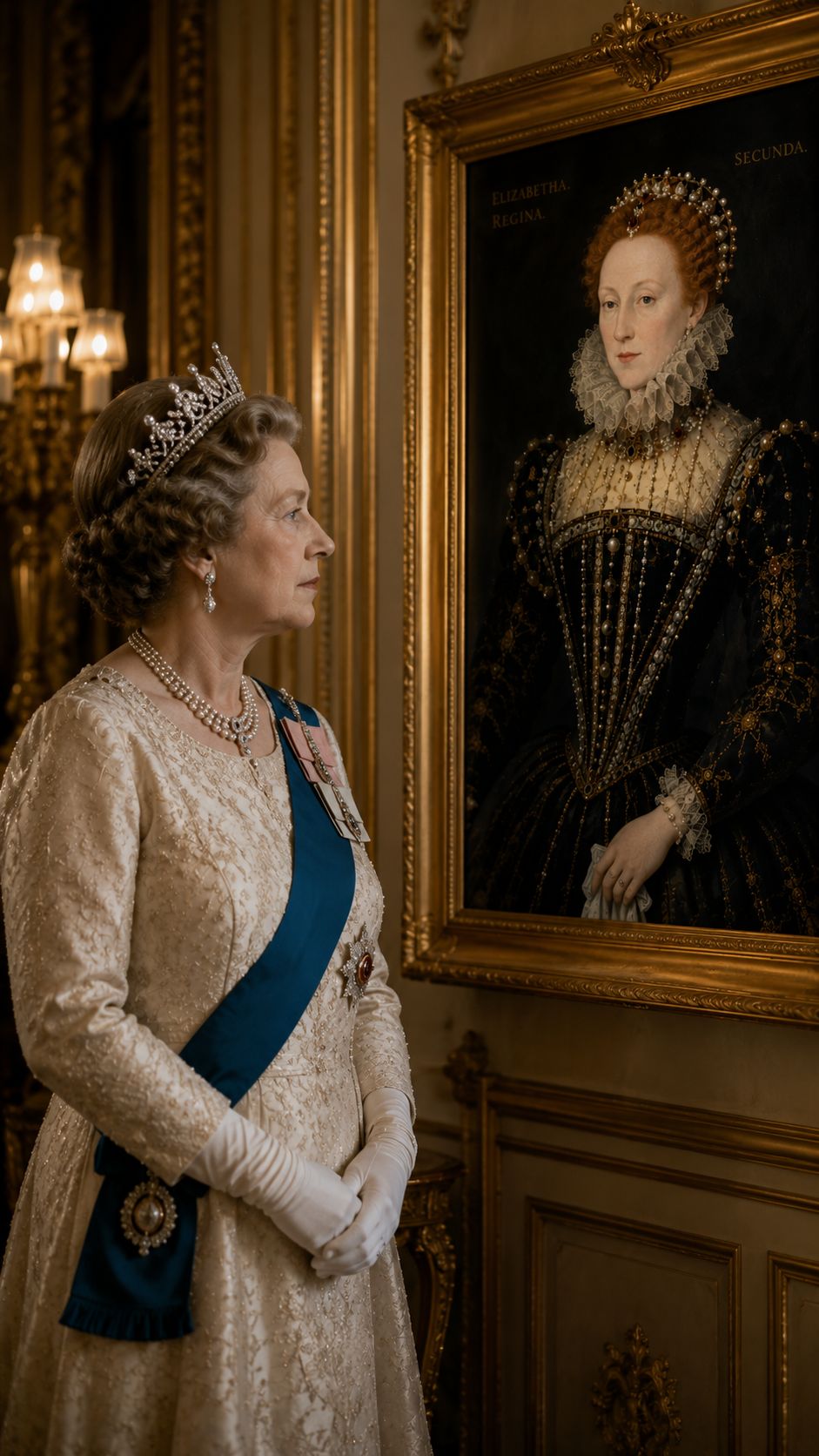 The Erased Princess
Weeks after her mother's execution, an Act of Parliament stripped the toddler of her title and left her begging for clothes.
Hunsdon, United Kingdom · 1536 · 61 km away
More like this
- The King's Favourite Who Bet Against Richelieu
A dazzling young courtier gambled his head against Cardinal Richelieu, and lost it in a public square.
Place des Terreaux, Lyon, France · 1642
- The Leper King's Story No Film Would Show
Kingdom of Heaven gave him a dignified death behind a silver mask, the truth was far crueller.
Jerusalem, Israel · 1185
- The Only Peer Ever Hanged At Tyburn
A violent nobleman was hanged before a stunned crowd who never expected to see a lord die on the public gallows.
Tyburn, London, United Kingdom · 1760
 The Rape Trial That Ended In Trial By Combat
A woman's accusation of rape led to France's last judicial duel, with her own life staked on the outcome.
Paris, France · 1386