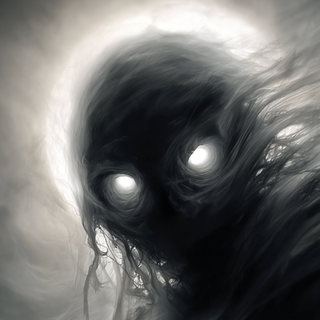
Joanna of Castile is remembered by history as “Juana la Loca” — Joanna the Mad, the tragic, insane queen who was driven out of her mind by grief and who carried her dead husband’s coffin around Spain. But the real story is far darker, and far more sinister — because the evidence suggests Joanna may not have been mad at all. Instead, she may have been one of history’s most cruelly wronged women: a rightful queen declared insane and imprisoned for nearly half a century by the very men who wanted to steal her throne — her father, her husband, and finally her own son.
She was born in 1479, a daughter of the two most powerful monarchs in Europe: Ferdinand of Aragon and Isabella of Castile, the “Catholic Monarchs” who united Spain and sent Columbus across the Atlantic. Joanna was intelligent and highly educated — she was fluent in several languages, well-read, a skilled musician and dancer. As a younger daughter, she wasn’t expected to inherit, and was married off for political alliance to Philip “the Handsome,” a Habsburg prince of Austria.
The Horror
The marriage was passionate but unhappy. Philip was a serial adulterer, and Joanna’s intense love for him, and her jealousy at his constant infidelities, gave her enemies the first raw material for the legend they would build: the story of a woman consumed by uncontrollable, irrational passions.
Then fate placed a crown on her head. Through a series of deaths, Joanna’s older siblings and their children died, and she became the heir. And when her mother, the mighty Queen Isabella, died in 1504, Joanna became, by right, the Queen of Castile — one of the most powerful thrones in the world — in her own name.
But the men around her had no intention of letting a woman actually rule. And so began the systematic theft of Joanna’s crown, disguised as concern for her sanity. First, her husband Philip and her father Ferdinand secretly conspired together to cut Joanna out of the government entirely, agreeing to rule in her place and treat her as incapable. The two most important men in her life had quietly decided her power belonged to them.
Then, in 1506, Philip suddenly died, after a brief illness — with dark, unproven rumours that he had been poisoned by Joanna’s own father, who wanted him out of the way. Joanna was left pregnant, grief-stricken, and dangerously alone.
And it was her genuine grief that her enemies twisted into the most famous “proof” of her madness. Joanna wanted her husband buried in Granada, the resting place of Castilian royalty, and so she set out on a long funeral procession across Castile, accompanying his coffin, travelling by night by torchlight. This was not the act of a madwoman — but it was spun into one. Her father and her enemies spread lurid rumours that the crazed queen refused to accept Philip’s death, that she kept opening his coffin to gaze upon and even embrace his rotting corpse, that she slept beside it and talked to it. These grisly stories — the origin of her entire “mad queen” legend — were, according to the witnesses who actually travelled with her, wildly exaggerated. One companion recorded that she opened the coffin only a handful of times, mostly for legitimate religious reasons or to check the body hadn’t been stolen, and that the most she did was look at it for a long while, grieving. The “necrophiliac madwoman” was, in large part, deliberate propaganda — manufactured to make her seem unfit to rule.
And it worked. Her father Ferdinand used the whispers of her insanity to declare himself administrator and guardian of Castile, seizing the government for himself. He had Joanna’s loyal servants dismissed and replaced with his own people. And in 1509, he had his own daughter — the rightful Queen — confined to the royal palace at Tordesillas, where her long imprisonment began. She had the coffin of Philip placed in a monastery nearby, where she could see it.
THE MODERN RELIC What followed is one of the longest and most heartbreaking injustices in the history of European royalty. Joanna would remain a prisoner at Tordesillas for the rest of her life — for around forty-six years. She was the Queen of Castile, and later, after her father’s death, Queen of a united Spain that was becoming the most powerful empire on earth. And she was locked in a palace, cut off from power, from her children, from the world.
Because when her father Ferdinand died in 1516, freedom did not come. Instead, the crown — and the imprisonment — passed to the next man who found her inconvenient: her own son. Charles, who would become the Holy Roman Emperor Charles V, one of the most powerful rulers in all of history, inherited Spain through his mother. And to secure that power for himself, Charles simply continued his own mother’s imprisonment. He kept her locked in Tordesillas, isolated and controlled, so that he could rule in her name. Her husband had schemed against her, her father had caged her, and now her son turned the key.
And then came the moment that exposed the whole cruel lie. In 1520, a great rebellion broke out in Castile — the revolt of the Comuneros — and the rebels seized Tordesillas and freed the imprisoned queen. For 103 days, Joanna was free, and the rebels dealt with her as their sovereign. And what they found stunned them. This was supposed to be a raving madwoman. Instead, according to the notarised records of their meetings with her, they found a queen who spoke with clear intelligence and sound judgment — a lucid, articulate, capable woman. For three months, the truth about Joanna very nearly broke through: that she was not mad, and never really had been — that she had been sane all along, imprisoned by lies.
But it was not to be. Imperial forces loyal to her son Charles recaptured Tordesillas, and the doors closed on Joanna once again. And this time they stayed closed for another thirty-five years. She was held in isolation, in increasingly grim conditions, until her death in 1555. She had been Queen of Castile for around forty-nine years — and had been a prisoner for forty-six of them. She never ruled a single day.
The relics of her tragic life remain in Spain. The town of Tordesillas, where she was imprisoned for nearly half a century, still stands, and the site of her long captivity can be visited. Her extraordinary story — the queen and her husband’s coffin — was immortalised in one of the most famous Spanish paintings of the 19th century, Francisco Pradilla’s haunting “Juana la Loca,” which hangs in the Prado Museum in Madrid, showing her keeping her lonely vigil over Philip’s coffin in the wind and cold. And at last, in death, Joanna was given her rightful place: she is buried in the Royal Chapel of Granada, beside her parents Ferdinand and Isabella, and her husband Philip — finally laid to rest among the kings and queens as the sovereign she truly was. Whether she suffered from real grief and depression, or was simply a strong-willed woman who stood in the way of ambitious men, one thing is clear: the crime was not Joanna’s madness. The crime was what three generations of men did to a woman to take her crown — and then called her mad to hide it.
Nearby on the Dark Atlas
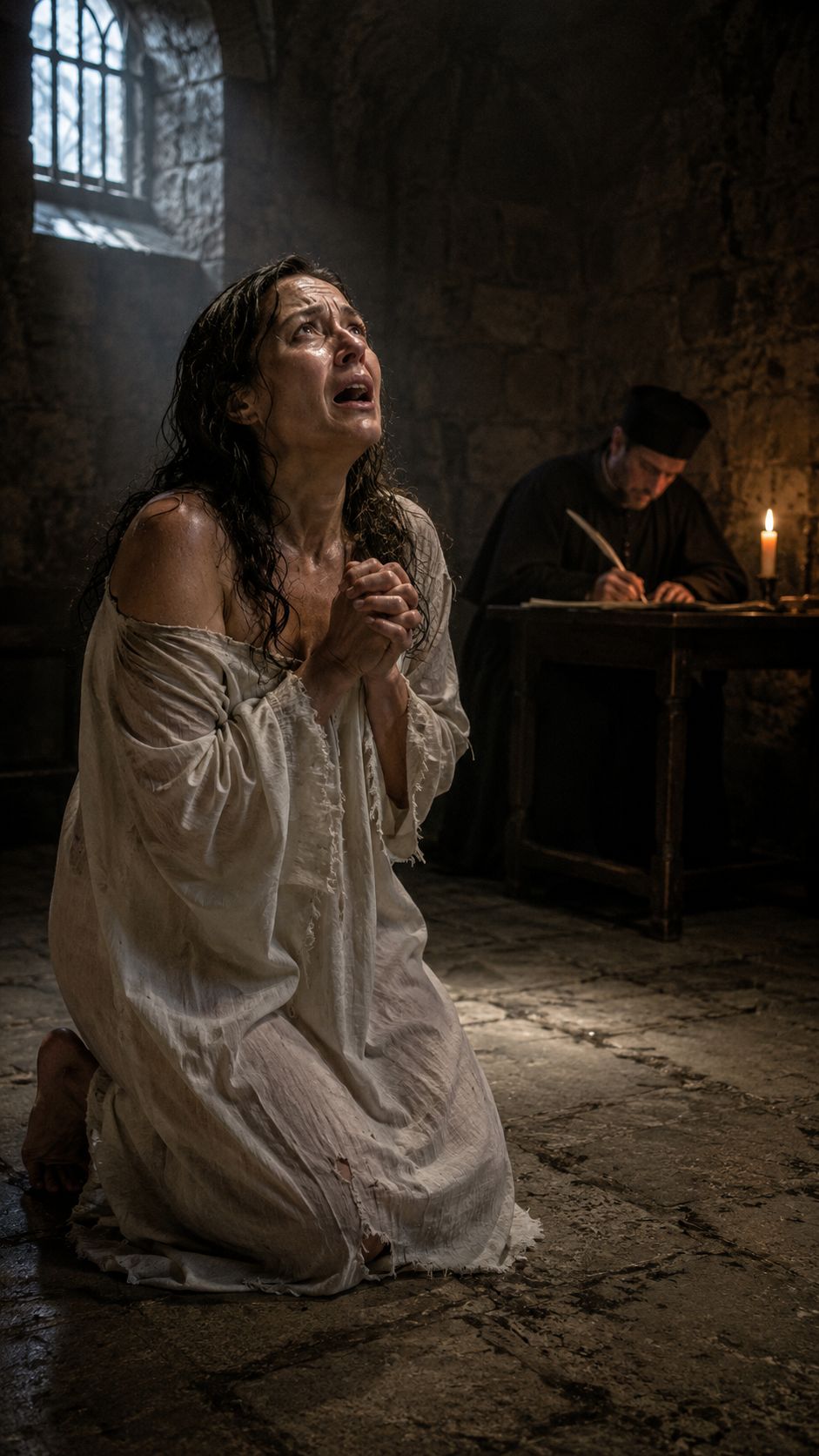 The Woman Condemned For Clean Clothes
Not eating pork and washing on Saturdays was enough for the Spanish Inquisition to put her to the rack.
Toledo, Spain · 1567 · 200 km away
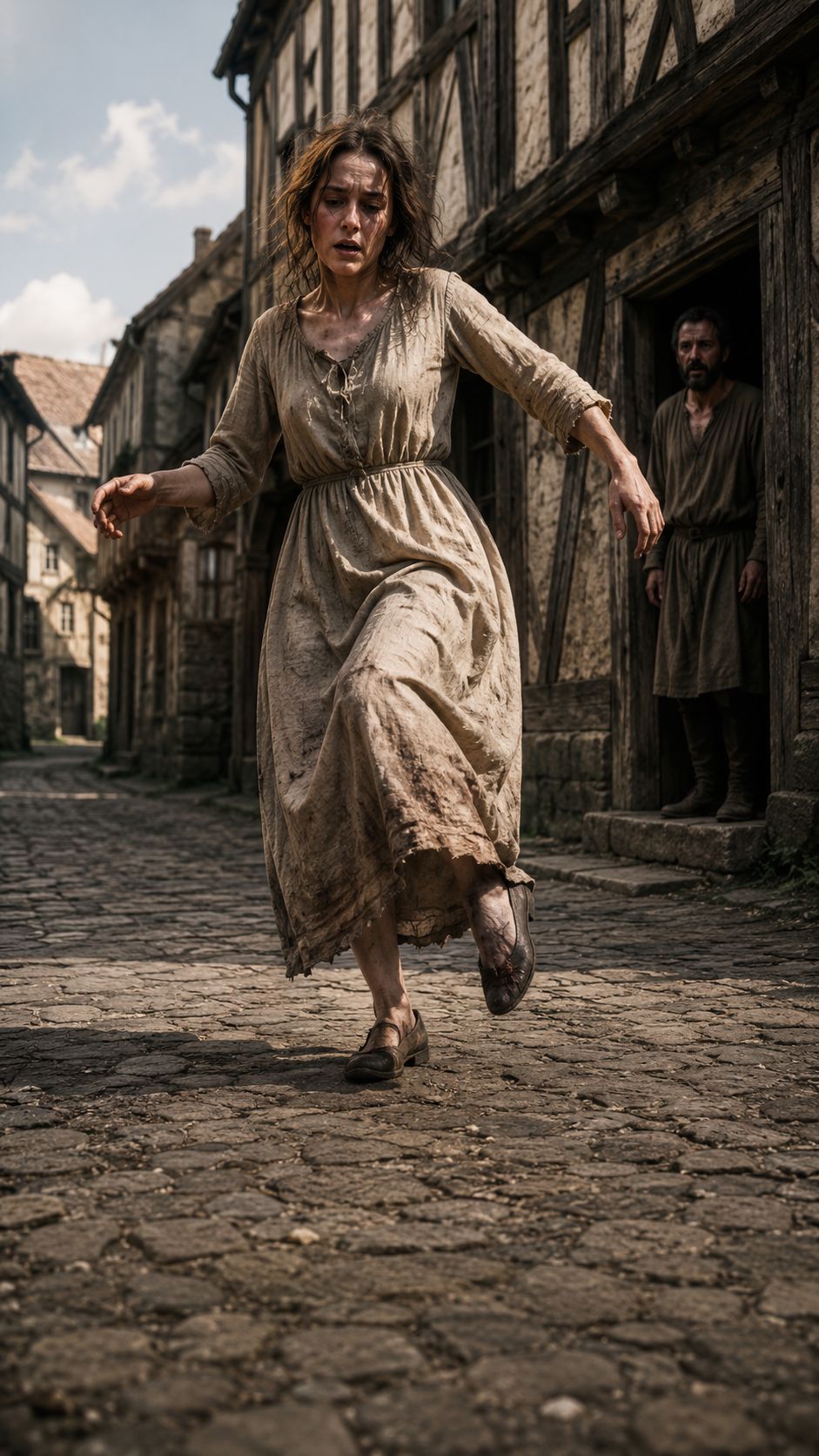 The Lovers Portugal Crowned After Death
A king's mistress was murdered in front of her children — and her lover later crowned her corpse queen.
Coimbra, Portugal · 1355 · 321 km away
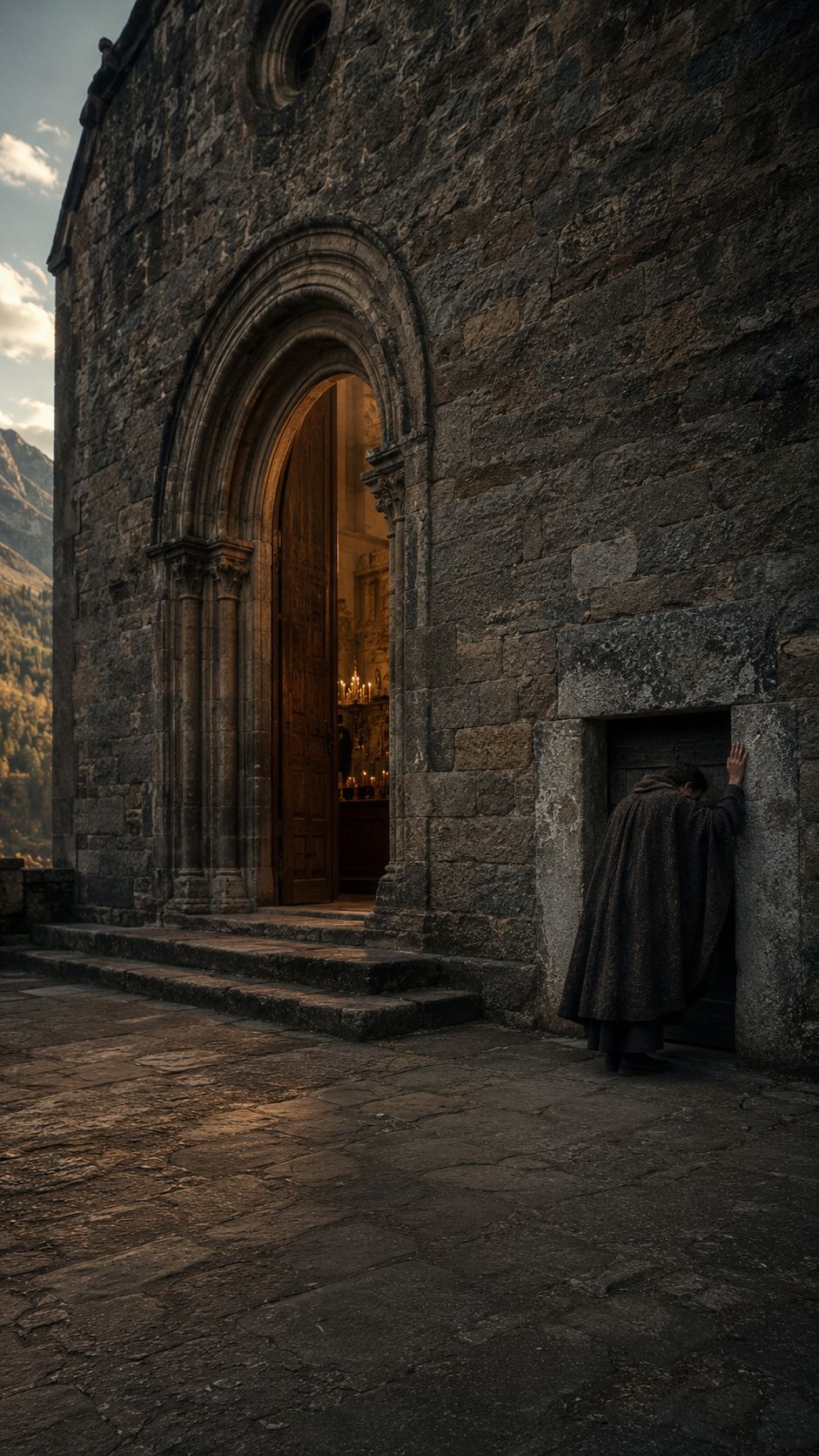 The Untouchables of the Pyrenees
For a thousand years, a group indistinguishable from their neighbours was forced through separate, low church doors — and no one truly knows why.
Luz-Saint-Sauveur, France · 1500 · 439 km away
- The Heart Thrown Into Battle Against The Enemy
Surrounded and facing certain death, the knight hurled his dead king's heart into the enemy line and followed it.
Teba, Spain · 1330 · 503 km away