He painted the most iconic faces of the Tudor court, but his final masterpiece became his literal death warrant. Hans Holbein the Younger was Henry VIII’s brilliant official King’s Painter. In 1539, he was sent to Germany to paint a portrait of the noblewoman Anne of Cleves so the King could decide if she was beautiful enough to marry. Terrified of offending the foreign court or the King, Holbein heavily romanticized her features, painting a flawless, ethereal miniature. But when Anne arrived in England, Henry found her physically repulsive, screaming that she looked like a “Flanders Mare.” Enraged by the deception, the King didn’t send Holbein to a public scaffold; instead, he withdrew all royal patronage, cutting off his income and isolating him from court. Stripped of his livelihood and blacklisted from working for any noble family, the greatest artist of the Renaissance was left to wither away in a disease-ridden London slum, dying completely broke and forgotten during a sudden plague outbreak.
Interesting Fact Henry VIII was so deeply vindictive that after Holbein’s death in 1543, he refused to allow the artist a proper burial site or a monument. Holbein was quietly dumped into a mass, unmarked plague pit in London, meaning the man who gave the world the definitive visual images of Henry VIII, Anne Boleyn, and Thomas Cromwell lies in an unknown grave surrounded by common criminals.
Nearby on the Dark Atlas
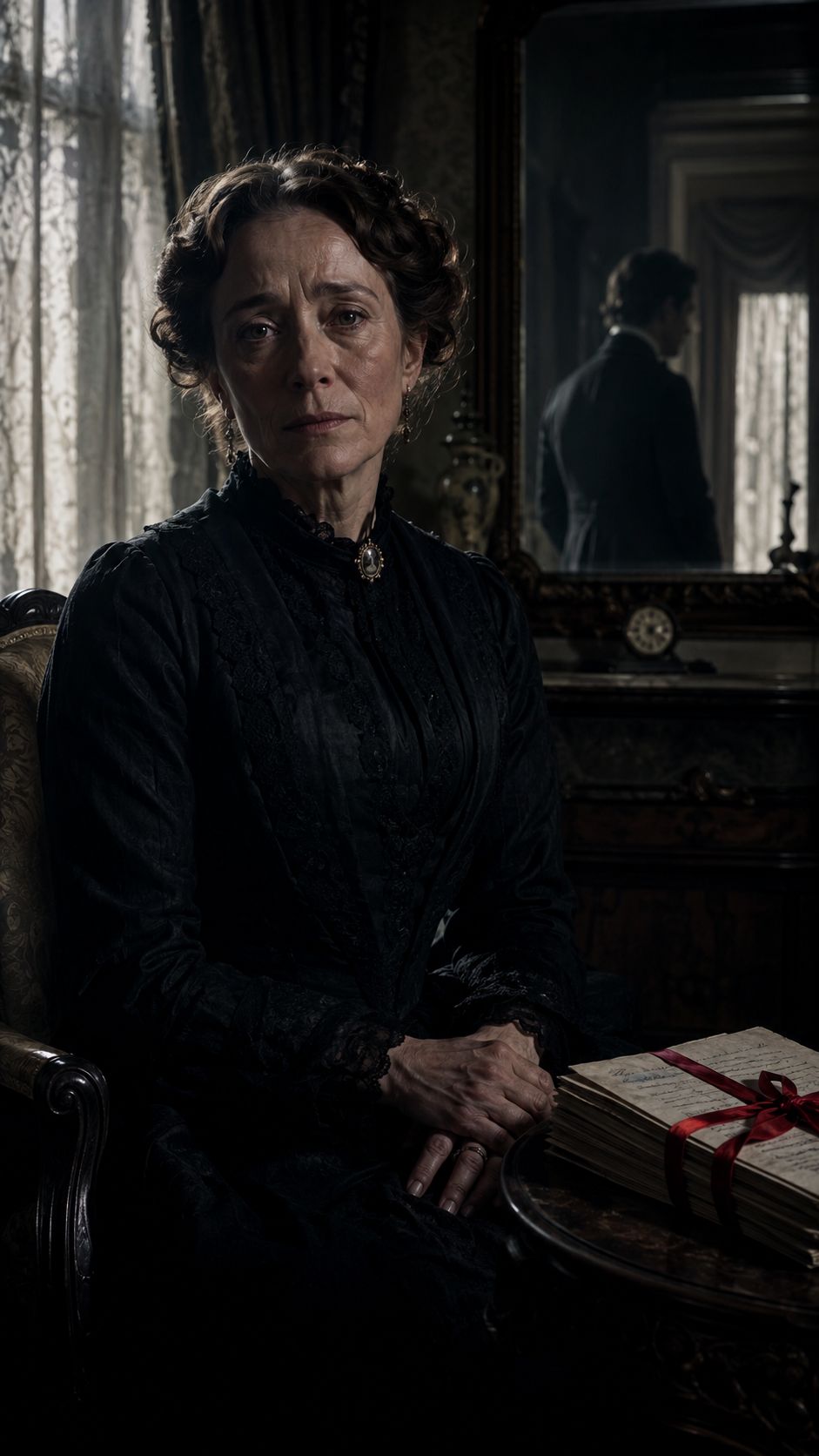 The Asylum Dickens Wanted For His Wife
The beloved author of A Christmas Carol tried to have his sane wife declared mad to be rid of her.
London, United Kingdom · 1858 · same site
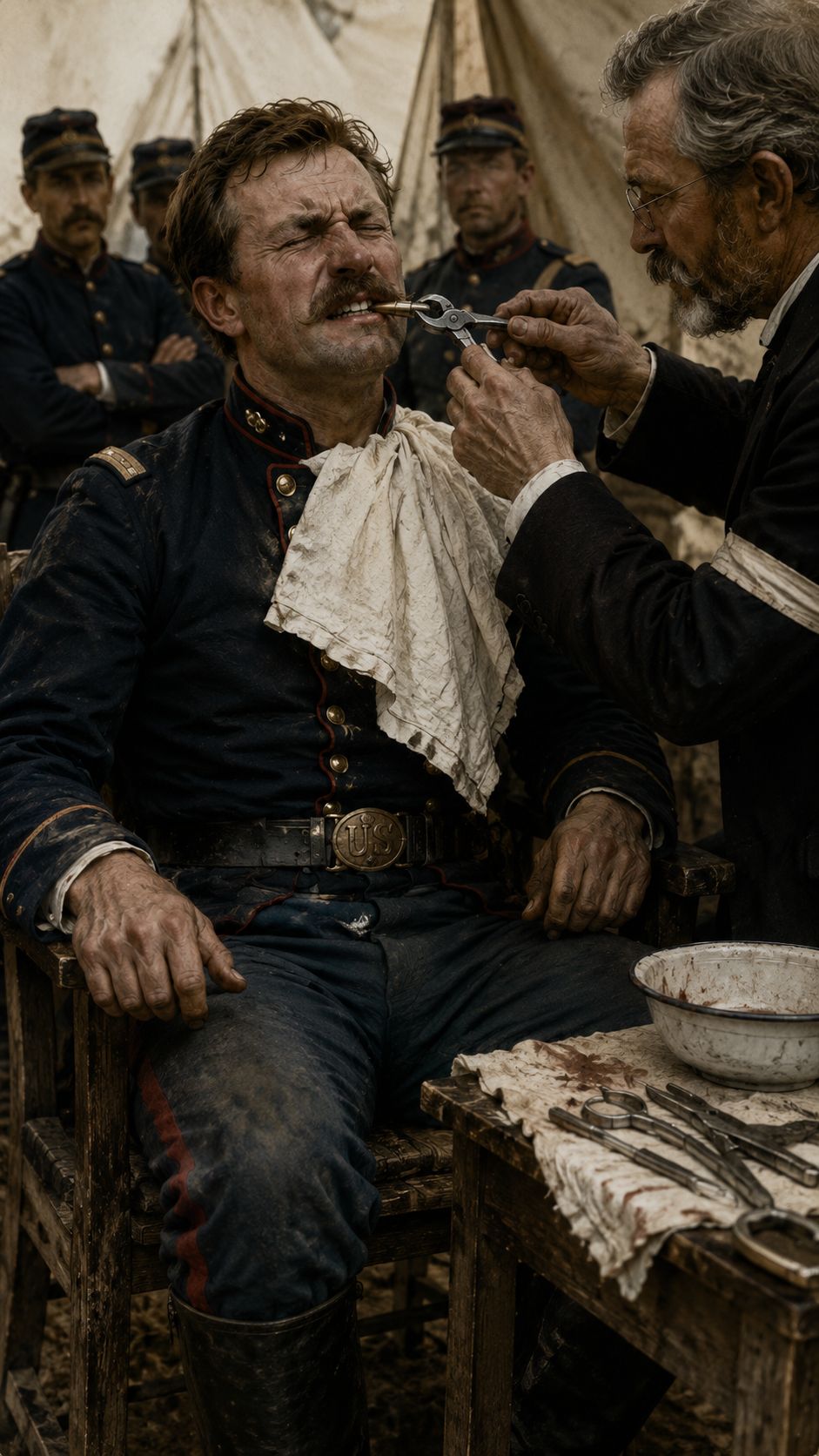 The Battlefield Origin Of Biting The Bullet
Before anaesthesia, wounded men bit down on lead to endure the surgeon's knife, or so the grim legend says.
London, United Kingdom · 1891 · same site
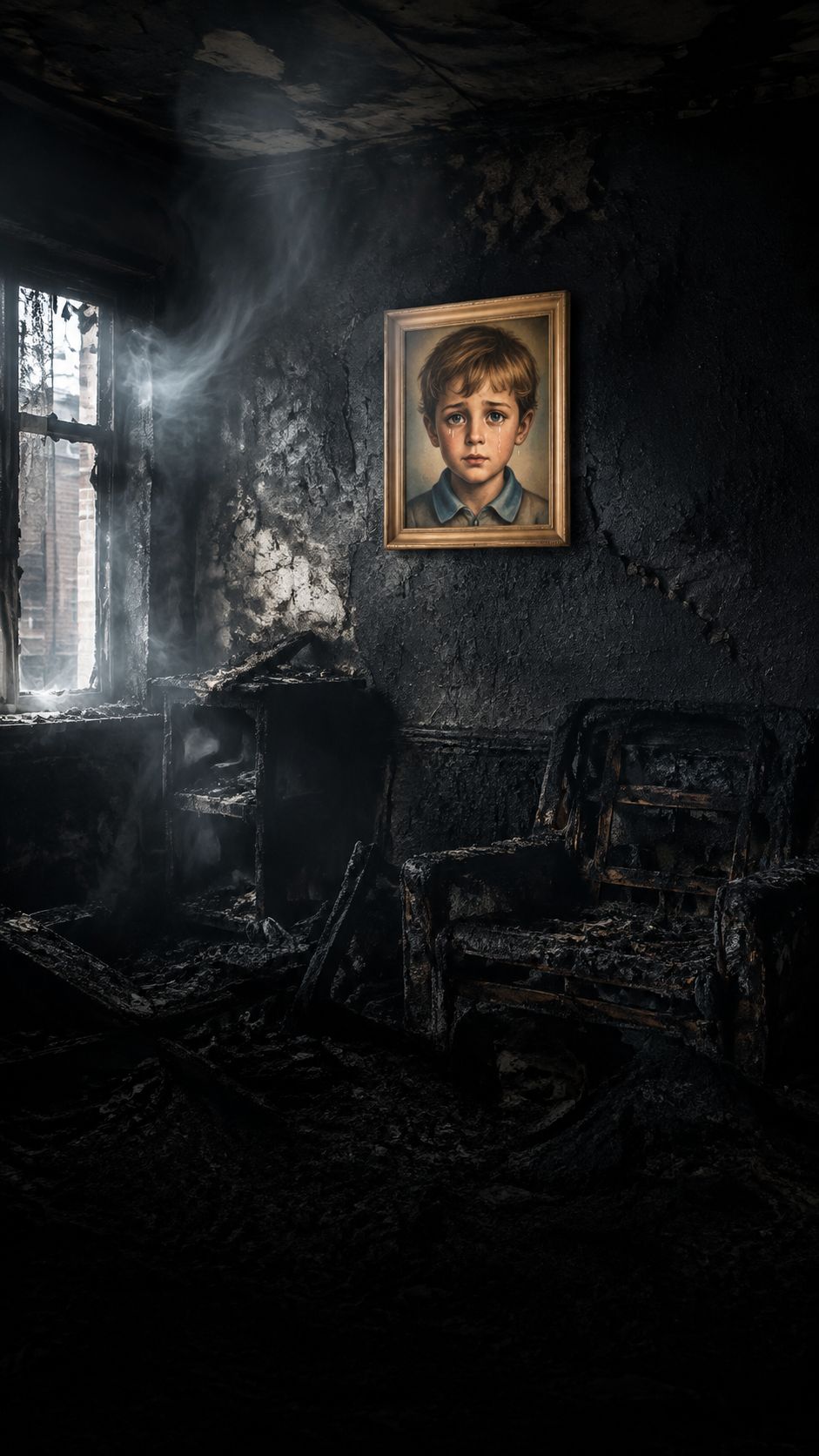 The Cursed Painting That Survived House Fires
A cheap mass-produced print sparked a nationwide panic that it caused fires, and always survived the ashes untouched.
London, United Kingdom · 1985 · same site
- The Disease That Killed By Nightfall
Tudor England lived in terror of a plague so fast it could kill a healthy person before sundown.
London, United Kingdom · 1485 · same site
More like this
- The King's Favourite Who Bet Against Richelieu
A dazzling young courtier gambled his head against Cardinal Richelieu, and lost it in a public square.
Place des Terreaux, Lyon, France · 1642
- The Leper King's Story No Film Would Show
Kingdom of Heaven gave him a dignified death behind a silver mask, the truth was far crueller.
Jerusalem, Israel · 1185
- The Only Peer Ever Hanged At Tyburn
A violent nobleman was hanged before a stunned crowd who never expected to see a lord die on the public gallows.
Tyburn, London, United Kingdom · 1760
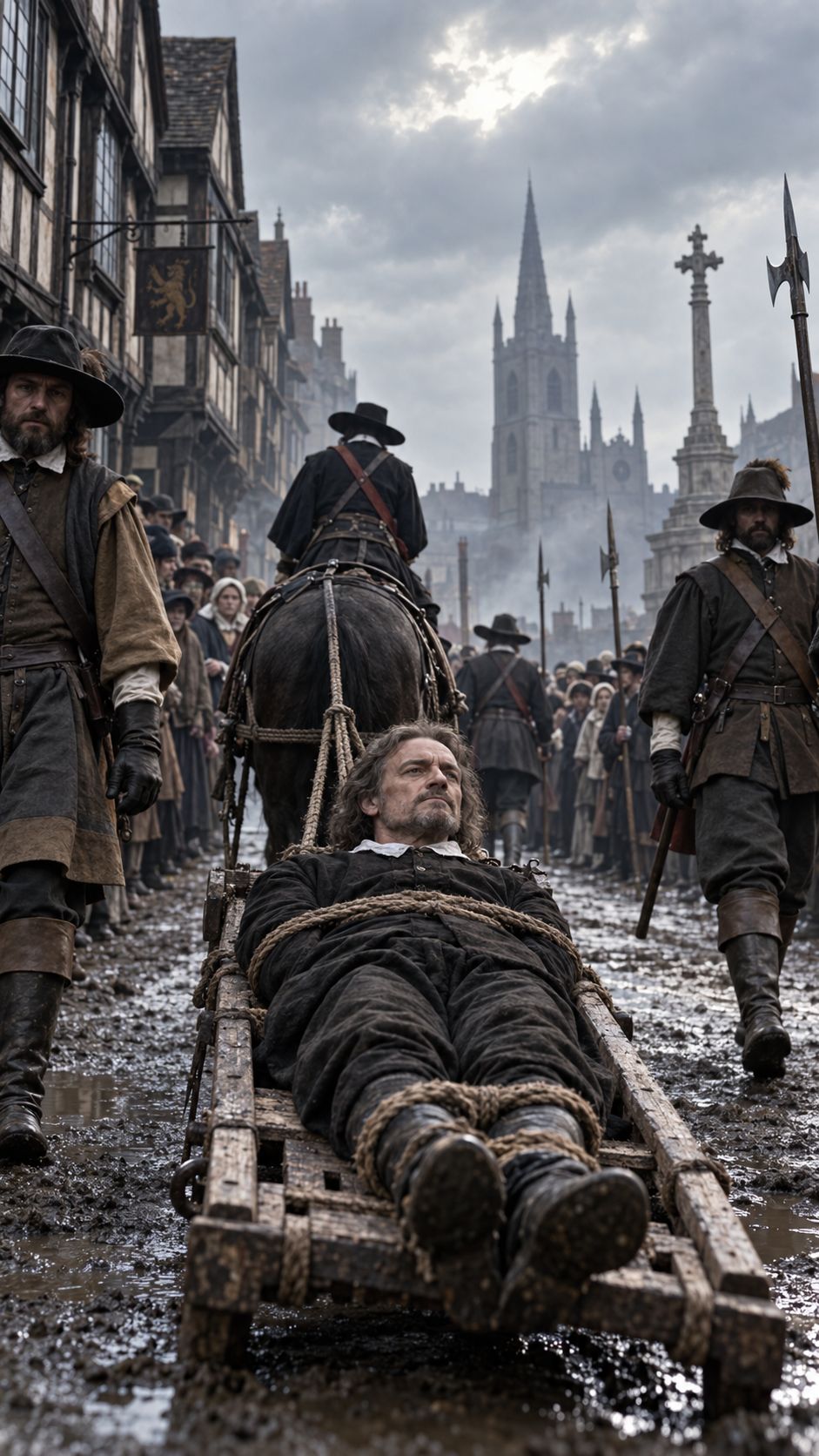 The Colonel Accused Of Plotting To Kill The King
A decorated officer was drawn on a hurdle and beheaded before twenty thousand silent Londoners for a plot historians still debate.
Horsemonger Lane, London, United Kingdom · 1803