
They didn’t use an assassin’s blade, but they turned a massive book into a lethal trap designed to destroy the state’s chief historian. In the early years of Queen Elizabeth I’s reign, John Foxe published Acts and Monuments—famously known as Foxe’s Book of Martyrs—a massive text exposing the graphic executions of Protestants under Bloody Mary. The book was so politically devastating to the Catholic counter-resistance that a plot was hatched to silence him forever. Knowing Foxe spent all his nights editing his manuscripts in a dark printing house, conspirators bribed a workshop assistant to coat the top outer corners of the heavy vellum pages with a tasteless, highly concentrated paste of arsenic and belladonna. The psychological genius of the trap relied on a common medieval habit: as Foxe turned the massive, stiff pages in the dim light, he would naturally wet his thumb with his own saliva to grip the parchment, systematically poisoning himself with every single chapter he read.
Interesting Fact The plot was only foiled because Foxe used a specialized ivory bone folder—a smooth tool used to crease and separate heavy manuscript pages—instead of his bare fingers during that specific editing session. When he noticed a strange, sticky discoloration transferring onto the clean ivory tool under his candlelight, he halted the work, saving himself from an agonized internal collapse.
Nearby on the Dark Atlas
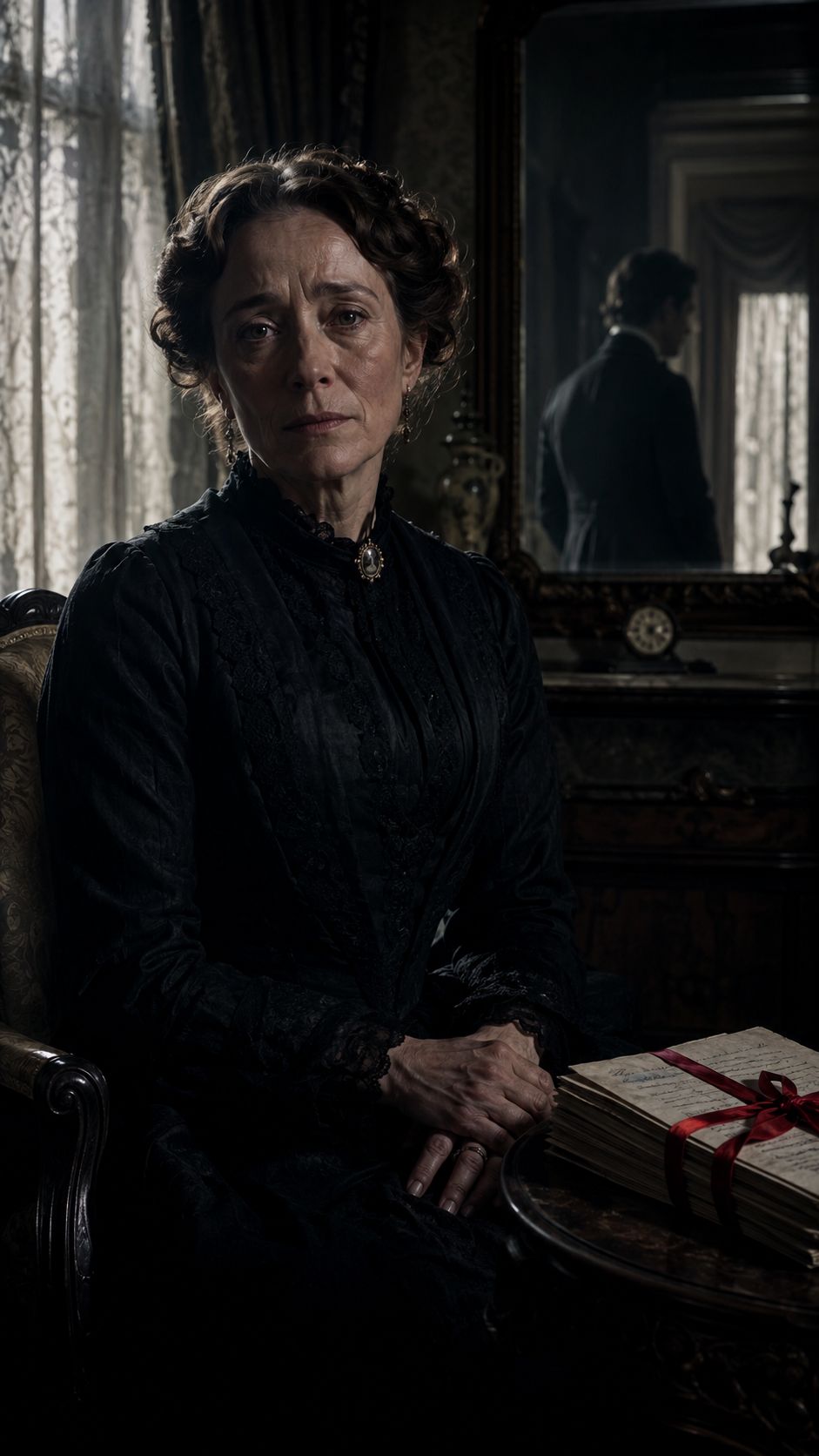 The Asylum Dickens Wanted For His Wife
The beloved author of A Christmas Carol tried to have his sane wife declared mad to be rid of her.
London, United Kingdom · 1858 · same site
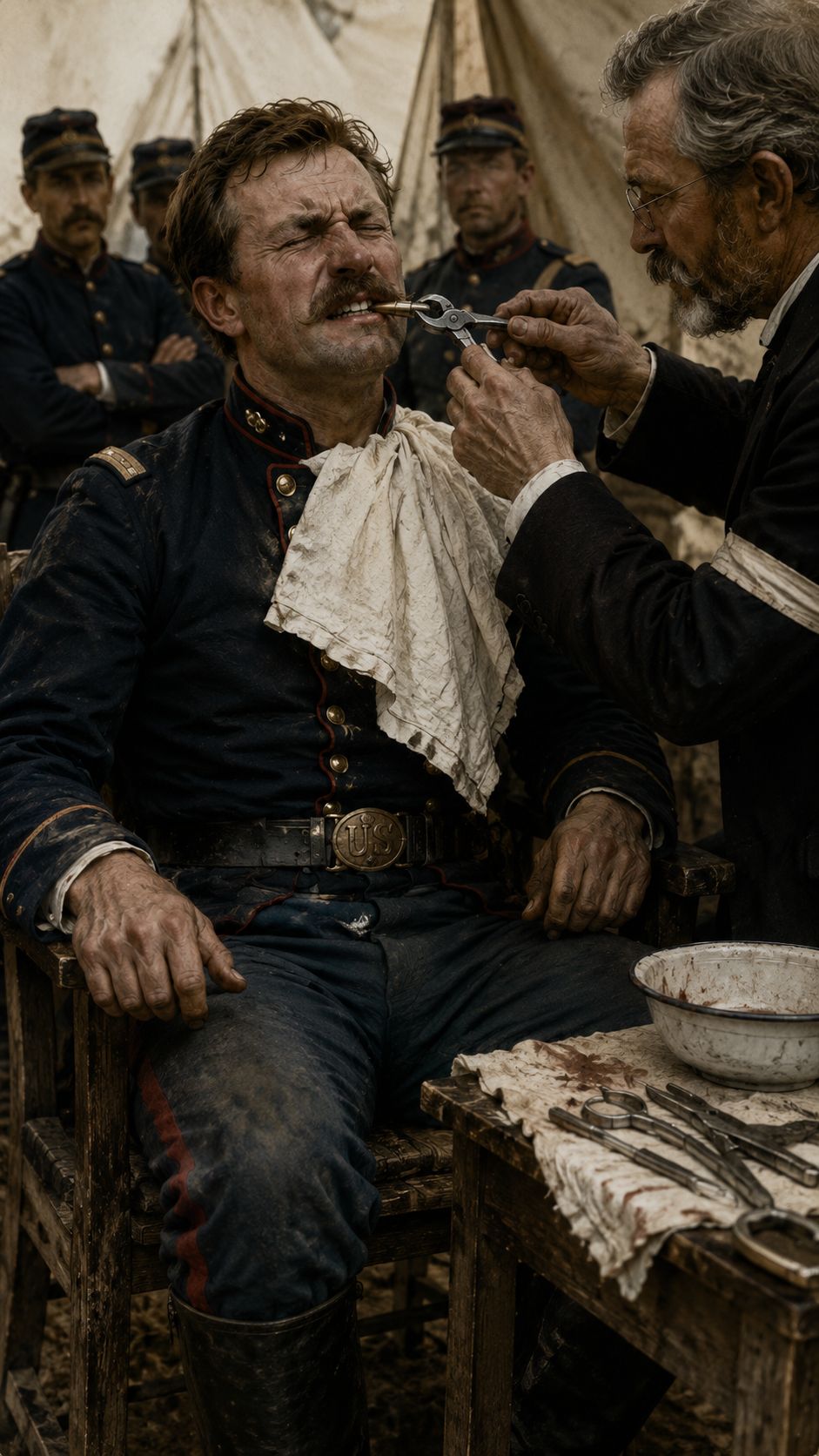 The Battlefield Origin Of Biting The Bullet
Before anaesthesia, wounded men bit down on lead to endure the surgeon's knife, or so the grim legend says.
London, United Kingdom · 1891 · same site
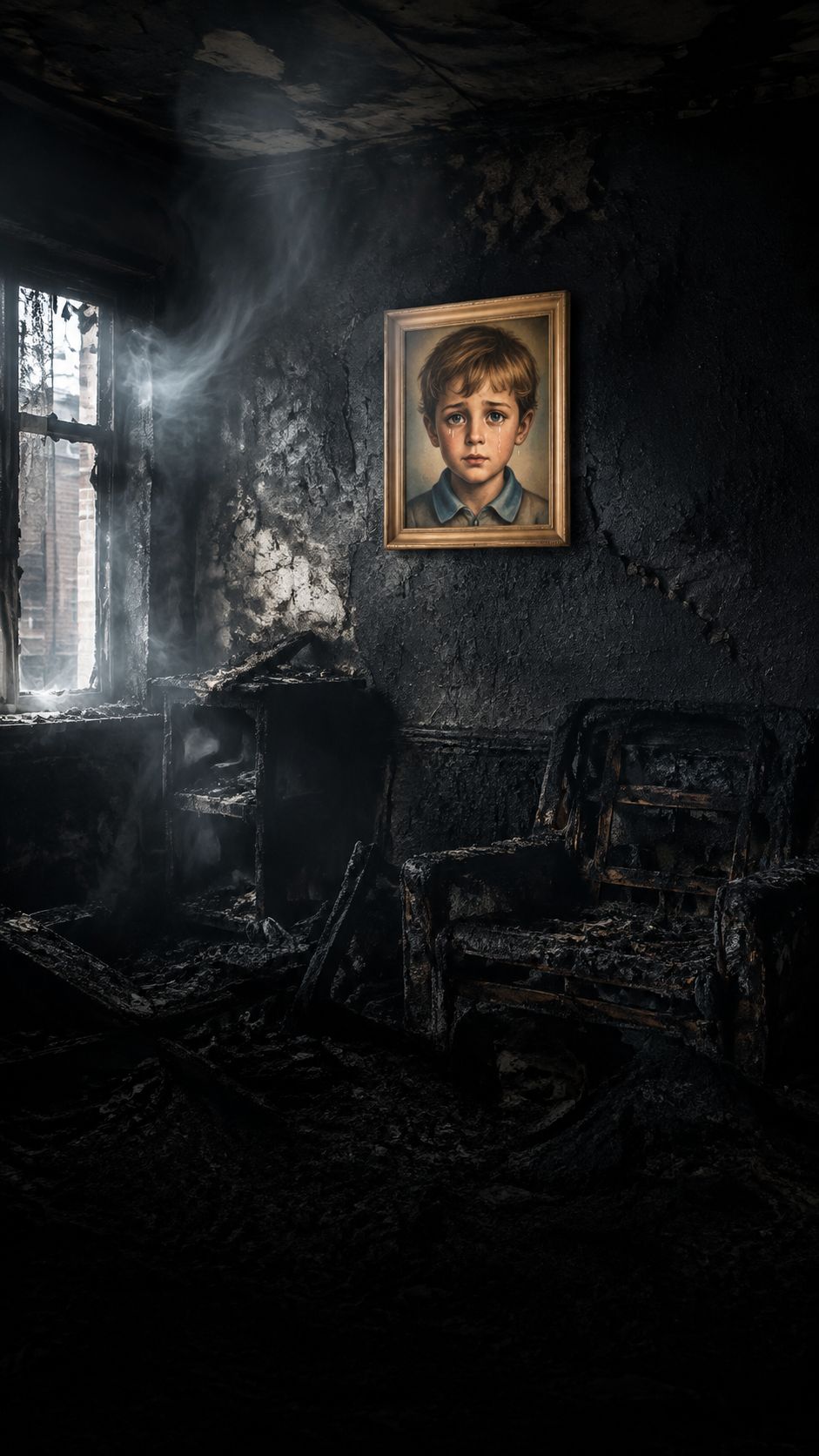 The Cursed Painting That Survived House Fires
A cheap mass-produced print sparked a nationwide panic that it caused fires, and always survived the ashes untouched.
London, United Kingdom · 1985 · same site
- The Disease That Killed By Nightfall
Tudor England lived in terror of a plague so fast it could kill a healthy person before sundown.
London, United Kingdom · 1485 · same site
More like this
- The Murder Dickens Turned Into Fiction
A cold, calculated murder buried a body in a Bermondsey kitchen, and became fodder for the country's most famous novelist.
Bermondsey, London, United Kingdom · 1849
- The Chair No One Is Allowed To Sit In
A murderer's cursed armchair now hangs on a museum wall, five feet off the ground, so no one can sit in it again.
Thirsk, United Kingdom · 1702
- The Poisoner Who Weaponised A Town's Sweet Shops
She poisoned an entire town's confectionery to disguise the murder of a woman she hated, killing a child she never met.
Brighton, United Kingdom · 1871
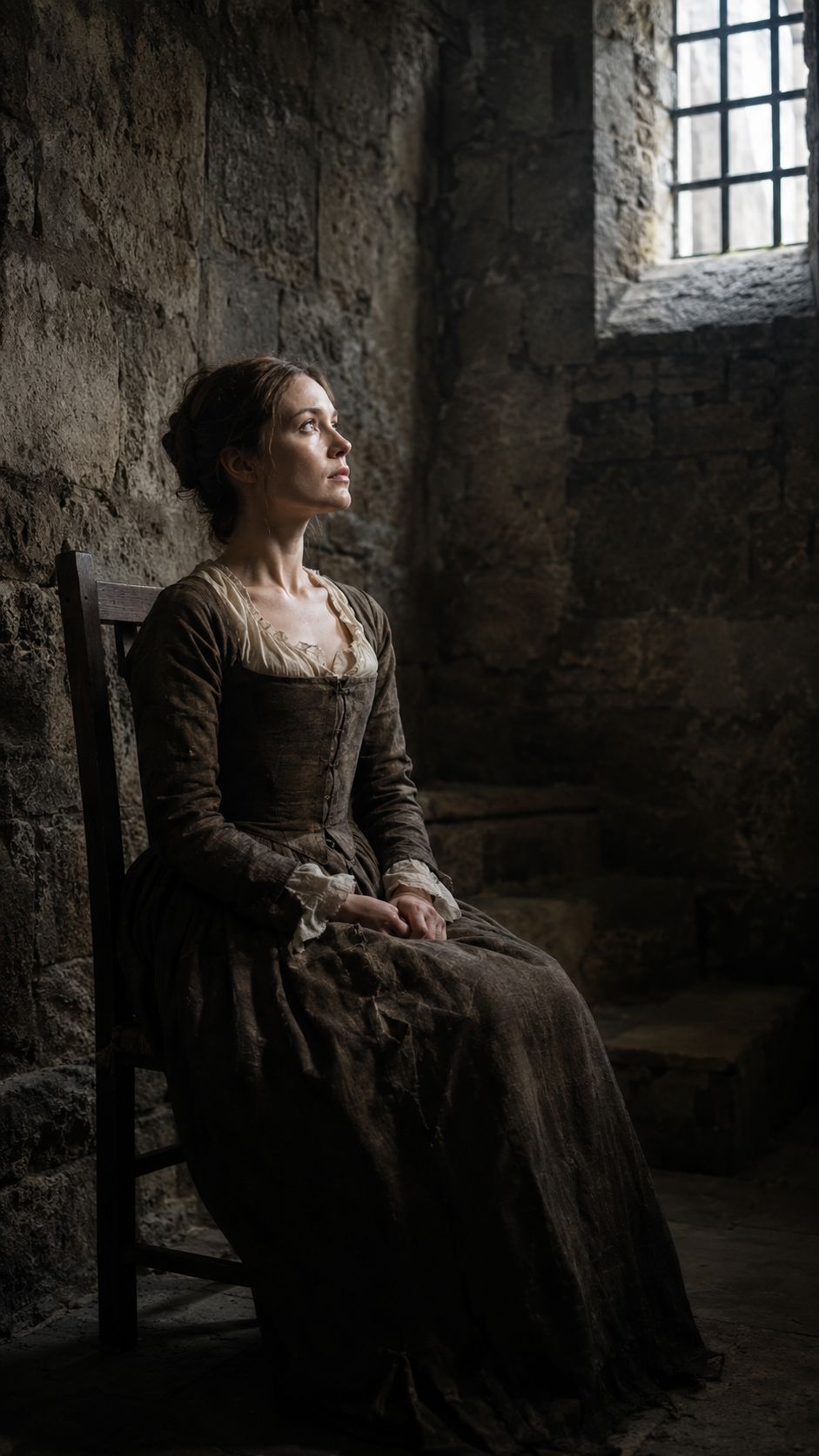 The Rape Trial That Ended In Trial By Combat
A woman's accusation of rape led to France's last judicial duel, with her own life staked on the outcome.
Paris, France · 1386