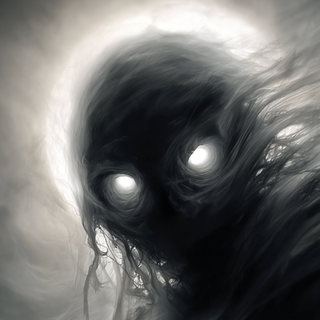
On the evening of 30th May 1593, four men met at a lodging house in Deptford, southeast London, owned by a widow named Eleanor Bull. They spent the day together — eating, walking in the garden, talking. After supper, an argument broke out.
The coroner’s inquest recorded that the dispute was over “le recknynge” — the bill. A fight over who was paying for dinner.
One of the four men — Ingram Frizer — drove a dagger into the face of another just above the right eye, penetrating two inches into the brain. Death was instant.
The dead man was Christopher Marlowe. He was 29 years old. He was the most celebrated playwright in England — author of Tamburlaine, Doctor Faustus, and The Jew of Malta. He had reinvented English drama. He had turned blank verse into an instrument that could hold the full range of human experience.
He died in a bar fight. Or he was assassinated. Nobody has ever been certain which.
The Horror
Marlowe was not just a playwright. He was a spy. While he was still a student at Cambridge, his college considered withholding his degree because of his frequent, unexplained absences — until the Queen’s Privy Council intervened, writing that he had “done Her Majesty good service” in matters they could not disclose.
That language almost certainly means intelligence work — travelling under false pretences, infiltrating Catholic circles, passing information to Sir Francis Walsingham’s network. Marlowe moved in that world between playhouse and espionage, where informers posed as sympathisers to expose plots against Elizabeth I.
In the weeks before his death, the walls were closing in. His former roommate Thomas Kyd had been arrested for “heretical” writings. Under torture, Kyd said the papers belonged to Marlowe. A warrant was issued. Marlowe was summoned before the Privy Council and ordered to report daily.
Then, on 30th May, he went to Deptford — and was killed by a man who was pardoned within 28 days.
Ingram Frizer’s royal pardon was issued on 28th June 1593 — one of the fastest homicide pardons in the Elizabethan records. The coroner’s jury ruled it self‑defence. Frizer claimed Marlowe had attacked him first, snatching his dagger from behind and striking him on the head. Frizer — pinned at a table with Marlowe behind him — supposedly wrenched the weapon back and delivered the single fatal blow above the eye.
Self‑defence, said the record. Case closed.
The other two men in the room were Robert Poley and Nicholas Skeres. Both were government operatives. Poley had been directly involved in unmasking the Babington Plot that led to the execution of Mary, Queen of Scots. Skeres was a known con man and sometime agent who worked for Marlowe’s patron’s family.
Three spies and a playwright in a room. The playwright died. The spies walked away. The pardon came in four weeks.
The Modern Relic
Marlowe’s grave is somewhere in the churchyard of St Nicholas, Deptford. It is unmarked. Nobody knows exactly where his body lies. A modern memorial plaque marks his name. In 2002, a memorial window for him was installed in Poets’ Corner, Westminster Abbey — showing the Muse of Poetry with a dagger at her feet, and a discreet question mark after the year of his death.
The lodging house where he died is gone. The coroner’s report survives in the archives. In the same year Marlowe died, an actor from Stratford named William Shakespeare published his first long poem and began his climb to dominance on the London stage. Within five years, Shakespeare was the most successful dramatist in England.
The conspiracy theory — that Marlowe faked his death at Deptford and went on writing under Shakespeare’s name — has never been proven. It has never entirely gone away. The unmarked grave at Deptford refuses to confirm or deny anything. The official story says it was about “the reckoning” — a bill for dinner. The unofficial story says the reckoning was bigger.
Nearby on the Dark Atlas
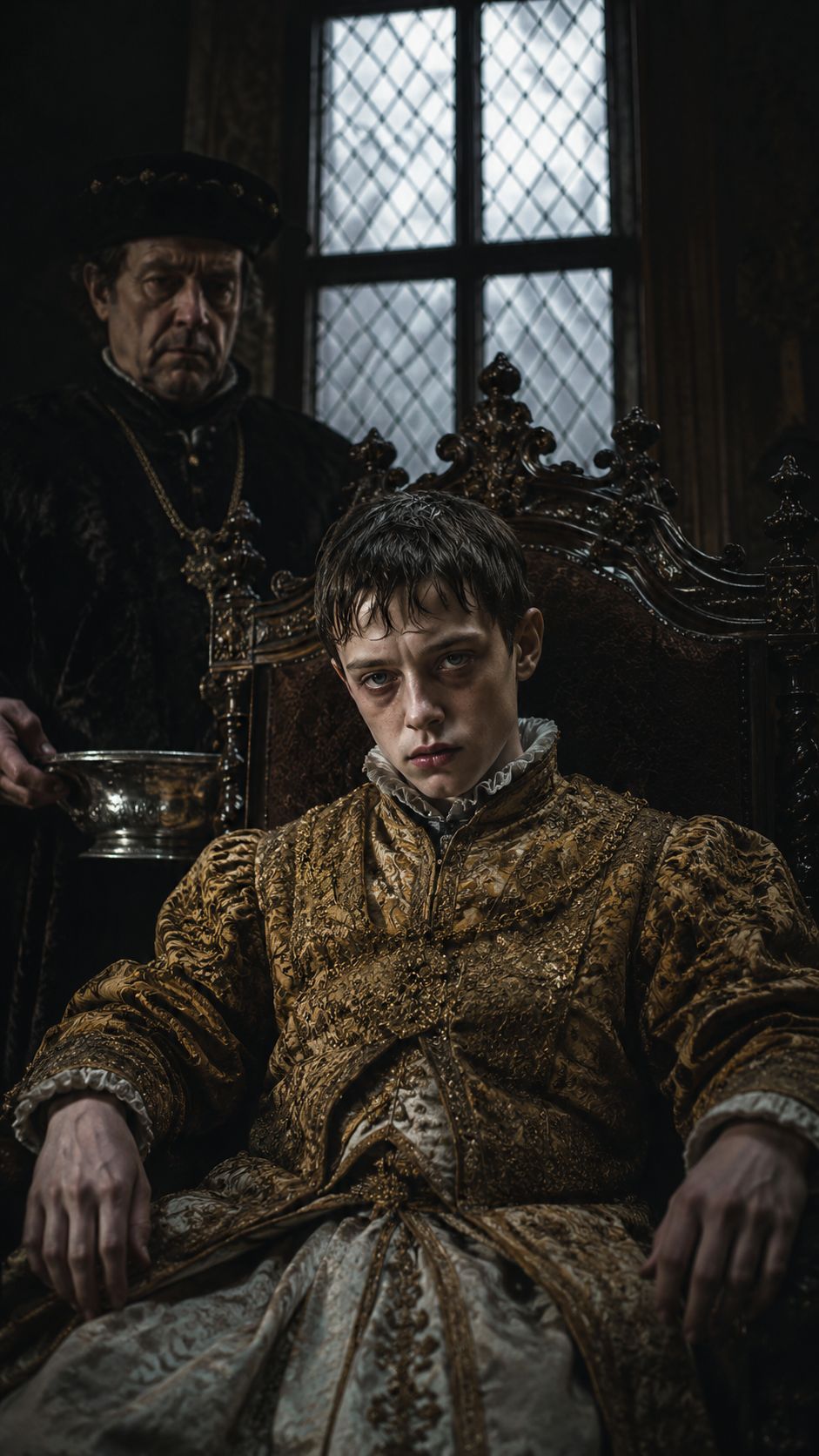 The Boy King's Hidden Collapse
Behind closed doors, the nine-year-old king who inherited a dynasty rotted from a lung disease his advisors desperately hid.
Greenwich, London, United Kingdom · 1553 · 1.2 km away
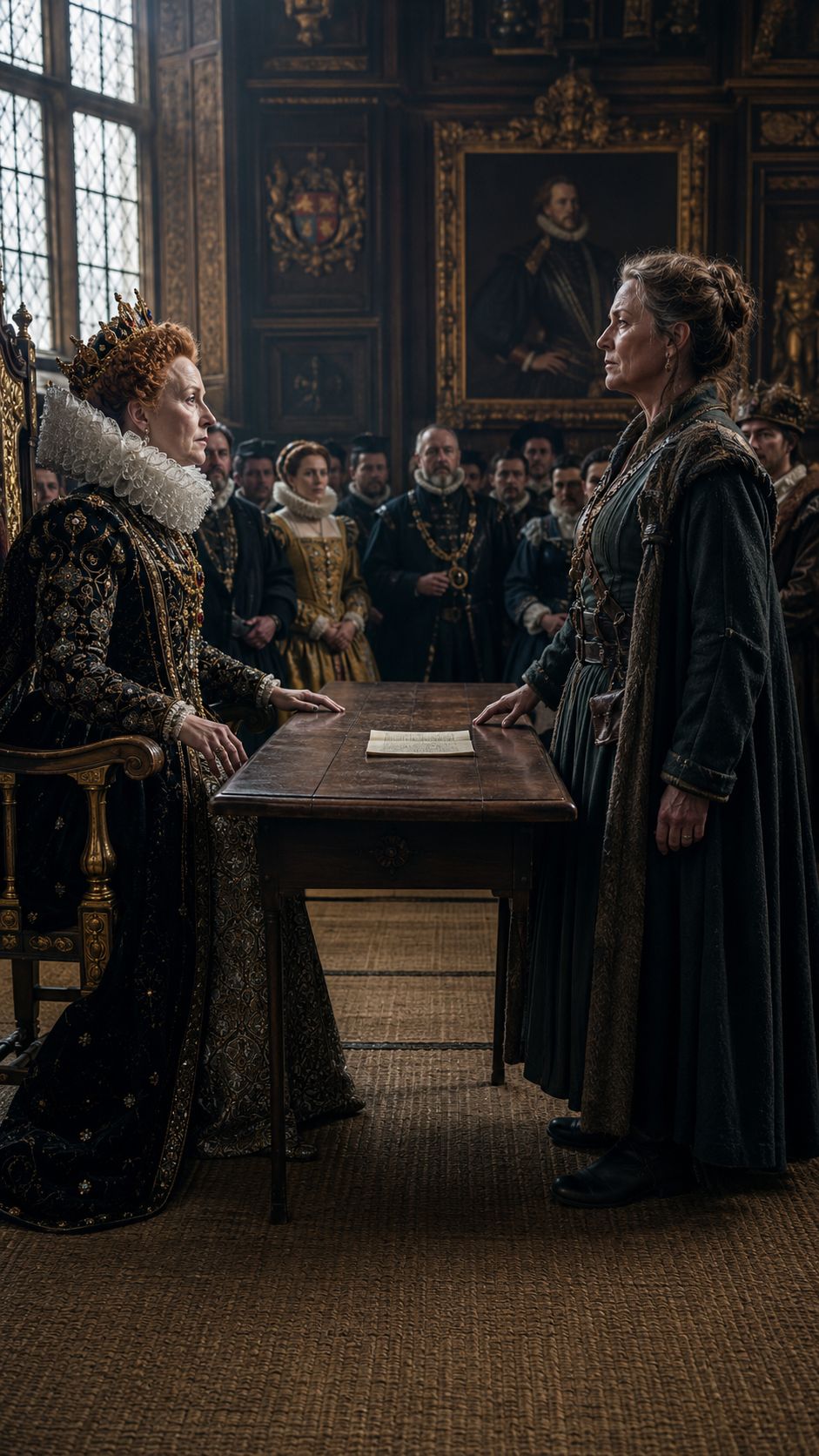 The Pirate Queen Who Sailed To See A Queen
At sixty-three, a sea-captain and pirate chieftain sailed straight to England to demand an audience with Elizabeth I.
Greenwich, London, United Kingdom · 1593 · 1.2 km away
- The Boy King Whose Lungs Rotted Inside Him
His skin turned green and his legs swelled as he coughed up pieces of his own blackened lungs.
Greenwich Palace, London, United Kingdom · 1553 · 2.3 km away
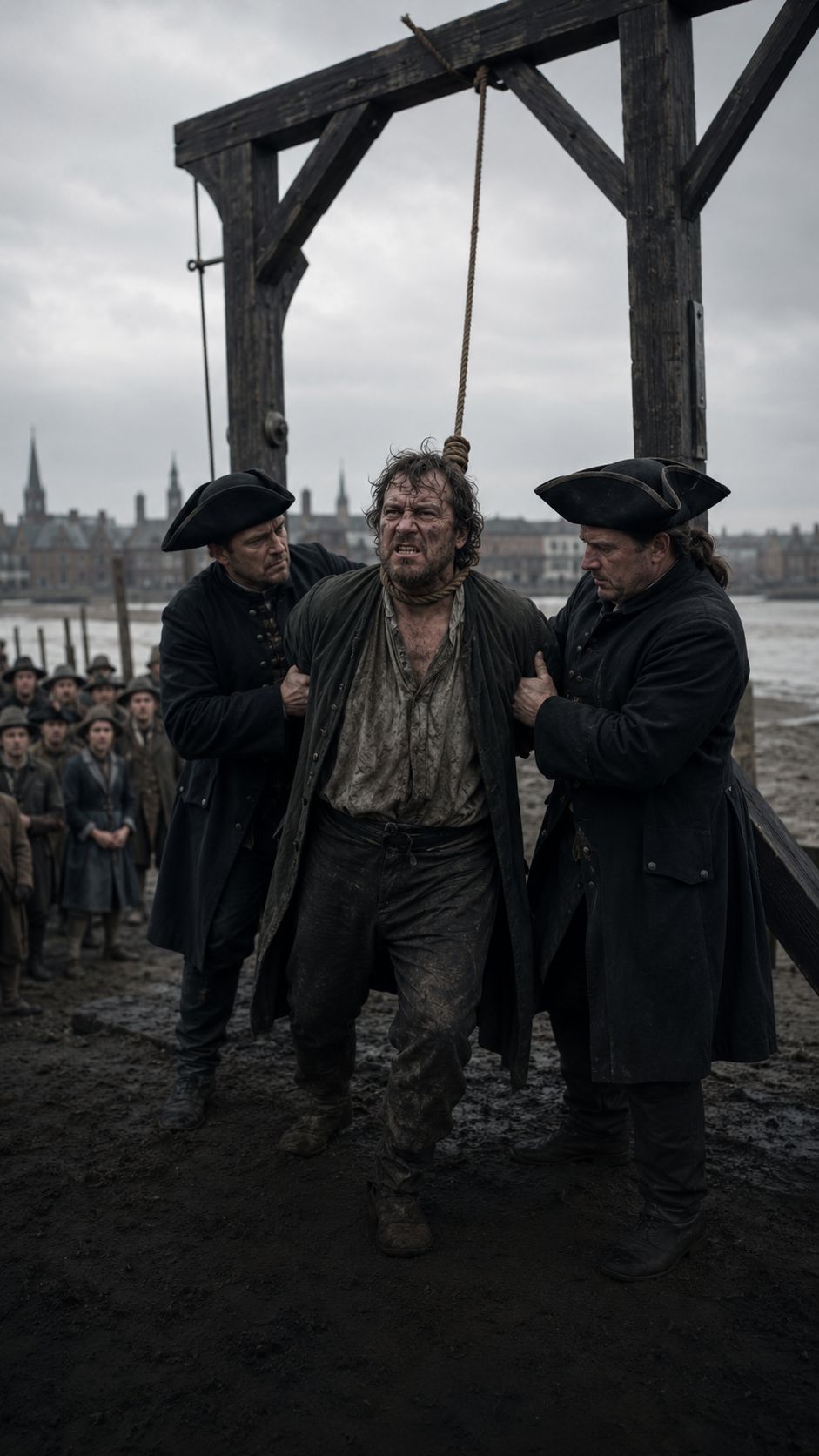 The Pirate Hanged Twice In One Morning
A respected captain became a public scapegoat for piracy, and even his execution refused to go as planned.
London, United Kingdom · 1701 · 3.2 km away
More like this
- The Murder Dickens Turned Into Fiction
A cold, calculated murder buried a body in a Bermondsey kitchen, and became fodder for the country's most famous novelist.
Bermondsey, London, United Kingdom · 1849
- The Chair No One Is Allowed To Sit In
A murderer's cursed armchair now hangs on a museum wall, five feet off the ground, so no one can sit in it again.
Thirsk, United Kingdom · 1702
- The Poisoner Who Weaponised A Town's Sweet Shops
She poisoned an entire town's confectionery to disguise the murder of a woman she hated, killing a child she never met.
Brighton, United Kingdom · 1871
 The Rape Trial That Ended In Trial By Combat
A woman's accusation of rape led to France's last judicial duel, with her own life staked on the outcome.
Paris, France · 1386