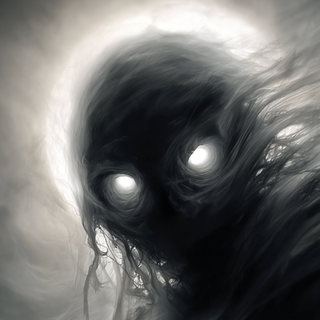
Mary Ann Bevan was, by every account, a lovely young woman. Born in London in 1874, she trained as a nurse — a job that suited her kind, steady nature — married a man named Thomas Bevan around 1902, and had four children. Photographs from her twenties show a soft, pretty, ordinary face. A happy life.
Then, in her early thirties, something began to go wrong that no one could explain or stop.
The horror Deep in Mary Ann’s skull, her pituitary gland developed a tumour, flooding her body with growth hormone. The condition is called acromegaly. In an adult, it doesn’t make you taller; it makes the bones that are still responsive to the hormone begin to grow again. Slowly, relentlessly, her body started to enlarge and distort.
Her jaw grew heavy and protruding. Her brow and cheekbones thickened. Her nose broadened; her lips and tongue swelled; the gaps between her teeth widened as the bone beneath them spread. Her hands and feet enlarged until she needed a size 11 shoe. Alongside that came agony: crushing headaches from the tumour pressing on her brain, and her eyesight slowly failing as it squeezed the nerves behind her eyes.
The cruellest part was that she understood it. She had been a nurse. She knew what acromegaly meant, and she had to watch its progress in the mirror for years, feature by feature, with absolutely no way to stop it. In the early 1900s, there was no effective treatment; what can be managed today with surgery and medication was, for her, simply a sentence.
Then, in 1914, her husband Thomas died suddenly. She was left alone, in constant pain, her face changing into something strangers stared at, with four children to feed and no reliable way to earn a living. Her altered appearance made nursing work impossible. The money ran out; the bills did not.
The modern relic So Mary Ann Bevan made a decision that is hard to think about without flinching. She answered a newspaper advertisement placed by a circus agent. It read: “Wanted — ugliest woman. Nothing repulsive, maimed or disfigured. Good pay guaranteed.” She entered a contest to be named the ugliest woman alive. Out of hundreds of applicants, she won.
She was sent to America, to the sideshows at Coney Island’s Dreamland, and put on a platform for the public to gawk at — billed bluntly as “the Ugliest Woman in the World.” Crowds paid to file past and stare at the woman whose disease had reshaped her face. Through it all, witnesses said, she sat with quiet dignity, smiling, selling postcards printed with her own portrait to the people who came to laugh — because every postcard was money, and money was food, clothing, and schooling for her children.
She endured that humiliation for over a decade, and she succeeded on her own terms. She earned what would now amount to a small fortune, and she sent it home. Her children were housed, fed, and educated on the proceeds of their mother’s ruined face. She died in 1933 and was brought back to England to be buried in Ladywell Cemetery in London.
And here is the modern relic — the part that shows how long casual cruelty can last. In the early 2000s, more than seventy years after her death, a major greetings‑card company printed Mary Ann’s photograph on a joke birthday card, mocking her appearance for a cheap laugh, with no idea who she was or why she looked that way. A doctor recognised her face — and knew that she had been a chronically ill woman, not a cartoon monster — and complained. The card was withdrawn.
In doing that, they had repeated exactly what the sideshow had done in the 1920s: turned a suffering mother into a visual punchline for strangers. The only difference was that this time, someone said her name out loud and objected.
Nearby on the Dark Atlas
- The Novel That Predicted The Titanic
Fourteen years before Titanic sank, a novelist described an 'unsinkable' liner hitting an iceberg on an April night, with eerie precision.
New York City, United States · 1898 · 15 km away
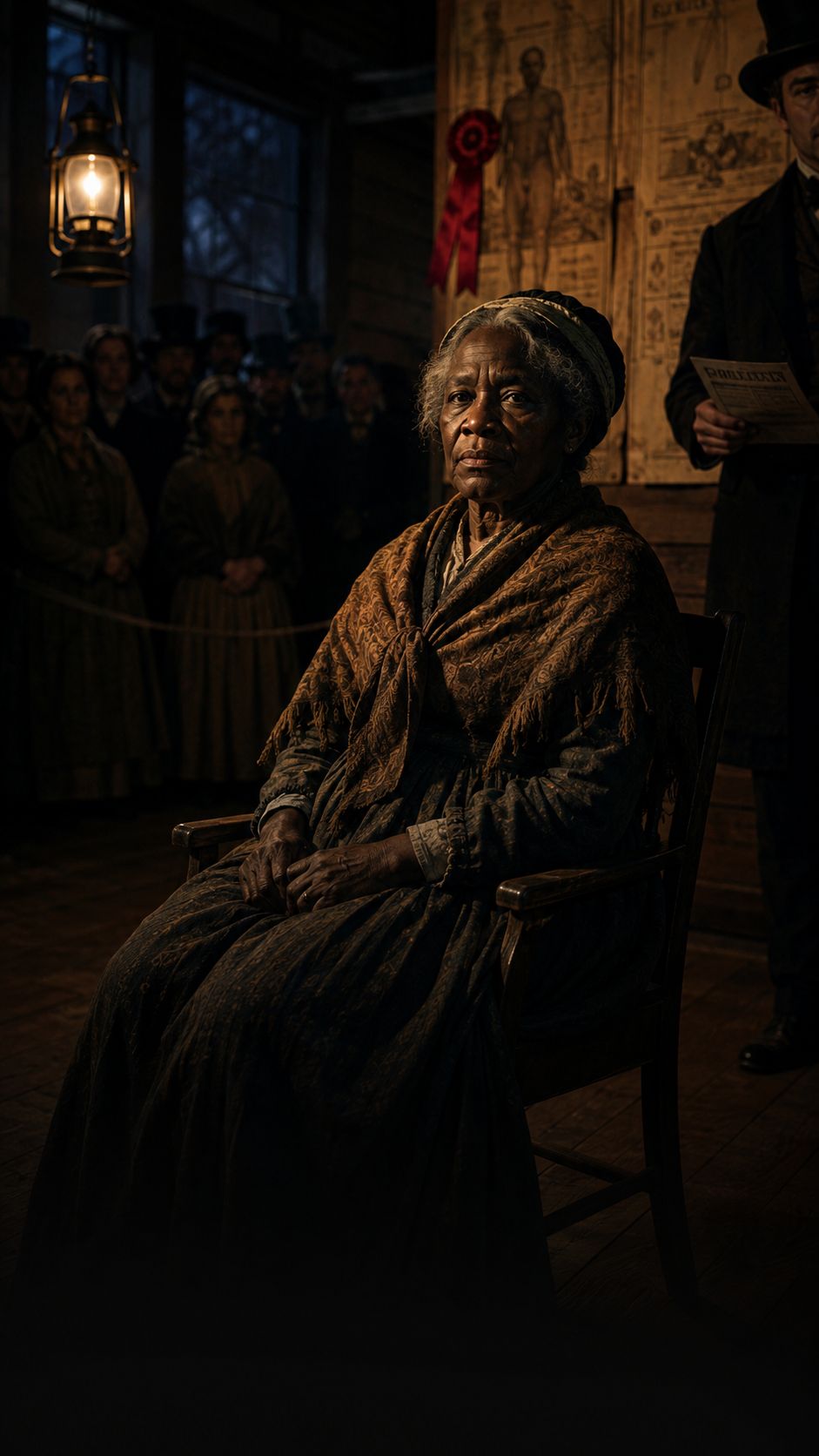 The Showman Who Sold Tickets To A Dissection
P.T. Barnum built his fortune exhibiting an enslaved woman alive, then sold tickets to watch her autopsy.
New York City, United States · 1836 · 15 km away
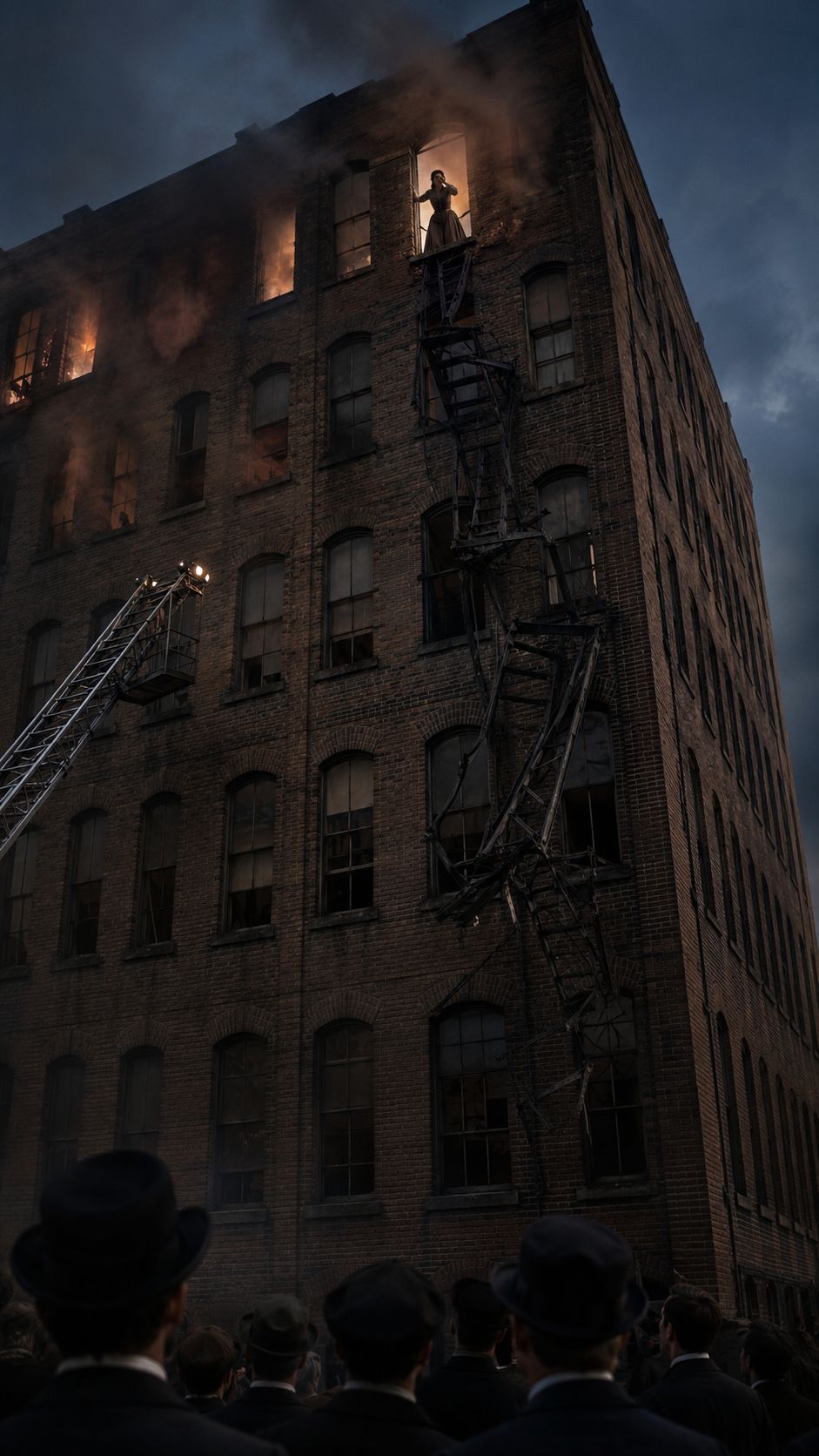 The Fire That Changed Workplace Safety
Hundreds of young immigrant women are locked inside a garment factory when a scrap bin catches fire near closing time.
New York City, United States · 1911 · 17 km away
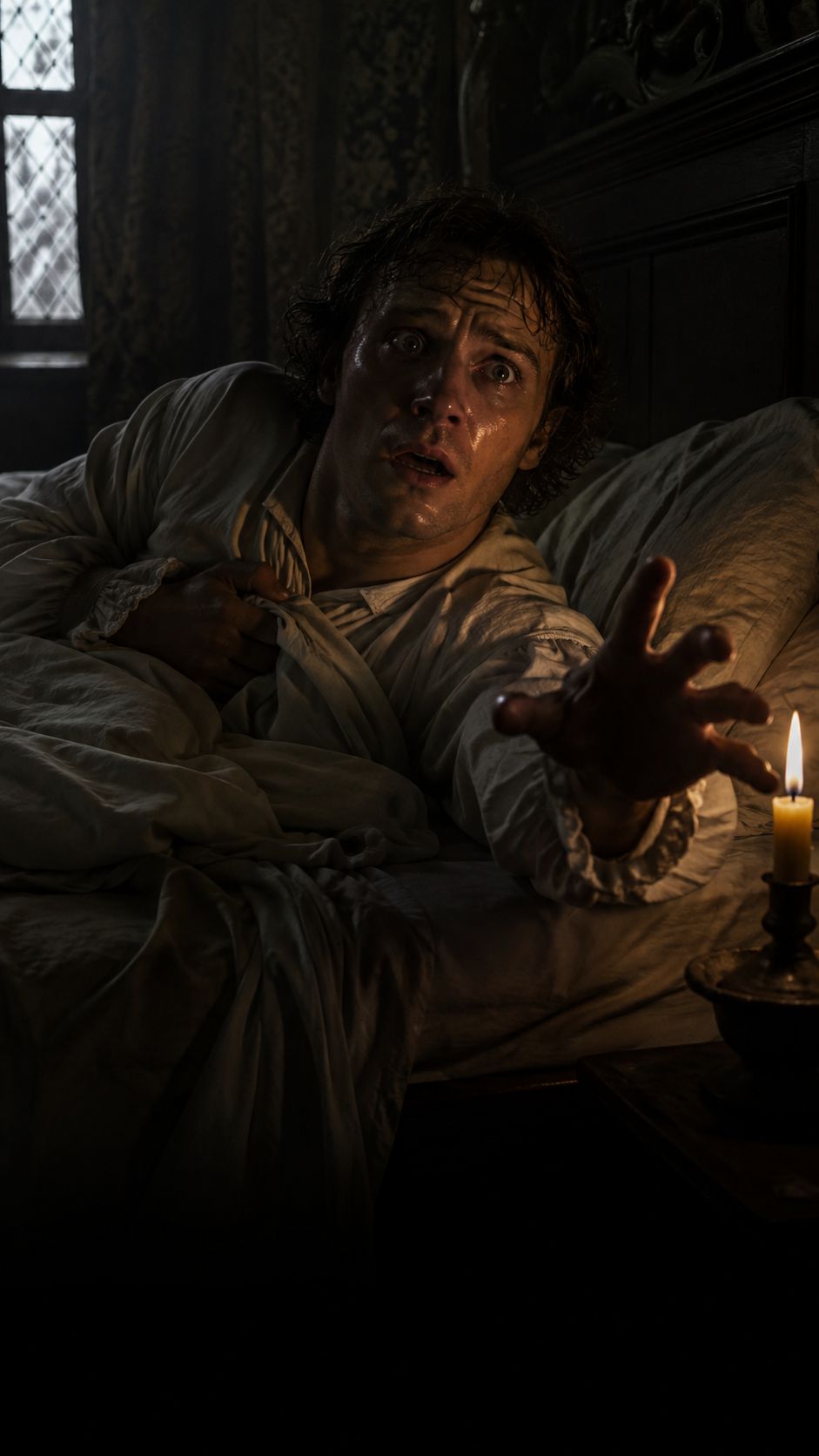 The Real Story Behind Saved By The Bell
The bell-string coffin myth is fake, but the Victorian fear of being buried alive was real enough to spawn actual escape coffins.
Newark, New Jersey, United States · 1868 · 24 km away
More like this
- The Leper King's Story No Film Would Show
Kingdom of Heaven gave him a dignified death behind a silver mask, the truth was far crueller.
Jerusalem, Israel · 1185
 The Rape Trial That Ended In Trial By Combat
A woman's accusation of rape led to France's last judicial duel, with her own life staked on the outcome.
Paris, France · 1386
- The Parish Registers Of The Beast's Victims
Between 1764 and 1767 something killed roughly a hundred people, recorded in the registers as 'devoured by the beast.'
Saugues, France · 1764
- The Manufacturing Of England's Most Haunted House
For decades it was called the most haunted house in England, until its ghost story revealed how a haunting gets made.
Borley, Essex, United Kingdom · 1929