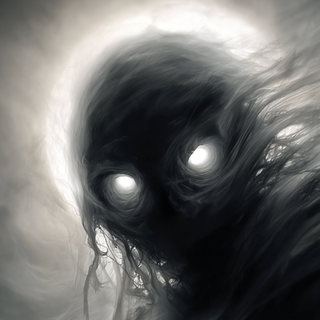
He was a talented young musician who caught the eye of the Queen, but a simple piece of rope turned his life into a waking nightmare. In the spring of 1536, Thomas Cromwell was desperate to find a way to destroy Anne Boleyn. He targeted Mark Smeaton, a young court musician from a poor background who played the lute for the Queen’s private circle. Smeaton wasn’t taken to the grand, public torture racks inside the Tower of London; instead, he was dragged to a dark, private room inside Cromwell’s personal house. The interrogators used a “girdle”—a simple, agonizingly brutal device consisting of a thick, knotted cord wrapped tightly around his skull. They used a wooden stick to twist the cord, tightening it millimeter by millimeter, crushing his skull until his eyes began to bleed and his vision failed. Driven completely insane by the blinding physical agony, the young musician screamed out a completely false confession, admitting to adultery with the Queen. This forced confession became the primary weapon Henry VIII used to send Anne Boleyn to the scaffold.
Interesting Fact Smeaton naively believed that giving Cromwell the false confession would save his life. However, because he was a commoner, English law did not grant him the mercy of a quick beheading. He was dragged to Tower Hill and publicly executed, realizing too late that his agonizing torture was just a political prop to murder a Queen.
Nearby on the Dark Atlas
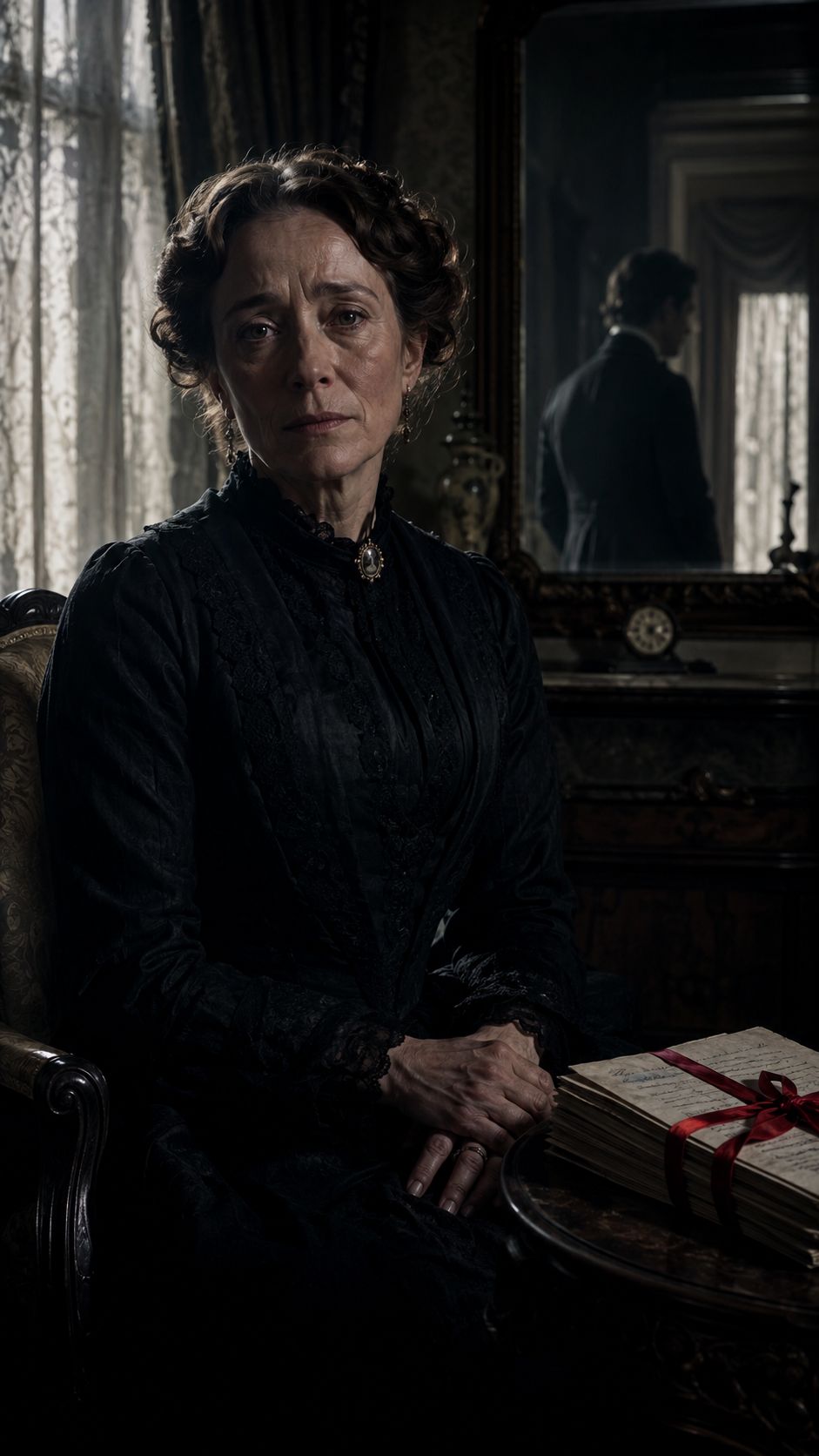 The Asylum Dickens Wanted For His Wife
The beloved author of A Christmas Carol tried to have his sane wife declared mad to be rid of her.
London, United Kingdom · 1858 · same site
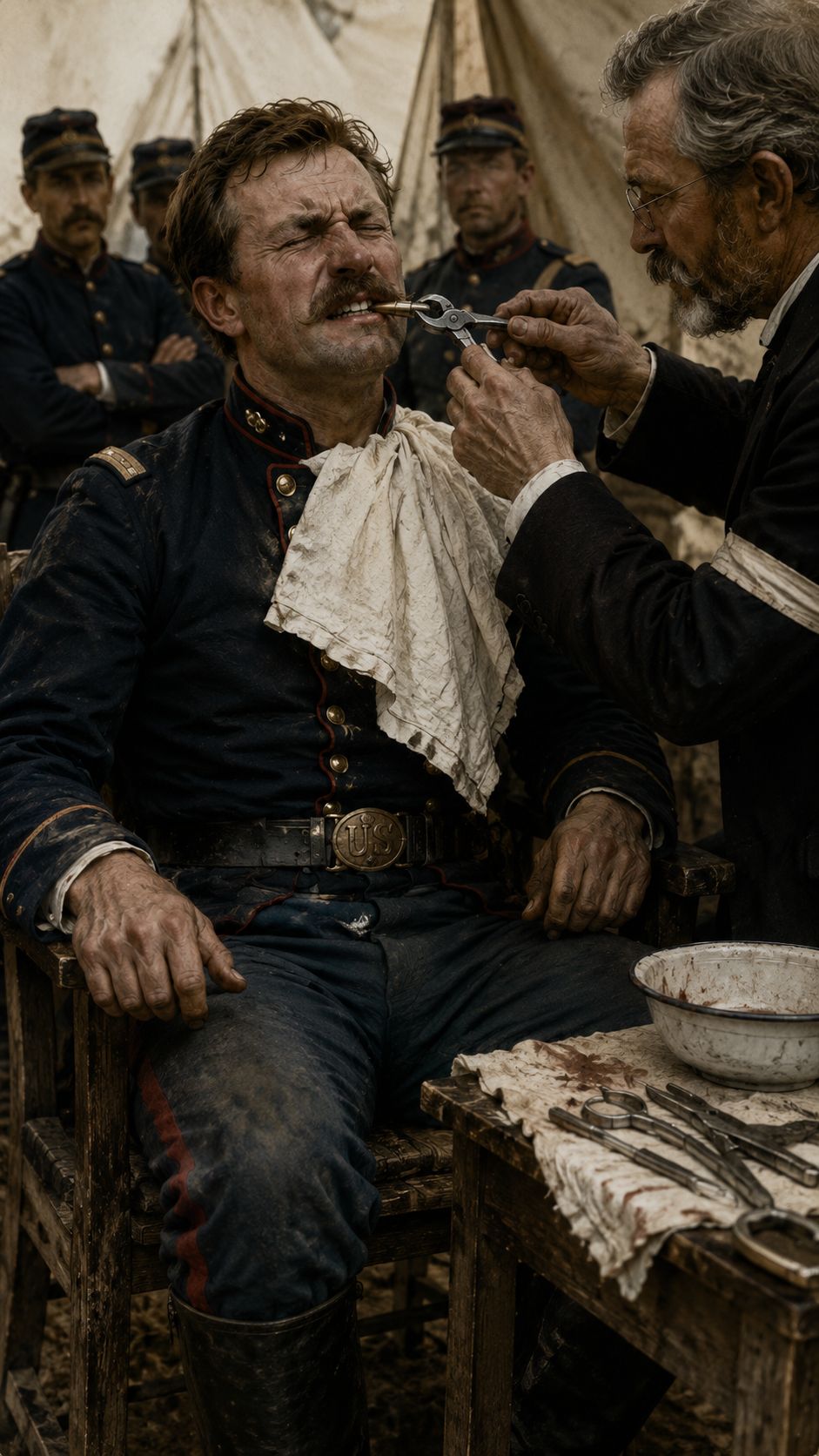 The Battlefield Origin Of Biting The Bullet
Before anaesthesia, wounded men bit down on lead to endure the surgeon's knife, or so the grim legend says.
London, United Kingdom · 1891 · same site
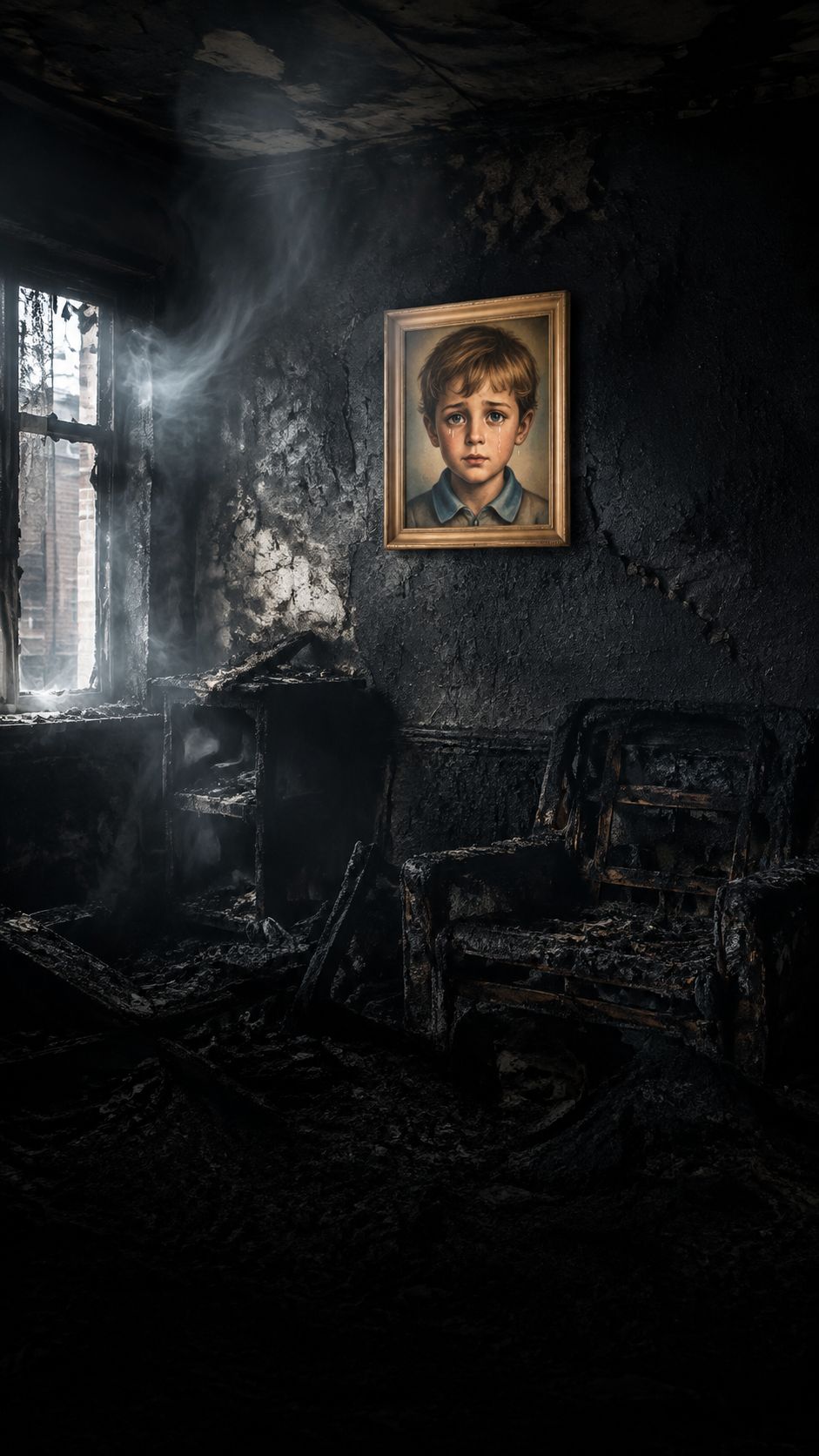 The Cursed Painting That Survived House Fires
A cheap mass-produced print sparked a nationwide panic that it caused fires, and always survived the ashes untouched.
London, United Kingdom · 1985 · same site
- The Disease That Killed By Nightfall
Tudor England lived in terror of a plague so fast it could kill a healthy person before sundown.
London, United Kingdom · 1485 · same site