
Richard Neville, the Earl of Warwick, was one of the most dangerous men in English history — not because he wore a crown, but because he could make and unmake kings.
He was born in 1428 into one of the great noble families of England, and through marriage and inheritance he became the Earl of Warwick, one of the richest and most powerful lords in the realm. In an age when royal authority was weak and noble alliances could decide the fate of a dynasty, Warwick rose as a kingmaker in the truest sense: a man whose support could put a monarch on the throne.
At first, he backed the House of York against the Lancastrian King Henry VI, whose reign was collapsing under weakness, faction, and civil war. Warwick helped drive the Yorkist cause to victory, and in 1461 he played a central role in securing the crown for Edward IV. For a time, Warwick was the great power behind the throne — the man who had helped create the new king.
But power changes people, and Edward IV was not content to remain anyone’s puppet. As the young king grew more independent, Warwick found himself pushed aside. He also grew furious over Edward’s secret marriage to Elizabeth Woodville, which upset Warwick’s plans for a politically useful alliance with France. The two men fell out hard. The kingmaker who had built the Yorkist regime now turned against the king he had made.
The Horror
Warwick’s rebellion was not just political; it was personal, reckless, and destructive. He allied himself with his former enemies, the Lancastrians, and in one of the strangest reversals of the war, he helped restore Henry VI to the throne in 1470. It was an astonishing betrayal of the dynasty he had once served. England lurched again into chaos, and Warwick became the man who had broken the kingdom open twice.
But Edward IV was not finished. He returned with force, and Warwick met him in battle at Barnet in 1471. The fighting took place in thick fog, and confusion ruled the field. Warwick’s side collapsed. He was killed in the battle, and his death marked the end of the man who had dominated the Wars of the Roses for more than a decade.
His body was not allowed to rest in dignity. Edward IV had it publicly displayed in London as proof that the “Kingmaker” was dead, a warning to anyone who thought to challenge the throne again. It was a grim end for a man who had spent his life deciding who else would wear the crown.
THE MODERN RELIC Warwick’s story remains one of the clearest examples of how brutal and unstable the Wars of the Roses were. In that conflict, loyalty was fragile, kings were vulnerable, and the greatest nobles could become kingmakers, traitors, or corpses in a single generation.
The relics of his world still survive. Barnet, where he died, remains one of the decisive battlefields of the war. Warwick Castle, which became bound to his title and legacy, still stands as one of the most famous castles in England. And his story survives in the historical memory of a kingdom that learned, again and again, that one magnate with ambition could shake the whole realm.
Warwick was not a king, but he came closer than almost anyone to ruling through other men. In the end, the man who made kings was destroyed by the very game he had mastered.
Nearby on the Dark Atlas
- The Diplomat Hanged As A Traitor And Honoured As A Saint
The man who exposed Congo's atrocities was hanged for treason, then given a hero's state funeral decades later.
Pentonville Prison, London, United Kingdom · 1916 · 13 km away
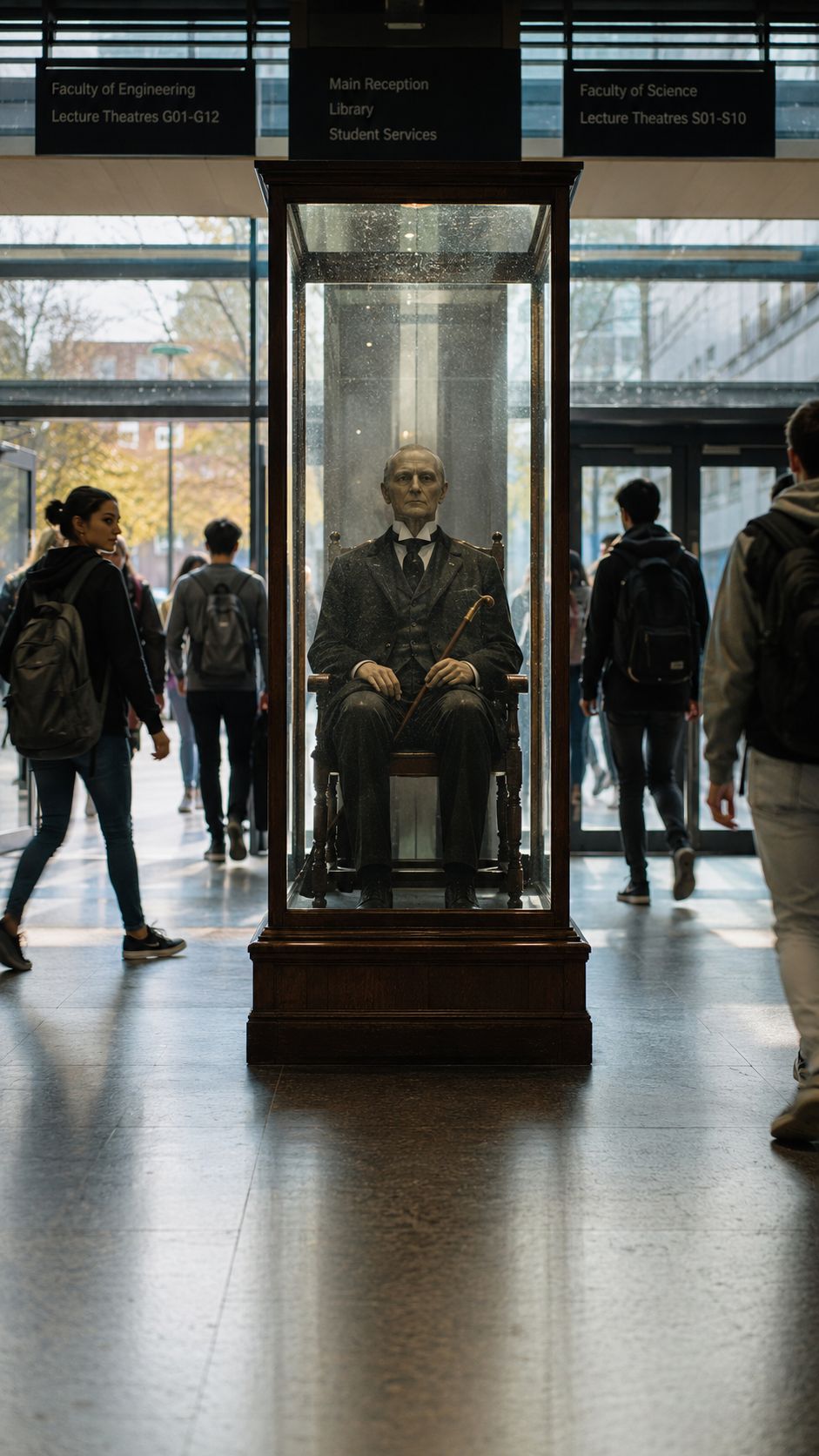 The Philosopher Who Attends His Own Meetings
He carried glass eyes in his pocket for years, waiting to have his own preserved skeleton put on permanent display.
London, United Kingdom · 1832 · 15 km away
- The Plot To Murder The Entire British Cabinet
A hayloft of desperate radicals plotted to assassinate the whole Cabinet in a single stroke, and very nearly tried.
Cato Street, London, United Kingdom · 1820 · 15 km away
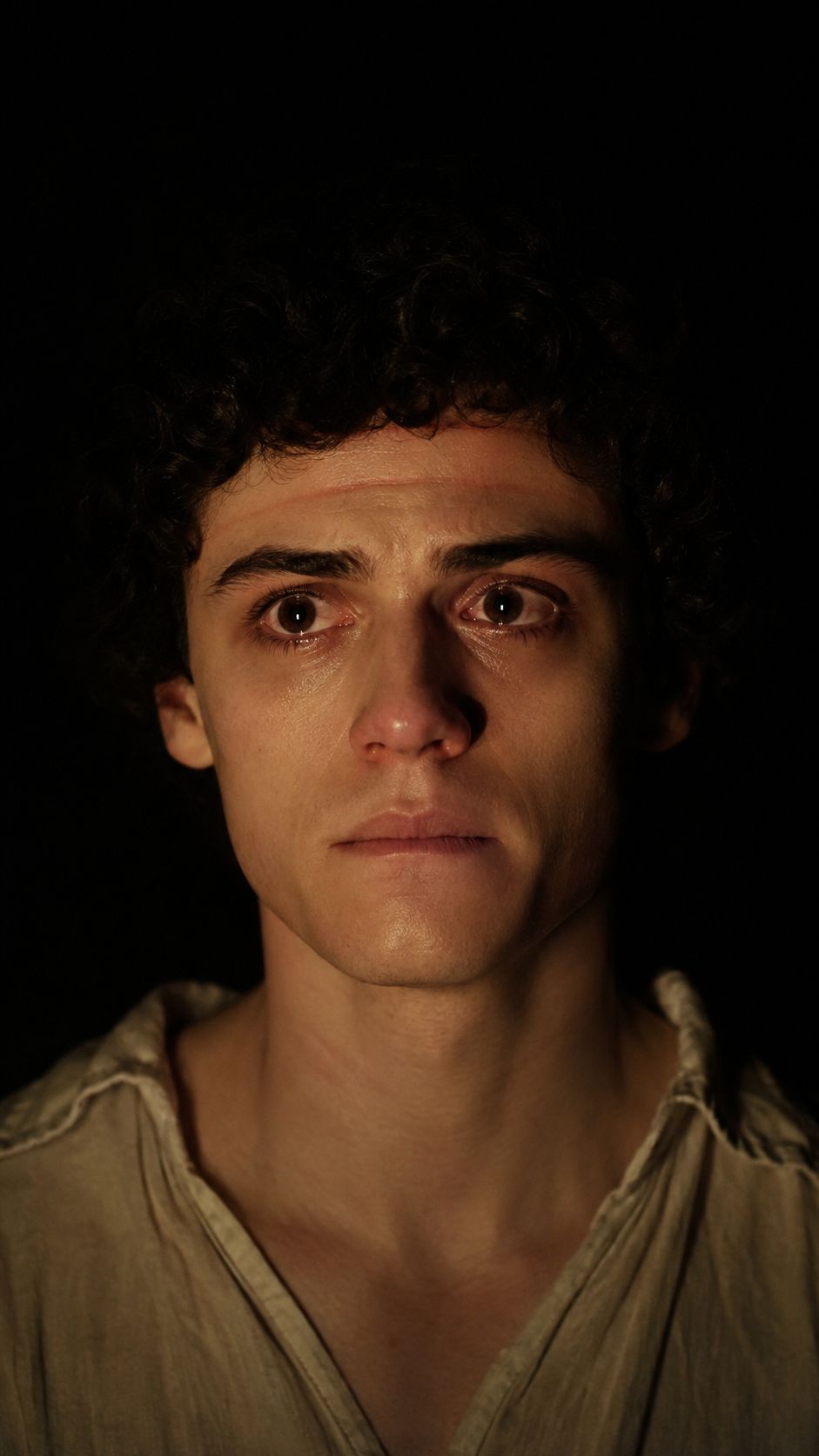 The Jesuit Who Chose the Rack Over the Court
The queen wanted him for her court, but he became a hunted priest facing rack, trial, and rope instead.
Tyburn, London, United Kingdom · 1581 · 15 km away