
A calculated campaign of state restoration turned a quiet rural valley into a stage for absolute military domination. The King’s regents had no interest in compromise—they intended to annihilate the uprising and send a message that no commoner would ever challenge the land laws again.
The Horror
Outside Norwich, the machinery of the state moved with cold precision. Rather than negotiate with the thousands of starving peasants gathered under Robert Kett, the Earl of Warwick advanced with a professional army bolstered by hardened foreign mercenaries.
At Dussindale, the rebels were funneled into a shallow basin—open ground with no protection. Cavalry sealed every escape route. What followed was not a battle, but a controlled extermination. In a matter of hours, over three thousand men were cut down. The streams ran thick with blood, the fields churned into a red mire.
The killing did not end there. In its aftermath, Warwick ordered a calculated display of terror. Along the roads leading out of Norwich, rows of gallows were erected. Captured rebel leaders were hanged in full view of the population—their bodies left to rot for weeks. This was not punishment; it was theatre. A warning carved into flesh and timber: defiance would be erased, utterly and without hesitation.
The Modern Relic
Today, Dussindale is quiet—suburban streets and open parkland stretching across what was once a killing ground. But beneath the calm lies the memory of a single day when thousands were systematically destroyed. To walk there now is to stand in the shadow of one of the Crown’s most ruthless displays of power—a place where authority was not asserted, but enforced with devastating finality.
Nearby on the Dark Atlas
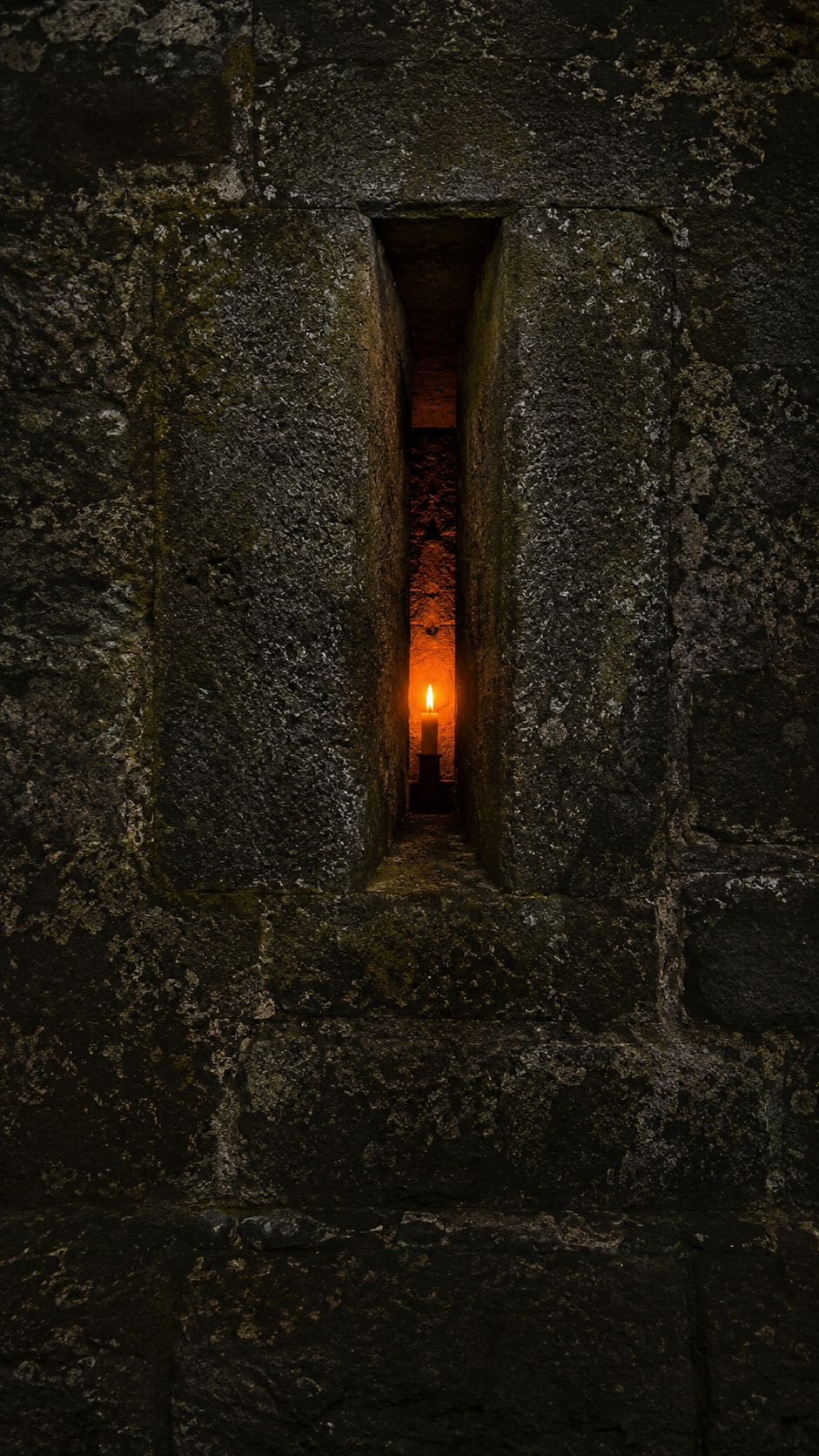 The Living Woman Given Her Own Funeral
A healthy thirty-year-old woman had her own funeral rites read over her before walling herself into a cell for forty years.
Norwich, United Kingdom · 1373 · 2.3 km away
 The King Whose Head Called Out From The Woods
A Viking army executed an English king and hid his head in the forest, where his followers heard it calling back to them.
Hoxne, Suffolk, United Kingdom · 869 · 34 km away
- The King's Death That Was A Secret For Fifty Years
For half a century the official story was a peaceful passing — until a doctor's own diary revealed the truth.
Sandringham, United Kingdom · 1936 · 58 km away
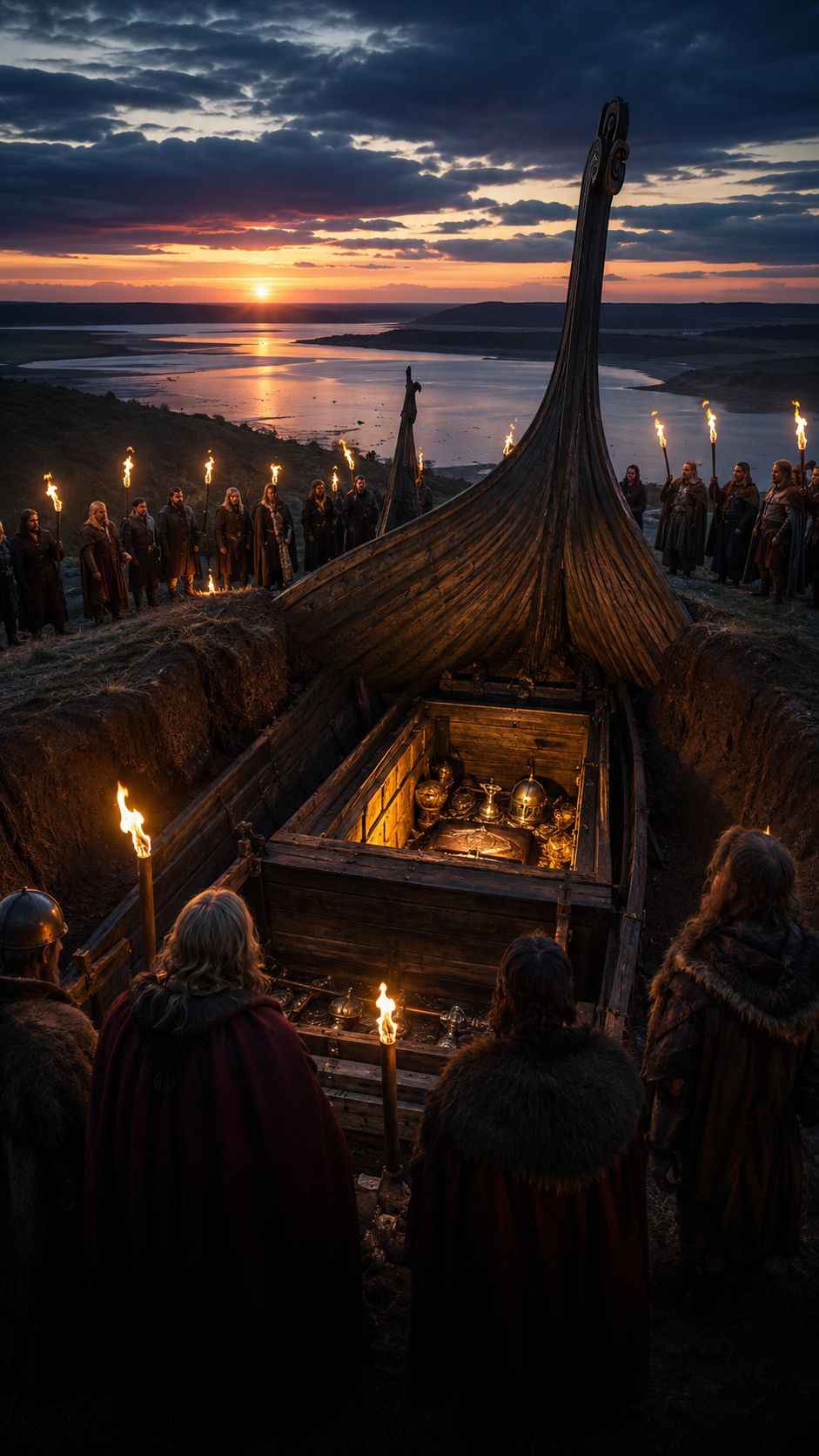 The King Who Vanished Into A Body-Shaped Void
A ship burial fit for a king held a fortune in gold, but the king's own body had completely dissolved away.
Sutton Hoo, Suffolk, United Kingdom · 625 · 62 km away