Browsing by subject? Every theme has its own page — see all 12 themes.
623 stories
- Ras Al Khaimah · 1985Al Qasimi Palace: the Ras Al Khaimah Palace No One Lived InA sheikh spent a reported half a billion dirhams on a hilltop palace, then never moved in. The reason is documented. The reason people repeat is not.
- Beechworth · 1867Beechworth Asylum: The Real History of Mayday HillsFor 128 years the asylum on the hill took in Victoria's unwanted. Most of the ones who died there were buried in graves nobody marked.
- Coronado, California · 1892Kate Morgan and the Hotel del Coronado: The Death of the Beautiful StrangerIn 1892 a young woman checked into California's grandest seaside hotel under a false name, waited five days for a man who never came, and was found dead on the beach stairs.
- Portland, Oregon · 2003The Dybbuk Box: The Haunted Cabinet That Its Own Seller Says He Made UpThe world's most famous cursed object began as an eBay listing, and in 2021 the man who wrote that listing said plainly that he had invented all of it.
- Southwark, London · 1676The George Inn: London's Last Galleried Coaching InnFire took it in 1676 and the railway took two thirds of what replaced it — one range of galleries survives, and a ghost nobody can name properly.
- Greenwich · 1966The Tulip Staircase Ghost: What the 1966 Photograph Really ShowsThe experts who examined the famous Greenwich ghost photograph agreed on something the legend never mentions: there must have been someone on the stairs.
- Lemba · 1976The Woman from Lemb: The Truth About the Goddess of DeathFour aristocratic families are said to have been wiped out by a cursed Cypriot statue. The statue is real. The families are not.
- Pentonville Prison, London · 1916The Diplomat Hanged As A Traitor And Honoured As A SaintThe man who exposed Congo's atrocities was hanged for treason, then given a hero's state funeral decades later.
- Place des Terreaux, Lyon · 1642The King's Favourite Who Bet Against RichelieuA dazzling young courtier gambled his head against Cardinal Richelieu, and lost it in a public square.
- Berkeley Square, London · 1879The Most Haunted House In LondonFor a whole Victorian generation, one Mayfair townhouse carried a reputation no other address in London could match.
- Bermondsey, London · 1849The Murder Dickens Turned Into FictionA cold, calculated murder buried a body in a Bermondsey kitchen, and became fodder for the country's most famous novelist.
- Shadehill, South Dakota · 1823The Real Survival Story Behind The RevenantMauled by a bear and left for dead, a frontier trapper crawled across hundreds of miles of wilderness to survive.
- Chillingham, Northumberland · 1245England's Most Fought-Over Haunted CastleCenturies of border warfare and torture wrote Chillingham's darkness into history long before anyone spoke of ghosts.
- Thirsk Museum, Thirsk, North Yorkshire · 1702The Chair No One Is Allowed To Sit InA Yorkshire museum keeps an ordinary wooden armchair hung out of reach, because of a curse no record supports and a chain of deaths no one can document.
- Jerusalem · 1185The Leper King's Story No Film Would ShowKingdom of Heaven gave him a dignified death behind a silver mask, the truth was far crueller.
- Tyburn, London · 1760The Only Peer Ever Hanged At TyburnA violent nobleman was hanged before a stunned crowd who never expected to see a lord die on the public gallows.
- Brighton · 1871The Poisoner Who Weaponised A Town's Sweet ShopsShe poisoned an entire town's confectionery to disguise the murder of a woman she hated, killing a child she never met.
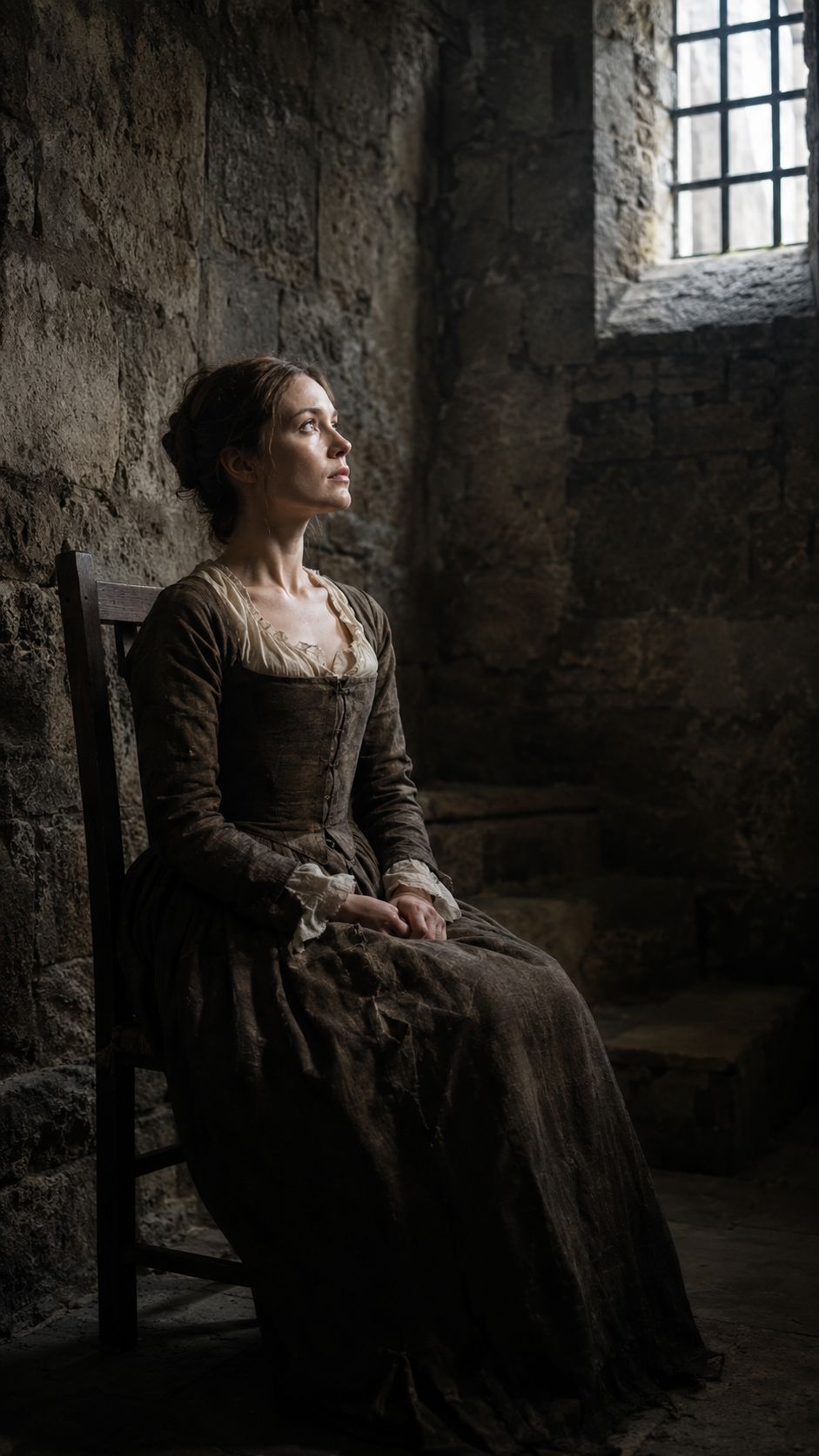 Paris · 1386The Rape Trial That Ended In Trial By CombatA woman's accusation of rape led to France's last judicial duel, with her own life staked on the outcome.
- Wotton-under-Edge · 1145Britain's Oldest House Of HorrorsThe oldest domestic building in Gloucestershire has stood since the 1140s, and gathered a reputation for terror.
- Saugues · 1764The Parish Registers Of The Beast's VictimsBetween 1764 and 1767 something killed roughly a hundred people, recorded in the registers as 'devoured by the beast.'
- Place de Grève, Paris · 1680The Poisoner Of The Sun King's CourtBehind Versailles' glittering court, a fortune-teller ran a thriving trade selling poison to desperate noblewomen.
- Wenceslas Square, Prague · 1969The Student Who Set Himself Alight In ProtestA 20-year-old student burned himself alive in Wenceslas Square to shock a nation getting used to occupation.
- Kassel · 1812The Blood And Blindness In The Original CinderellaThere is no fairy godmother in the Grimms' first Cinderella, only a grave, mutilation, and eyes pecked out by birds.
- Frankfurt am Main · 1845The Christmas Gift Book Full Of HorrorA cheerful hand-coloured children's book shows a boy's thumbs sliced off and a girl burning to ash.
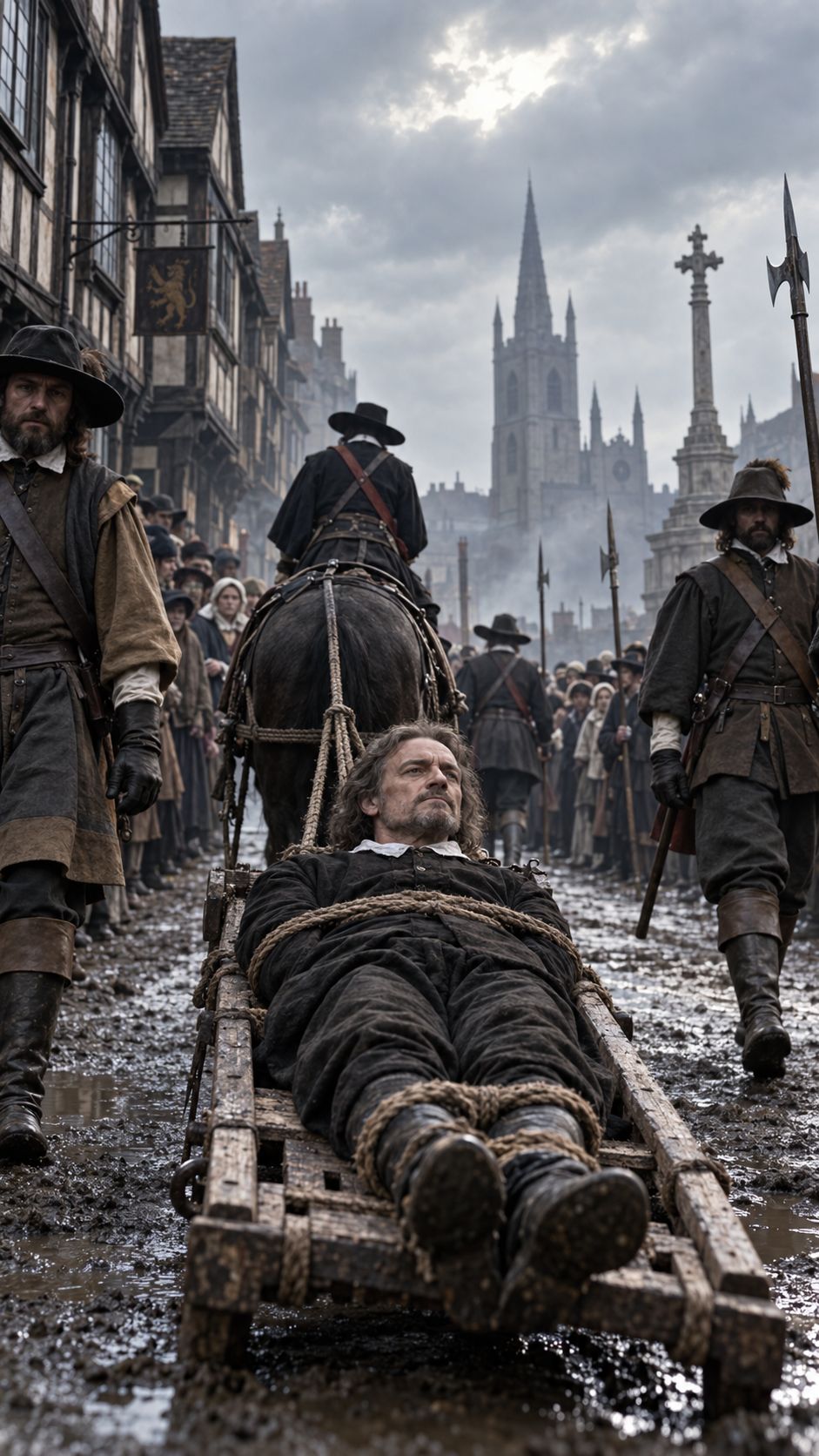 Horsemonger Lane, London · 1803The Colonel Accused Of Plotting To Kill The KingA decorated officer was drawn on a hurdle and beheaded before twenty thousand silent Londoners for a plot historians still debate.
- York · 1739The Horse-Thief Turned Into A Folk HeroA violent burglar and horse-thief understood one thing perfectly: how to command an audience at his own execution.
- Tower Hill, London · 1746The Jacobite Lord Who Faced The Axe UnbrokenAn old Jacobite lord followed Bonnie Prince Charlie to Culloden and then to the executioner's block on Tower Hill.
- Bendlerblock, Berlin · 1944The Real Execution Behind ValkyrieThe film ends at the wall, the real executions of the July plotters were slower and far darker than any screen version.
- Champel, Geneva · 1553The Heretic Burned By The Reformers Who Fled RomeCalvin's Geneva burned a brilliant Spanish physician for his beliefs, then, centuries later, erected a monument of atonement.
- Borley, Essex · 1929The Manufacturing Of England's Most Haunted HouseFor decades it was called the most haunted house in England, until its ghost story revealed how a haunting gets made.
- Brussels · 1915The Nurse Executed For Saving SoldiersA British nurse in occupied Belgium was shot by German firing squad for helping soldiers escape.
- Kassel · 1812The Original Snow White's Own MotherIn the Grimms' first edition, it isn't a stepmother who wants Snow White dead, it's her own mother.
- Cato Street, London · 1820The Plot To Murder The Entire British CabinetA hayloft of desperate radicals plotted to assassinate the whole Cabinet in a single stroke, and very nearly tried.
- Whitechapel, London · 1890The Truth Behind The Elephant ManThe real man behind the famous film was quieter, stranger and far more heartbreaking than any screenplay.
 Durham · 1873Britain's First Serial Killer's Domestic MethodShe quietly killed her way across Victorian County Durham, poisoning as many as twenty-one people including her own children.
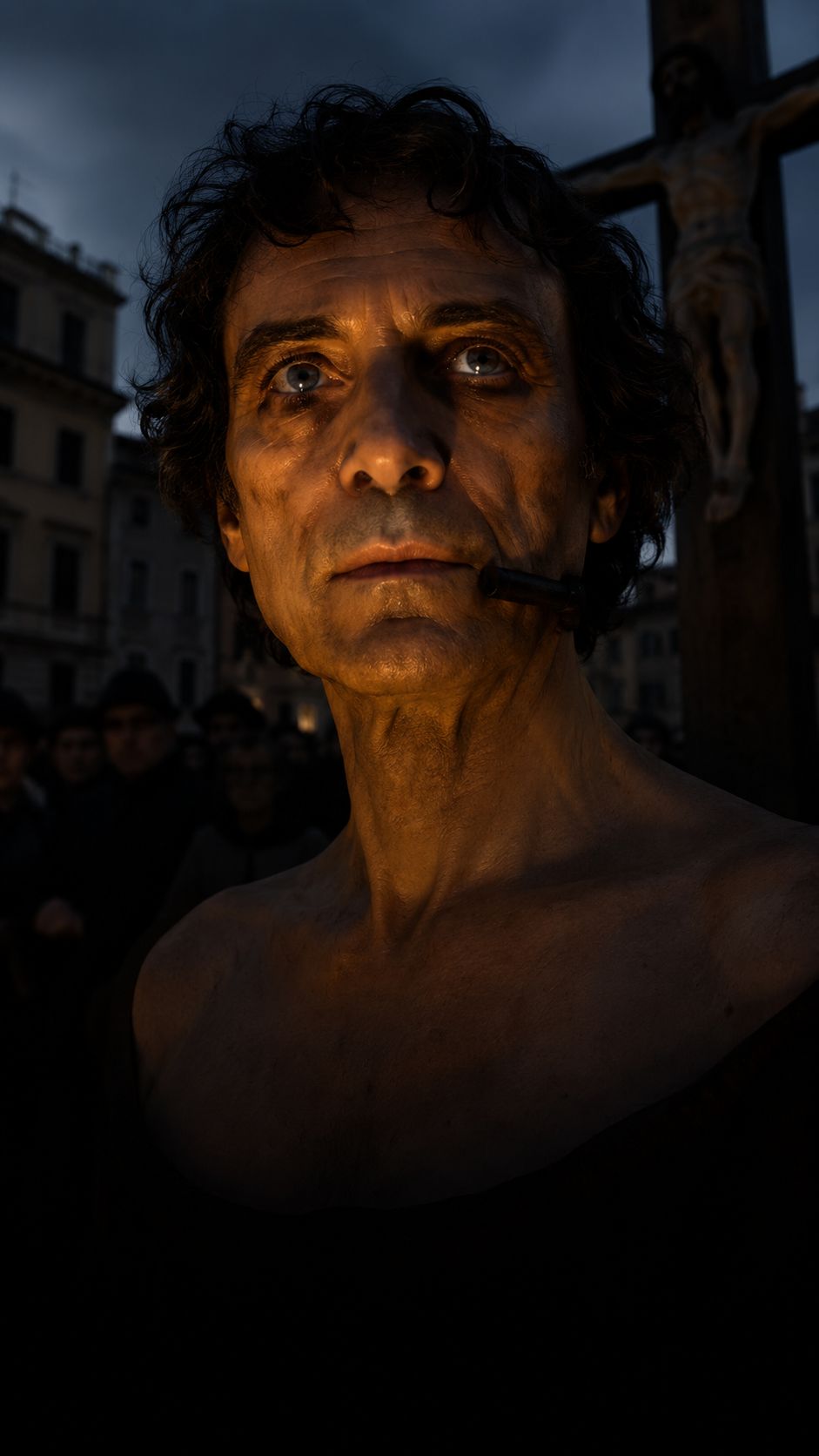 Campo de' Fiori, Rome · 1600The Heretic Burned For What He ThoughtAfter eight years of imprisonment, he refused to recant his vision of an infinite universe, and paid with his life.
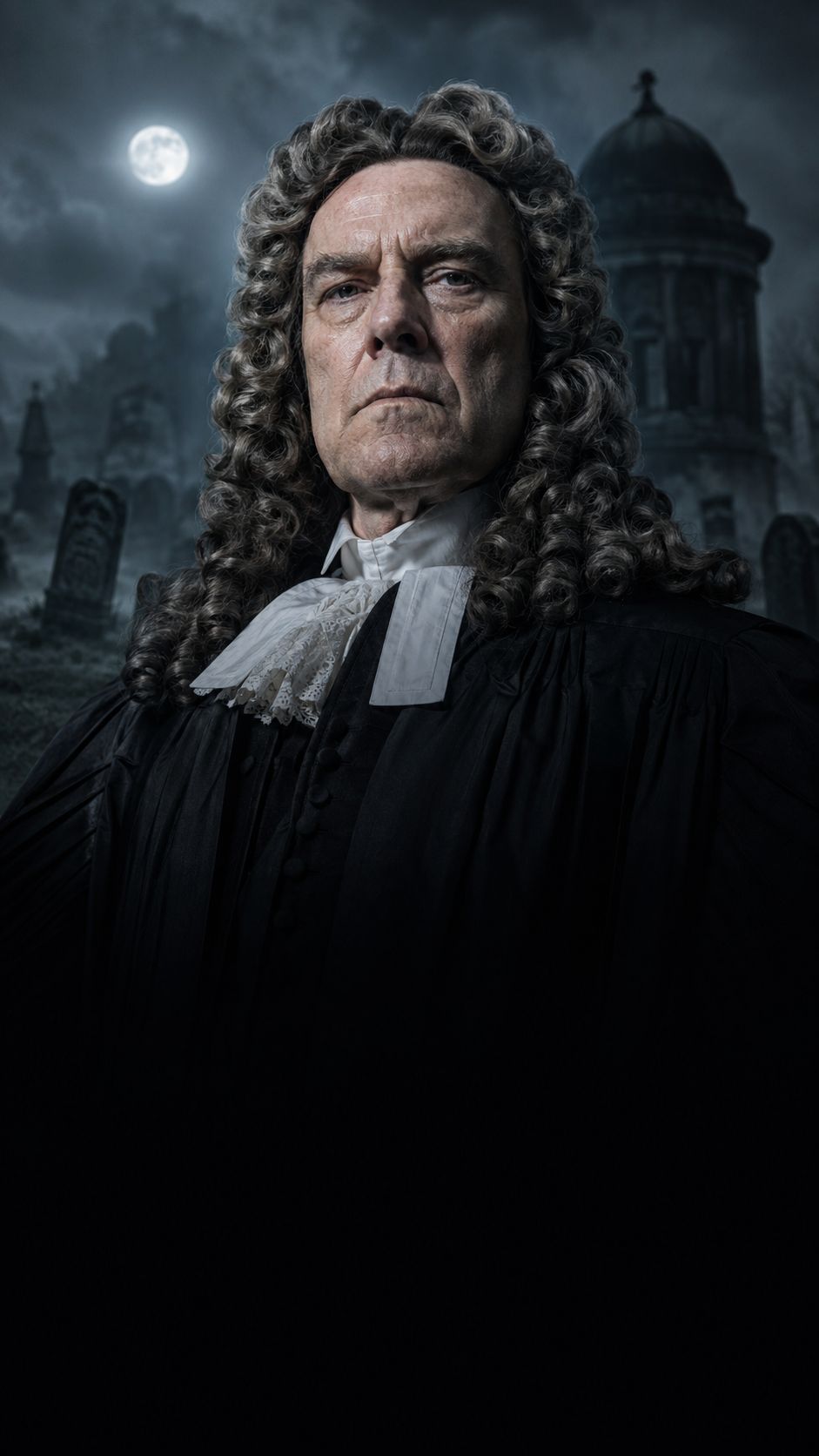 Greyfriars Kirkyard, Edinburgh · 1999The Poltergeist That Attacks Visitors In EdinburghOver 350 visitors have reported being scratched, bruised and knocked unconscious at one graveyard tomb.
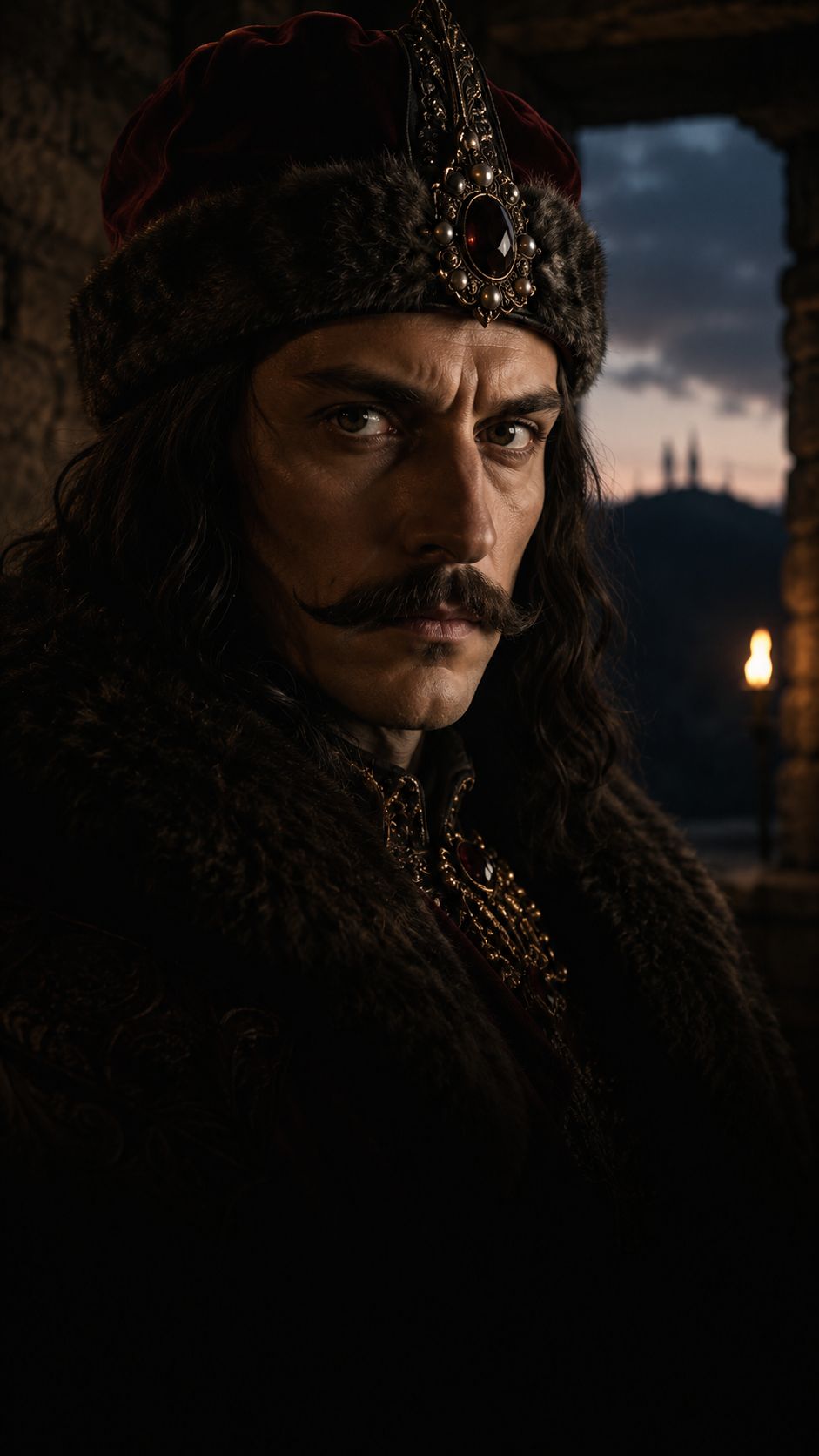 Târgoviște · 1462The Real Warlord Behind Count DraculaBehind the caped movie vampire lies a real medieval warlord whose deeds were more horrifying than Bram Stoker's fiction.
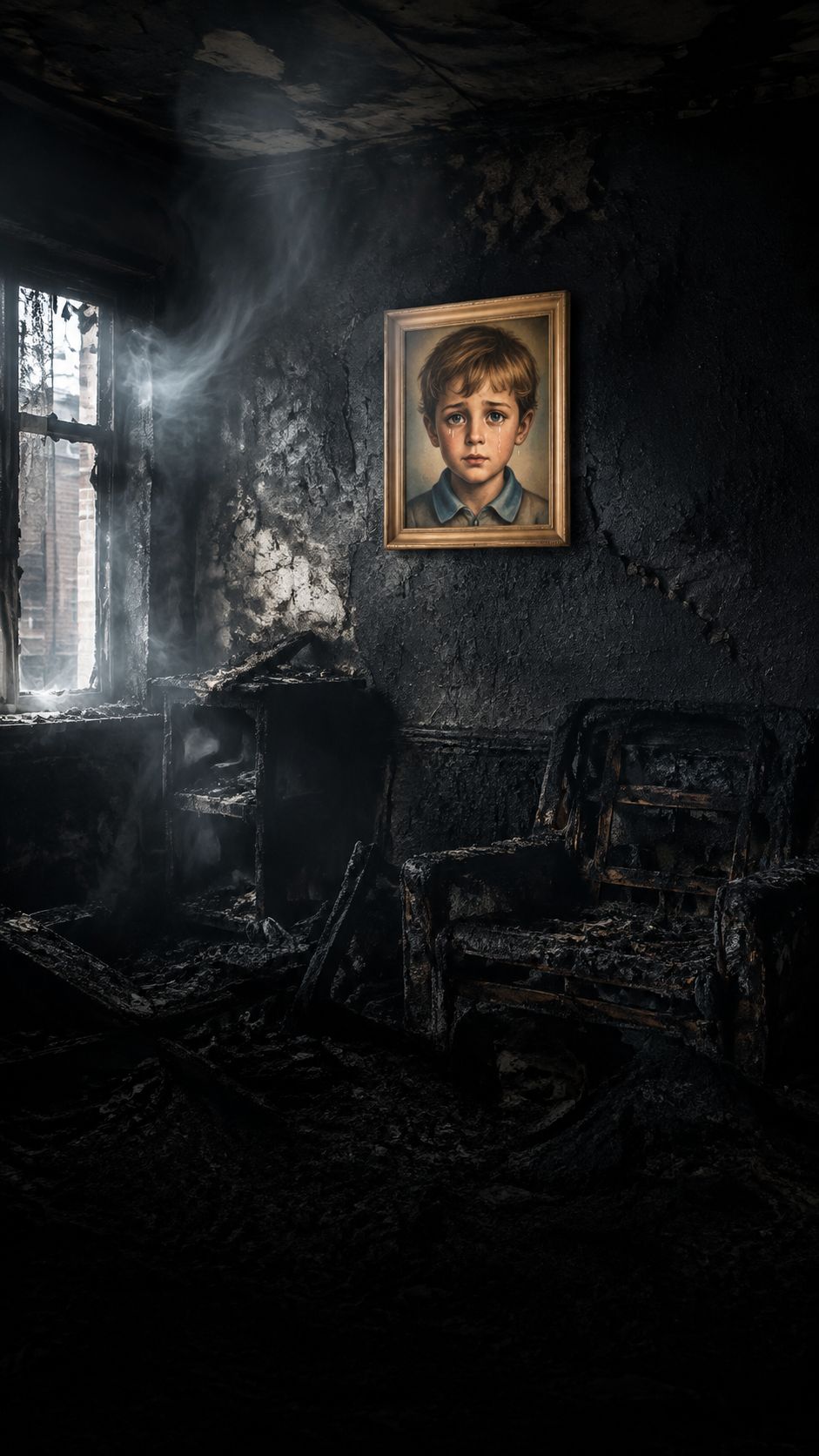 Rotherham, South Yorkshire · 1985The Cursed Painting That Survived House FiresA cheap mass-produced print was blamed for house fires across Britain in 1985 — and the tabloid that raised the panic ended it with a bonfire of its own.
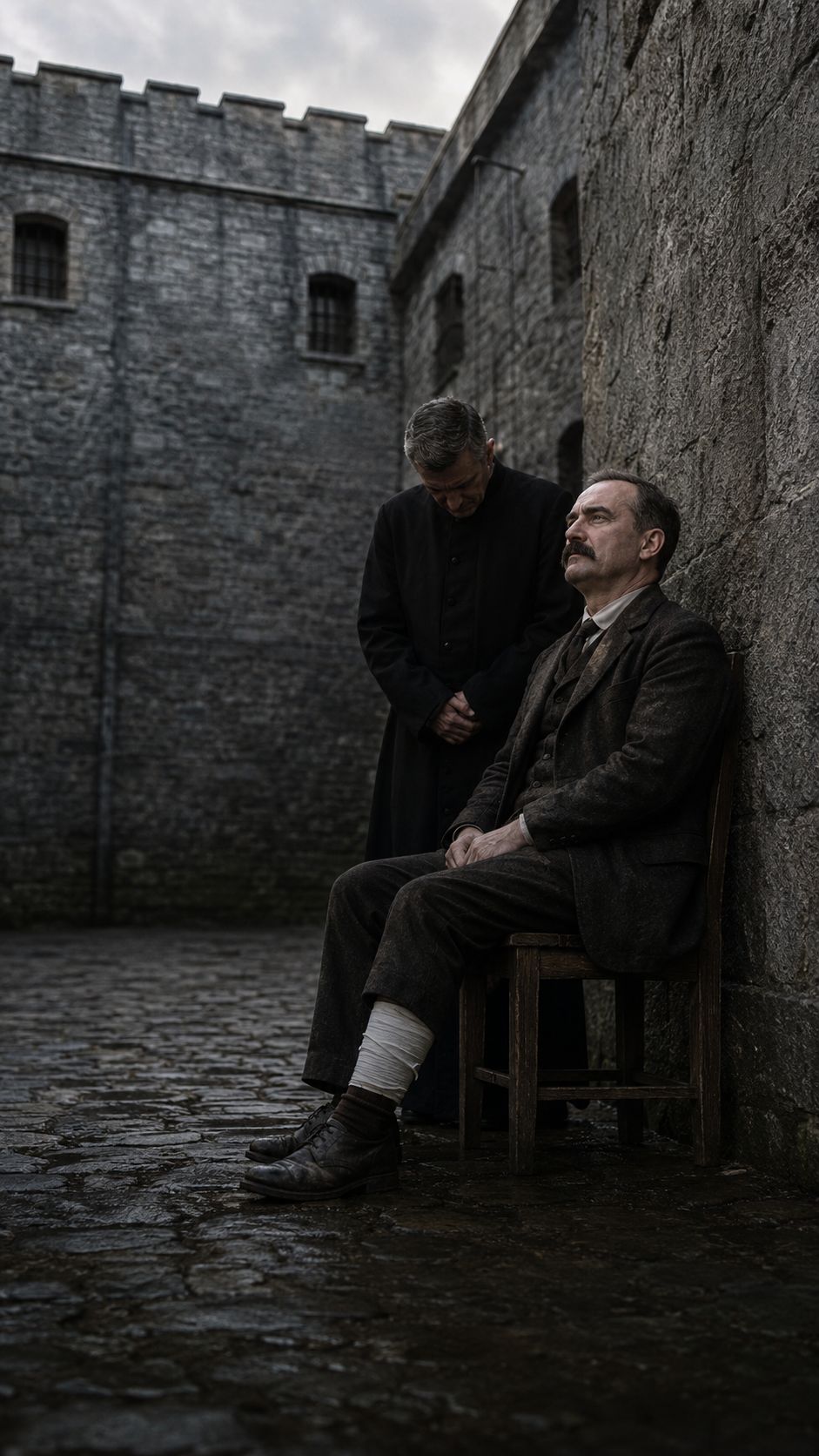 Kilmainham Gaol, Dublin · 1916The Execution That Turned Dublin Against BritainA dying, wounded rebel leader was tied to a chair and shot, an act so brutal it turned Ireland toward independence.
- Maryborough, Queensland · 1934The Grief Behind The Real Mary PoppinsThe woman who created Mary Poppins was shaped by a dead alcoholic father and a mother's suicide threat, and she hated the Disney film.
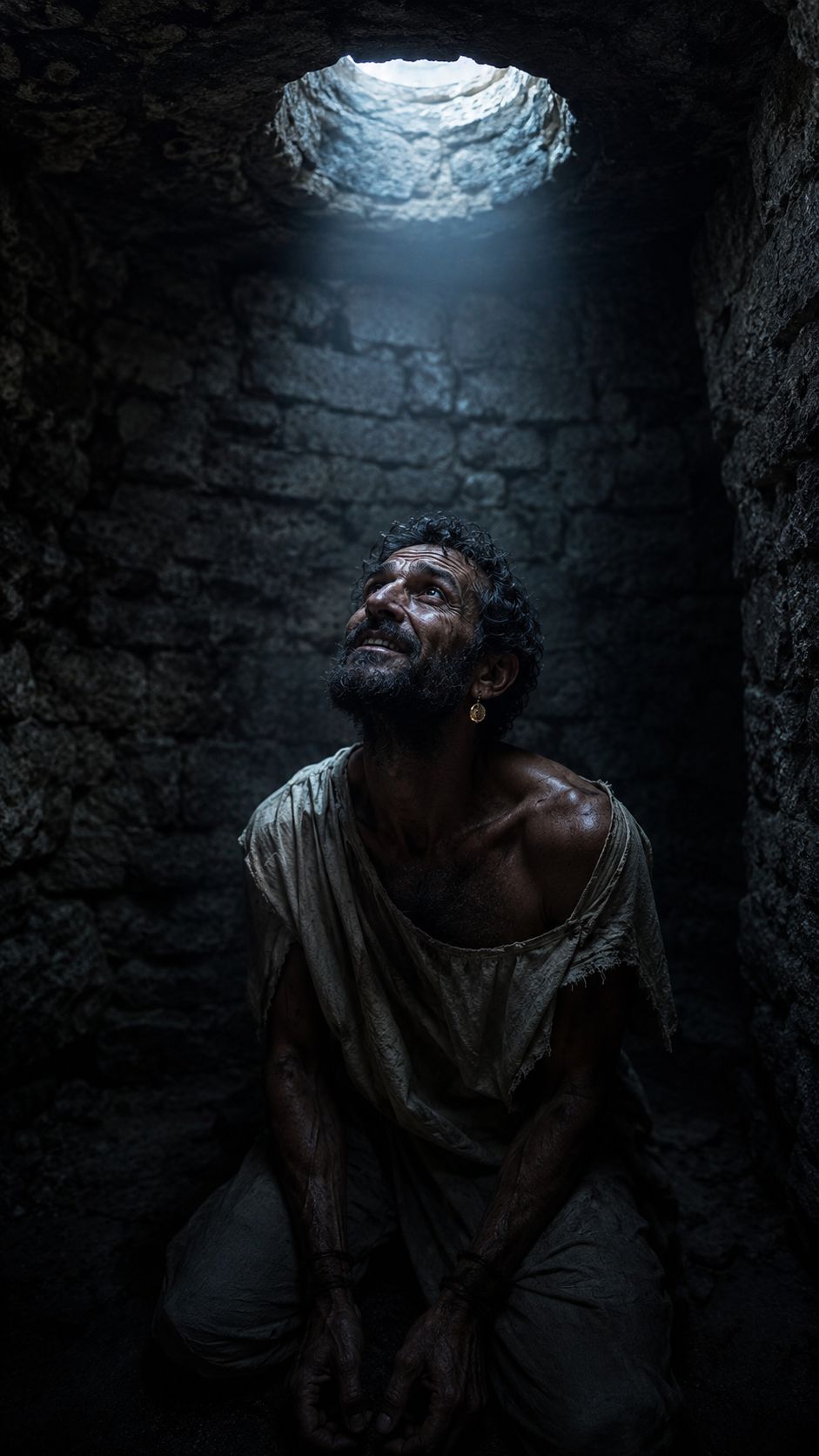 Rome · 104 BCThe King Left To Starve Beneath RomeA Numidian king who beat Rome with bribery for years was finally stripped naked and left to starve in a pit.
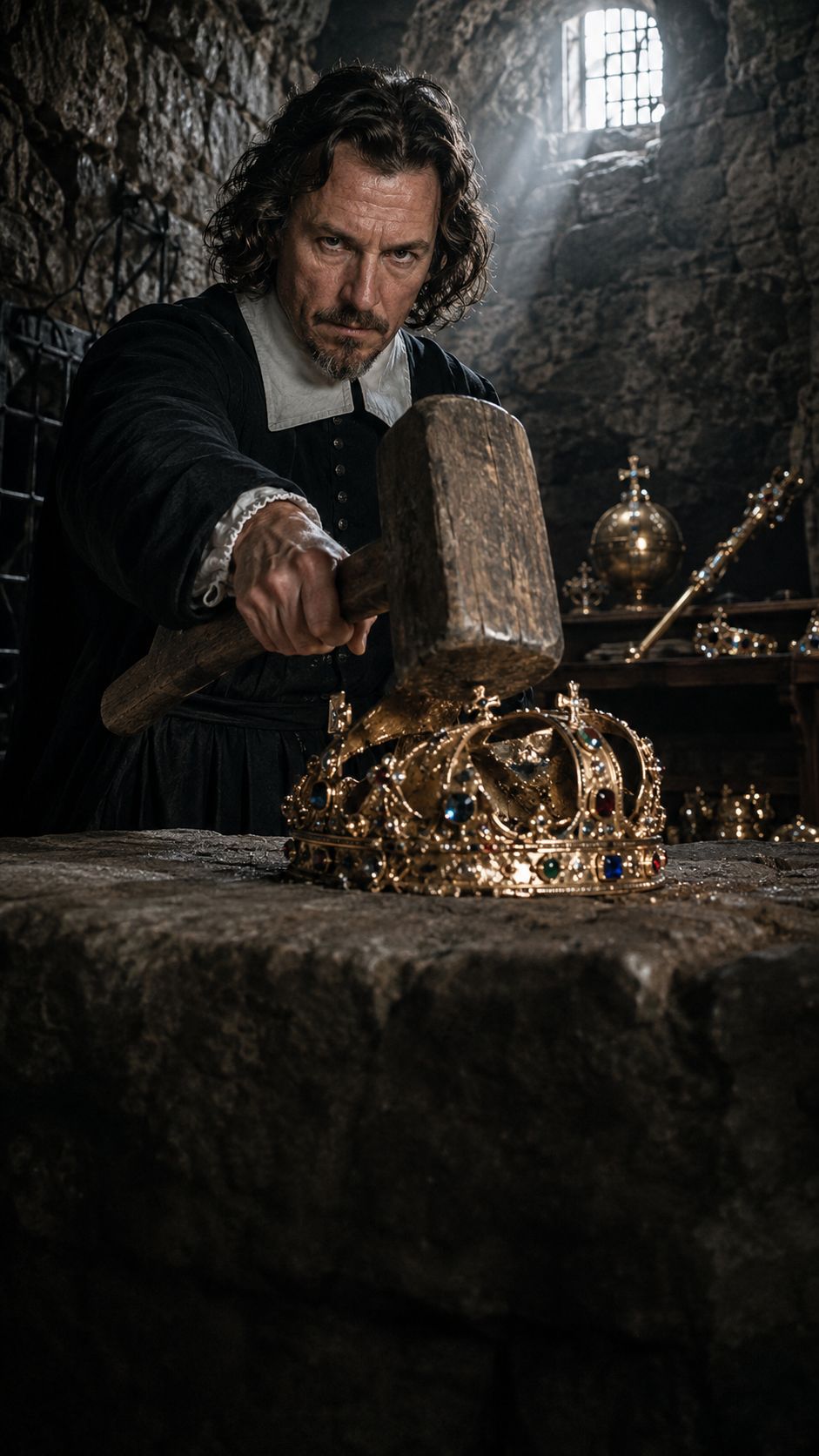 Tower of London, London · 1671The Rogue Who Was Pardoned For Stealing The Crown JewelsCaught red-handed trying to steal the Crown Jewels, he was somehow pardoned and rewarded by the king he robbed.
- Richmond, London · 1879The Skull That Took 131 Years To FindA grisly Victorian murder's missing piece turned up in a celebrity's garden more than a century later.
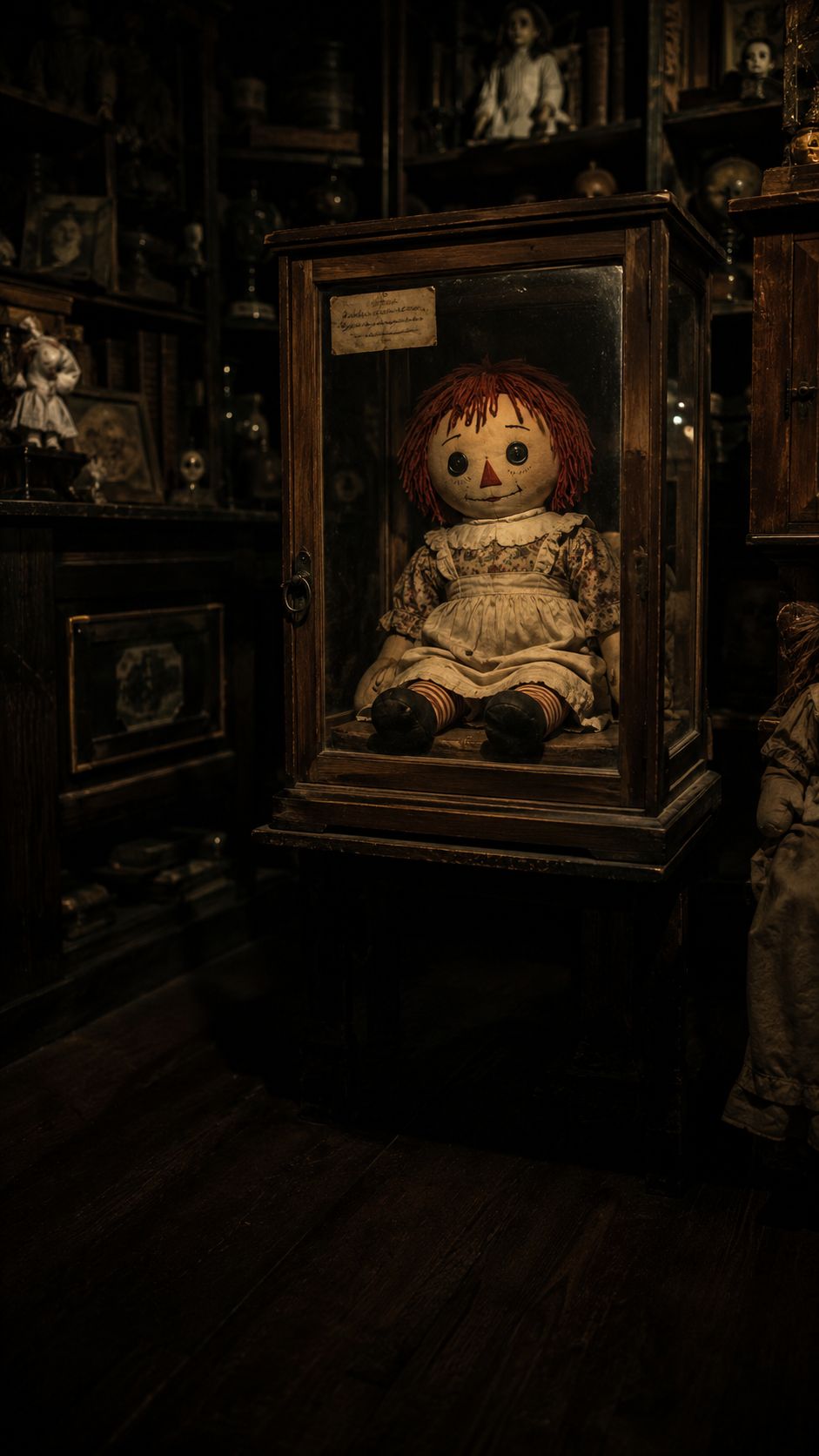 Monroe, Connecticut · 1970The Doll That Refuses To Stay QuietThe world's most famous haunted doll got a new keeper in 2025, a stand-up comedian.
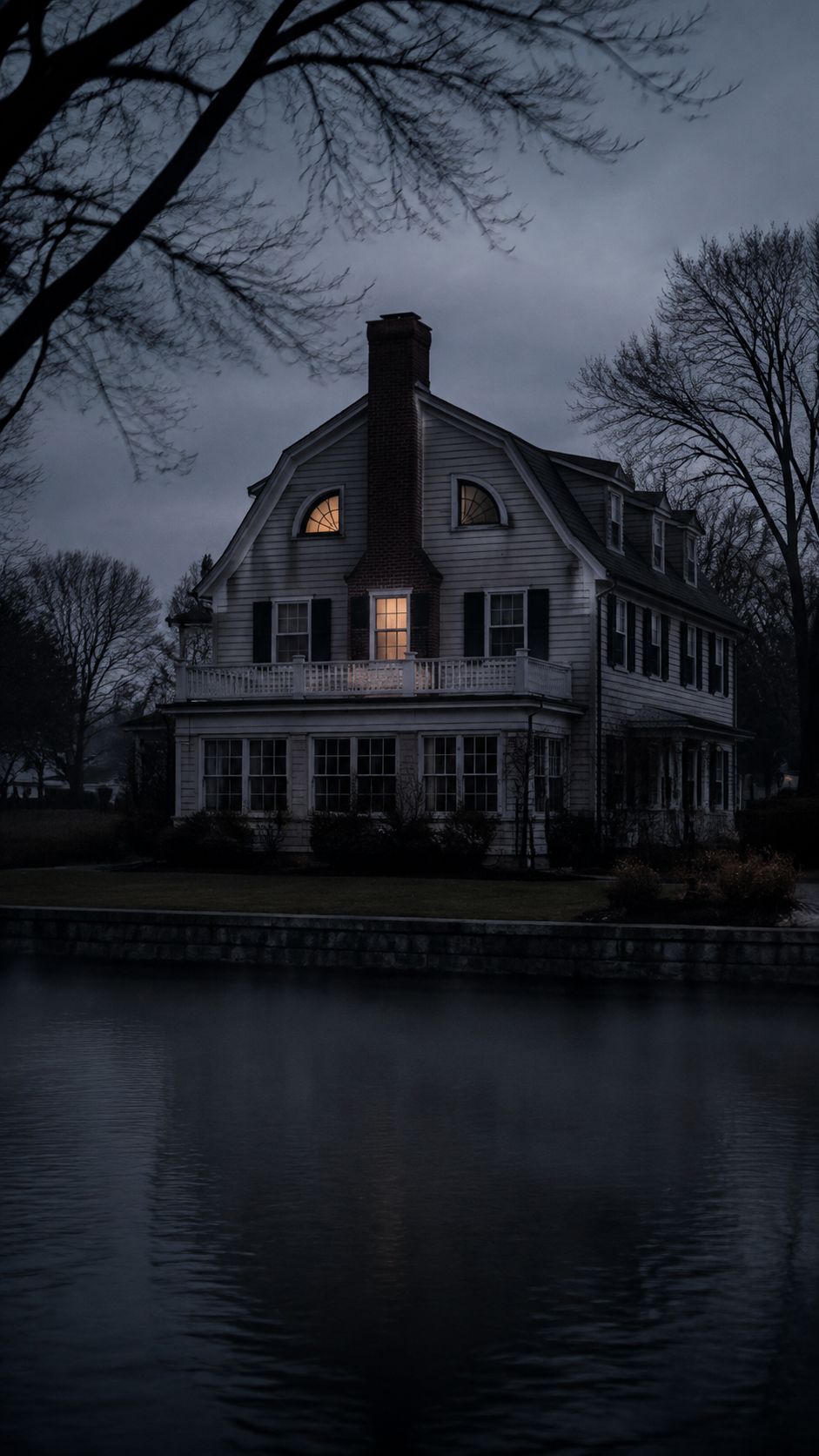 Amityville, New York · 1974The Hoax And The Real Horror Of AmityvilleBehind the famous haunting hoax lies a real, devastating mass murder that has never stopped haunting the house.
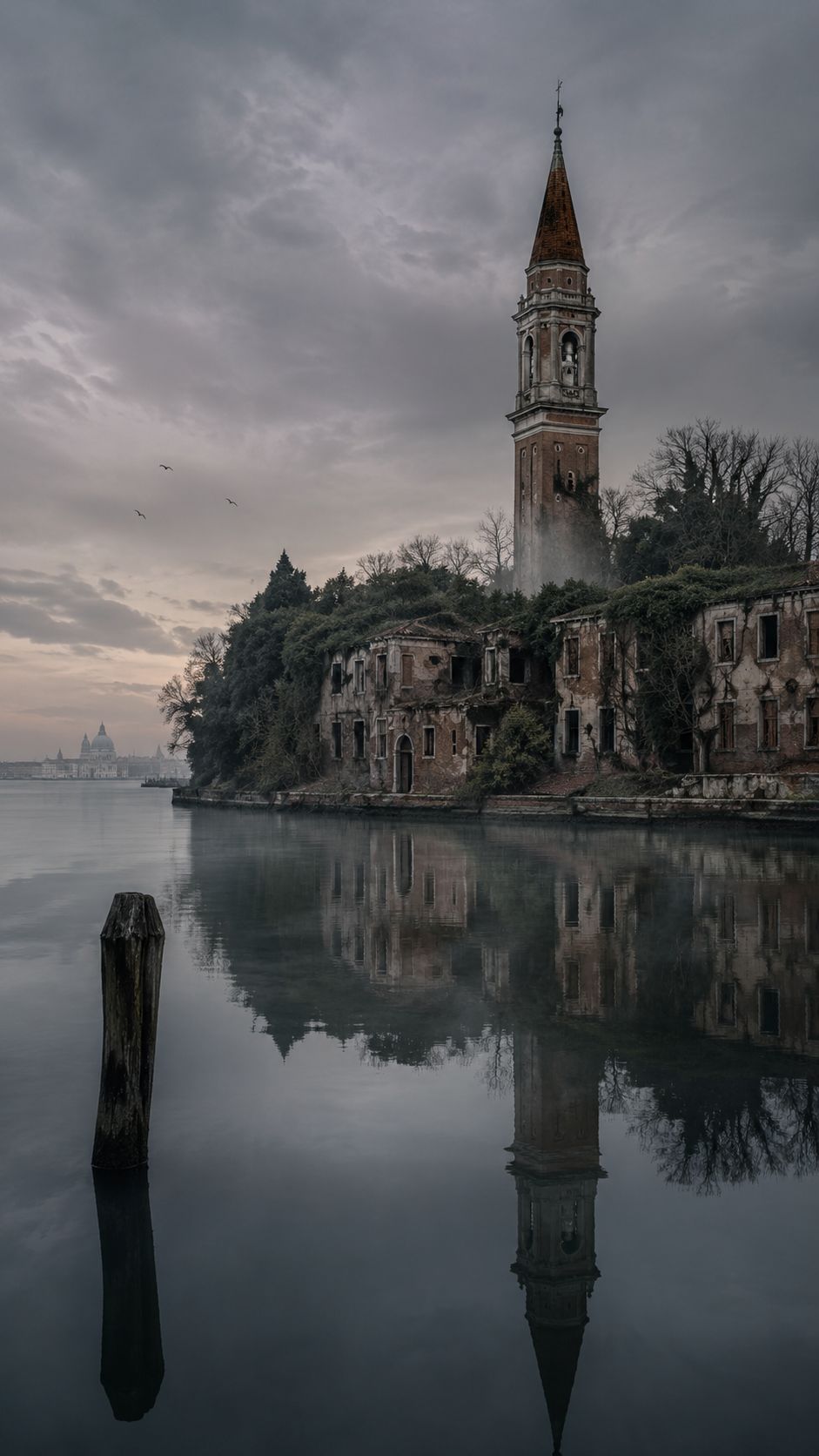 Poveglia, Venice · 1922The Island Of The Dead In Venice's LagoonA tiny forbidden island soaked in plague pits and asylum horror sits in full view of romantic Venice.
 London · 1767The Midwife Who Tortured Her ApprenticesA respectable London midwife tortured the orphan girls in her care in a case that horrified all of Georgian England.
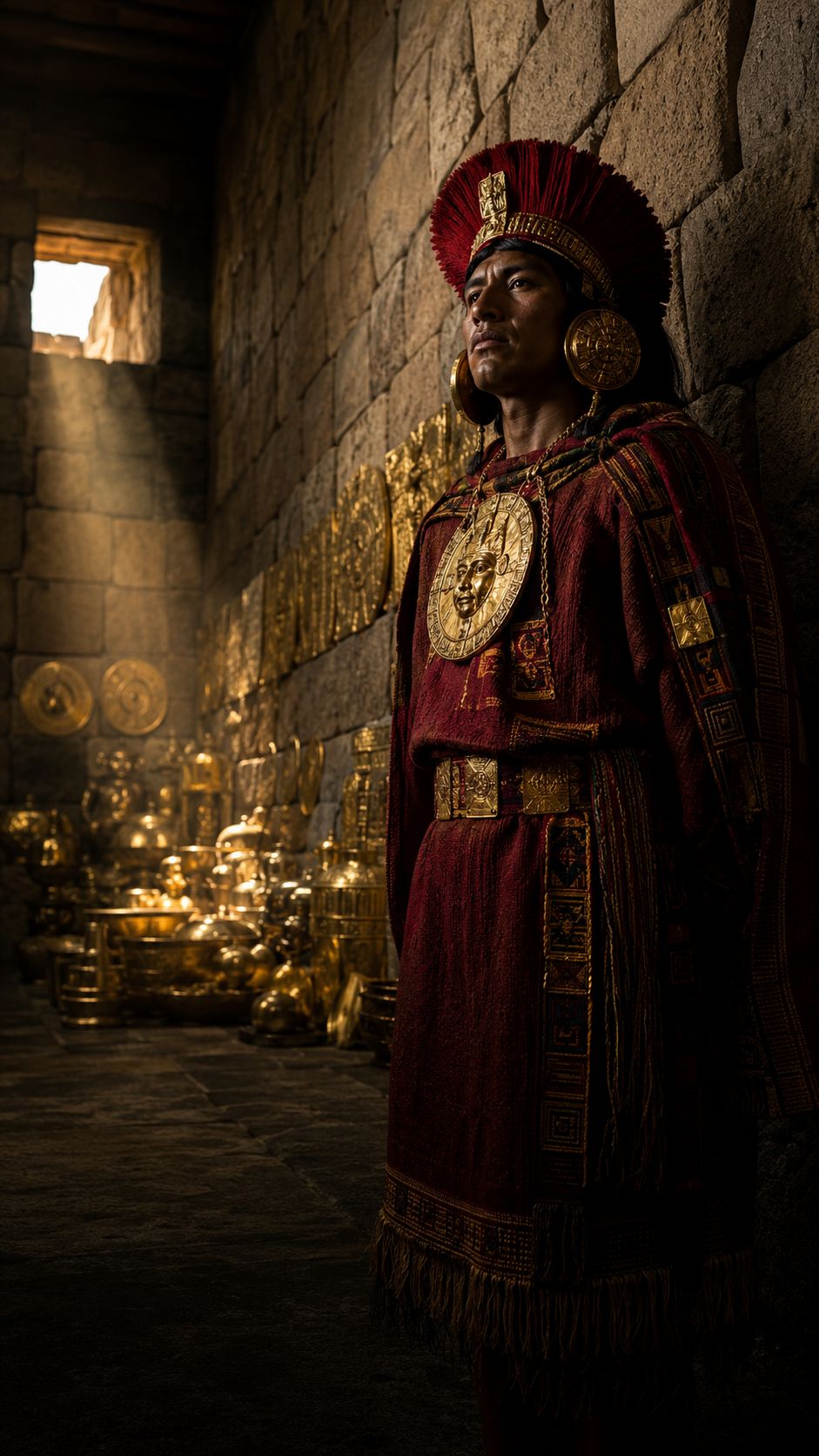 Cajamarca · 1533The Ransom That Could Not Save An EmperorA tiny band of conquistadors murdered the Inca emperor after taking the largest ransom in history.
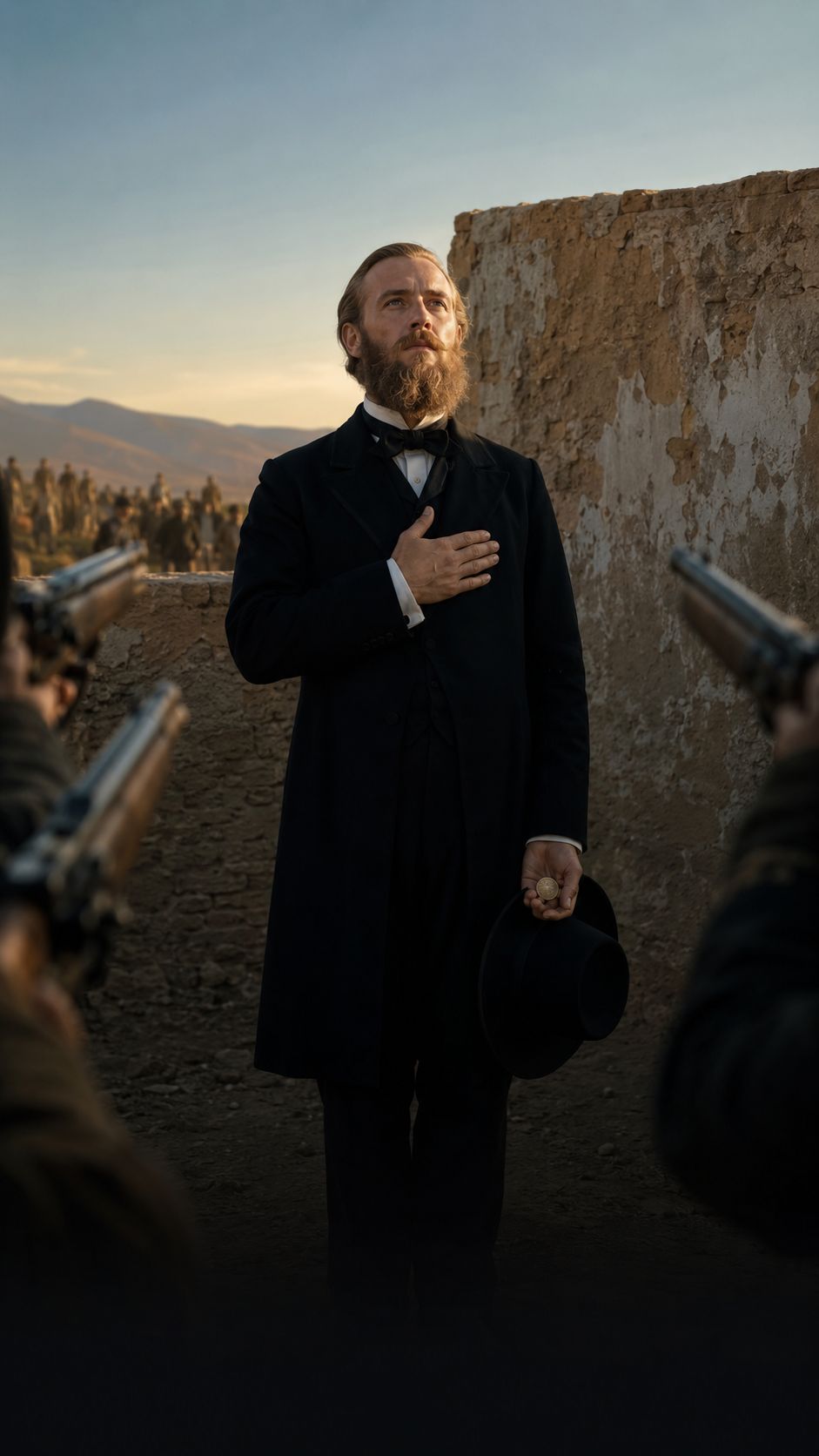 Querétaro · 1867The Emperor Who Faced A Firing Squad With DignityAn Austrian archduke lured onto Mexico's throne met a firing squad with a courage that stunned the world.
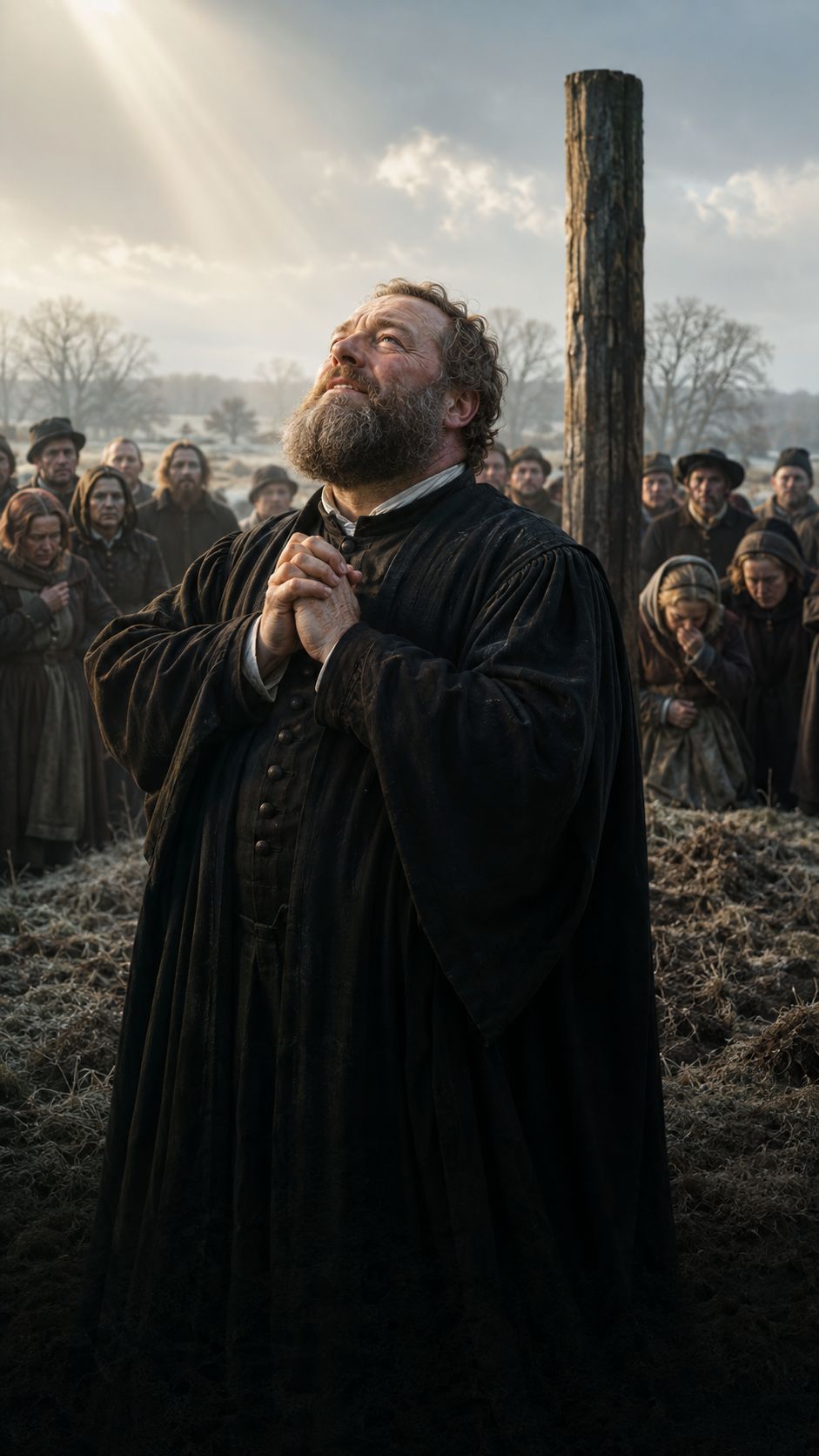 Hadleigh, Suffolk · 1555The Parson Who Danced To His Own BurningA beloved country parson faced being burned alive with such joy that he turned his execution into a triumph.
 Stampede Trail, Denali · 1992The Real Death Behind Into The WildA young idealist walked into the Alaskan wilderness seeking freedom, and died there alone and afraid.
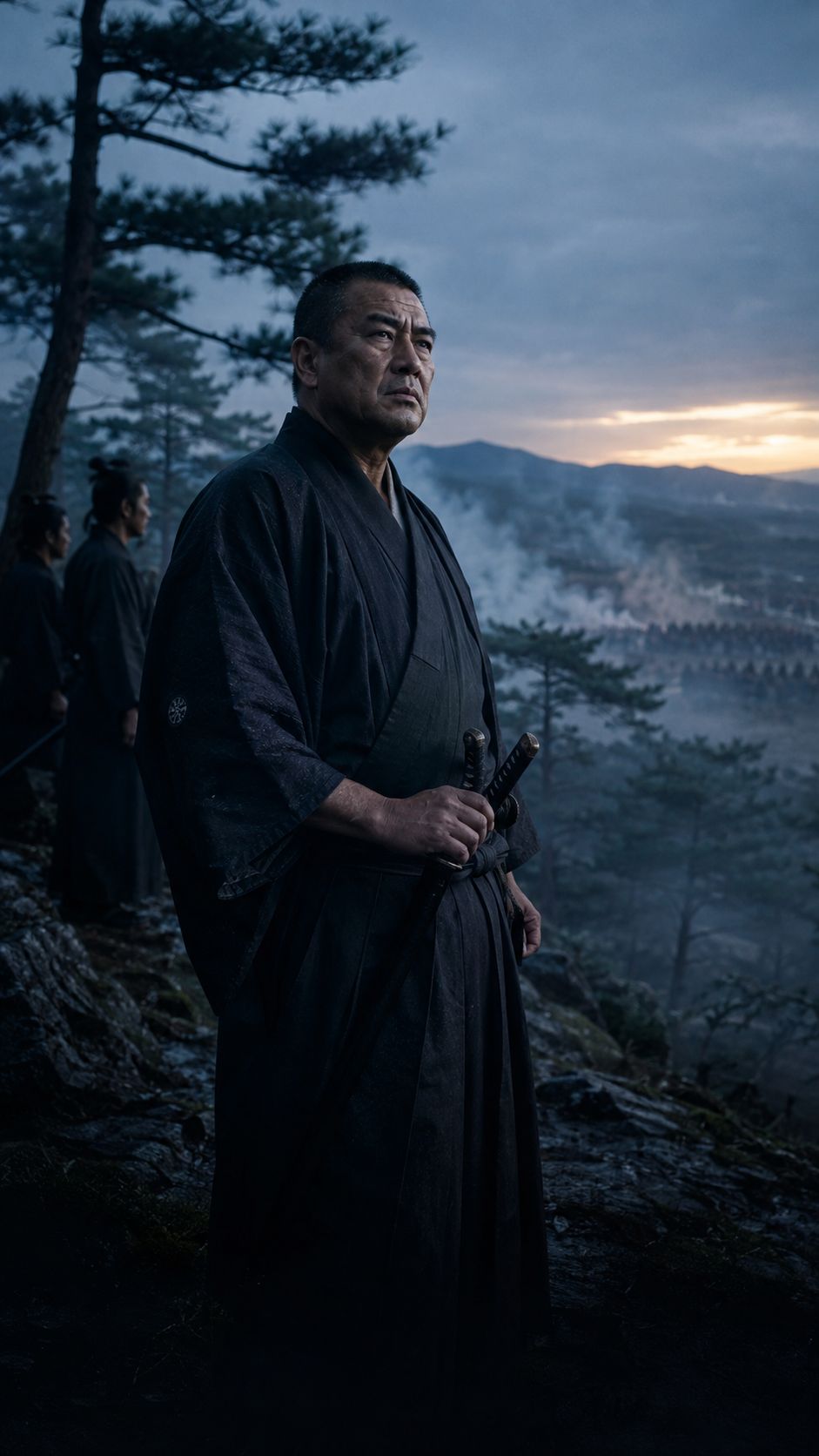 Kagoshima · 1877The Real Last Samurai's Tragic RebellionThe man who helped build modern Japan died a rebel, destroyed by the very nation he created.
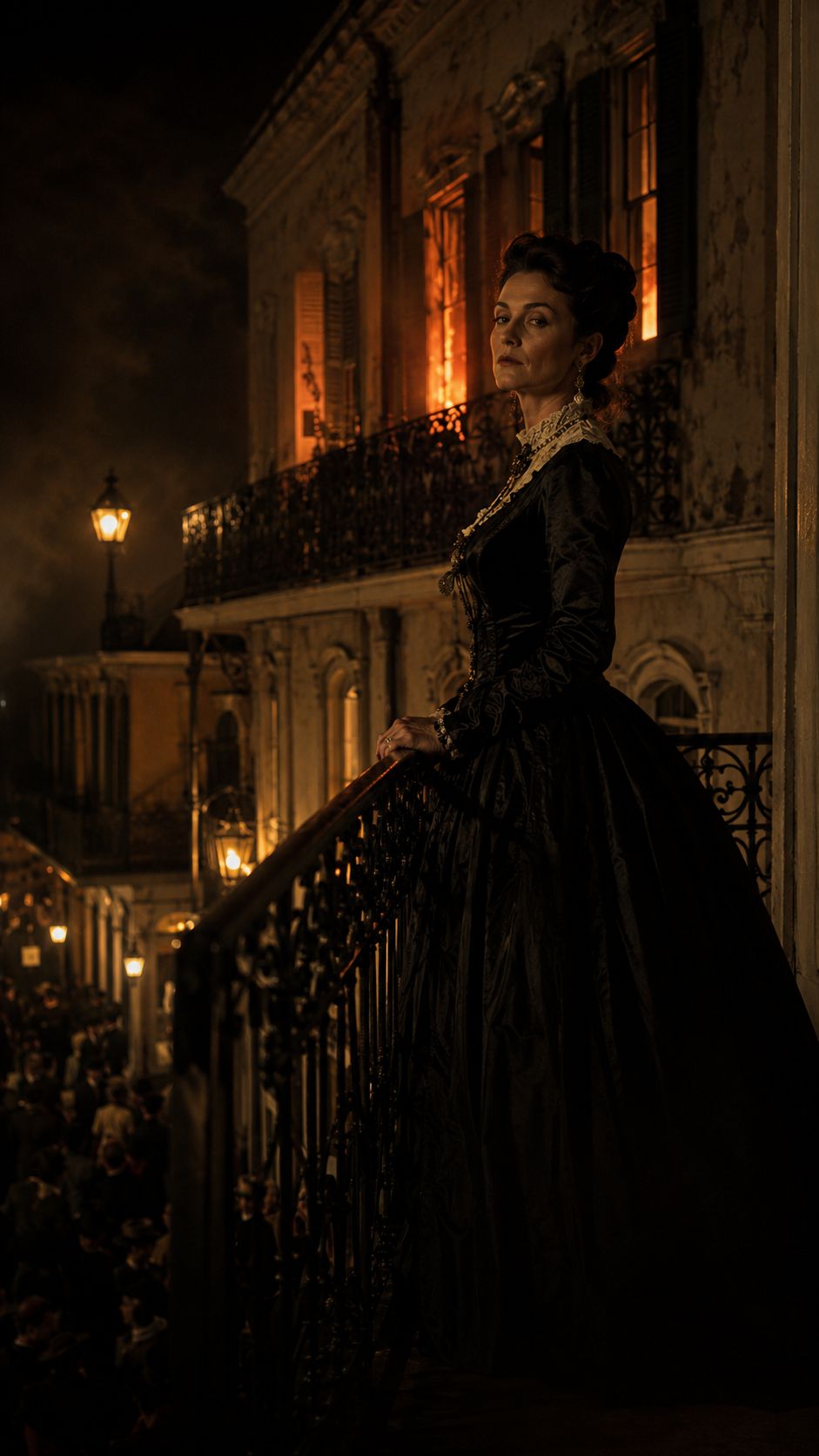 New Orleans · 1834The Socialite Who Hid A House Of HorrorsA glamorous New Orleans socialite's mansion concealed one of the antebellum South's most horrifying secrets.
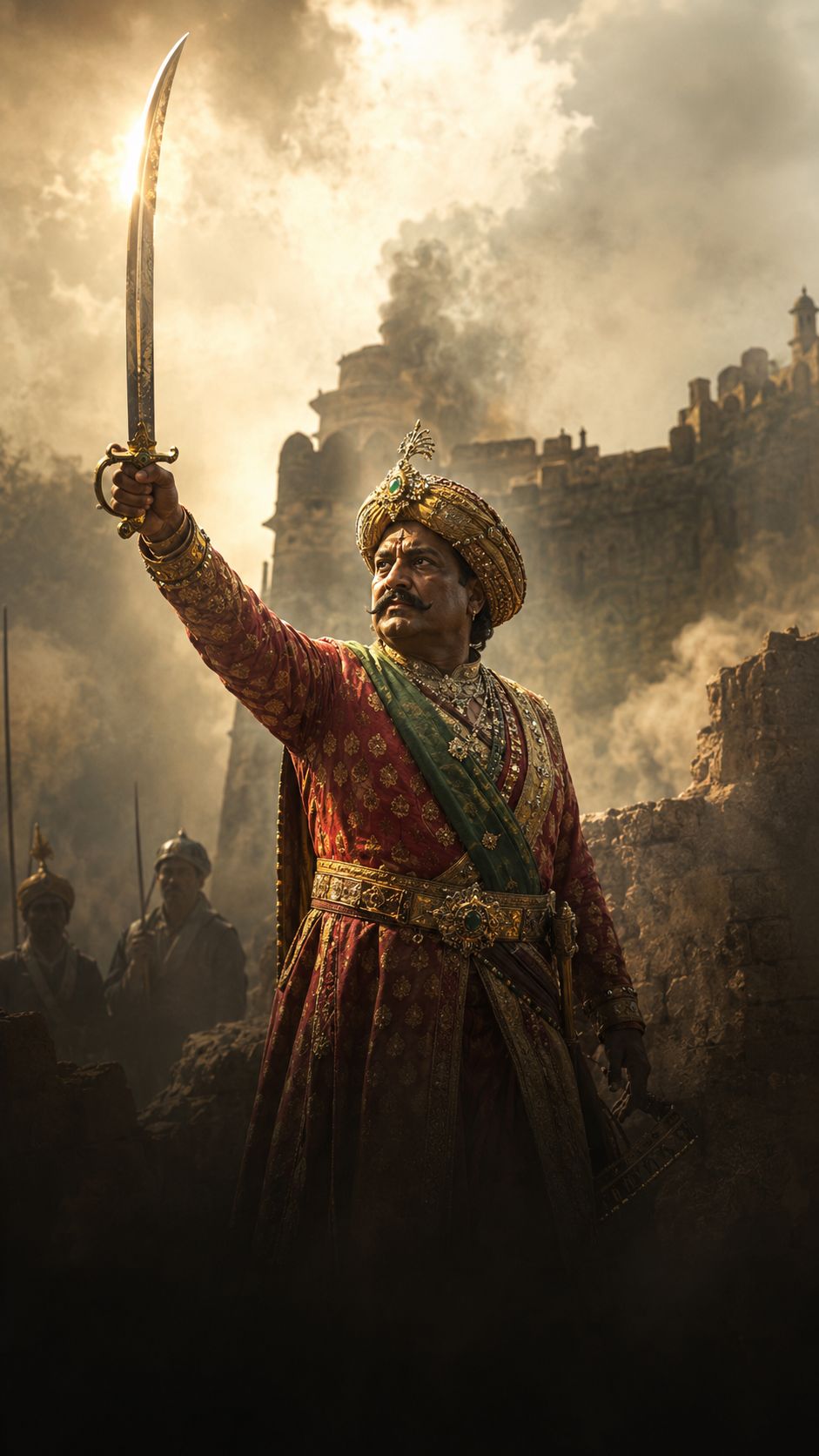 Srirangapatna · 1799The Tiger Of Mysore's Last StandRather than surrender to the British, the Tiger of Mysore died sword in hand defending his own fortress.
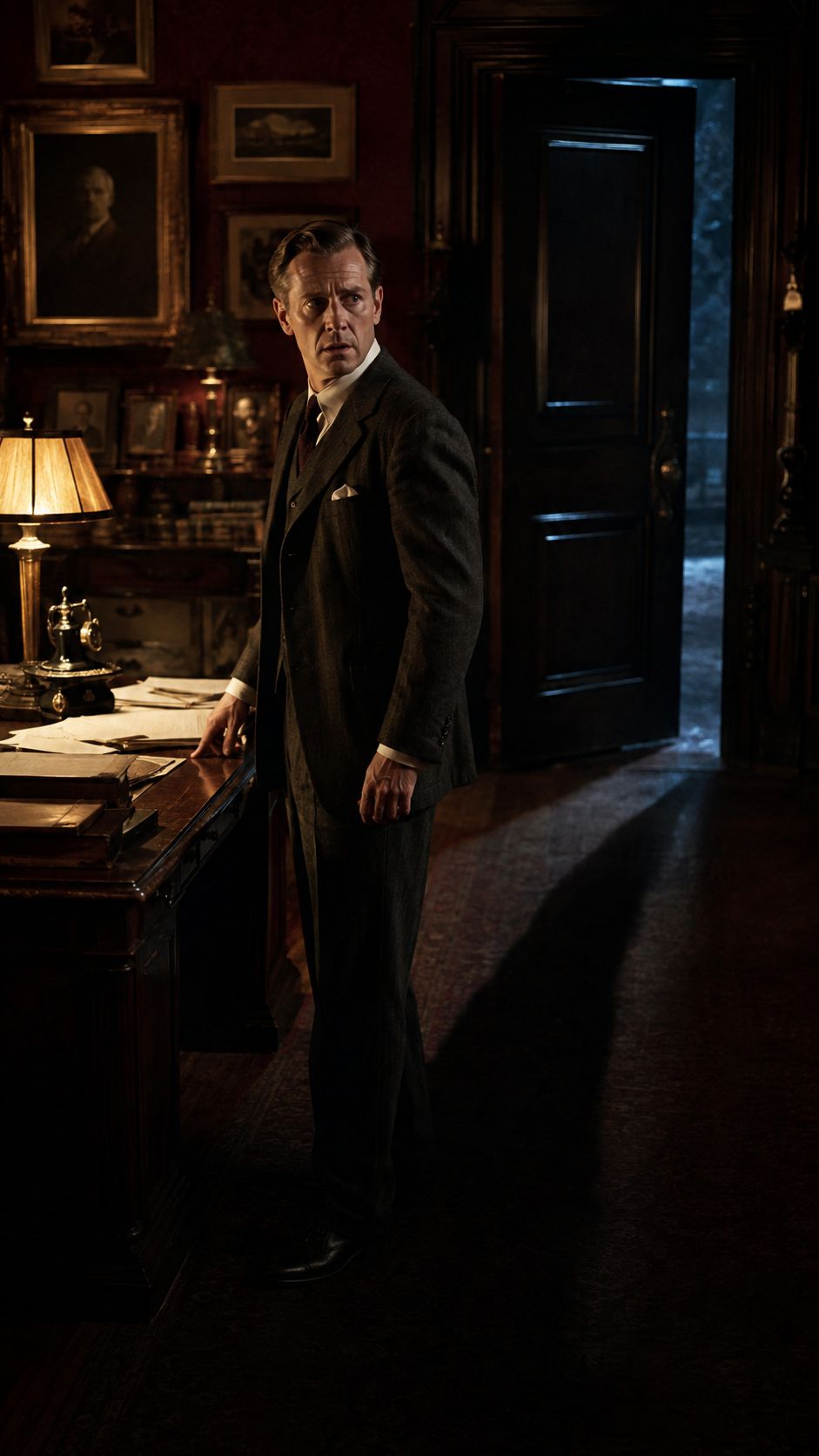 Los Angeles · 1922Hollywood's Most Scandalous Unsolved MurderA silent-film director's 1922 murder was never solved, until a dying woman's whispered confession forty-two years later.
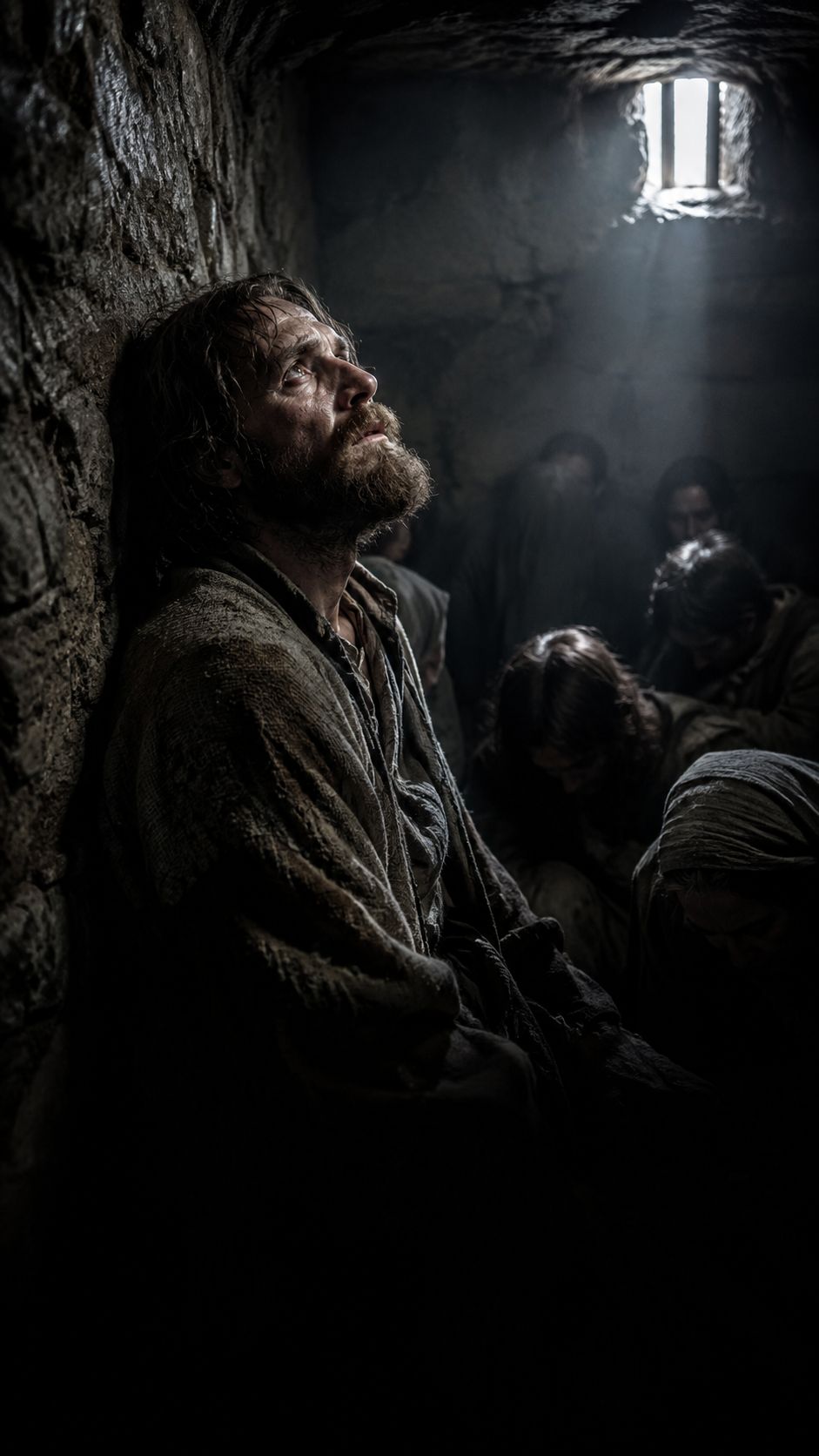 Dunnottar Castle, Stonehaven · 1685The Covenanters' Vault Of Dunnottar Castle167 prisoners were crammed into a single cellar of a clifftop castle for refusing to abandon their faith.
- Aberdeen, South Dakota · 1900The Dark Secrets Behind The Wizard Of OzBehind the beloved fairy tale lies a coded political meaning and a shocking documented act by its gentle author.
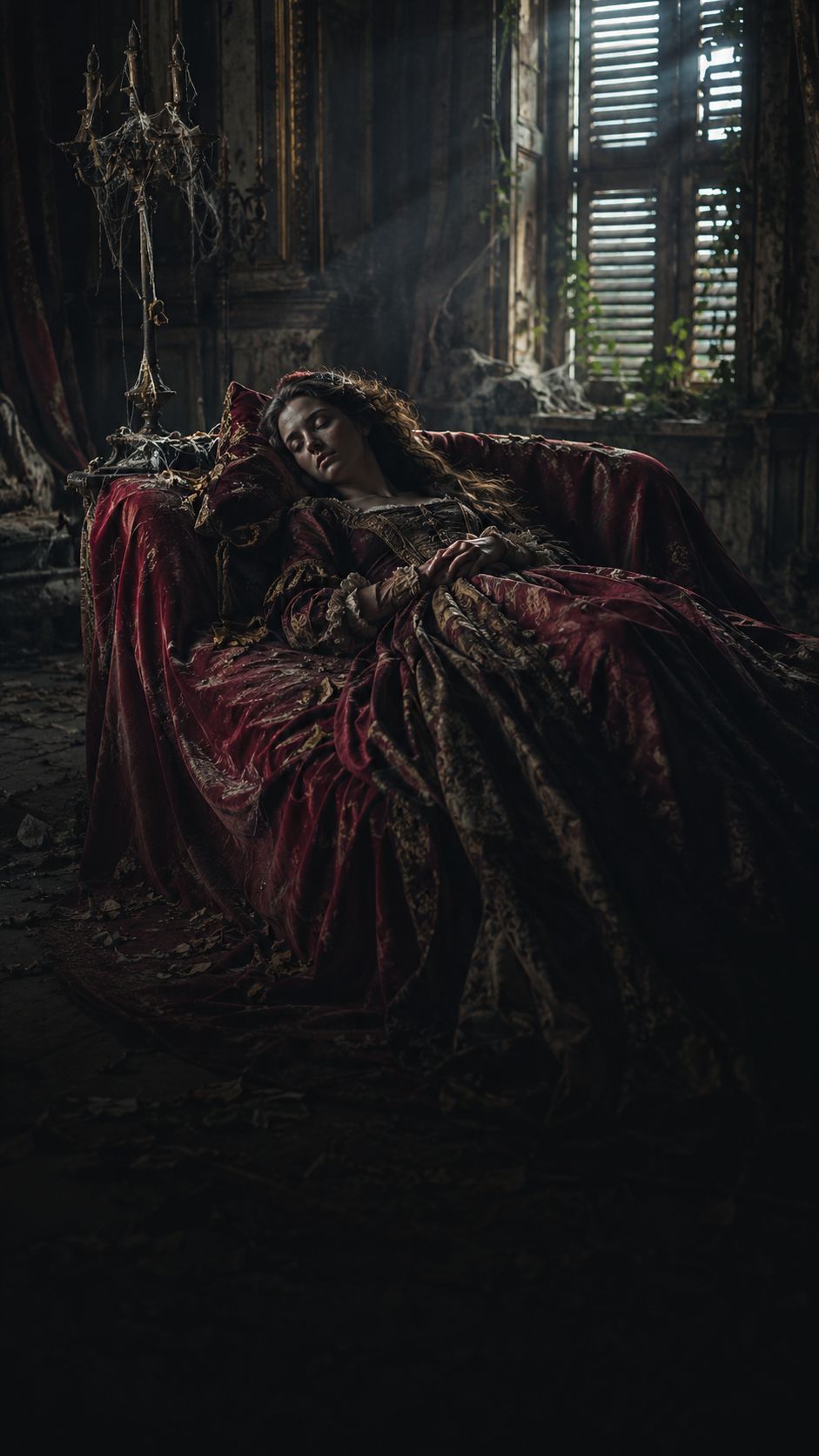 Naples · 1634The Disturbing Original Sleeping BeautyLong before Disney's kiss, the sleeping princess was the victim of assault, not the recipient of romance.
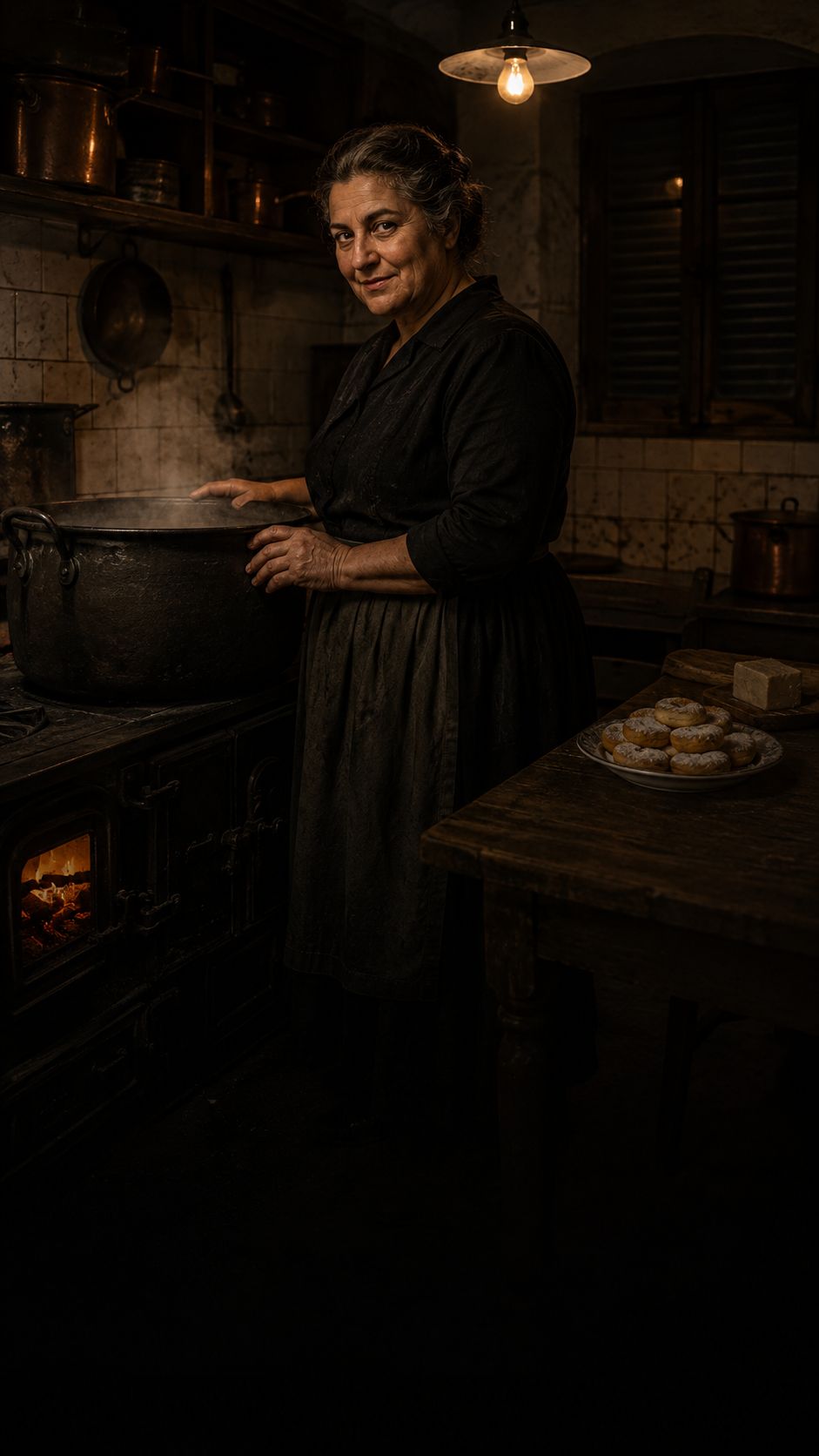 Correggio · 1940The Soap-Maker Who Murdered For LoveAn Italian woman murdered three neighbours and turned their bodies into soap and teacakes, believing she was saving her son.
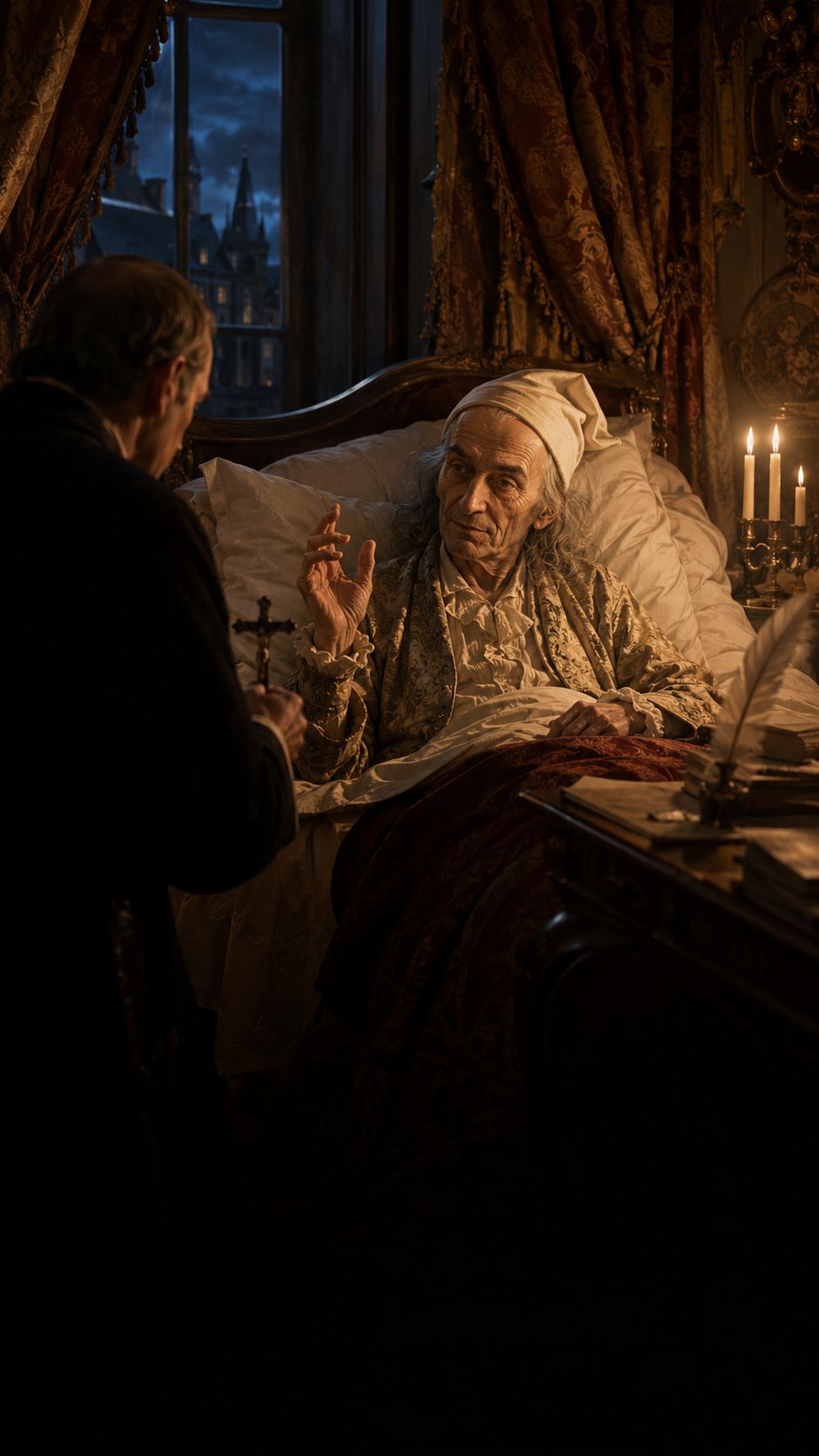 Paris · 1778Voltaire's Final Battle With The ChurchThe Church tried to deny him a grave, but revolutionaries would carry his body to a hero's tomb thirteen years later.
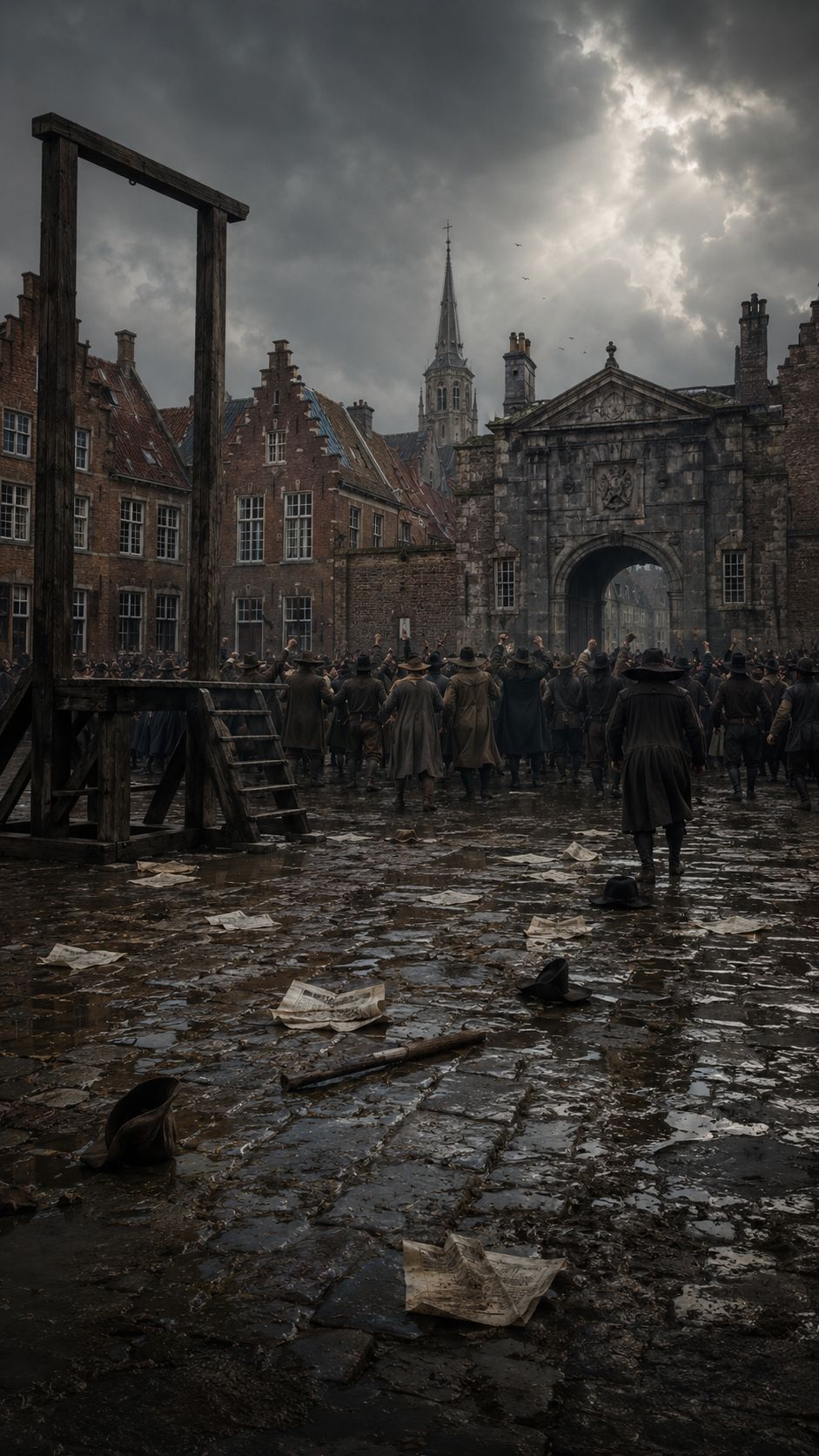 The Hague · 1672The Brothers Torn Apart By Their Own CountrymenThe leaders of a wealthy, sophisticated republic were torn apart and cannibalised by their own citizens in broad daylight.
 Xochimilco, Mexico City · 2001The Island Hung With Thousands Of DollsA farmer spent half a century hanging dolls for a drowned girl no record has ever confirmed — and his relatives say he imagined her.
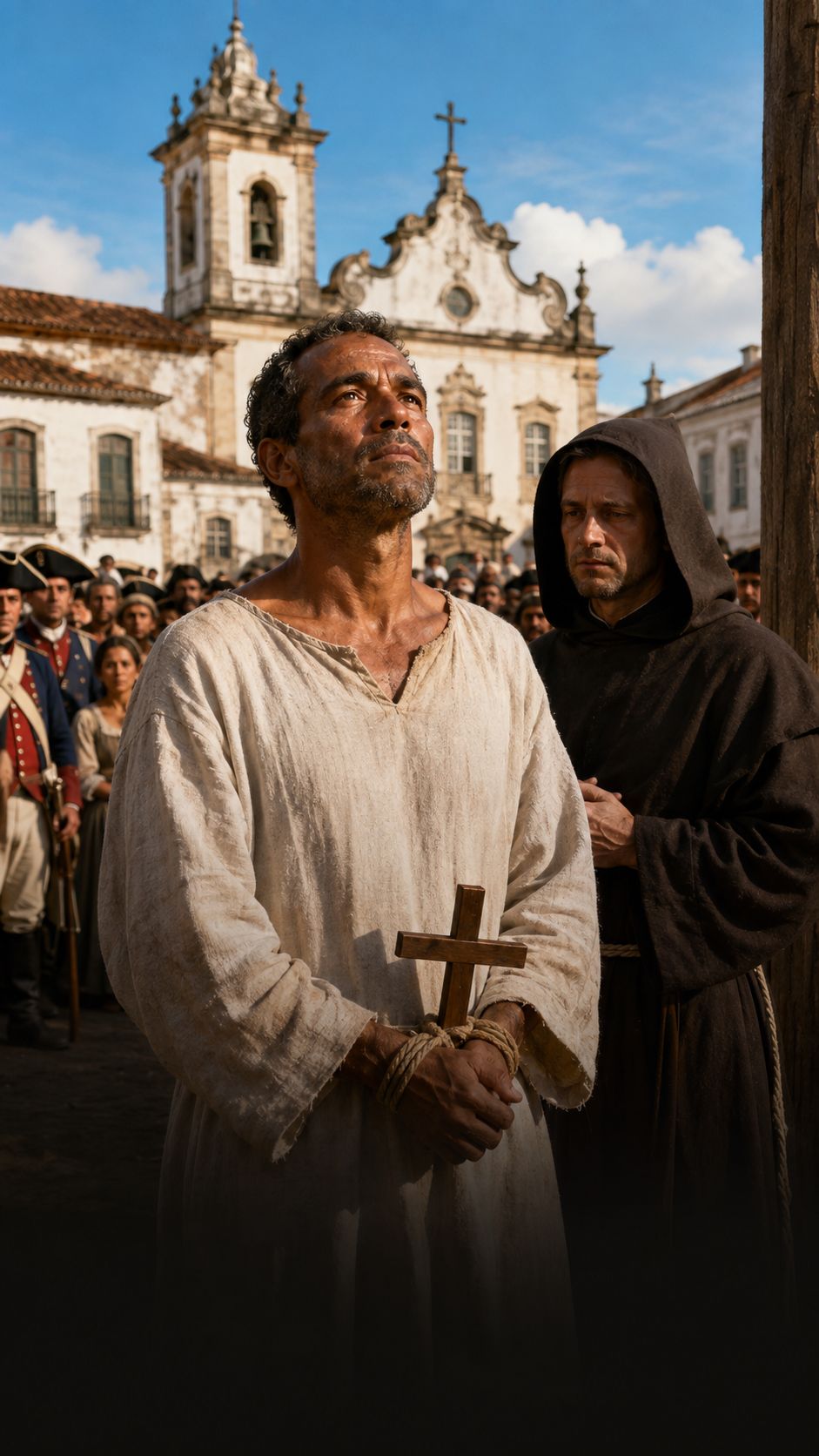 Rio de Janeiro · 1792The Martyr Who Took The Blame For BrazilA self-taught dreamer took the entire blame for a failed conspiracy to save his comrades, and was hanged and hacked to pieces for it.
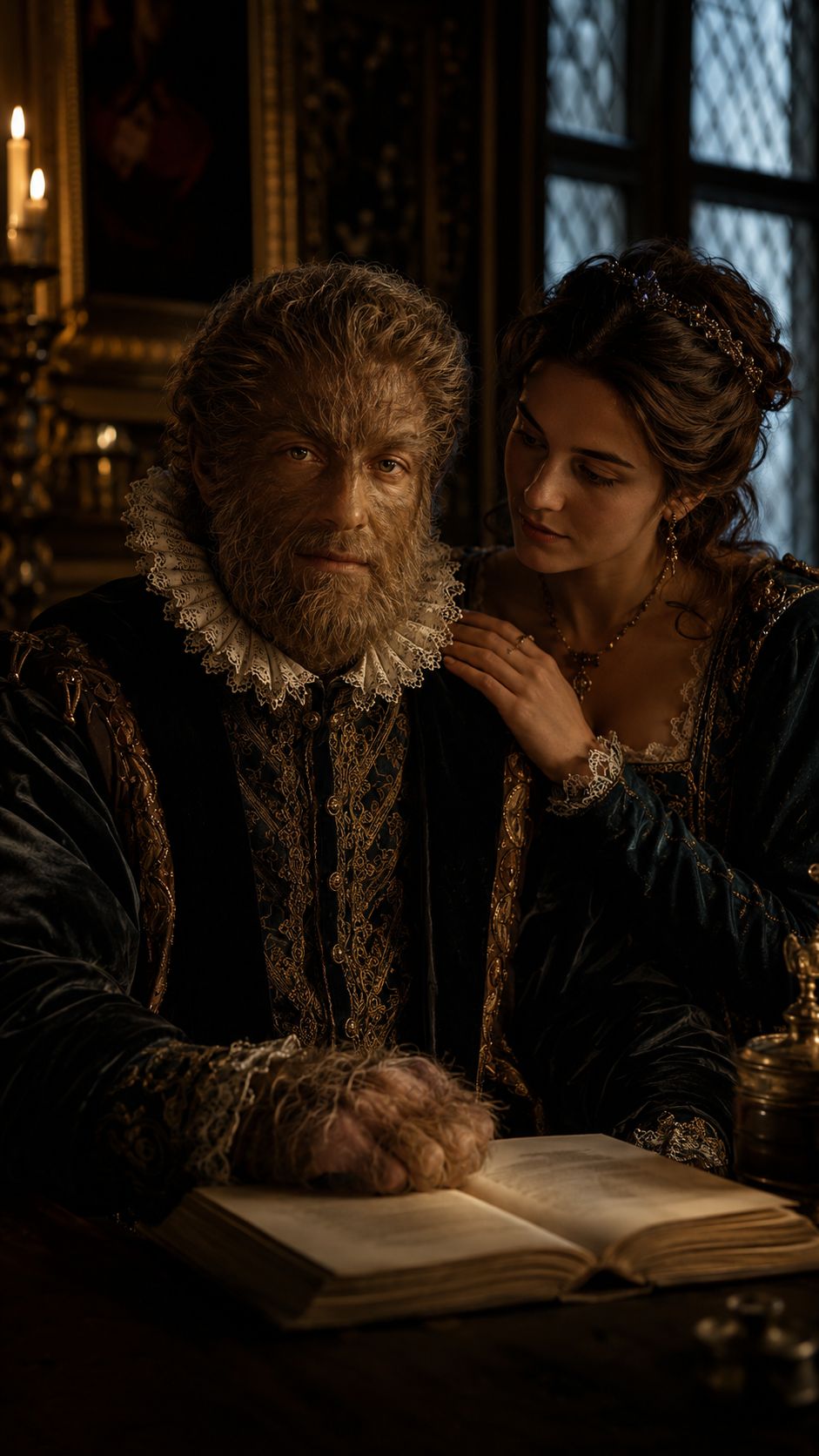 Tenerife · 1547The Real Man Behind Beauty And The BeastThe 'Beast' was a real man who really married a woman named Beauty and lived at a royal court, treated his whole life as a specimen.
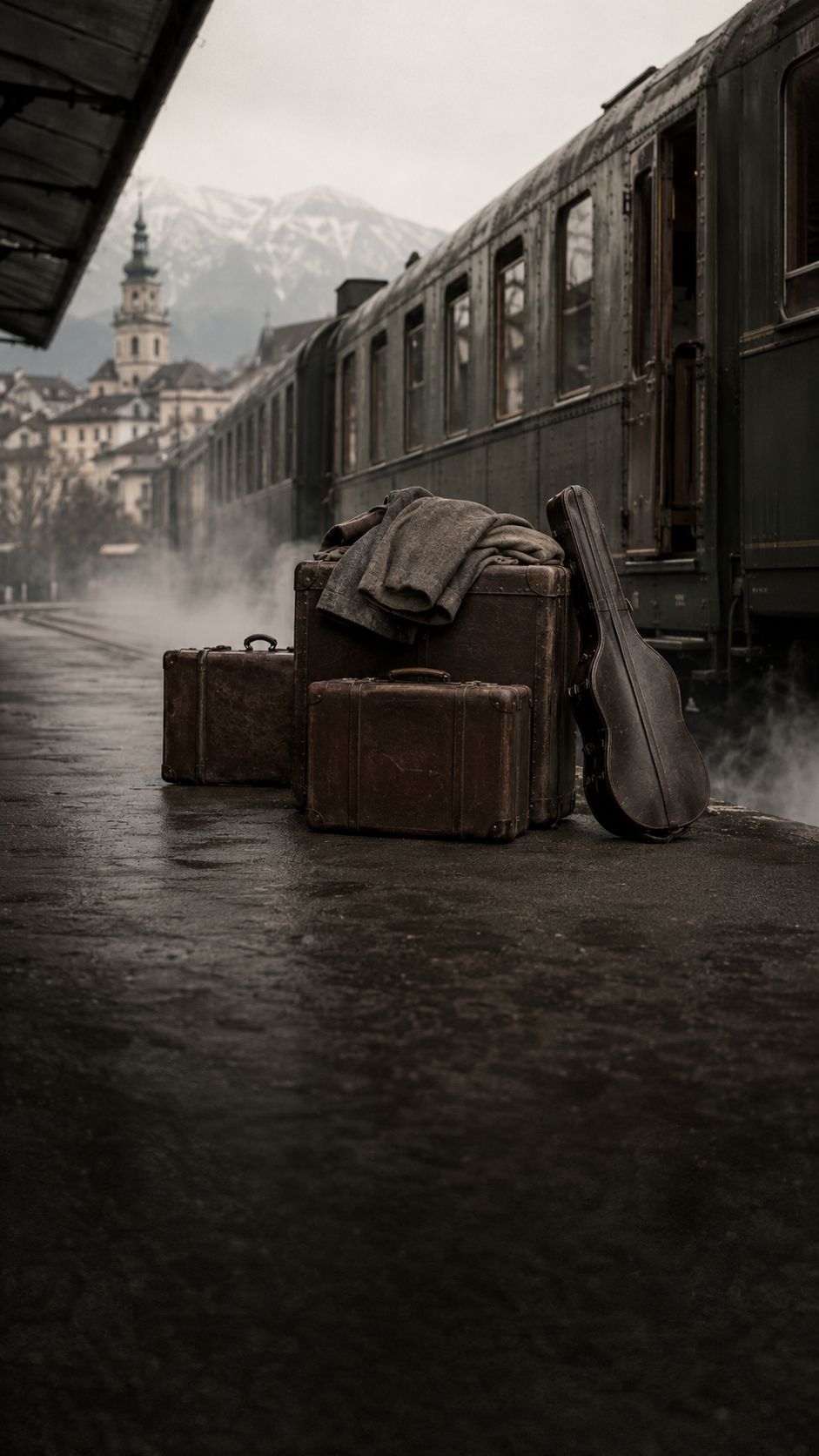 Salzburg · 1938The Real Story Behind The Sound Of MusicThe film shows a stern captain melted by love and a heart-pounding Alpine escape — the real story is quieter, stranger and sadder.
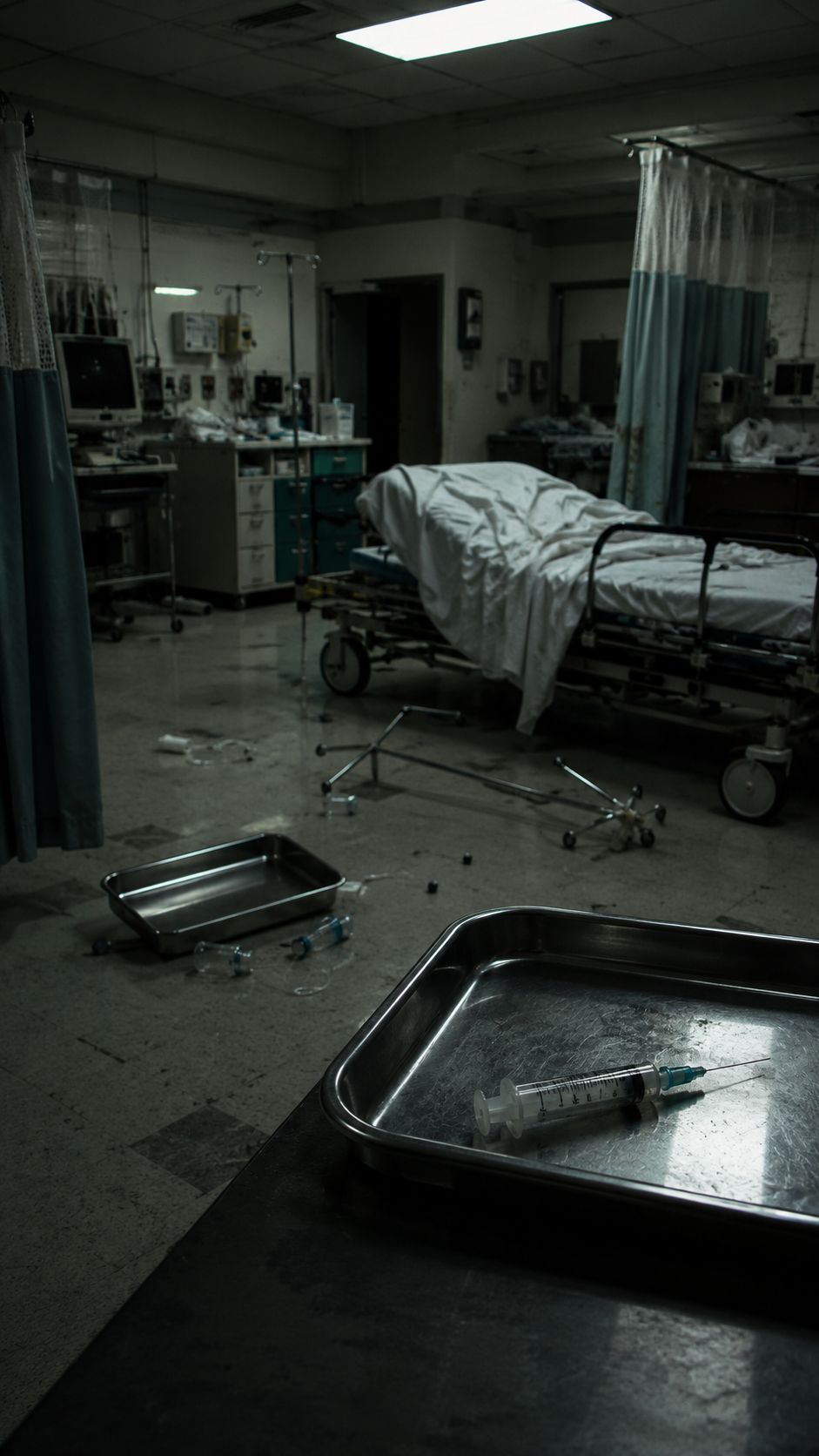 Riverside · 1994The Woman Whose Body Poisoned An ERA dying woman's own body seemed to poison the people trying to save her, in a mystery that has never been fully explained.
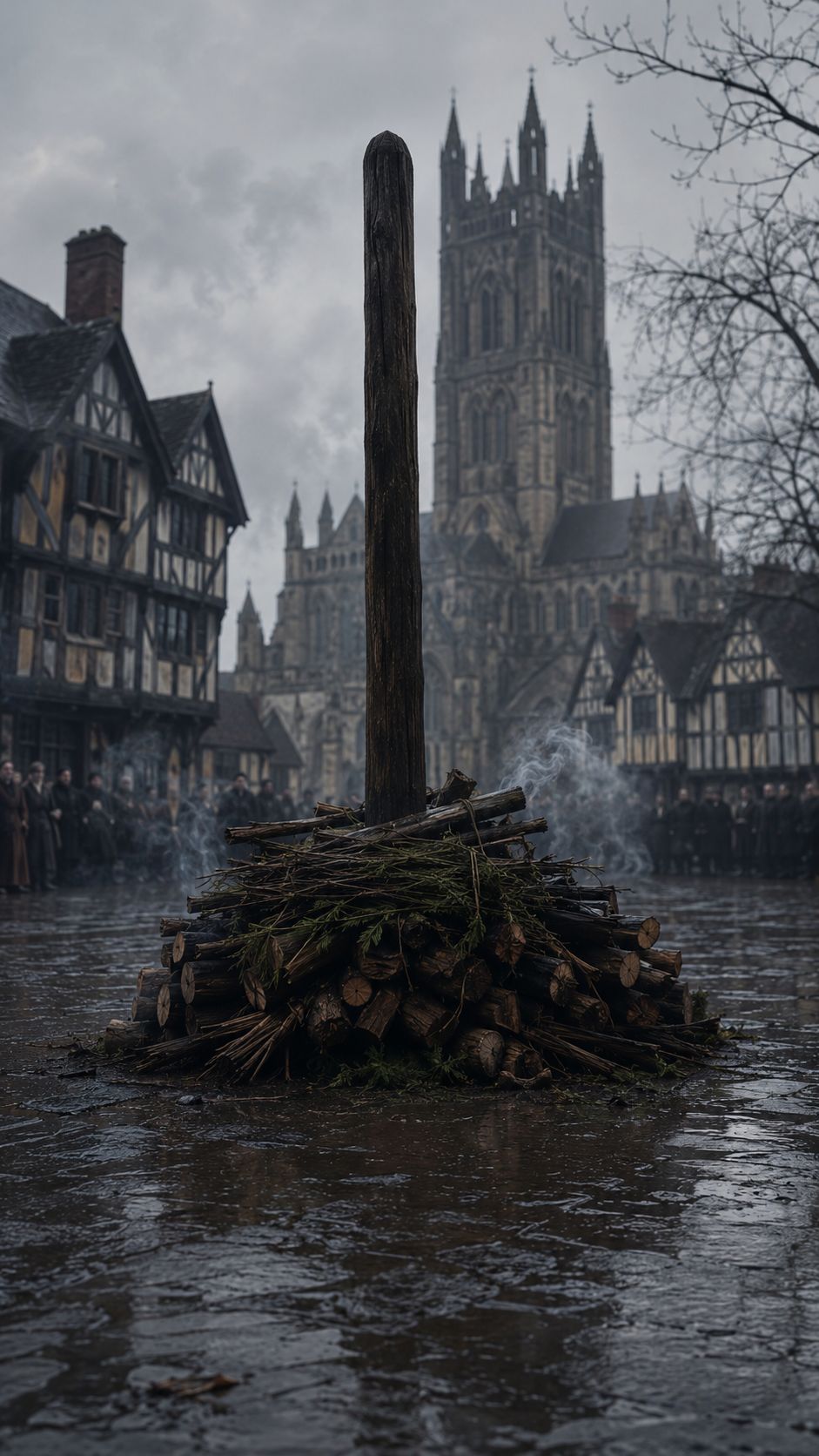 Gloucester · 1555The Bishop Burned By Three FiresA Reformation bishop's execution went so horrifically wrong it became one of the most agonising deaths in the Tudor persecutions.
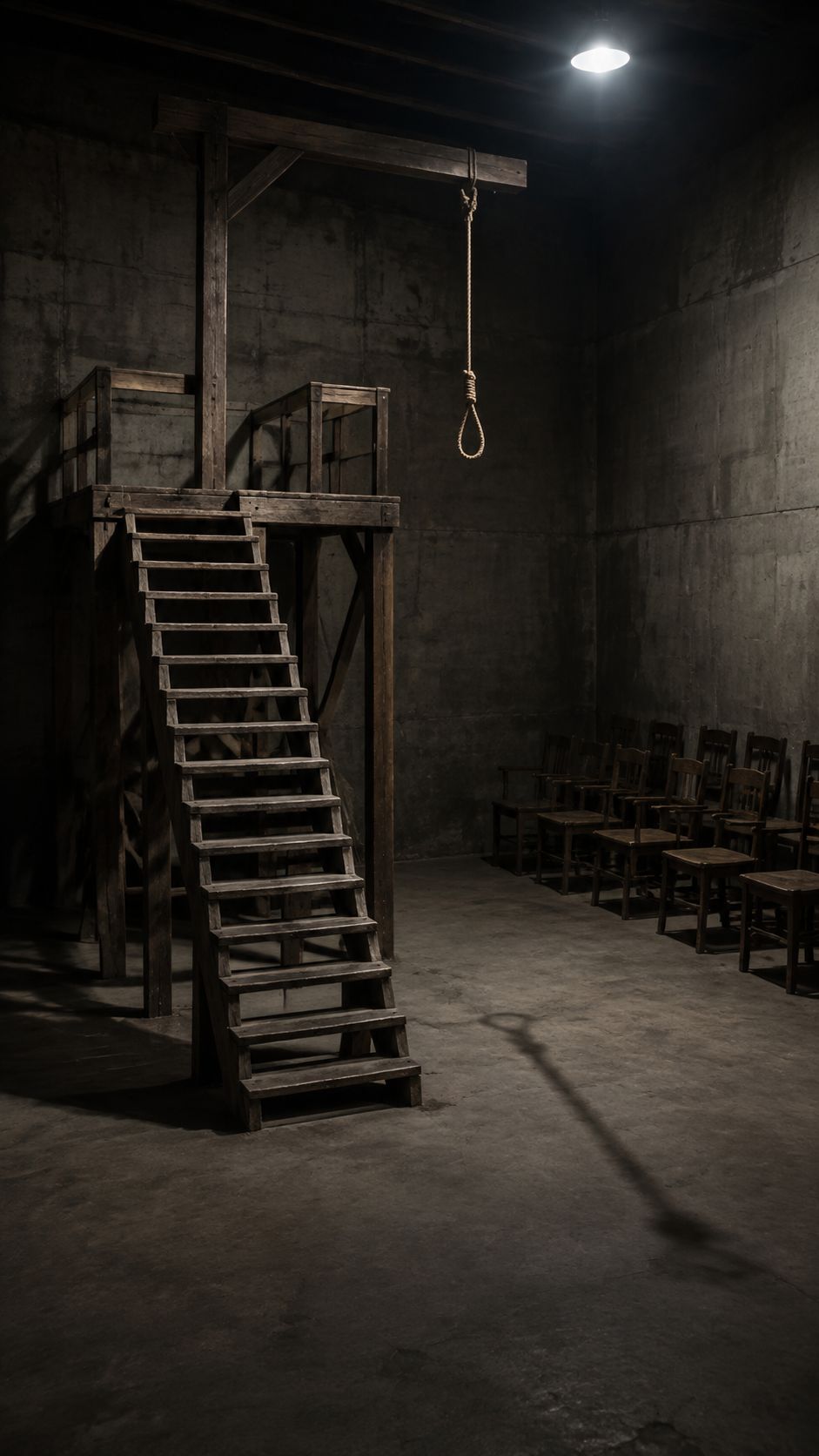 Florence · 1930The Hanging That Ended An Execution MethodHer hanging went so horrifically wrong in front of witnesses that an entire state abandoned the gallows forever.
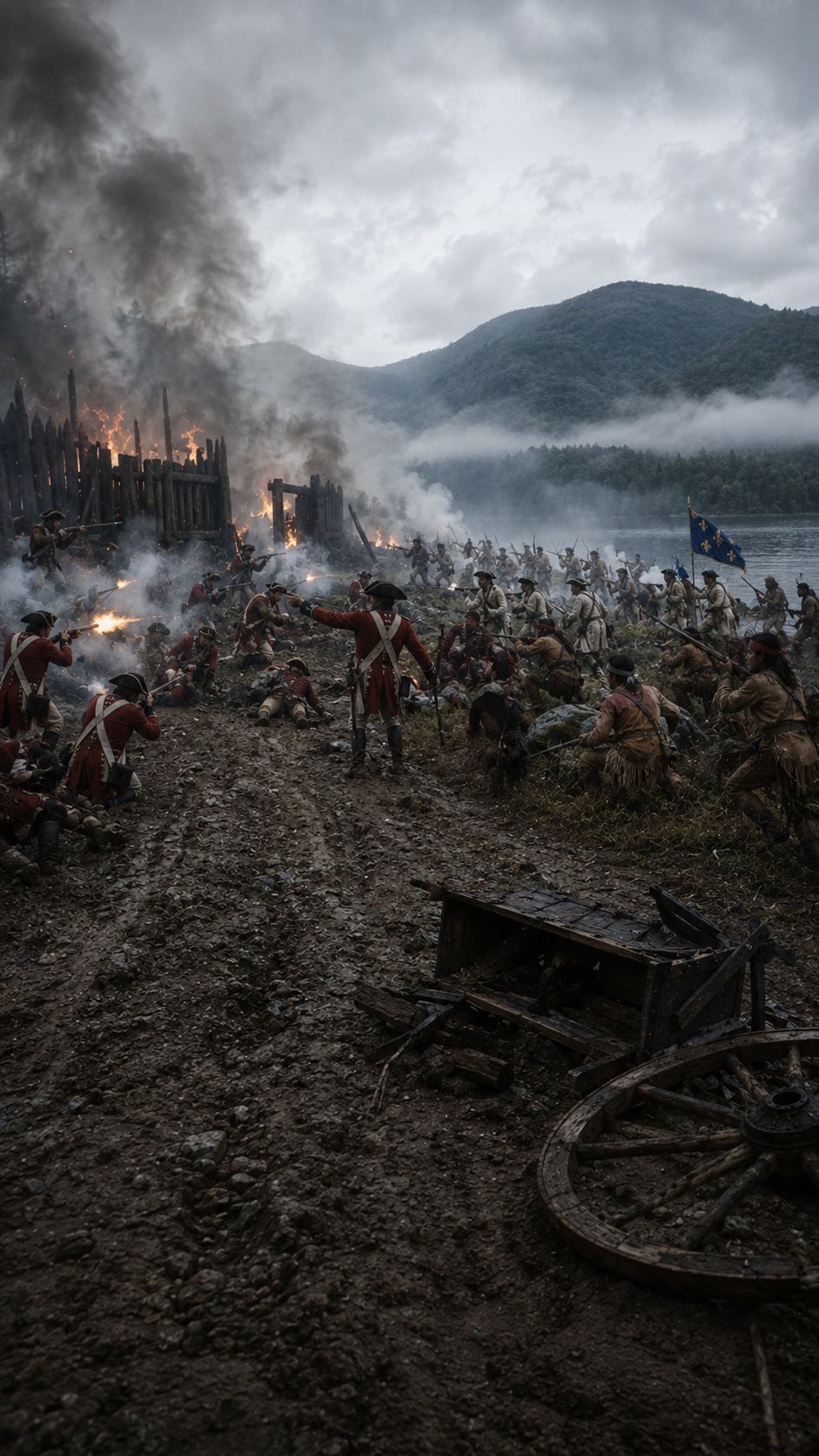 Lake George · 1757The Massacre Behind The Last Of The MohicansA famous novel turned it into a simple tale of savagery — the truth is a tangled web of broken promises and desperate people.
 Katyn · 1940The Massacre Covered Up For Fifty YearsTwenty-two thousand men were murdered in a forest — and the lie about who did it was maintained by a superpower for half a century.
 Żagań · 1944The Murder Behind The Great EscapeThe film ends in a rousing adventure — the real mass breakout ended in the cold-blooded murder of fifty recaptured men on Hitler's direct orders.
- Collodi · 1881The Original Pinocchio Was MurderedThe wooden puppet everyone knows was gentle and whimsical — the first version of the story ended with him hanged from a tree.
 London · 1904The Boys Who Inspired Peter PanPeter Pan is the boy who never grew up — but the real boys behind him did grow up, and for three of them it ended in horror.
 Philadelphia · 1896The Confession That Was A LieAmerica's most famous supposed serial killer sold a confession full of murders he never committed — and even his own execution went wrong.
 Hartfield, East Sussex · 1926The Real Boy Behind Winnie-The-PoohA teddy bear from Harrods and a Sussex wood became the world's most famous children's books — and a lifelong burden for the real boy inside them.
- Nîmes · 1807The Real Revenge Behind The Count Of Monte CristoA shoemaker betrayed on the eve of his wedding became the true story behind one of literature's greatest tales of vengeance.
 Donner Pass, California · 1847The Shortcut That Cost Thirty-Nine LivesA shortcut promised to save hundreds of miles — instead it trapped two families in the snow with nothing left to eat but each other.
 Matawan · 1916The Summer America Learned To Fear SharksExperts insisted sharks never attacked living people in northern waters — one brutal summer proved them catastrophically wrong.
 Plainfield · 1957The Farmhouse That Inspired Modern HorrorA quiet Wisconsin handyman's crimes were so grotesque they invented Norman Bates, Leatherface and Buffalo Bill.
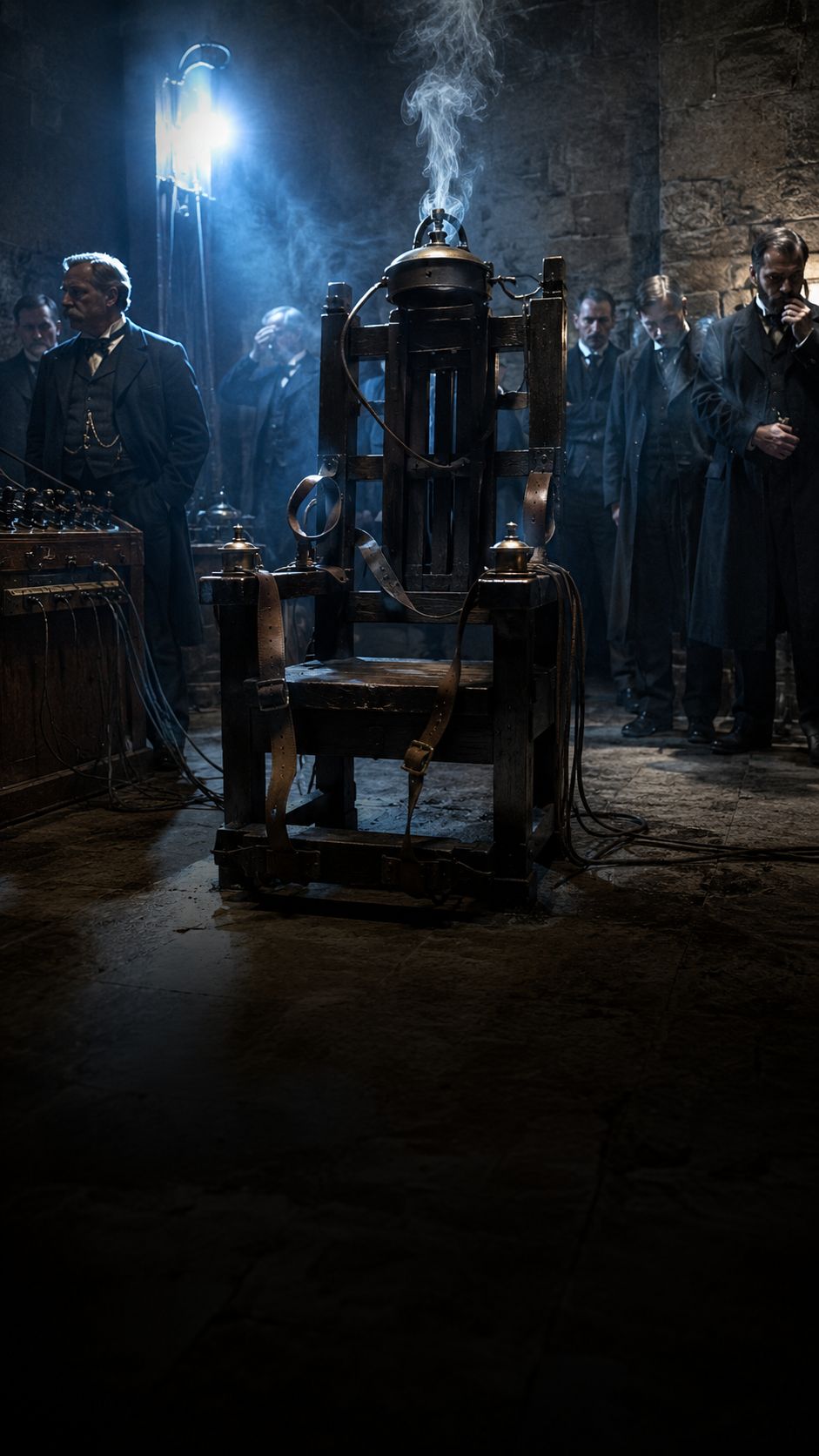 Auburn · 1890The Man Who Proved The Electric Chair WrongA vegetable peddler became the unwitting test subject for a new, supposedly humane way to kill — and it went horribly wrong.
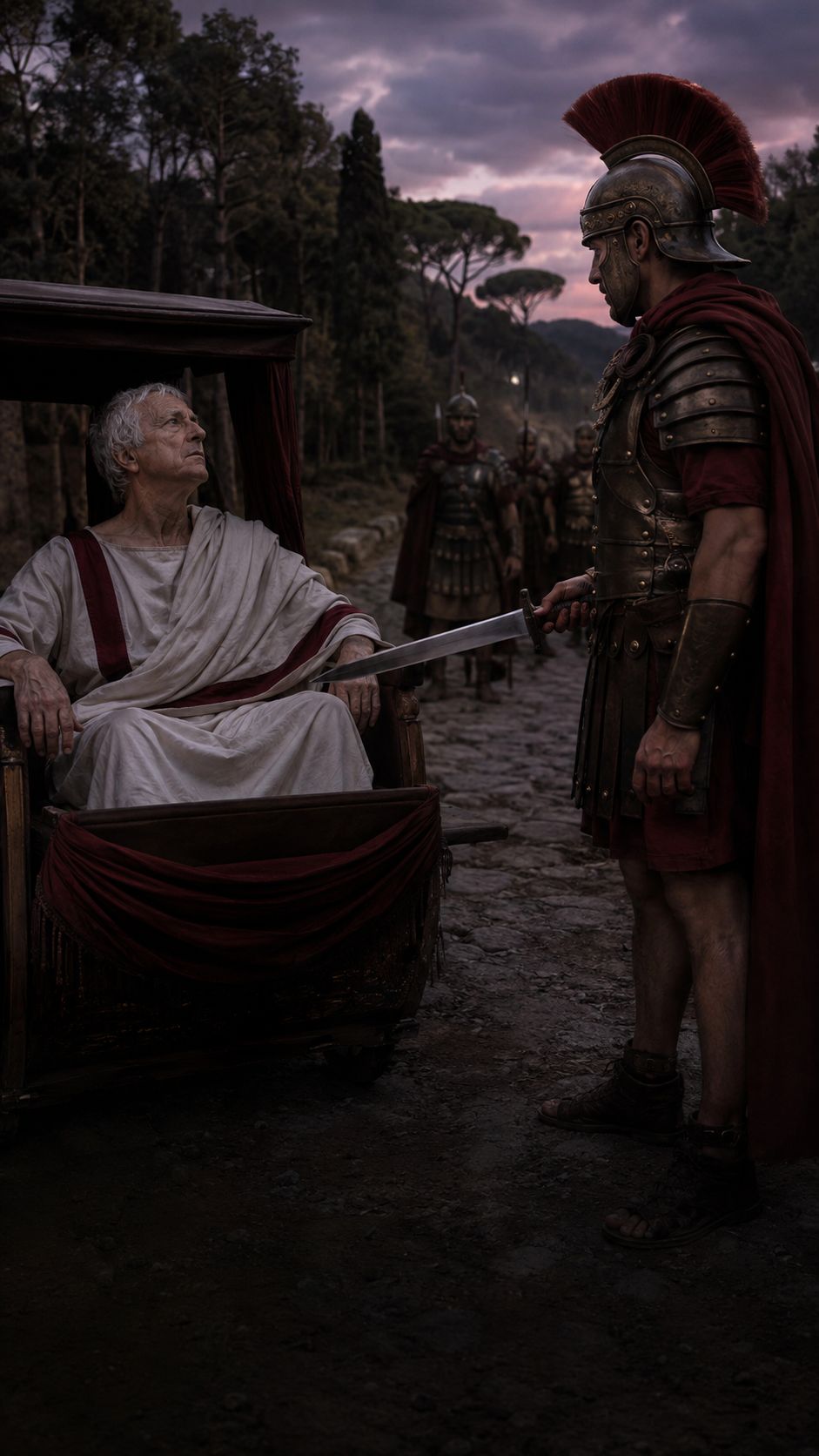 Formia · 43 BCThe Orator Who Told His Killers To Do It ProperlyRome's greatest orator opposed every dictator who threatened the Republic, until a proscription list finally caught up with him.
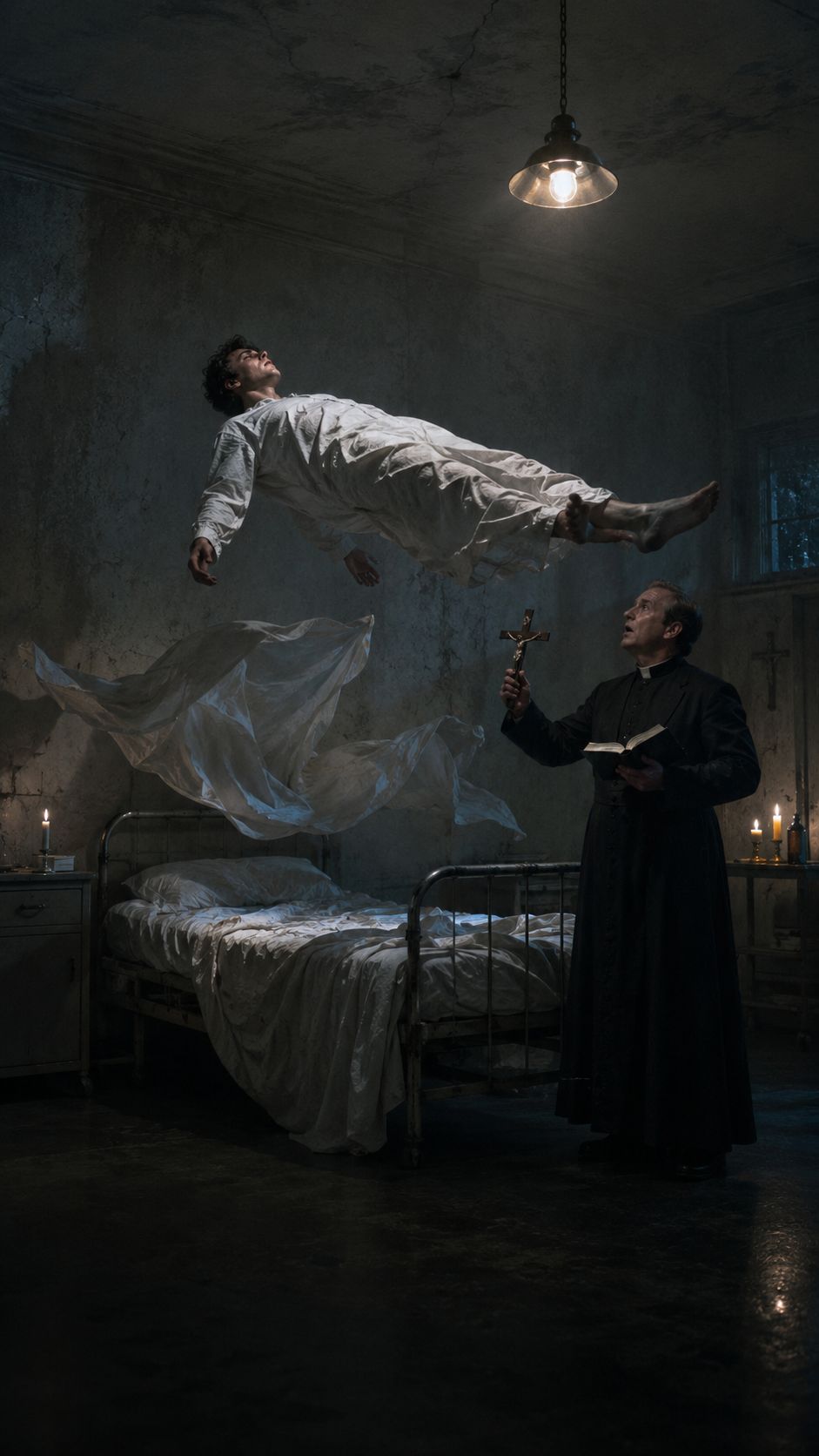 St Louis · 1949The Real Boy Behind The ExorcistThe film is often called the most terrifying ever made — and behind it sits a thirteen-year-old boy, a closely guarded priest's diary, and an investigation that took most of the story apart.
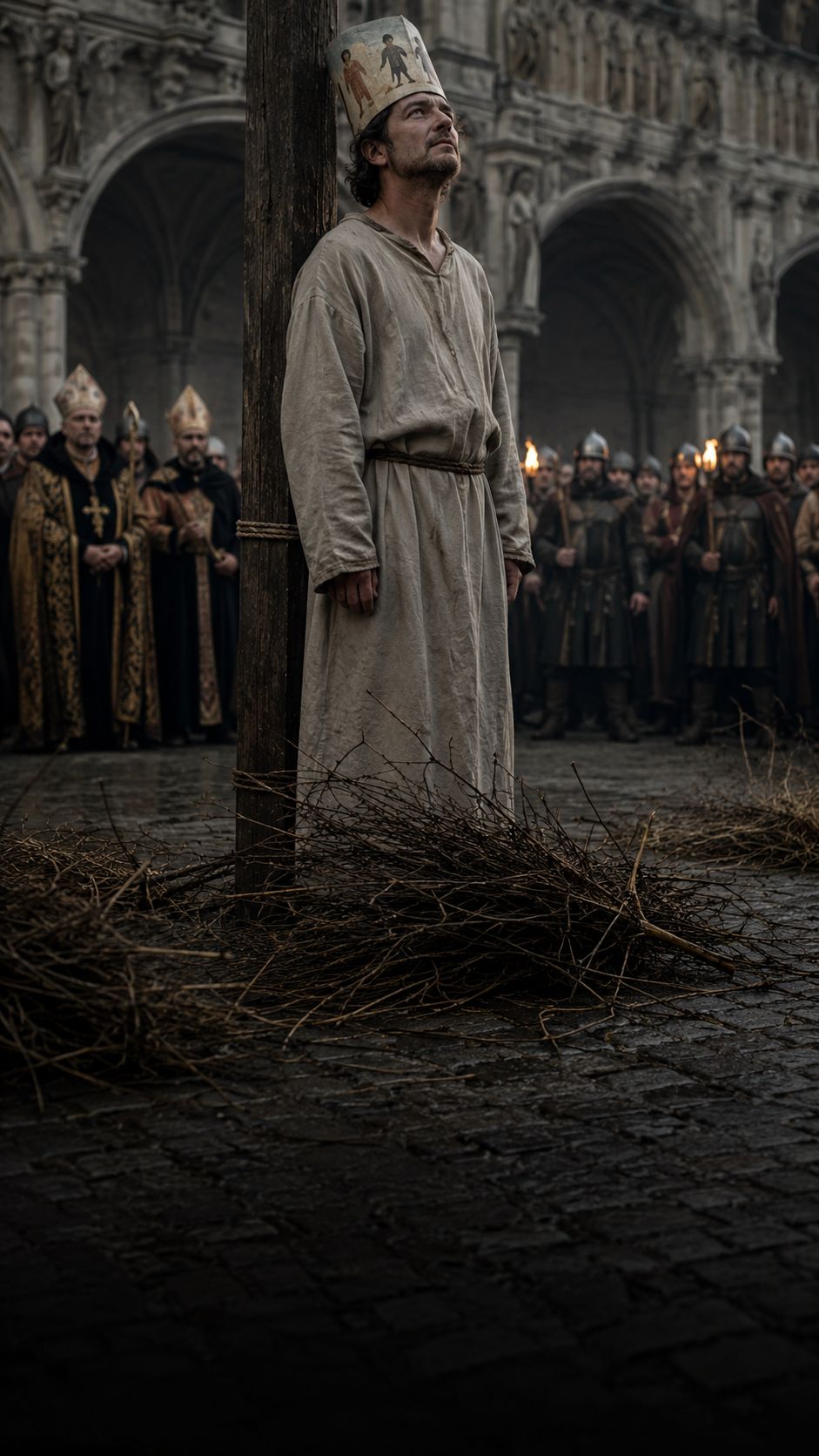 Konstanz · 1415The Reformer Who Burned A Century EarlyA century before Luther, a Czech priest challenged the Church's corruption and was burned alive for refusing to take back a word.
- Munich · 1943The Student Who Faced Her Killers With ComposureA twenty-one-year-old student printed leaflets denouncing Hitler, knew the risk, and faced her execution with composure that still shocks.
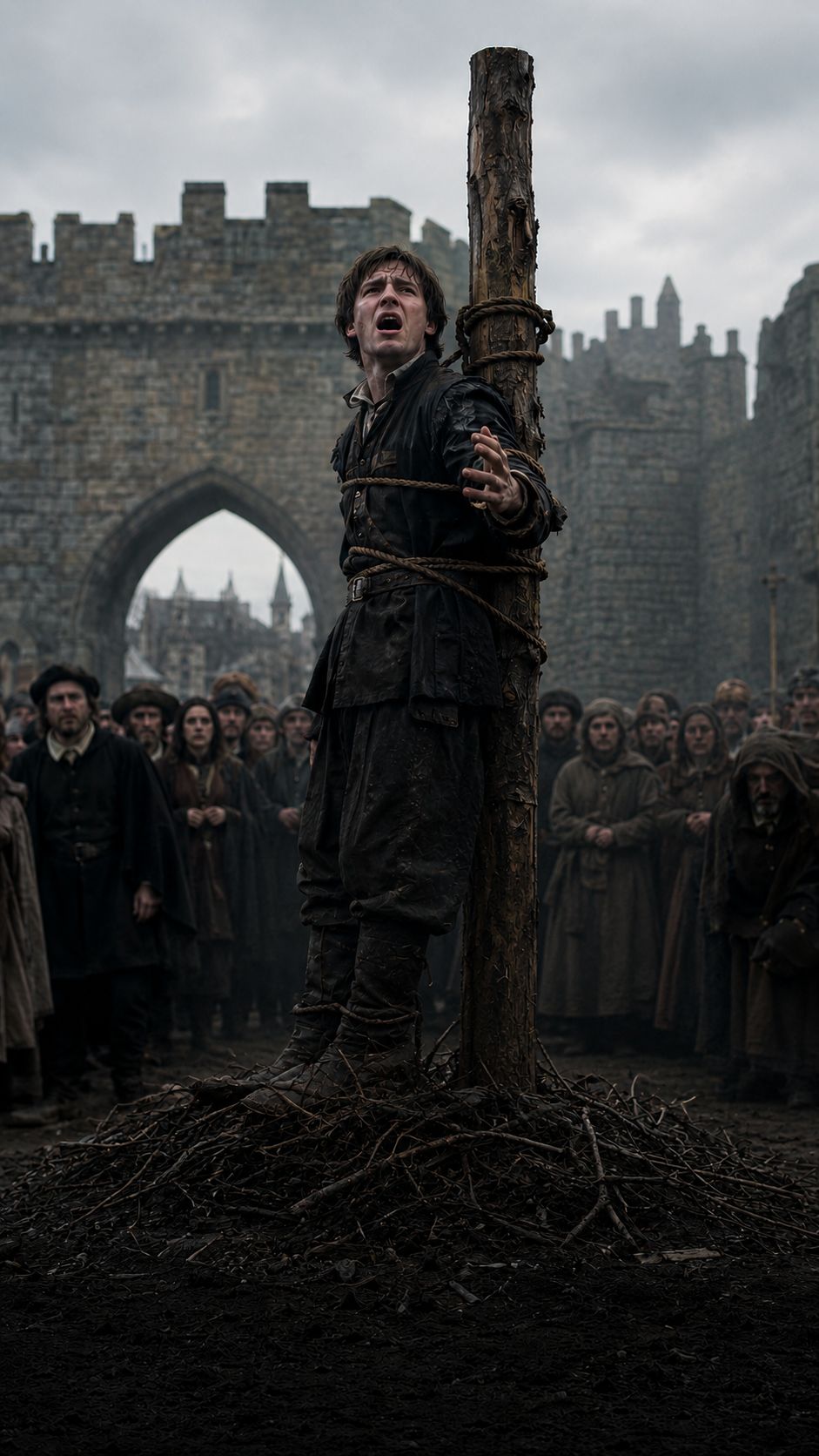 St Andrews · 1528Scotland's First Protestant MartyrA young scholar was destroyed by an institution not ready to hear him — and his botched, hours-long death made him more dangerous than ever.
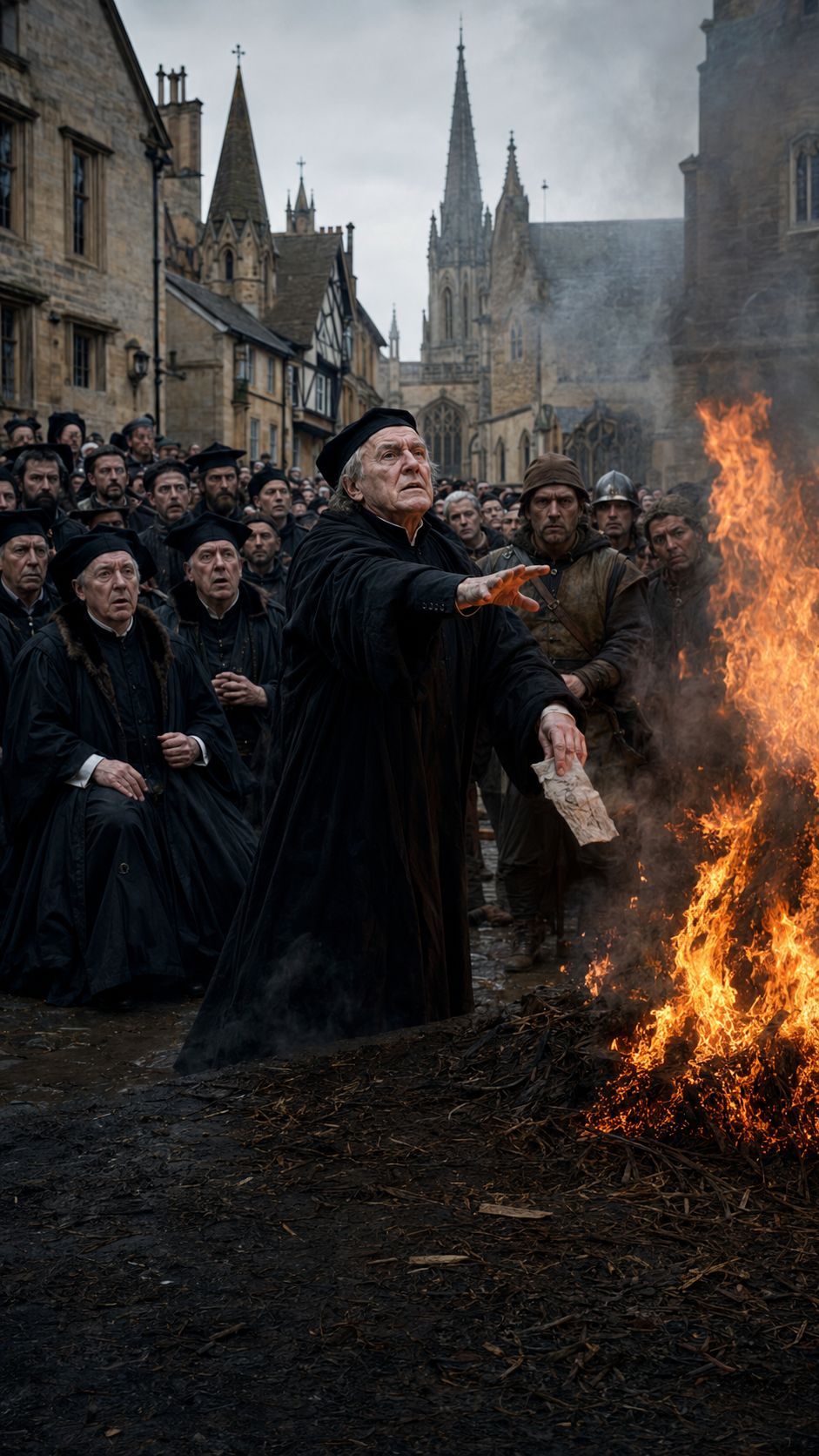 Oxford · 1556The Bishop Who Burned His Own Hand FirstA scholar who had betrayed his faith to save his life recanted his recantation, then thrust the offending hand into the flames first.
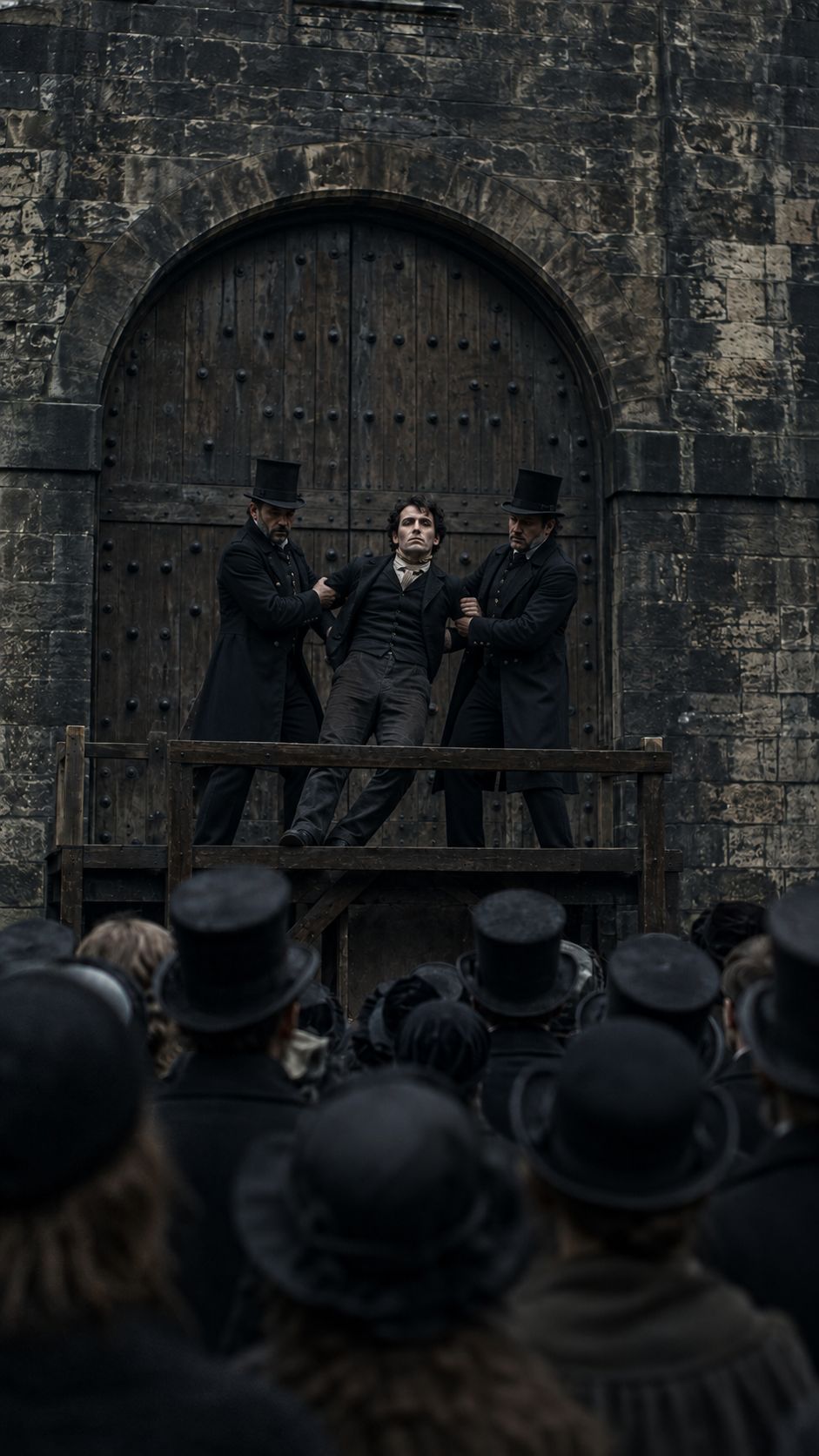 London · 1868The Last Man Hanged In Public In EnglandA crowd of two thousand gathered outside a London prison to watch him hang — the last time that would ever legally happen in England.
 Chihuahua · 1913The Writer Who Vanished Into His Own StoryA famous author who spent his life writing about death rode into the Mexican Revolution at seventy-one and was never seen again.
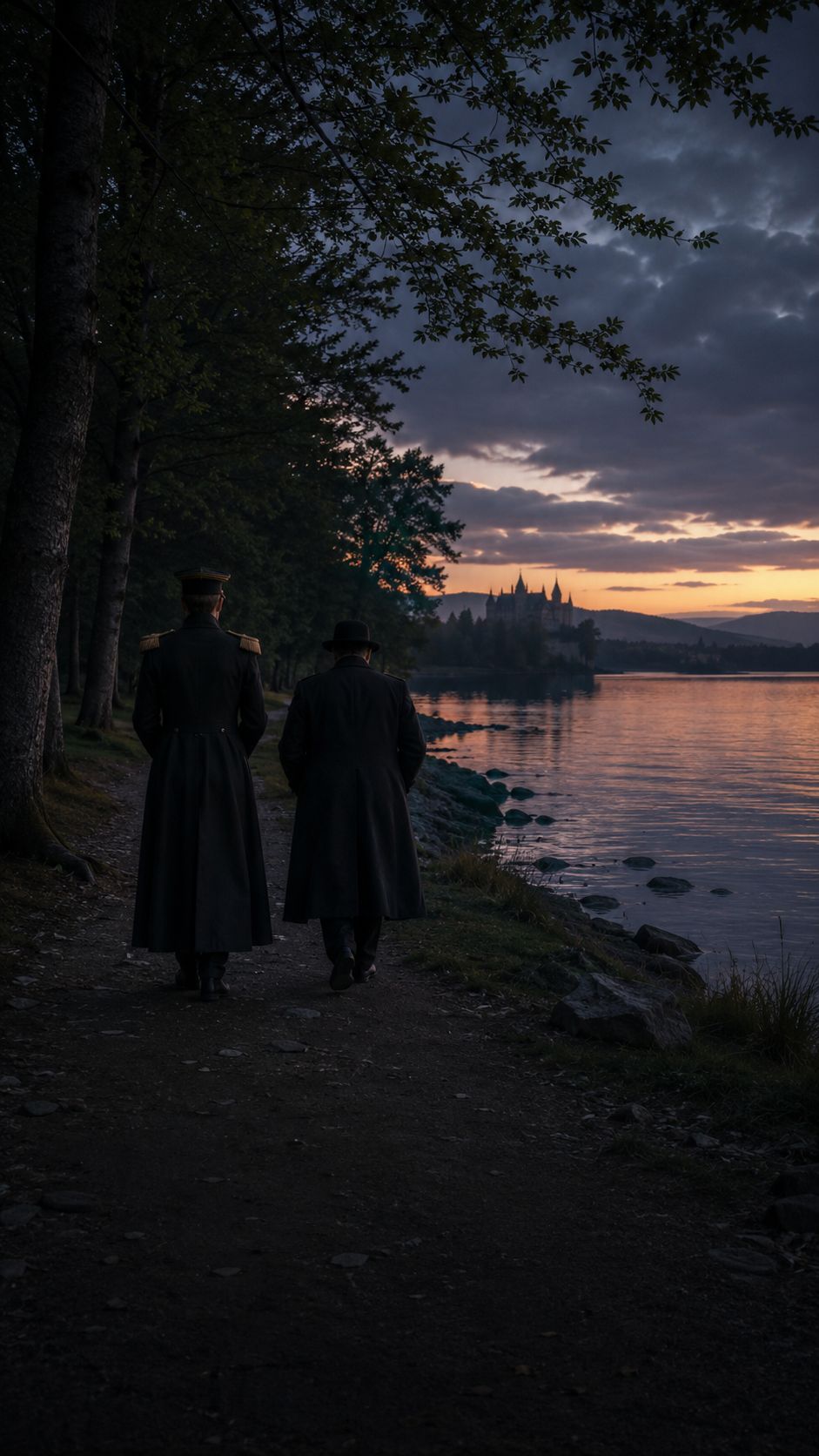 Lake Starnberg · 1886The Fairy-Tale King Who Drowned In A LakeA dreaming king who built spectacular castles was declared insane without examination, and died in a lake days later under circumstances still unsolved.
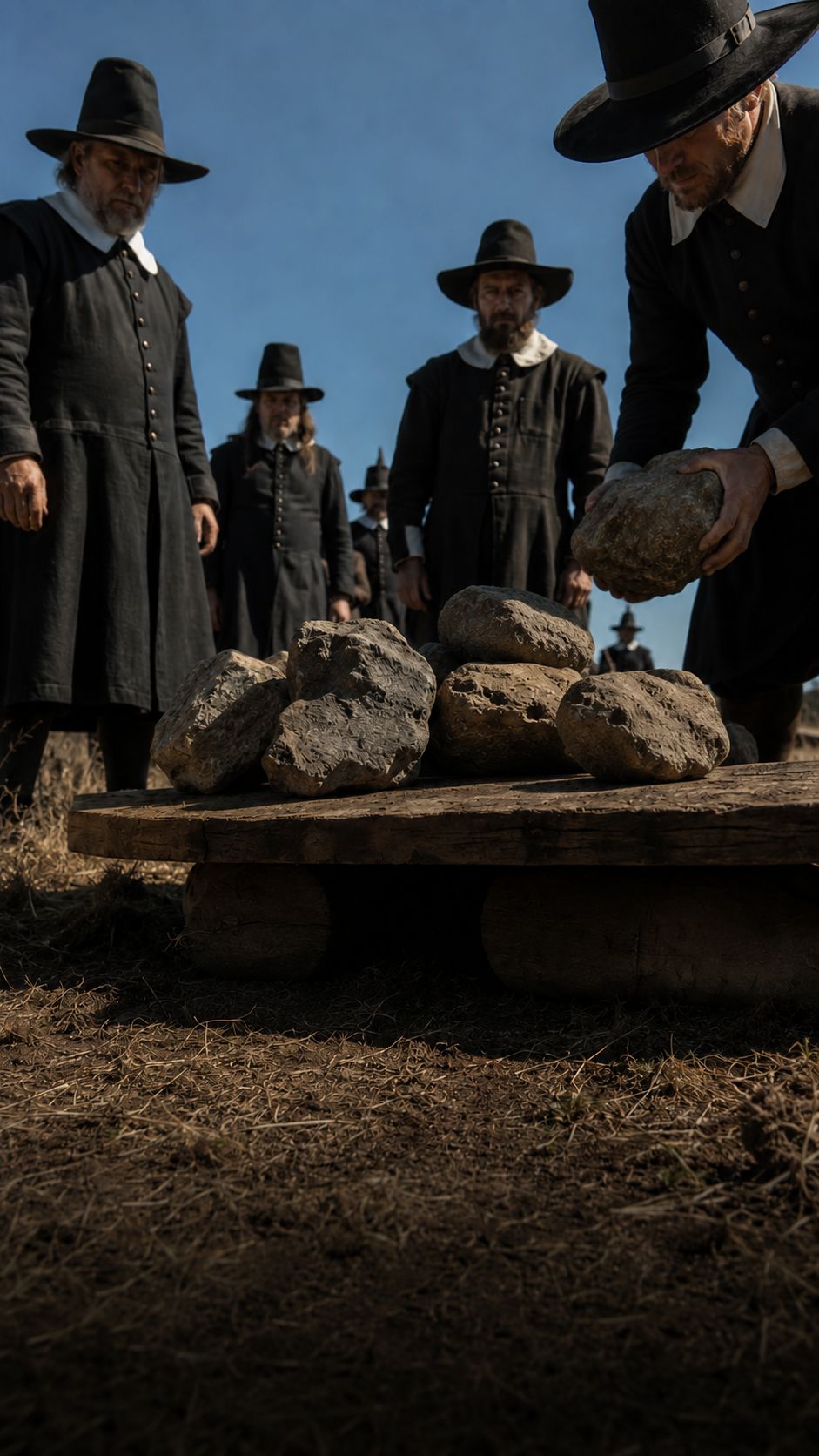 Salem · 1692The Farmer Who Was Pressed To Death For SilenceAn elderly farmer refused to enter a plea and was crushed under stones over two days rather than let his tormentors win.
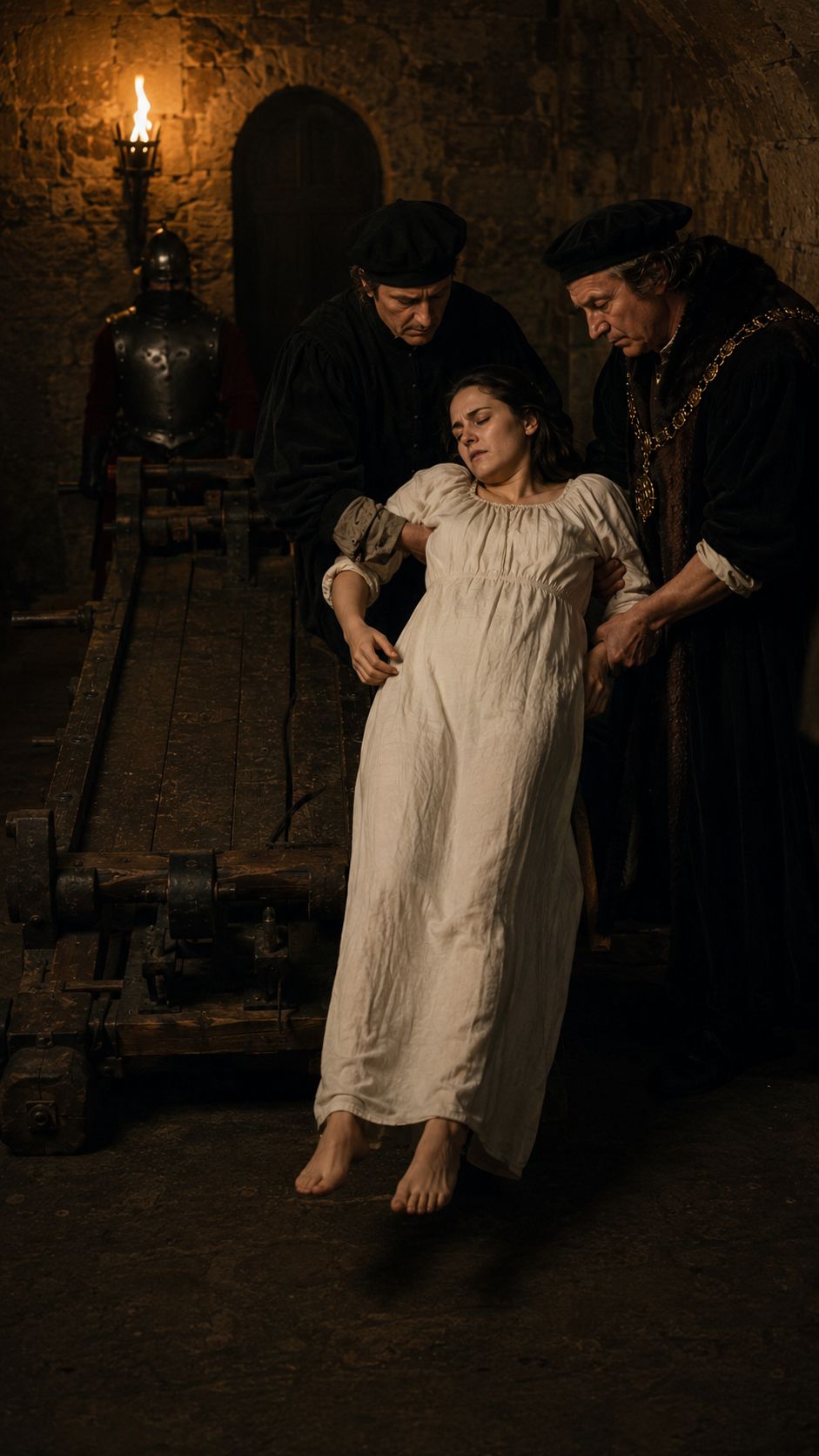 London · 1546The Only Woman Tortured In The TowerA young gentlewoman out-debated bishops in open court, then became the only woman ever recorded tortured in the Tower of London.
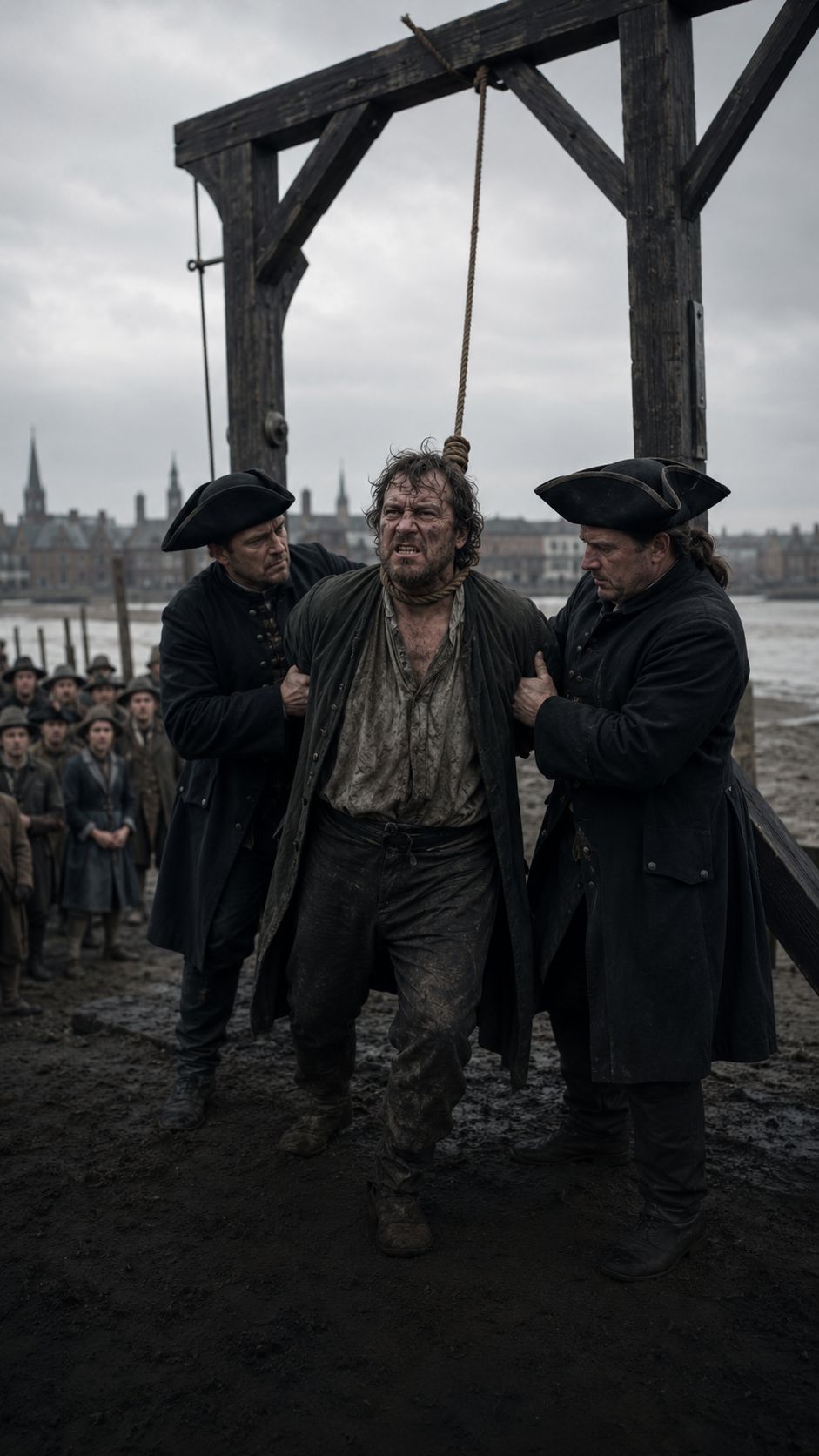 London · 1701The Pirate Hanged Twice In One MorningA respected captain became a public scapegoat for piracy, and even his execution refused to go as planned.
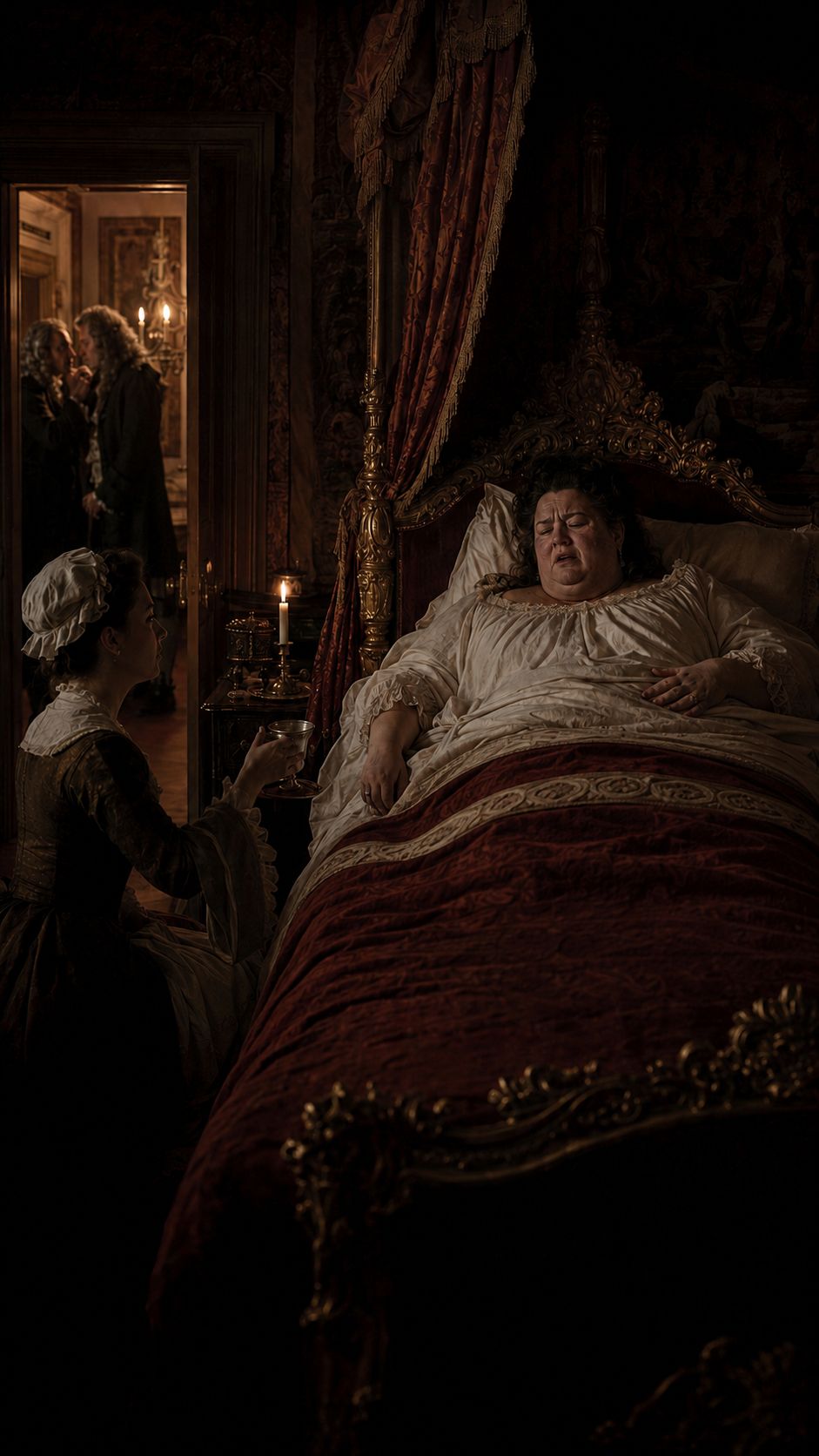 London · 1714The Real Queen Behind The FavouriteThe film shows a campy love triangle, but the real queen buried seventeen children and ruled in constant physical agony.
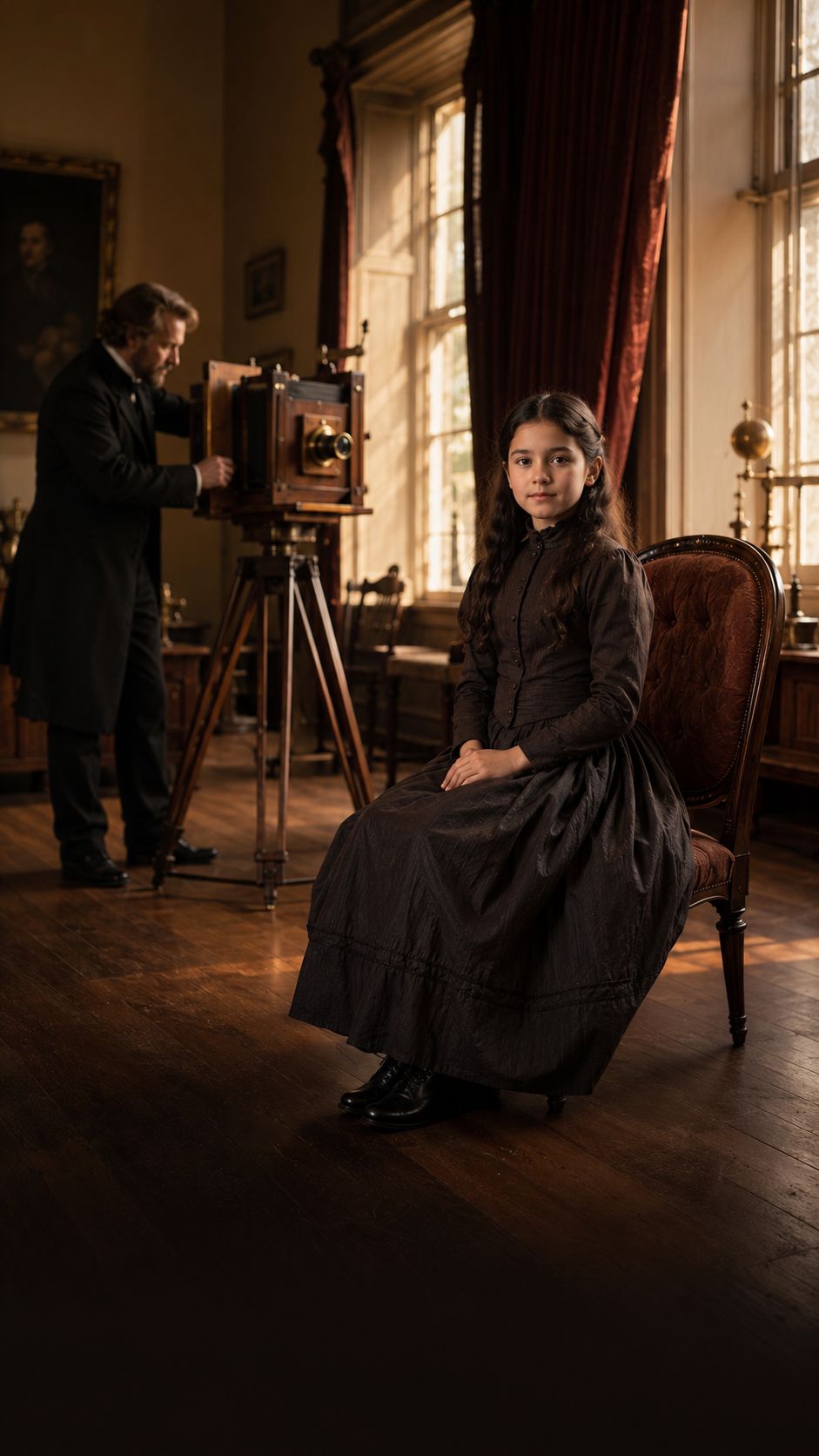 Oxford · 1862The Unsettling Truth Behind WonderlandThe whimsical book everyone loves was written by a man who spent his life photographing little girls, and whose family burned the evidence.
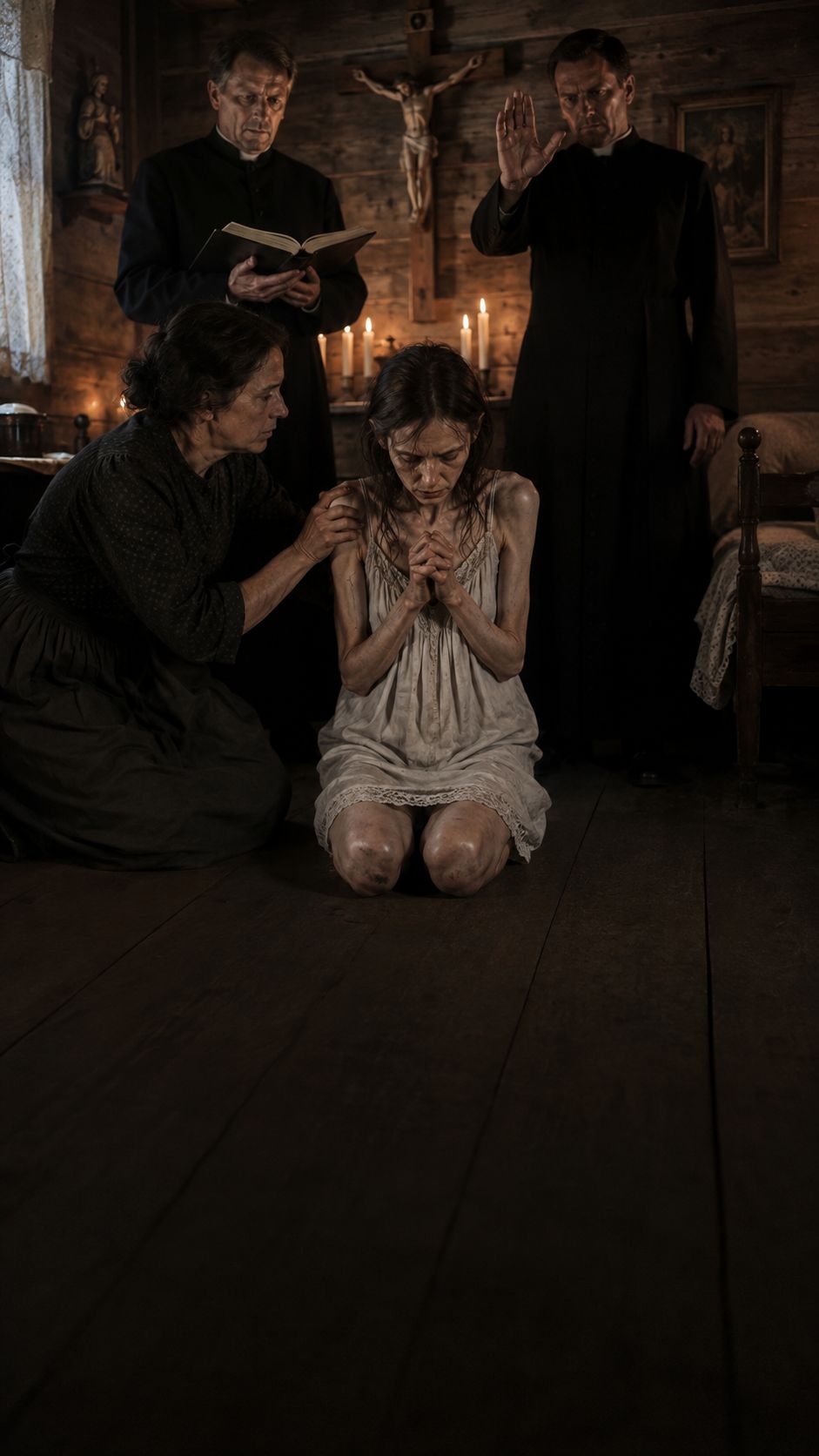 Klingenberg am Main · 1976The Exorcism That Killed HerA young woman's epilepsy was treated with 67 exorcism rites instead of medicine, until her body finally gave out.
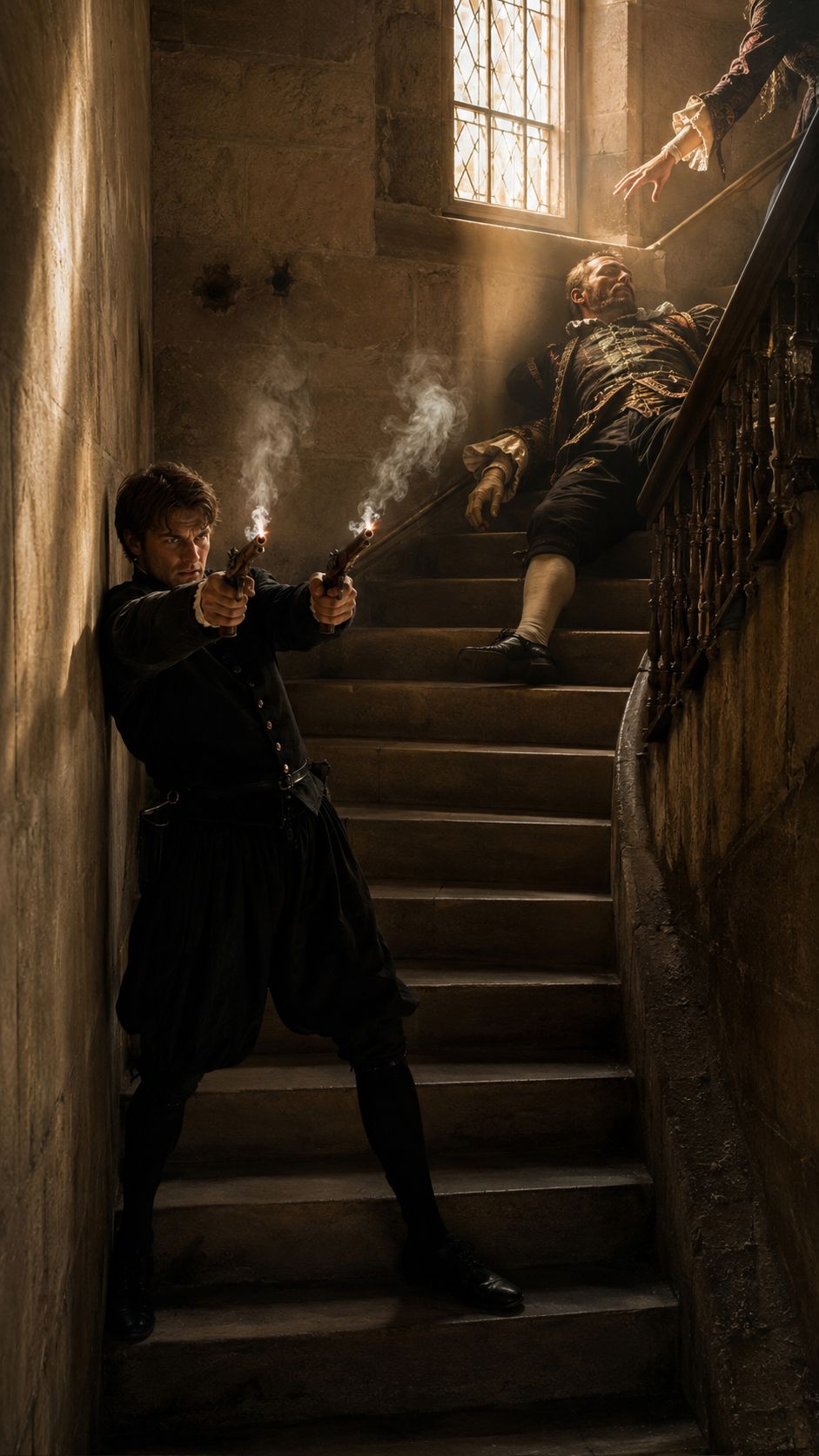 Delft · 1584The First Assassination By GunA young lawyer became the first man in history to assassinate a head of state with a firearm, then endured an execution meant to terrify a nation.
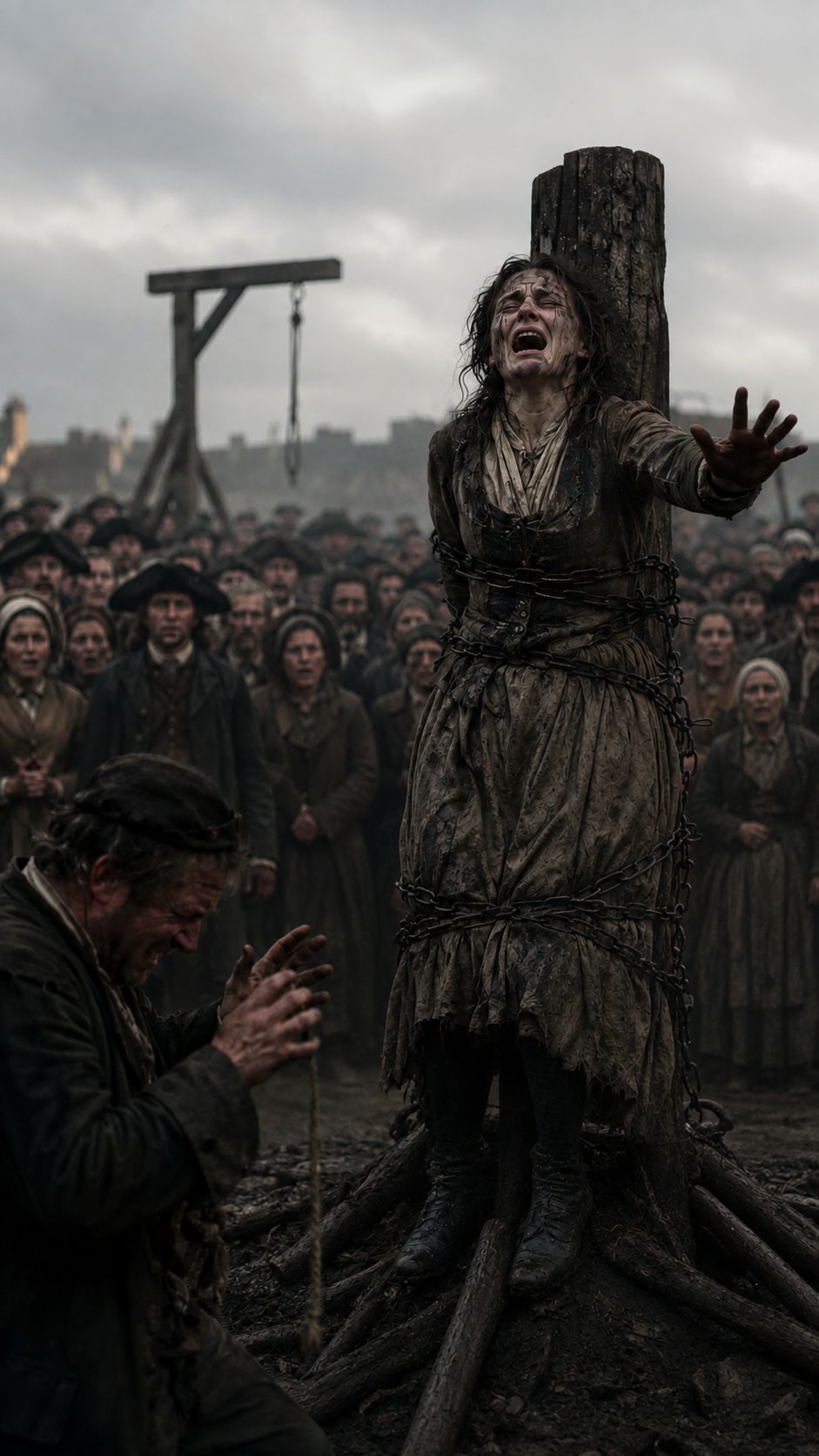 London · 1726The Last Woman Burned Alive In EnglandHer murder became the stuff of ballads and nightmares — and her execution went so wrong it stands as a black mark on English justice.
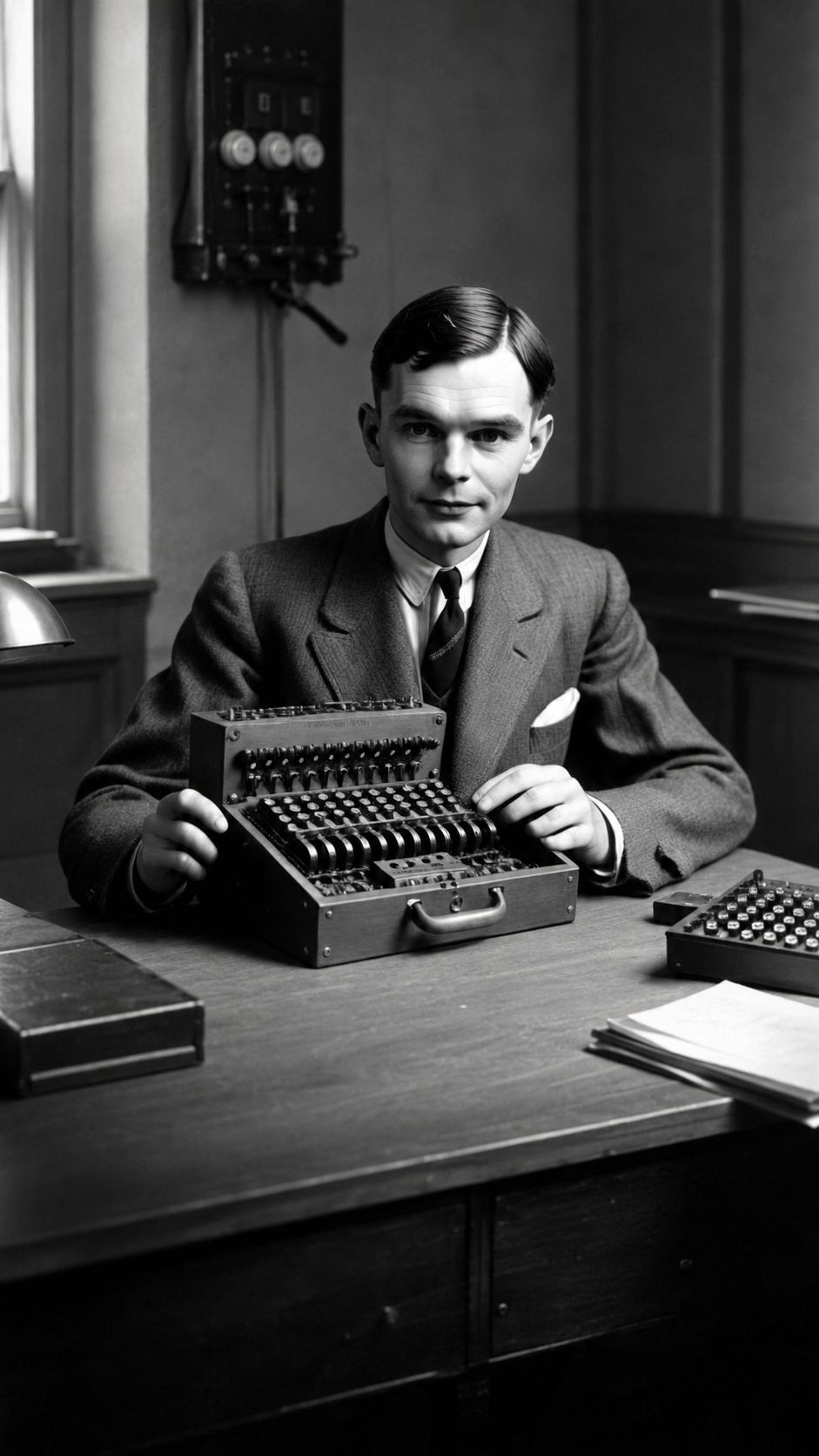 Wilmslow · 1954The Man Who Saved Britain And Was Destroyed By ItThe mathematician who shortened the war was systematically destroyed by the country he had saved, and his death still isn't fully explained.
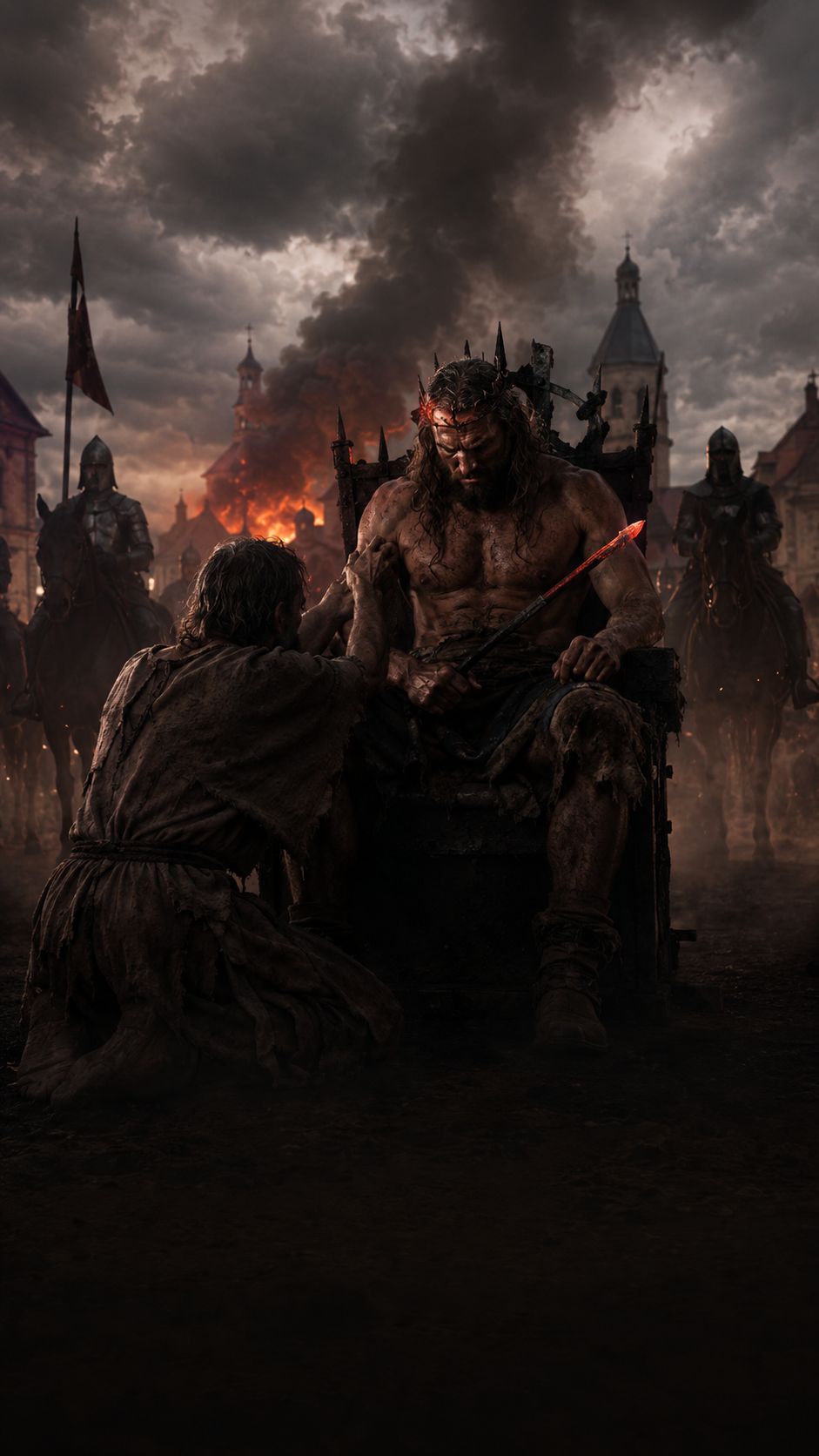 Timișoara · 1514The Peasant King Burned On An Iron ThroneA soldier who led forty thousand peasants to the gates of power was destroyed by an execution designed to erase the very idea of him.
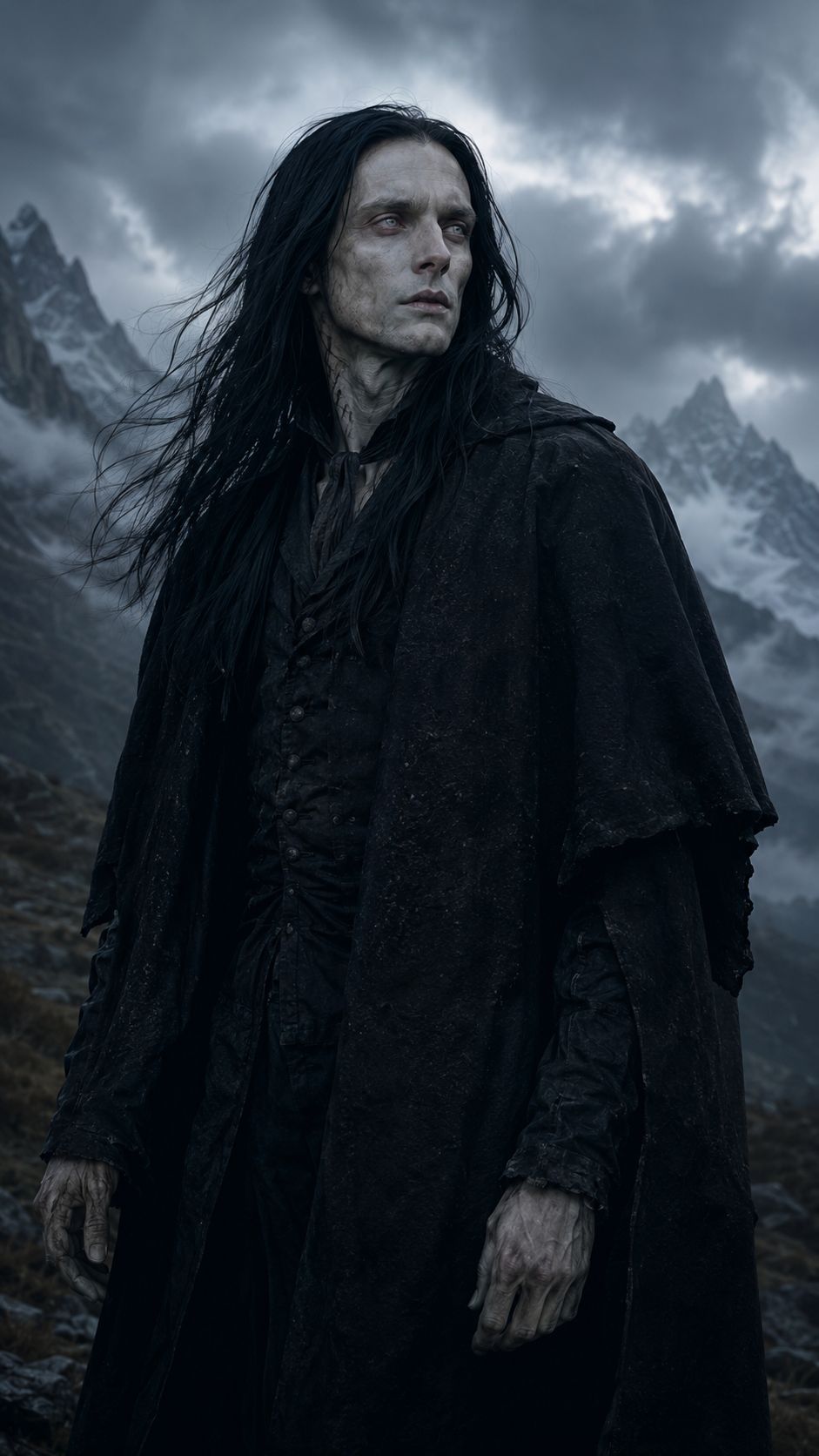 Geneva · 1816The Tragic Life Behind FrankensteinThe real 1818 novel is nothing like the lumbering movie monster — and the woman who wrote it lived a life as tragic as her fiction.
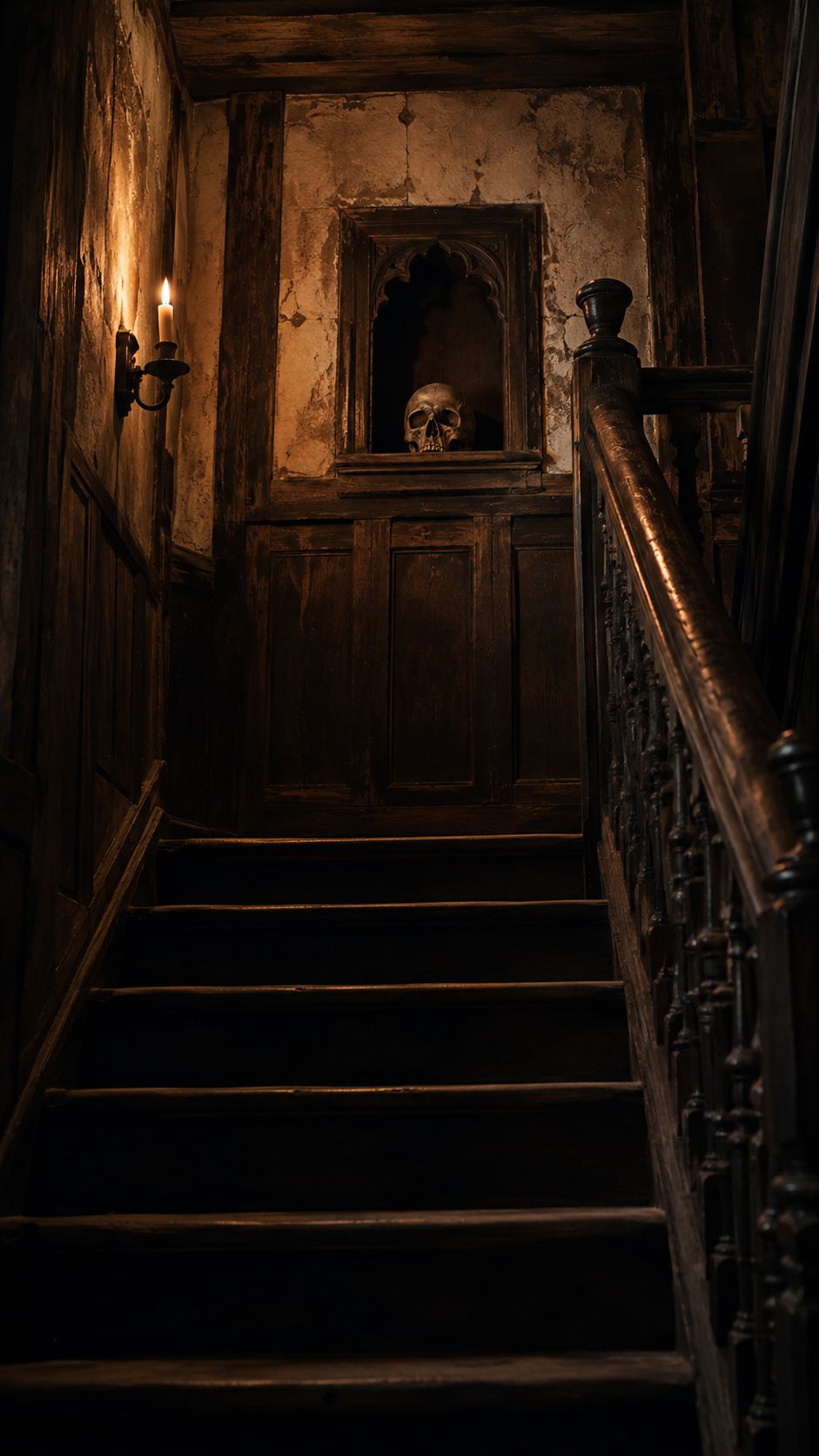 Wardley Hall, Worsley, Salford, Greater Manchester · 1641England's Screaming Skulls That Refuse To LeaveIn a handful of old English houses a real human skull is still kept indoors, because of one shared fear: remove it, and disaster follows.
- Sandringham · 1936The King's Death That Was A Secret For Fifty YearsFor half a century the official story was a peaceful passing — until a doctor's own diary revealed the truth.
- Vienna · 1938The Man Bambi's Success Could Not SaveThe gentle author behind Bambi became one of the countless writers erased and exiled by the Nazis he had once tried to outrun.
 Gravesend · 1617The Real Woman Behind The Disney PrincessThe real Pocahontas endured war, abduction and forced conversion, and died thousands of miles from everything she knew.
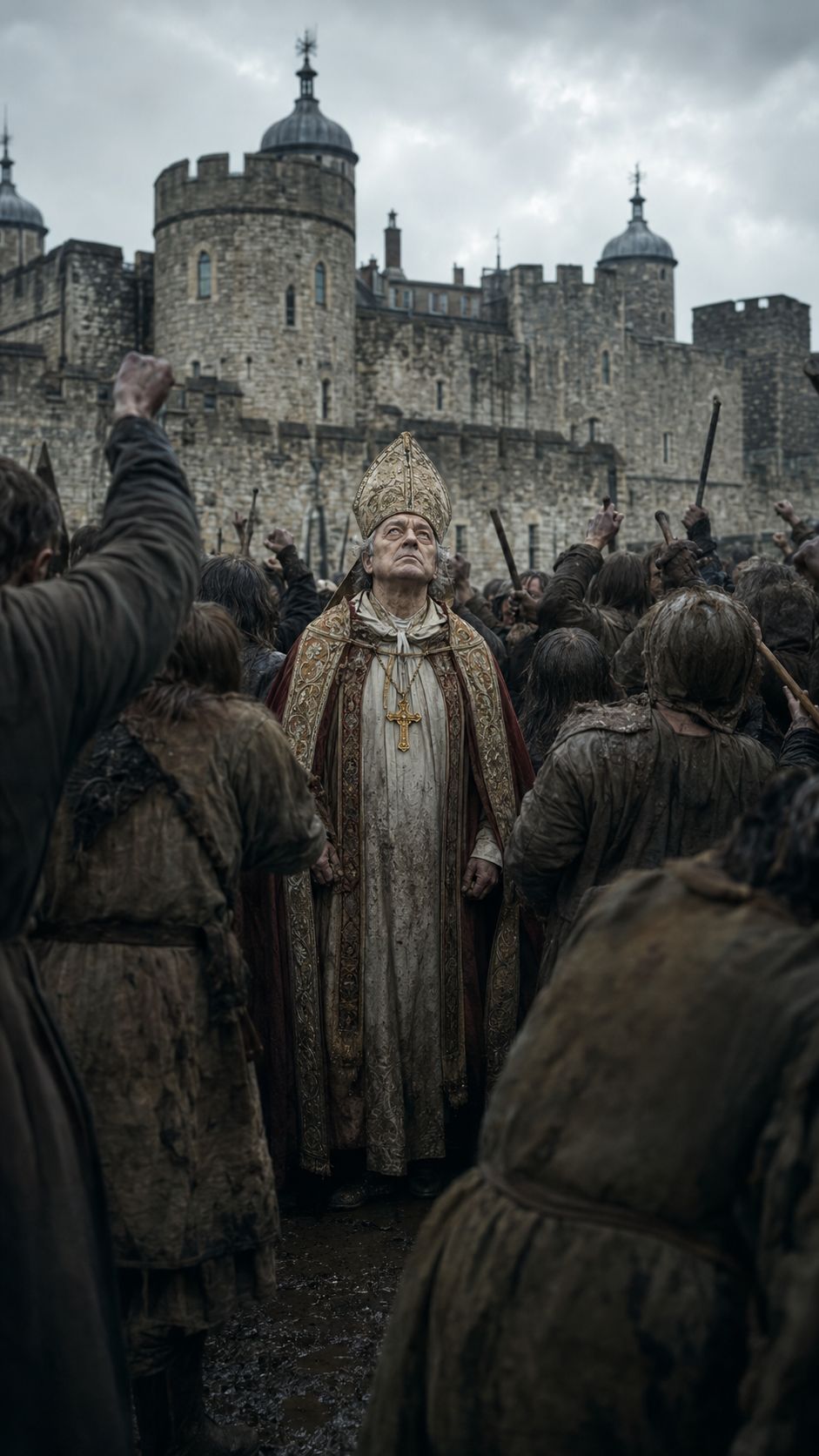 London · 1381The Archbishop's Head That Still SurvivesA raging mob hacked the Archbishop of Canterbury to death, and his mummified head still sits in a Suffolk church today.
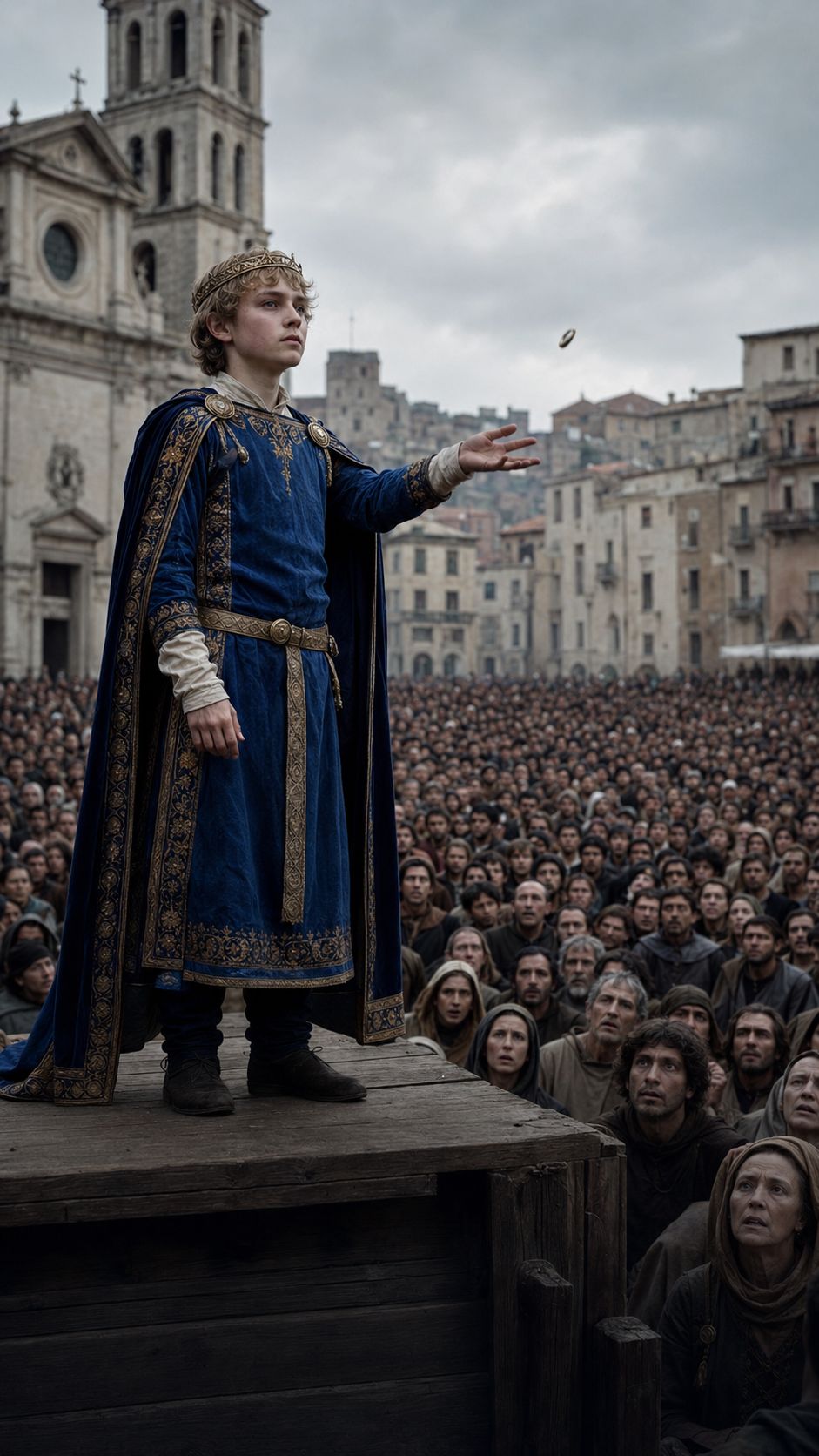 Naples · 1268The Boy-King Beheaded In A Market SquareThe last heir of a glittering medieval dynasty was publicly beheaded at sixteen, horrifying all of Christendom.
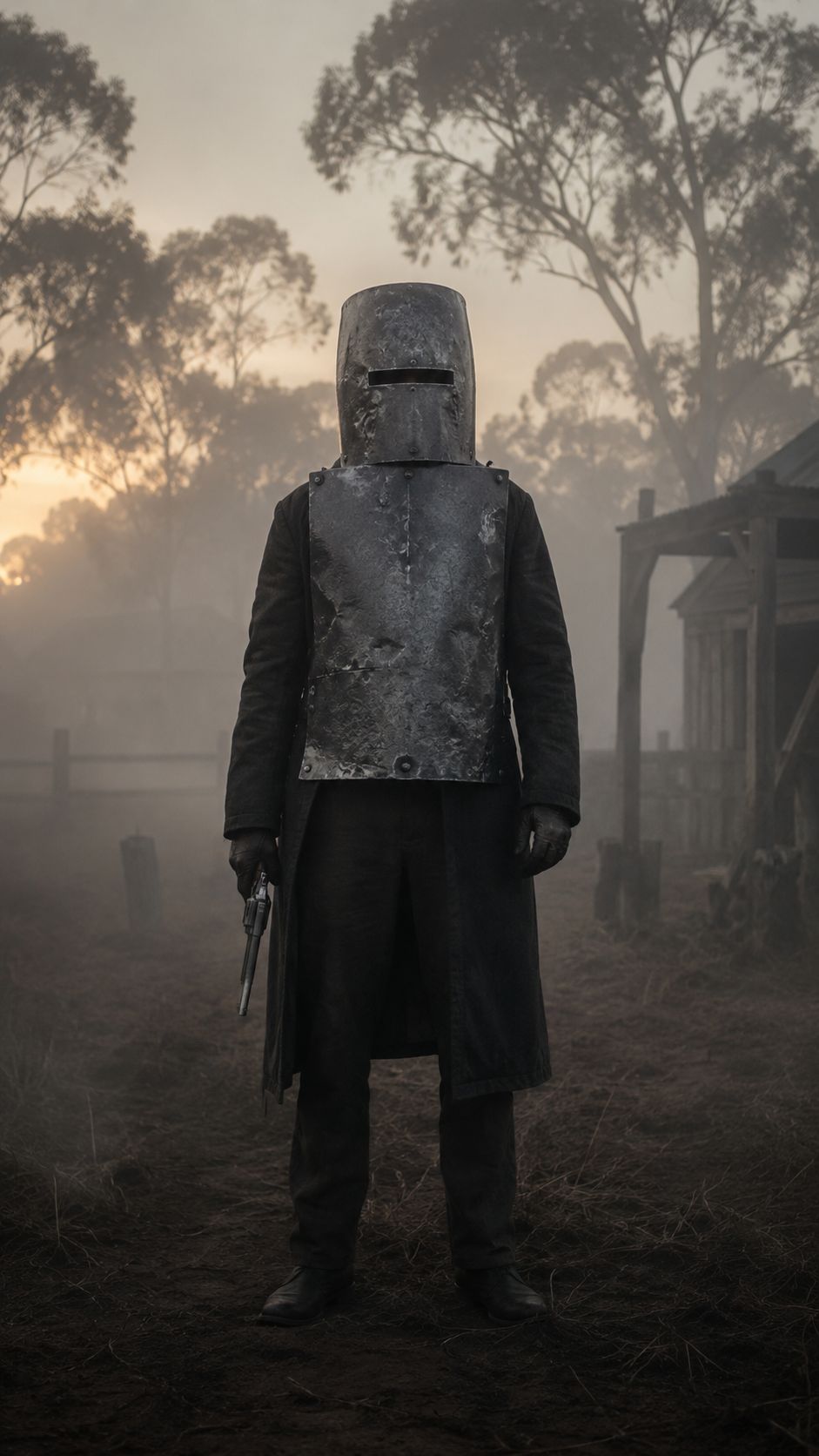 Melbourne · 1880The Outlaw Who Went To The Gallows In Iron ArmourAustralia's most famous bushranger made his last stand in homemade armour, then met the gallows with two immortal words.
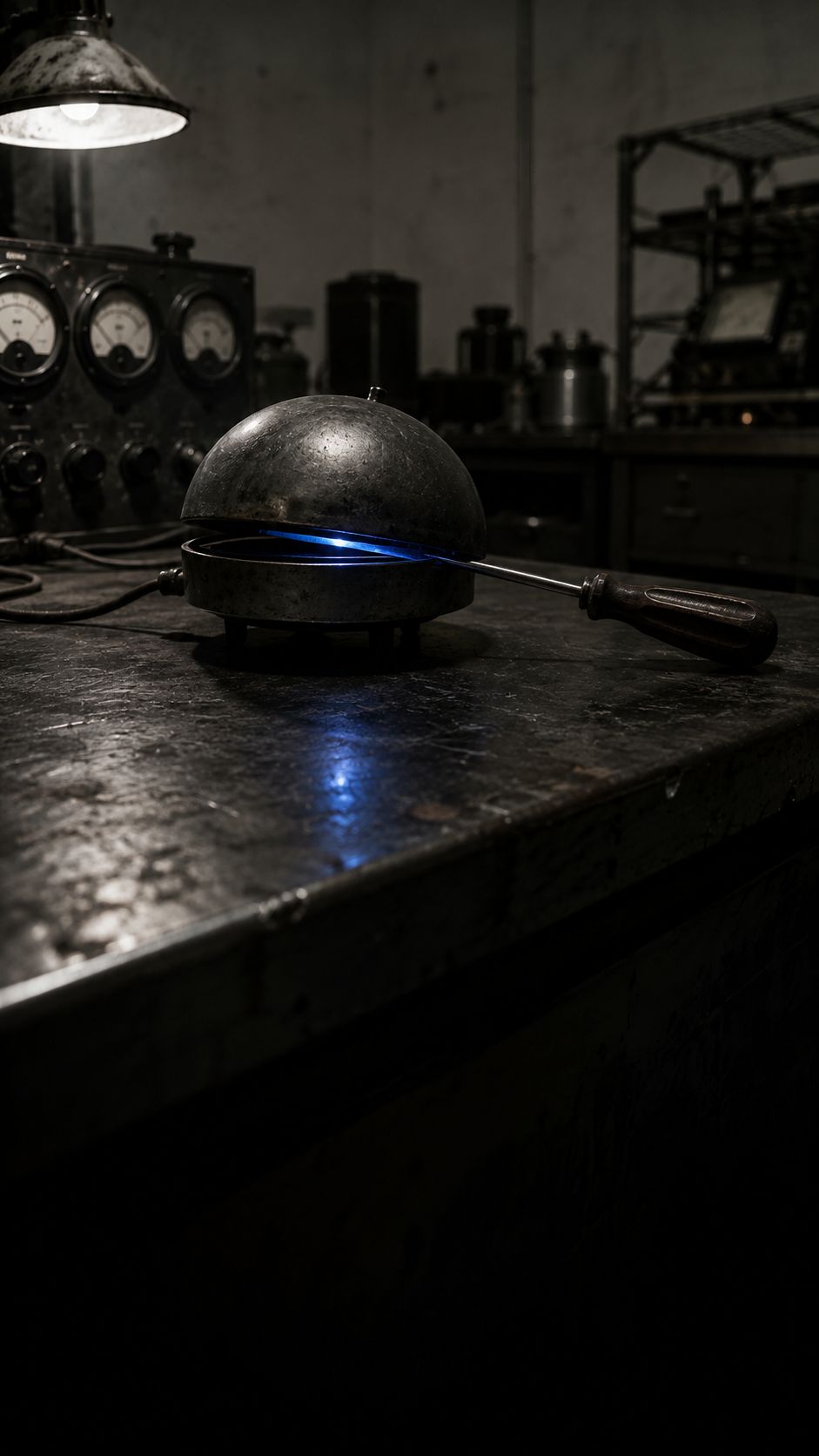 Los Alamos · 1946The Plutonium Sphere That Killed Its MakersBuilt to destroy a city, a single sphere of plutonium never got the chance — so it turned on the scientists who made it instead.
 Bulandshahr · 1872The Real Boy Raised By WolvesA boy really was found living among wolves in the Indian jungle, and what happened to him is the opposite of a fairy tale.
 Copenhagen · 1772The Doctor Who Ruled A Kingdom In SecretA small-town physician became lover of the queen and ruler of Denmark in all but name — before a scaffold in front of thirty thousand.
 Copenhagen · 1837The Heartbreak Behind The Little MermaidThe Disney ending is a lie — the original tale is a story of self-erasure written by a man mourning a love he never had.
 London · 1857The Jewel Sealed In Seven BoxesA cursed gem terrified its final owner so badly he locked it away with occult charms and a plea to throw it in the sea.
 Pizzo · 1815The King Who Faced The Firing Squad In StyleAn innkeeper's son who became a king met his execution with a vanity and courage so complete his last words became legend.
 Cusco · 1781The Rebel Torn Apart In A Peruvian SquareA doomed uprising against Spanish rule ended in one of the most horrifying public executions ever recorded — and an immortal symbol of defiance.
- Paris · 1815The Marshal Who Commanded His Own Firing SquadSentenced to death by firing squad, Napoleon's Bravest of the Brave refused the blindfold — and legend has it he gave the order to fire himself.
- Nancy · 1477The Duke Who Fell In A Frozen DitchOne of Europe's richest rulers ended as a half-frozen corpse in a marsh, identifiable only by his scars.
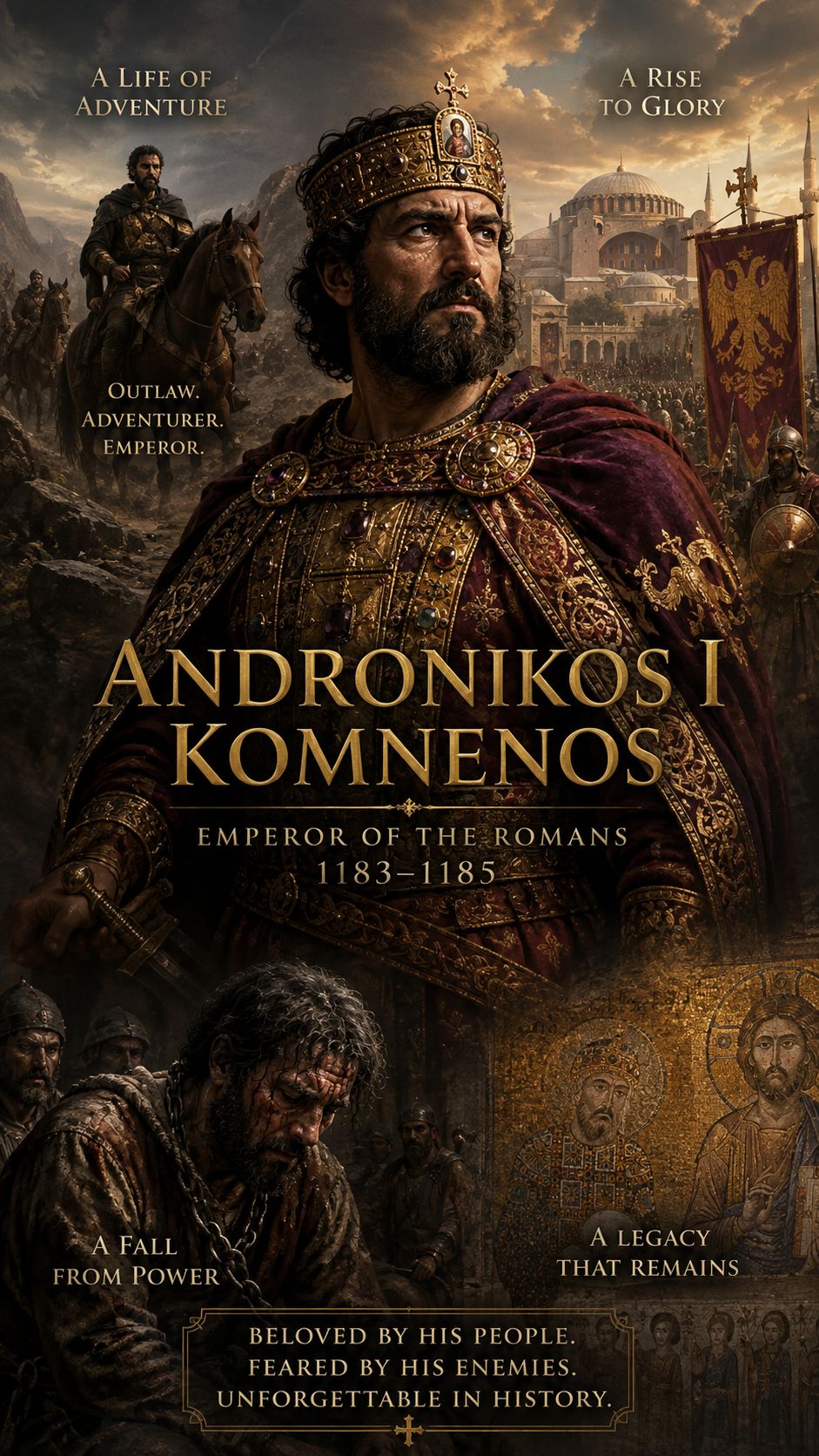 Istanbul · 1185The Emperor Who Faced The Mob With A PrayerA Byzantine emperor who showed no mercy to others met his own three-day public destruction with astonishing calm.
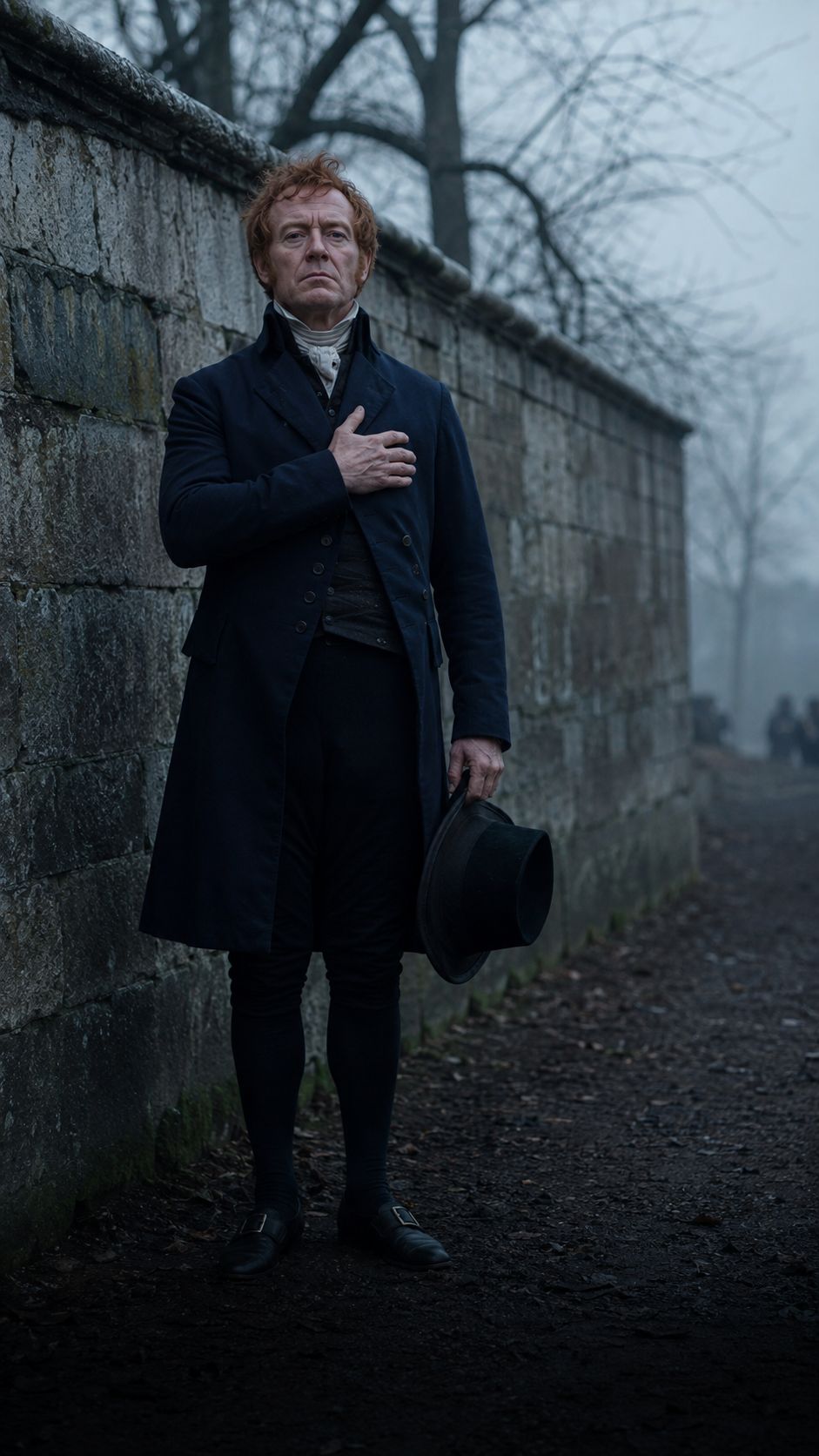 Dublin · 1803The Grave Ireland Never FoundA young rebel's dock speech is still quoted two centuries later — but nobody knows where his body was hidden.
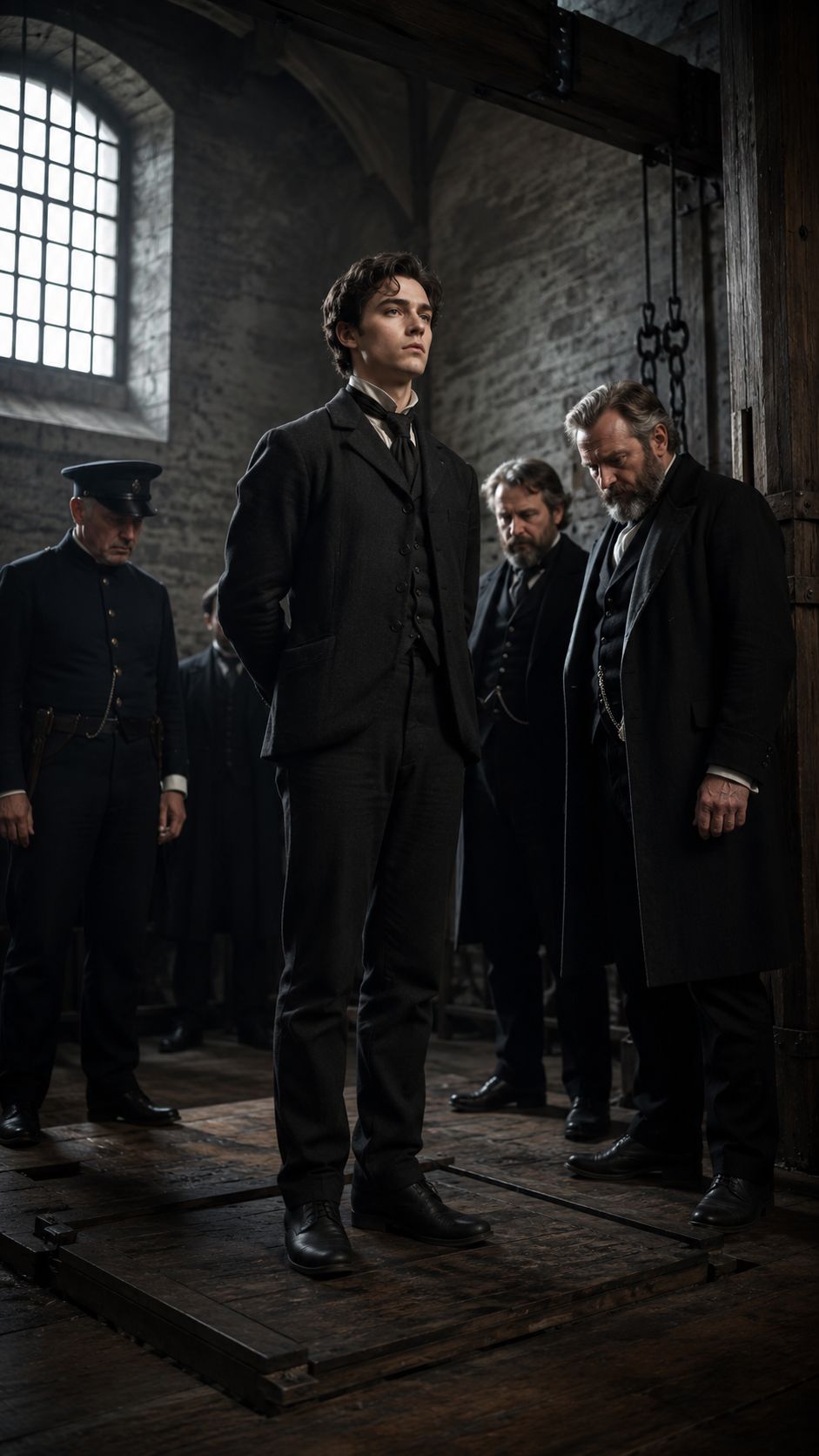 Sydney · 1803The Man They Could Not HangFour men stood trial for a constable's brutal murder, but it was a young convict's own execution that defied explanation.
- Mount Yudono · 1800The Monks Who Mummified Themselves AliveFor a decade Buddhist monks starved and poisoned themselves in pursuit of one goal: becoming a living Buddha.
- ʻAta Island · 1965The Real Lord Of The FliesGolding's novel said boys marooned without adults would turn savage — six real castaways refused to prove him right.
- Rorke's Drift · 1879The Defence That Held At Rorke's DriftA hundred and fifty men, many pulled from hospital beds, barricaded a mission station against four thousand Zulu warriors.
- Wangen, Bavaria · 1922The Footprints That Led To The Farm And Never LeftA whole family was wiped out on their farm, and their killer stayed in the house for days afterward.
- Nantes · 1440The Knight Who Became BluebeardA war hero who rode beside Joan of Arc went home to his castles and became something monstrous.
- Eilean Mor, Flannan Isles · 1900The Lighthouse Keepers Who Vanished Without A TraceThree men disappeared from an orderly lighthouse in the Outer Hebrides, and the official report could only name the sea.
- Polstead · 1827The Murder Solved By A Stepmother's DreamA young woman was shot and buried under a barn floor, found only because her stepmother kept dreaming of the spot.
- Tower of London, London · 1595The Queen's Own TorturerElizabeth I's licensed torturer strapped Catholic priests to instruments of pain and boasted about it in letters.
- Christ Church · 1812The Coffins That Would Not Stay StillThe story goes that every time the sealed vault was opened, the coffins inside had been thrown about — and no contemporary record of it has ever been found.
- Red Square, Moscow · 1671The Cossack Rebel Torn Apart In Red SquareHe led the greatest rebellion the Tsars ever faced, and was taken apart alive before a silent crowd.
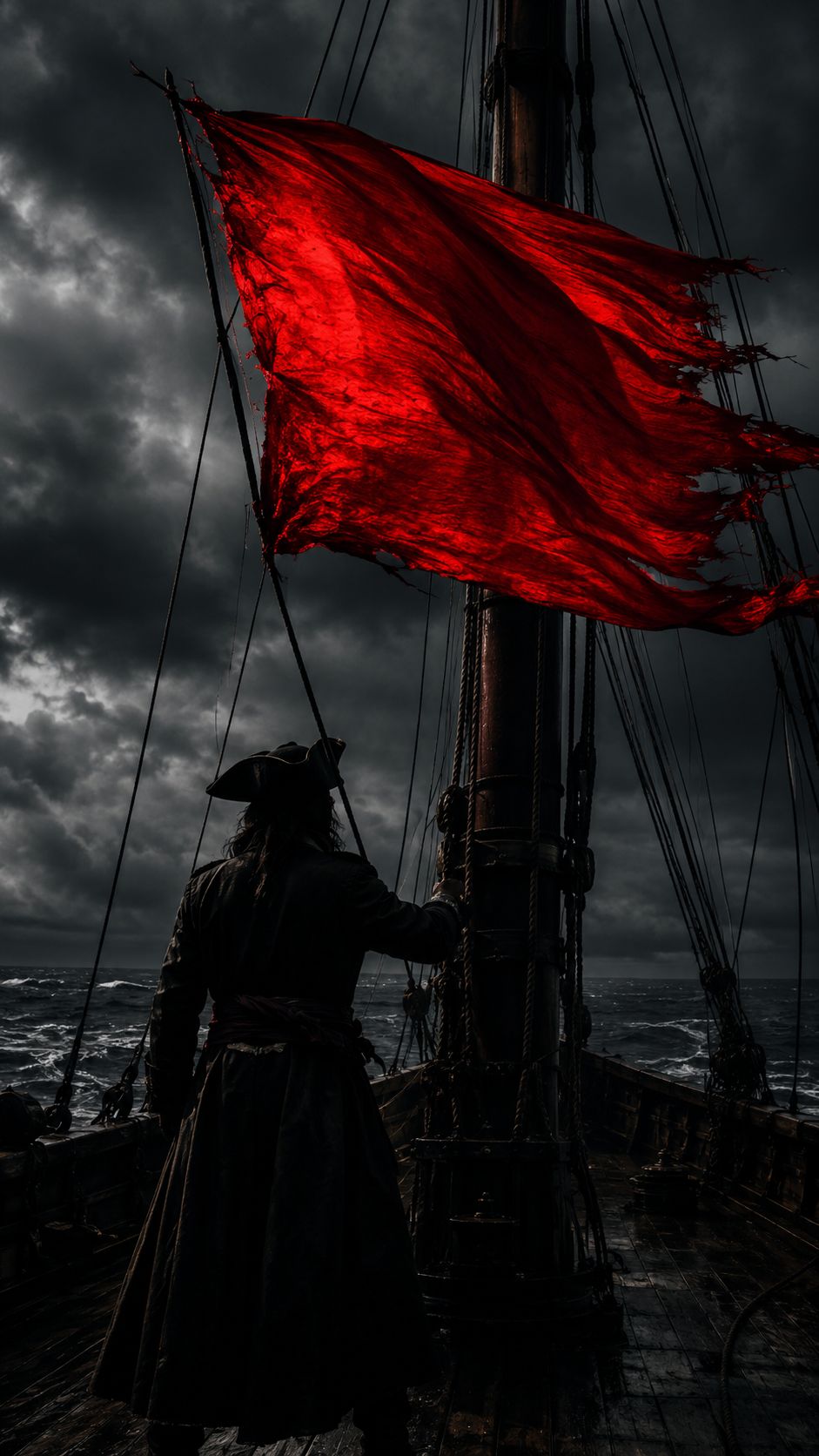 Hamburg · 1401The Pirate Whose Skull Was Stolen TwiceLegend says his headless body kept walking past his own men after execution, and his skull was later stolen from a museum.
- Bedburg · 1589The Werewolf Trial Of Peter StumppA wealthy farmer confessed to becoming a wolf and killing his neighbours, and his execution became medieval theatre.
- Nantucket, Massachusetts · 1820The Wreck That Inspired Moby DickA real sperm whale rammed and sank a Nantucket ship, leaving its crew to face the unthinkable to survive.
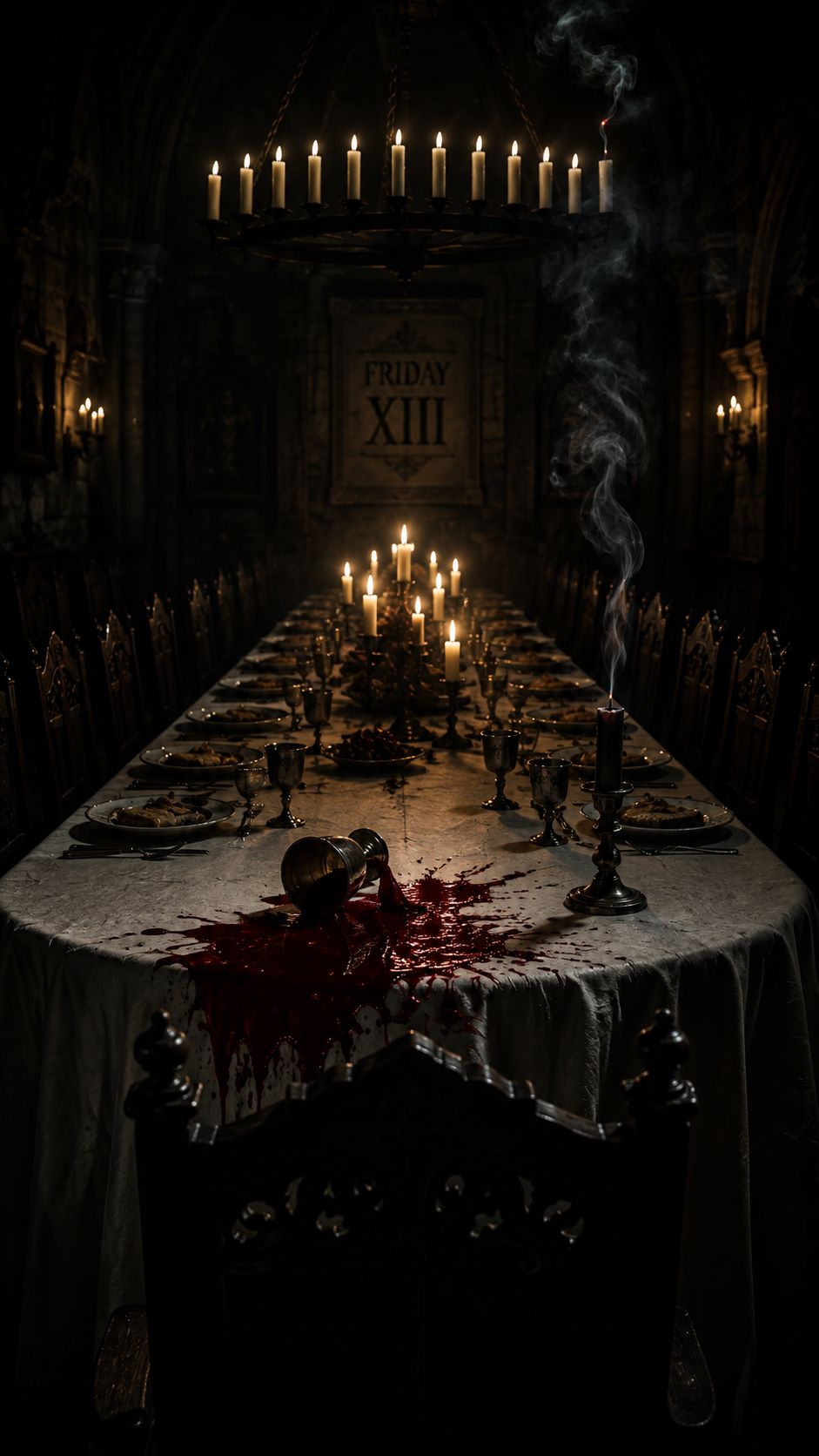 London · 1606Why Actors Refuse To Say MacbethA superstition older than memory still stops professional actors from ever speaking the word Macbeth on stage.
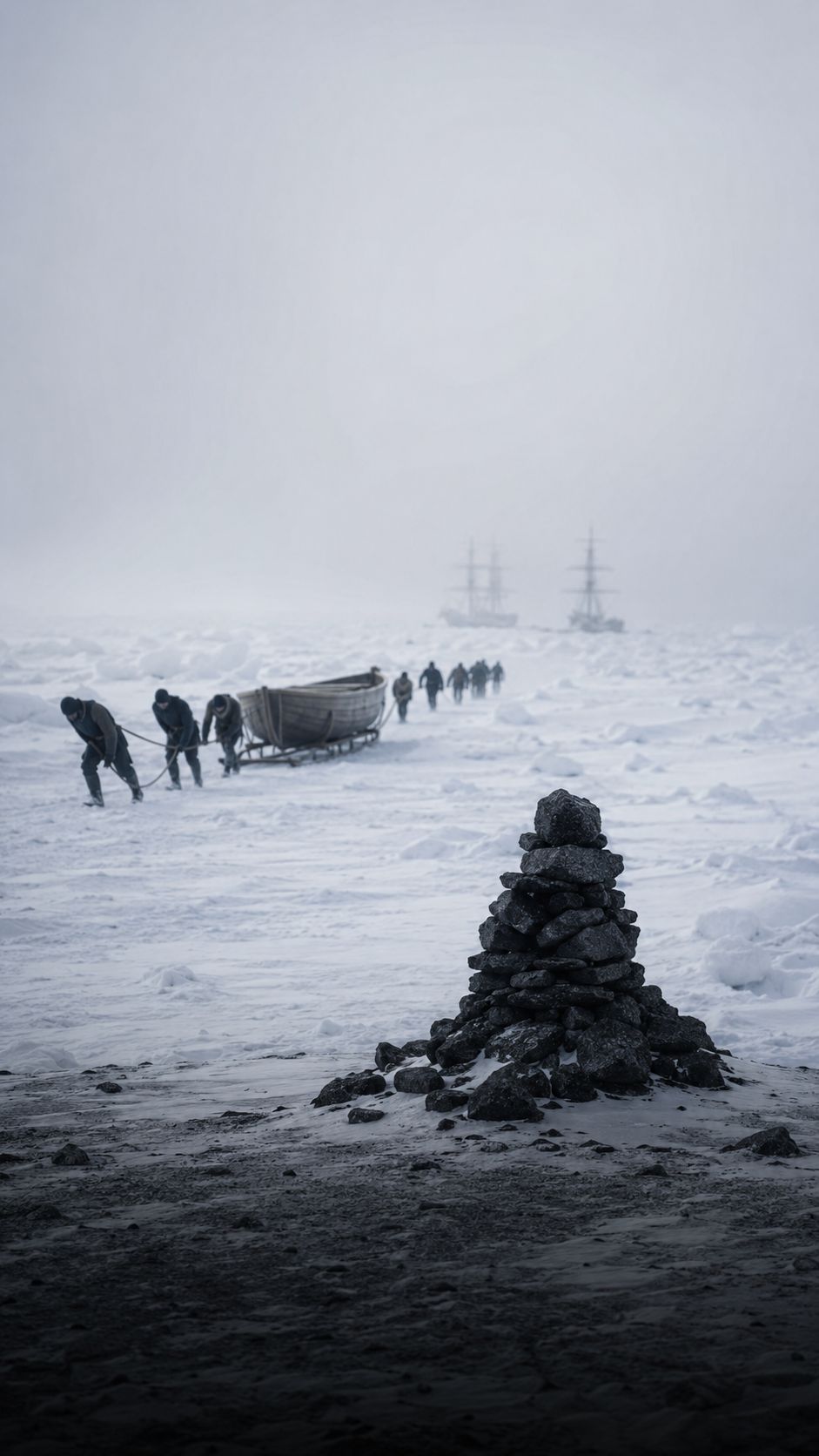 King William Island · 1845The Doomed Voyage To The Northwest Passage129 men and the most advanced polar ships on earth vanished into the Arctic ice without a trace.
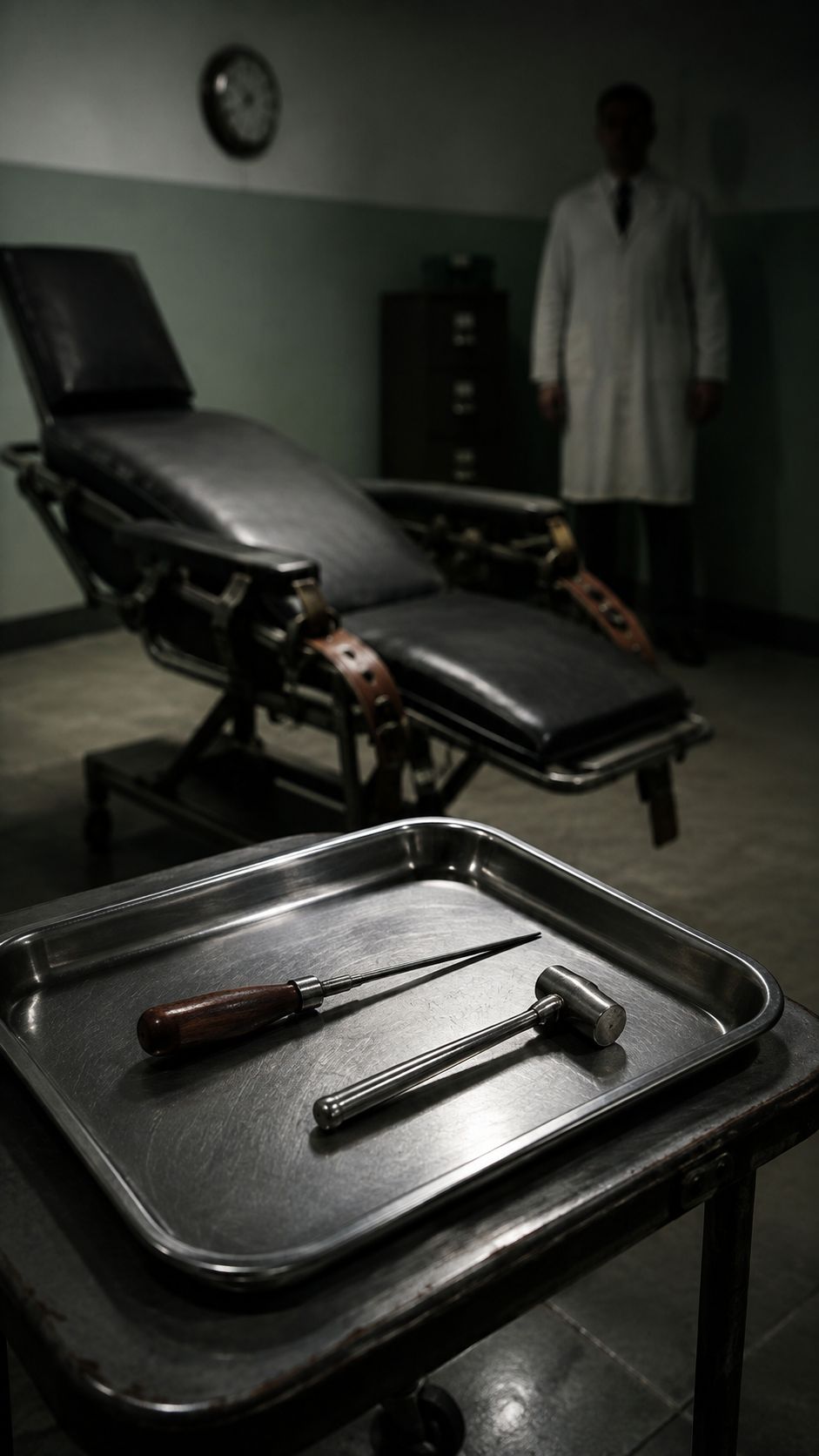 Washington, D.C. · 1941The Lobotomy That Silenced A KennedyDoctors kept cutting into her brain until a conscious young woman stopped making sense.
- Exeter · 1885The Man The Gallows Refused To KillHe stood on the trapdoor three times in one morning, and three times the gallows failed to hang him.
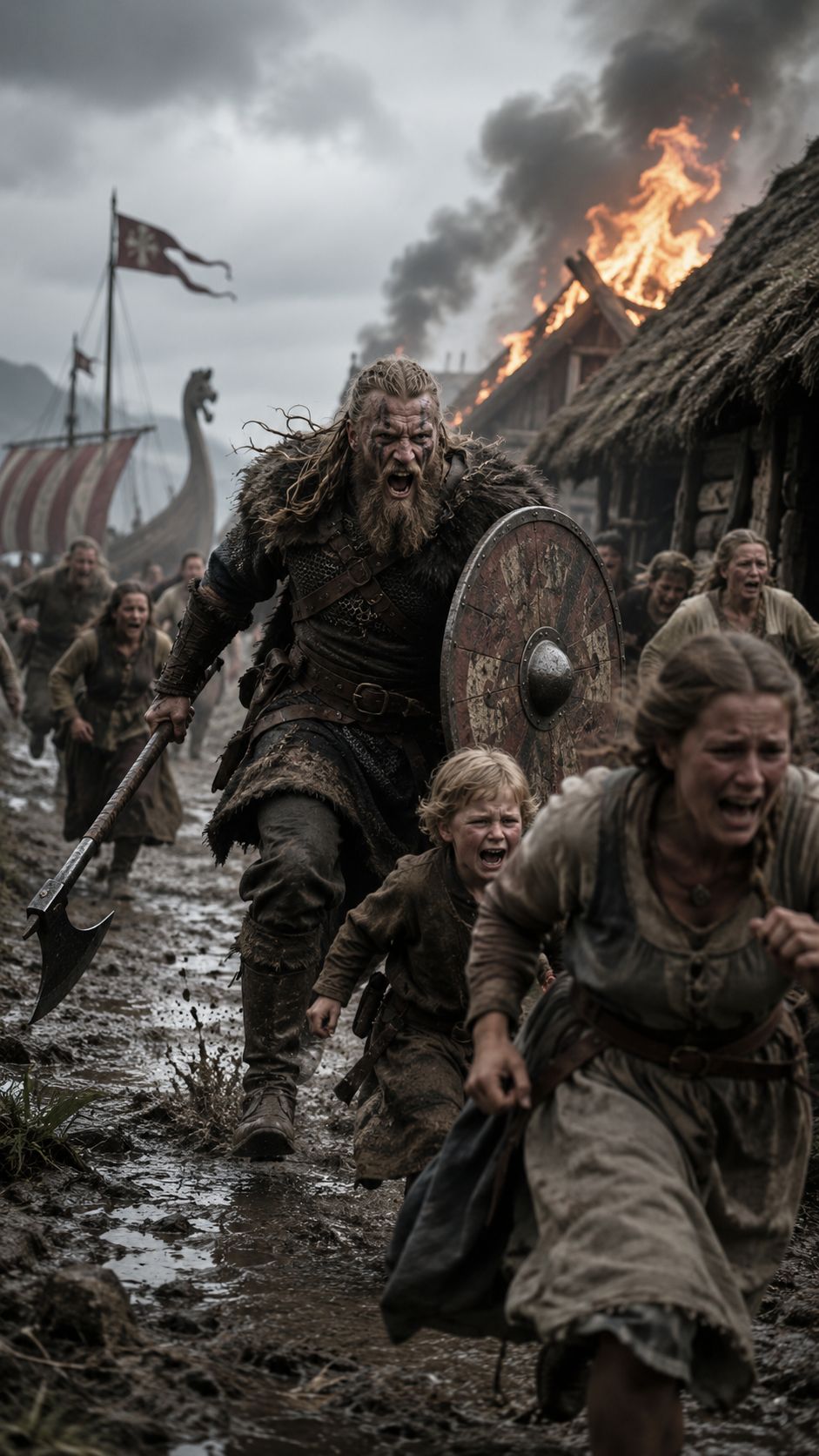 Weymouth · 1002The Skulls Stacked In A Roman Quarry PitFifty-four beheaded skeletons in a Dorset pit trace back to a king's order to kill every Dane in England.
 Stratford-upon-Avon · 1596The Son Behind Shakespeare's HamletAn eleven-year-old boy's death in a Stratford register may be the hidden root of his father's most famous play.
 Oxford · 1650The Woman Who Woke Up In Her Own CoffinHanged, sealed in a coffin, and delivered to anatomists with knives ready, she was found alive when they opened the lid.
 Winchester · 1685Beheaded For A Single Night's ShelterAn elderly gentlewoman was condemned to burn alive for the crime of giving fugitives a bed for one night.
- Washington, D.C. · 1911The Curse A Jeweller Invented To Sell A DiamondThe world's most infamous curse was already in the newspapers when a jeweller picked it up, sharpened it and used it to close a sale.
- Henley-on-Thames · 1752The Daughter Who Poisoned Her Father's TeaShe swore to her death that the powder in her father's food was a love potion, not poison.
 Masada · 73The Last Stand That May Not Have HappenedNearly a thousand people are said to have chosen death over capture, but the only source for the story is deeply suspect.
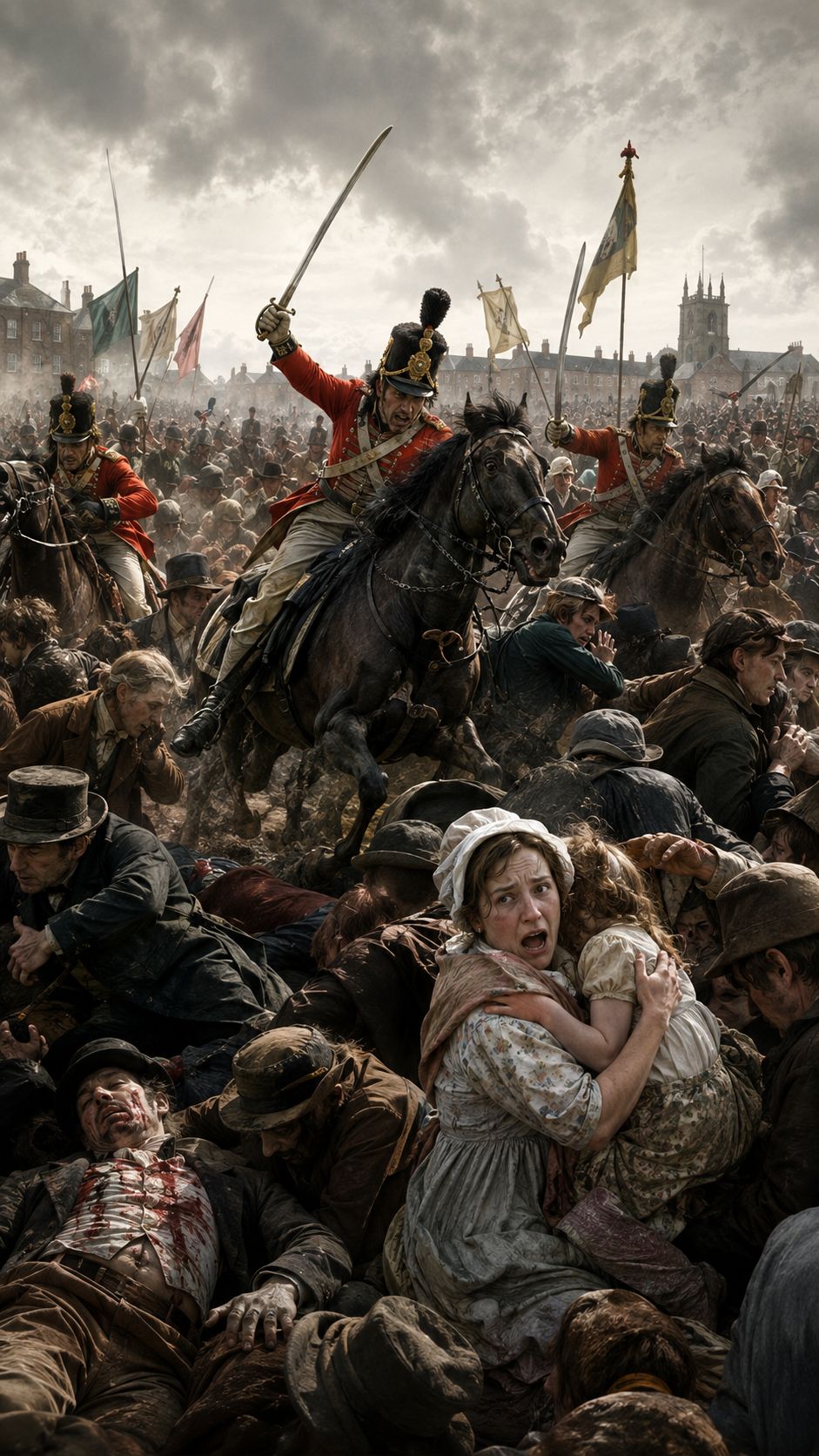 Manchester · 1819The Law Behind Reading The Riot ActA phrase for a stern telling-off was once the legal warning before cavalry charged a crowd with sabres drawn.
- Baltimore, Maryland · 1849The Death Poe Never Solved HimselfThe master of mystery died in a way so strange and undocumented that his own death remains unsolved.
- London · 1611The Forgotten Poet Who Defended EveShe became the first Englishwoman to publish an original book of poetry, then history erased her almost entirely.
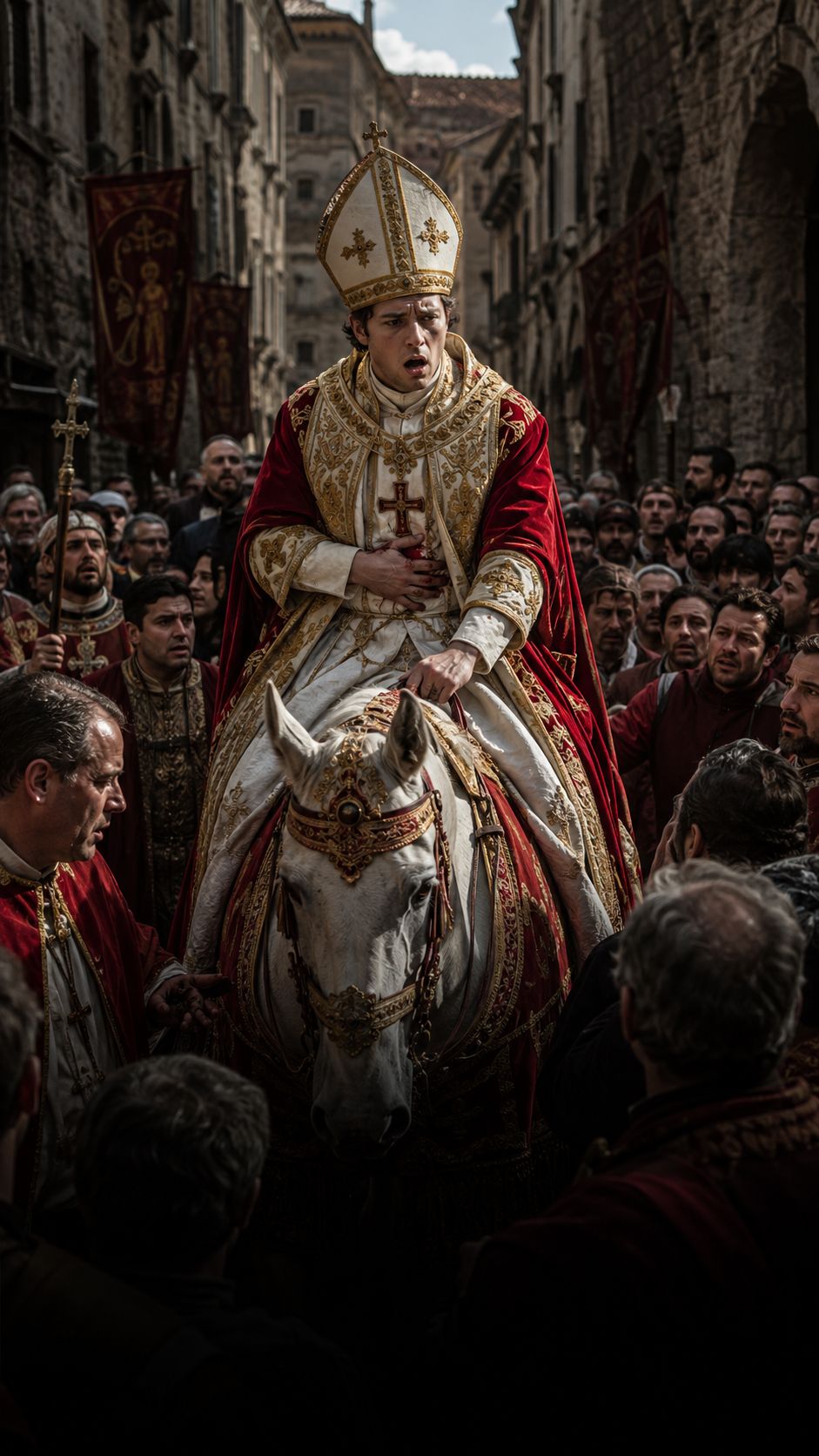 Vatican City · 855The Legend Of A Woman On The Papal ThroneLegend says a brilliant woman disguised herself as a monk and rose to become Pope, until the truth was exposed in the street.
- London · 1266The Whipping Behind The Baker's DozenThat friendly thirteenth loaf wasn't generosity; it was a medieval baker's insurance against a public flogging.
- Beaconsfield · 1940The Children's Author Who Turned Cold At HomeThe woman who wrote the happiest childhoods in fiction left her own daughter describing something far colder.
- Harrogate · 1926The Eleven Days Agatha Christie VanishedBritain's best-selling novelist disappeared for eleven days and never explained where she had been.
- Santo Domingo · 1500The Governor Shipped Home In ChainsThe Spanish crown that funded his voyages had Columbus arrested and shipped home to answer for his own cruelty.
- Lubyanka Prison, Moscow · 1952The Night Stalin Silenced His Own PoetsThirteen of the Soviet Union's greatest Jewish writers were led into a basement and shot in a single night.
- Longwood House, Saint Helena · 1821The Poison In Napoleon's WallpaperA dying emperor believed he was being murdered, and centuries later his own wallpaper became a suspect.
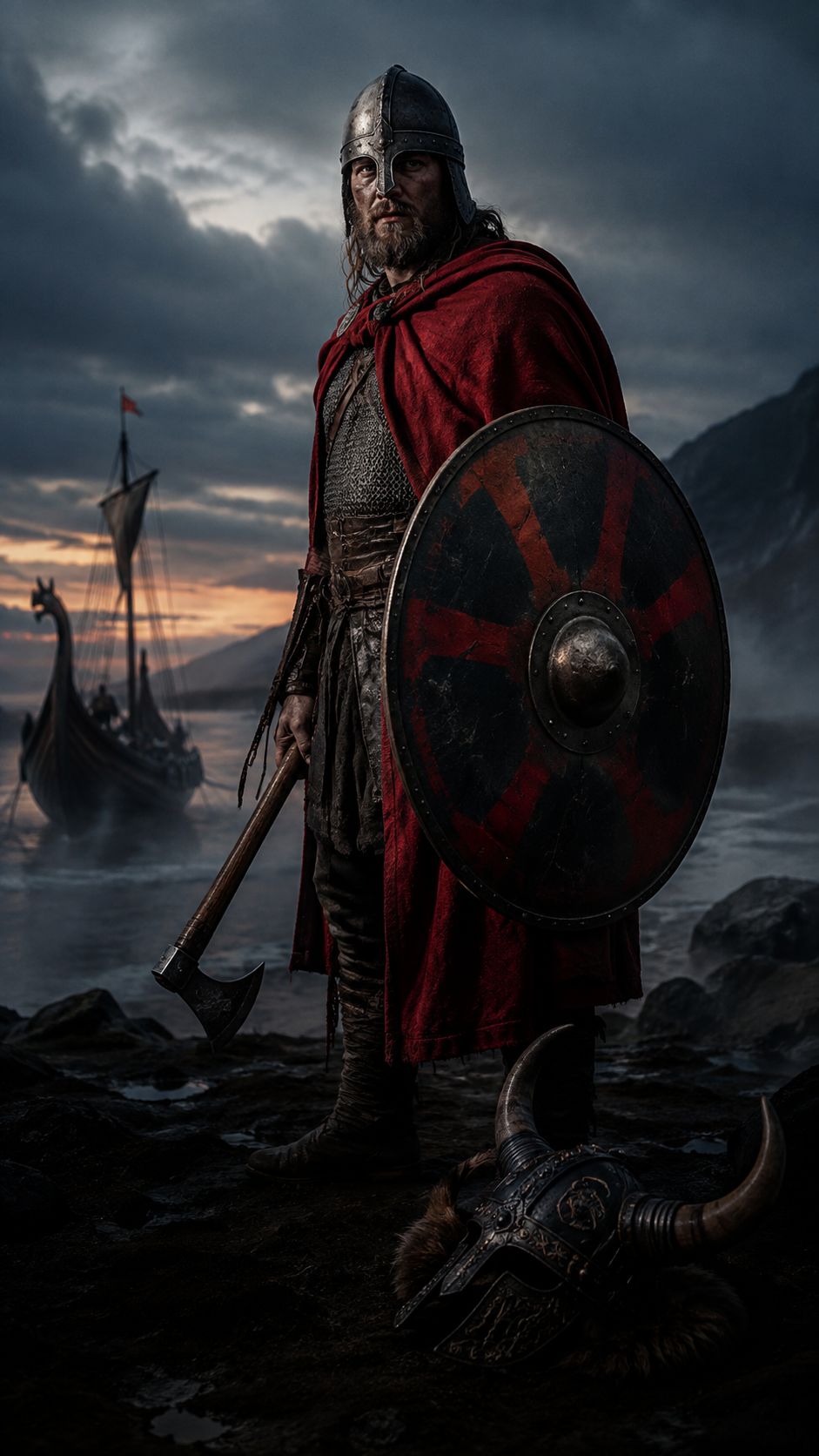 Dublin · 1800The Viking Myth Behind Pay Through The NoseLegend blames a brutal Viking nose-slitting tax for this everyday phrase, but the truth is a total mystery.
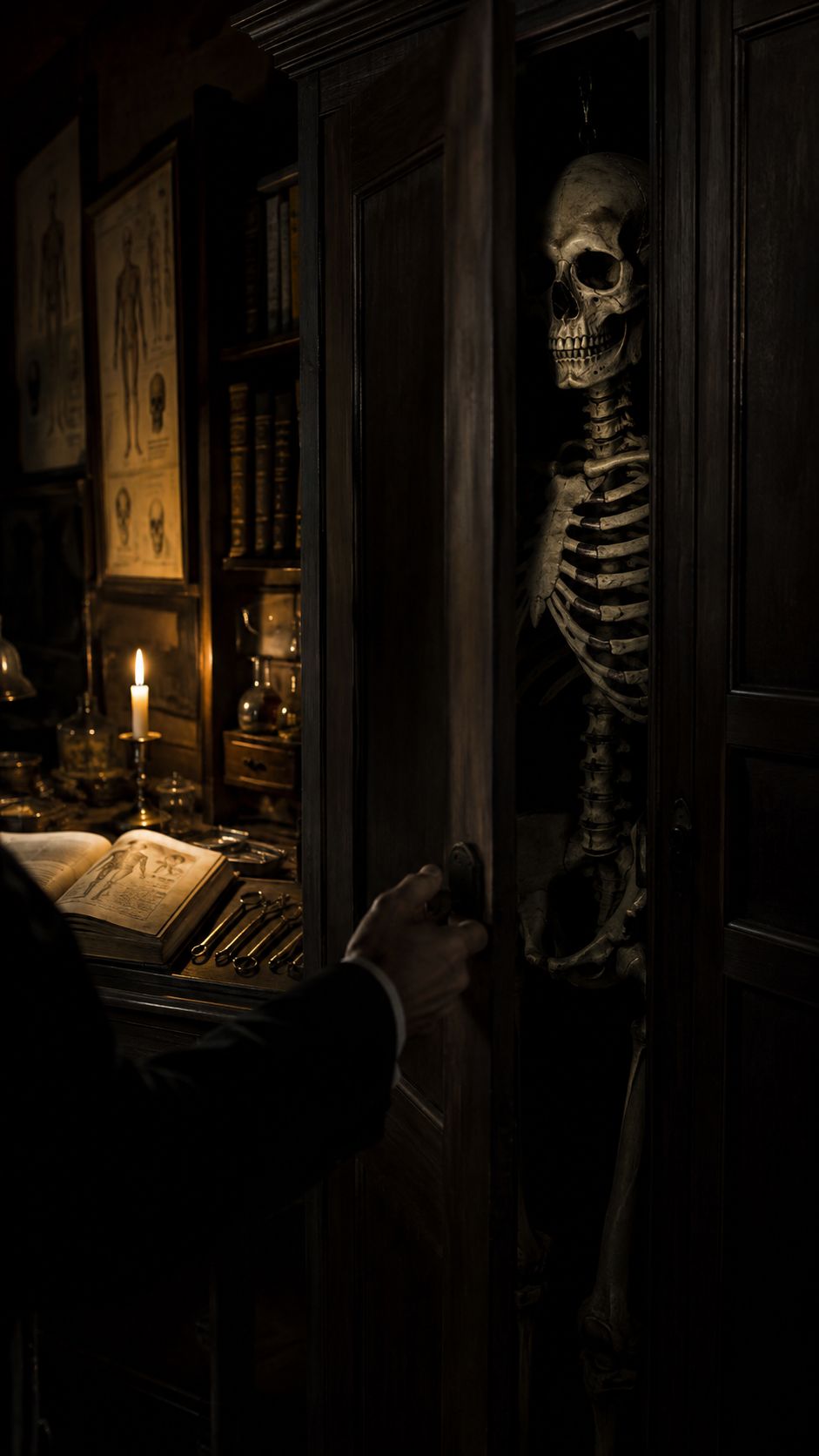 Edinburgh · 1828The Body Snatchers Behind A Grim PhraseThe phrase is older than the crimes it is blamed on, and the men blamed for it never robbed a grave. They murdered sixteen people instead.
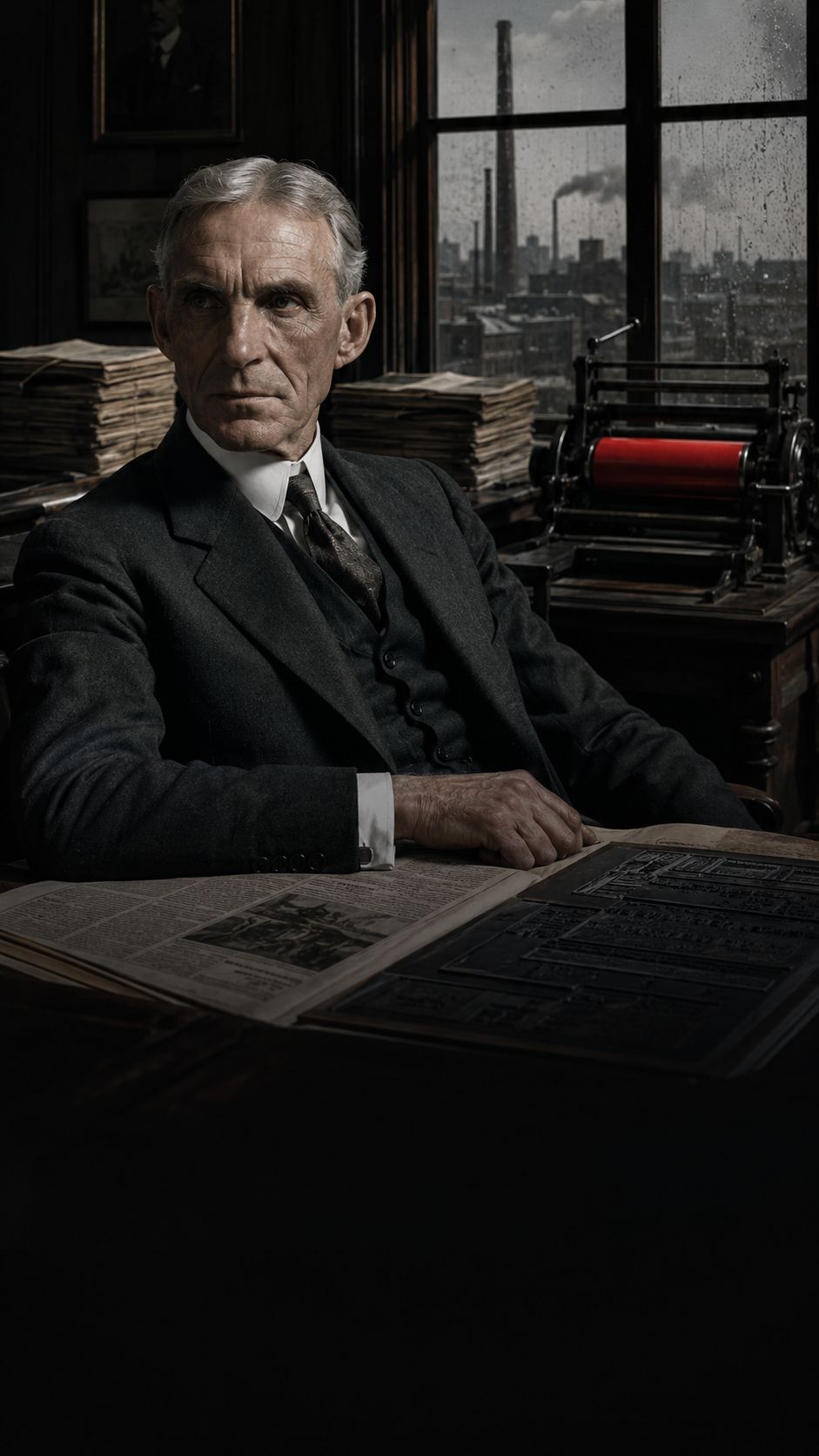 Dearborn, Michigan · 1920The Carmaker Who Spread A Forged ConspiracyThe man who put America on wheels used his newspaper empire to spread a fabricated antisemitic conspiracy to millions.
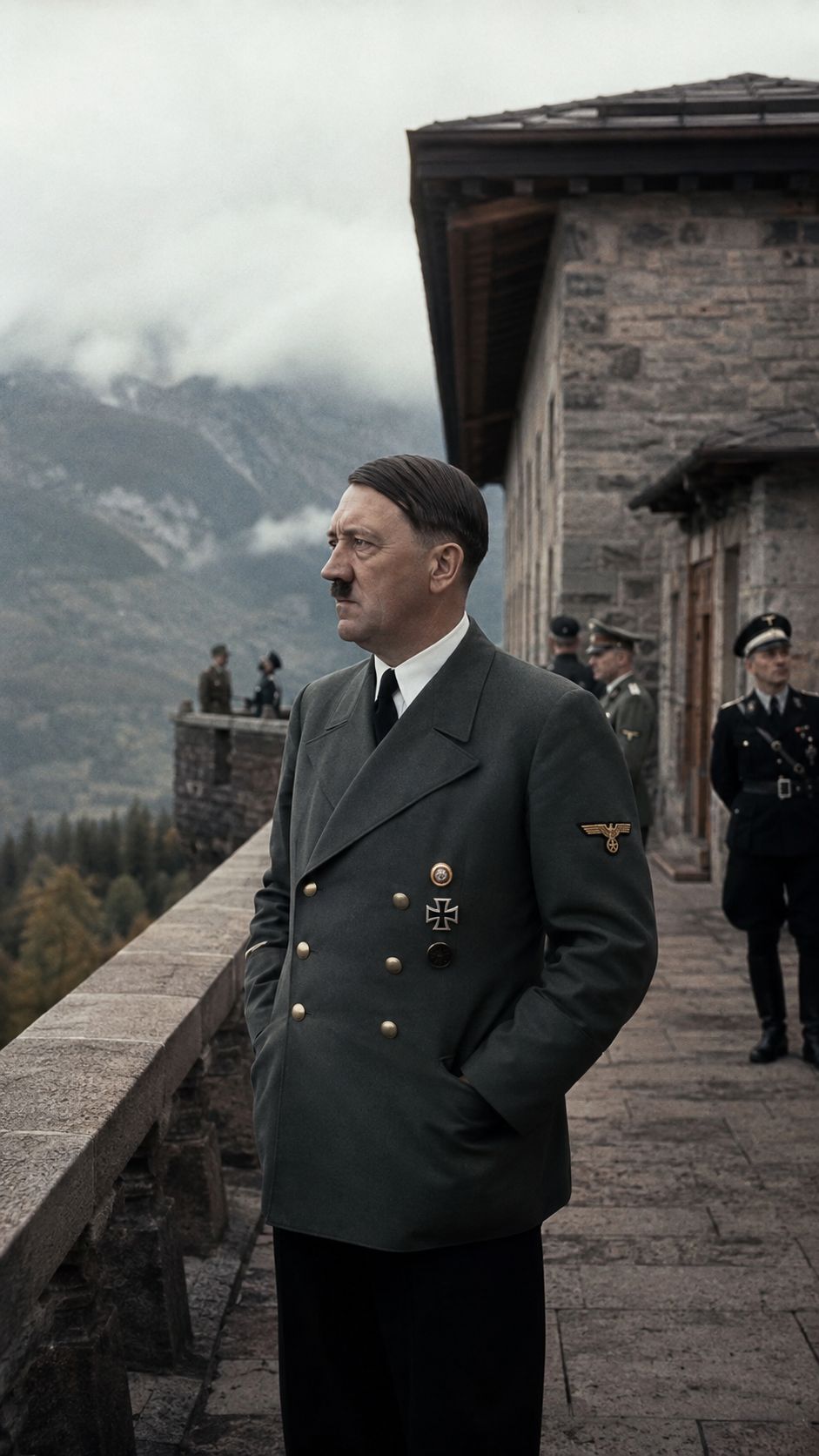 Berlin · 1937The King Who Met Hitler After His ThroneA year after giving up his crown for love, the former king toured Nazi Germany and gave the salute.
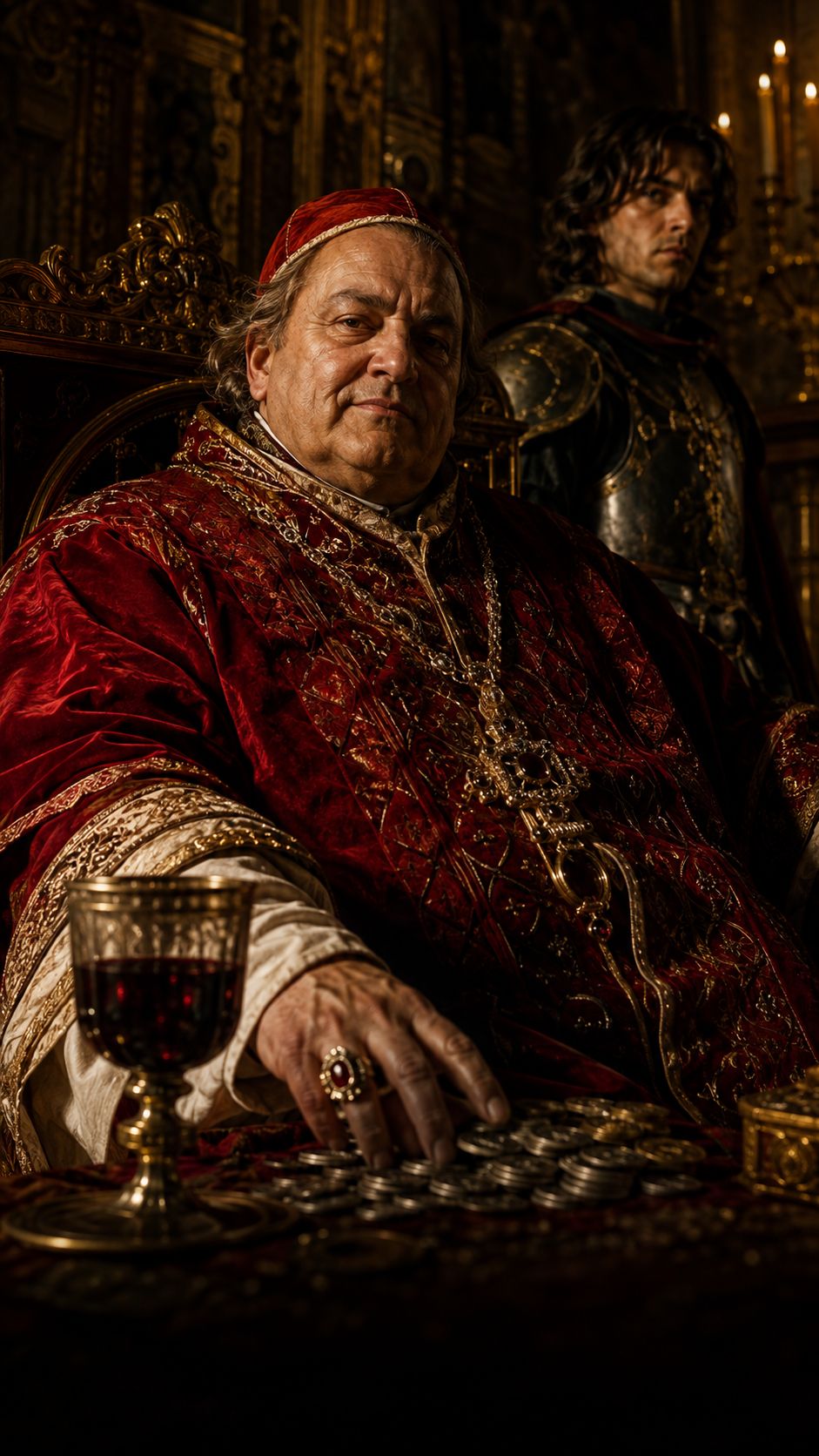 Vatican City · 1492The Pope Who Ran The Church Like A Crime FamilyRodrigo Borgia allegedly bought the papacy, then turned the Vatican into a den of poison and scandal.
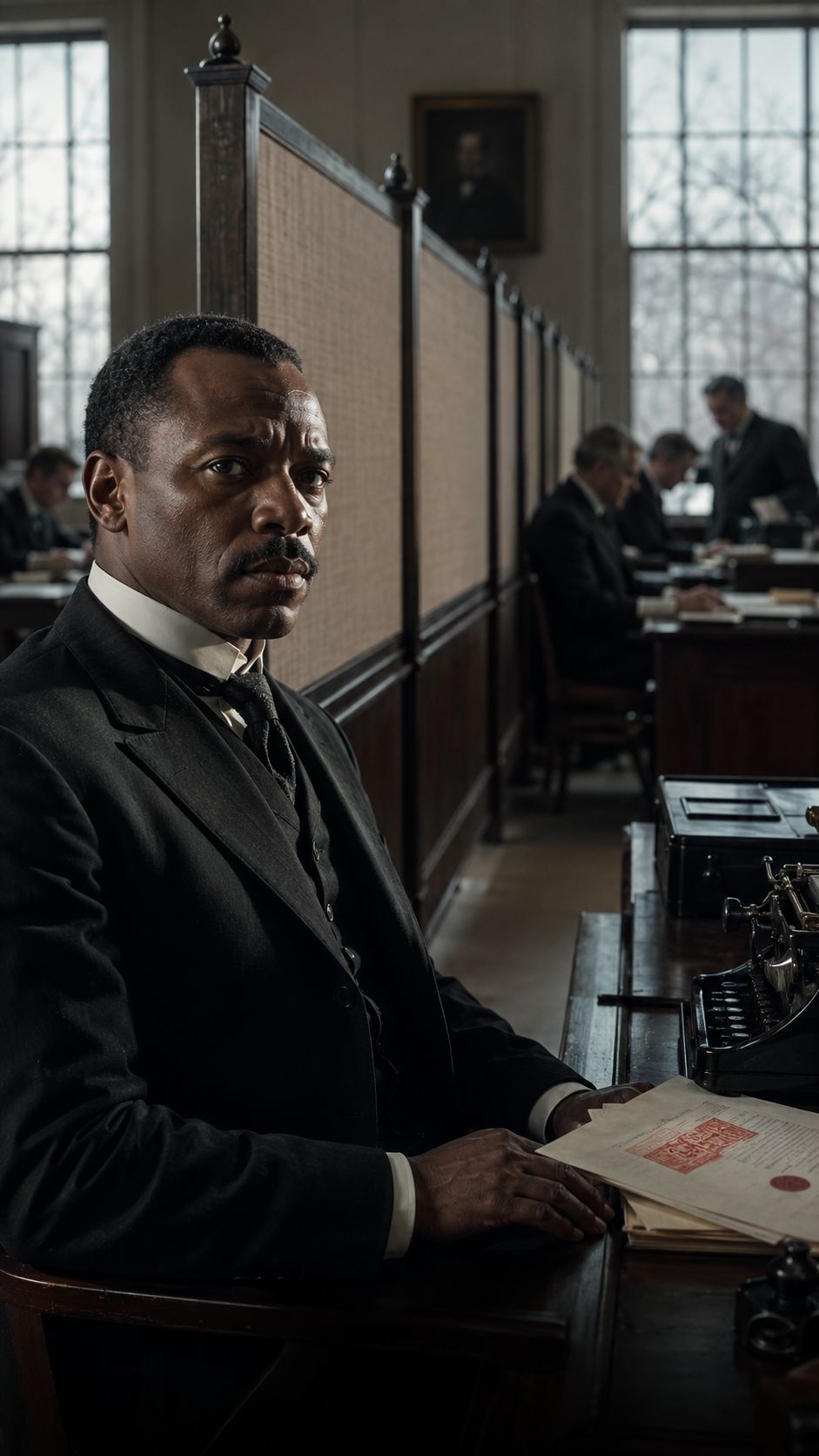 Washington, D.C. · 1915The President Who Screened Segregation's AnthemThe man who promised to make the world safe for democracy resegregated the federal government and praised a racist epic in the White House.
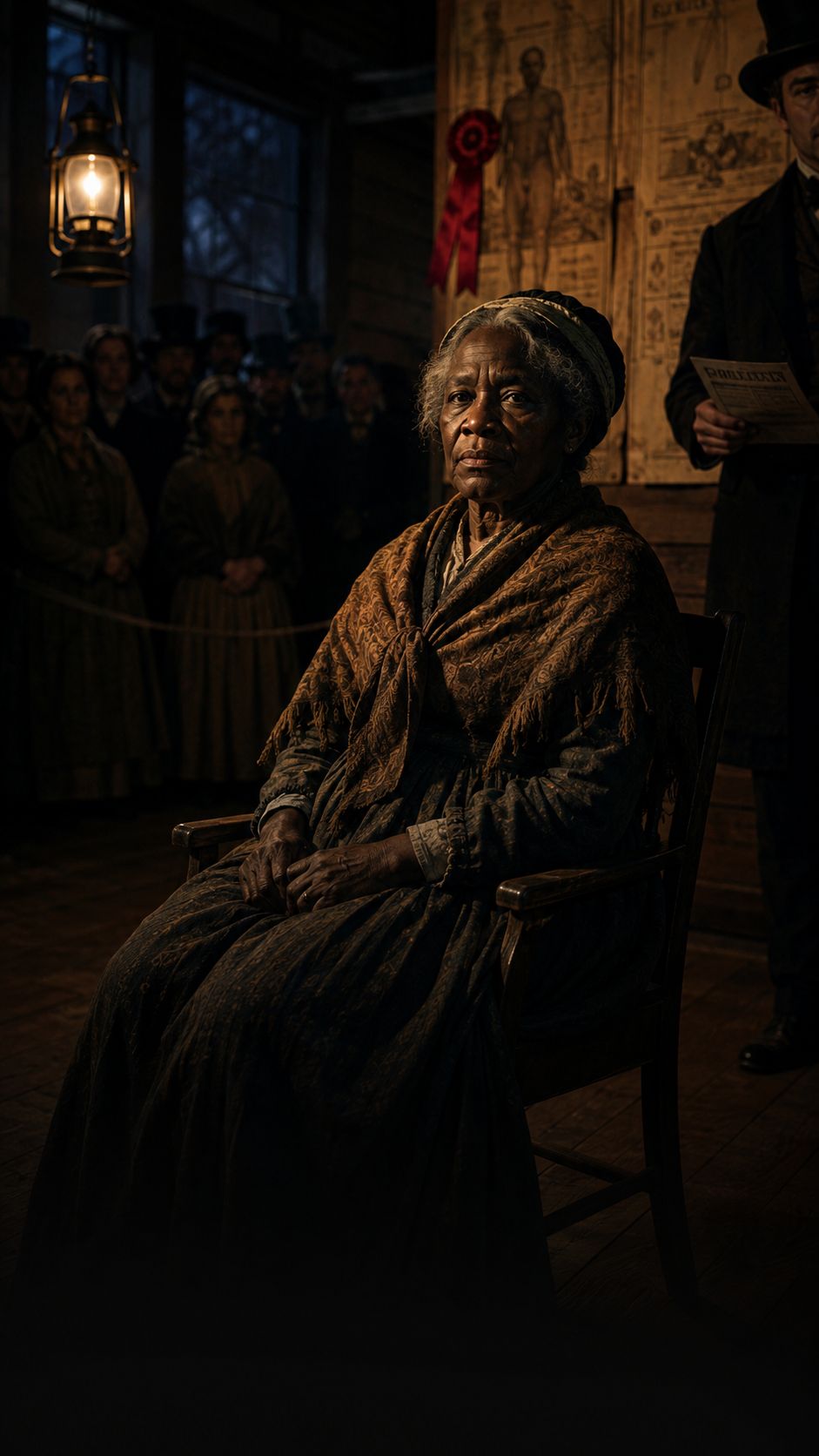 New York City · 1836The Showman Who Sold Tickets To A DissectionP.T. Barnum built his fortune exhibiting an enslaved woman alive, then sold tickets to watch her autopsy.
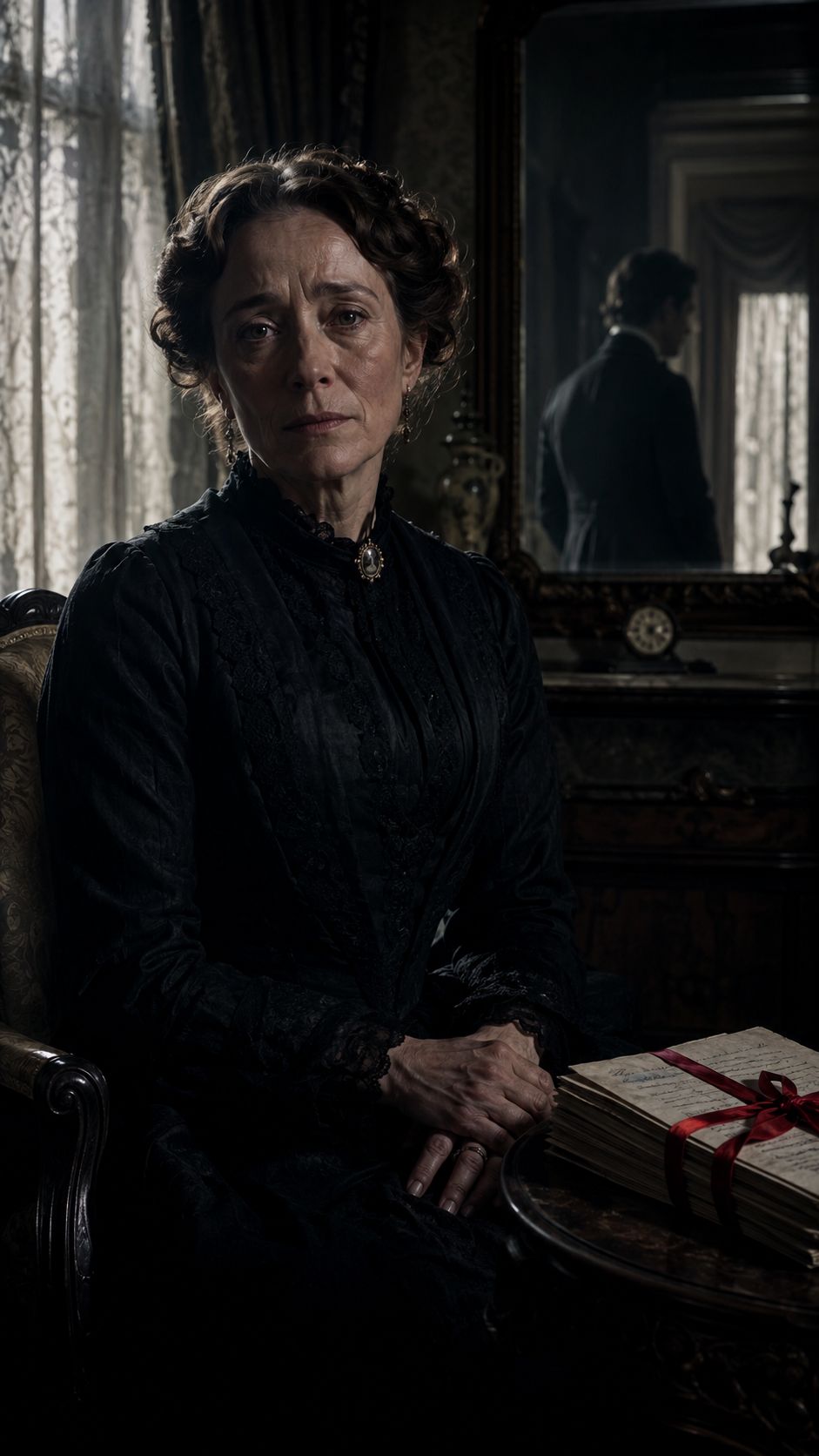 London · 1858The Asylum Dickens Wanted For His WifeThe beloved author of A Christmas Carol tried to have his sane wife declared mad to be rid of her.
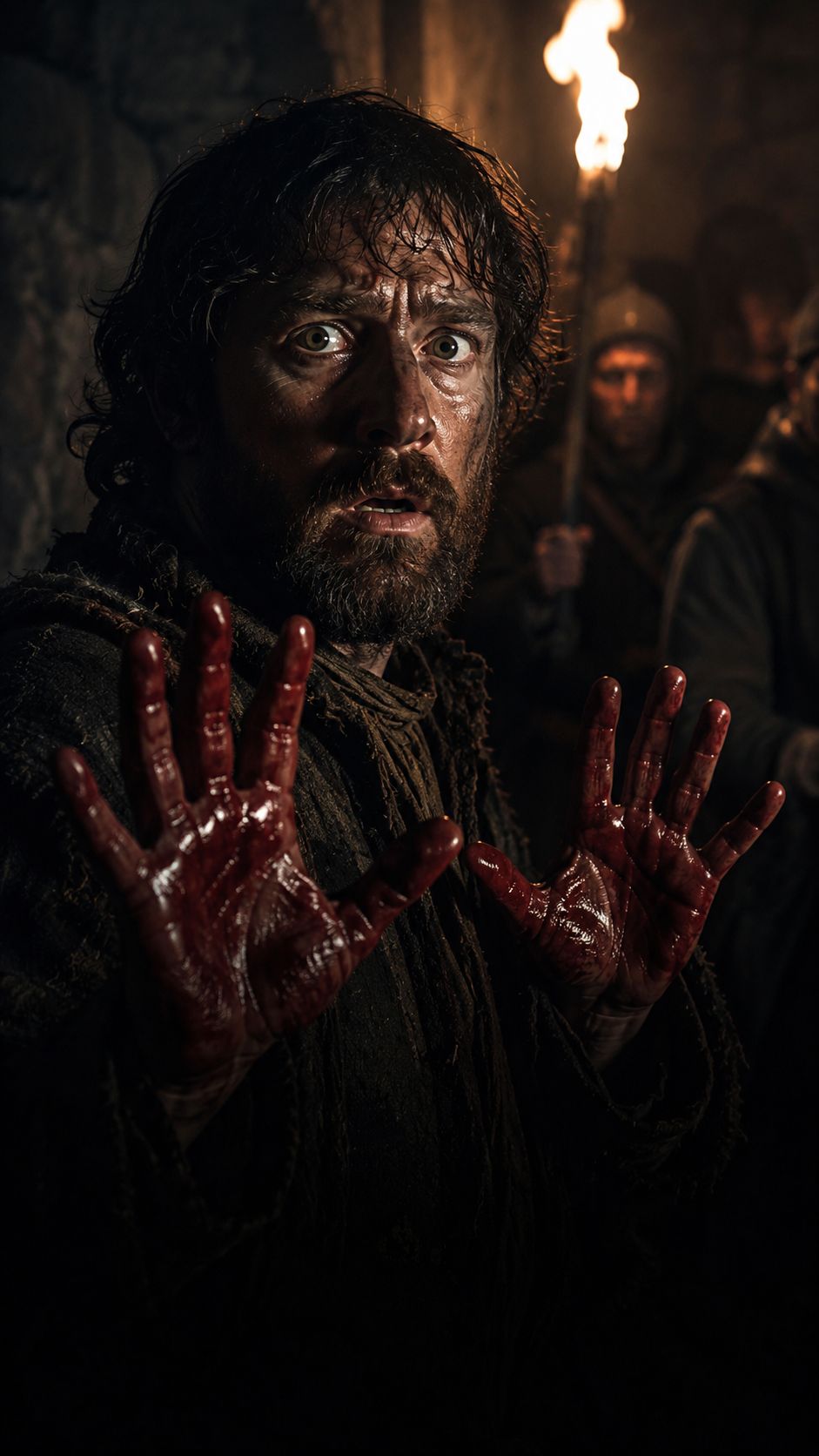 Edinburgh · 1819The Bloody Scottish Law Behind Red-HandedA phrase now used for stolen biscuits once meant a killer caught with blood still on his hands.
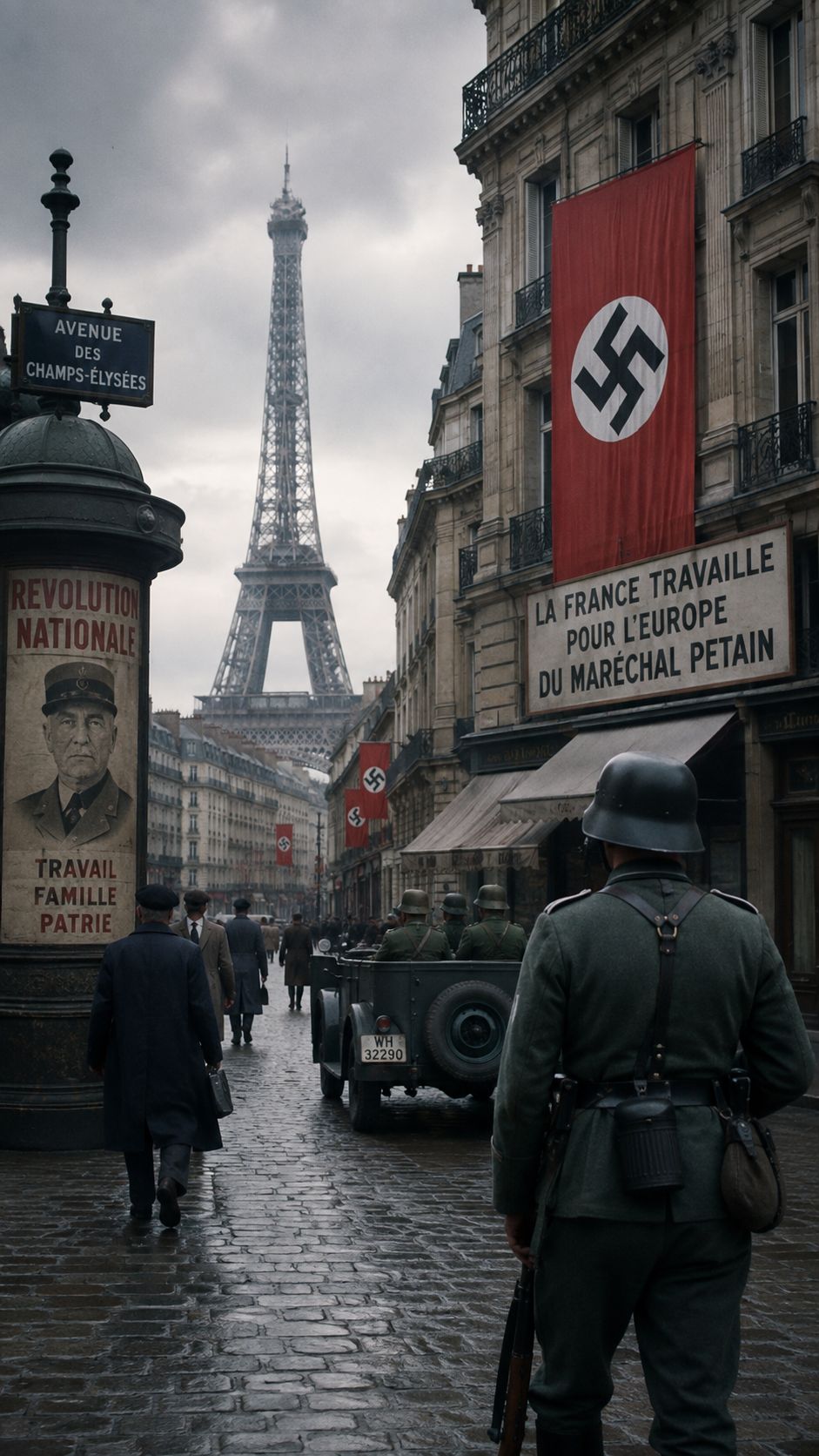 Paris · 1943The Designer Who Spied For The NazisWhile Paris starved under occupation, the fashion icon lived at the Ritz as a documented Nazi intelligence agent.
 Paris · 1789The Enslaved Girl Who Nearly Chose FreedomIn Paris she could have walked free of Jefferson forever, and for a moment, she almost did.
 Tuileries Palace, Paris · 1792The Guards Who Died For A King Who FledHundreds of soldiers died defending a palace the king they served had already abandoned.
 Andersonville, Georgia · 1864The Deadly Origin Of The Word DeadlineLong before it meant a due date, a dead line marked the boundary where Civil War prisoners could be shot on sight.
 Geneva · 1898The Empress Who Walked Away From Her Own MurderStabbed through the heart by an assassin who wanted someone else, she got up, brushed herself off, and kept walking.
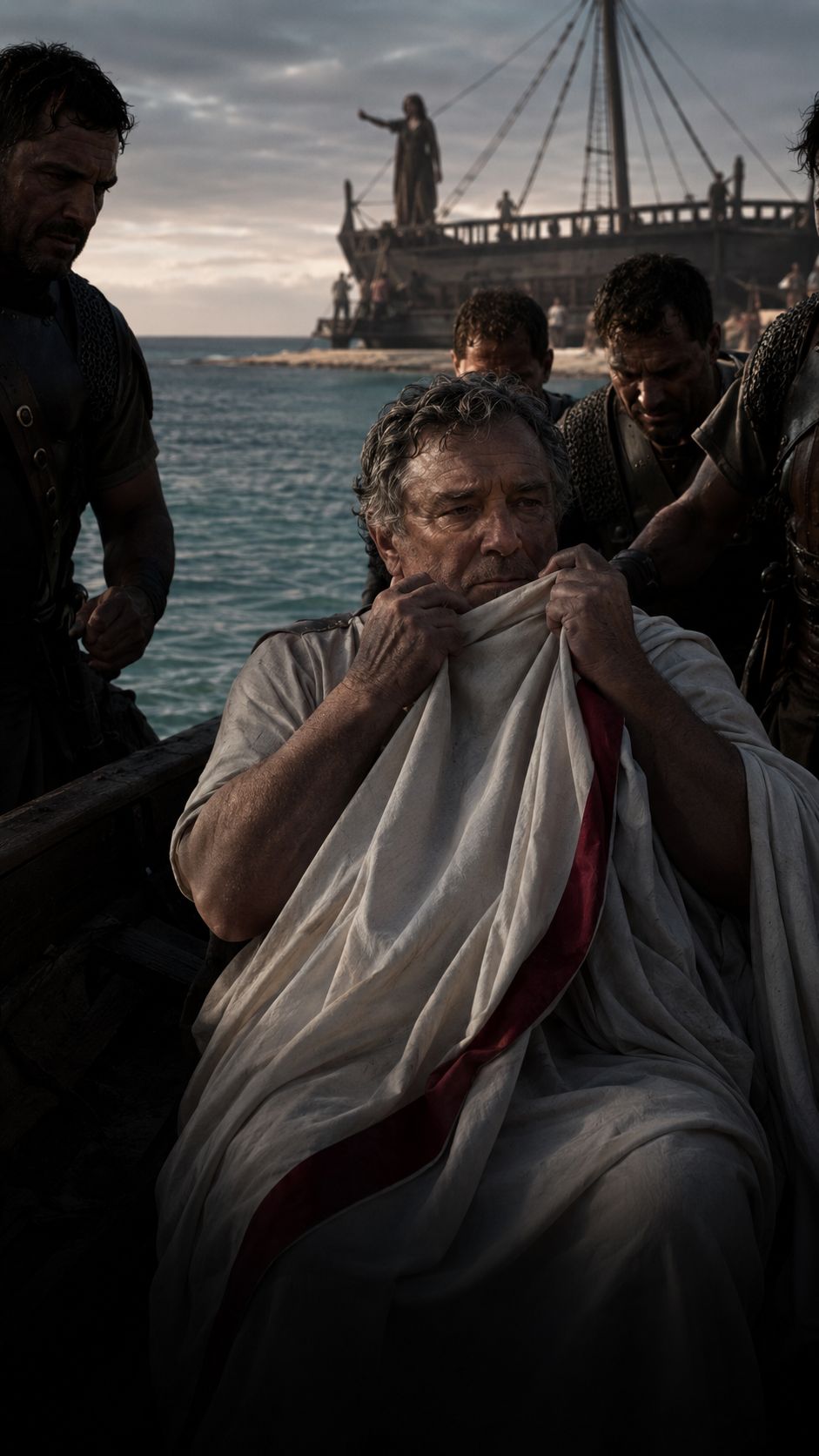 Pelusium · 48 BCThe General Murdered In A Rowing BoatRome's celebrated commander stepped into a small boat expecting refuge and was struck down as his wife watched.
 Alexandria · 30 BCThe Queen Rome Rewrote Into A VillainThe seductress of legend was largely built by the propaganda of the man who defeated her.
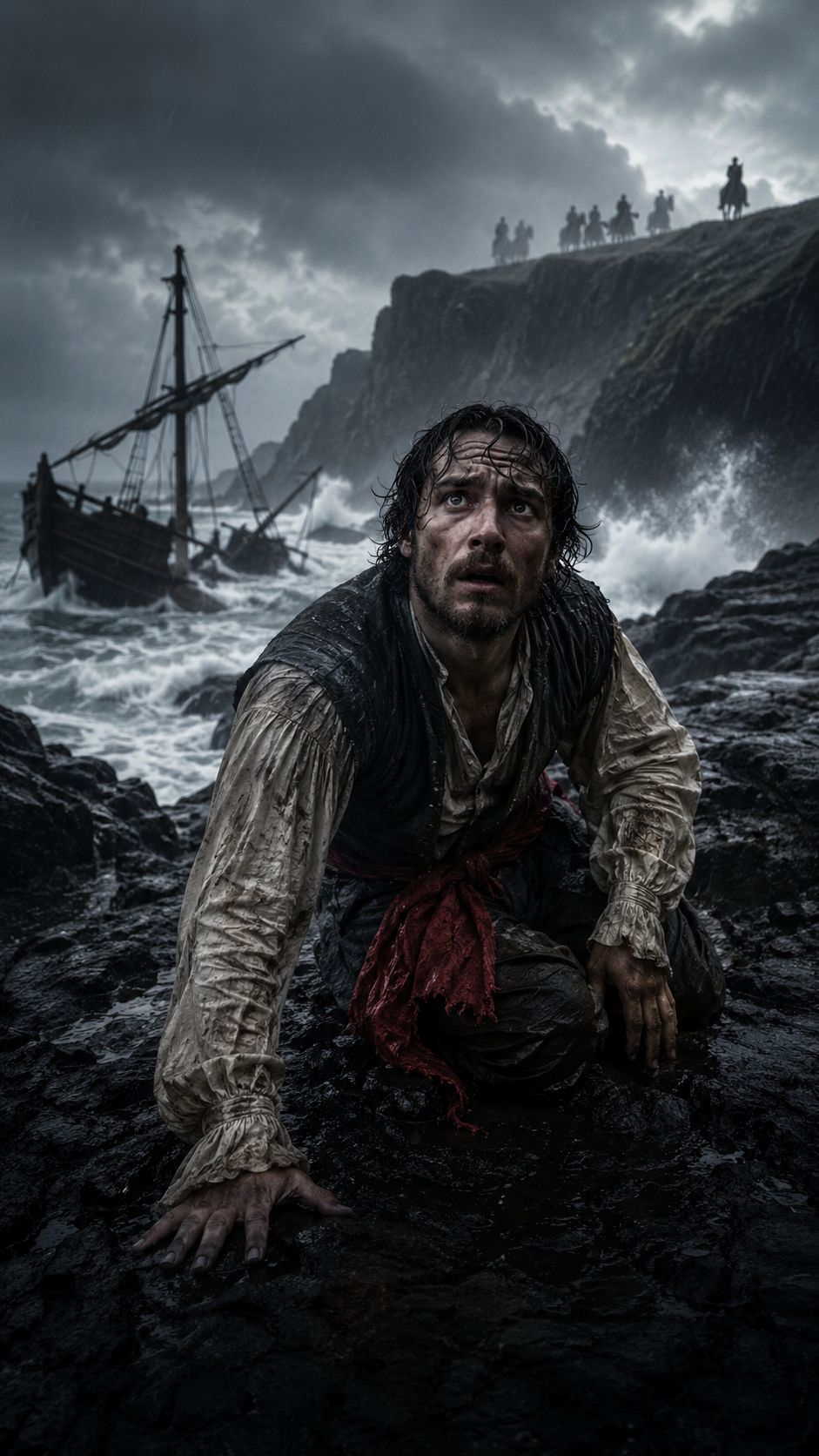 Gravelines · 1588The Armada's Graveyard After The BattleEngland celebrated a legendary naval victory, but thousands more Spanish sailors died in the storms and wrecks that followed.
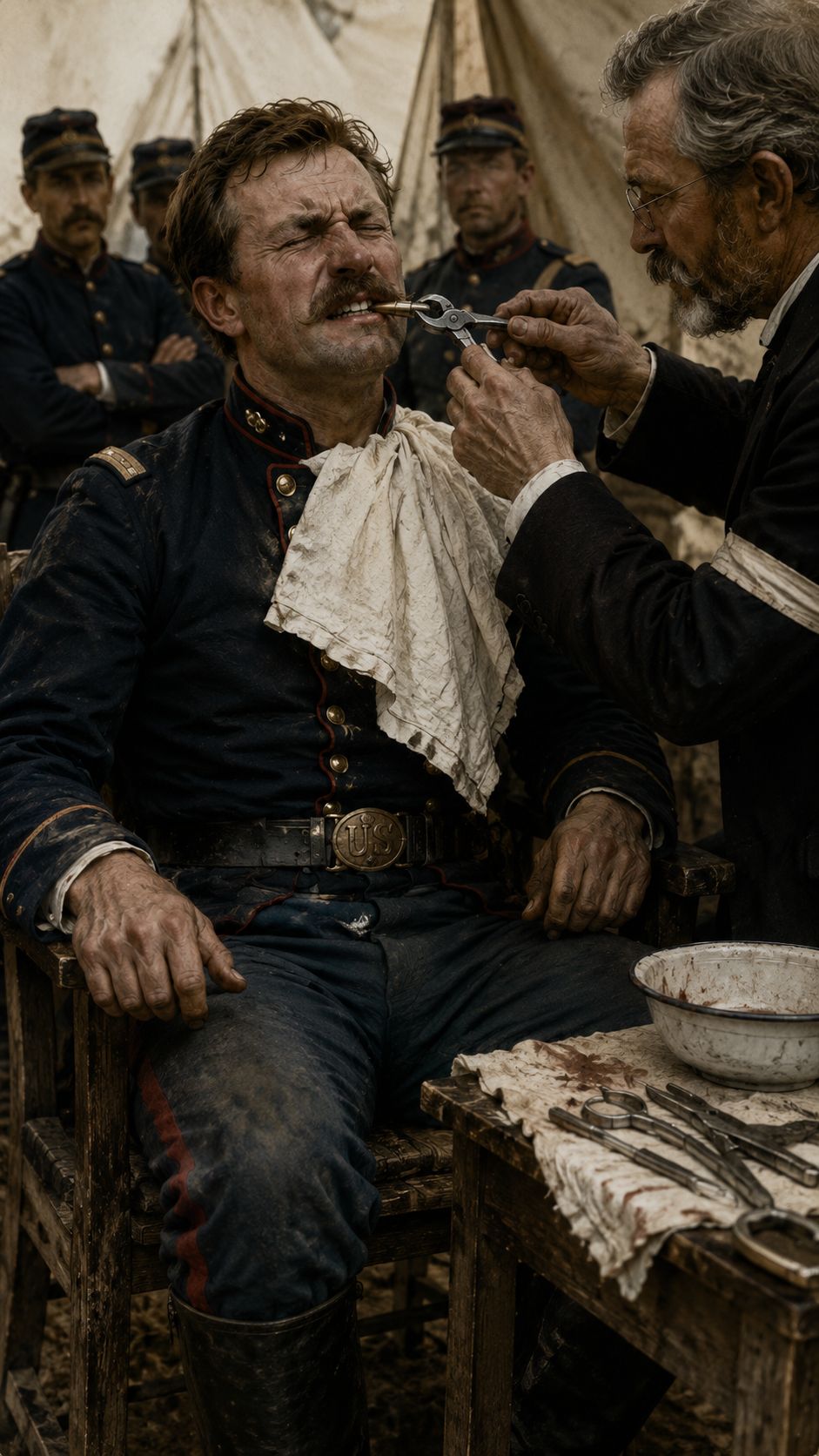 London · 1891The Battlefield Origin Of Biting The BulletBefore anaesthesia, wounded men bit down on lead to endure the surgeon's knife, or so the grim legend says.
- London · 1485The Disease That Killed By NightfallTudor England lived in terror of a plague so fast it could kill a healthy person before sundown.
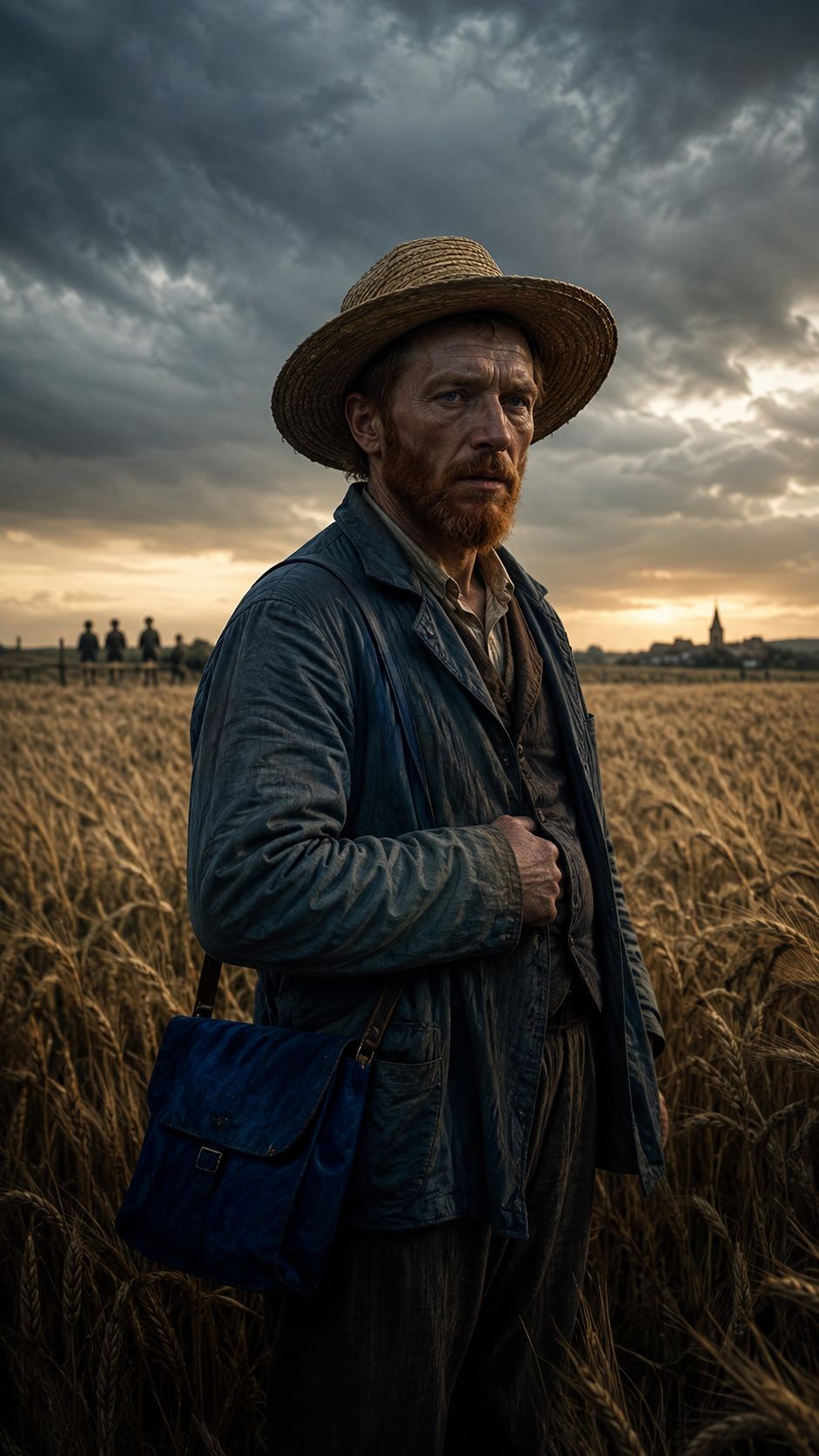 Auvers-sur-Oise · 1890Was Van Gogh's Death Not A SuicideA dying artist may have covered for the boys who accidentally shot him rather than name them.
 Berkeley Castle, Berkeley · 1327The King Who May Have Escaped His MurderThe red-hot poker story may be propaganda; a mysterious letter claims the deposed king actually escaped his own killing.
 Stockport · 1829The Poison Behind The Mad HatterGenerations of hatters were slowly poisoned by mercury, giving English a phrase before Lewis Carroll ever used it.
 Tower of London, London · 1483The Princes Who Vanished From The TowerTwo boy princes disappeared inside the Tower of London, and after five centuries no one can prove what happened to them.
 Redhill · 1987The Queen's Cousins Hidden And Presumed DeadListed as dead for decades, two first cousins of the Queen were quietly living in a long-stay institution.
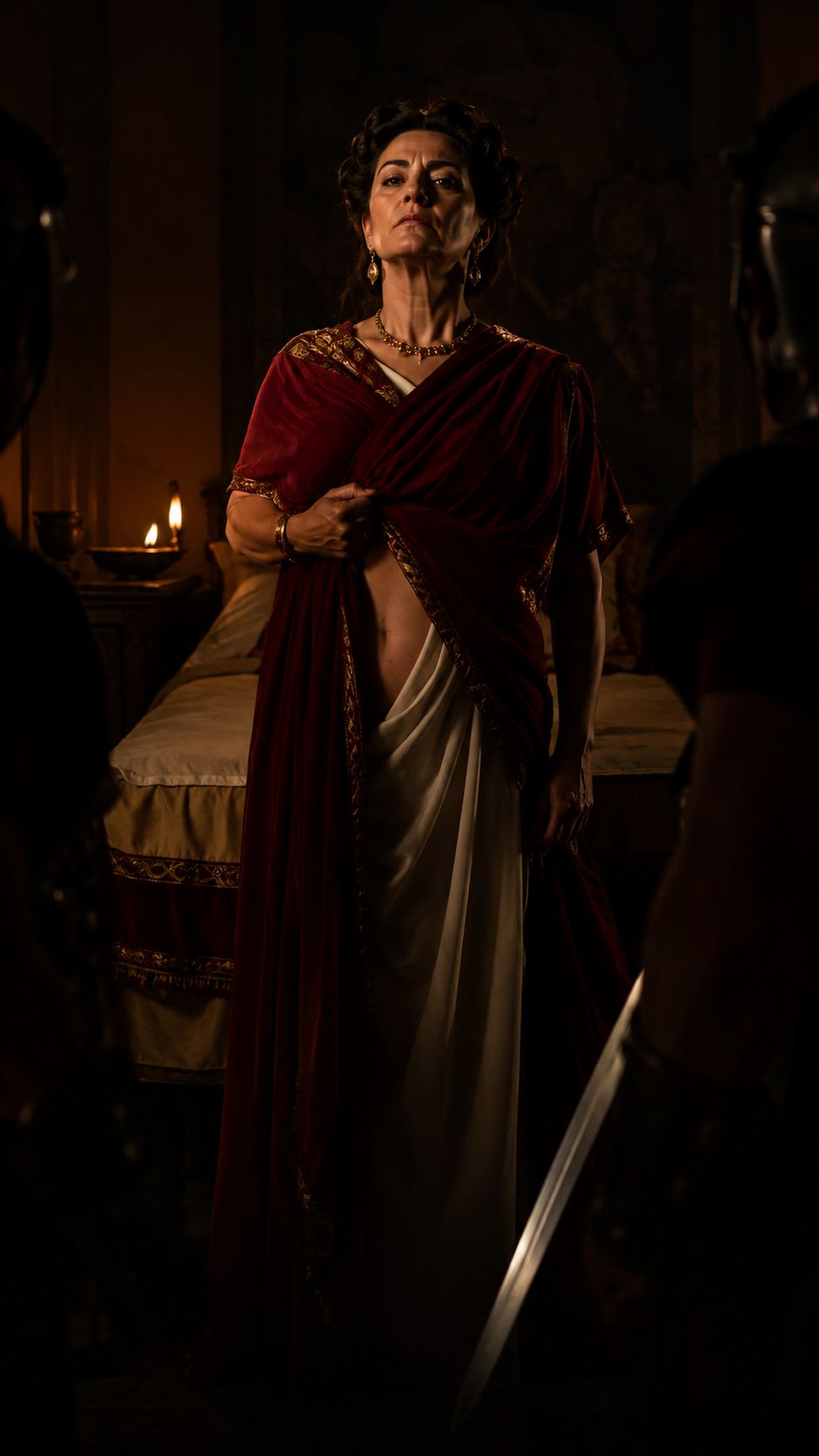 Baiae · 59Strike The Womb That Bore NeroSent assassins by her own son, she bared her stomach and dared them to strike the womb that had borne an emperor.
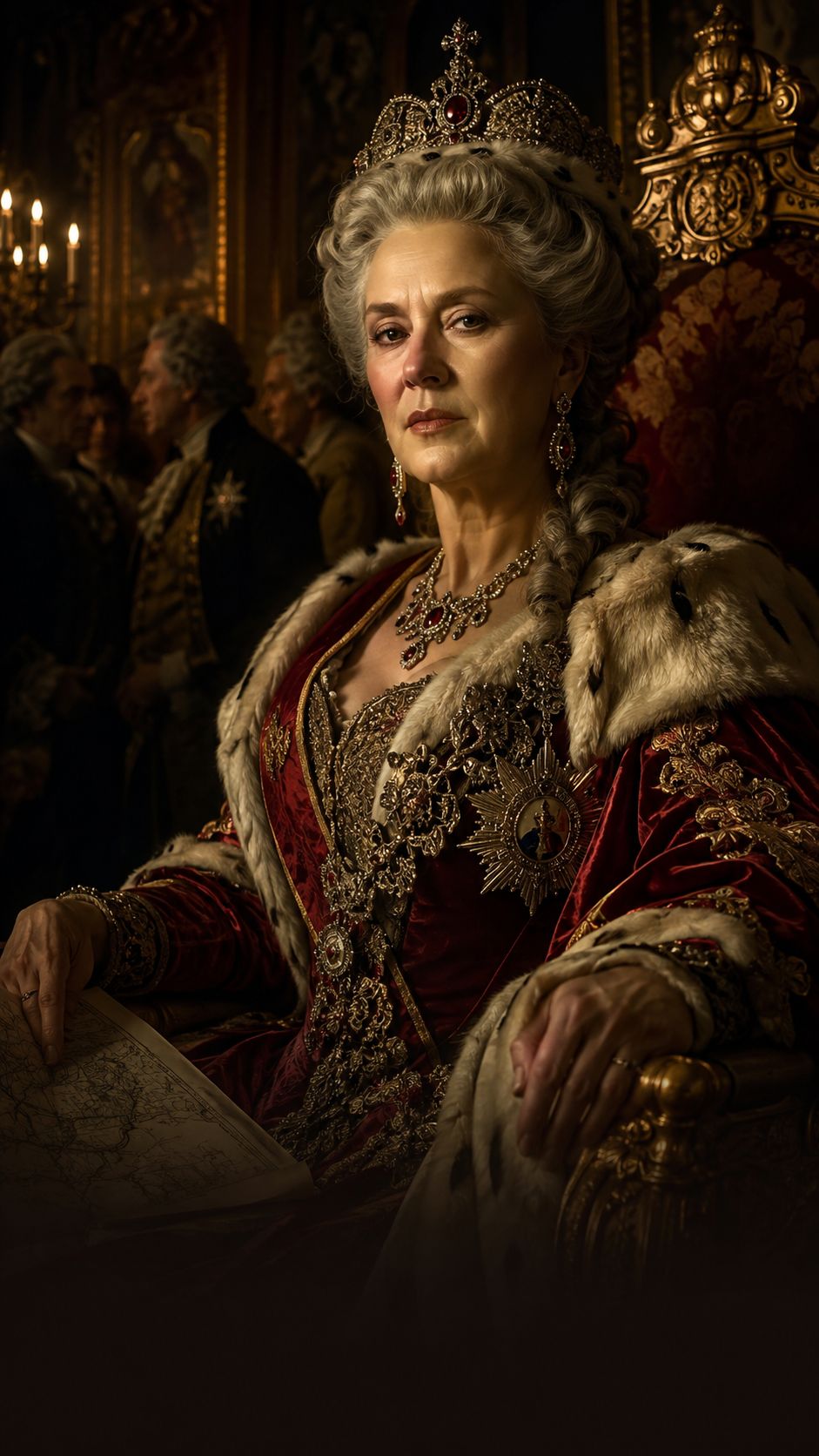 Hampton Court, London · 1555The Phantom Pregnancies Of Bloody MaryEngland's first queen regnant endured two phantom pregnancies while Parliament prepared for a birth that never came.
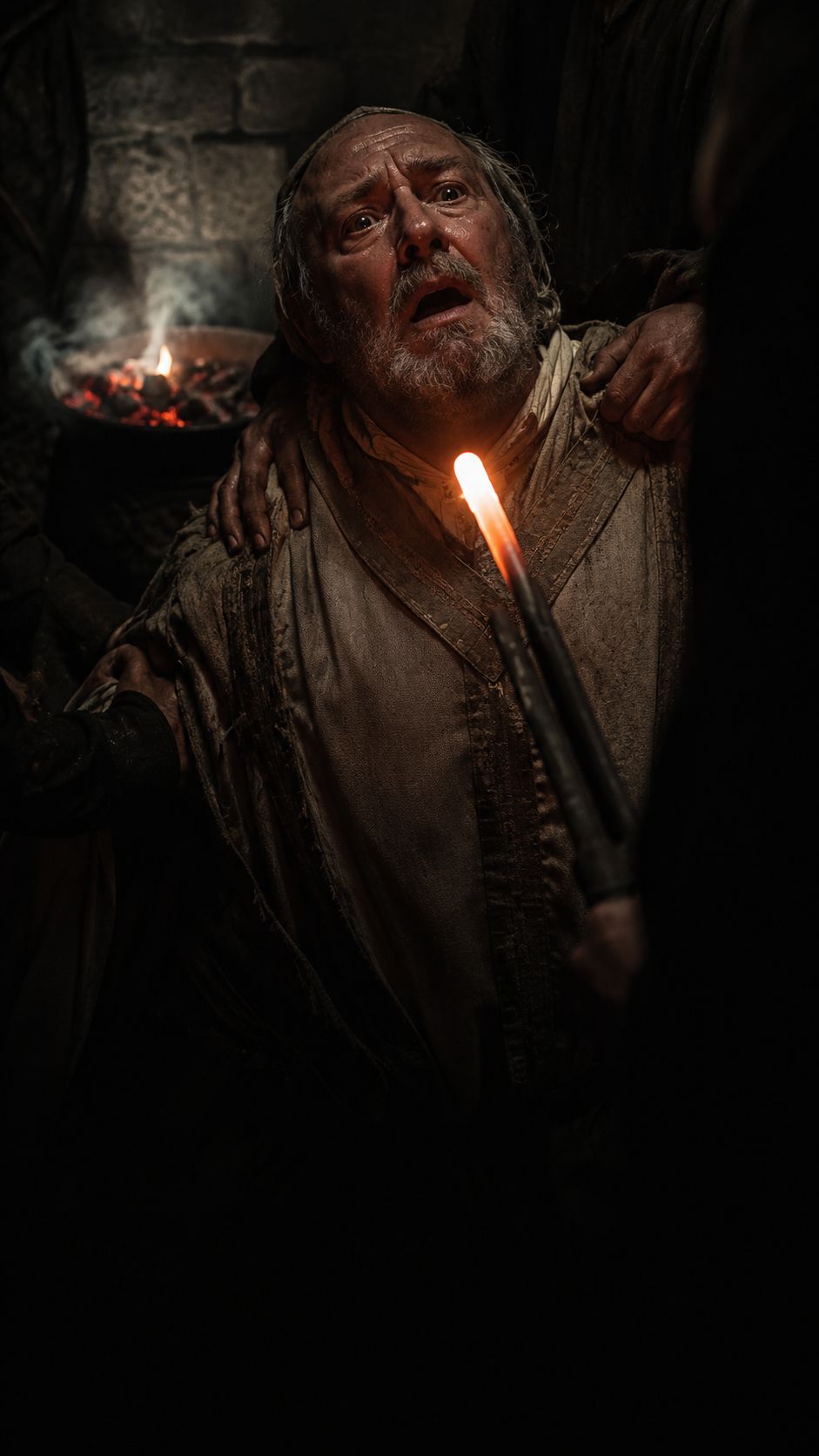 Rome · 768The Pope Blinded Instead Of KilledHis rivals didn't execute him for stealing the papacy, they put out his eyes instead, a punishment worse than death.
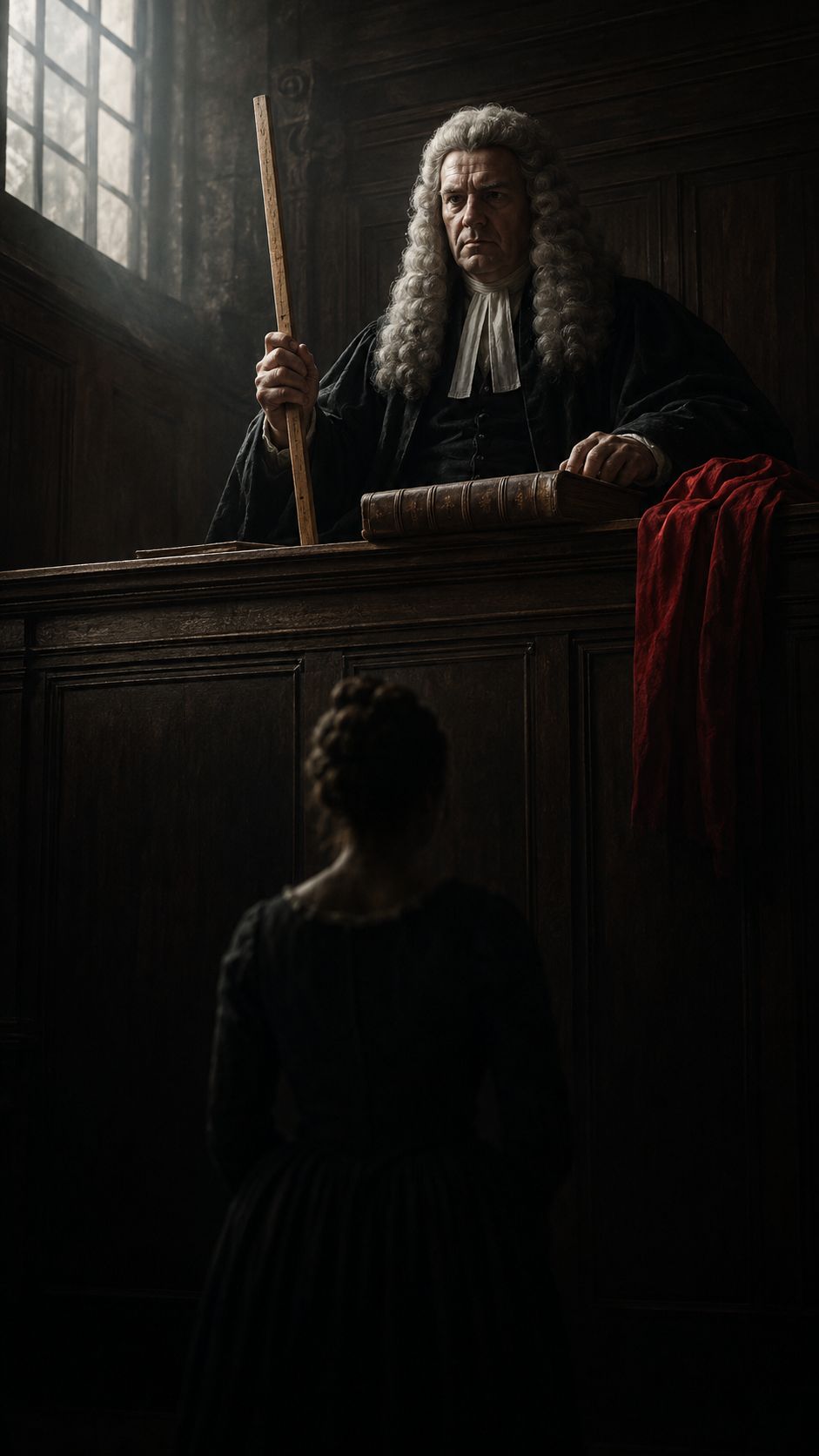 London · 1782The Wife-Beating Law That Never ExistedA viral fact about a wife-beating law is fake, but the real legal history it hides is far darker than the myth.
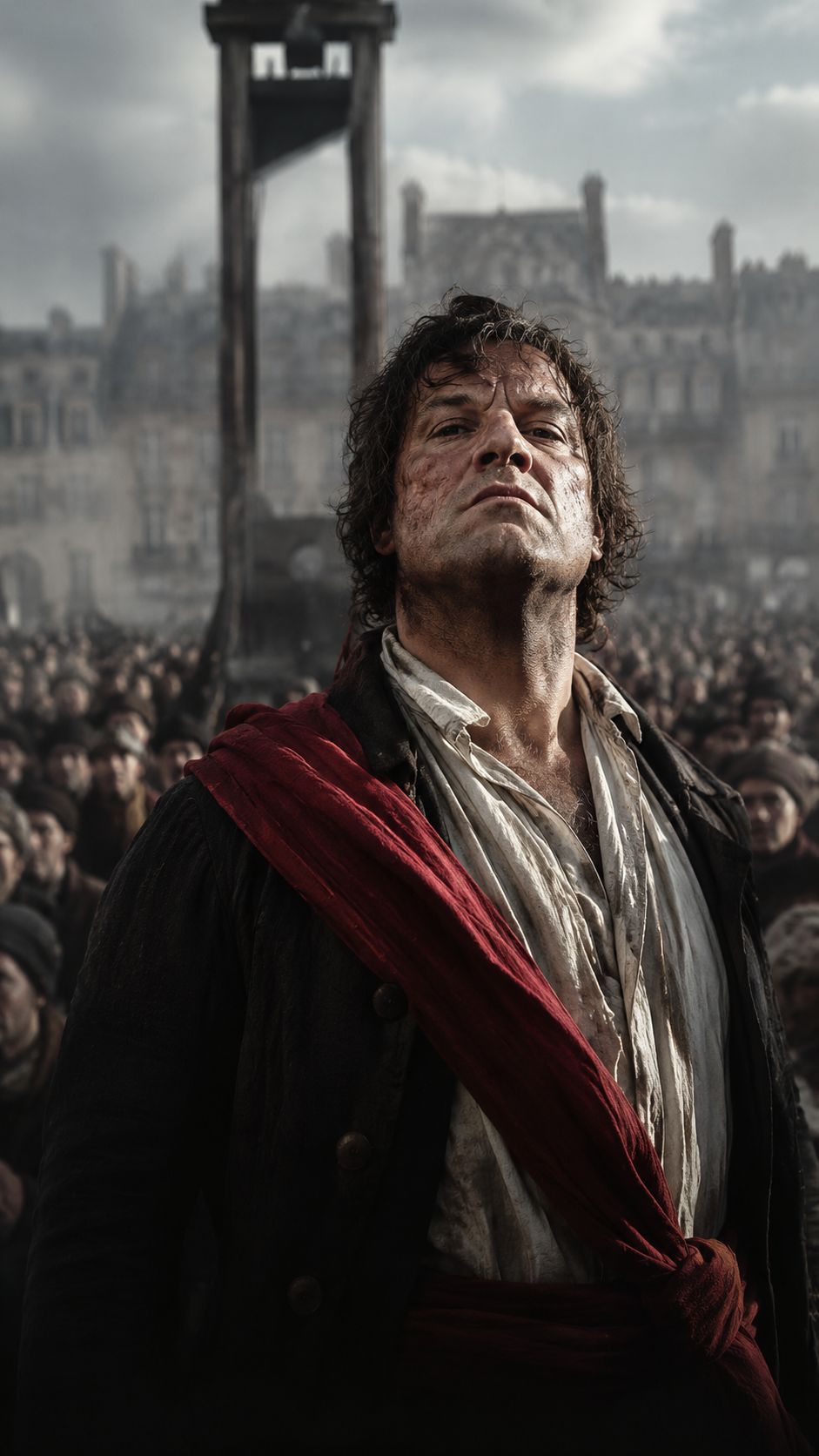 Place de la Révolution, Paris · 1794Devoured By The Revolutionary Machine He BuiltHe helped build the tribunal that sent thousands to the guillotine, and then it turned on him too.
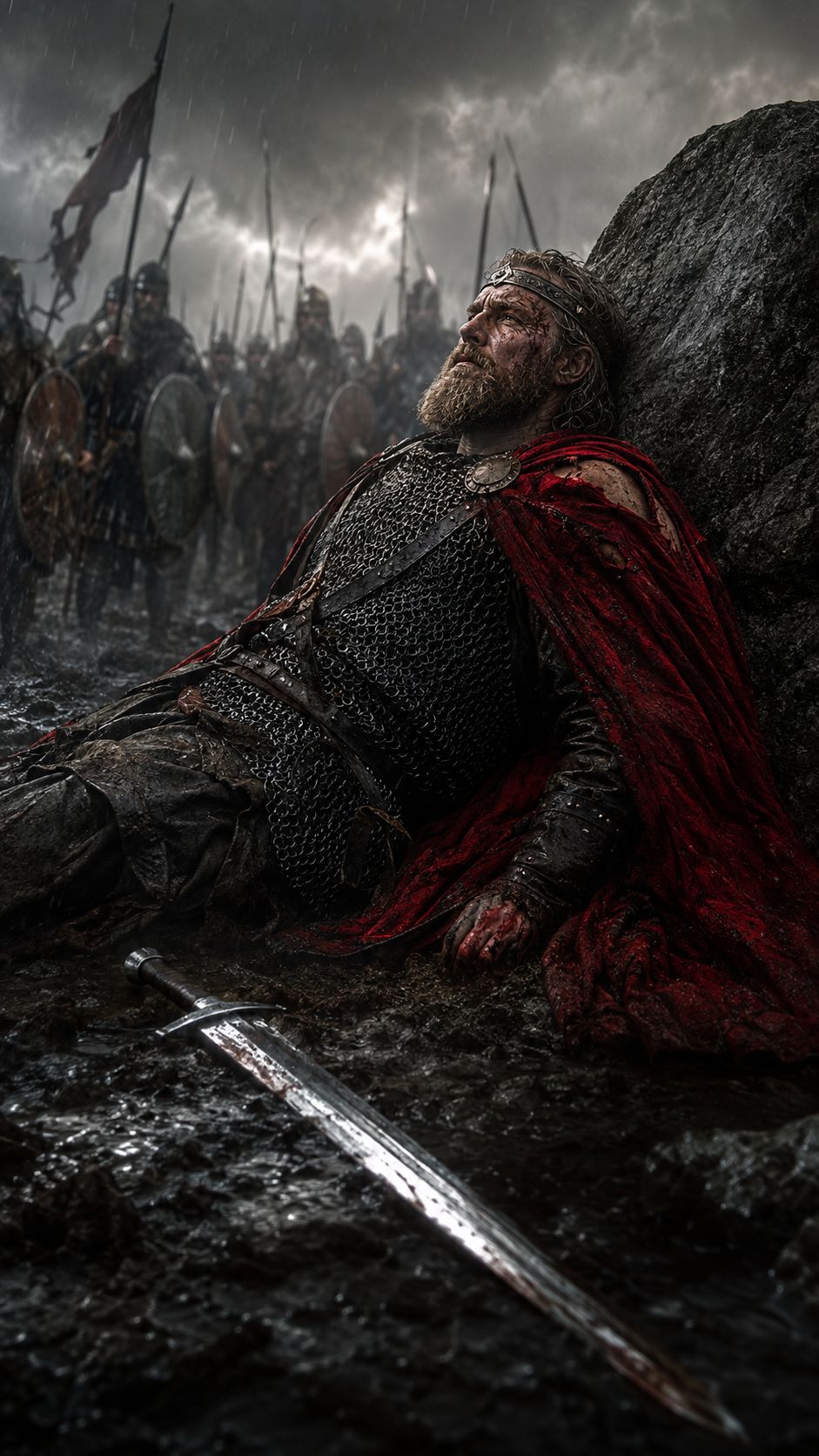 Stiklestad · 1030The Defeated Viking King Who Became A SaintHe lost his throne and his life in battle, then within a year was declared Norway's eternal king.
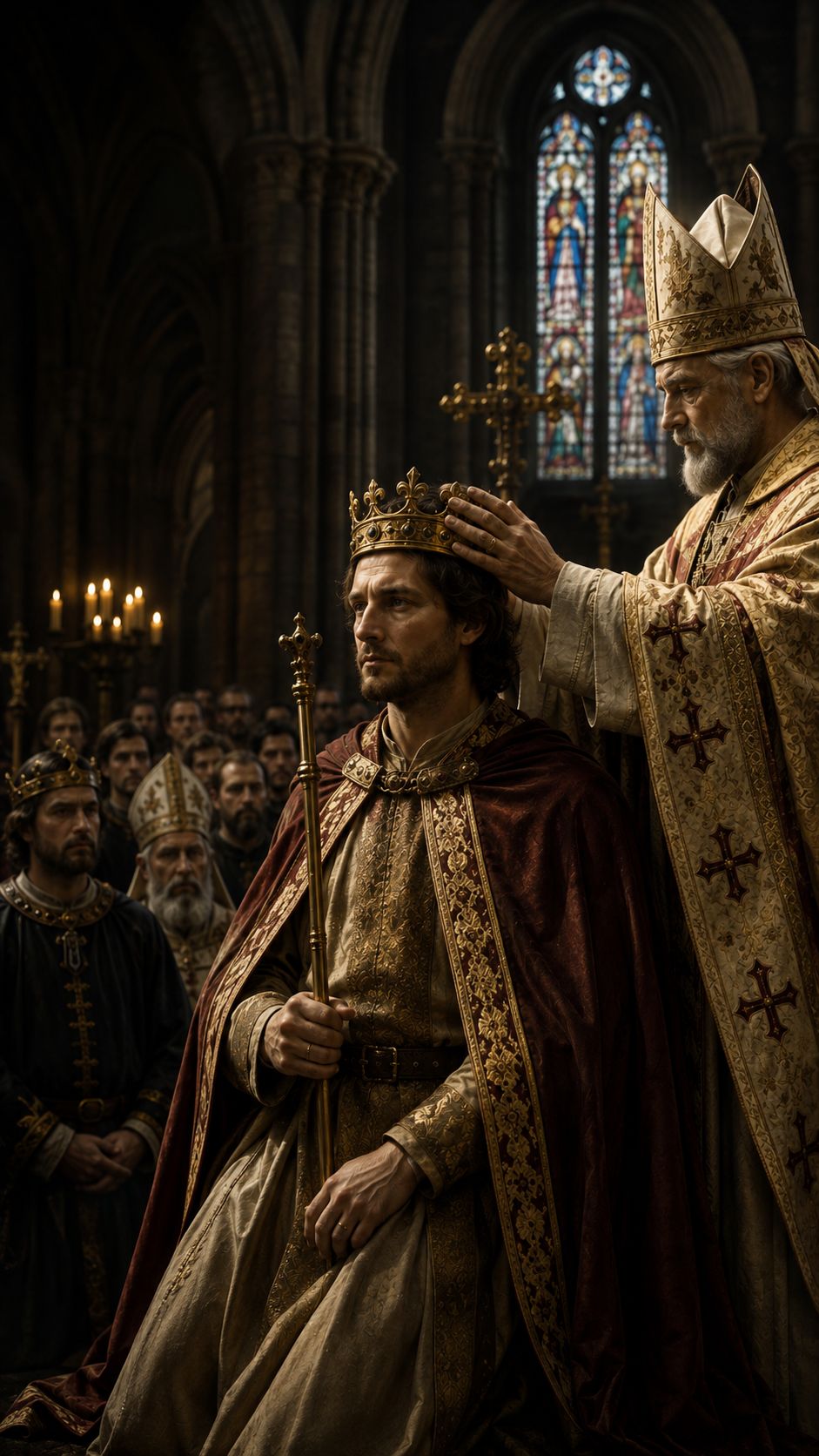 New Forest, Hampshire · 1100The King Killed By An Arrow And The Brother Who ProfitedA king died in a forest with an arrow through his chest, and his brother was crowned just three days later.
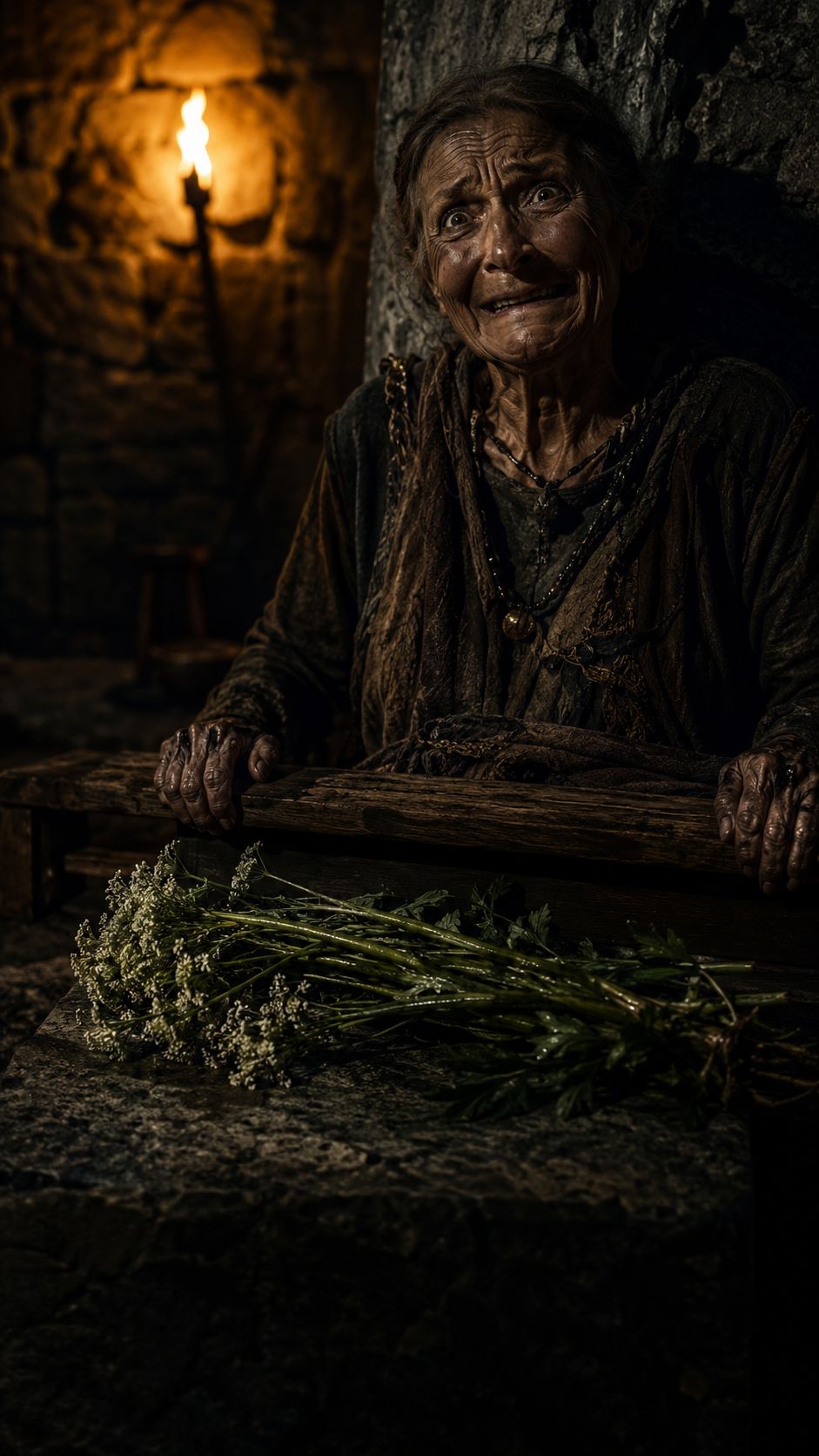 Sardinia · 500 BCThe Poison Plant Behind The Word SardonicAn everyday word for bitter humour traces back to an ancient island poison that twisted its victims' faces into a deadly grin.
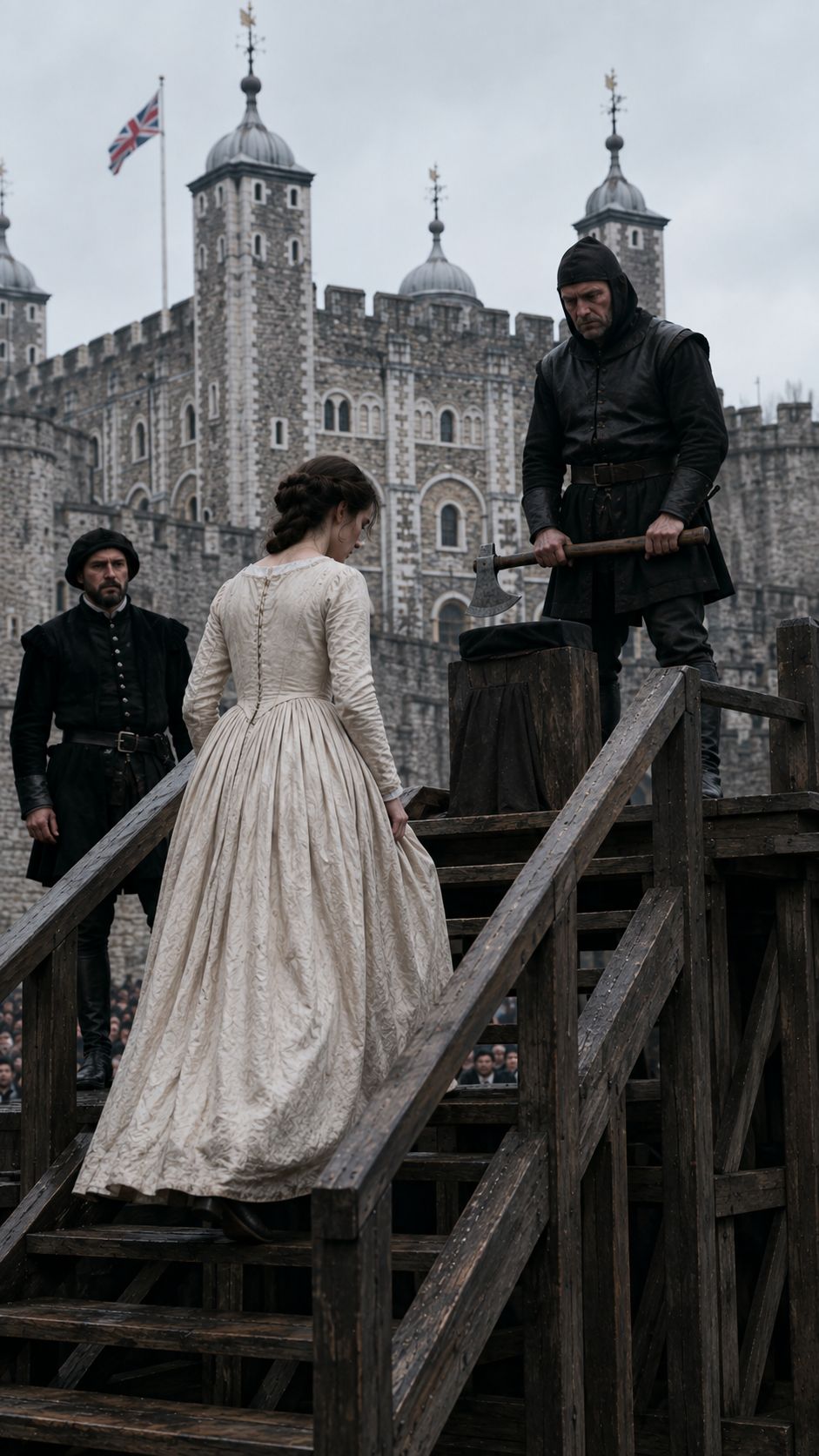 Tower of London, London · 1542The Queen Beheaded While The Men Went FreeThe youngest, least powerful person at the centre of the scandal was the only one who lost her head.
- Ahlden · 1694The Queen Locked Away For Twenty YearsBritain's first Hanoverian king arrived with no queen, because his former wife was locked in a remote manor, all but erased.
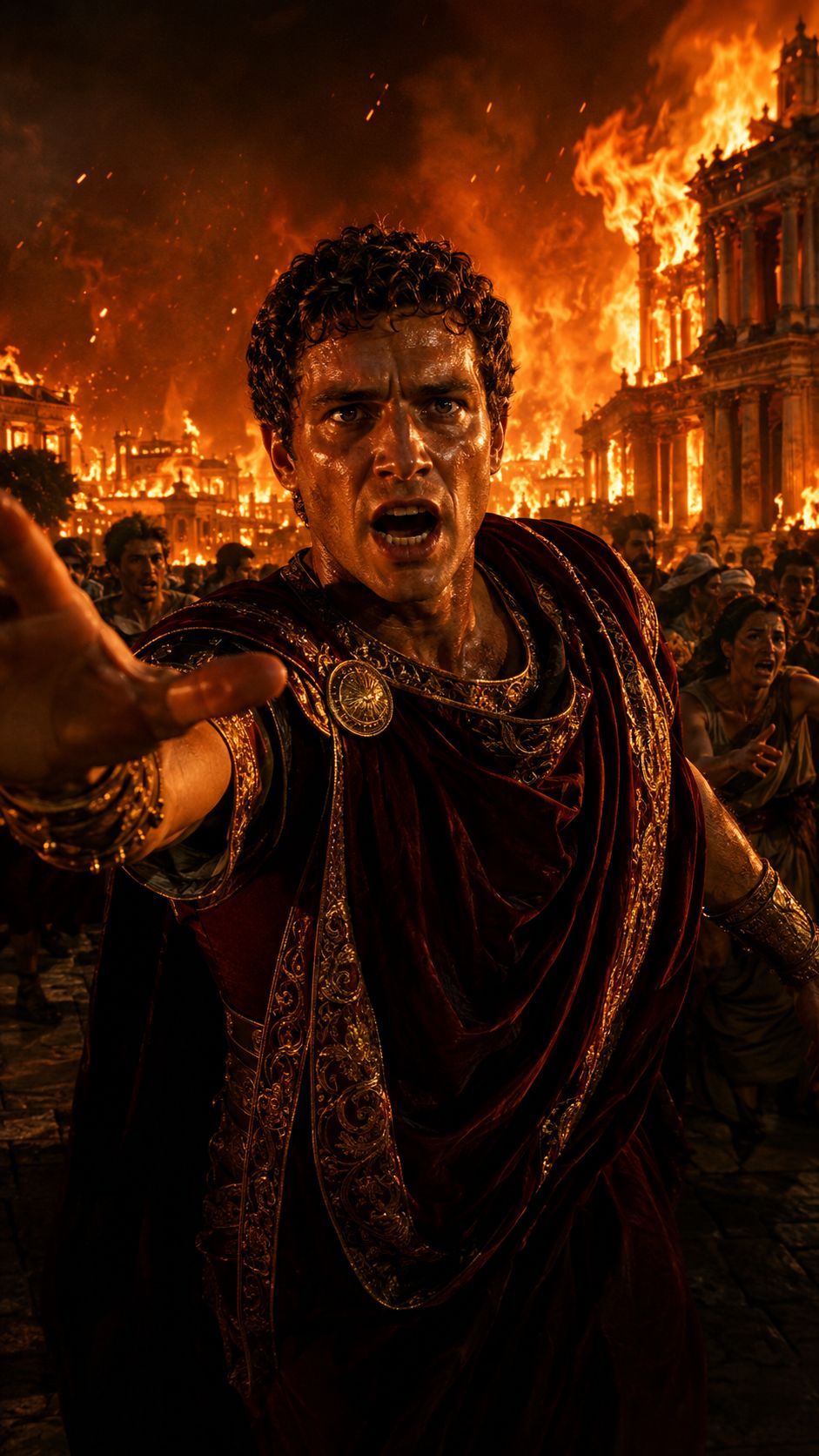 Rome · 64Nero Never Fiddled While Rome BurnedThe most famous image of imperial cruelty in Roman history turns out to be almost entirely fabricated.
 Fall River, Massachusetts · 1892The Axe Murders Behind The Nursery RhymeA wealthy man and his wife were hacked to death in broad daylight, and the rhyme everyone knows gets nearly everything wrong.
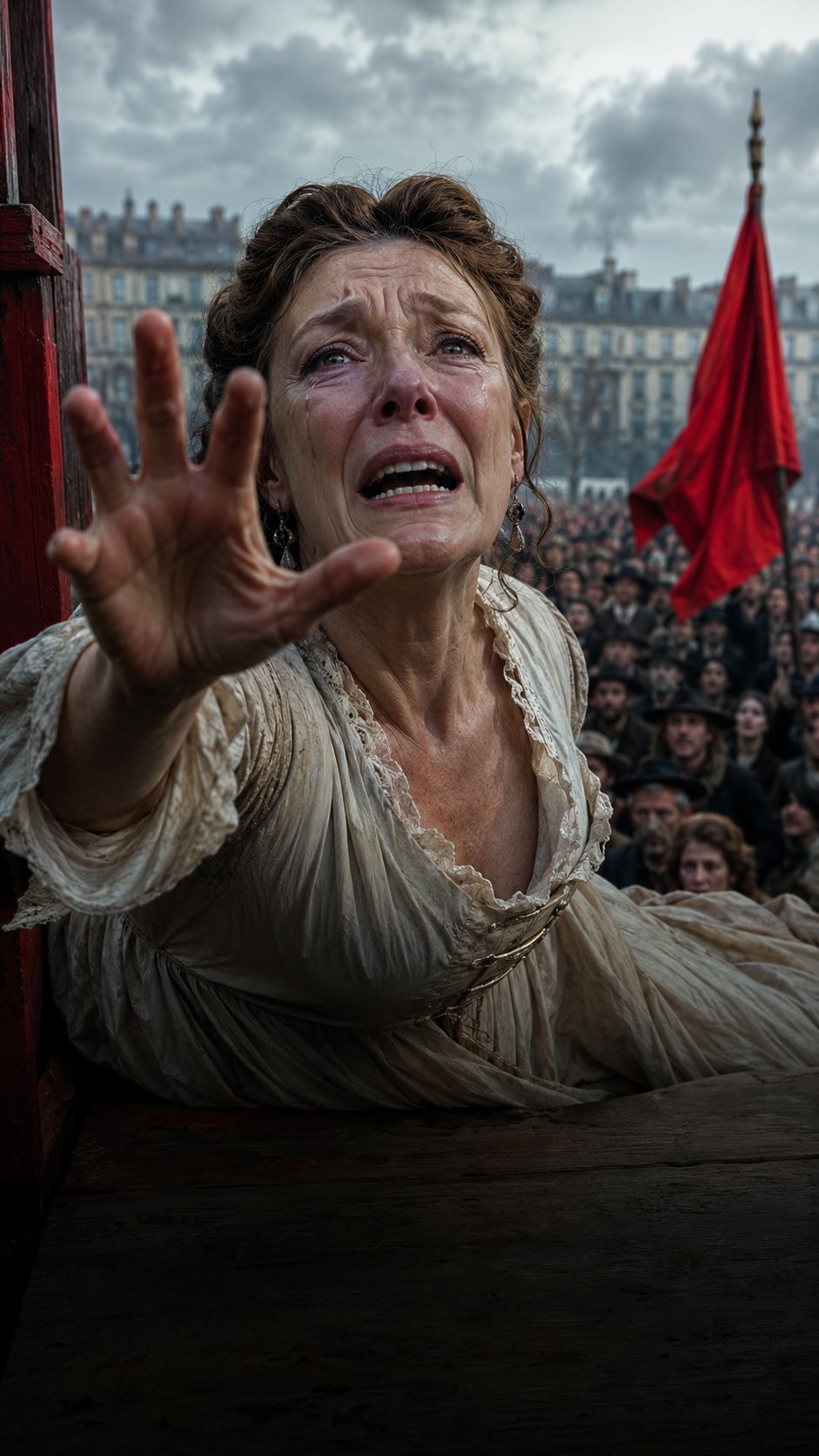 Place de la Révolution, Paris · 1793The Mistress Who Refused To Die With DignityUnlike every noble before her on the scaffold, she screamed, wept, and begged the crowd for her life.
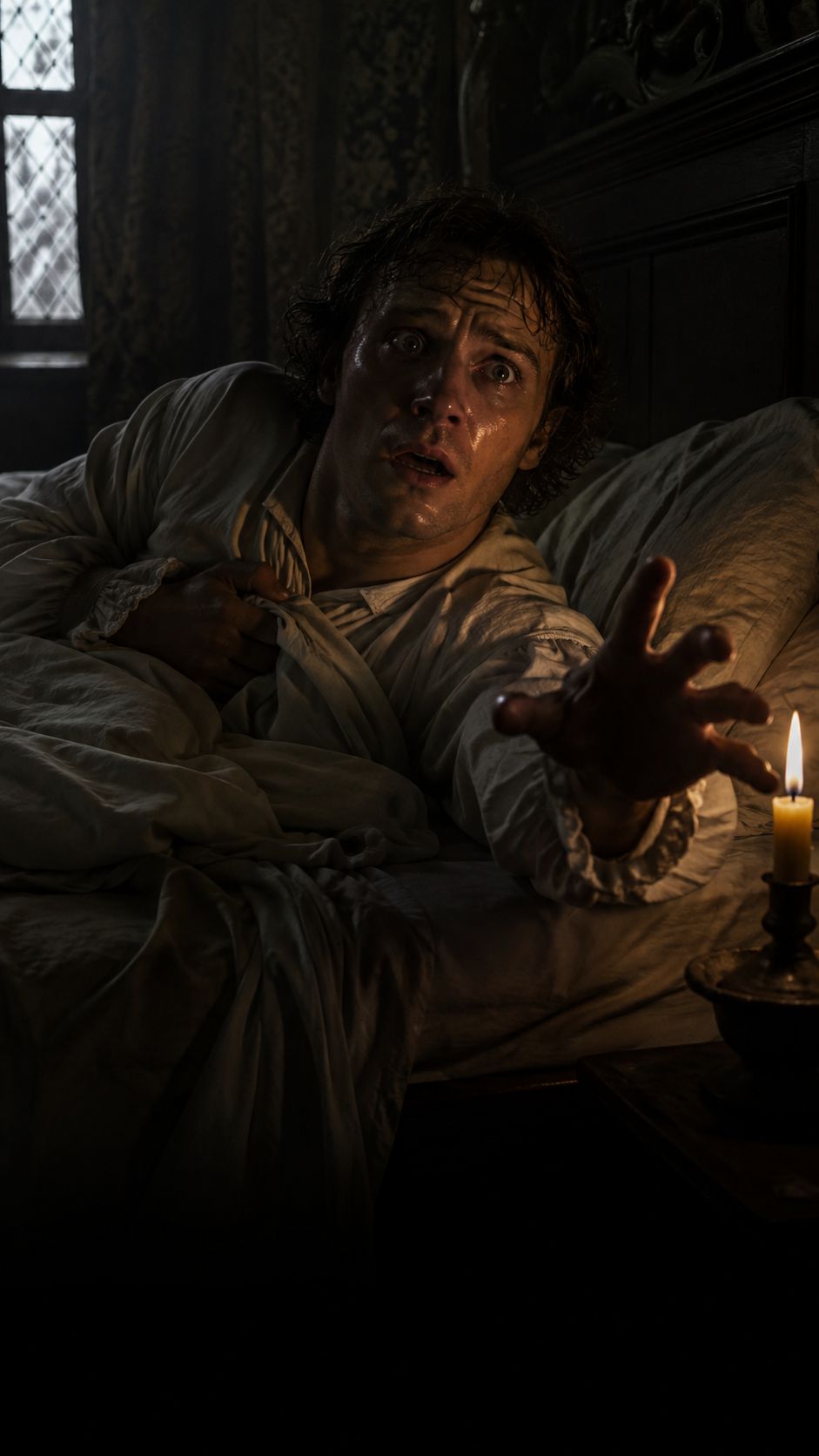 Newark, New Jersey · 1868The Real Story Behind Saved By The BellThe bell-string coffin myth is fake, but the Victorian fear of being buried alive was real enough to spawn actual escape coffins.
 Place de la Révolution, Paris · 1793She Wrote Women's Rights Into Existence And Was GuillotinedShe demanded the Revolution include women too, and was sent to the same scaffold she had once written about.
 Place de la Révolution, Paris · 1794The Innocent Princess Who Comforted Others To Her DeathHer only crime was being born a king's sister, and she spent her final minutes comforting the fellow prisoners dying beside her.
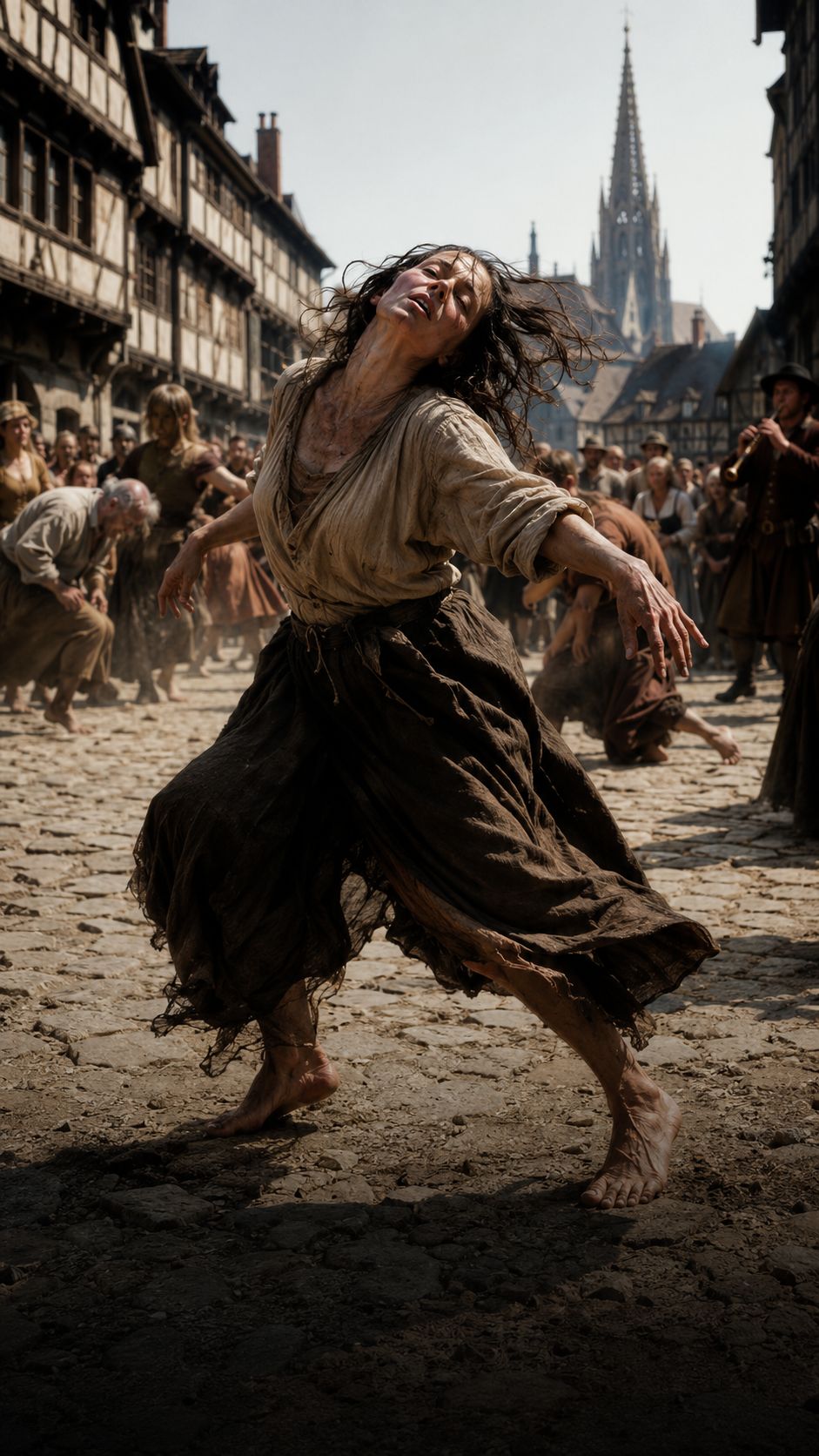 Strasbourg · 1518The Plague That Made A City Dance Itself To DeathOne woman started dancing for no reason, and within weeks hundreds joined her, dancing uncontrollably until some dropped dead.
 Tordesillas · 1509The Queen Locked Away For Forty-Six YearsBranded 'mad' by the men who wanted her throne, she may have been one of history's most cruelly wronged queens.
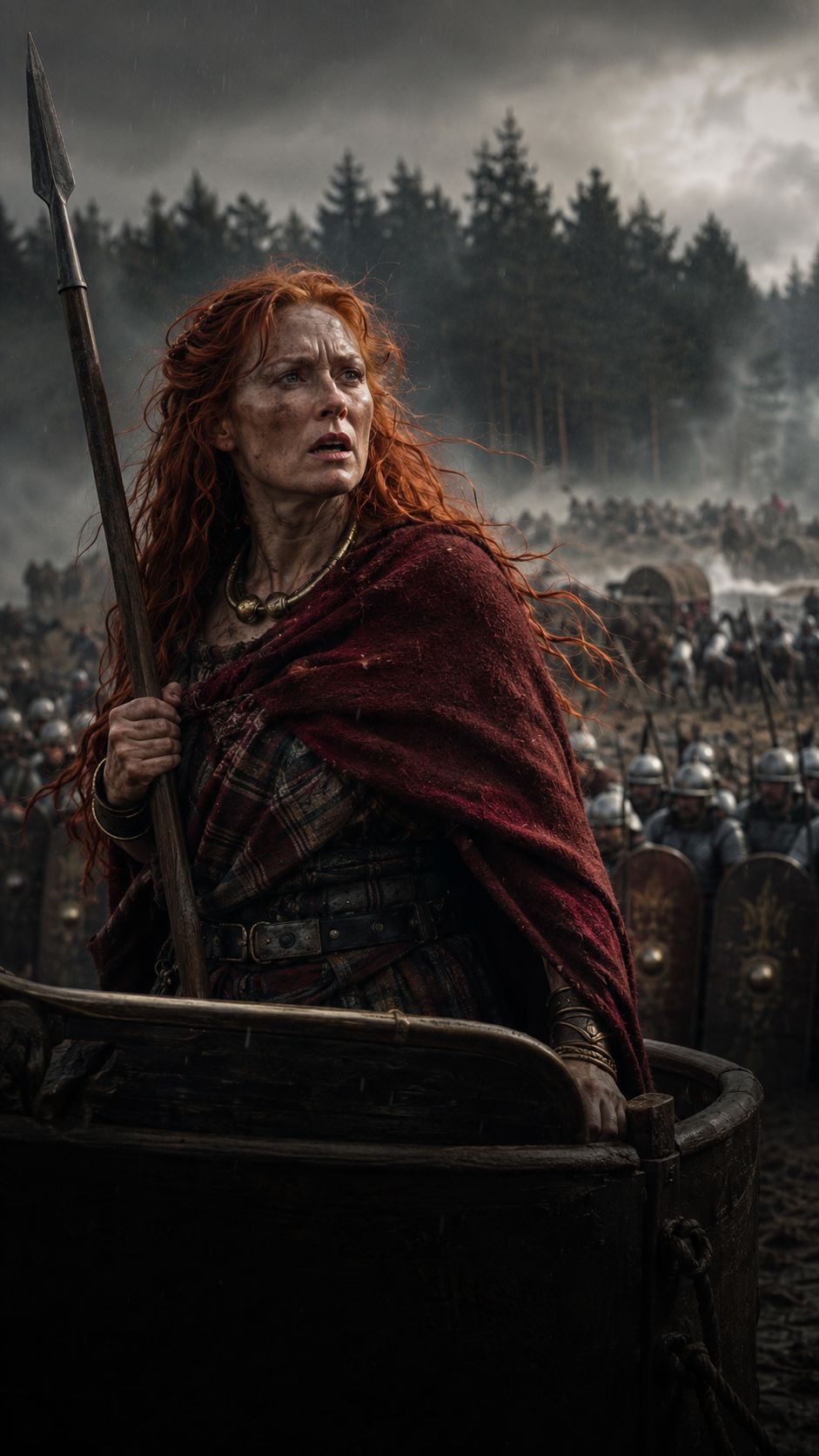 Forlì · 1500The Tiger Who Defied The BorgiasA warrior noblewoman who ruled her own city outright dared to defy the most dangerous family in Italy.
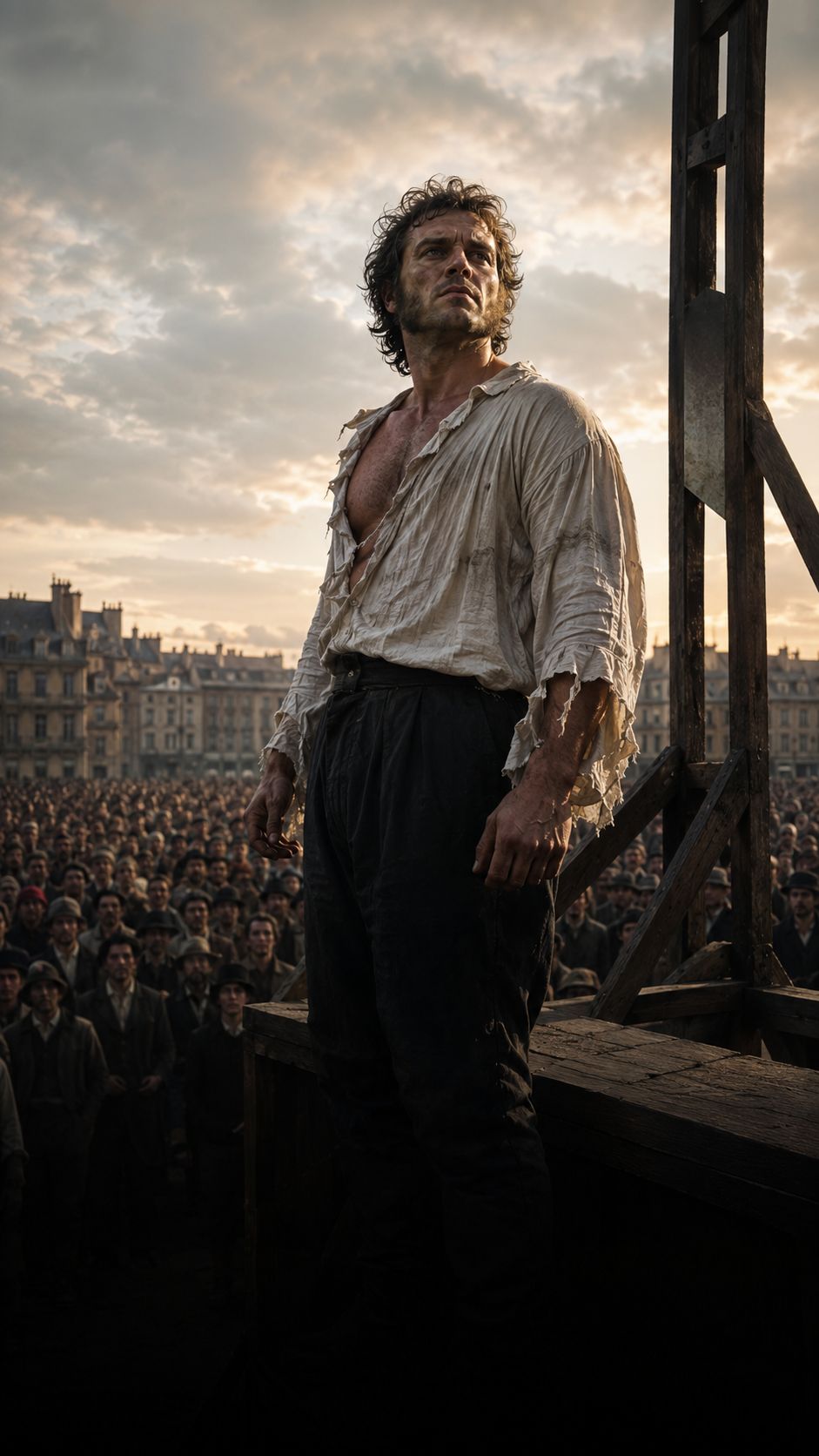 Place de la Révolution, Paris · 1794Betrayed By The Friend Who Stood At Their WeddingThe revolutionary firebrand and his devoted wife were destroyed by the very friend who once witnessed their marriage.
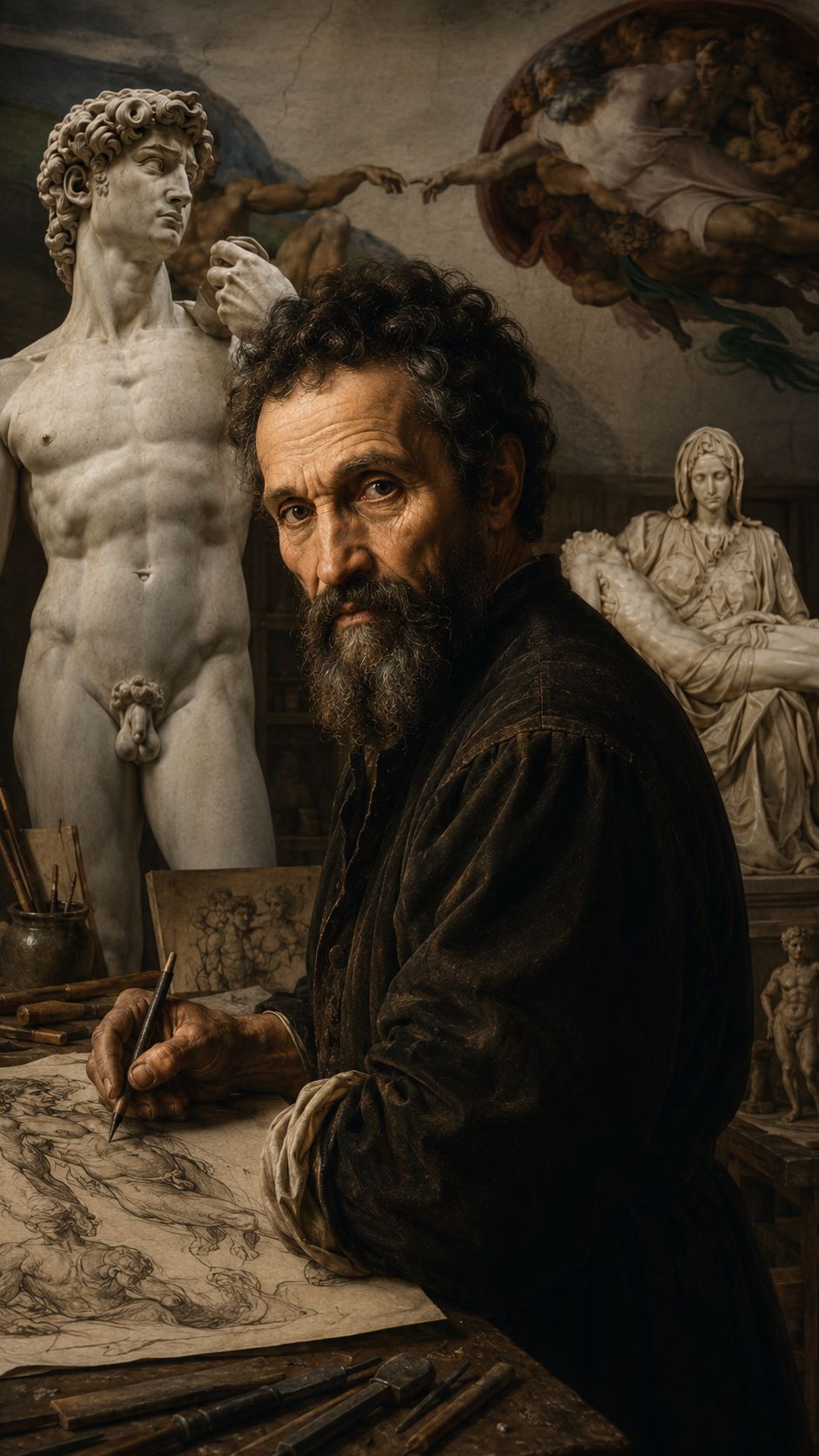 Sistine Chapel, Vatican City · 1541Michelangelo's Hidden Face In The Sistine ChapelHidden in his most famous fresco, the master painted his own tormented face on a flayed, empty human skin.
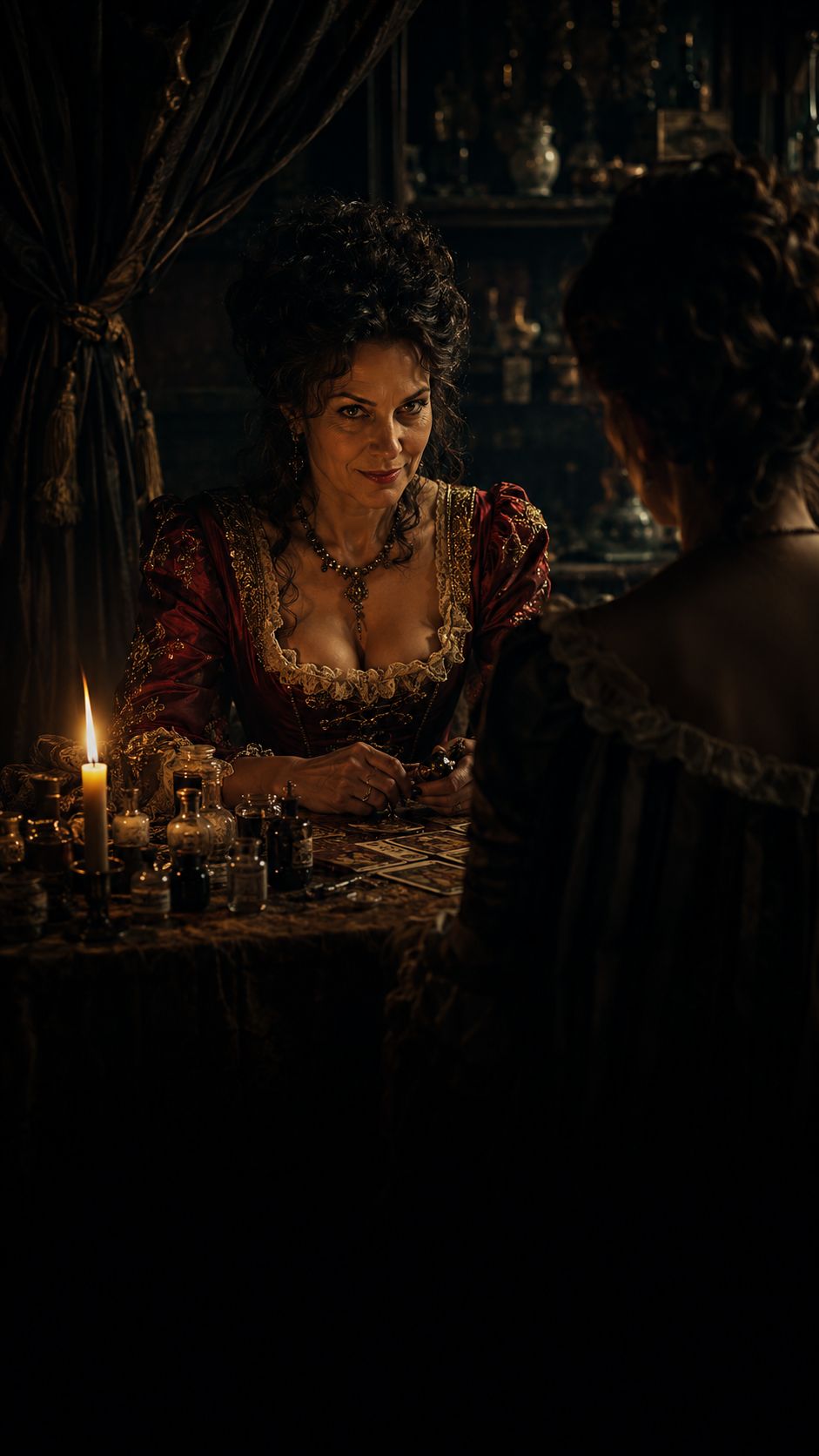 Ferrara · 1519The Poisoner Legend That Was Almost Entirely FalseHistory remembers her as a scheming poisoner, but she was really a pawn sold and blamed by the men who used her.
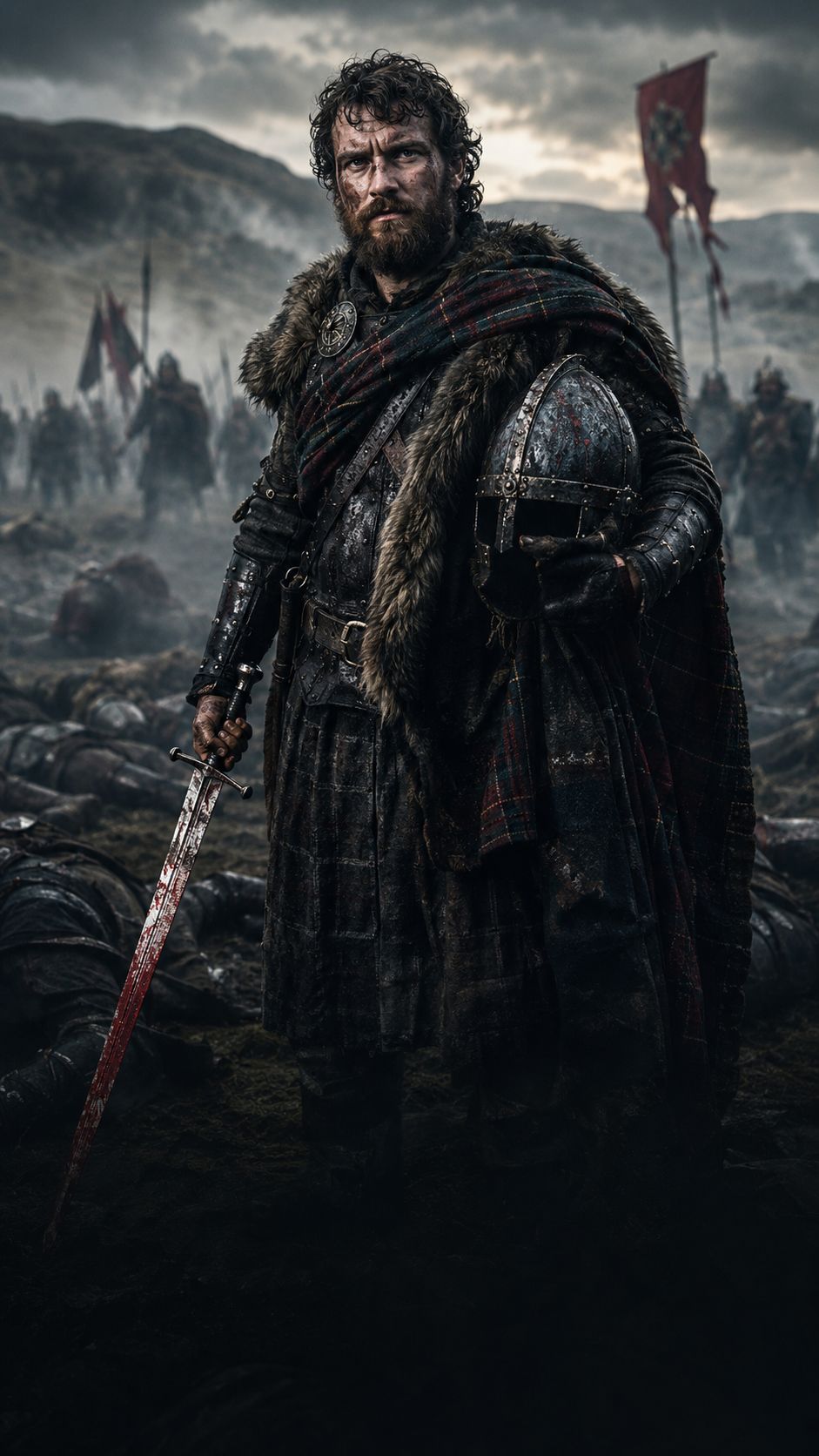 Lumphanan · 1057The Real King Shakespeare Turned Into A MurdererThe real Macbeth was a capable, pious king, so how did propaganda transform him into history's most famous murderer?
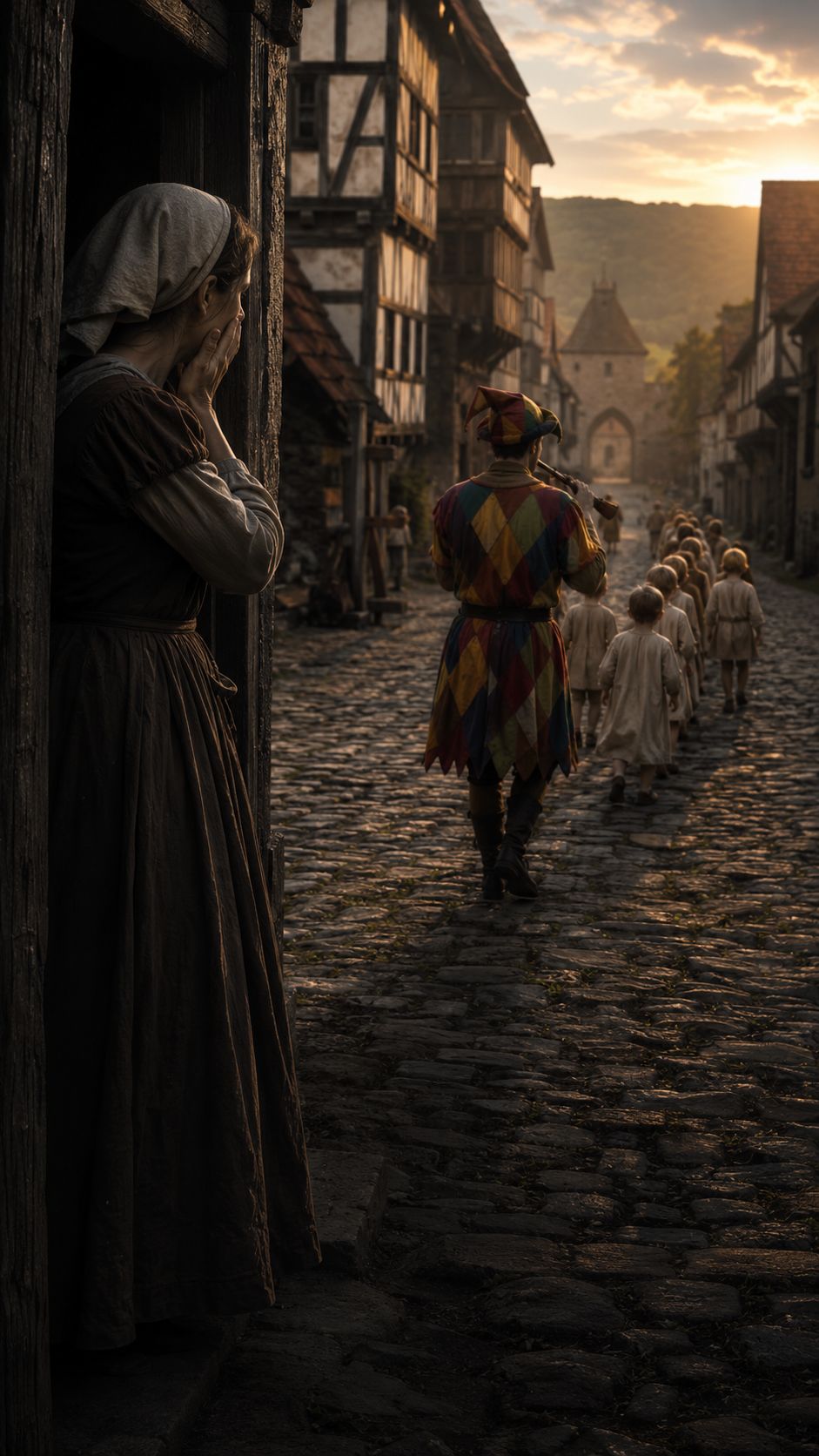 Hamelin · 1284The Street Where No Music Has Played For 700 YearsA real medieval town recorded that 130 of its children vanished in a single day, and no one has ever explained why.
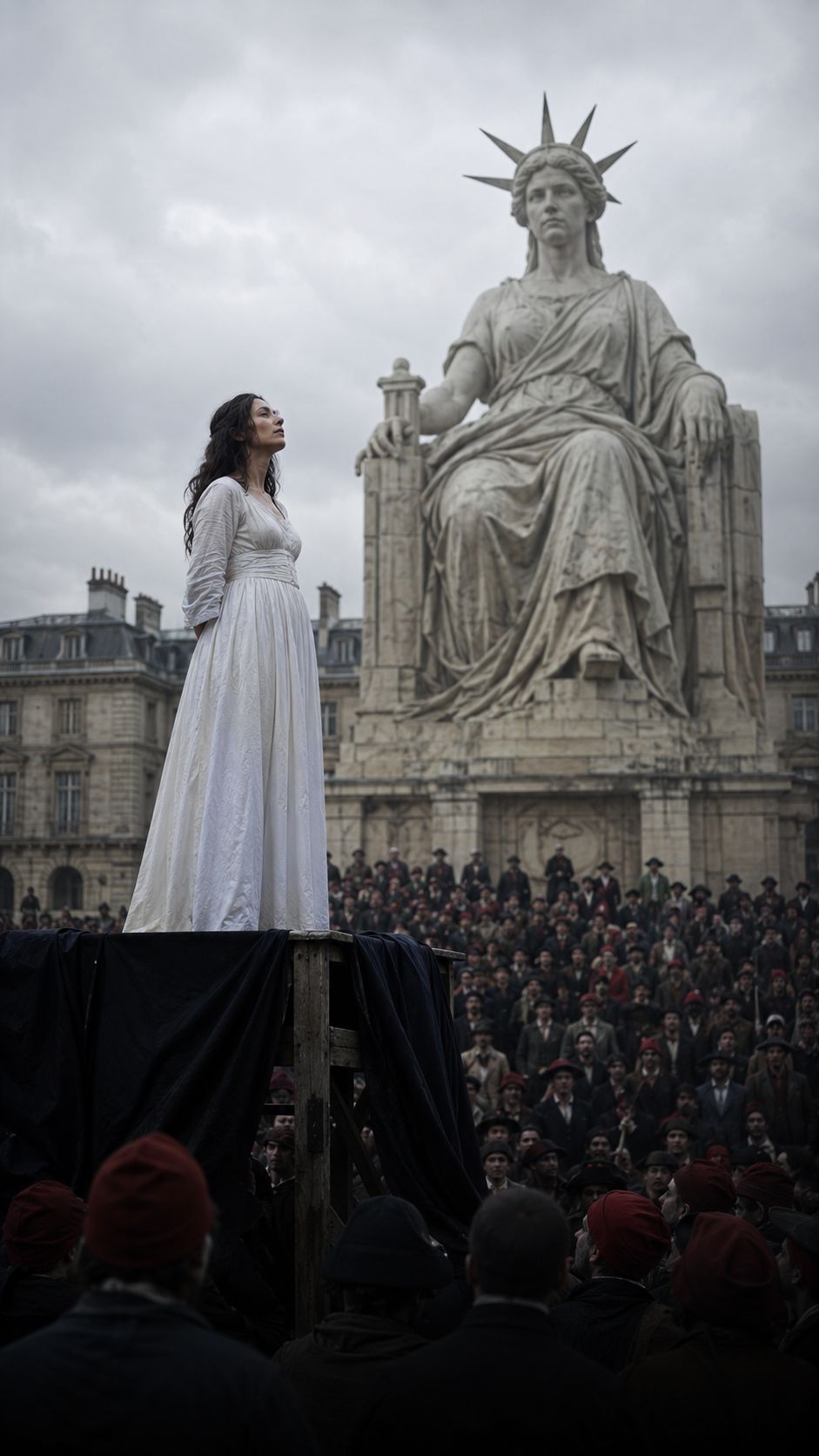 Place de la Révolution, Paris · 1793She Faced The Statue Of Liberty Before The Blade FellDestroyed by the revolution she helped build, she turned to a statue of Liberty for her final, famous words.
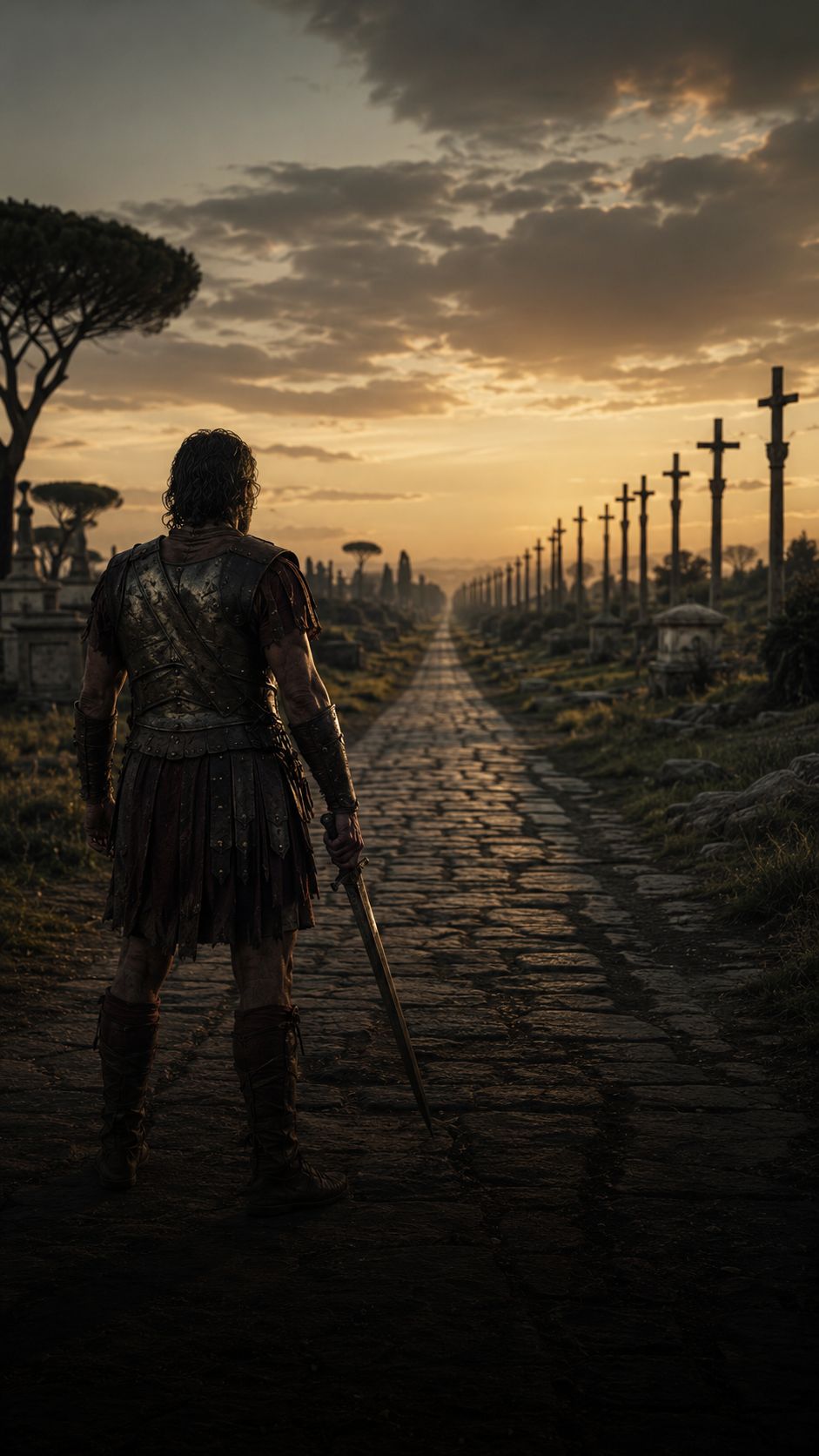 Rome · 71 BCSix Thousand Crucified Along The Appian WayThe slave rebellion Hollywood romanticised did not end with one man on a cross, but six thousand.
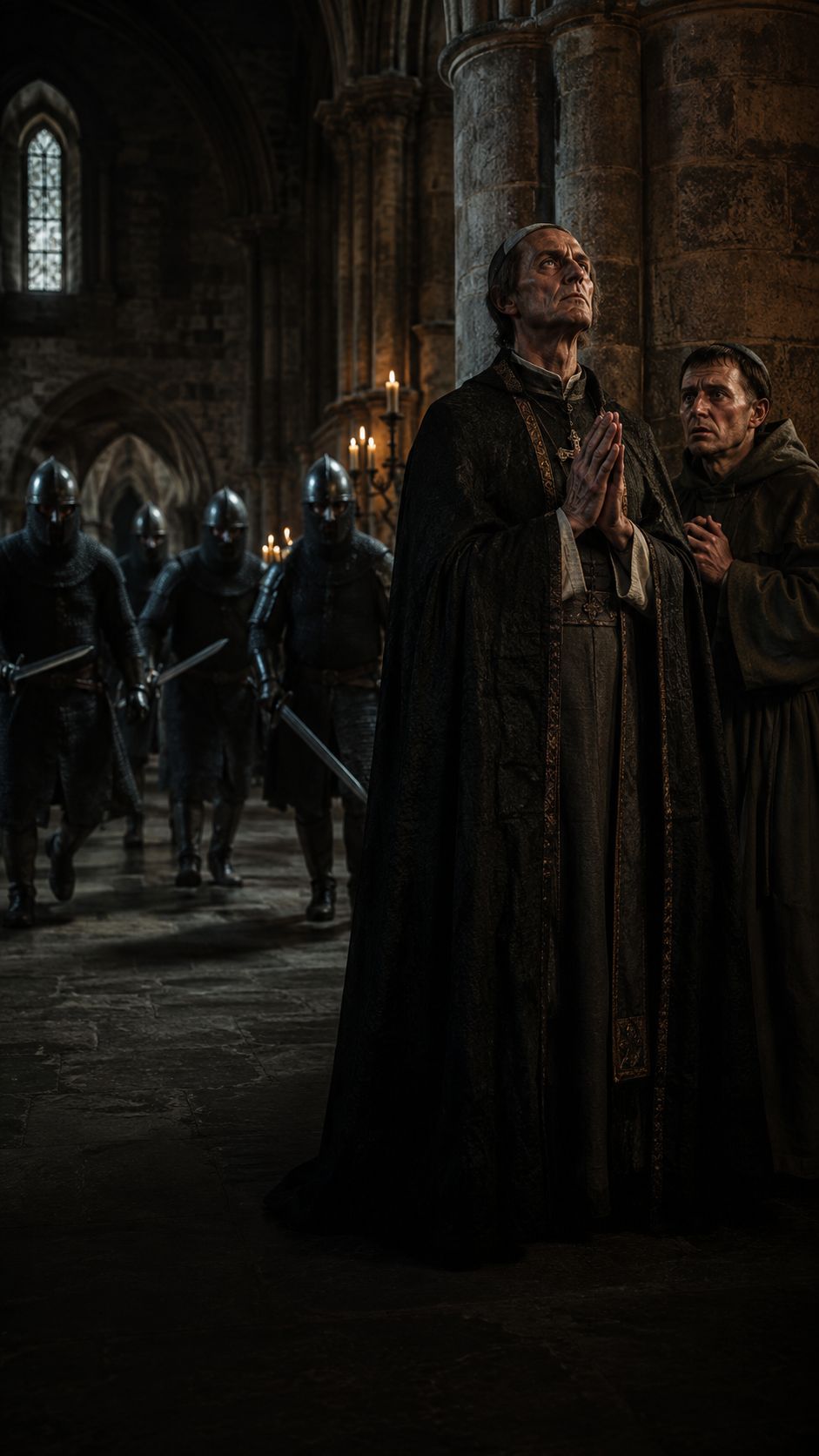 Canterbury Cathedral, Canterbury · 1170The Archbishop Murdered At His Own AltarKilled inside his own cathedral by men acting on a king's wish, his blood-soaked murder shocked all of Christendom.
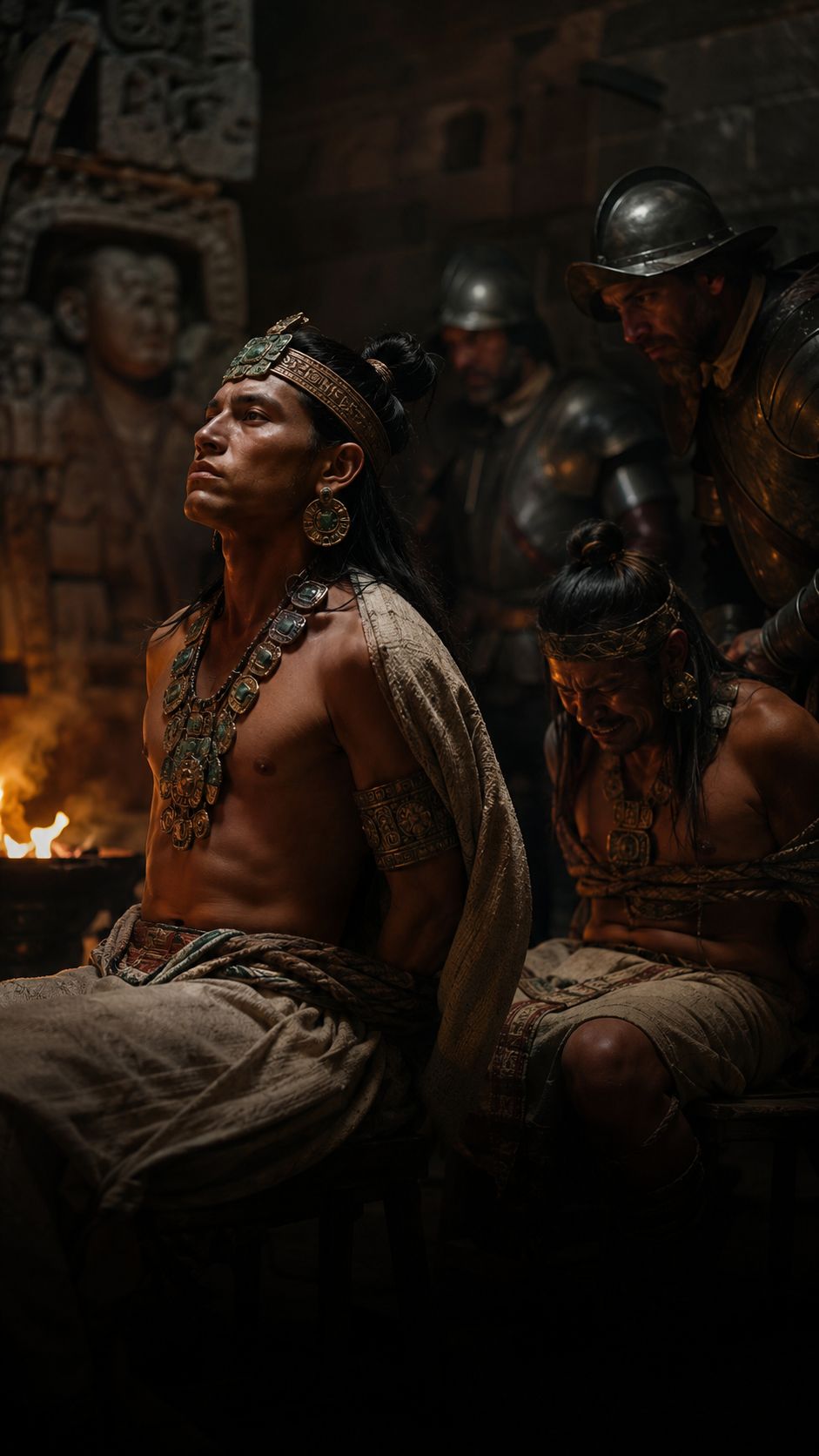 Izancanac, Tabasco · 1525The Last Aztec Emperor Who Never BrokeTortured by fire and marched as a prisoner into the jungle, the last Aztec emperor faced his end with unbroken dignity.
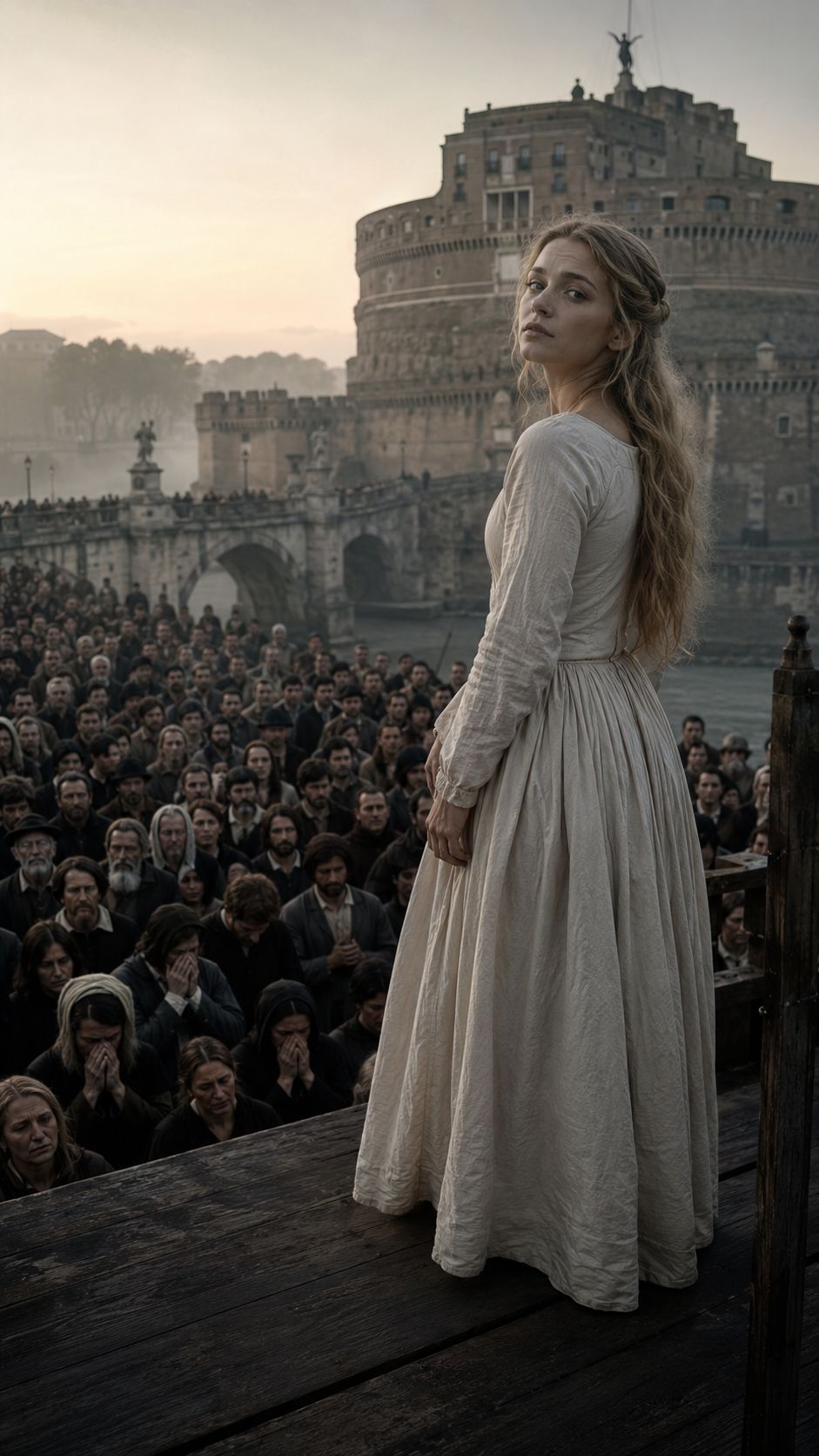 Castel Sant'Angelo, Rome · 1599The Noblewoman Rome Wept For And Executed AnywayDriven to a desperate act by a monstrous father, she was executed while an entire city gathered to weep and beg for her life.
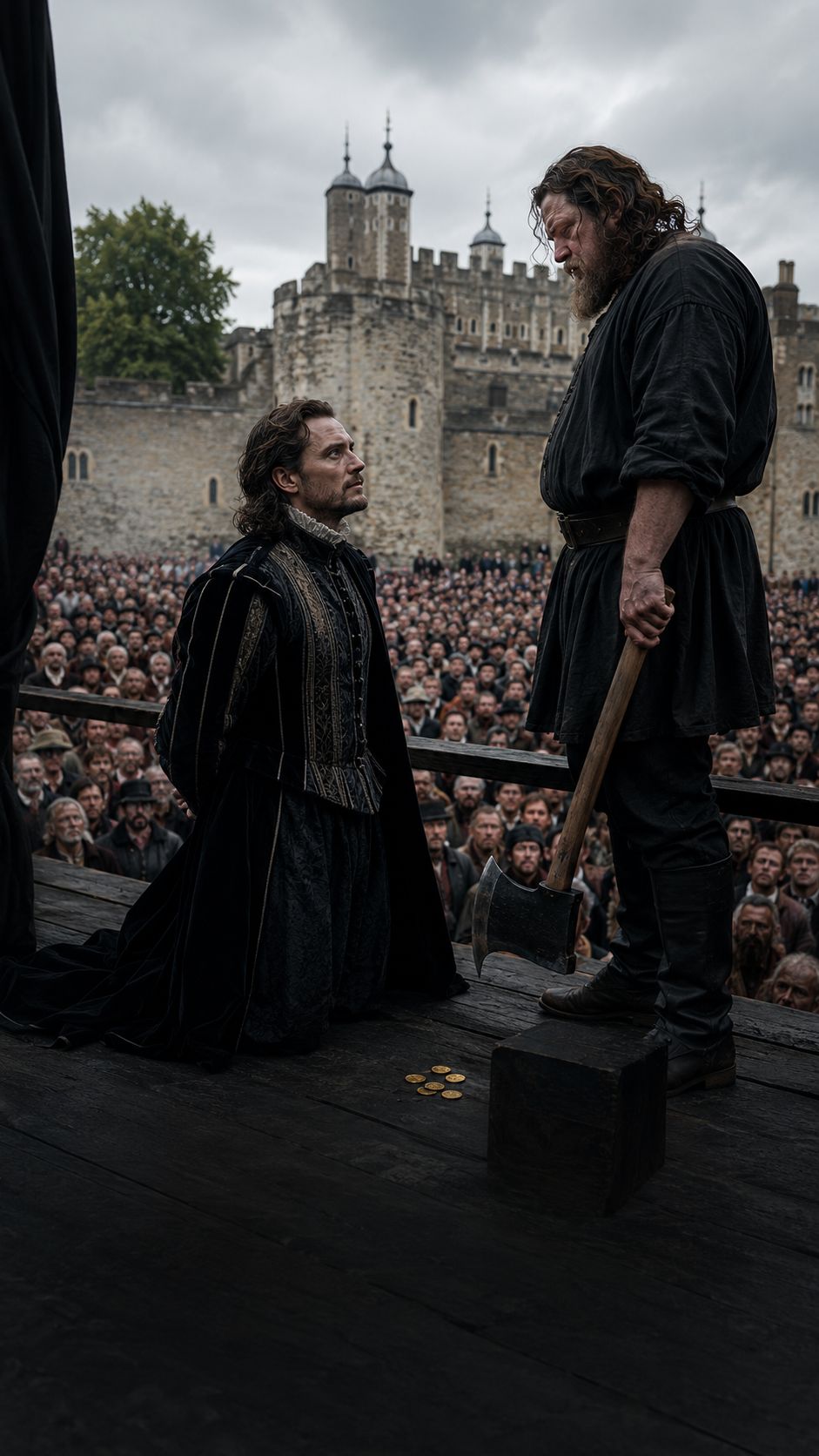 Tower Hill, London · 1685The Botched Beheading That Named The HangmanIt took the executioner several horrific blows to finish the job, and his name became slang for hangman forever.
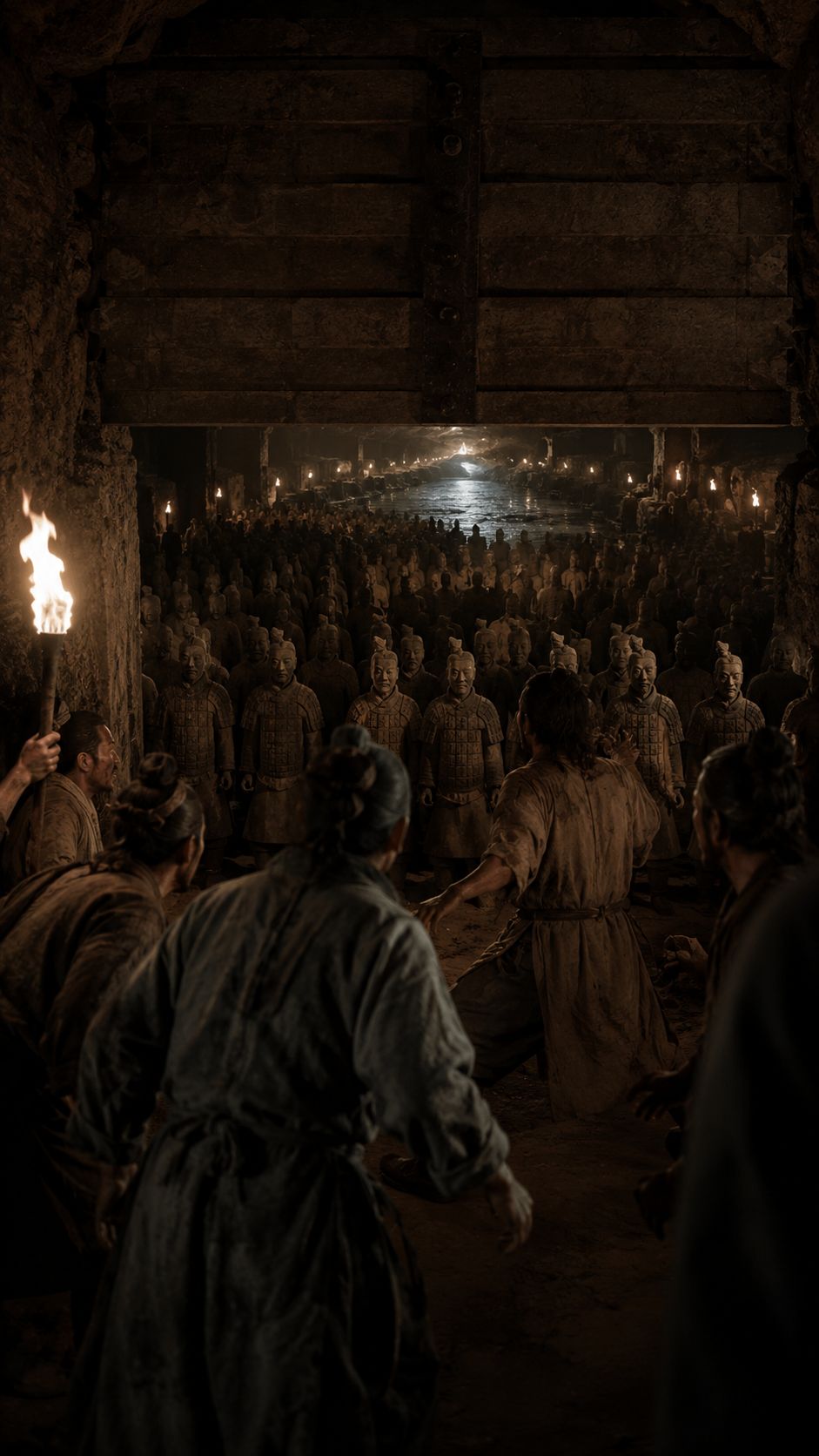 Xi'an · 210 BCThe Buried Army Guarding A Still-Sealed TombFarmers digging a well uncovered thousands of clay soldiers guarding a tomb that has stayed sealed for over two thousand years.
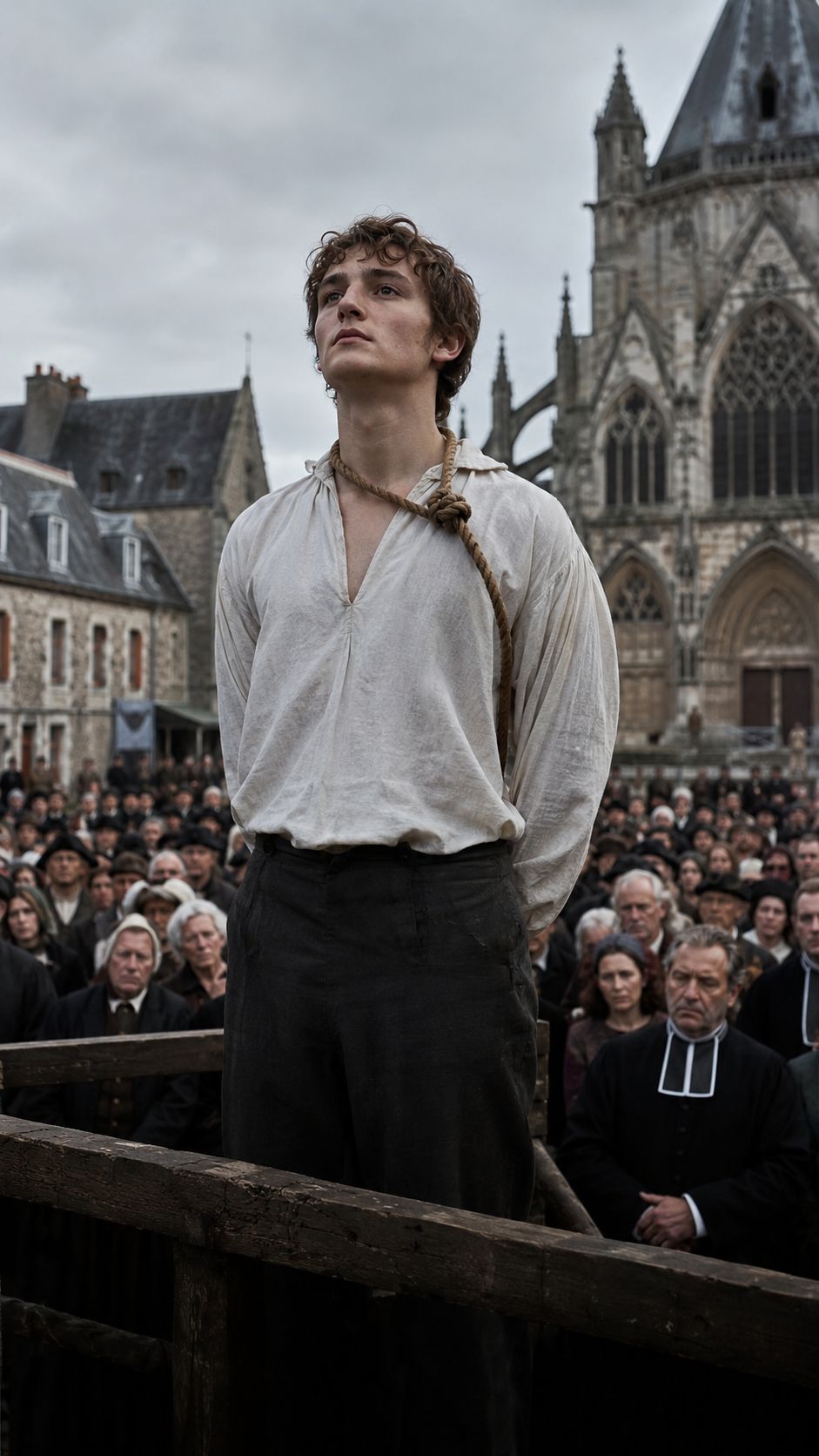 St Paul's Churchyard, London · 1606The Corpse That Answered Back After ExecutionAs the executioner held up his torn-out heart and declared him a traitor, legend says the dead man's body replied.
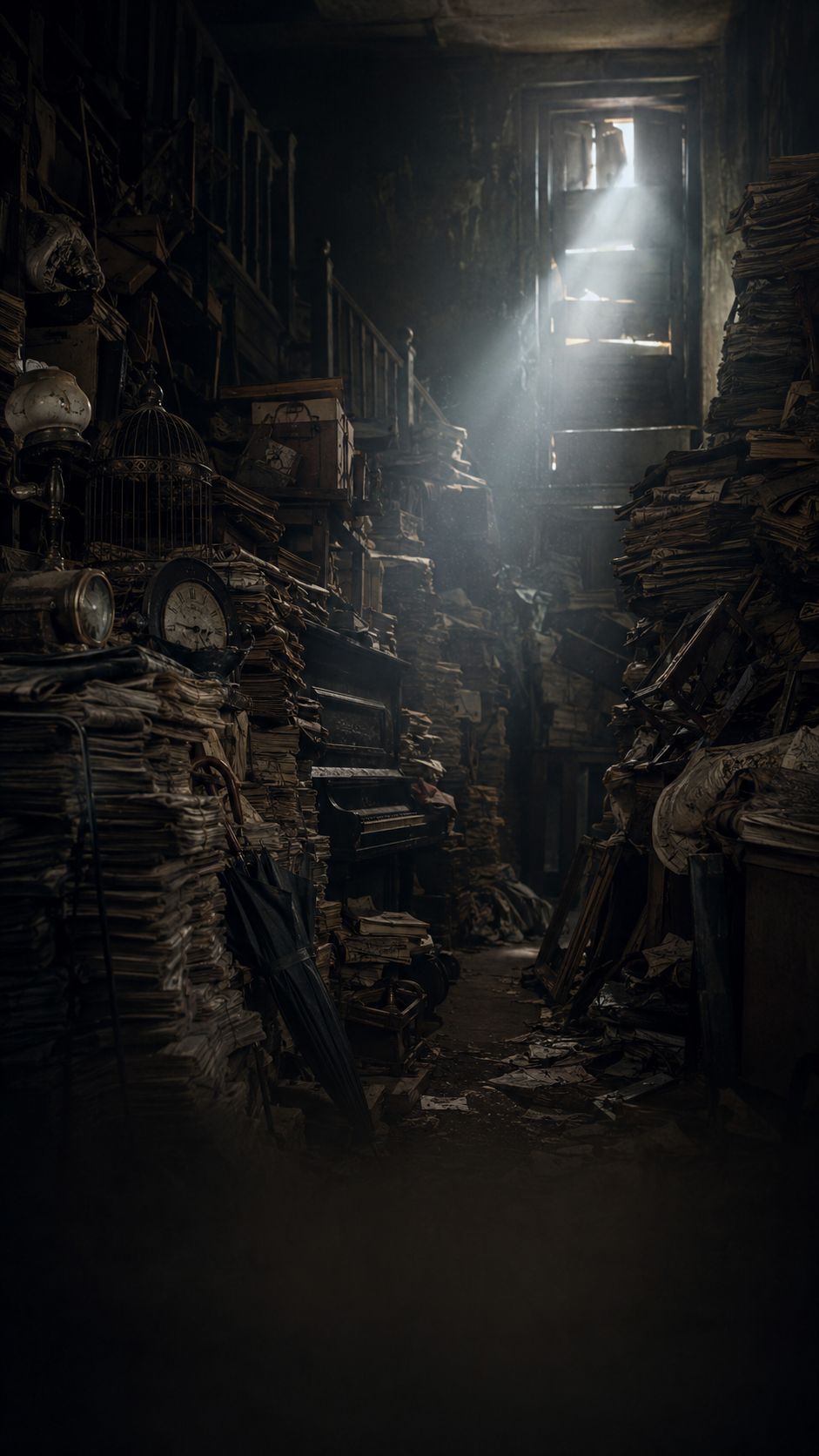 Harlem, New York City · 1947The Hoarders Who Died Buried In Their Own MansionTwo wealthy, brilliant brothers sealed themselves inside a mansion with 140 tons of hoarded junk, and died trapped in it.
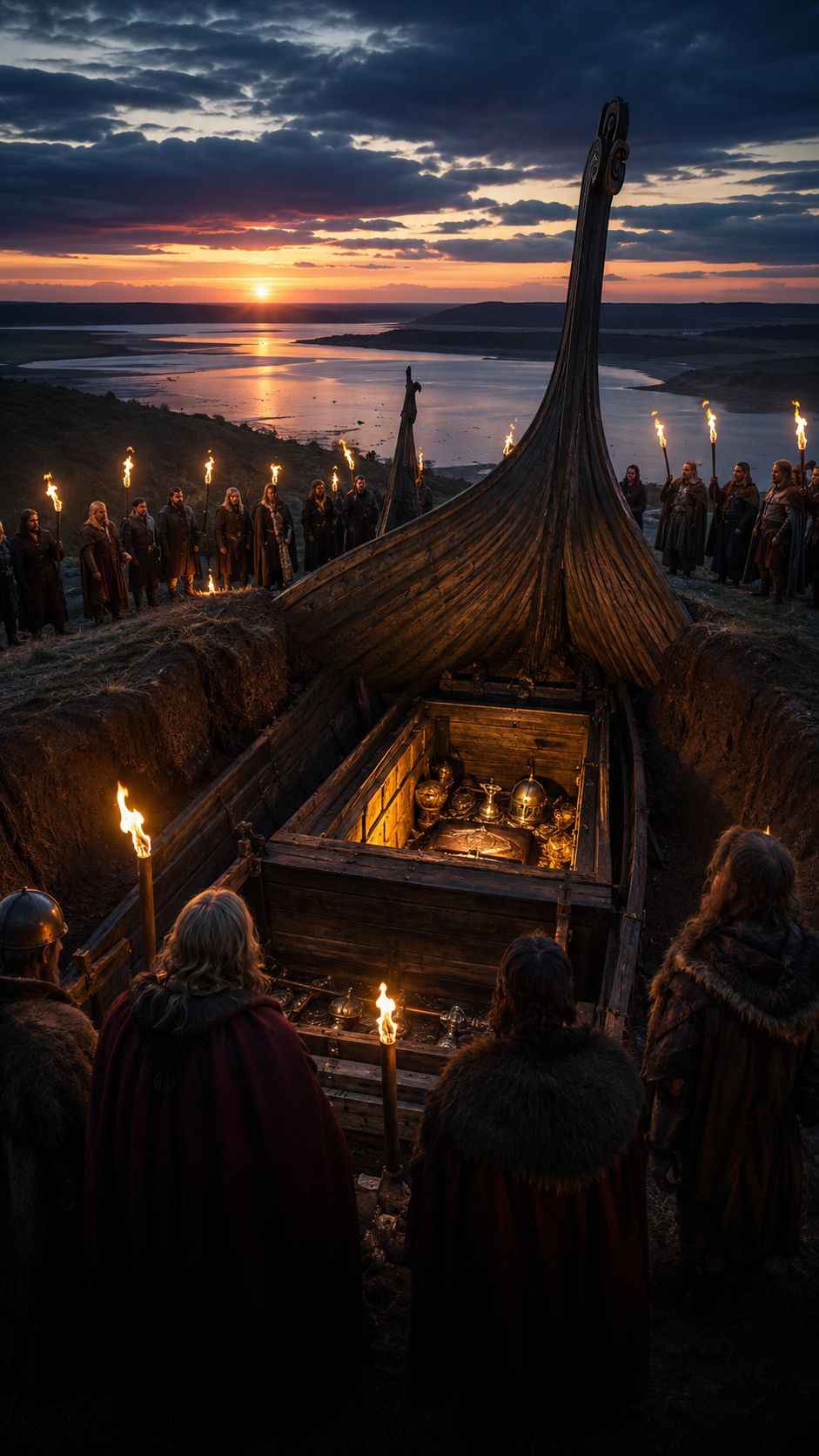 Sutton Hoo, Suffolk · 625The King Who Vanished Into A Body-Shaped VoidA ship burial fit for a king held a fortune in gold, but the king's own body had completely dissolved away.
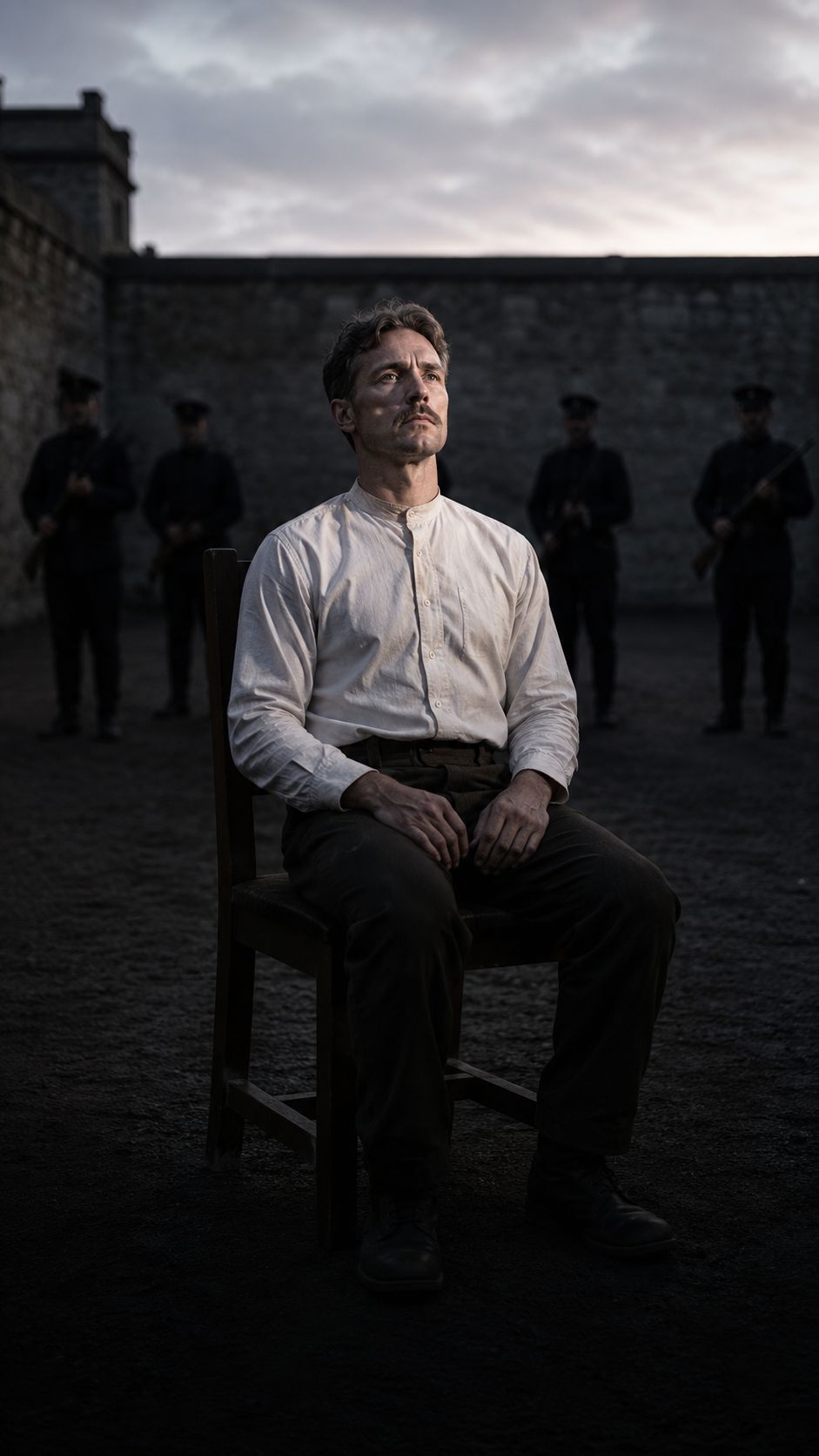 Salt Lake City · 1915The Songwriter Who Said Don't Mourn, OrganizeFacing a firing squad on evidence that would never convict him today, he turned his last telegram into a rallying cry.
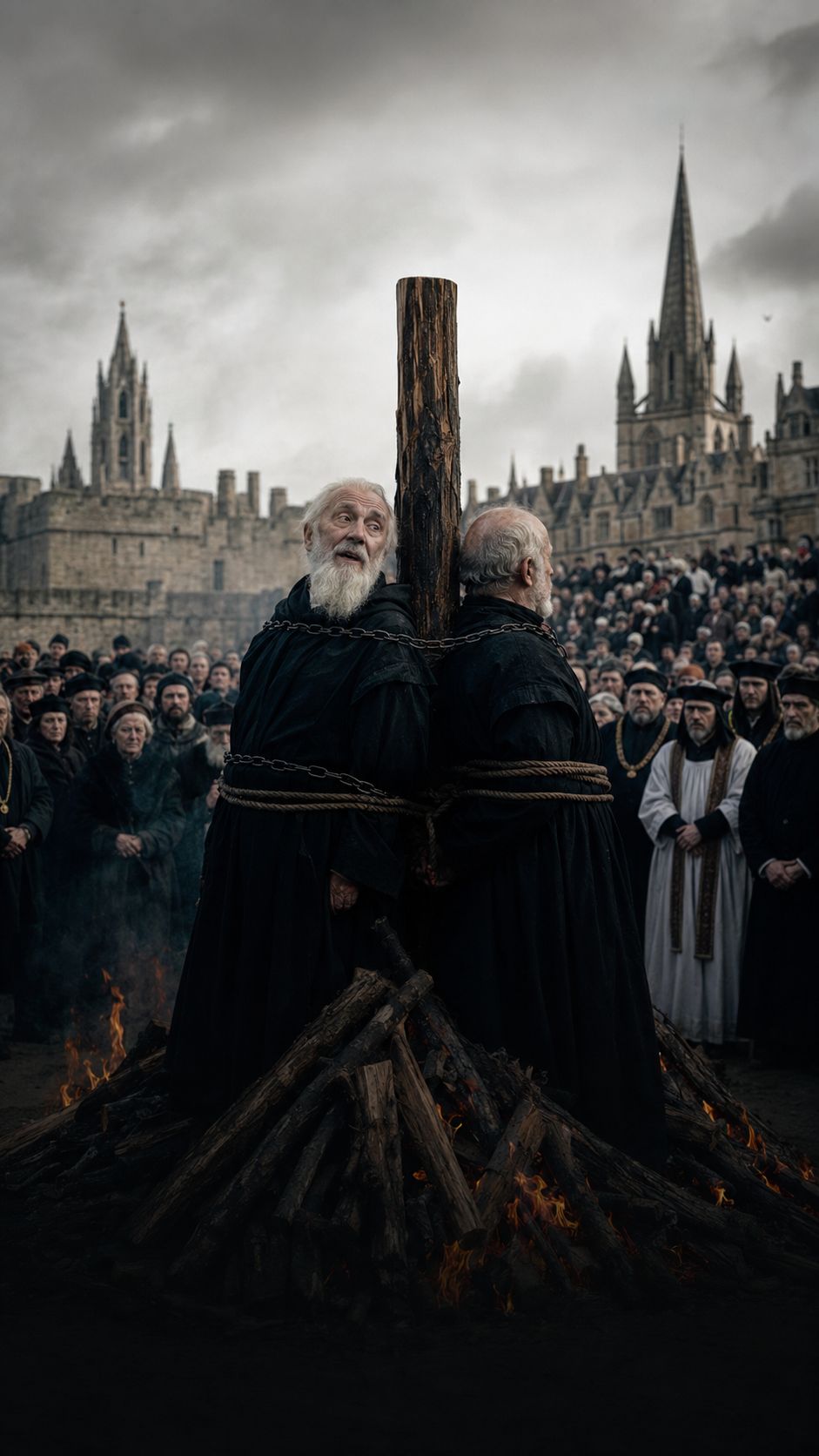 Oxford · 1555The Bishop's Candle That Lit The ReformationBurning at the stake beside a fellow bishop, he promised their deaths would light a candle that could never be put out.
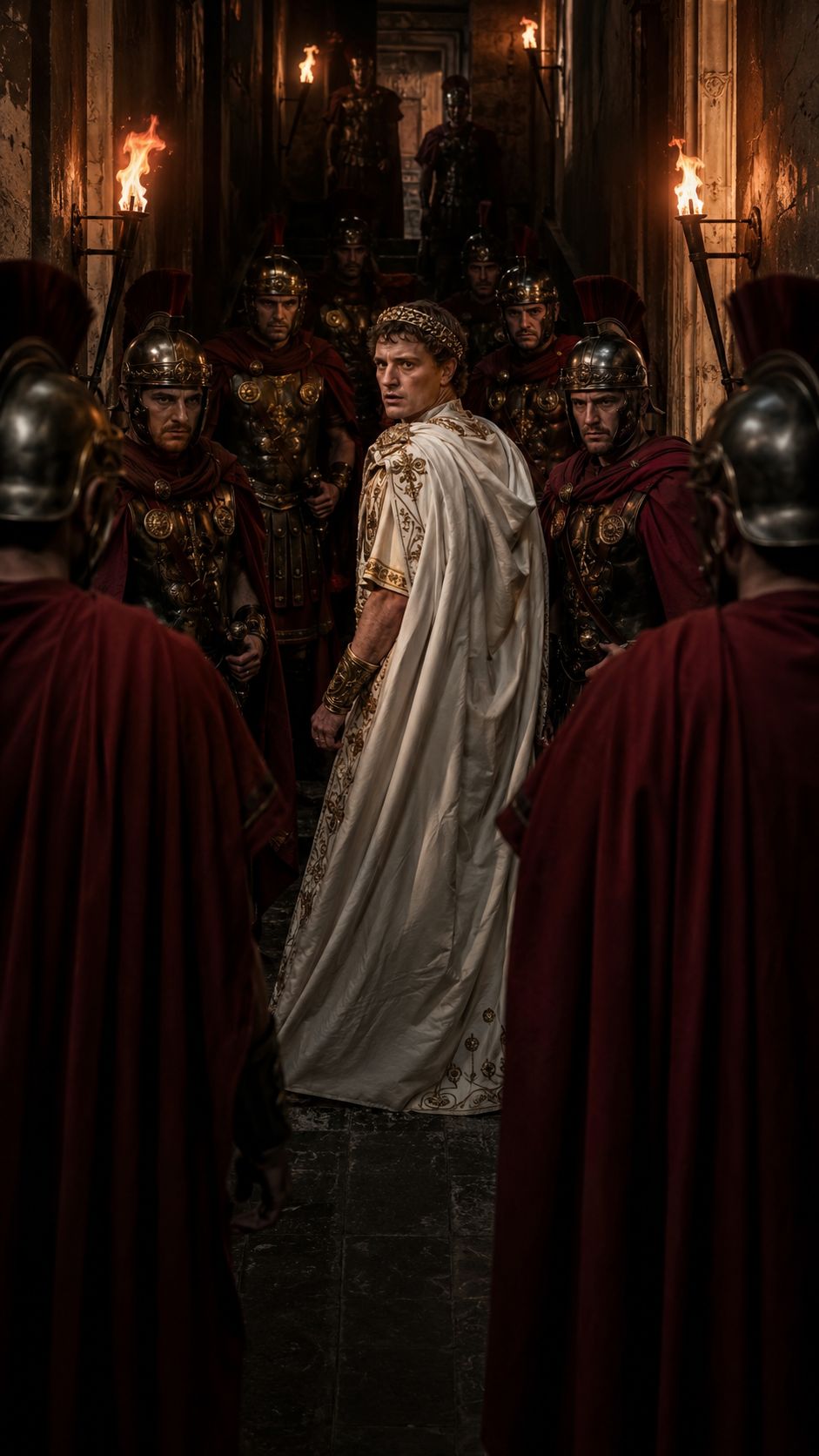 Rome · 222The Boy Emperor Rome Tried To EraseRome hated him so completely that after killing him, they tried to stuff his body down a sewer to deny him even a grave.
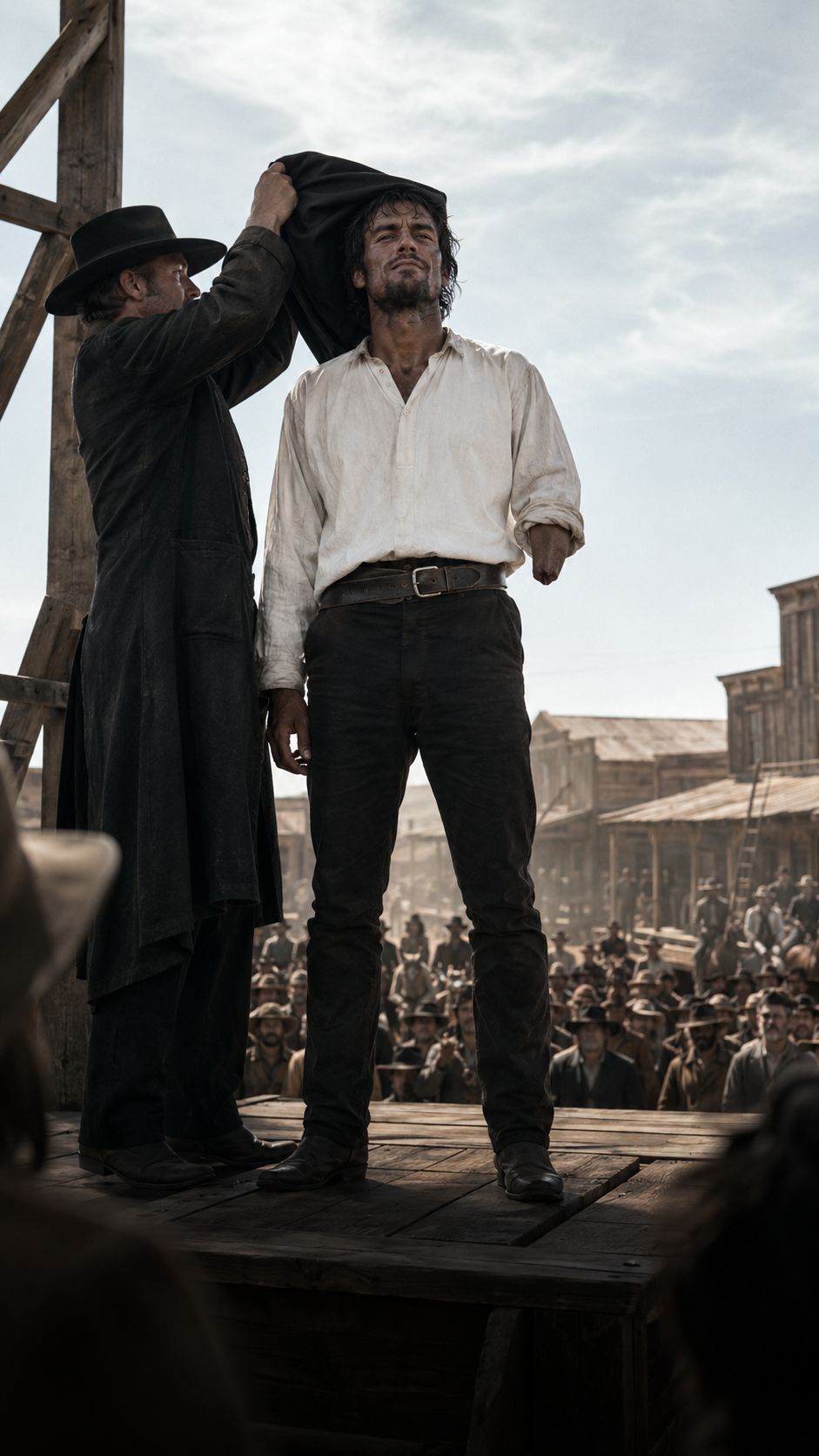 Clayton, New Mexico · 1901The Outlaw Whose Hanging Tore His Head OffA botched hanging in a dusty frontier town ended with the outlaw's head torn clean from his body.
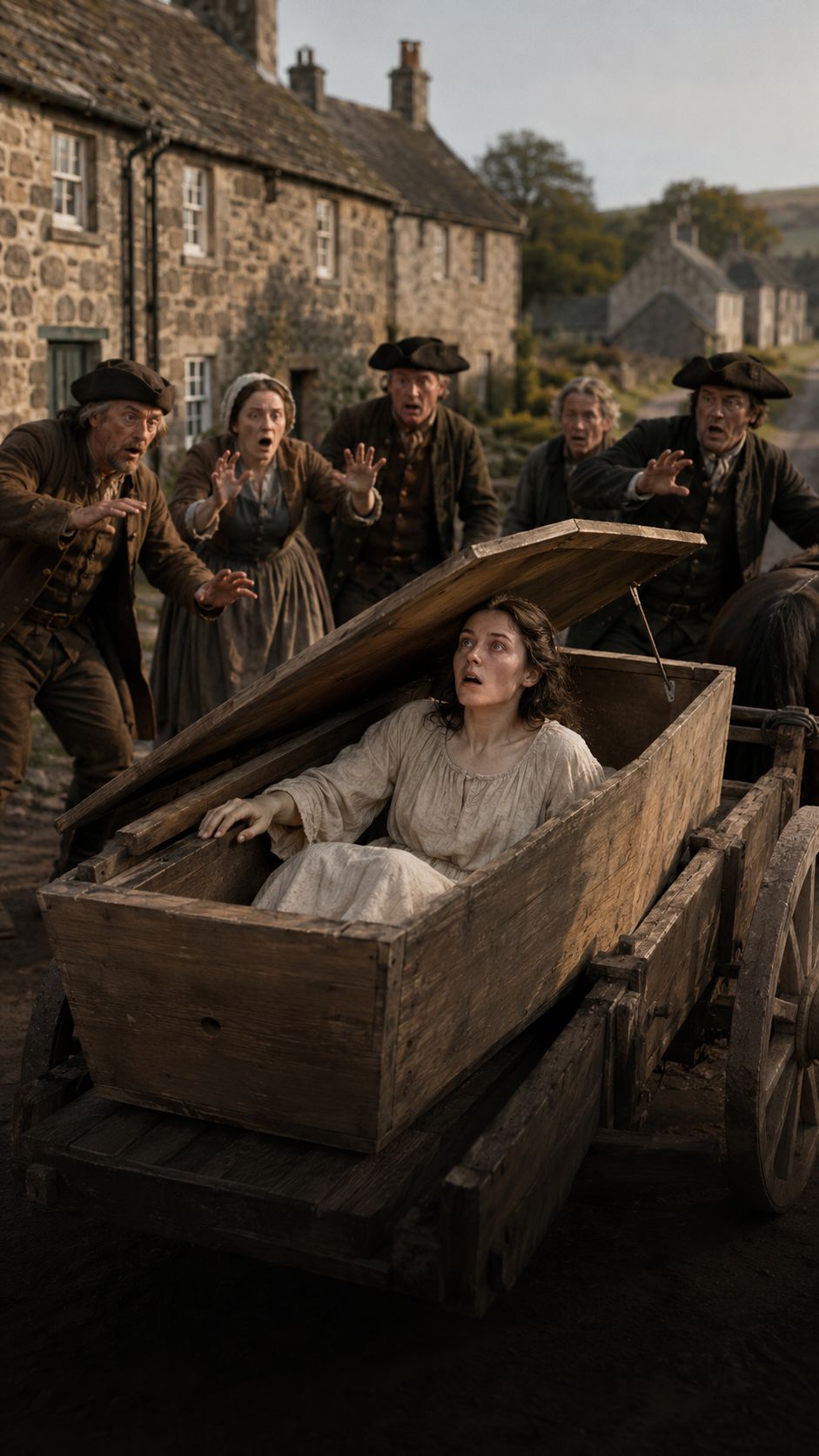 Edinburgh · 1724The Woman Who Woke Up In Her Own CoffinHanged and declared dead, she woke up knocking from inside her sealed coffin on the way to her own funeral.
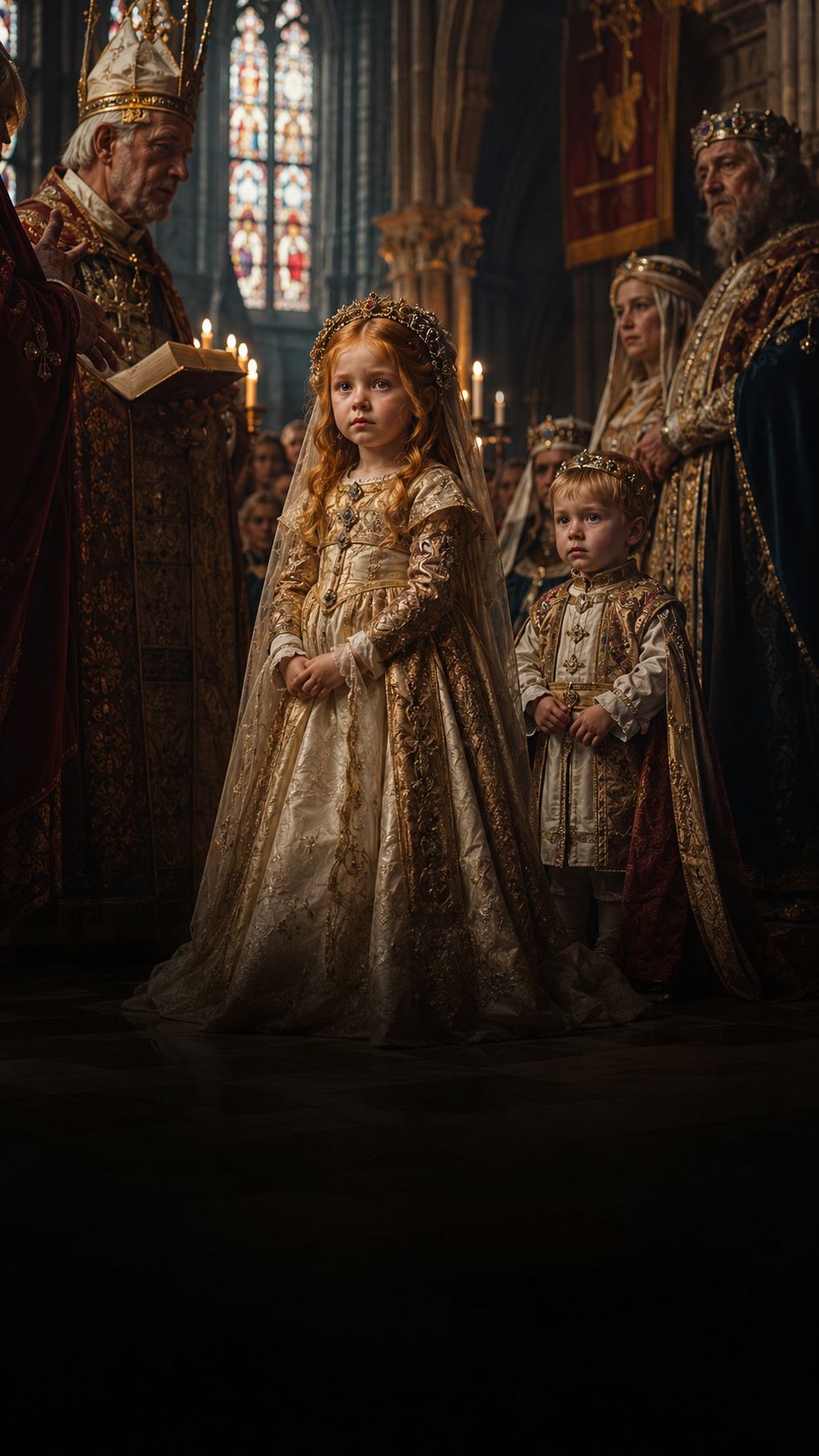 Westminster, London · 1481The Child Bride Whose Coffin Vanished For 500 YearsShe died before she was nine, a pawn of kings, and her tiny coffin was lost until a digging machine tore it open centuries later.
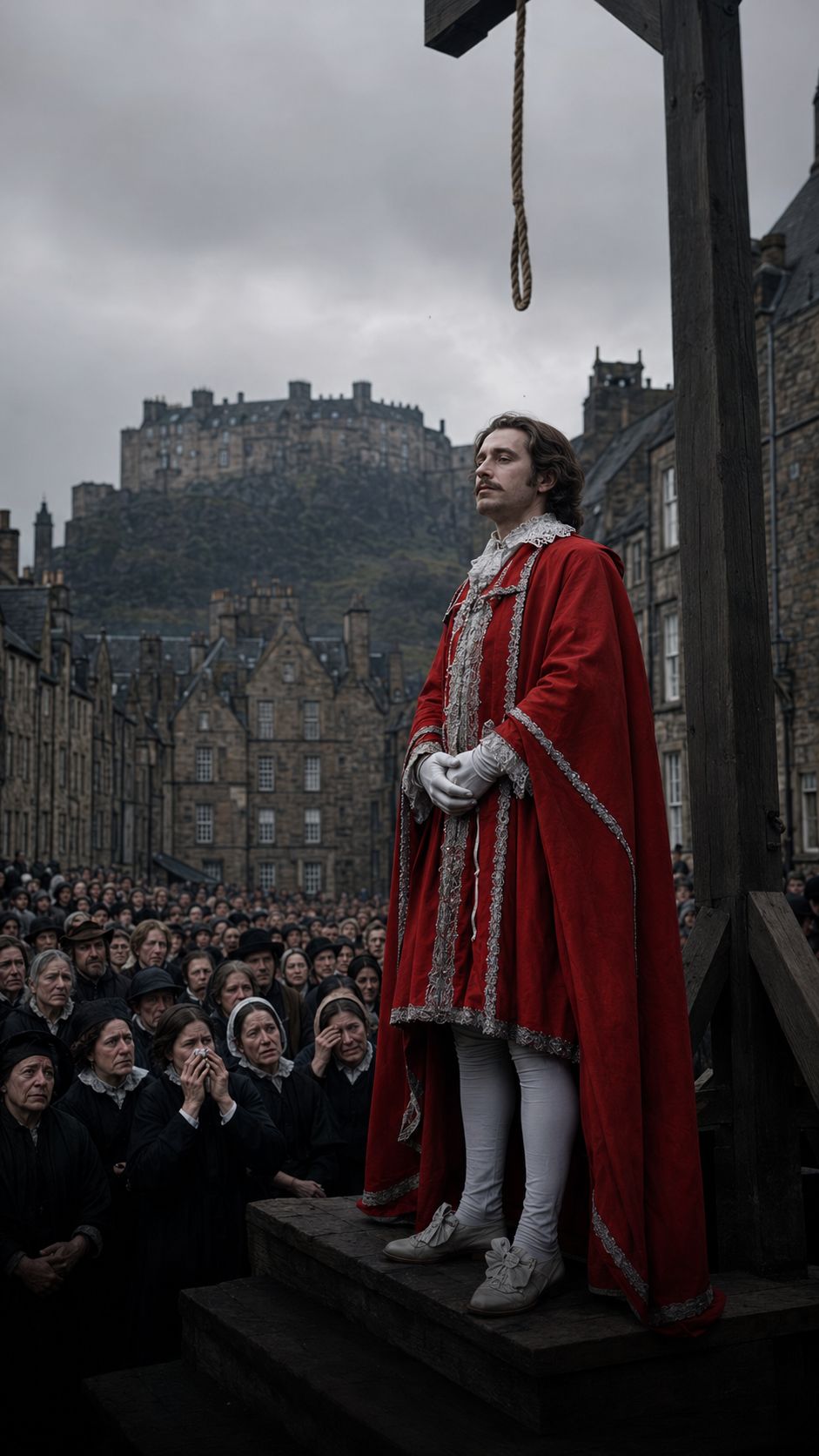 Edinburgh · 1650The General Hanged Then Scattered Across ScotlandBetrayed and humiliated at his own execution, he turned it into a final, shaming display of unbroken dignity.
 Abbeville · 1766Tortured To Death Over A HatA nineteen-year-old nobleman was tortured and executed for blasphemy in a case that scandalised all of Enlightenment Europe.
 Sparta · 424 BCSparta's Secret Death Squad Of Teenage KillersSparta's elite trained teenage boys to murder enslaved Helots in the dark as a rite of passage into manhood.
 Barnet, London · 1471The Kingmaker Who Died By His Own KingsThe man who made and unmade English kings was finally cut down on the battlefield of his own choosing.
 Berkeley Castle, Berkeley · 1327The She-Wolf Who Overthrew Her Own KingA humiliated queen raised an army against her own husband and brought down a King of England.
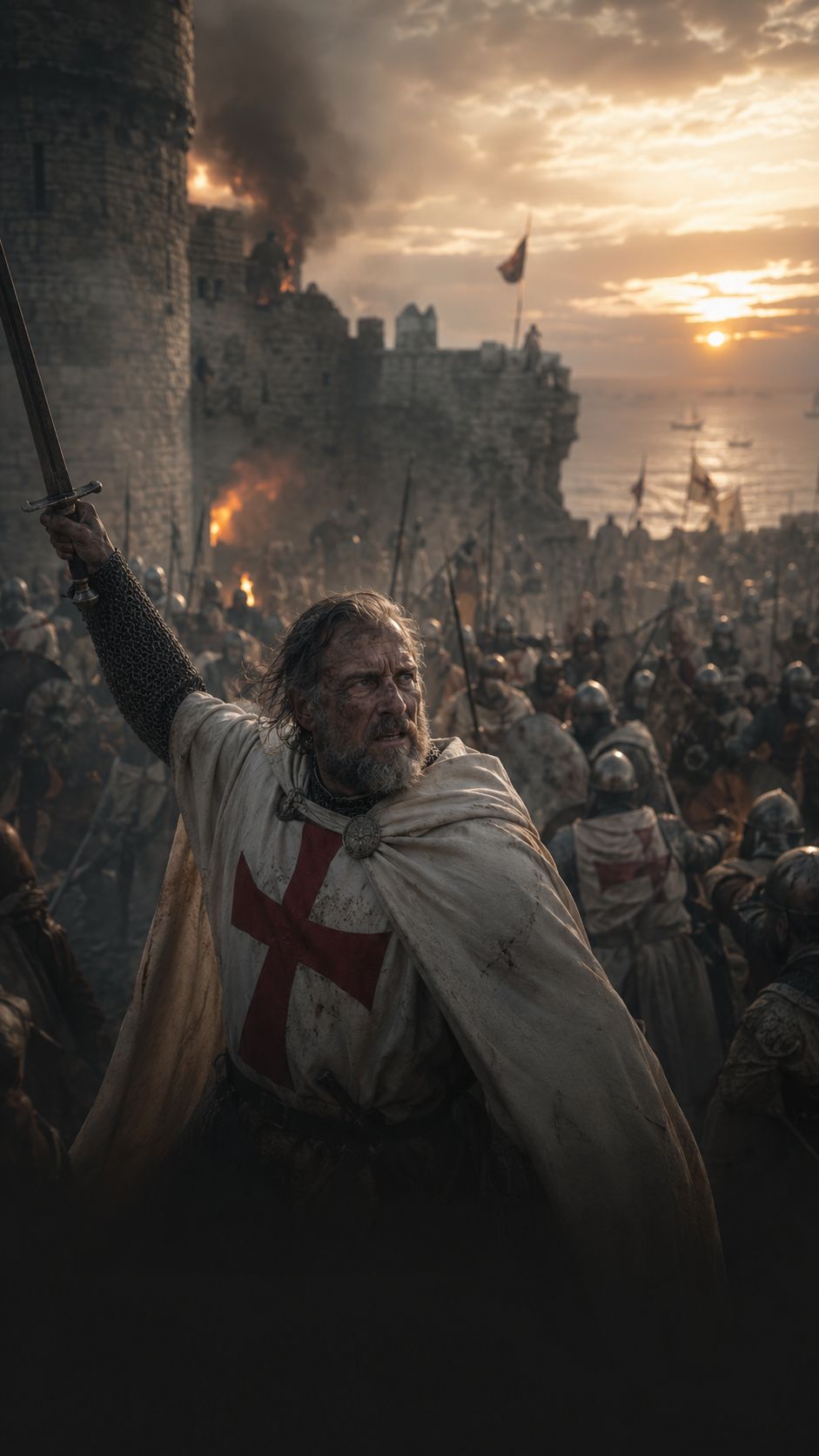 Acre · 1291The Templars' Last Stand As Acre FellTrapped in their last fortress, the final Templars chose to bring the walls down on everyone rather than surrender.
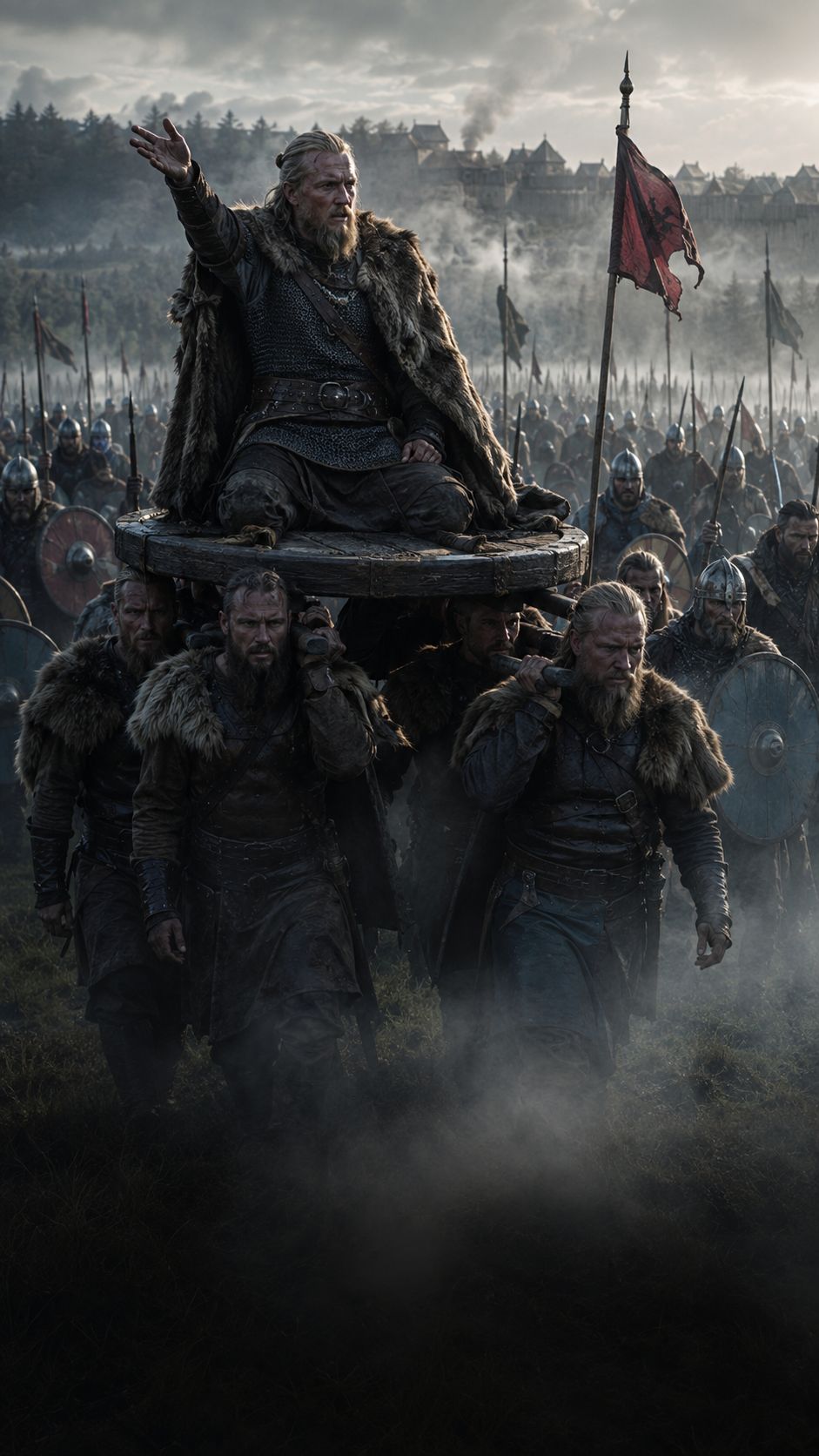 Repton, Derbyshire · 873The Viking Whose Bones May Have Been FoundA legendary Viking believed his bones would magically protect the land, and centuries later a mass grave may have proven it true.
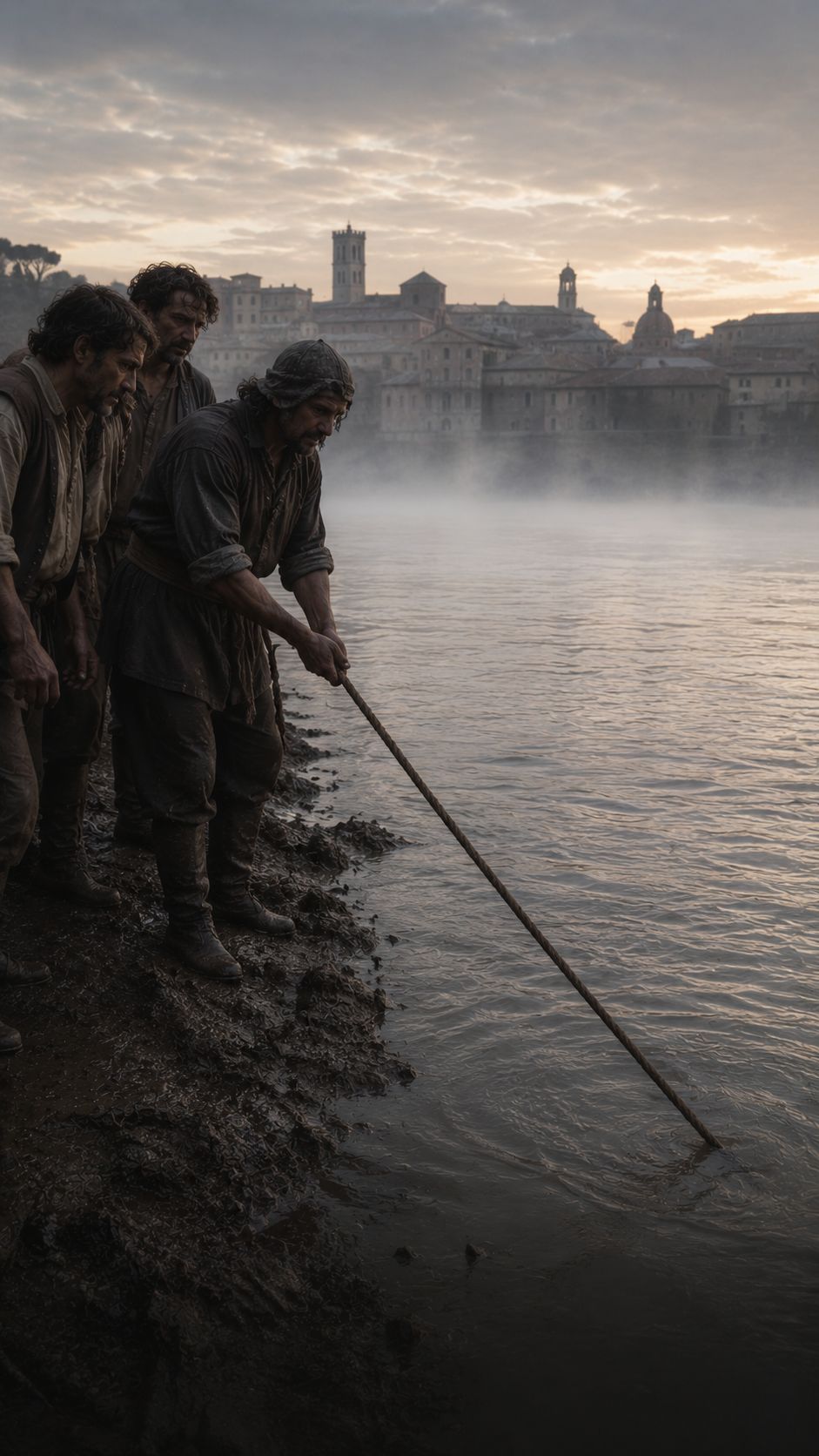 Rome · 1497The Borgia Pope's Unsolved Family MurderThe pope's own favourite son was murdered and dumped in the Tiber, with suspicion pointing straight at his own brother.
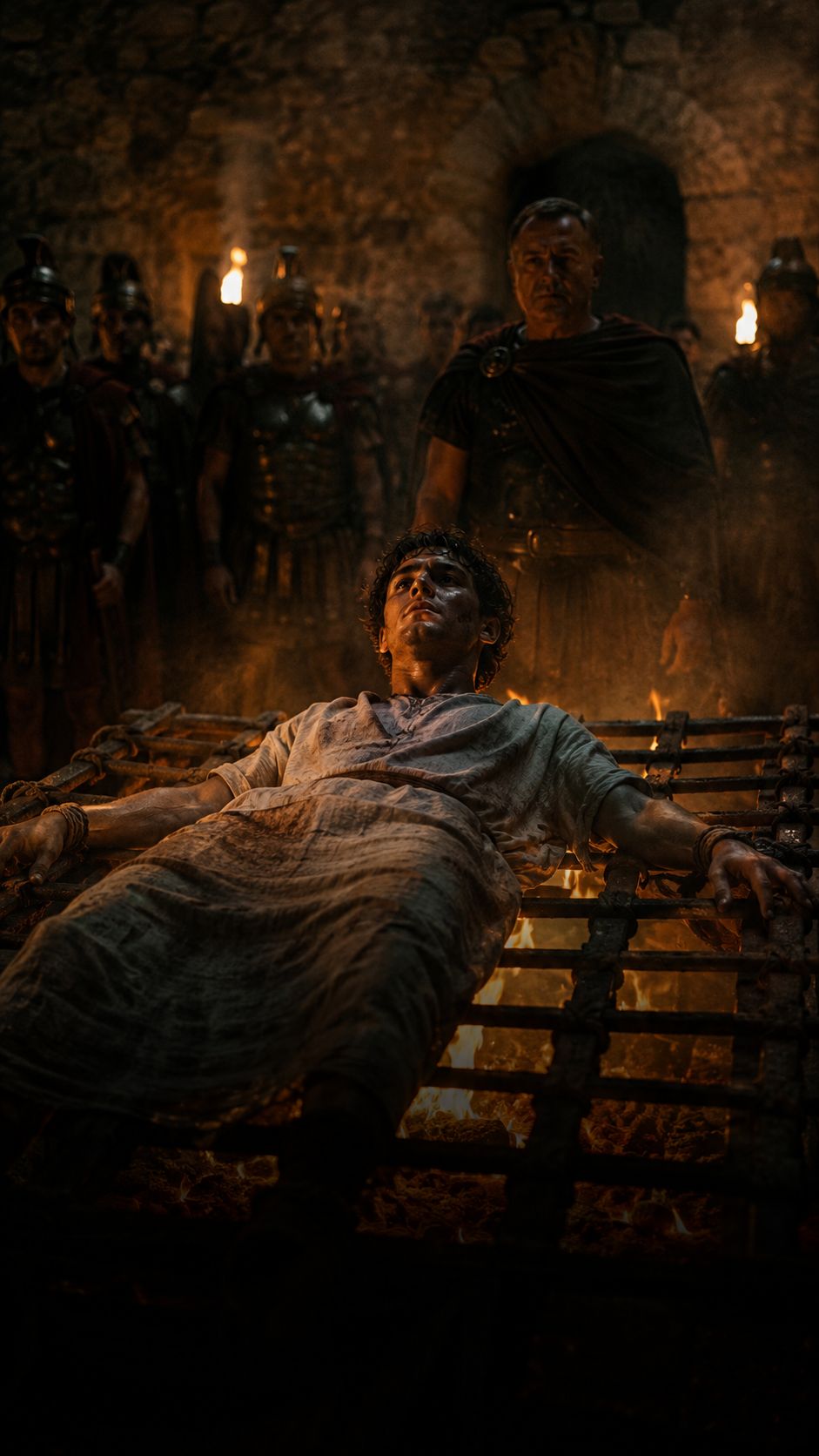 Rome · 258The Deacon Who Joked While Roasting AliveOrdered to hand over the Church's treasure, he presented the poor instead, and paid with a slow death by fire.
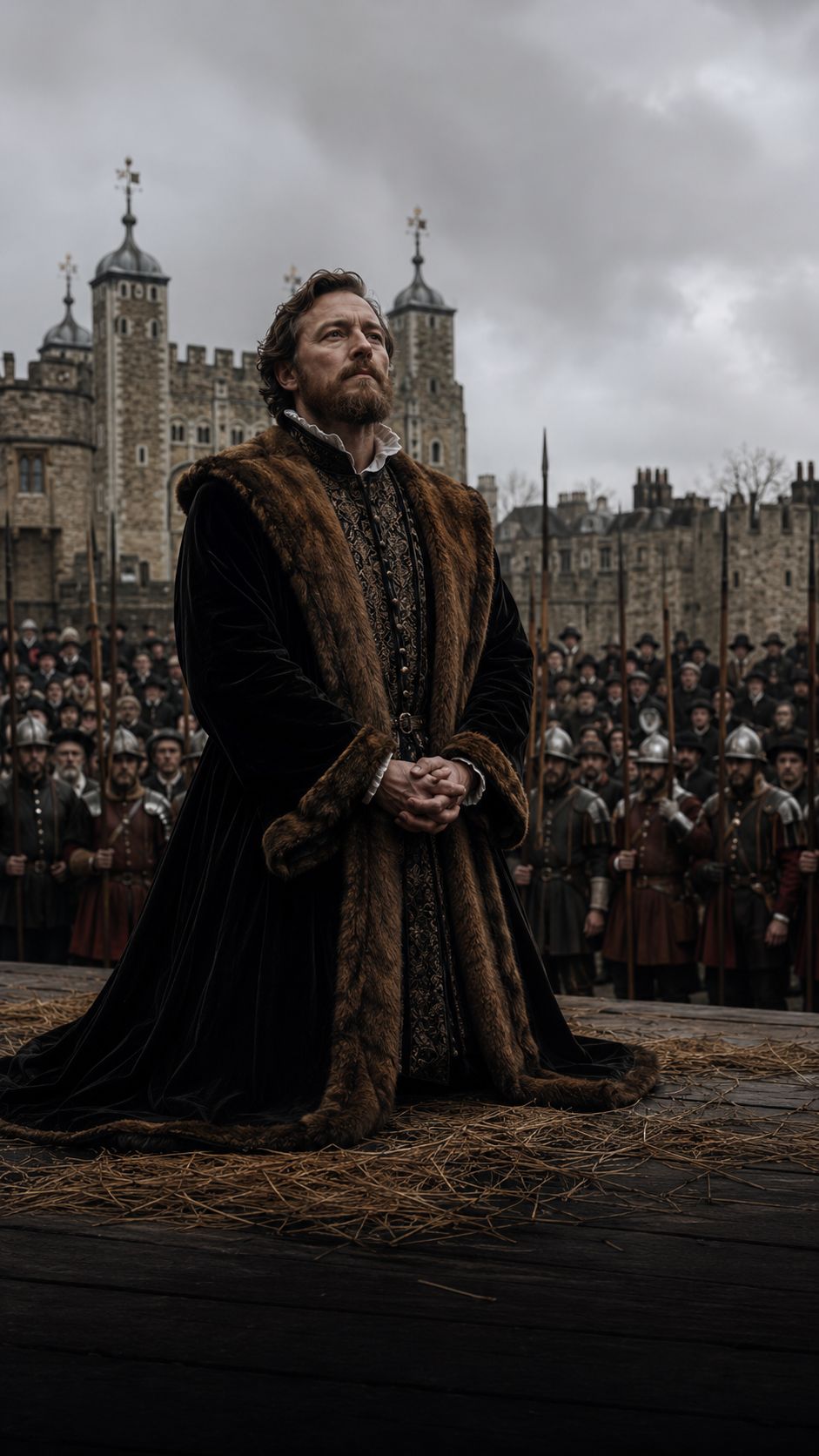 Tower Hill, London · 1521The Duke Whose Royal Blood Was a Death SentenceHis royal Plantagenet blood made him too dangerous to live under a paranoid, sonless Henry VIII.
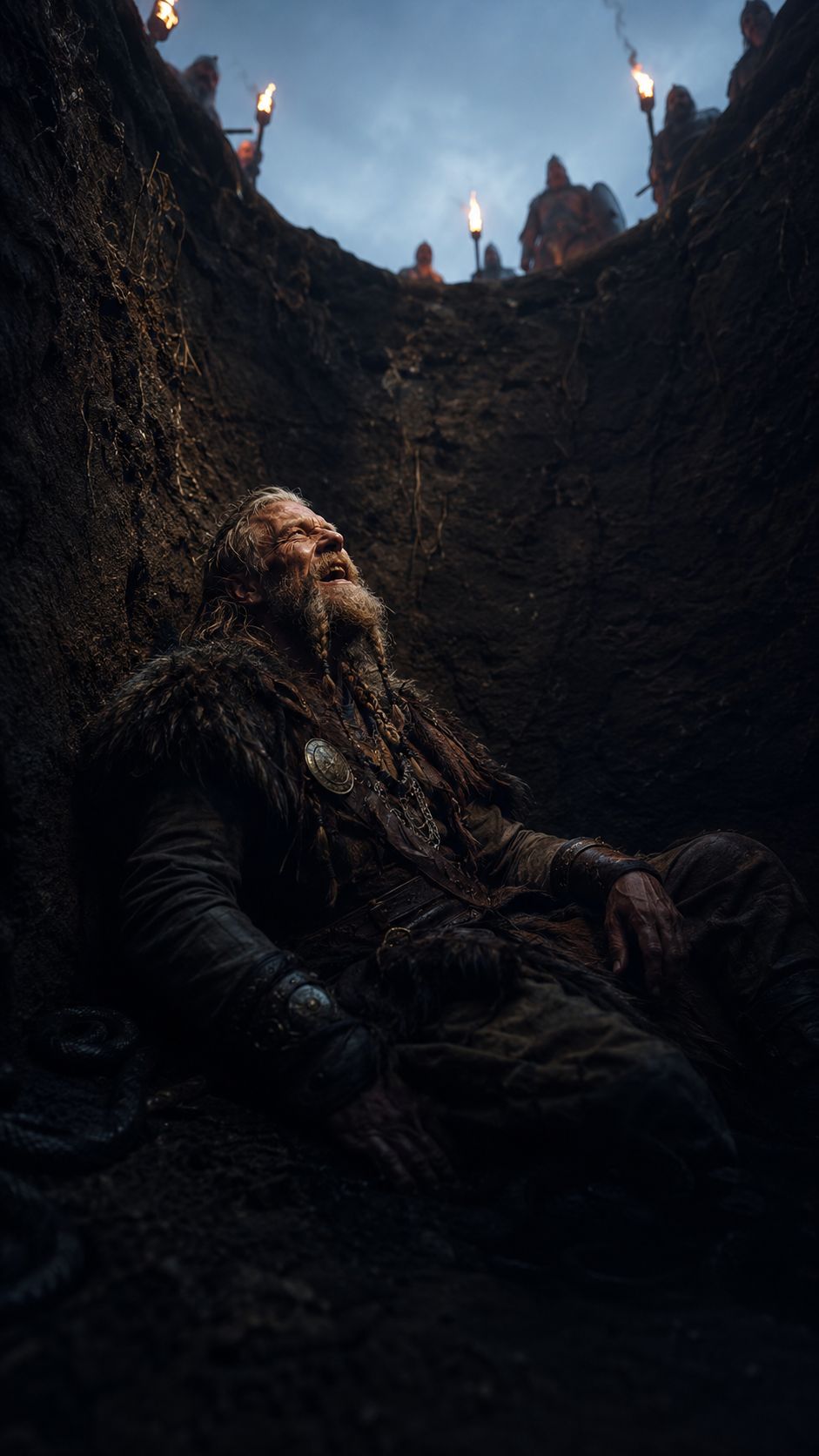 York · 865The Viking Legend Who Died Laughing In A Snake PitThrown into a pit of vipers, the legendary Viking king reportedly laughed as he died, and his sons avenged him with an army.
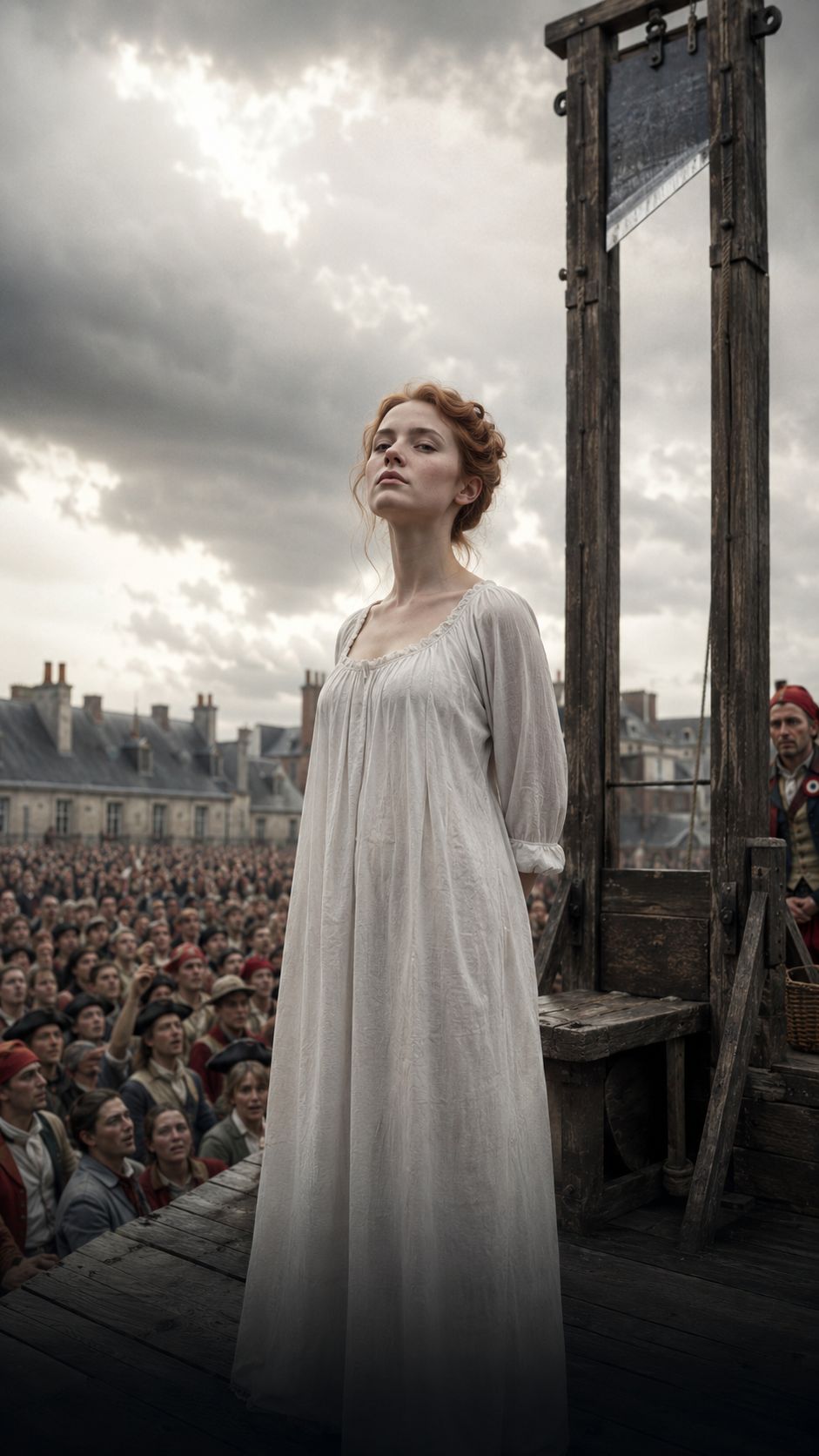 Paris · 1793The Assassin Whose Severed Head BlushedShe murdered a revolutionary leader in his bath to save France, and witnesses swore her severed head reddened afterward.
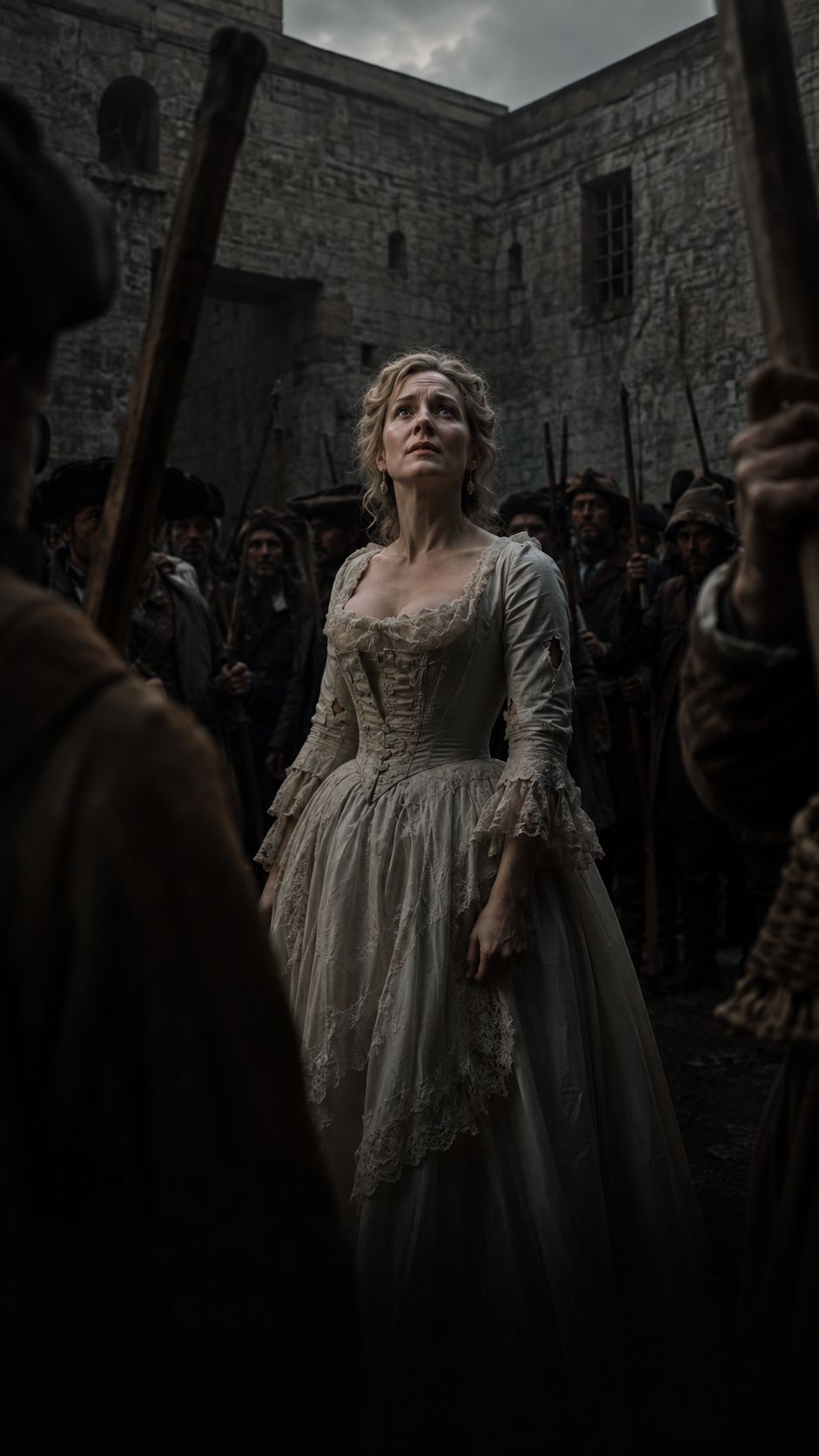 Paris · 1792The Queen's Friend Whose Head Was Paraded on a PikeShe could have fled the Revolution safely, but chose loyalty to Marie Antoinette, and it destroyed her horrifically.
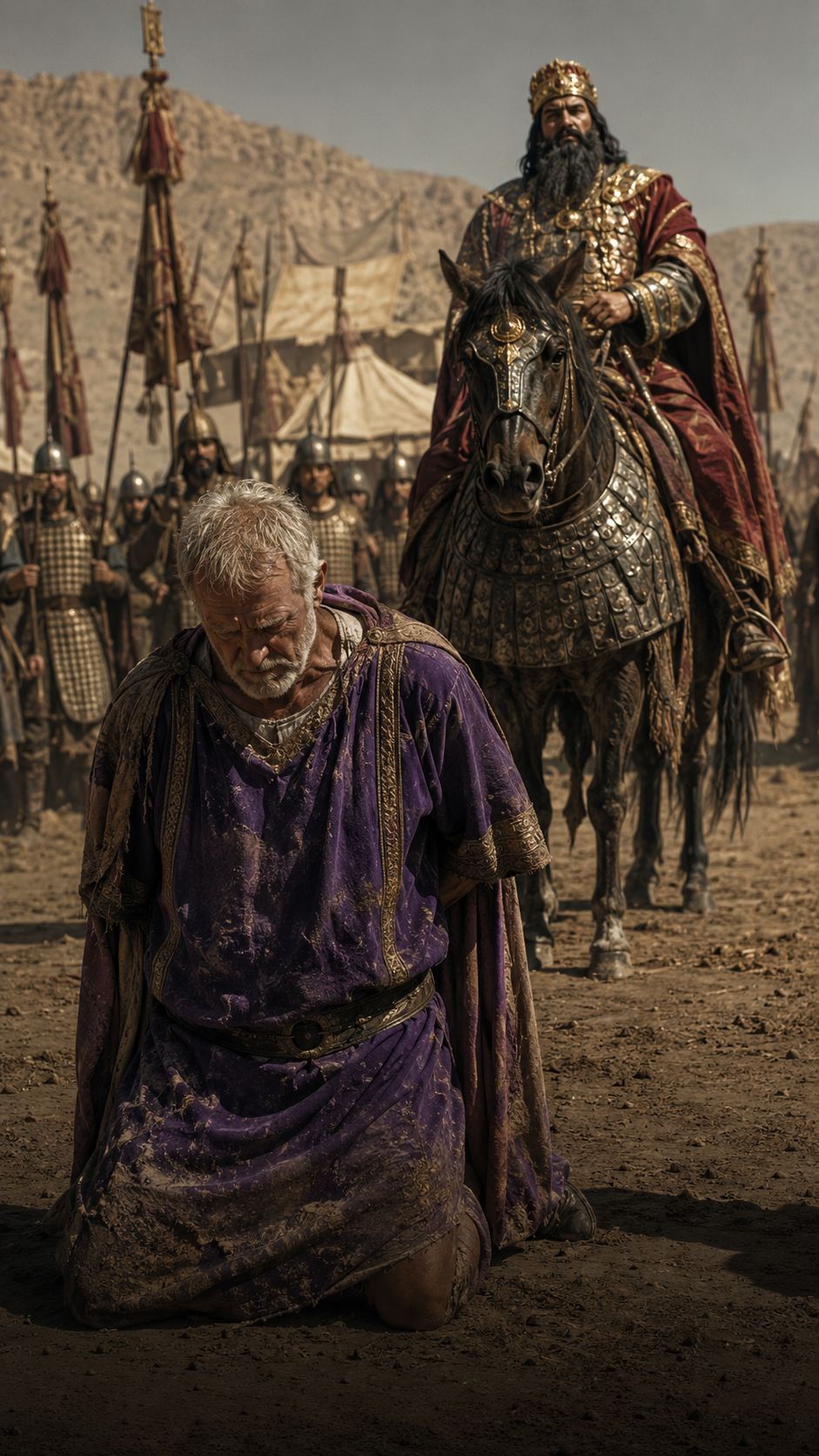 Naqsh-e Rostam, near Persepolis · 260The Roman Emperor Carved Into a Persian CliffNo Roman emperor suffered a fate worse than his, captured alive and immortalised in stone as a monument to Roman humiliation.
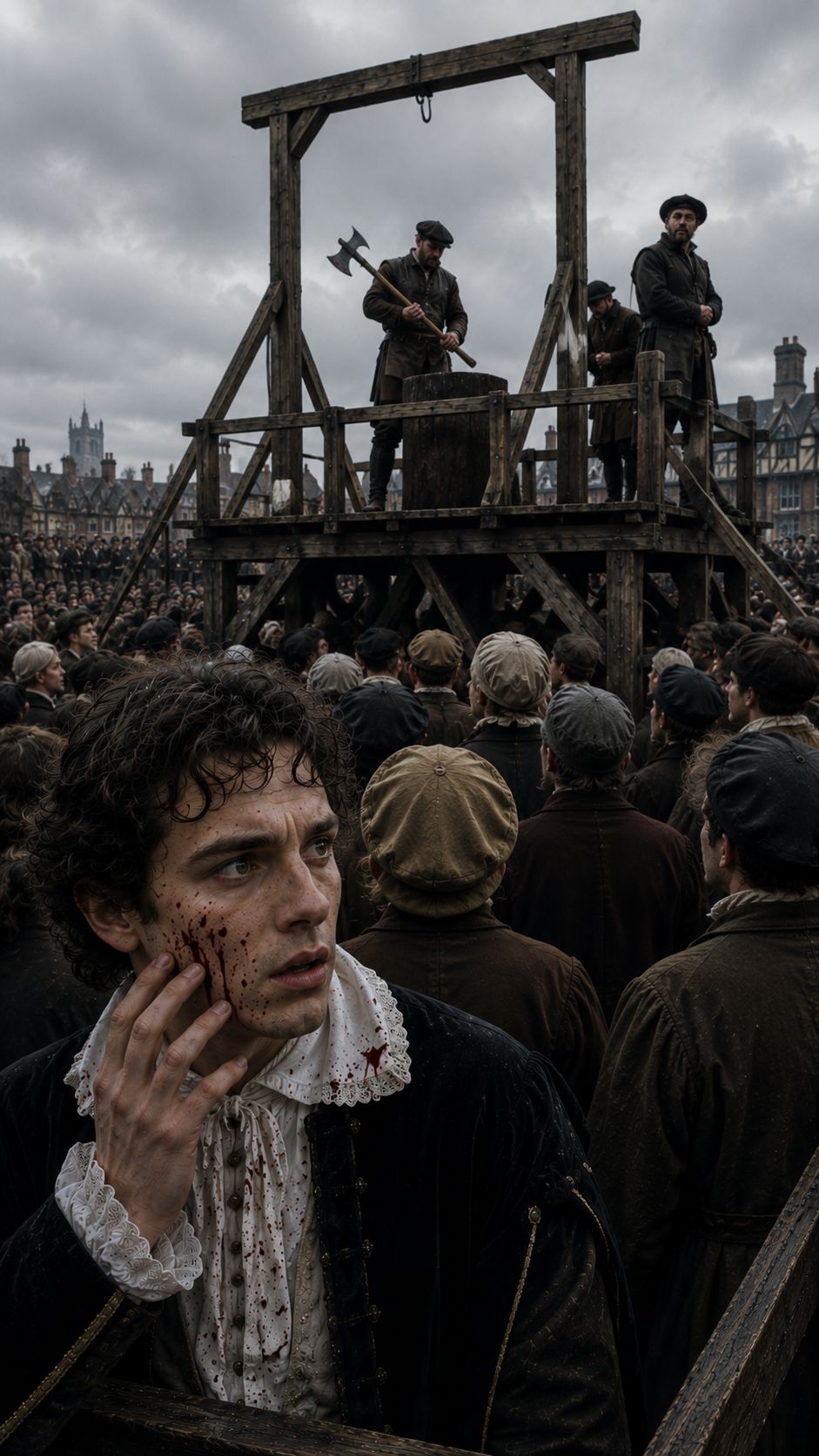 Paris · 1610The Assassin Who Expected To Be A HeroA man stabbed France's most beloved king believing God had sent him, then waited calmly to be captured and celebrated.
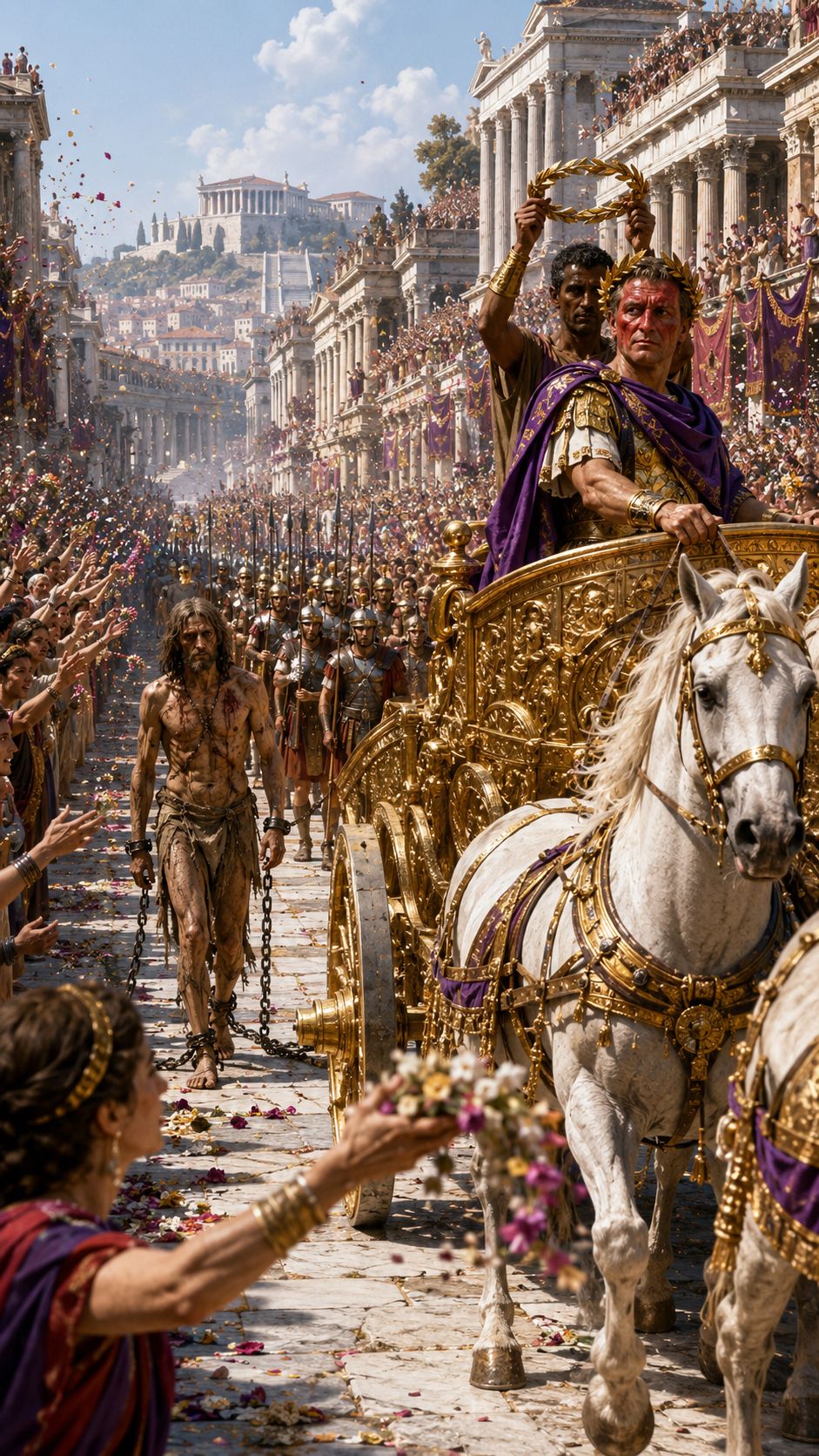 Rome · 46 BCThe Chieftain Who Surrendered To Save His PeopleThe Gallic leader who nearly beat Caesar rode out to surrender rather than let his starving people die, and spent six years dying slowly in a Roman prison.
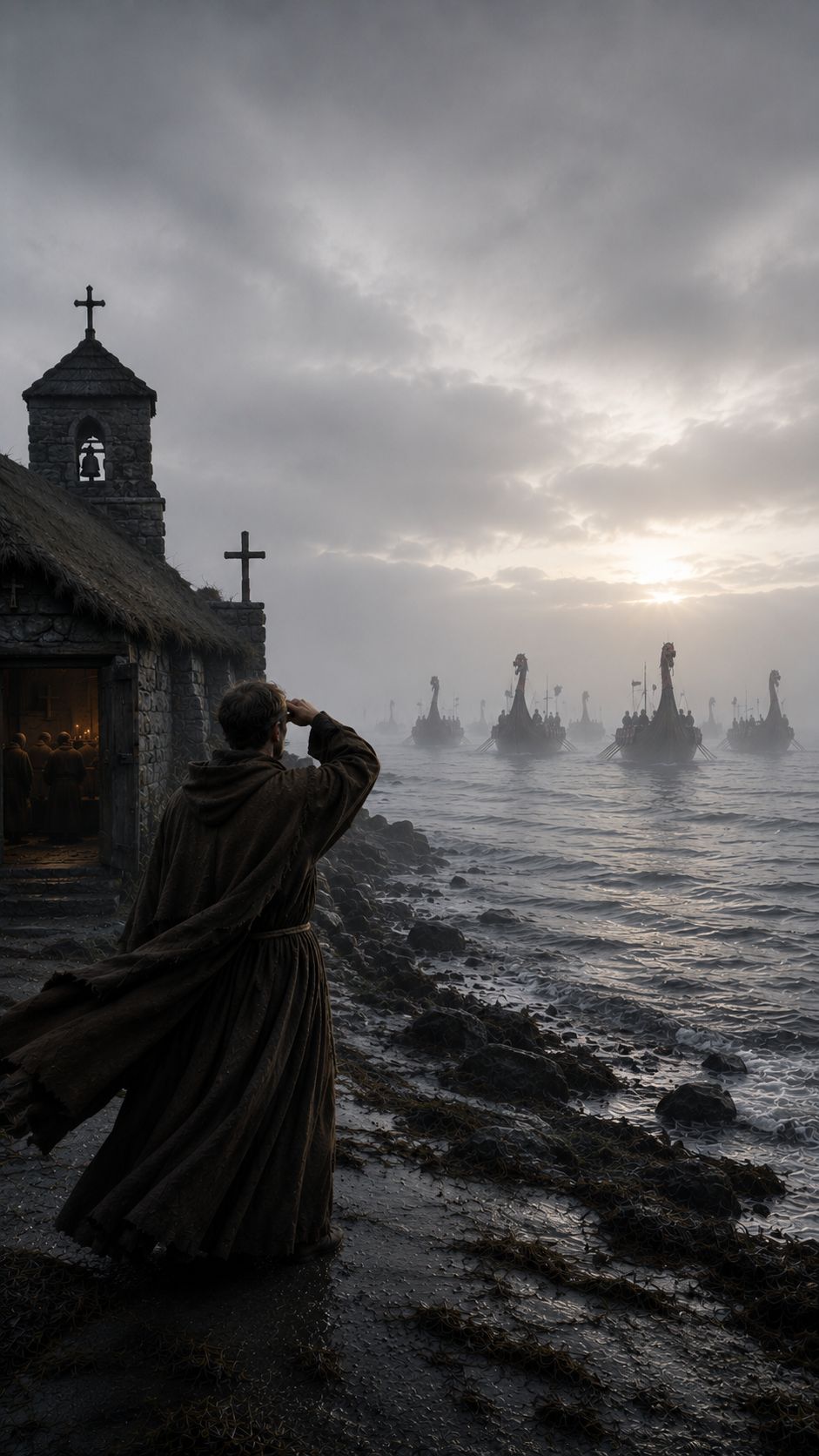 Lindisfarne · 793The Dragons That Came By SeaStrange omens filled the Northumbrian sky before Vikings landed at Lindisfarne and shattered 150 years of monastic peace.
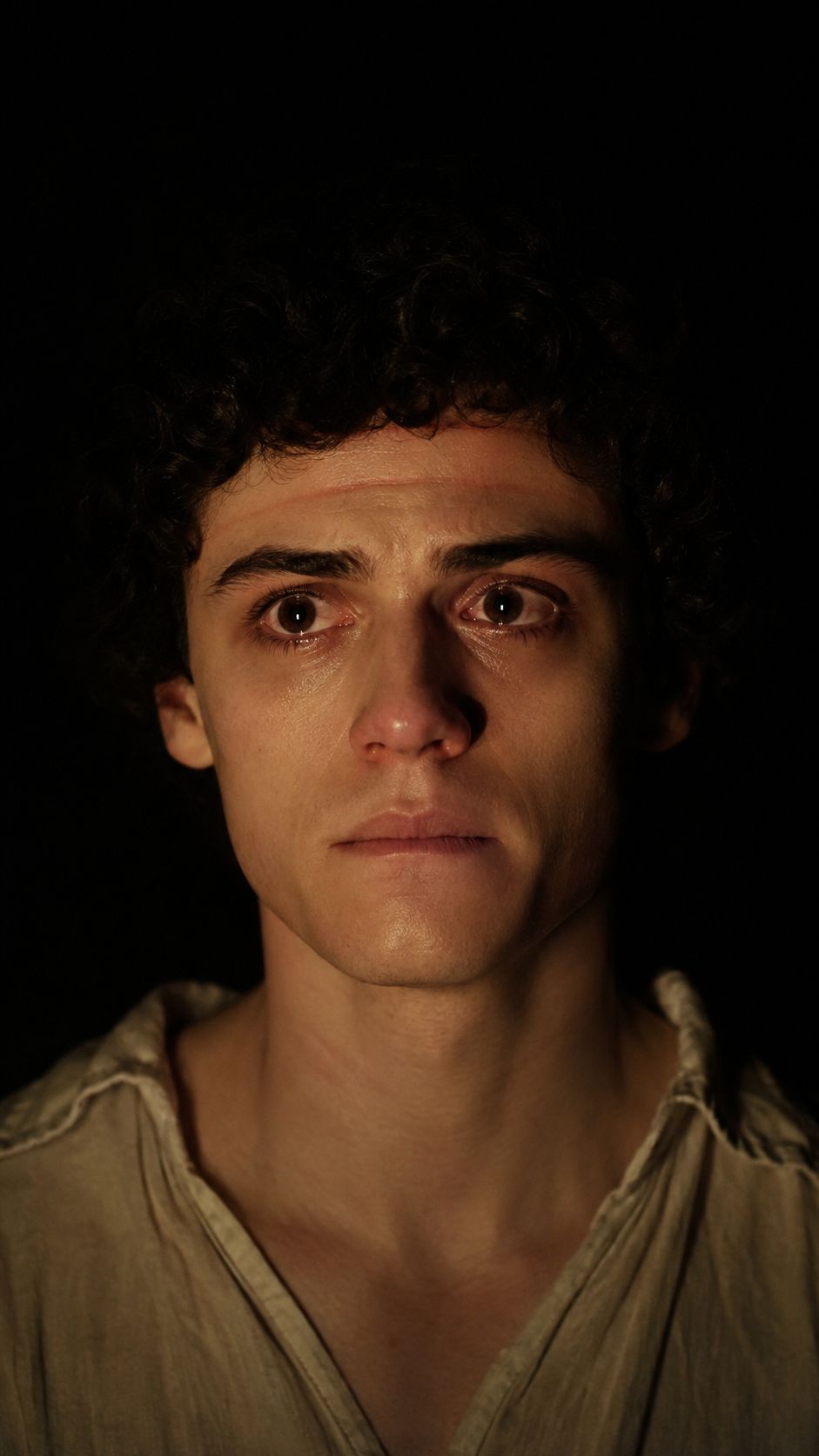 Tyburn, London · 1581The Jesuit Who Chose the Rack Over the CourtThe queen wanted him for her court, but he became a hunted priest facing rack, trial, and rope instead.
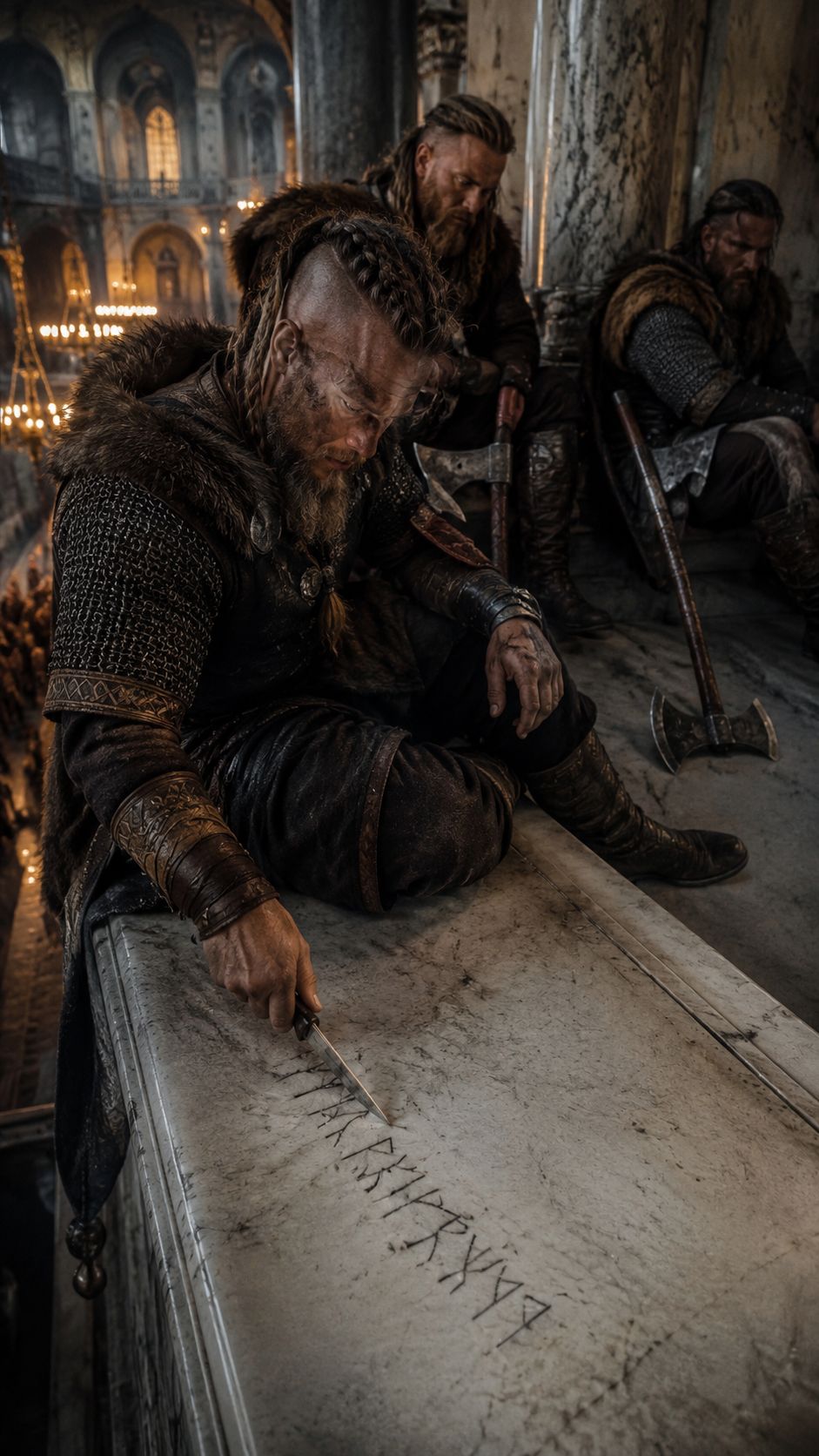 Hagia Sophia, Istanbul · 1050The Viking Who Carved His Name In Hagia SophiaBored during an endless imperial church service, a Viking guardsman scratched graffiti into marble that survives a thousand years later.
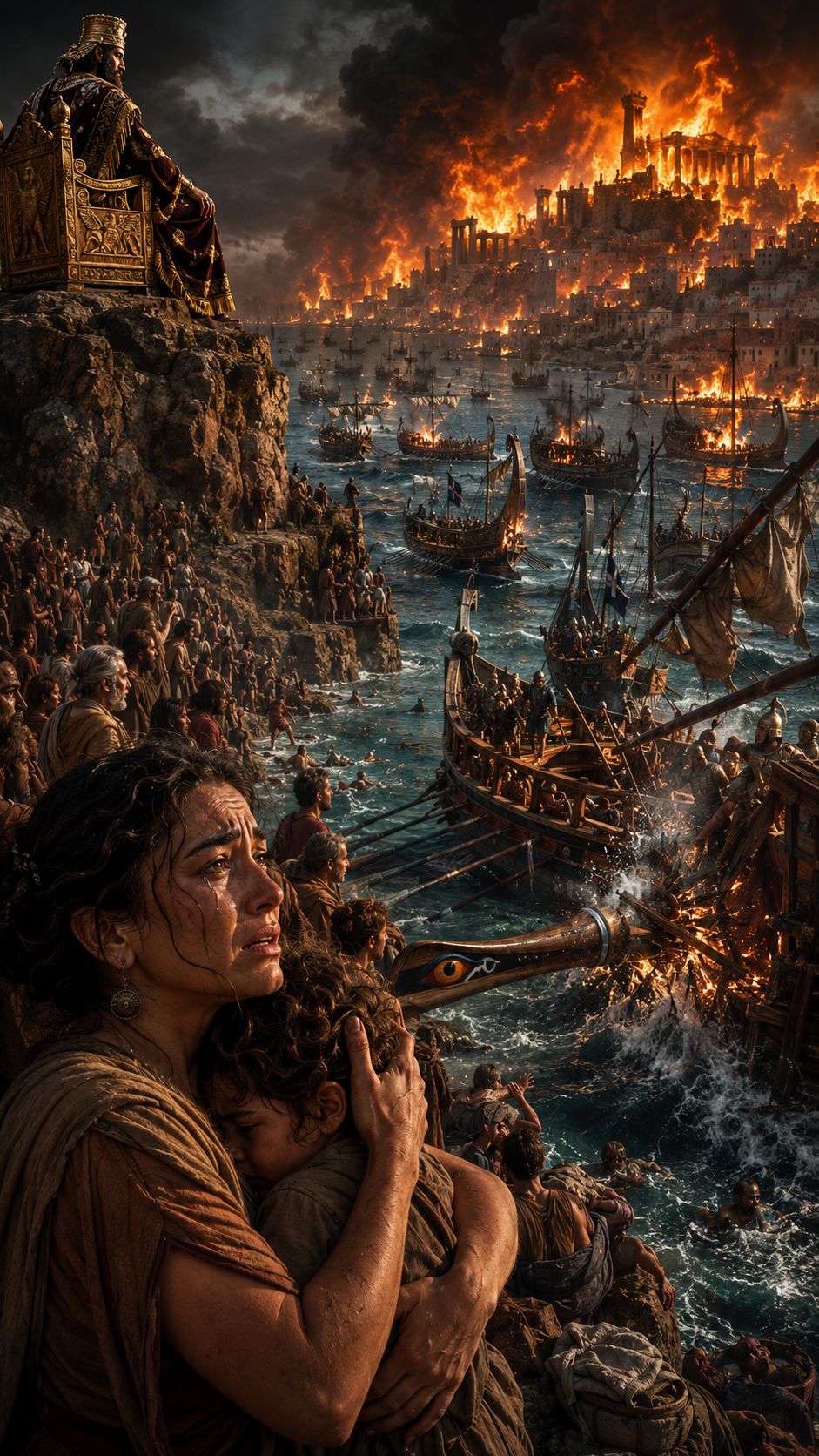 Salamis · 480 BCThe Wooden Wall That Saved AthensA cryptic oracle's prophecy about a wooden wall led Athens to lure the Persian fleet into a narrow strait and destroy it before Xerxes' eyes.
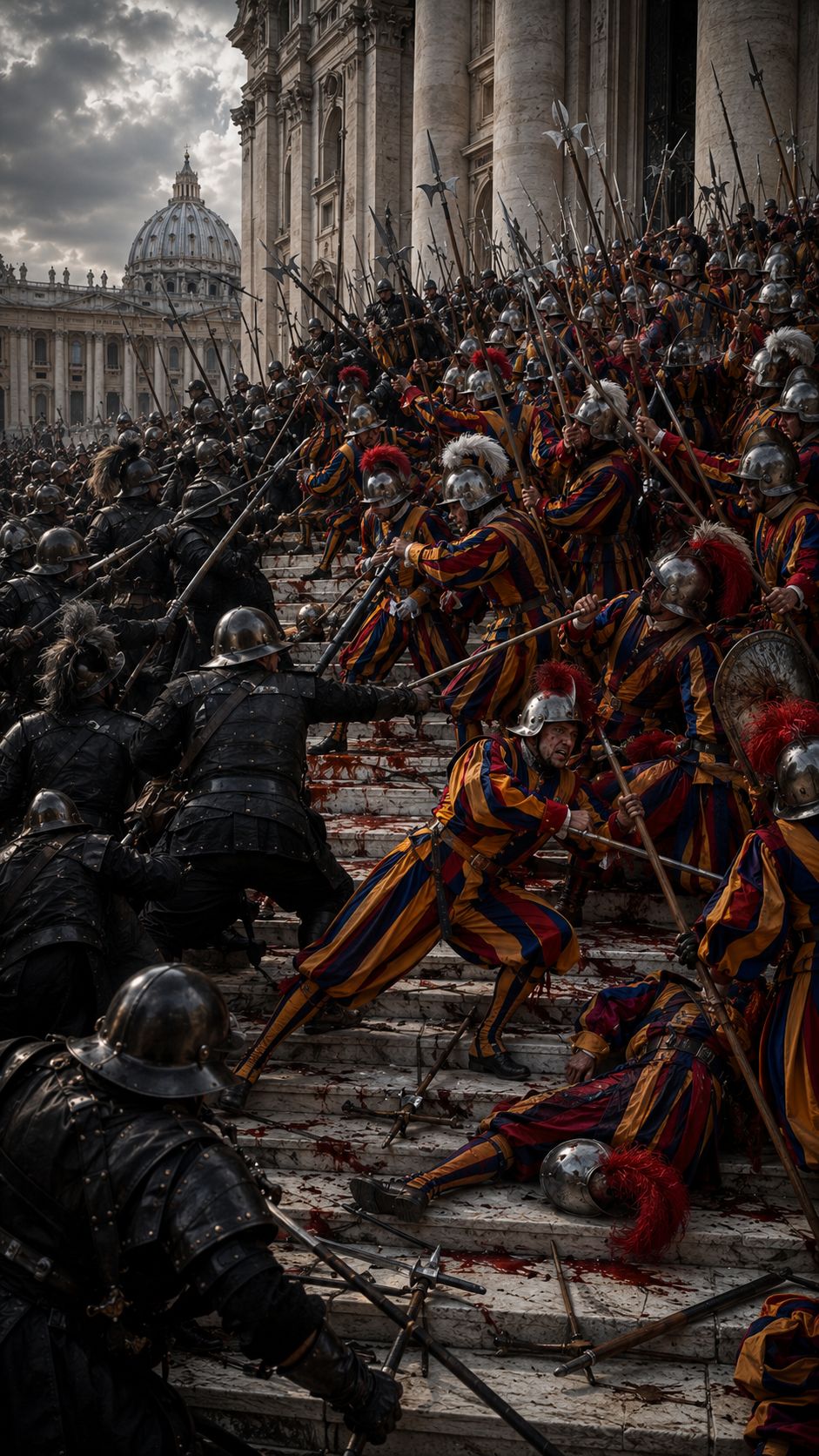 Vatican City · 1527The 147 Who Died Defending The PopeA leaderless mob of mercenaries stormed Rome, and 189 Swiss Guards held the line at the Vatican until almost none were left.
 Oxford Castle, Oxford · 1142The Empress Who Escaped Through The SnowTrapped in a besieged castle, England's rightful heir was lowered by rope into a snowstorm in white and walked to freedom.
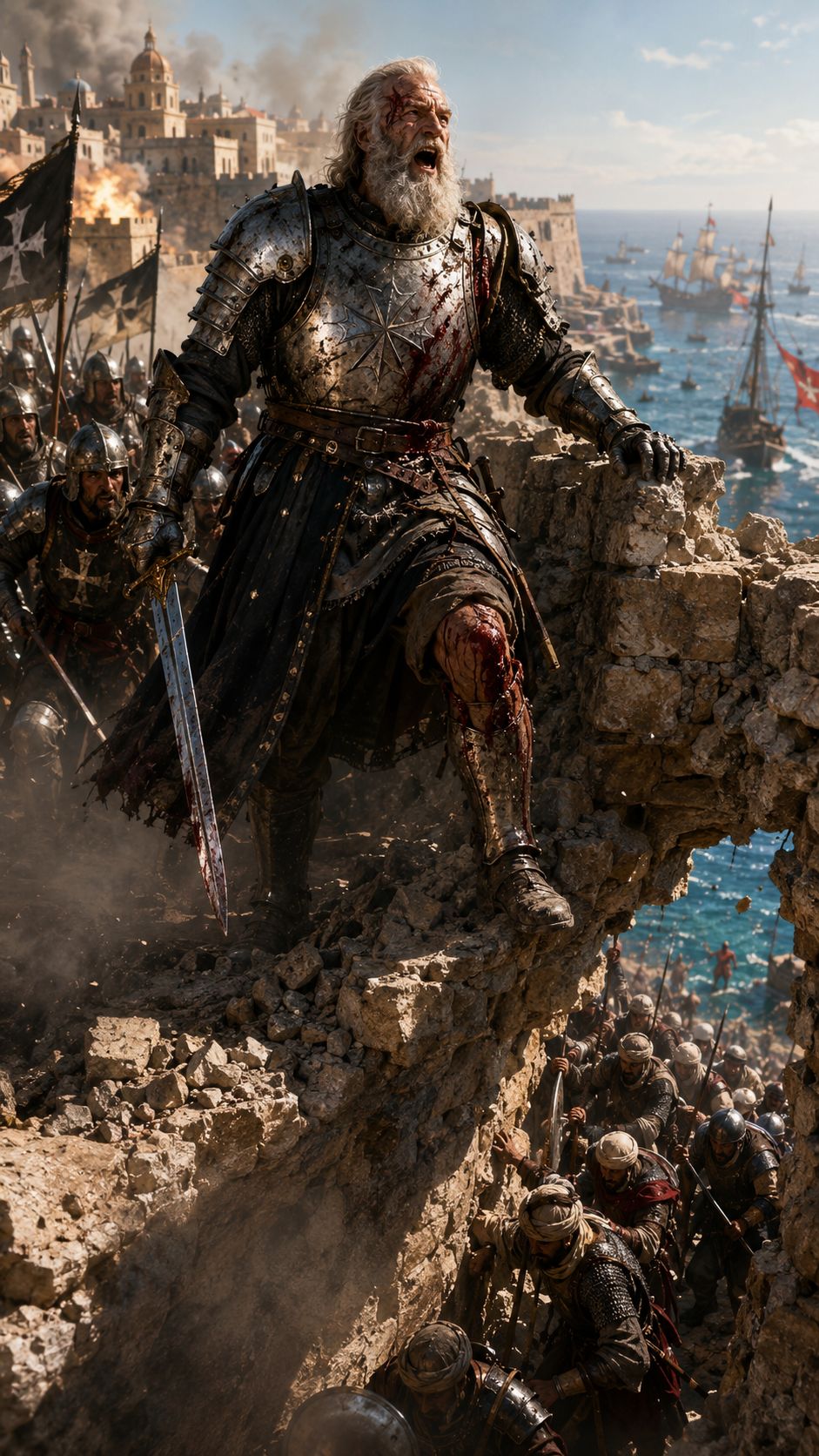 Valletta · 1565The Grand Master Who Refused To RetreatA former Ottoman galley slave commanded a tiny garrison against forty thousand invaders, and built a capital on the blood-soaked shore that survived them.
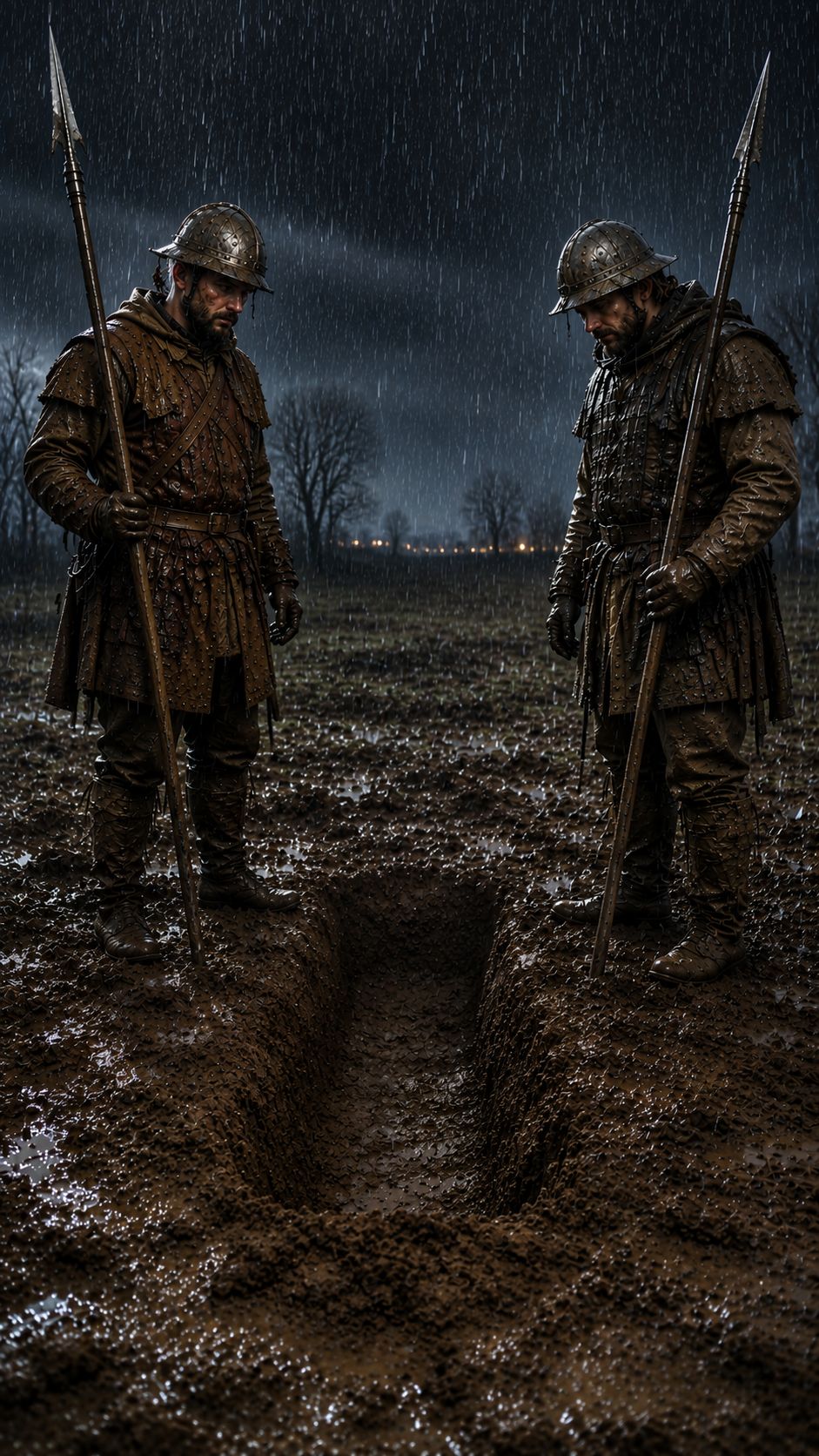 Leicester · 1485The King Buried Beneath A Car ParkFor 527 years drivers parked on top of England's last Plantagenet king before archaeologists found him on their first dig.
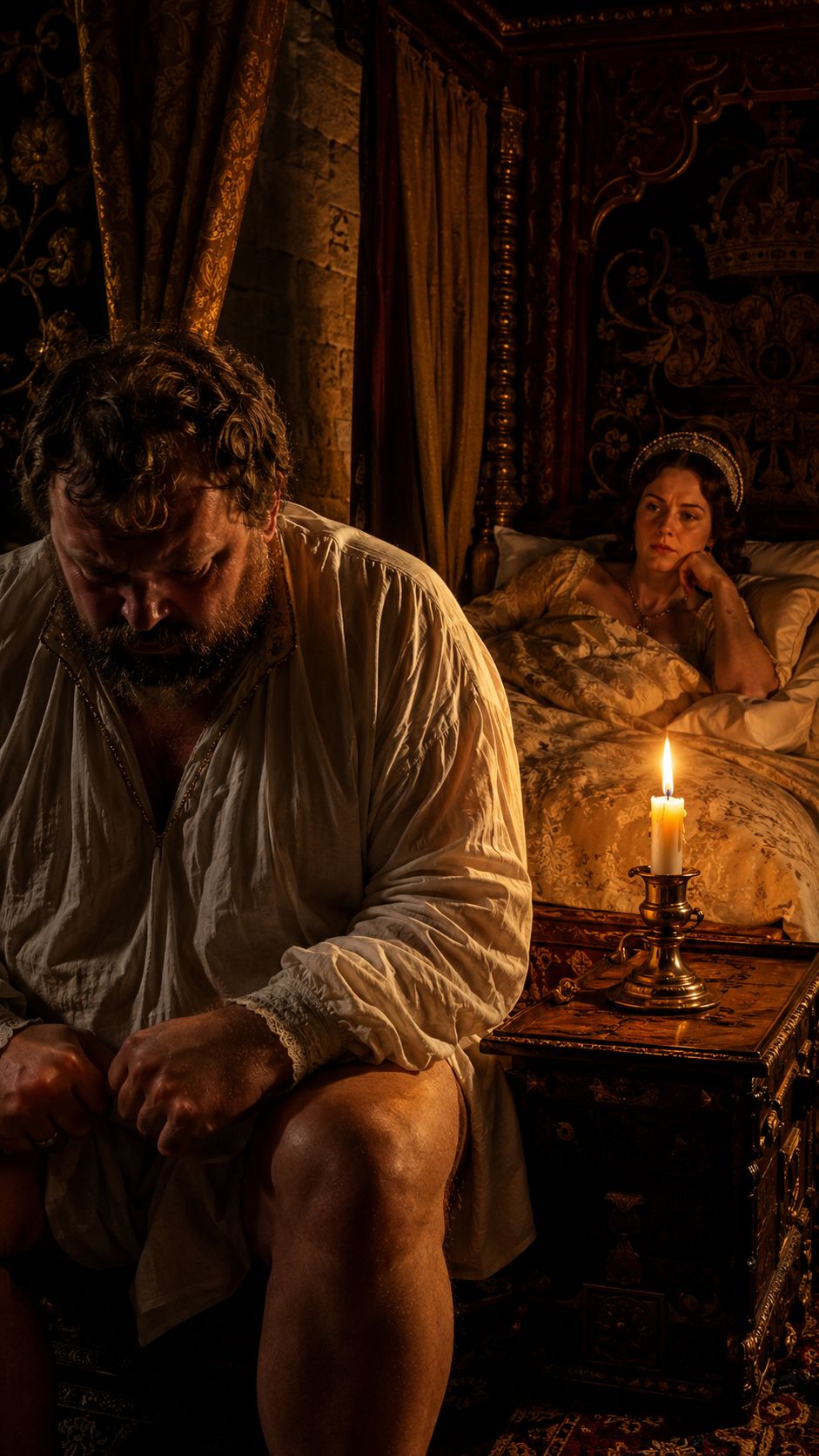 Place de la Révolution, Paris · 1793The Last Farewell Of A Falling KingOn the eve of his execution, Louis XVI told his family he would return in the morning, knowing he never would.
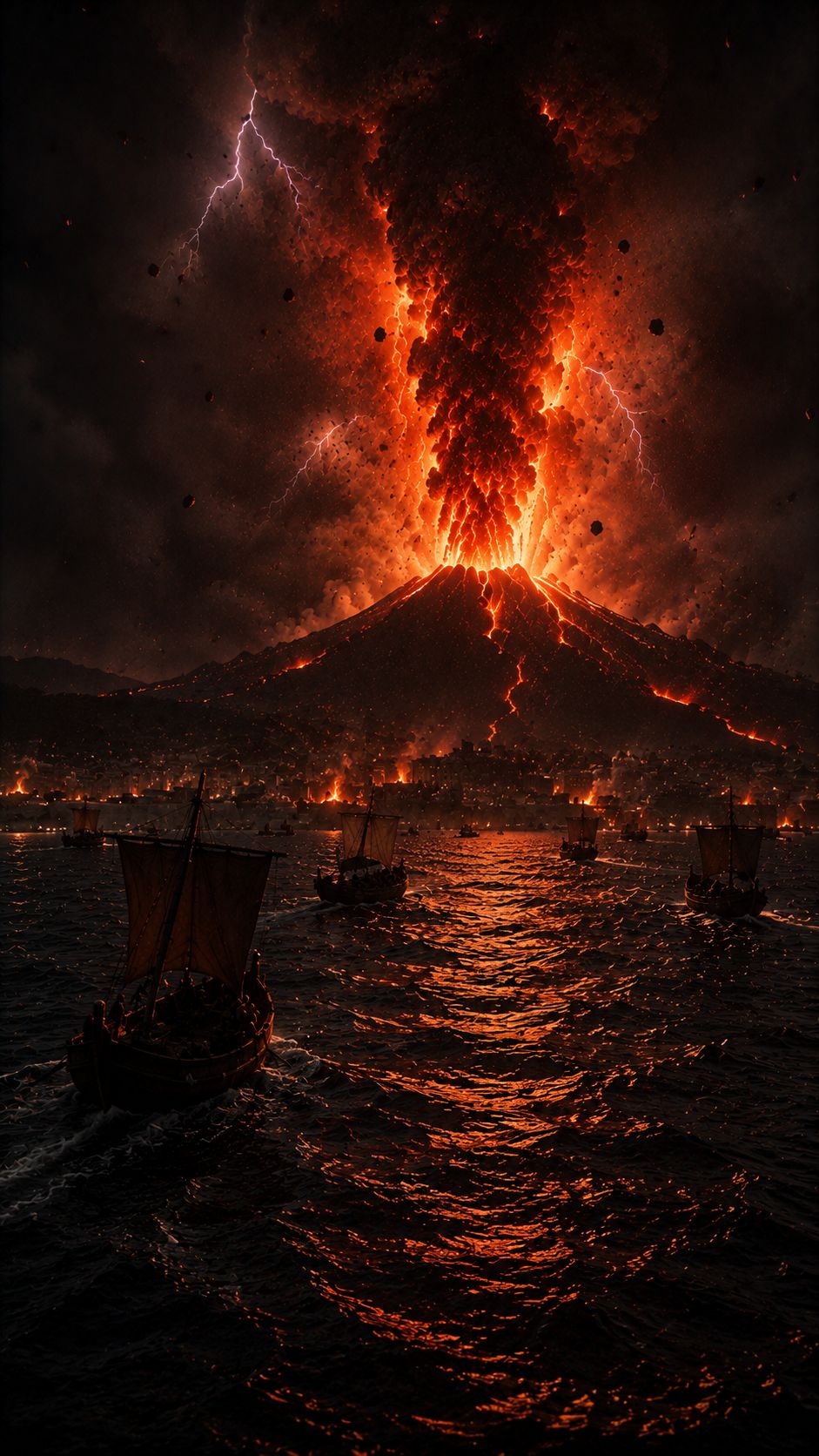 Stabiae · 79The Naturalist Who Sailed Toward VesuviusAs Vesuvius erupted, the Roman fleet commander sailed straight toward the disaster to study it, and it killed him for his curiosity.
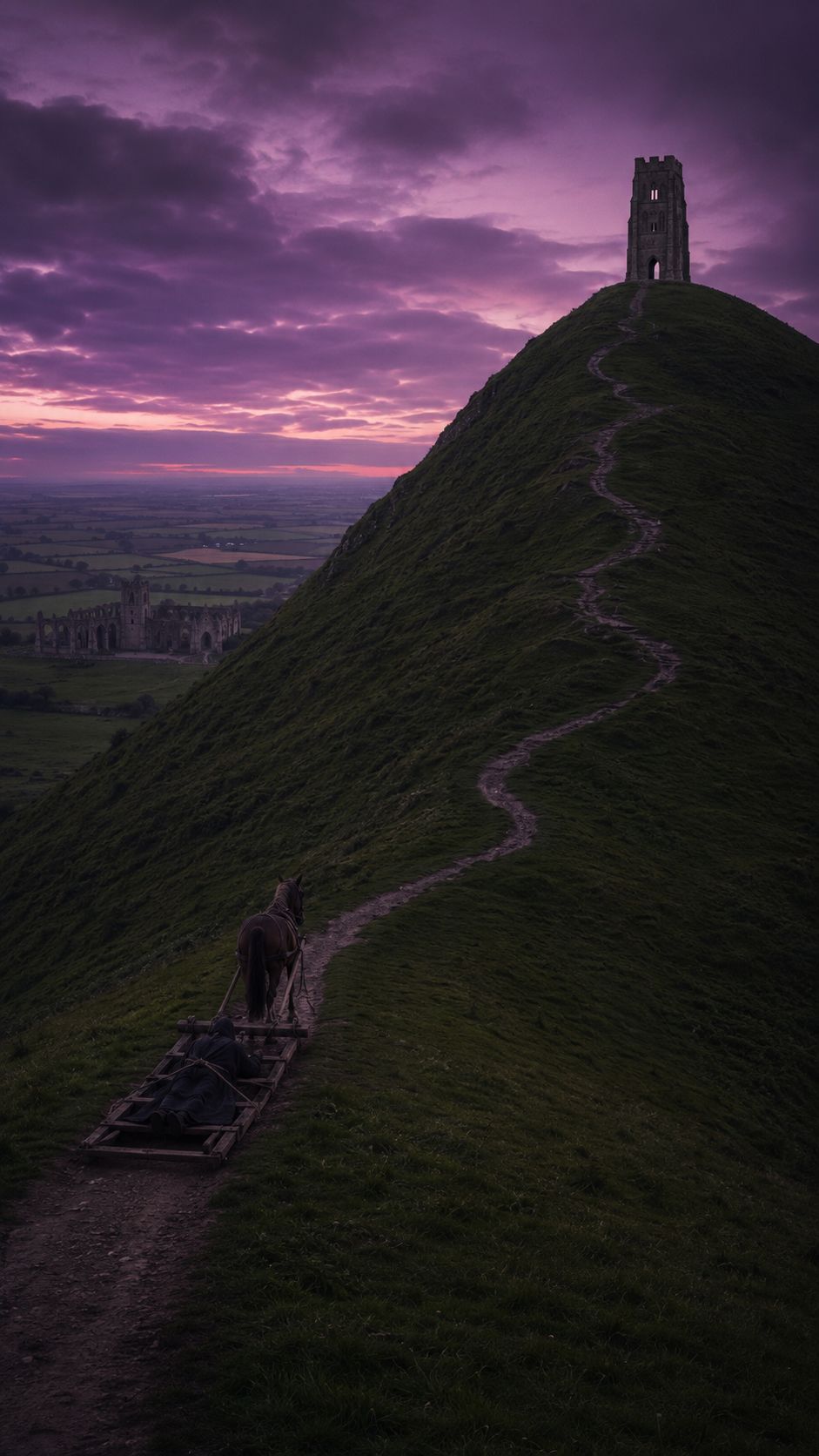 Glastonbury Tor, Glastonbury · 1539The Abbot Butchered For His Abbey's GoldAn elderly abbot stood between Henry VIII and England's richest monastery, and was dragged up the Tor to die for it.
 Constantinople · 830The Bride An Emperor Insulted And Never ForgotA Byzantine emperor mocked a brilliant woman at his own bride show, then rode to her monastery decades later still unable to forget her.
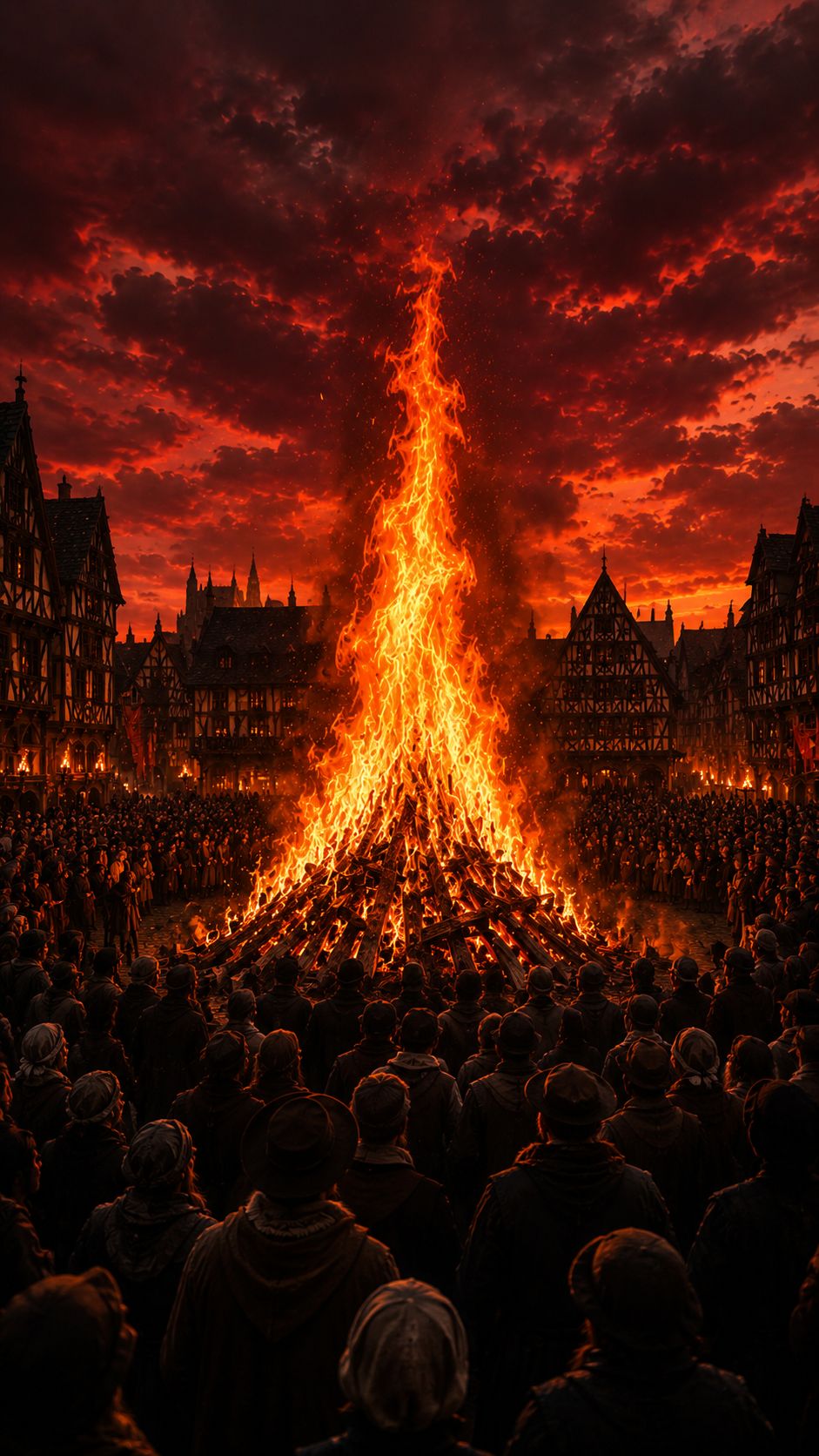 Smithfield, London · 1538The Prophecy A Burning Friar FulfilledAn old Welsh prophecy said a wooden saint would set a forest ablaze, and Henry VIII made it true by burning a friar on its statue.
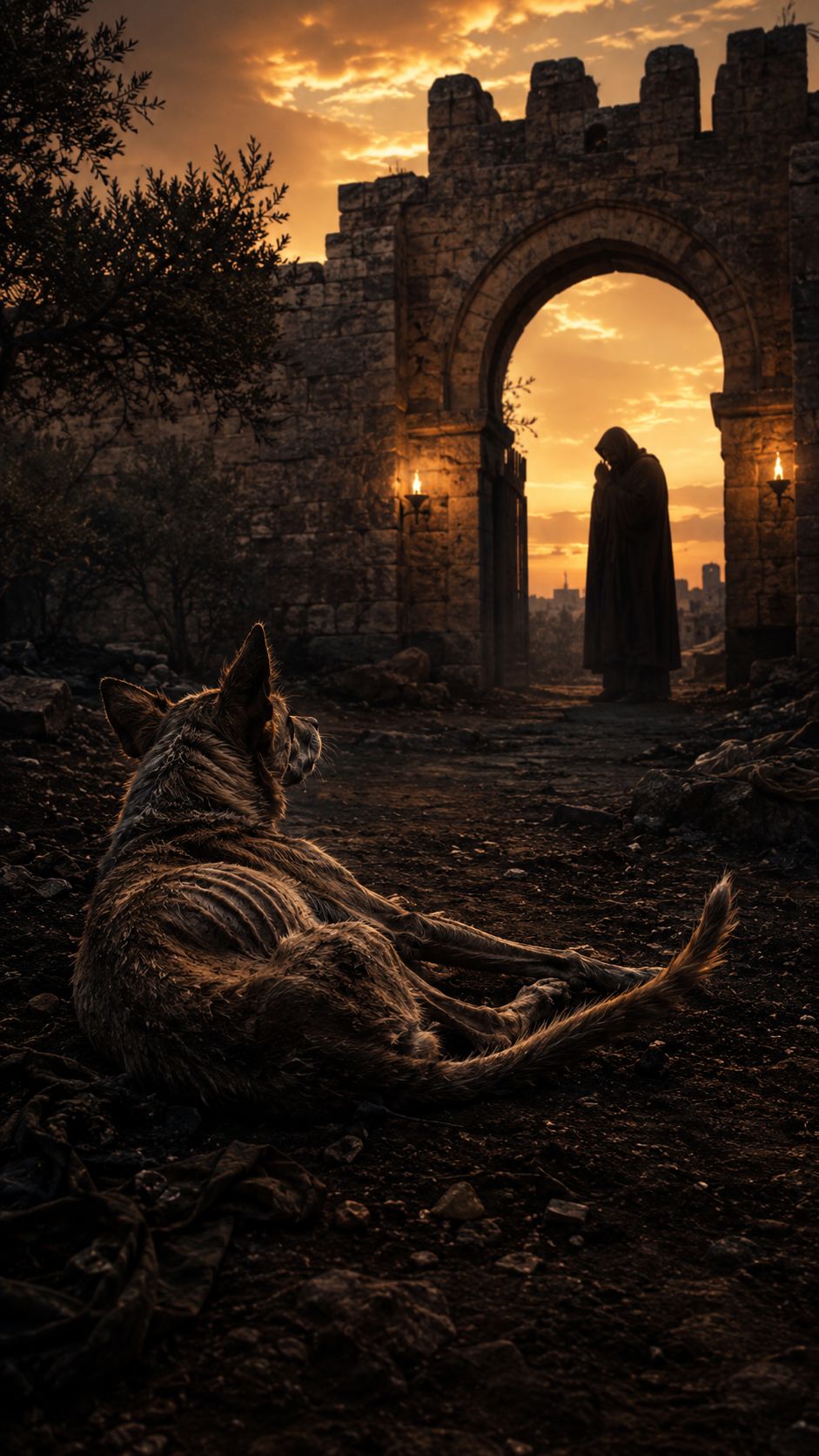 Tyburn, London · 1535The Silent Monks Who Died FirstBefore Thomas More, before anyone famous, silent Carthusian monks were the first men Henry VIII executed for defying him.
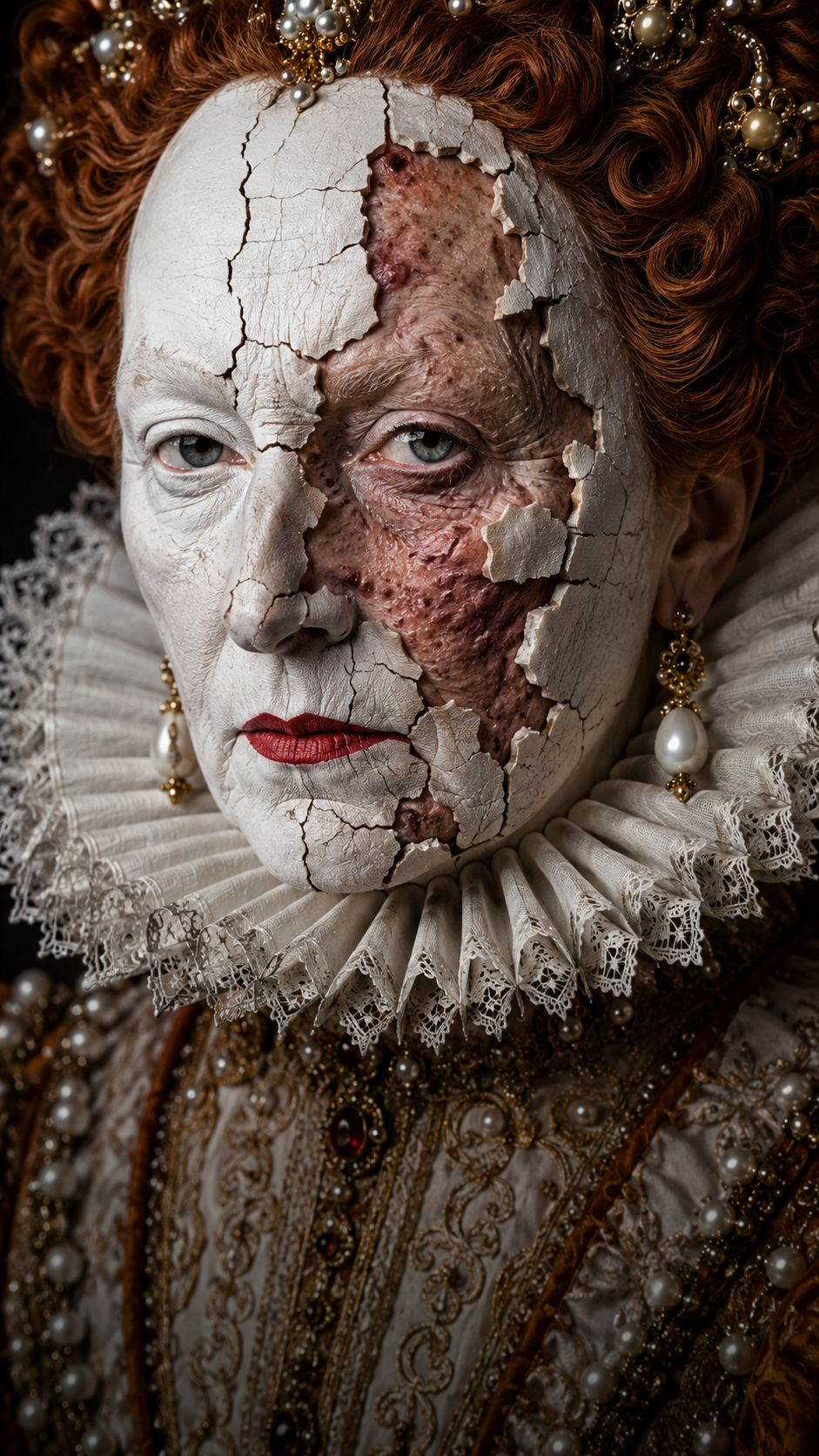 Hever Castle, Edenbridge · 1540The Wife Henry VIII Called Ugly To SurviveHenry VIII destroyed his fourth wife's reputation to escape their marriage, and she outlived every wife who came after her.
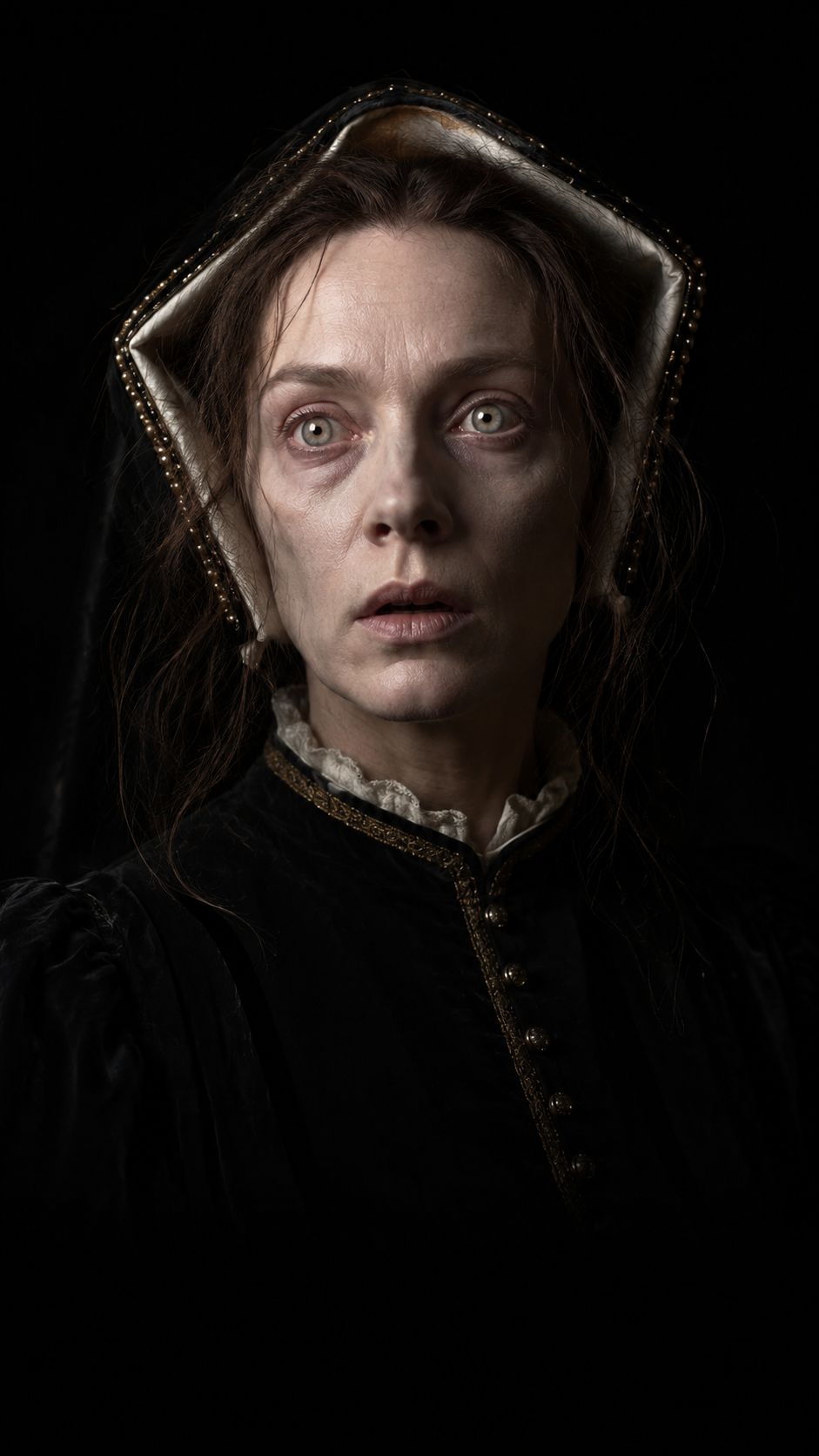 Tower of London, London · 1542The Woman Who Served Five Doomed QueensA lady-in-waiting survived the fall of two Tudor queens before the scaffold finally came for her too.
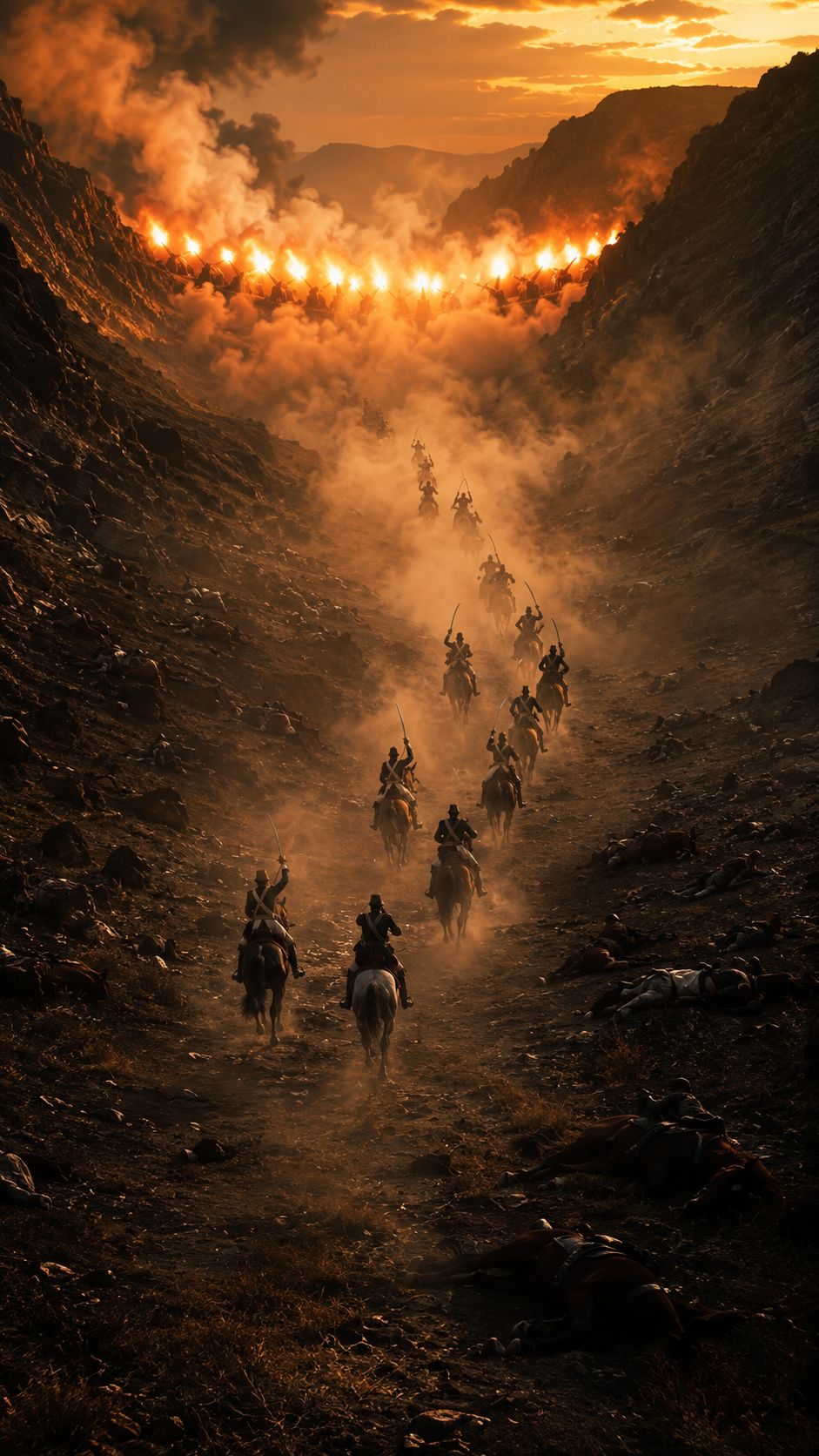 Balaclava · 1854The Charge That Rode Into Its Own GunsA confused order sent the Light Brigade thundering straight into a fortified Russian battery, and everyone blamed everyone else.
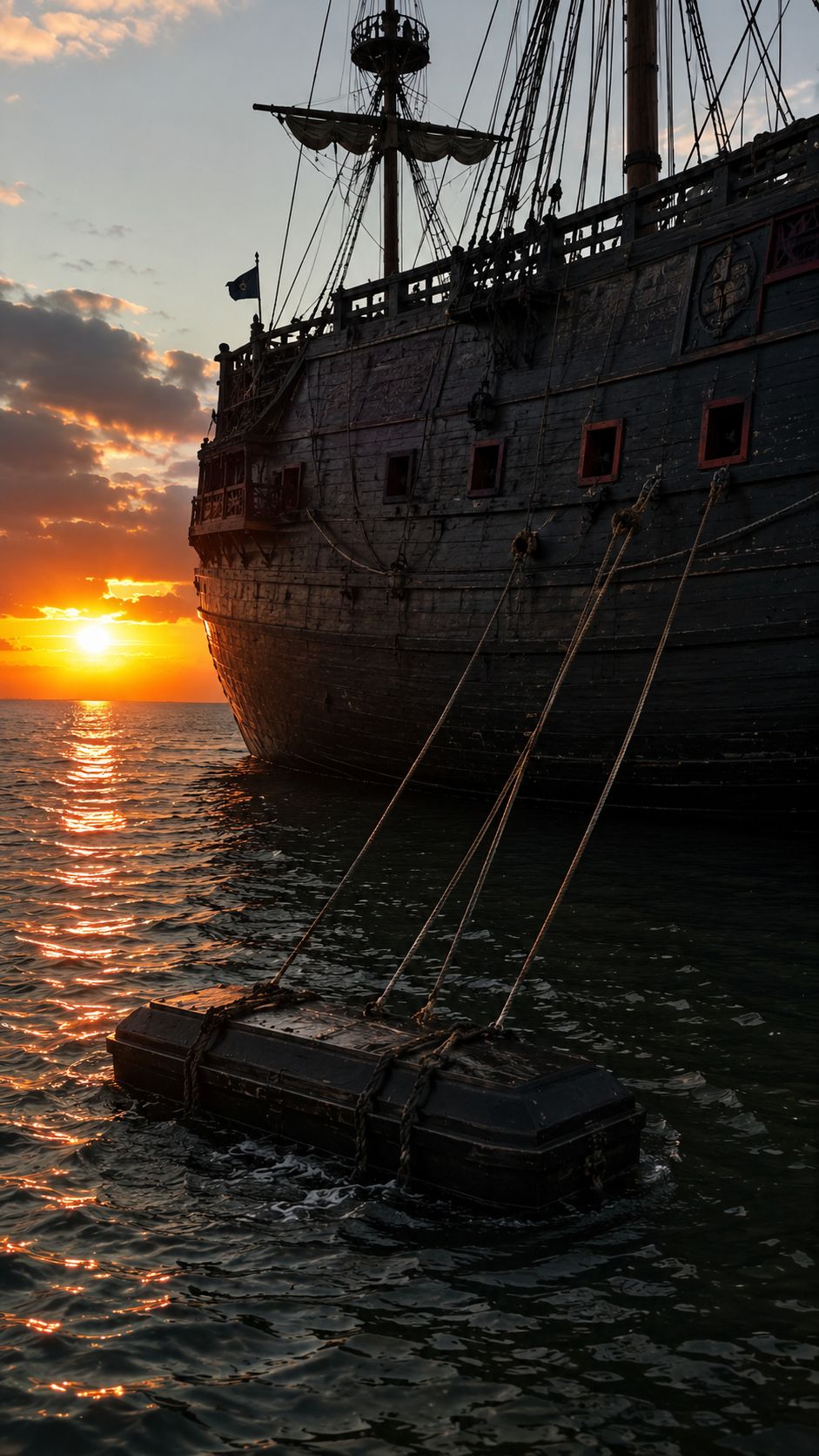 Portobelo · 1596The Dragon Spain Wanted DeadSpain put a fortune on the head of the English privateer who circled the globe and burned their ports, and church bells rang when he finally died.
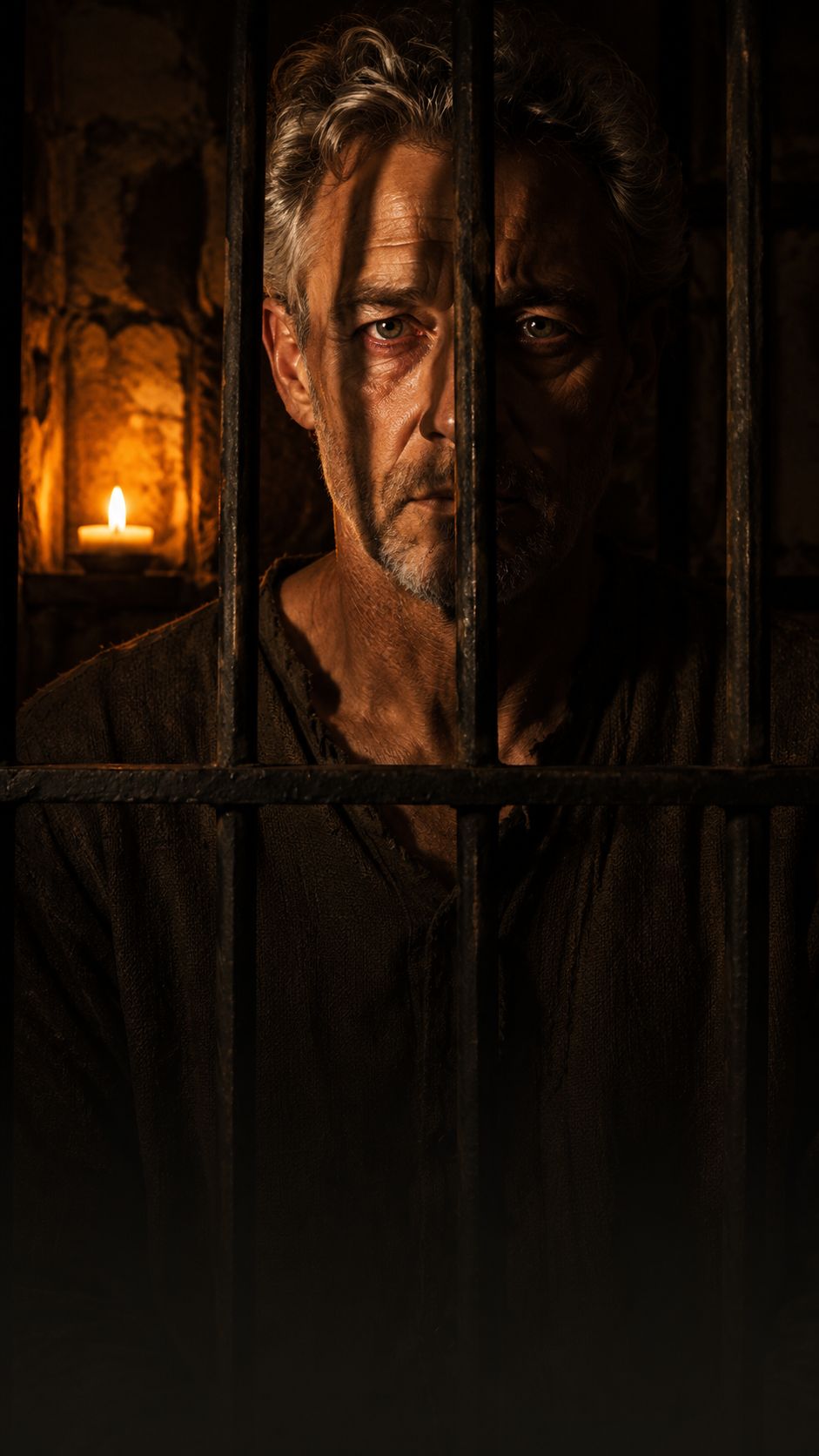 Bamberg · 1628The Mayor's Smuggled Letter From The Witch HouseA respected mayor was tortured into confessing witchcraft, then smuggled out a secret letter revealing every word was a lie.
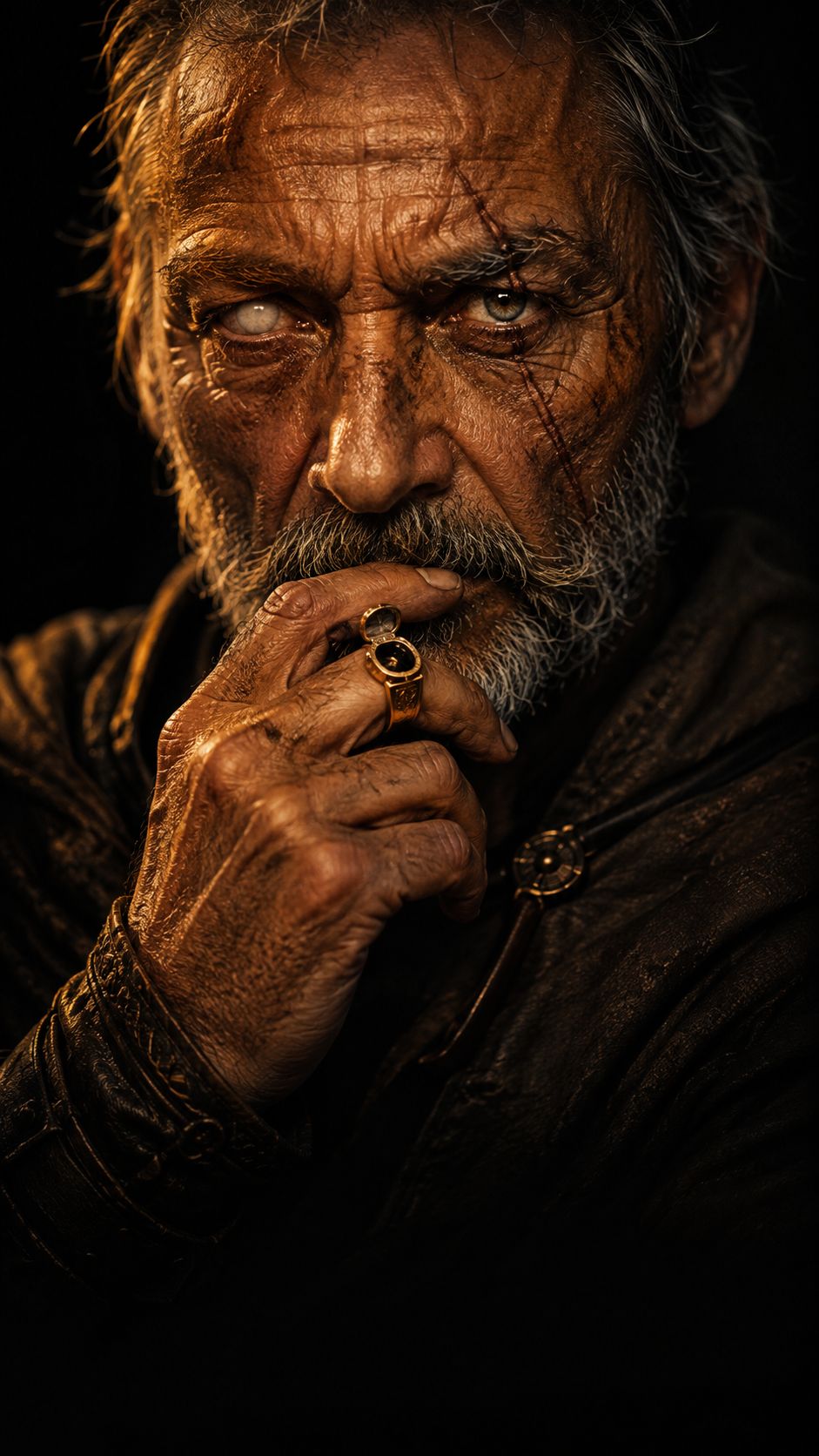 Ithaca · 1180 BCThe Only One Who Recognised The Beggar KingAfter twenty years away, only one creature in Ithaca knew Odysseus on sight beneath his beggar's disguise.
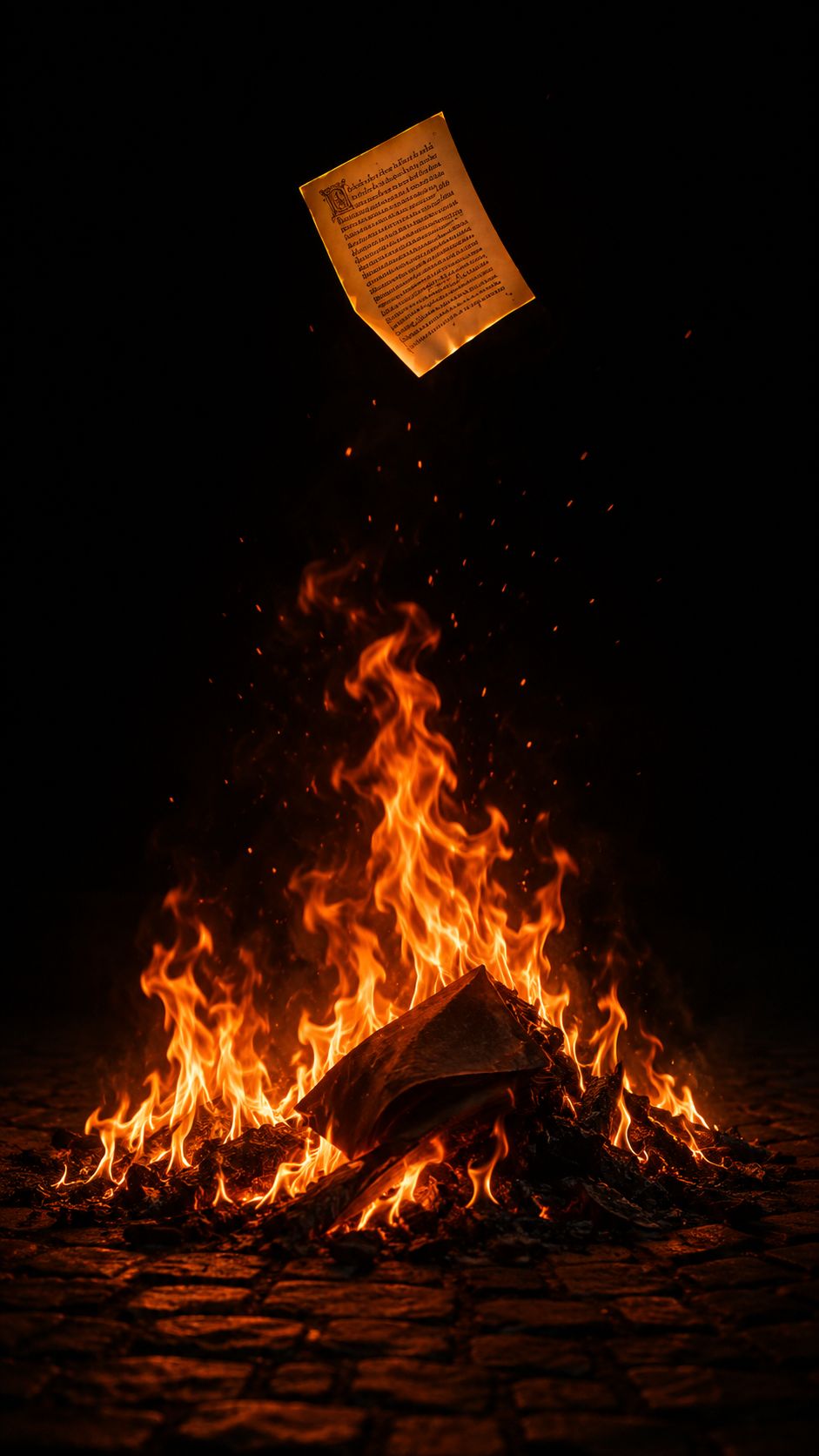 Paris · 1310The Book That Outlived Its Author's PyreA woman was burned for writing that the soul could reach God without the Church, but her banned book kept circulating in secret for centuries.
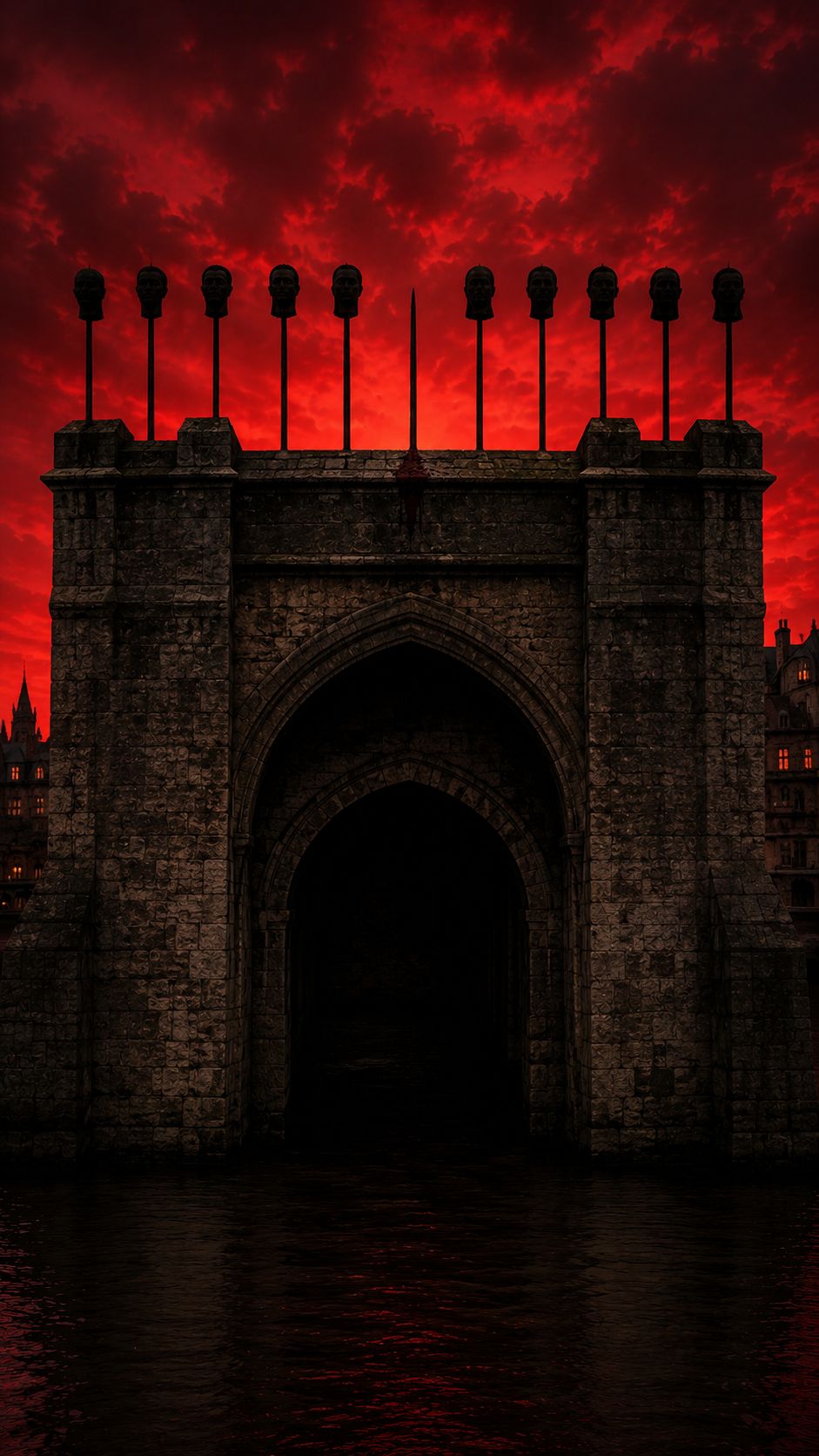 Tower of London, London · 1535The Chancellor Who Said No To A KingHenry VIII's closest friend and Lord Chancellor refused to recognise him as head of the church, and paid with his head.
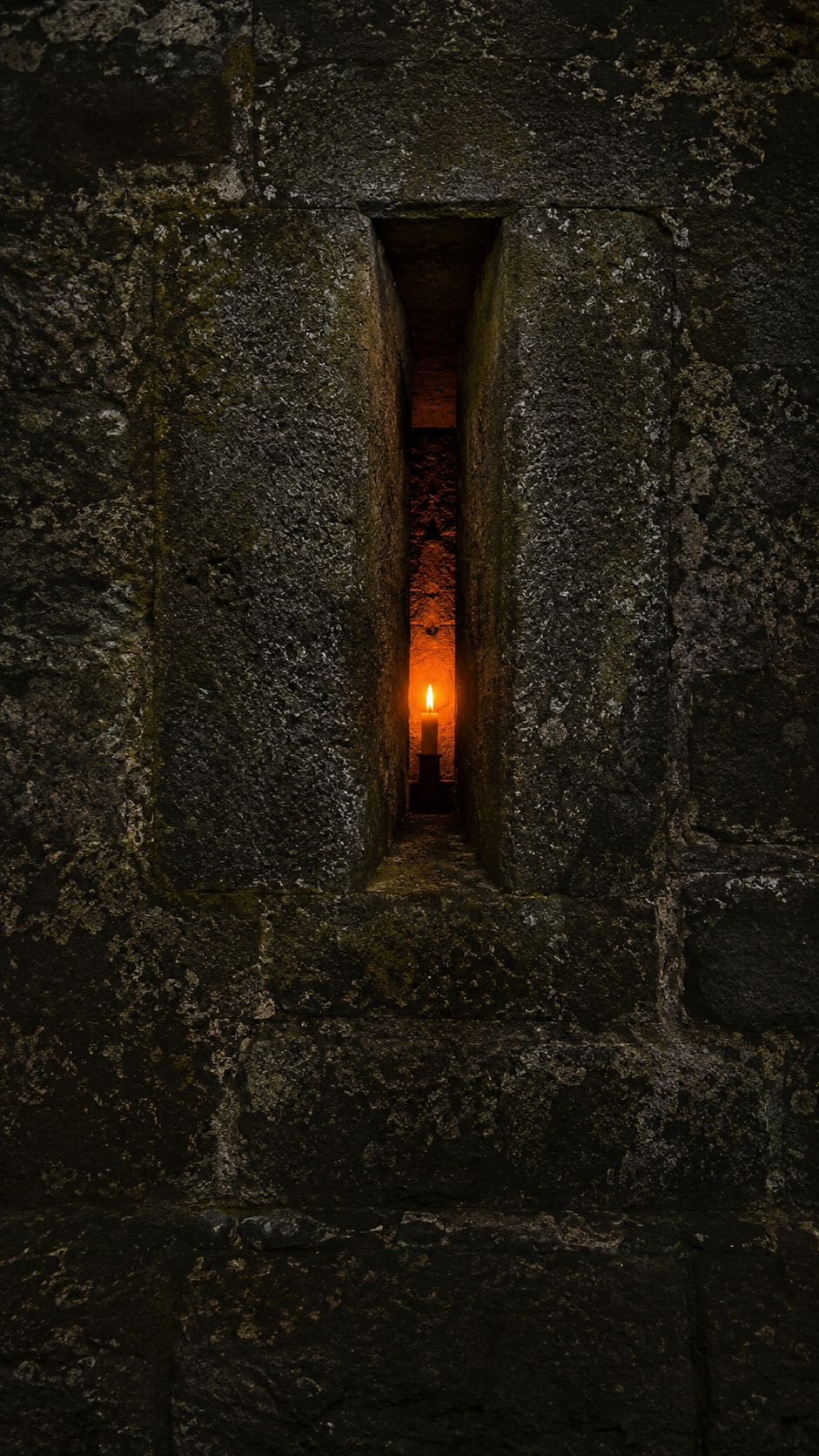 Norwich · 1373The Living Woman Given Her Own FuneralA healthy thirty-year-old woman had her own funeral rites read over her before walling herself into a cell for forty years.
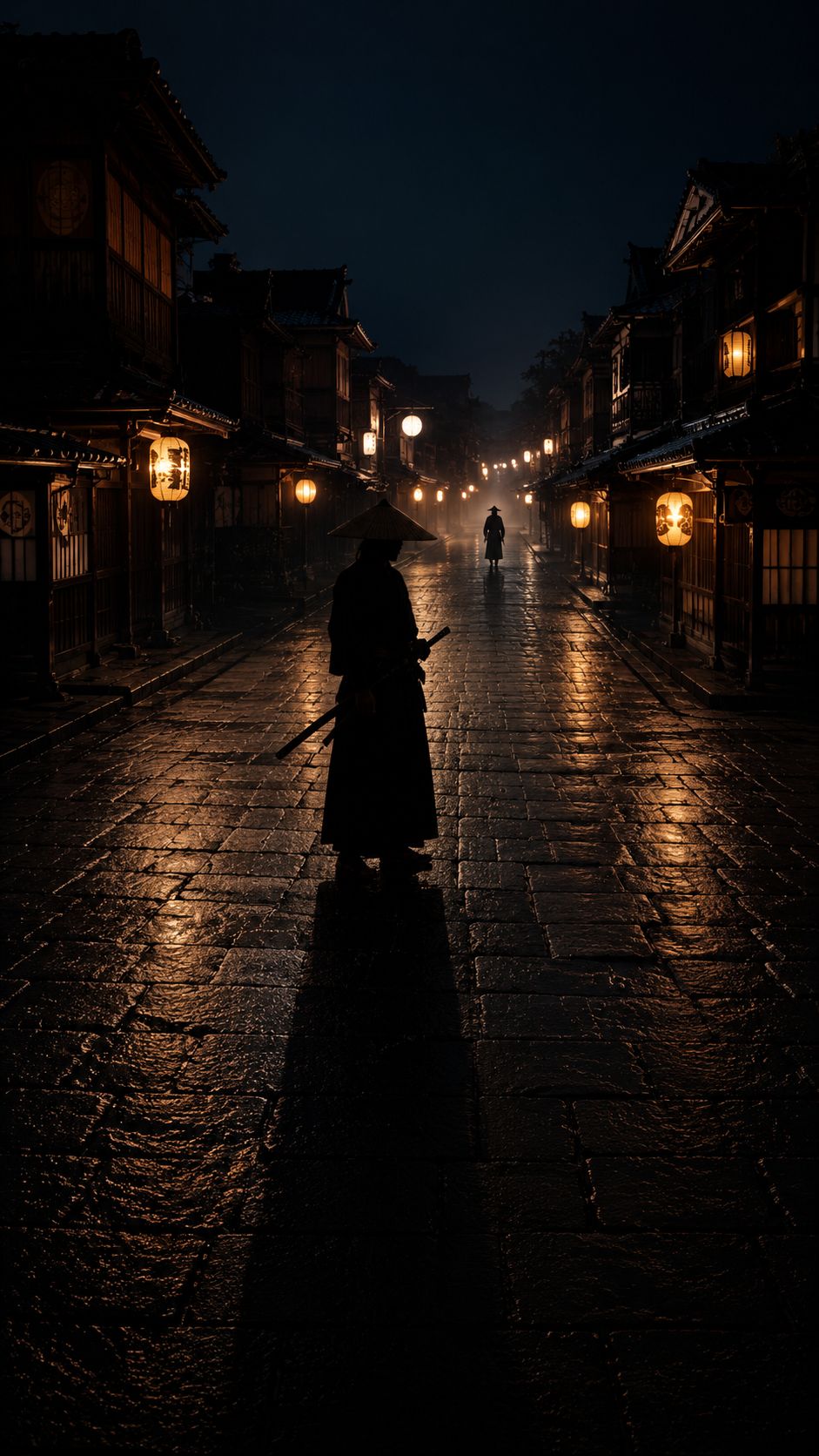 Edo · 1602The Samurai Who Tested Swords On StrangersJapanese swordsmen once tested new blades by cutting down unsuspecting passersby at night, until the shogunate finally banned it.
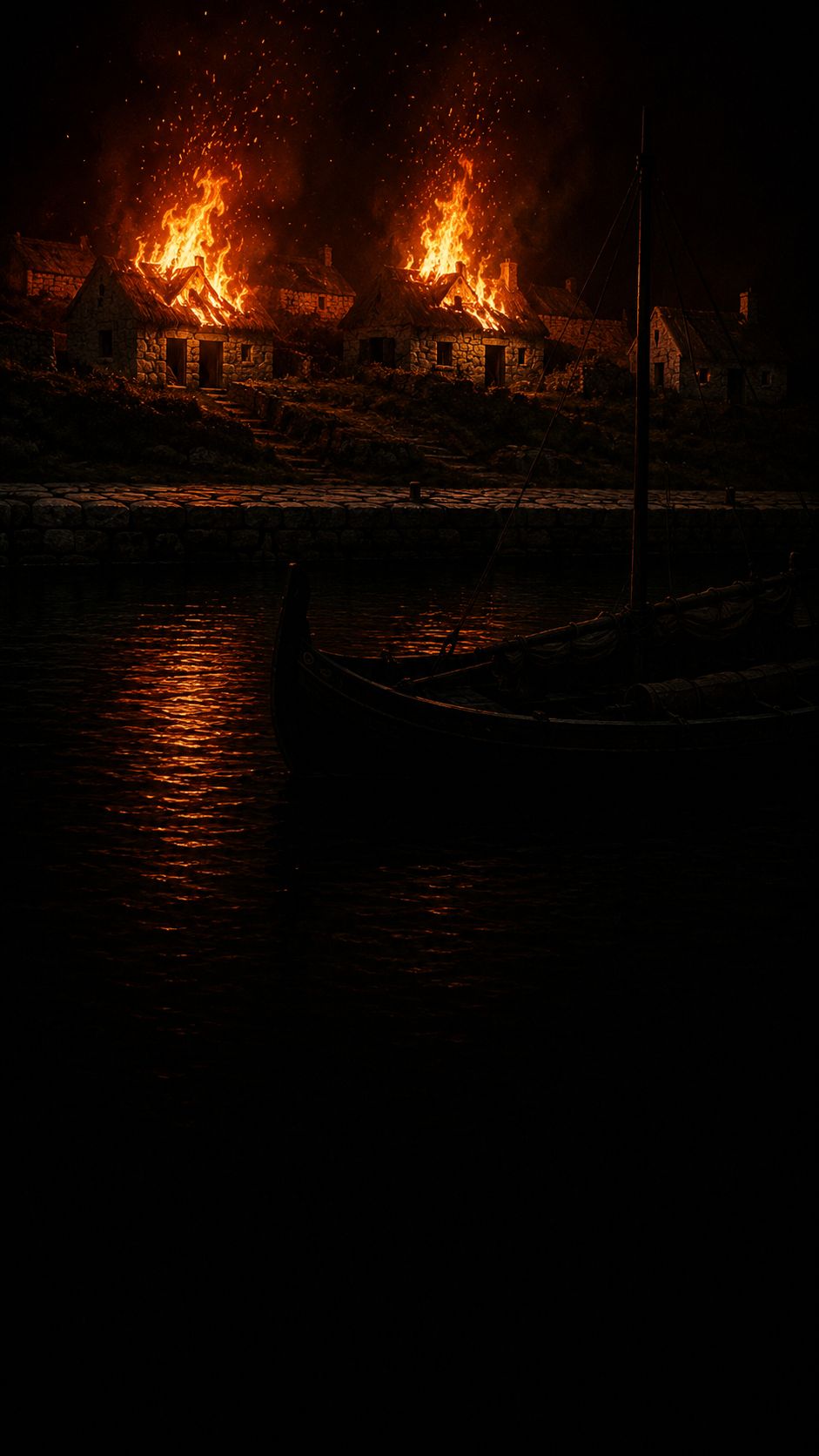 Baltimore, County Cork · 1631The Village Sold To Barbary SlaversA captured fisherman guided Barbary corsairs into an Irish village at night, betraying his neighbours into slavery to save his own life.
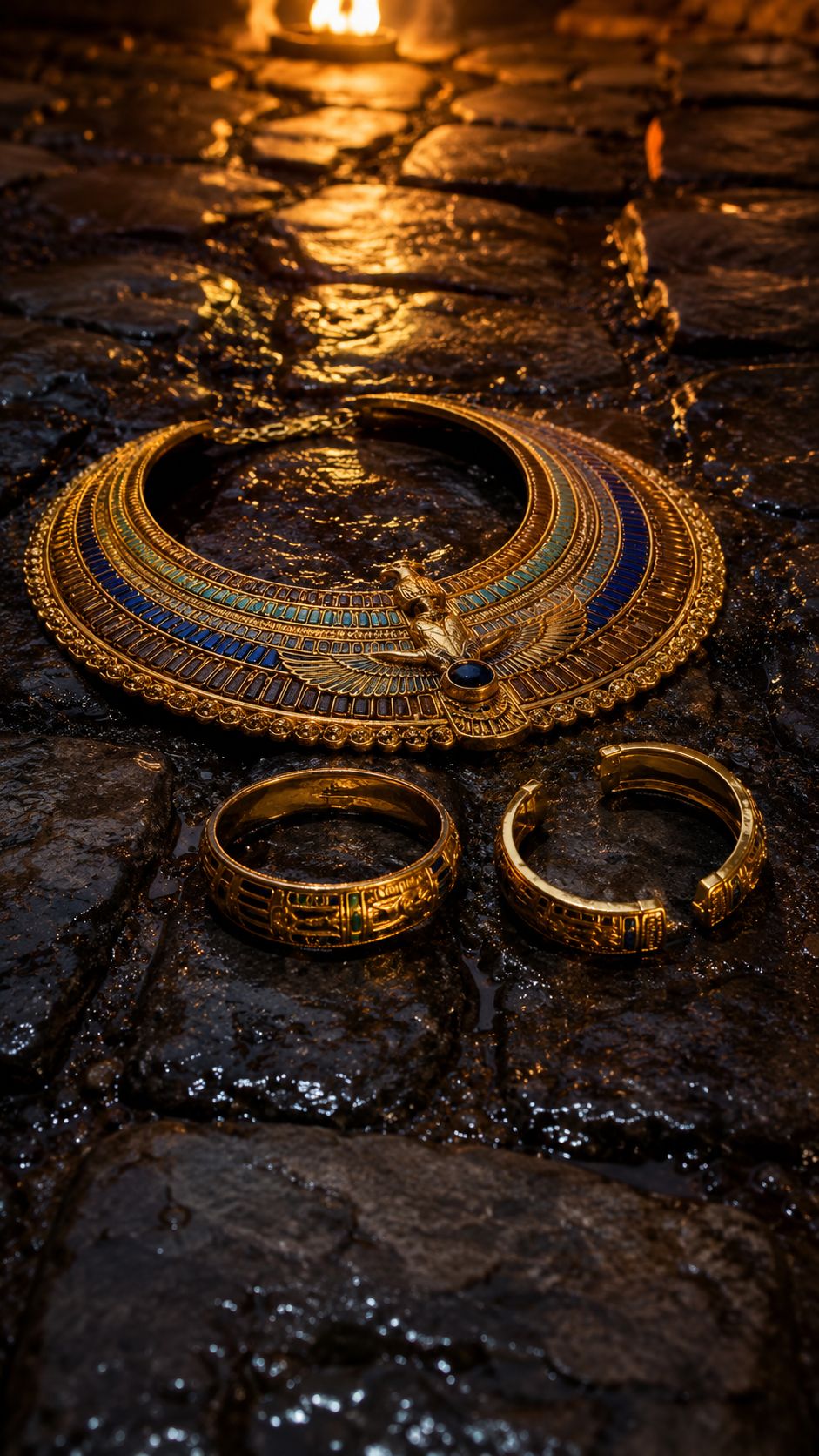 Alexandria · 30 BCCleopatra's Children, Rome's PrizeWithin weeks of Cleopatra's death, Rome hunted down all four of her children, starting with the teenage son of Julius Caesar.
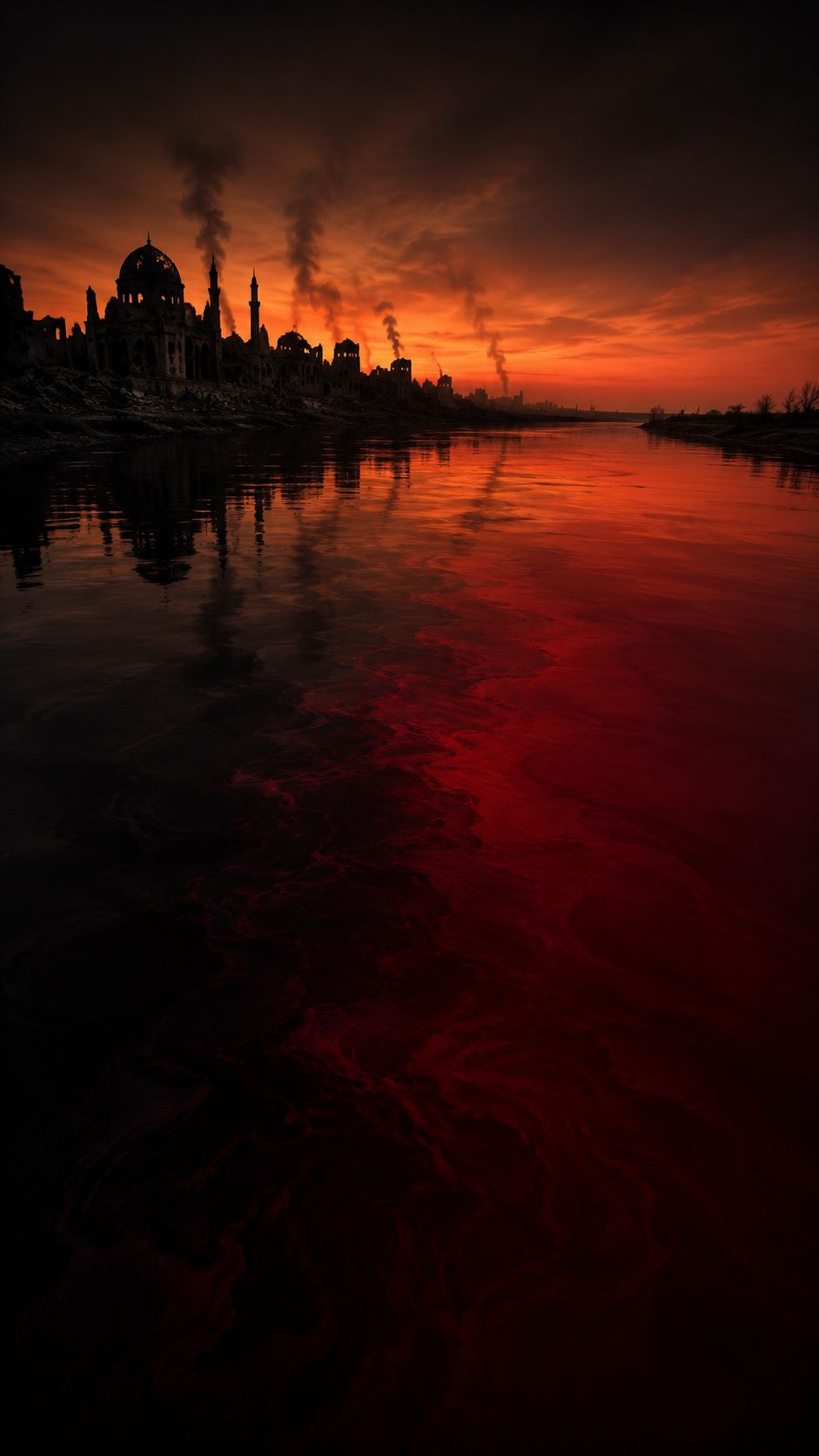 Baghdad · 1258The Day The Mongols Drowned A LibraryThe Mongols sacked the greatest city on Earth, and the Tigris ran black with ink from a thousand years of lost knowledge.
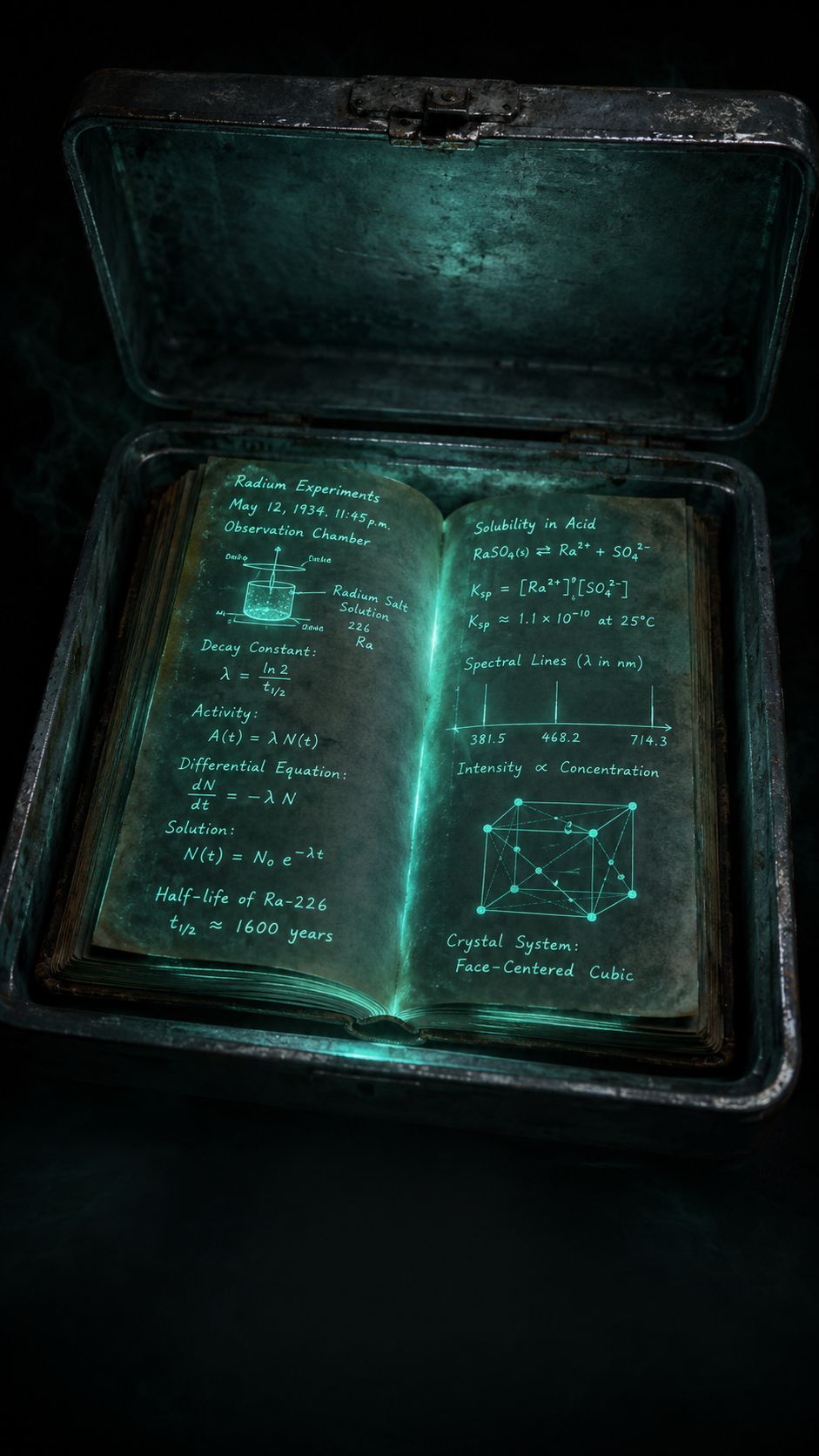 Paris · 1898The Glowing Laboratory That Still KillsMarie Curie's radium-soaked notebooks and furniture remain dangerously radioactive more than a century after her death.
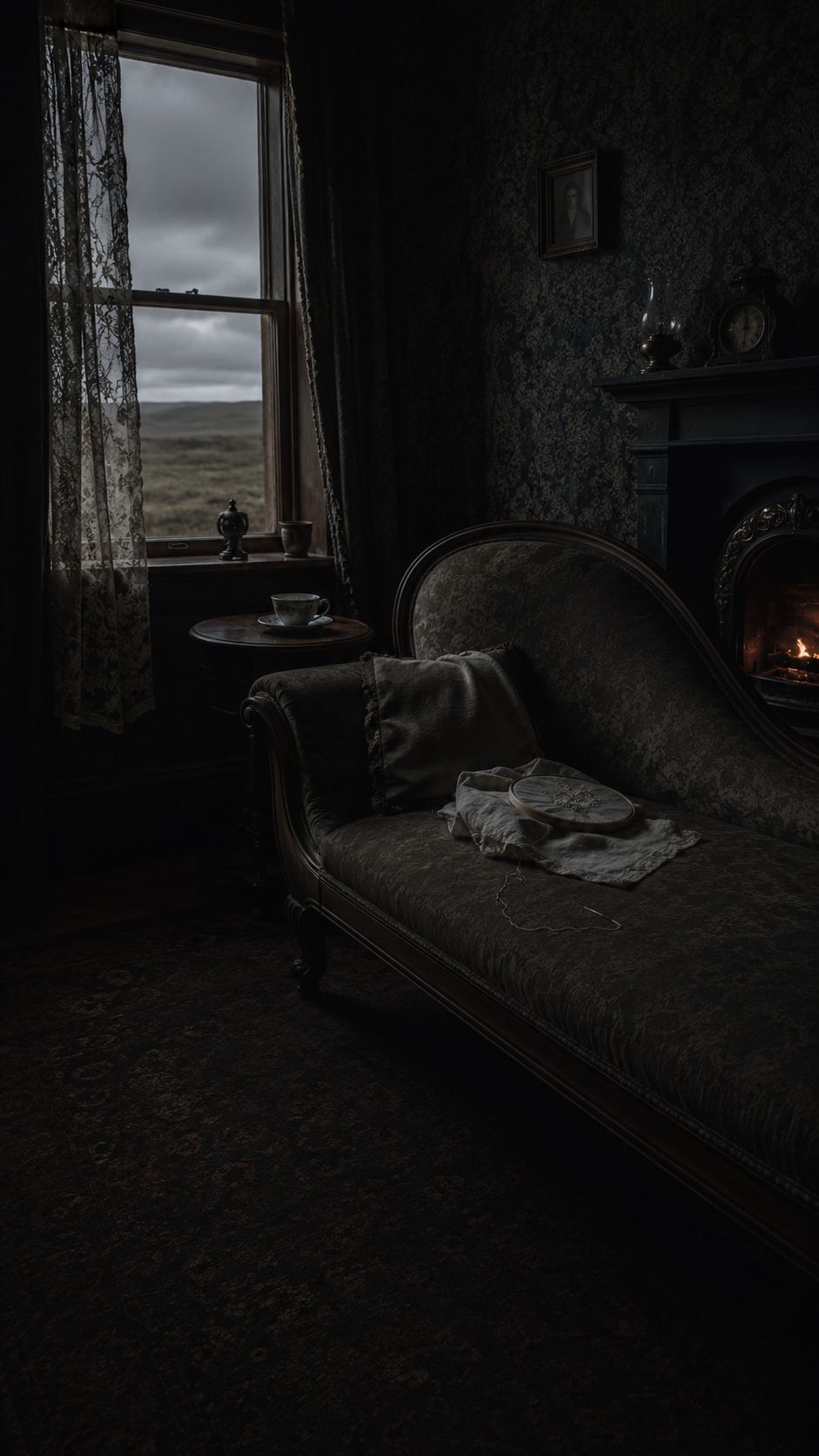 Haworth · 1848The Novelist Who Refused Every DoctorThe author of Wuthering Heights got dressed and sat with her sewing every day of her final illness, refusing all medicine until the end.
 Nantes · 1343The Widow Who Became A Pirate For RevengeAfter the King of France beheaded her husband, a noblewoman sold everything, took to the sea, and hunted French ships for years.
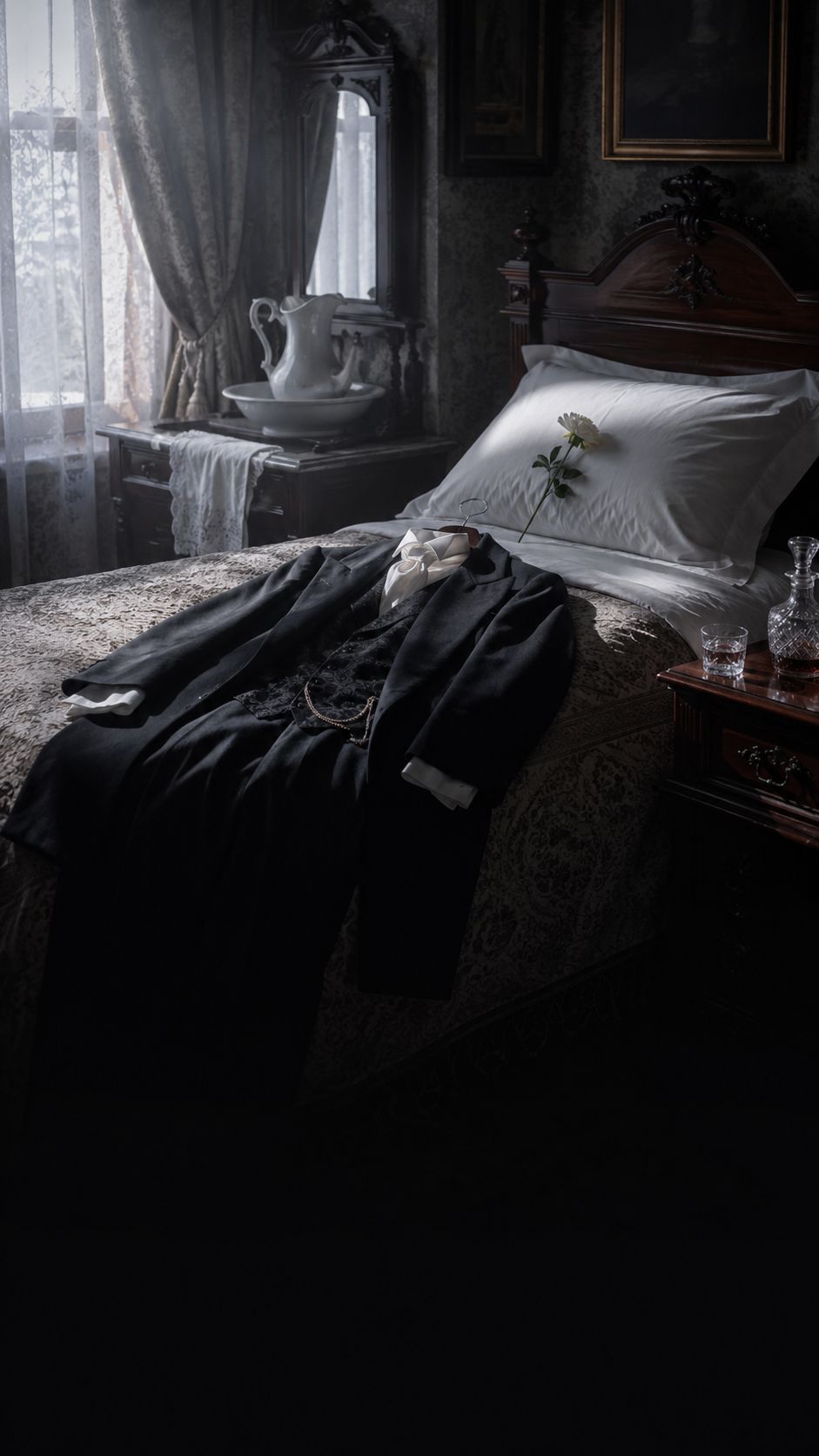 Windsor Castle · 1861The Widow Who Froze A Room For Forty YearsAfter Prince Albert died, Victoria ordered his room preserved exactly as it was for forty unbroken years.
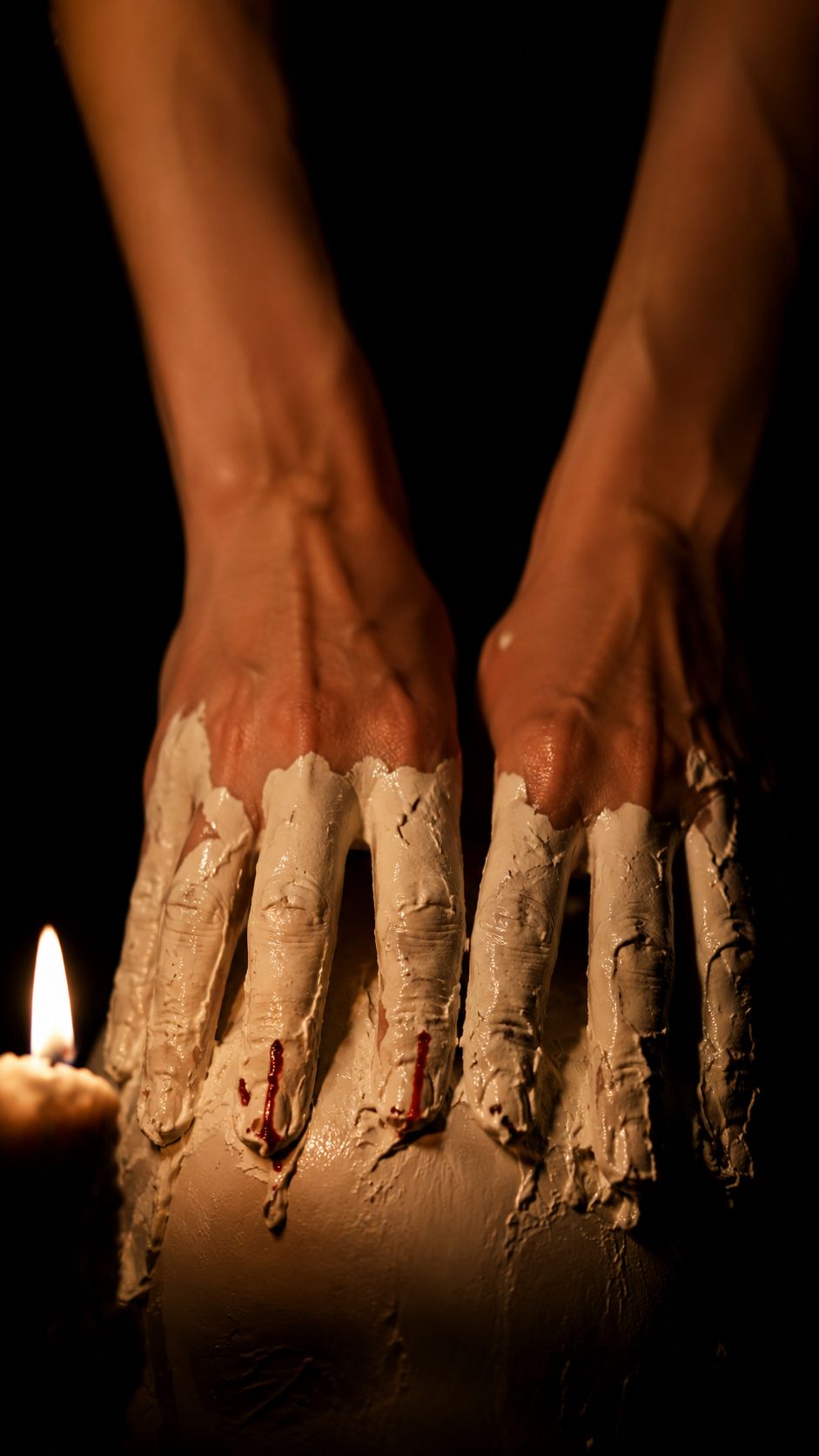 Paris · 1794The Woman Who Cast Faces From The GuillotineA wax modeller who once taught princesses at Versailles ended up pressing plaster into the still-warm faces of the guillotined.
- St Peter Port, Guernsey · 1556The Guernsey Martyr Who Burned With Her BabyA pregnant Protestant woman was burned alive on Guernsey during Mary I's persecutions, in an atrocity even her chroniclers called unmatched.
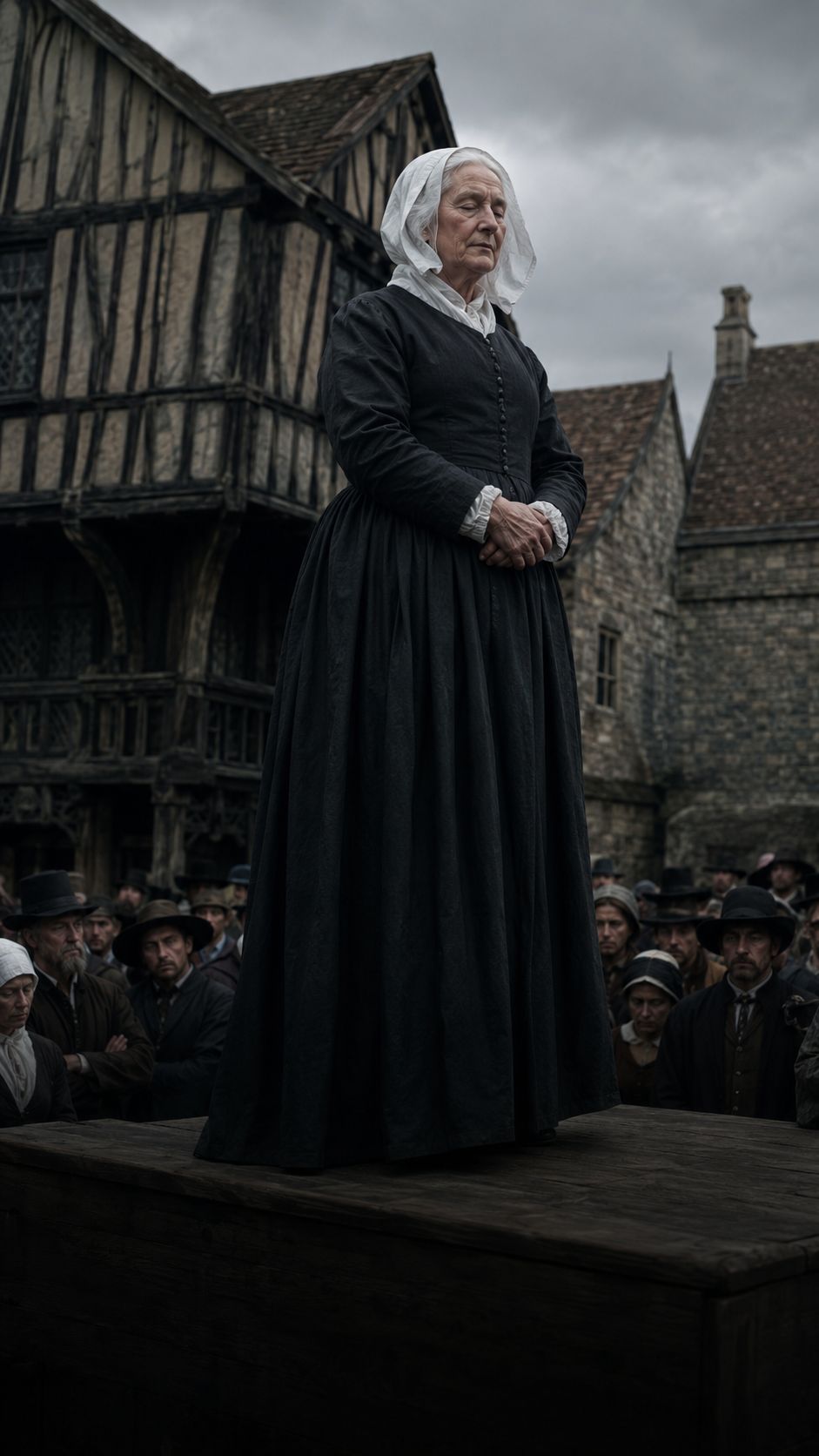 Winchester · 1685The Hanging Judge's First VictimAn elderly woman sheltered fugitives after Monmouth's failed rebellion, and the Hanging Judge made her his first target.
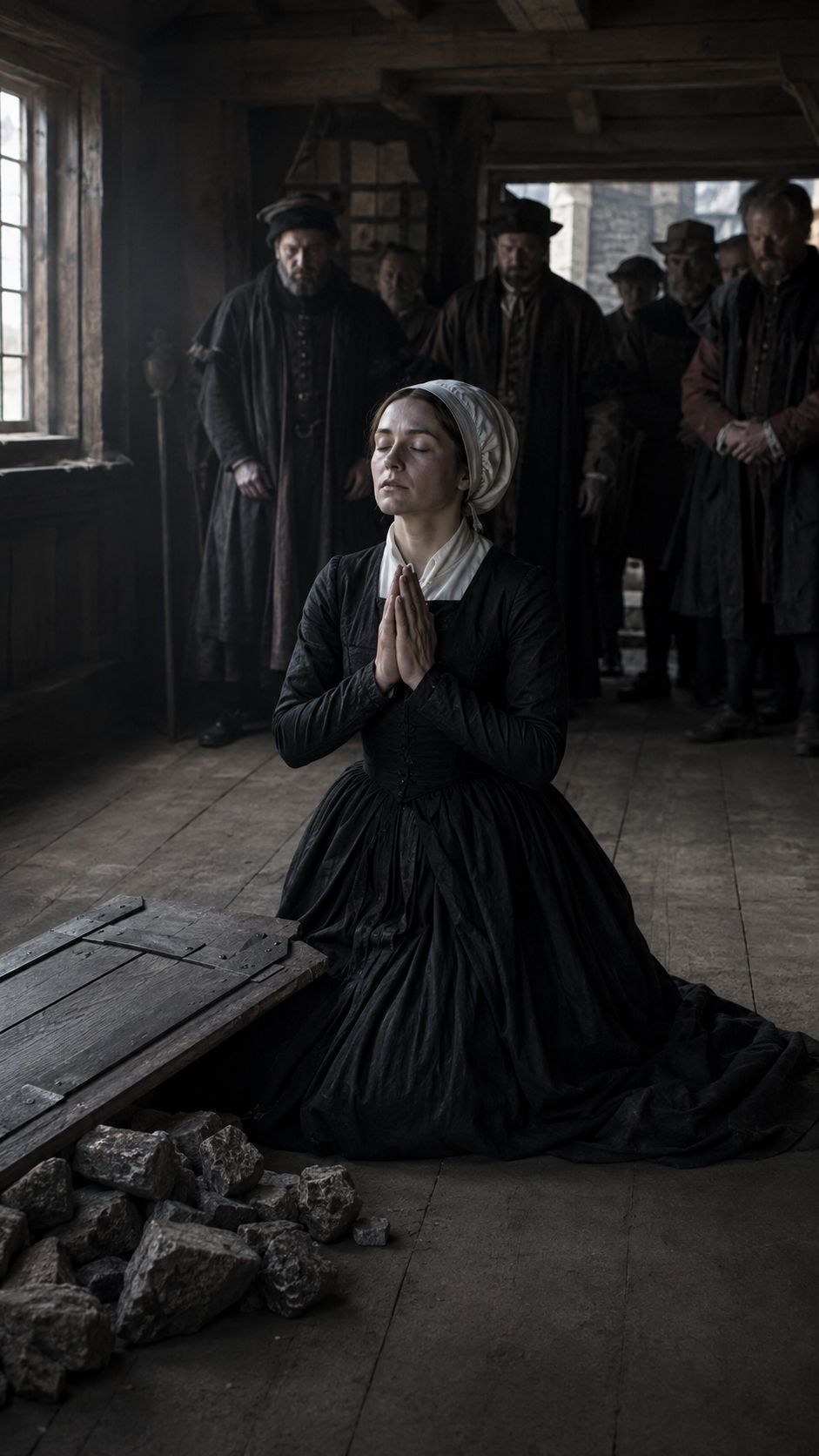 York · 1586The Pearl Of York, Pressed To DeathA well-liked butcher's wife converted to Catholicism, and Elizabethan York crushed her slowly beneath a door for it.
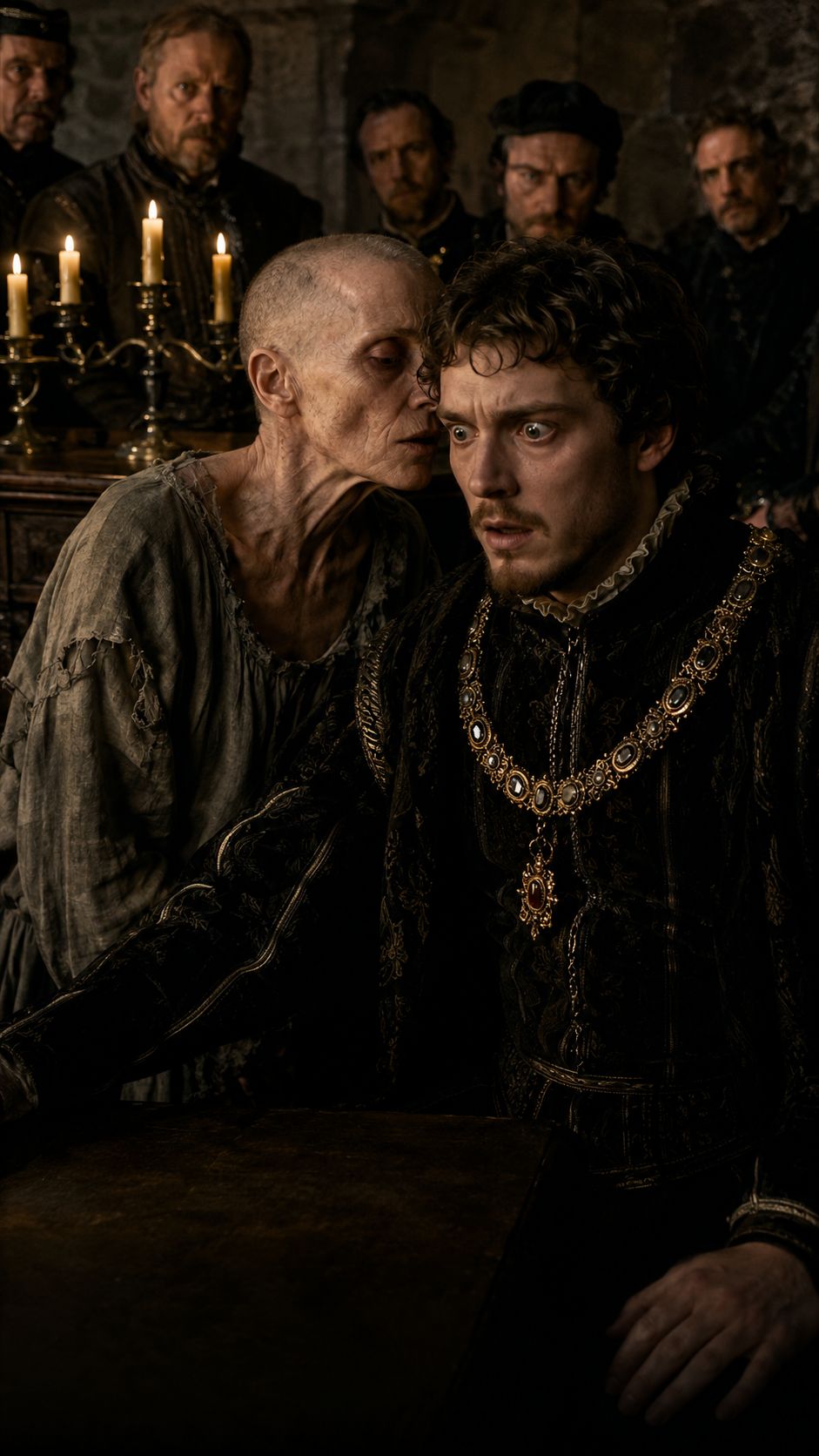 Edinburgh · 1591The Wise Wife Burned For A King's FearA beloved village healer was accused of witchcraft to satisfy a paranoid young king, and lit a fire that consumed scores more.
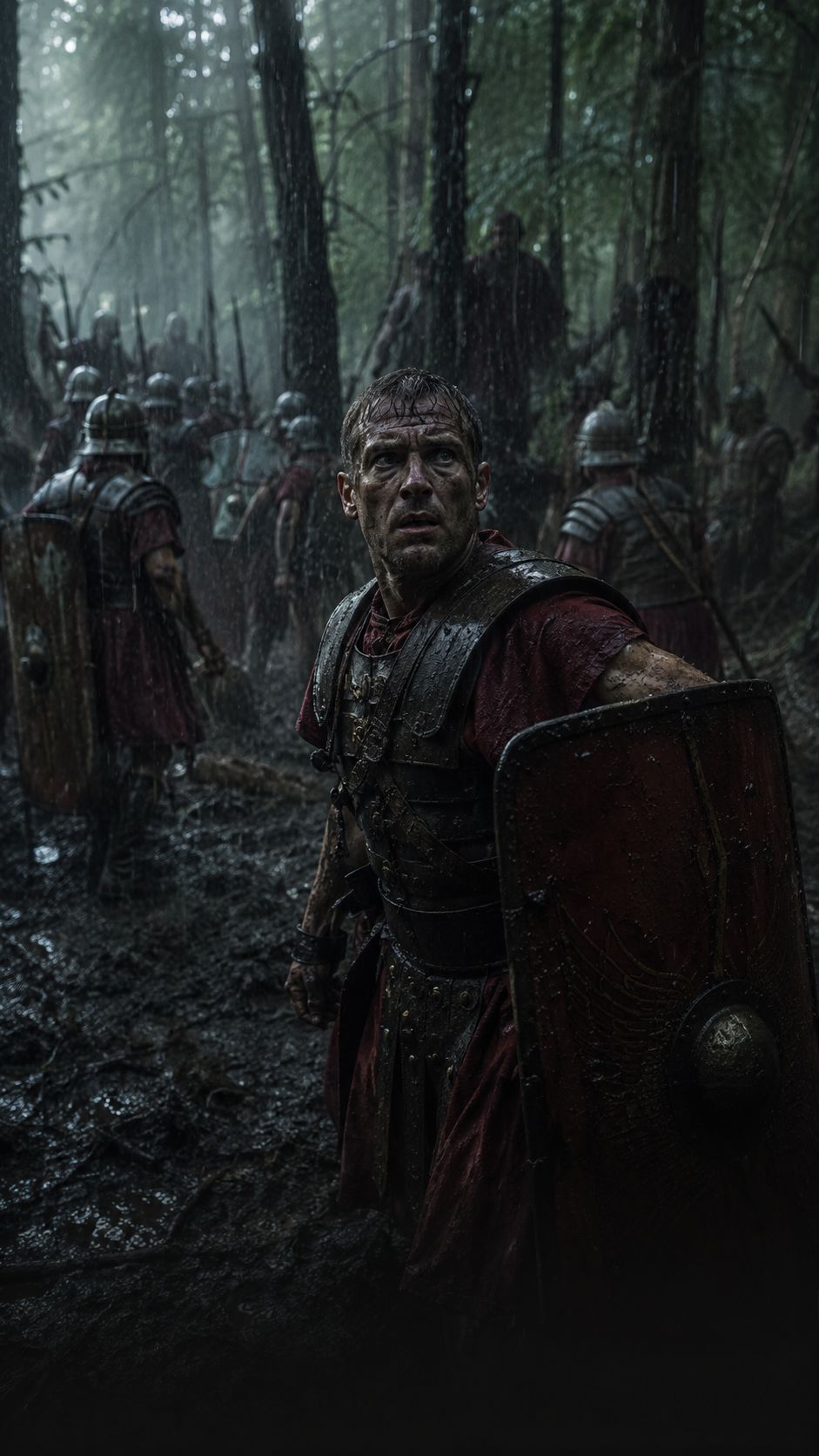 Teutoburg Forest · 9The Betrayal That Cost Rome Three LegionsA trusted Germanic prince led three Roman legions into an ambush so total the survivors found only bleached bones years later.
 Hoxne, Suffolk · 869The King Whose Head Called Out From The WoodsA Viking army executed an English king and hid his head in the forest, where his followers heard it calling back to them.
 Cape Cod · 1717The Pirate's Sunken Promise To His LoveA poor sailor turned pirate to win a fortune for the woman he loved, and his treasure ship vanished for over 260 years.
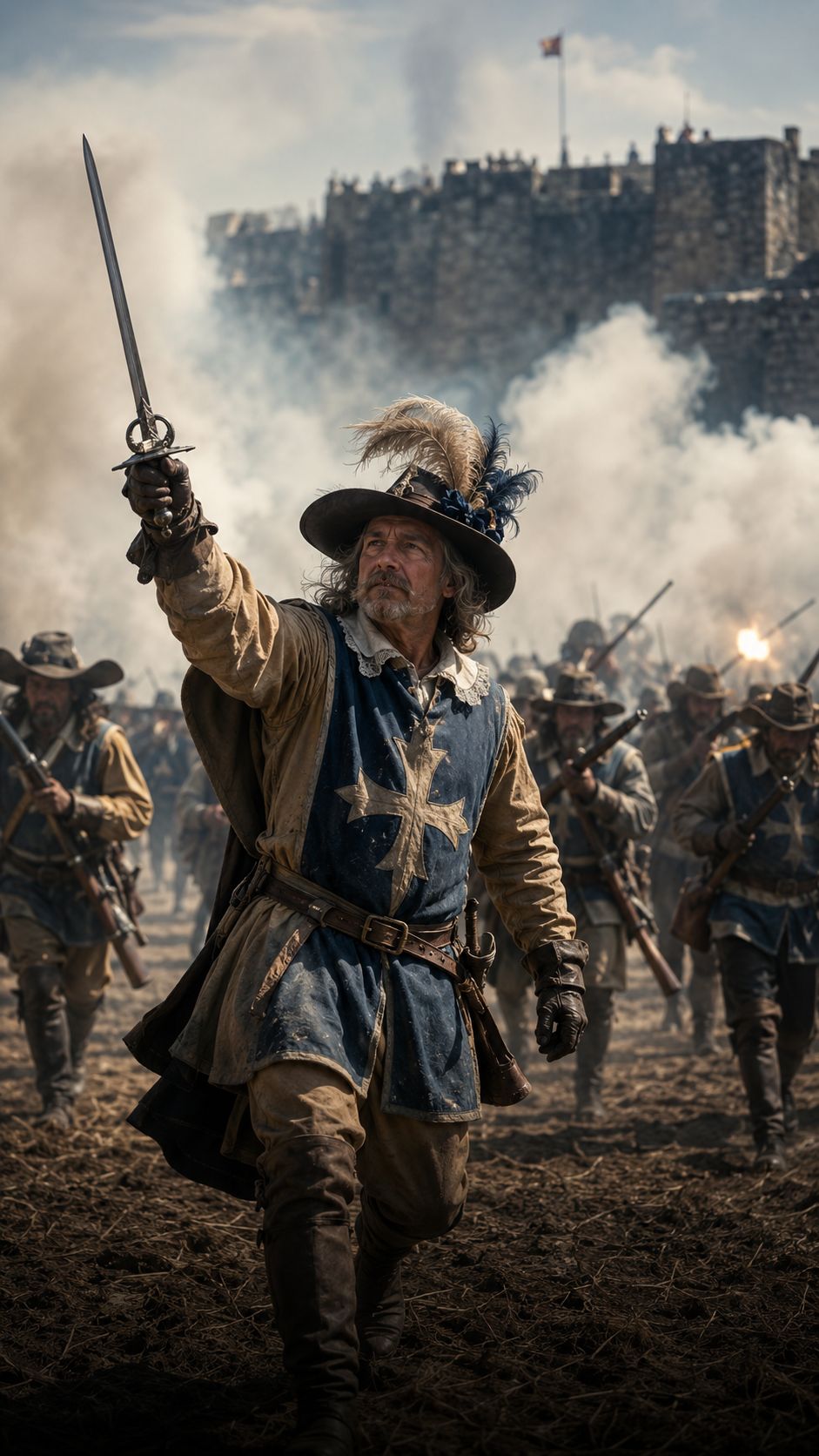 Maastricht · 1673The Real D'Artagnan's Lost GraveThe true musketeer behind the swashbuckling legend died on foreign soil, and his grave was lost for three and a half centuries.
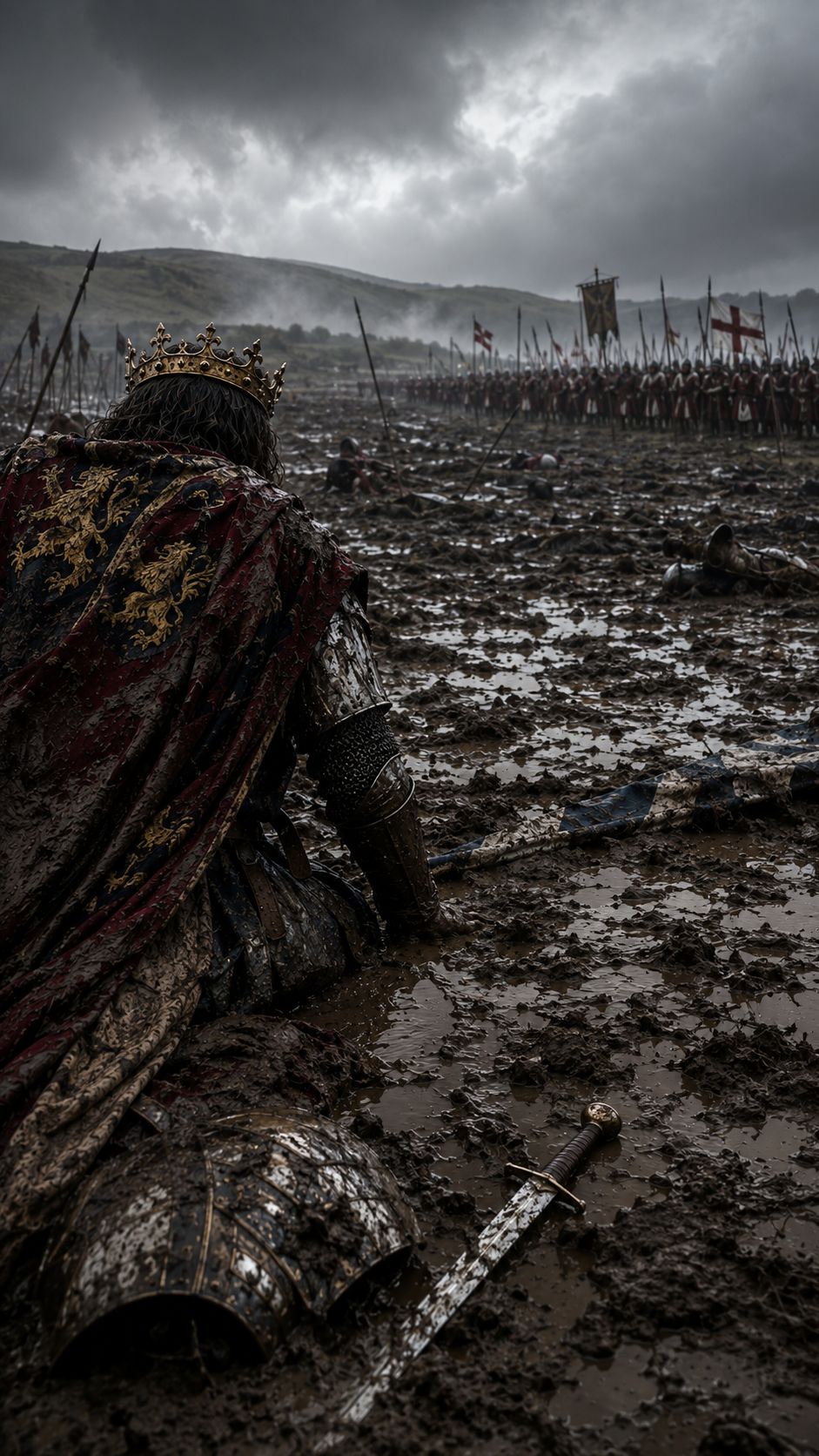 Flodden Field · 1513The Renaissance King Who Lost His Head For HonourScotland's most brilliant king marched to war for an old alliance, and his skull ended up as a curio on an Englishman's shelf.
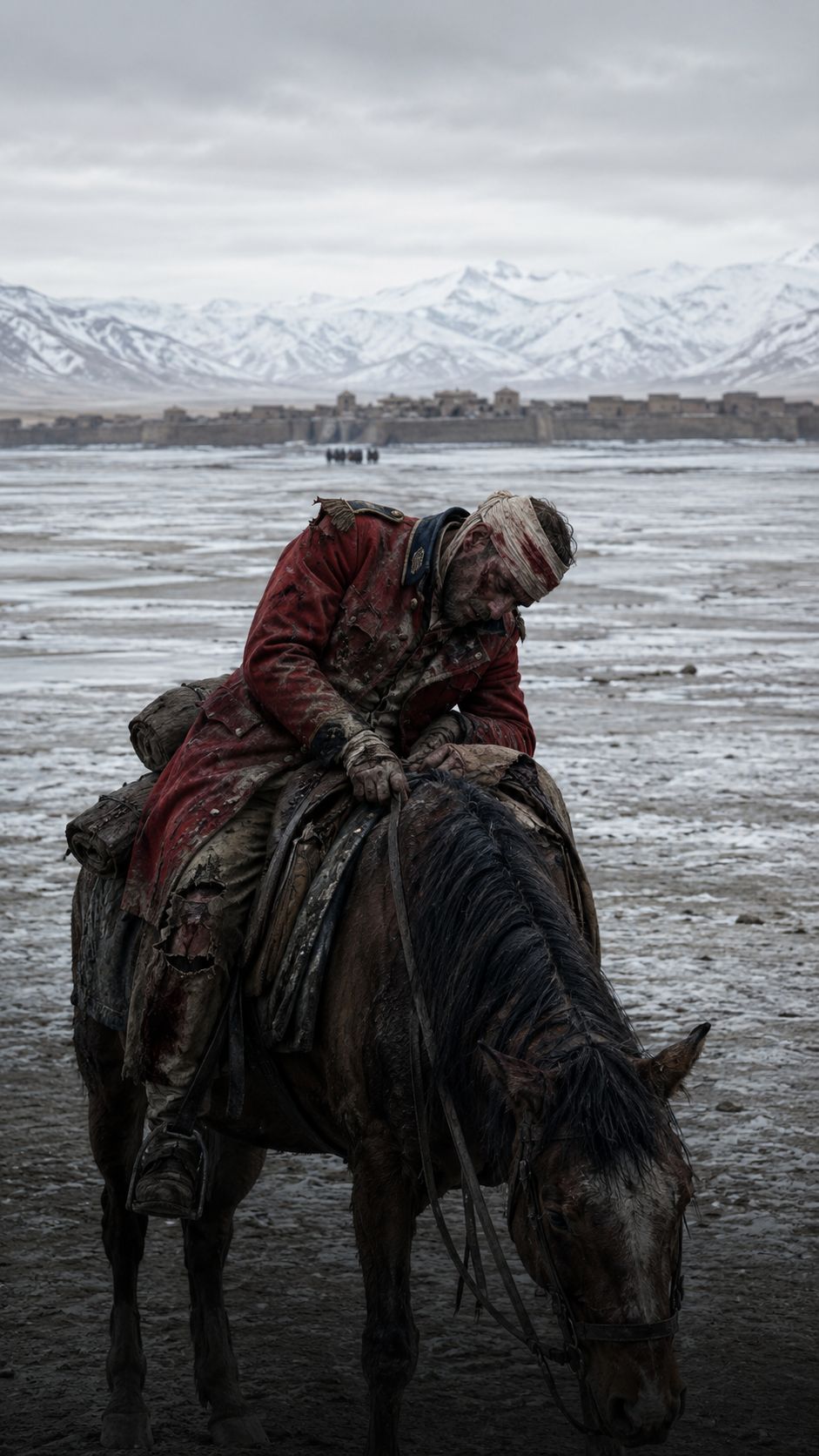 Kabul to Jalalabad road · 1842The Retreat That Killed An ArmySixteen thousand British troops and camp followers retreated from Kabul, and almost none of them made it out alive.
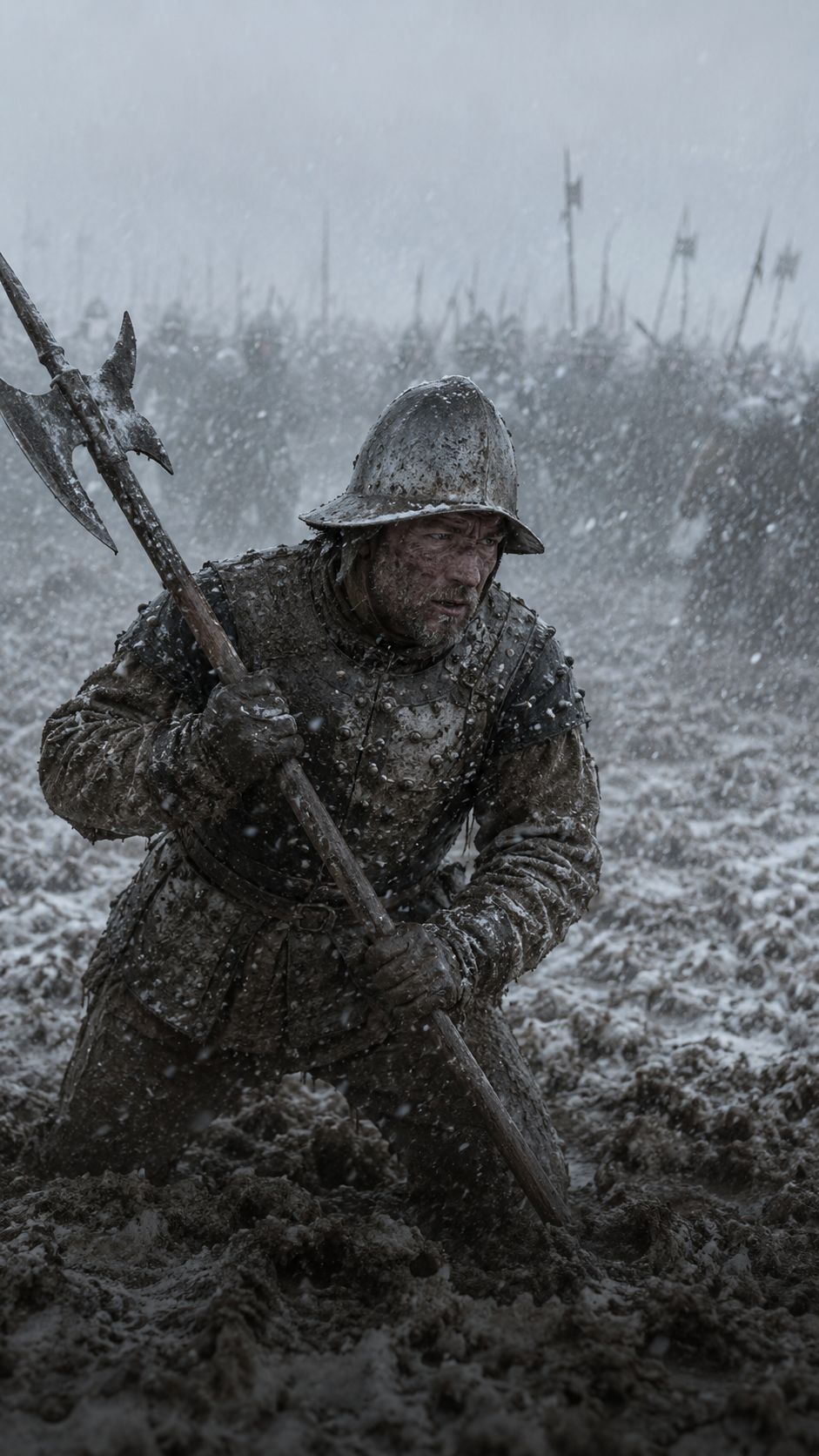 Towton · 1461England's Bloodiest Snowbound BattleFifty thousand Englishmen met in a snowstorm to settle the Wars of the Roses, and their mass grave stayed hidden for five centuries.
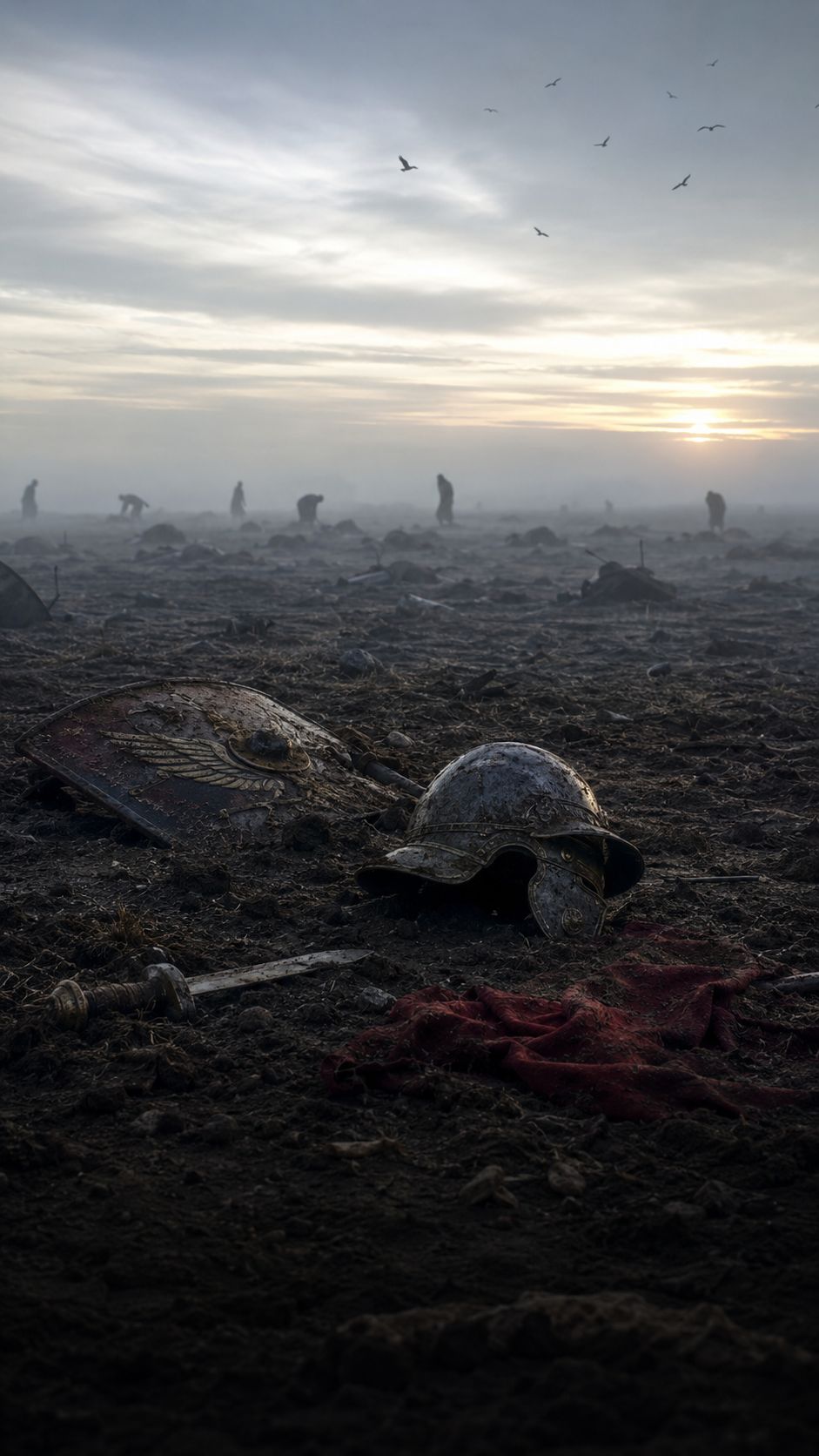 Cannae · 216 BCRome's Largest Army Destroyed In A DayRome's biggest army ever raised marched to crush Hannibal at Cannae, and dawn broke over one of history's worst battlefield massacres.
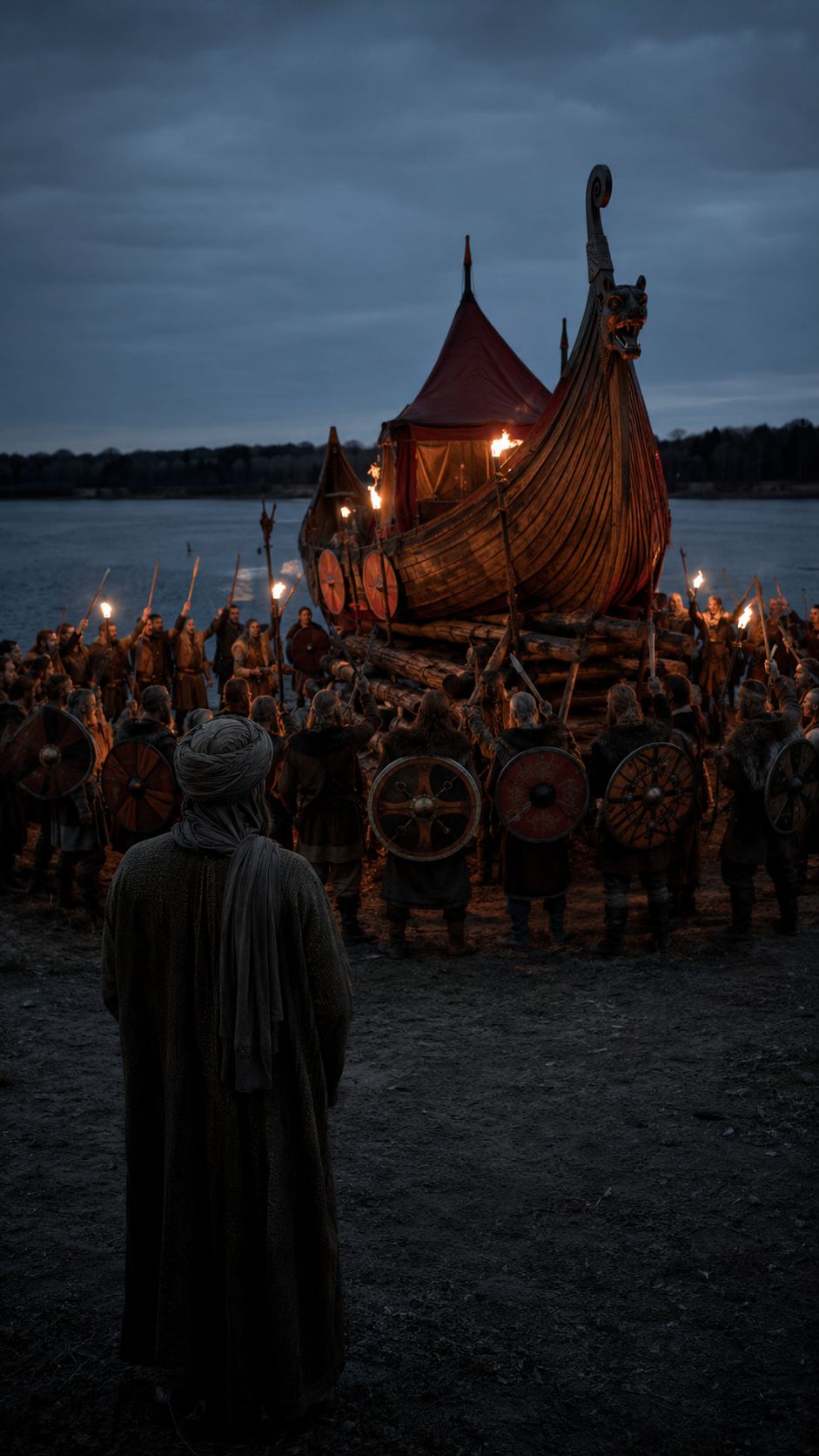 Bolgar · 921The Arab Diplomat Who Watched Vikings BurnA Muslim envoy to the Volga recorded a Viking ship funeral in horrifying detail, and got an answer that still unsettles readers.
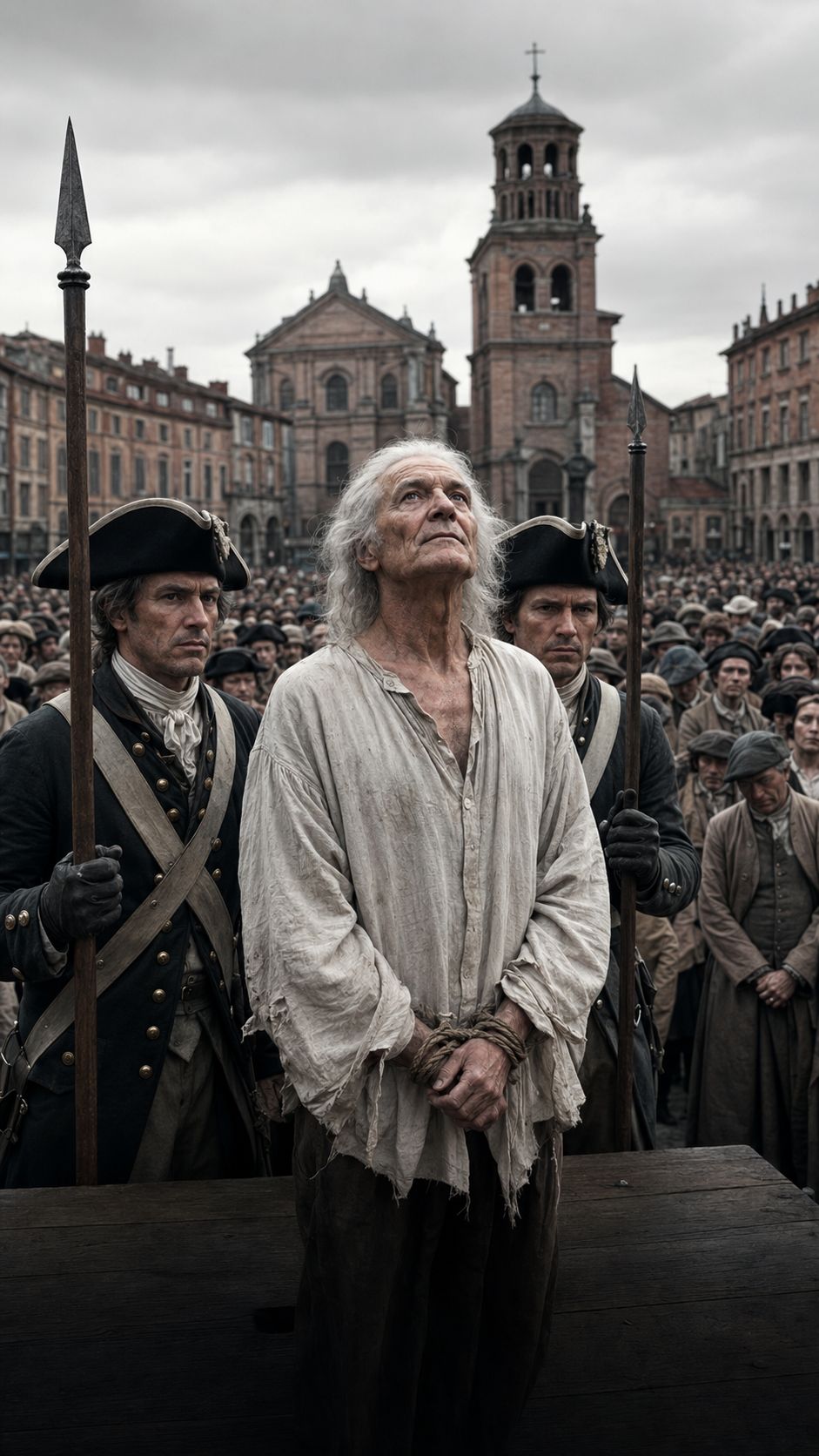 Toulouse · 1762The Merchant Voltaire Fought To ClearA Protestant merchant was executed for his son's death in Catholic Toulouse, until Europe's most famous writer took up his cause.
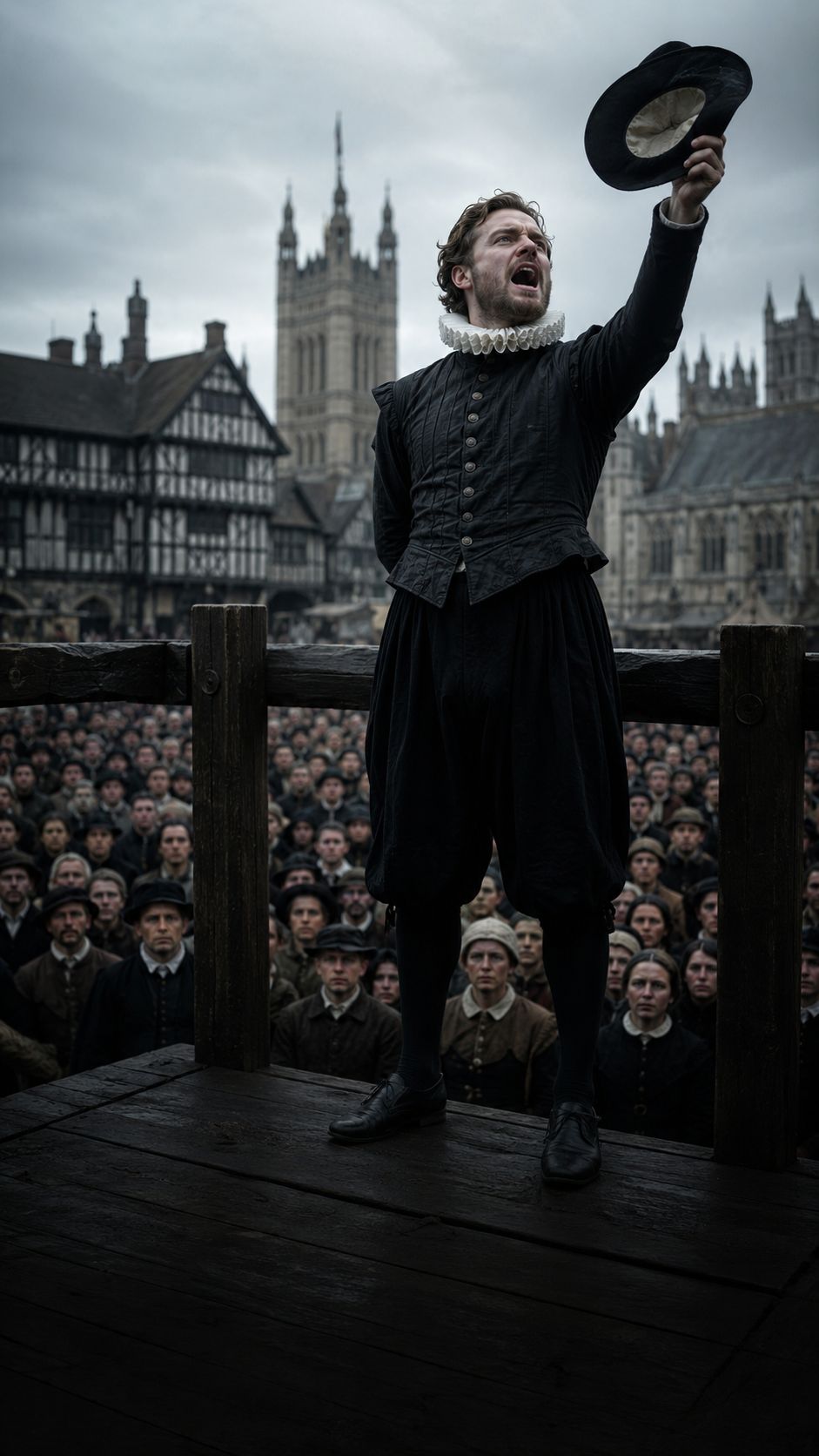 Westminster, London · 1579The Pamphleteer Who Blessed The Queen With A Bloody StumpA Puritan lawyer wrote against Elizabeth I's marriage plans and paid with his hand, then astonished the crowd with what he did next.
 Amarna · 1336 BCThe Pharaoh Who Erased Egypt's GodsA pharaoh tore down a thousand years of religion to worship a single sun god, and Egypt spent centuries erasing him for it.
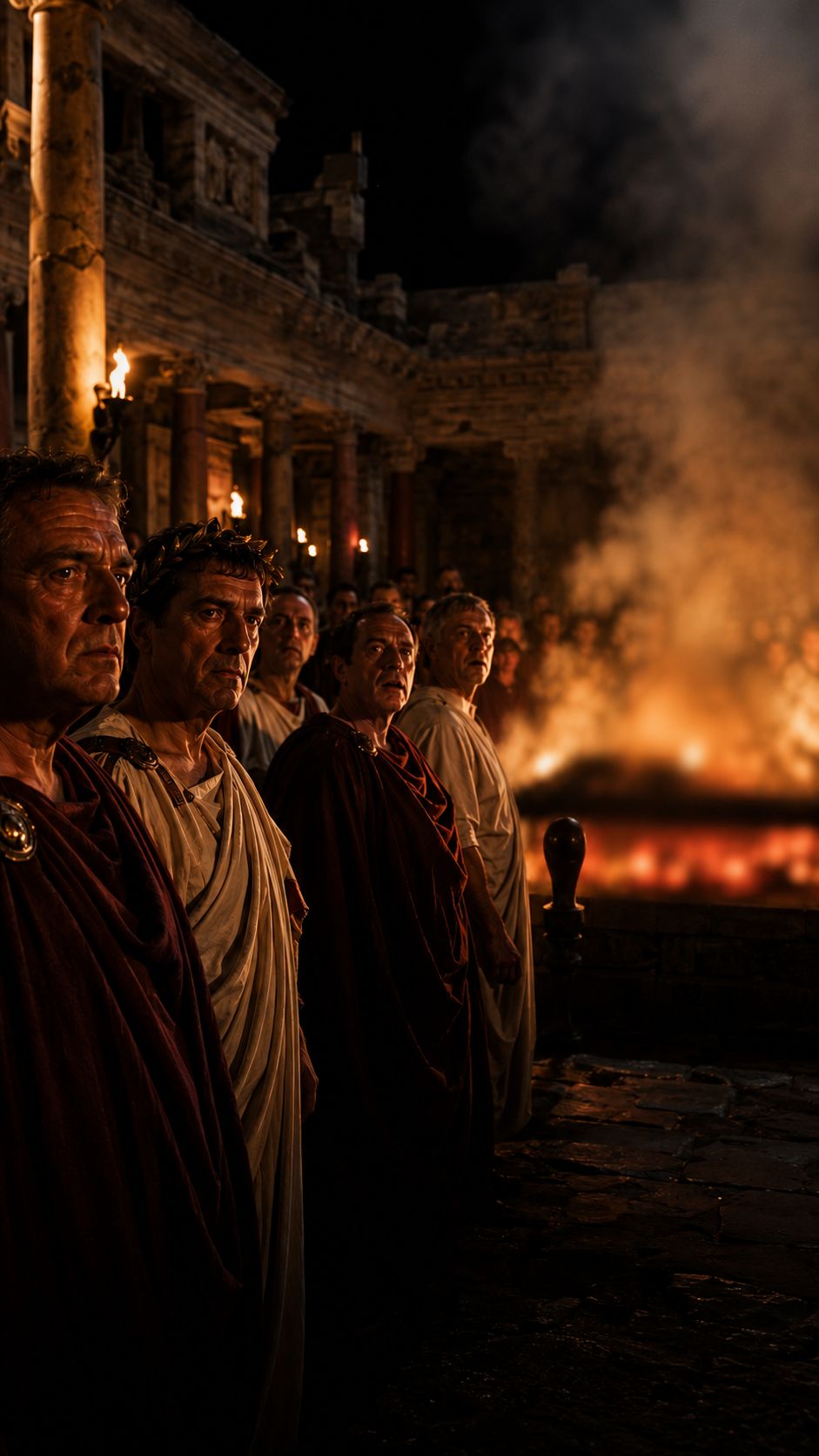 Rome · 390 BCThe Black Day Rome Never ForgotA broken diplomatic mission brought a Gallic warband to the gates of Rome, and the city that never lost anything watched itself burn.
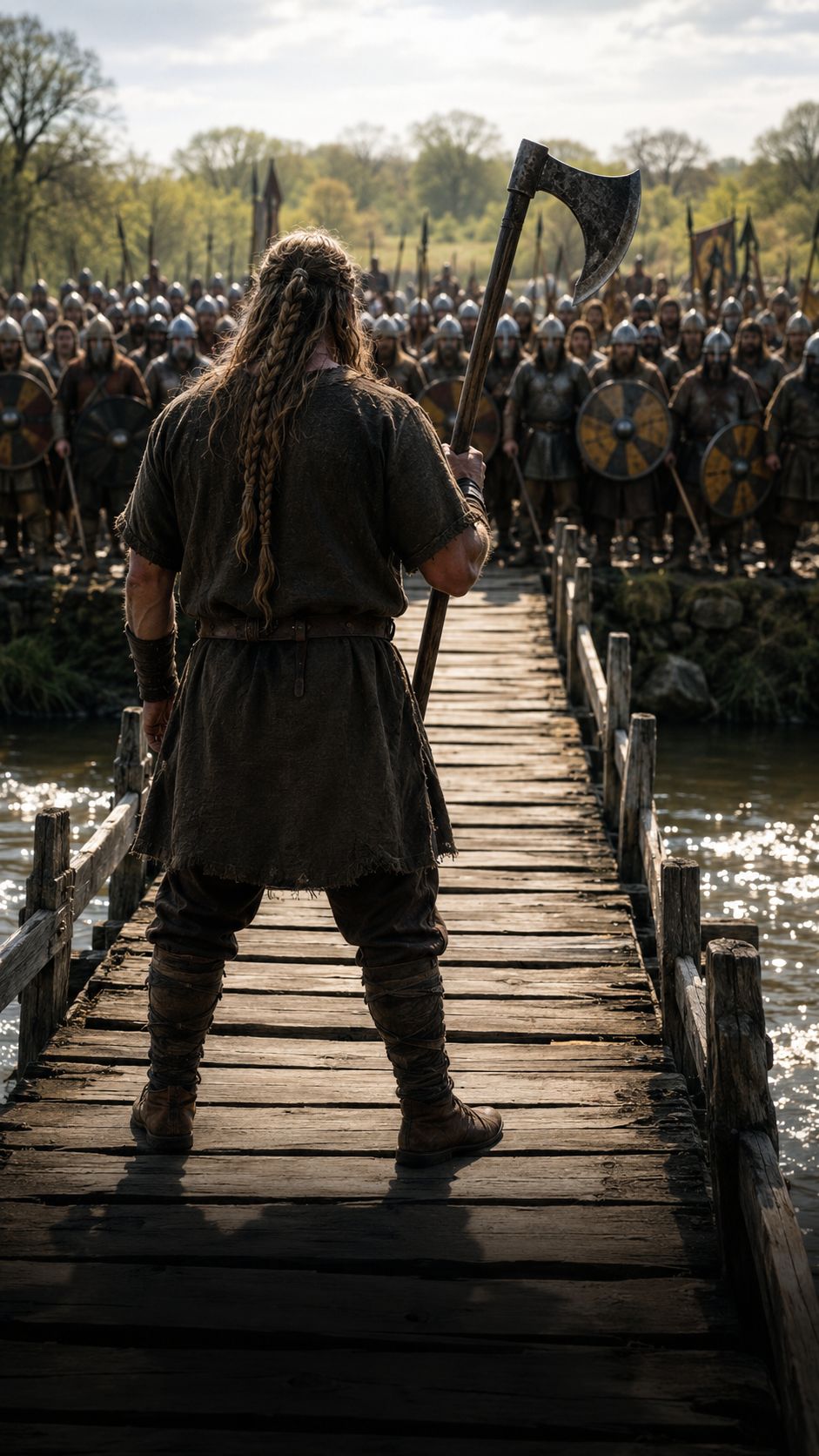 Stamford Bridge · 1066The Last Great Viking KingEurope's most feared warrior invaded England for its crown, and lost the Viking Age in a single afternoon on a Yorkshire riverbank.
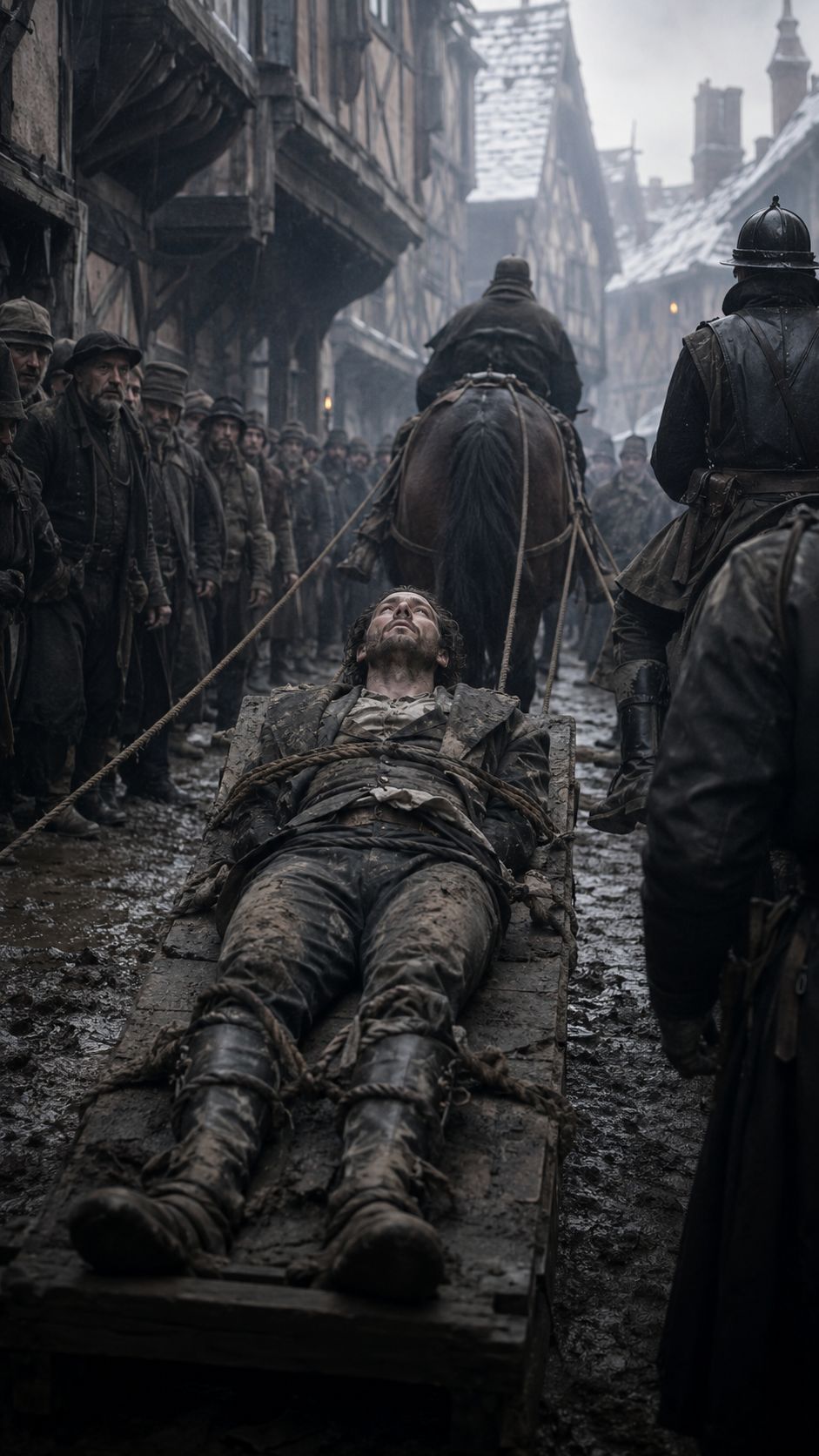 Tyburn, London · 1541The Man Who Died Worse Than A QueenBefore Henry VIII ever met Catherine Howard, a secret in her past would drag her lover to a death crueler than her own.
- Boston · 1660The Quaker Who Hung Like A FlagPuritan Boston hanged a Quaker woman as a warning, and the wind turned her execution into the opposite of what they intended.
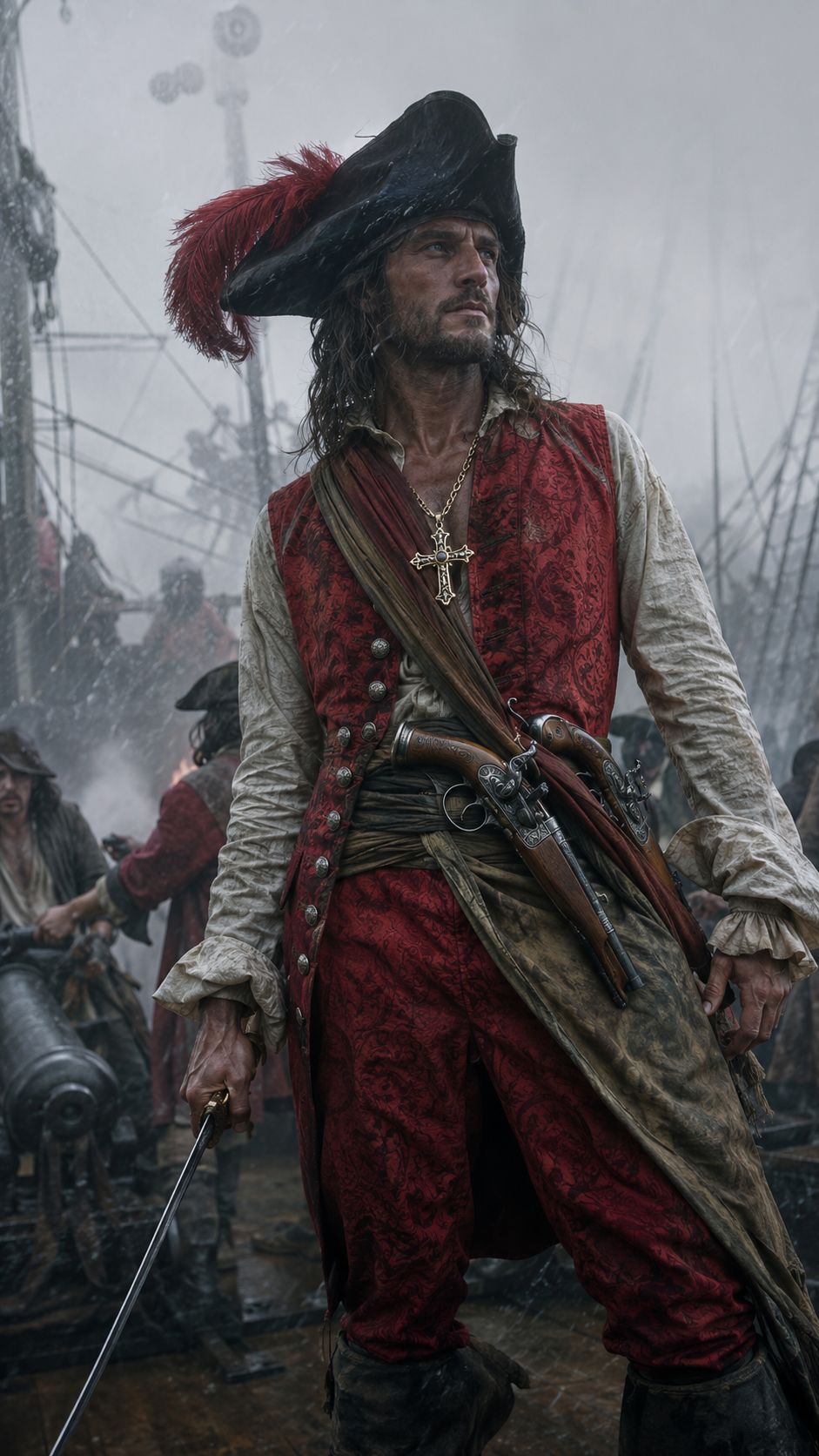 Cape Lopez · 1722The Reluctant Pirate Who Became KingPressed into piracy against his will, a Welsh sailor became the most successful pirate in history before a warship caught him at breakfast.
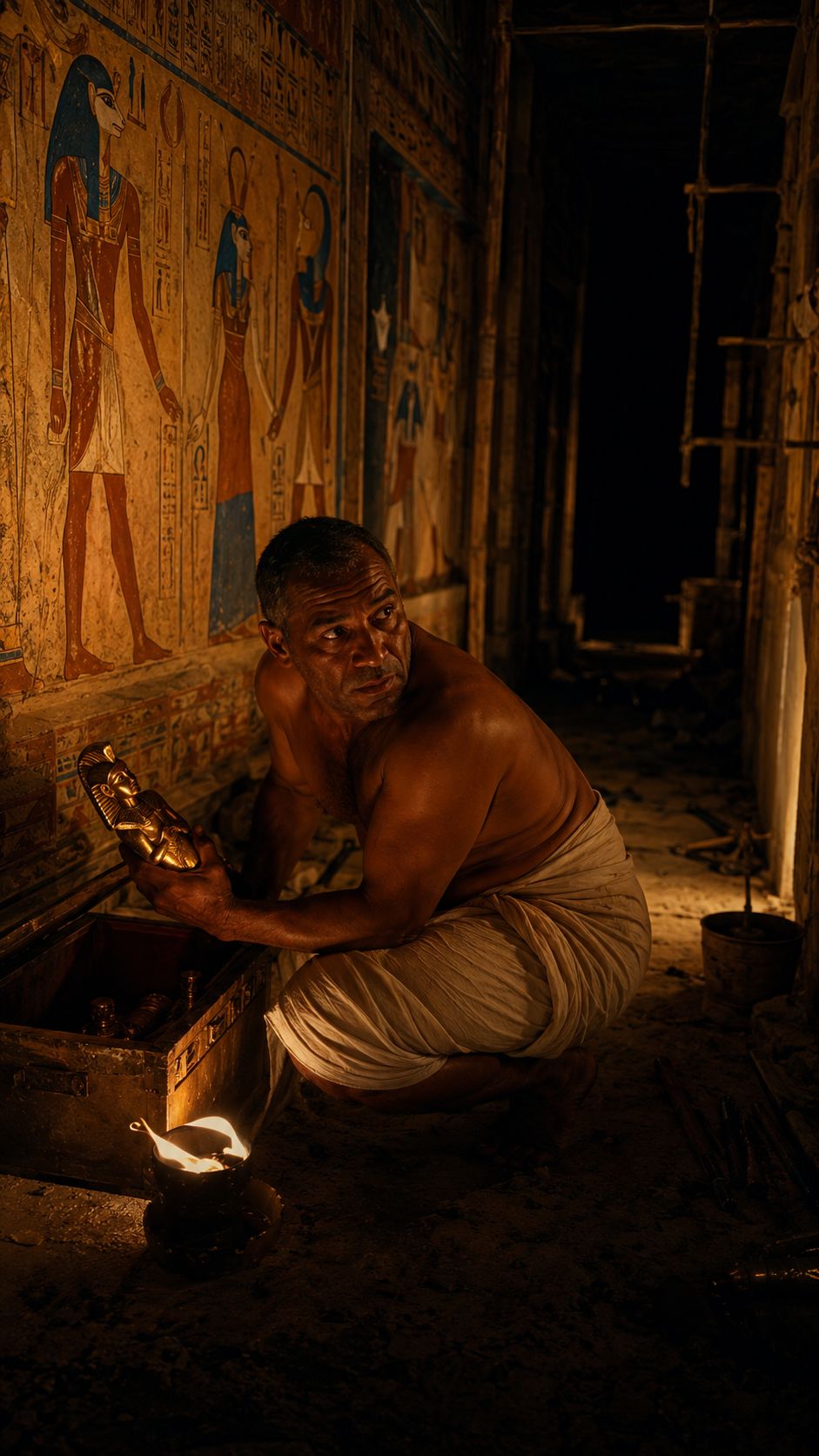 Deir el-Medina · 1150 BCThe Tomb Robber's Charge SheetA 3,200-year-old papyrus names the women a powerful Egyptian craftsman was accused of assaulting, and his own tomb still stands as evidence.
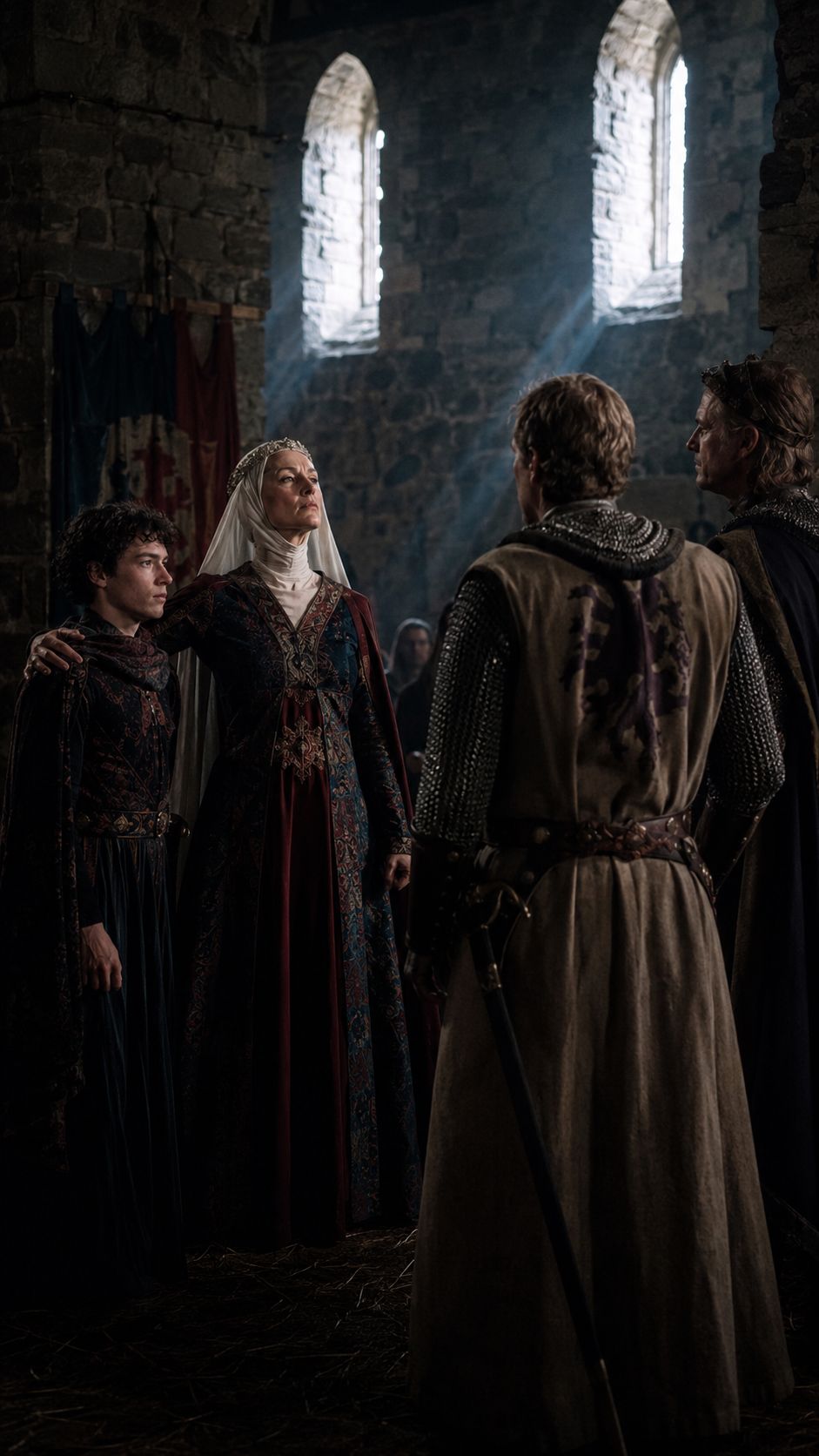 Windsor · 1210The Warrior Wife King John Starved To DeathA woman who held a castle against thousands of Welshmen was locked in a dungeon by her own king and left to starve with her son.
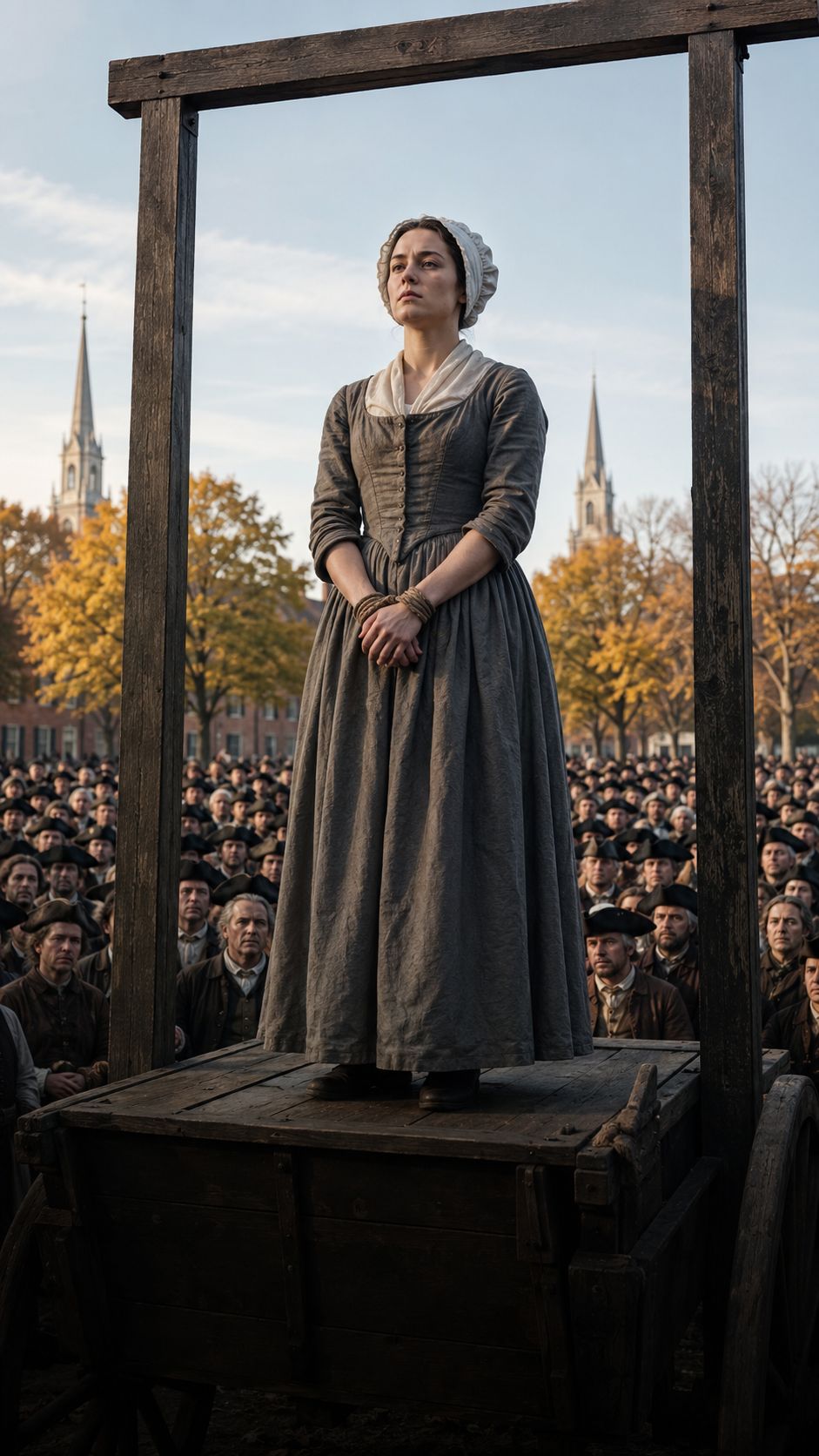 Boston, Massachusetts · 1789America's First Woman Hanged For PiracyA farm girl drawn to the docks confessed to almost every crime imaginable the day before she was hanged in Boston.
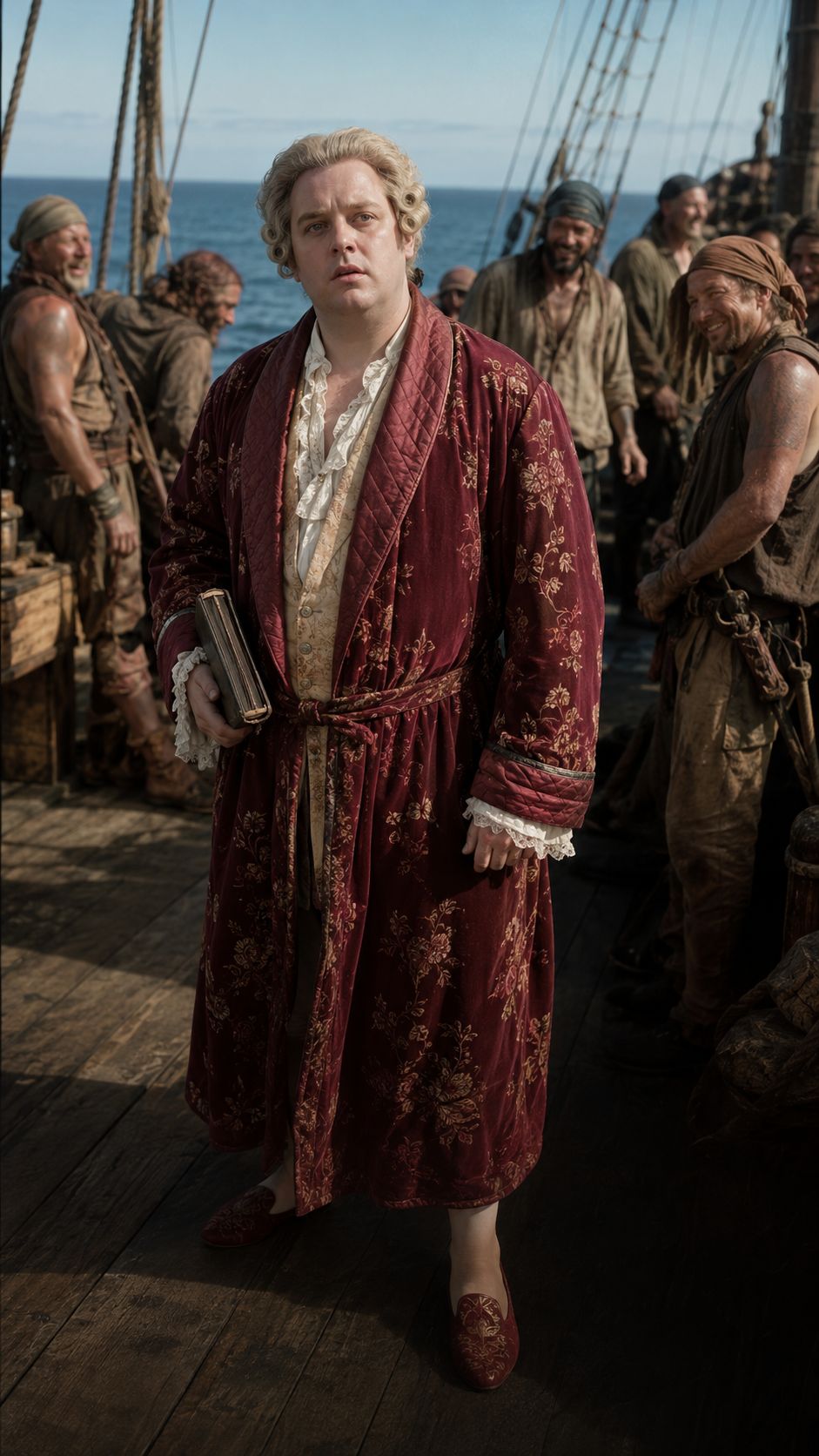 Charleston, South Carolina · 1718The Gentleman Pirate's Doomed VoyageA wealthy Barbados planter walked away from his family and fortune to become a pirate, and it ended on the gallows in Charleston.
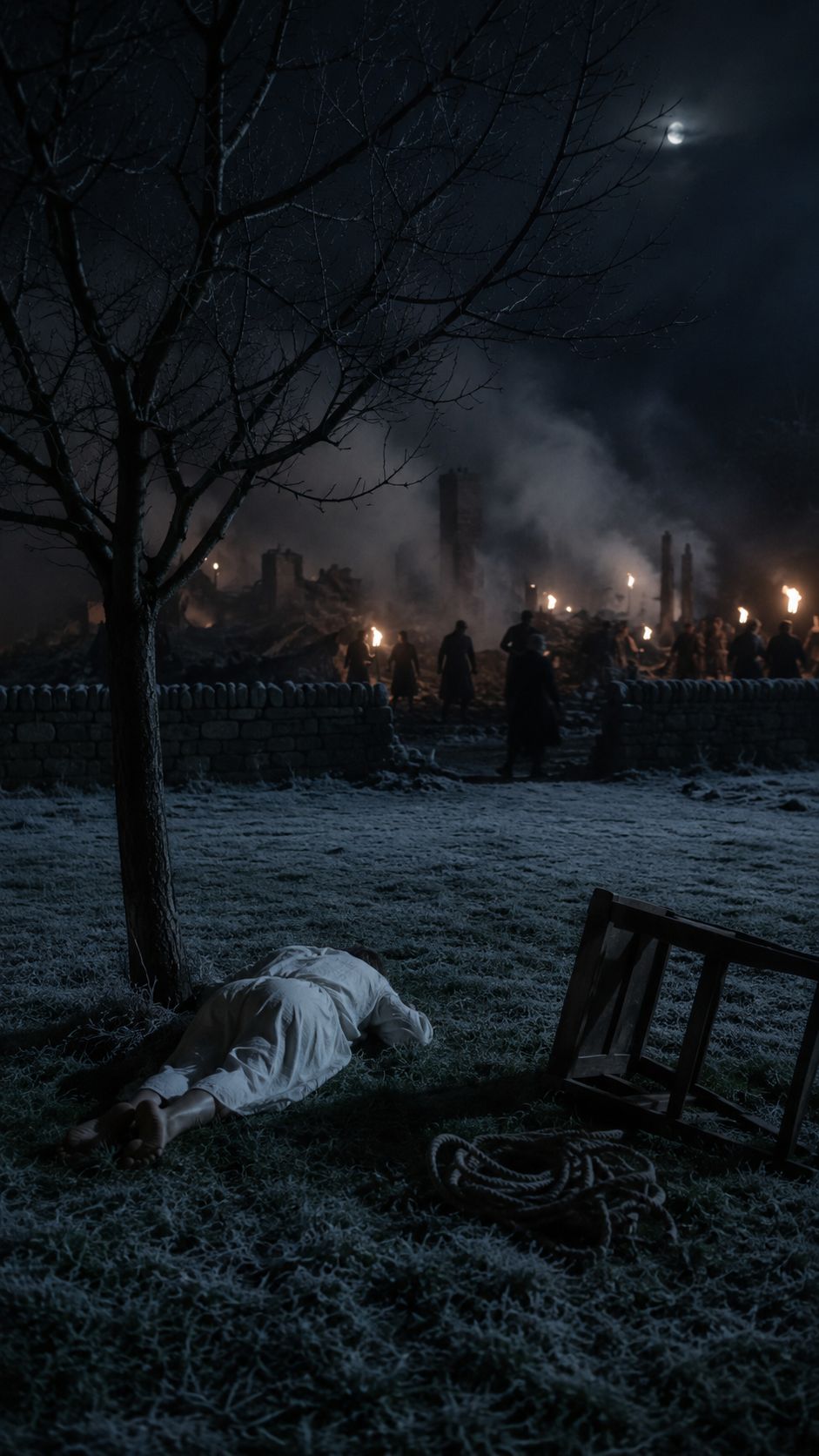 Kirk o' Field, Edinburgh · 1567The Husband Blown Up And Strangled In A NightgownMary, Queen of Scots' hated husband was found dead in a garden after his lodging exploded — but he hadn't died in the blast.
- Thebes · 1155 BCThe Pharaoh Murdered By His Own HaremA CT scan finally revealed the hidden throat wound that ended the reign of Egypt's last great pharaoh.
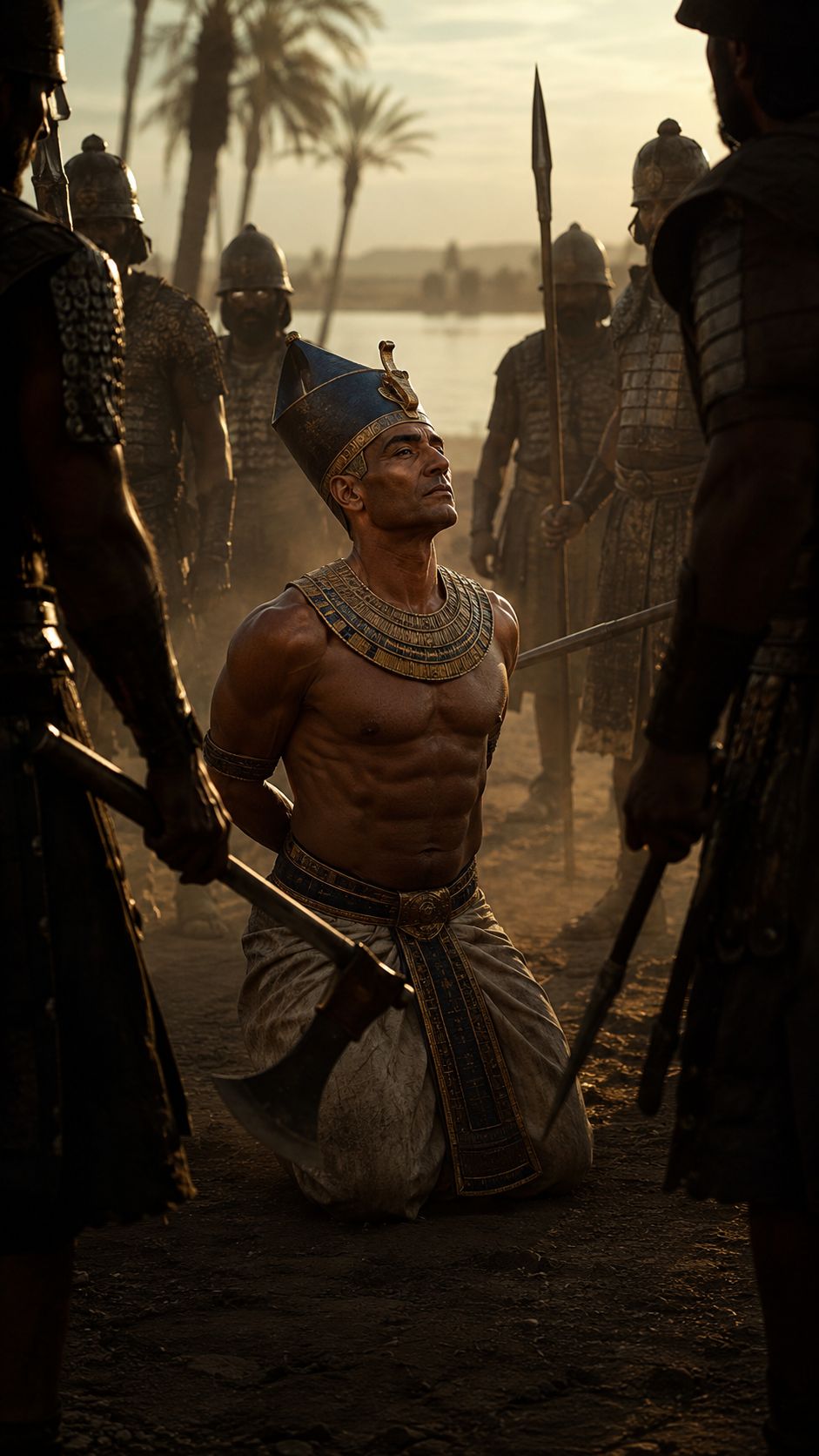 Thebes (Luxor) · 1550 BCThe Pharaoh Who Refused To Kneel To The HyksosEgypt had lived under foreign occupation for a century until one pharaoh rode out to war and was butchered for it.
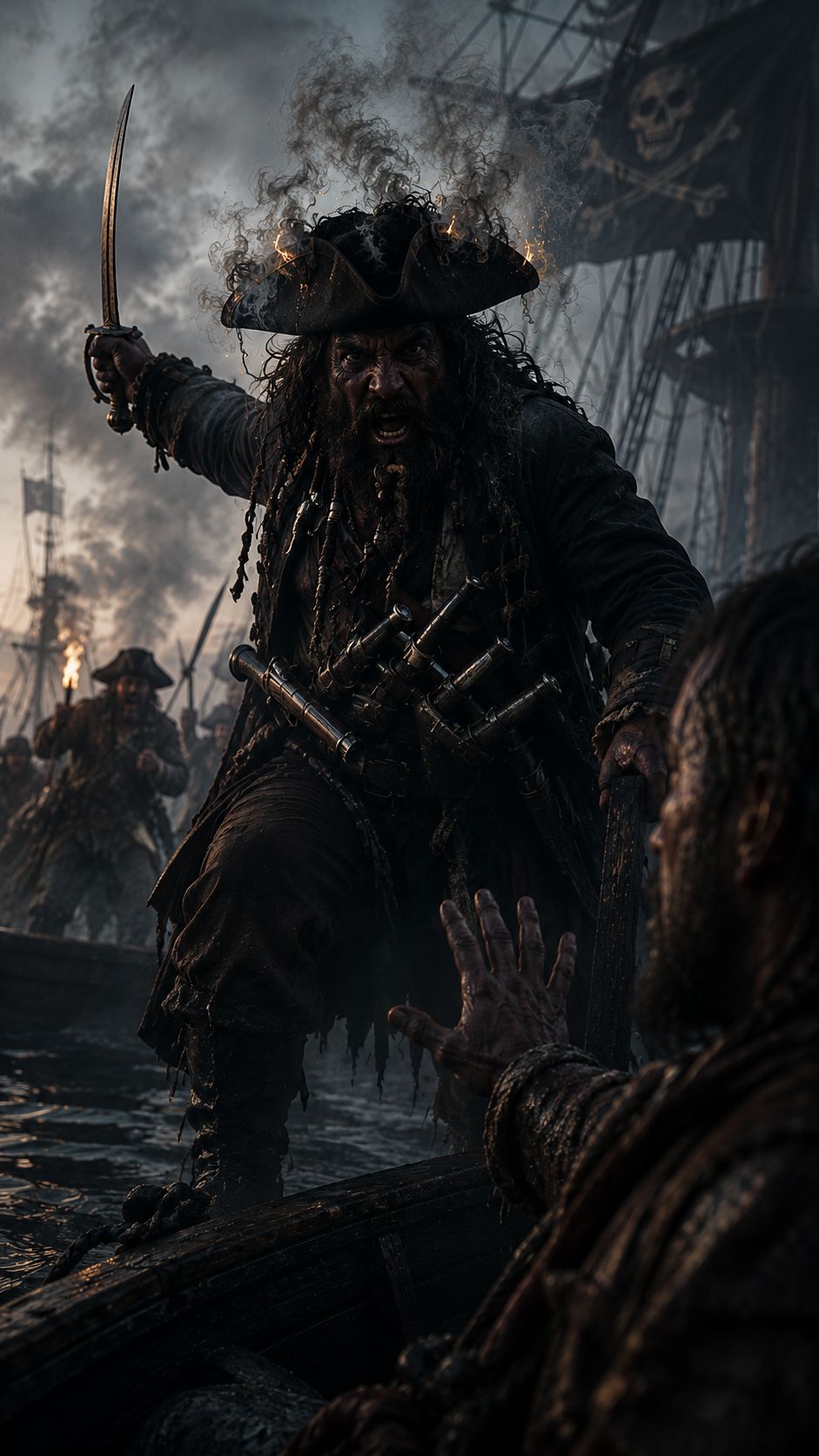 Ocracoke Island, North Carolina · 1718The Pirate Who Wore Smoke And Fire Into BattleHe lit fuses under his hat brim before boarding ships, becoming a living nightmare that terrified crews into surrender.
- Florence · 1348The Bones That Remembered The Black DeathTrade ships carried plague into Italy, and within months whole families vanished into forgotten charnel chapels.
- Santa Croce, Florence · 1642The Fingers Hidden In A Reliquary For CenturiesCondemned by the Inquisition and buried quietly, pieces of the man who moved the Earth resurfaced at an auction two centuries later.
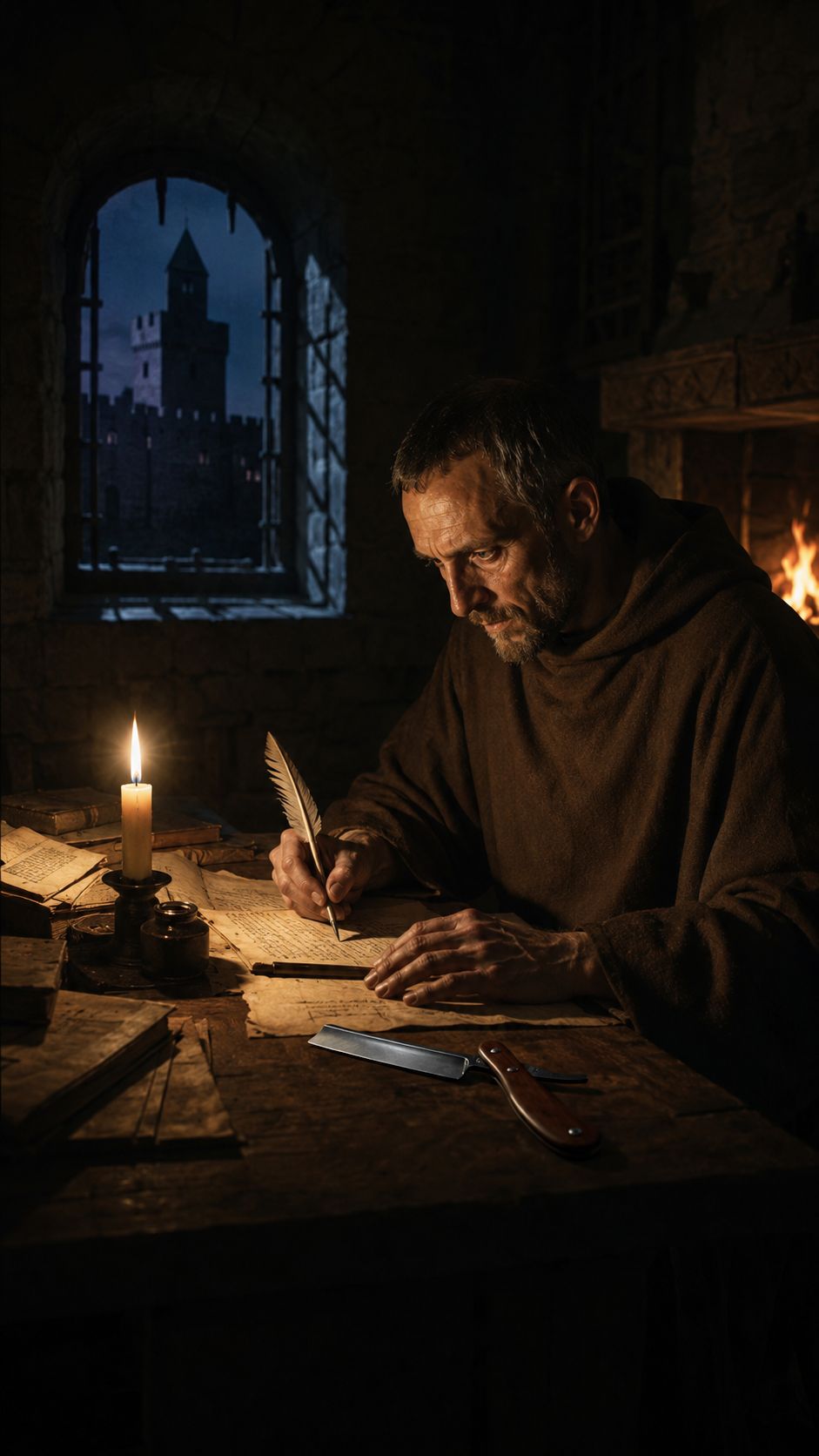 Munich · 1347The Friar Who Defied A Pope From ExileA philosopher famous for cutting away unnecessary explanations spent his final years hiding from the Pope under an emperor's soldiers.
- Halifax · 1650The Medieval Machine That Beheaded Petty ThievesCenturies before the guillotine, a Yorkshire town used a wood-and-iron machine to behead anyone caught stealing over thirteen pence.
- Prague · 1601The Nobleman Who Charted Stars With A Metal NoseA duel over a maths dispute cost him part of his face — and centuries later scientists opened his tomb to learn how he really died.
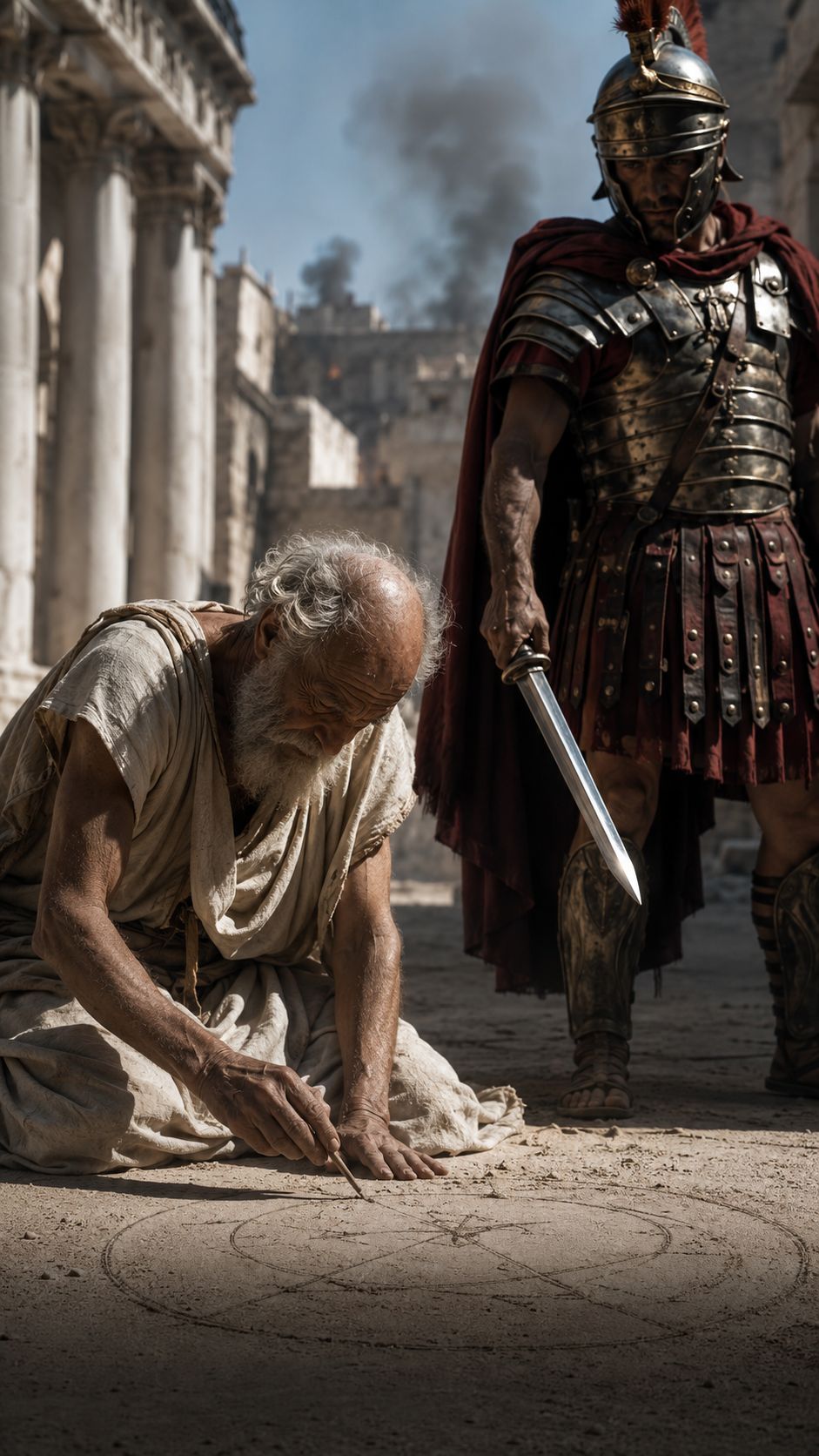 Syracuse · 212 BCKilled Over A Drawing In The SandRome's soldiers finally broke into Syracuse, and its greatest mind died mid-calculation, refusing to abandon his diagram.
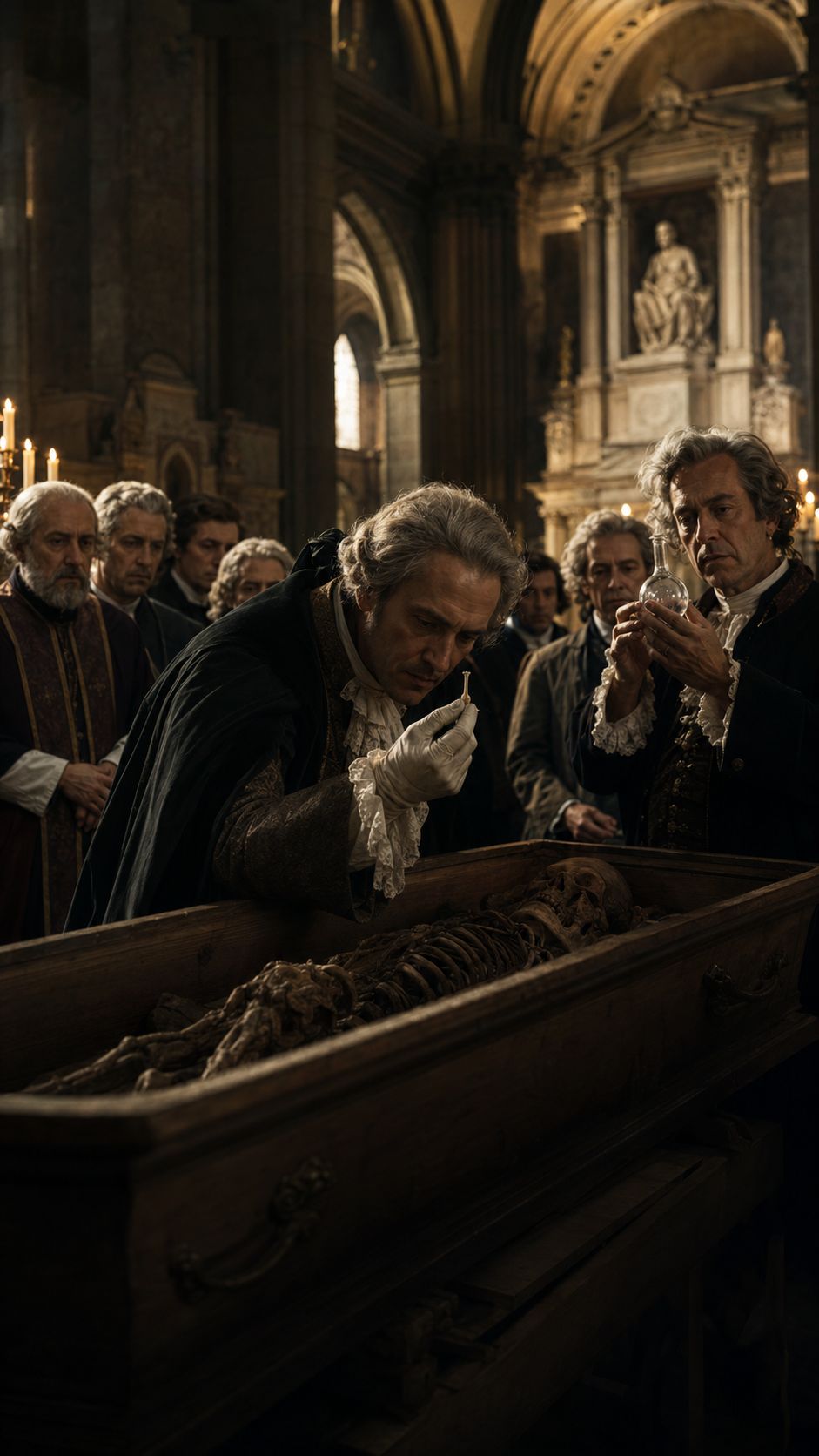 Vienna · 1809The Composer Buried Without His Own HeadEight days after his funeral, phrenology obsessives dug up a beloved composer and made off with his skull.
 Paris · 1849The Heart Smuggled Home In A Jar Of BrandyTerrified of being buried alive, a dying composer asked for his heart to be cut out — and it made a secret journey home.
- Bordeaux · 1828The Painter Whose Skeleton Came Home Without A HeadExiled and deaf, Spain's greatest painter died abroad — and when they finally brought him home, his skull was missing.
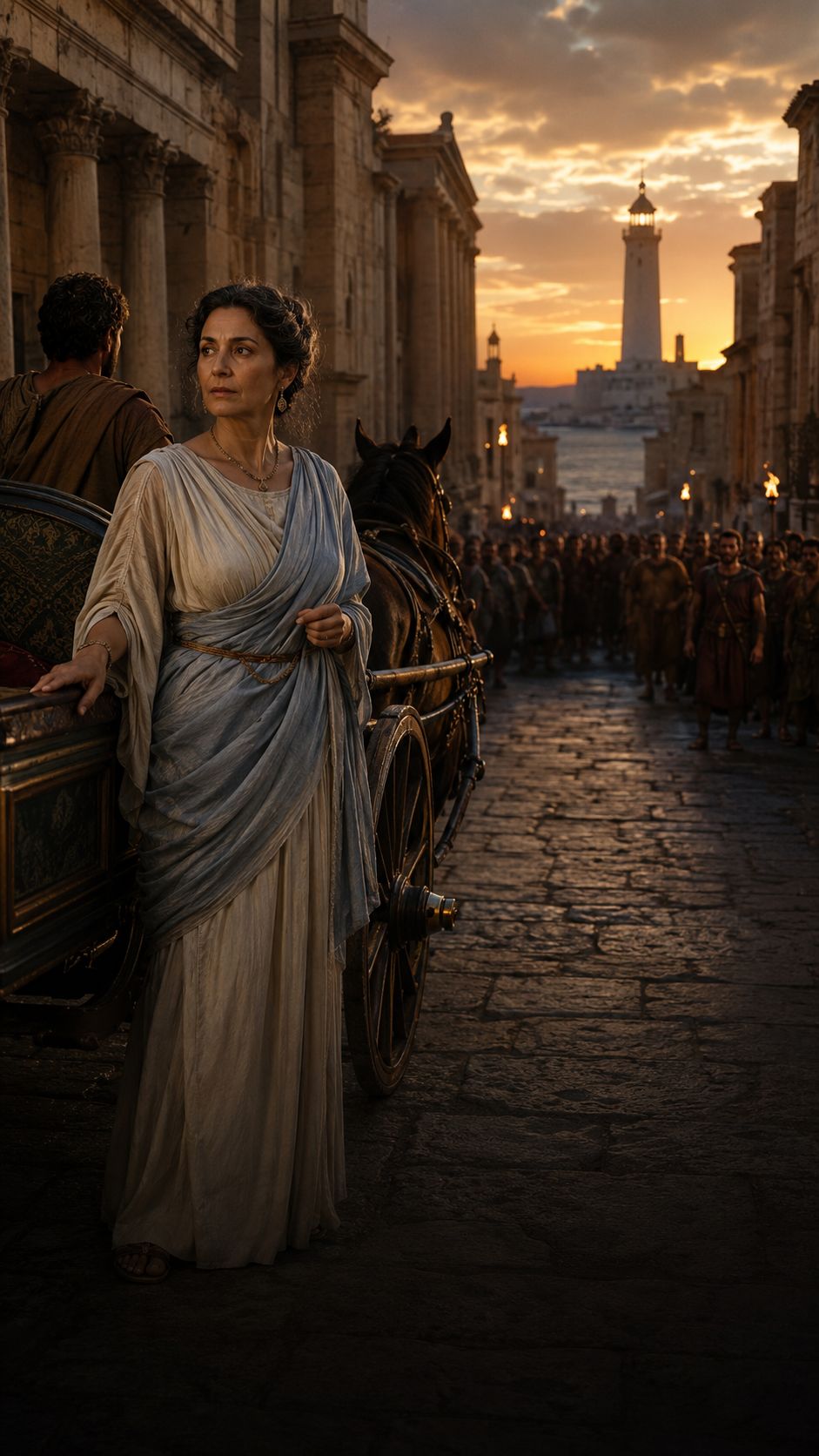 Alexandria · 415The Philosopher Torn Apart By A MobOne of antiquity's greatest mathematicians was dragged from her chariot and killed by a mob whose bishop was never punished.
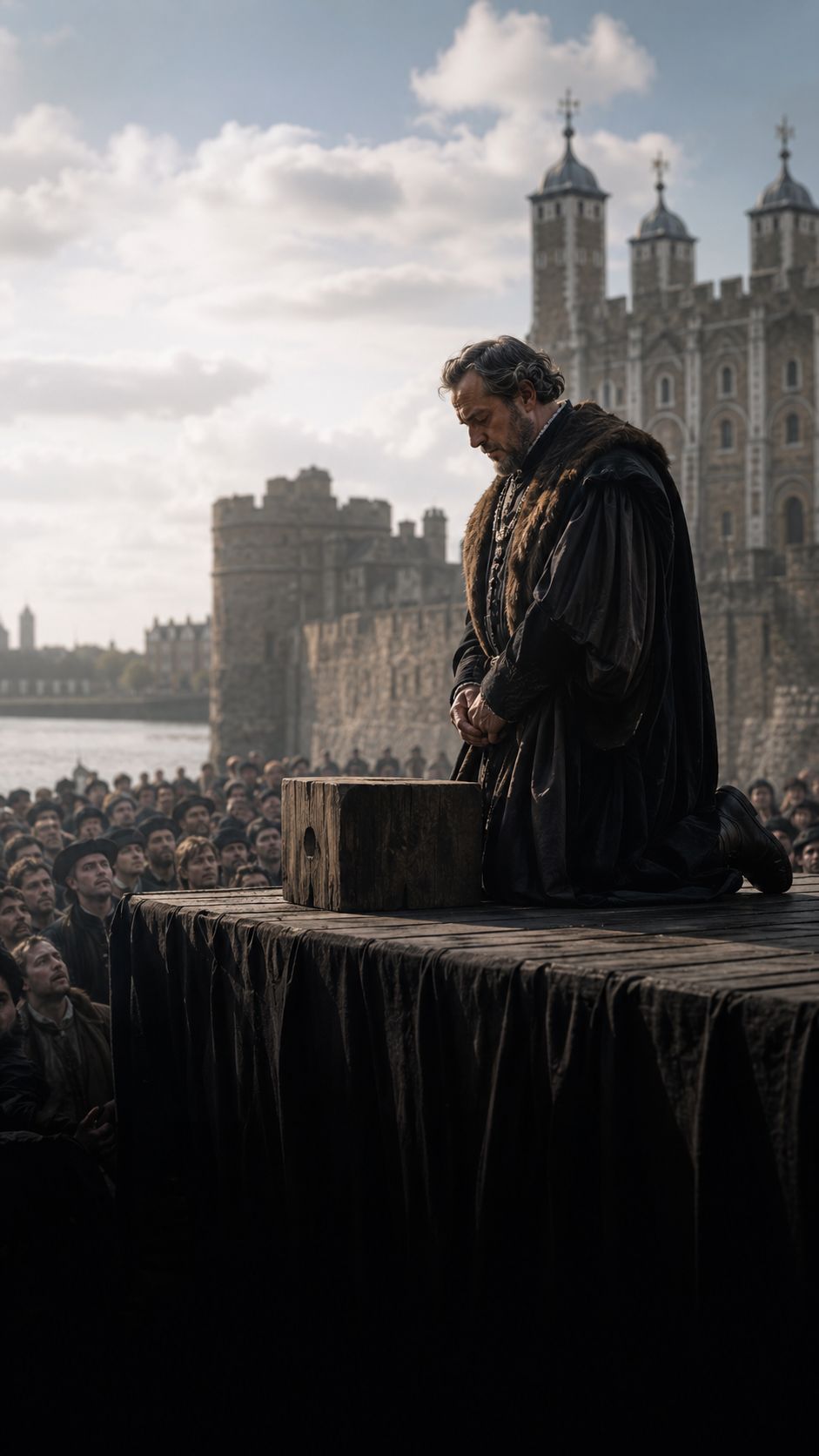 Hereford · 1326The Favourite Whose Body Was Sent To Four CitiesThe most hated man in England was executed and quartered so thoroughly that no part of him rested in one place.
- Cavendish, Vermont · 1848The Iron Rod That Rewrote A Man's PersonalityA tamping iron shot through his skull and left the steady, capable foreman a changed man — and changed science forever.
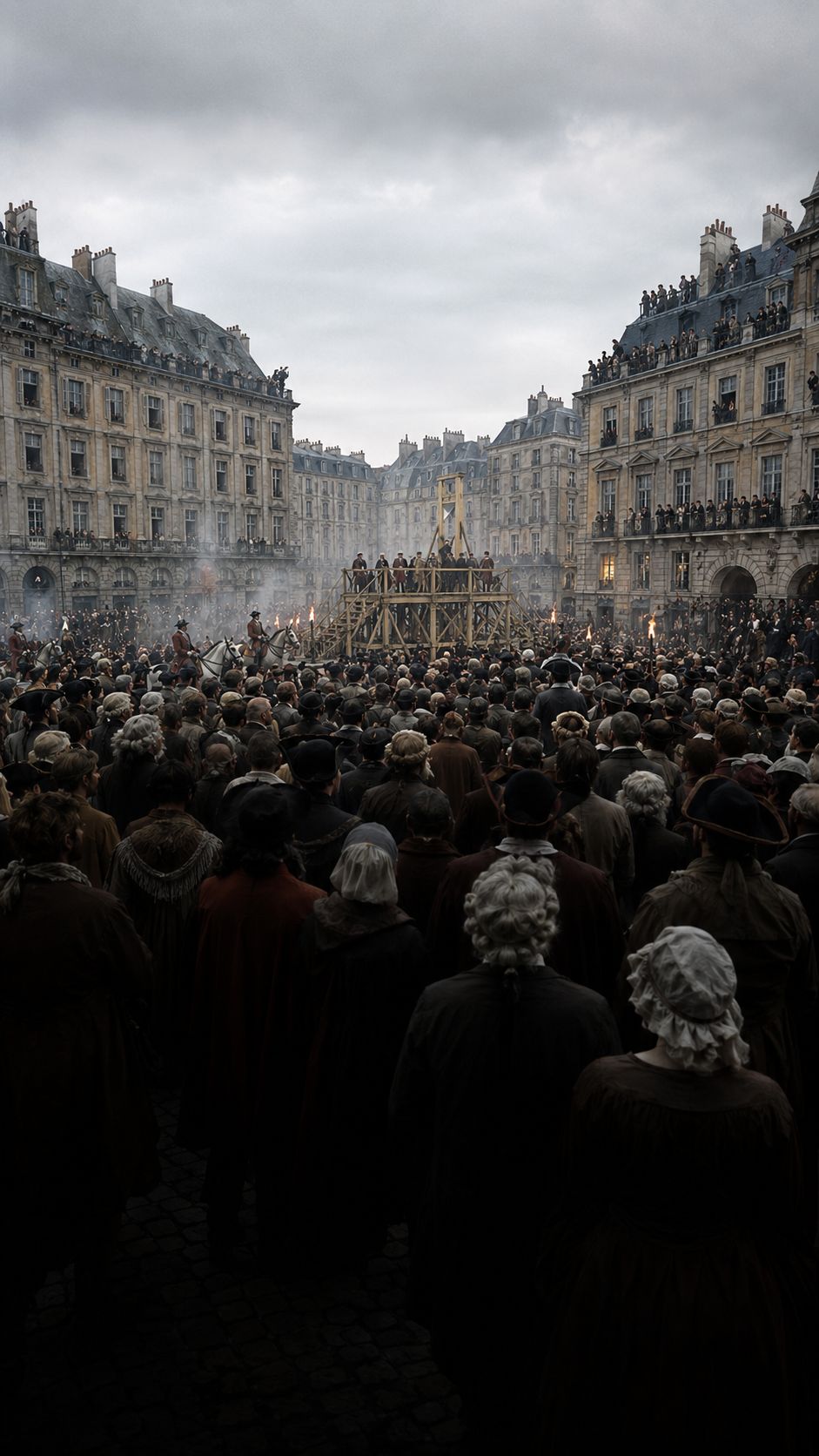 Place de Grève, Paris · 1757The Last Man Drawn And Quartered In FranceA failed attempt to stab the king ended in an execution so grotesque it helped turn Europe against public torture.
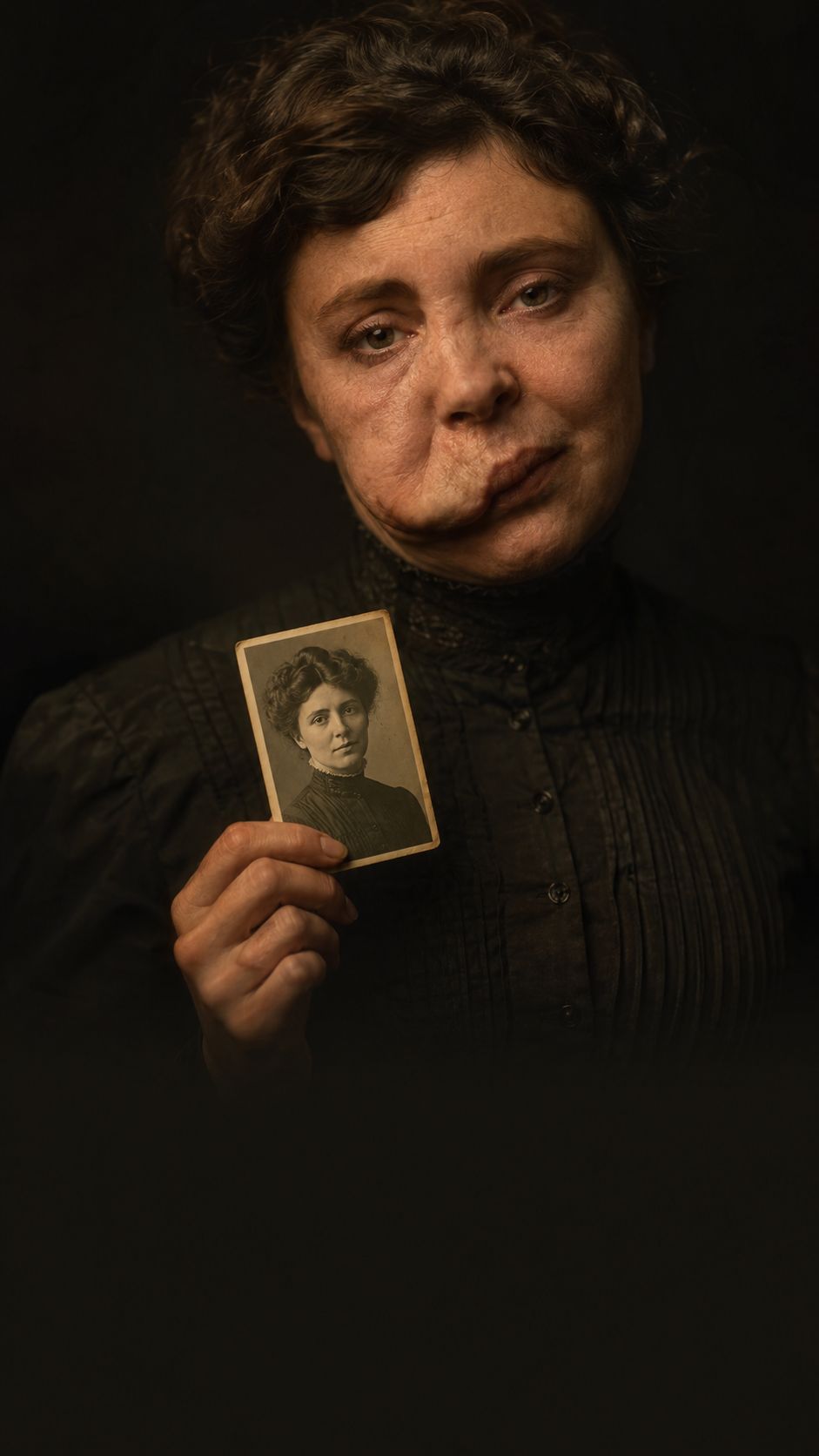 Coney Island, New York · 1920The Ordinary Woman Billed As The World's UgliestA tumour transformed a nurse and mother's face beyond recognition, and a circus turned her survival into a sideshow act.
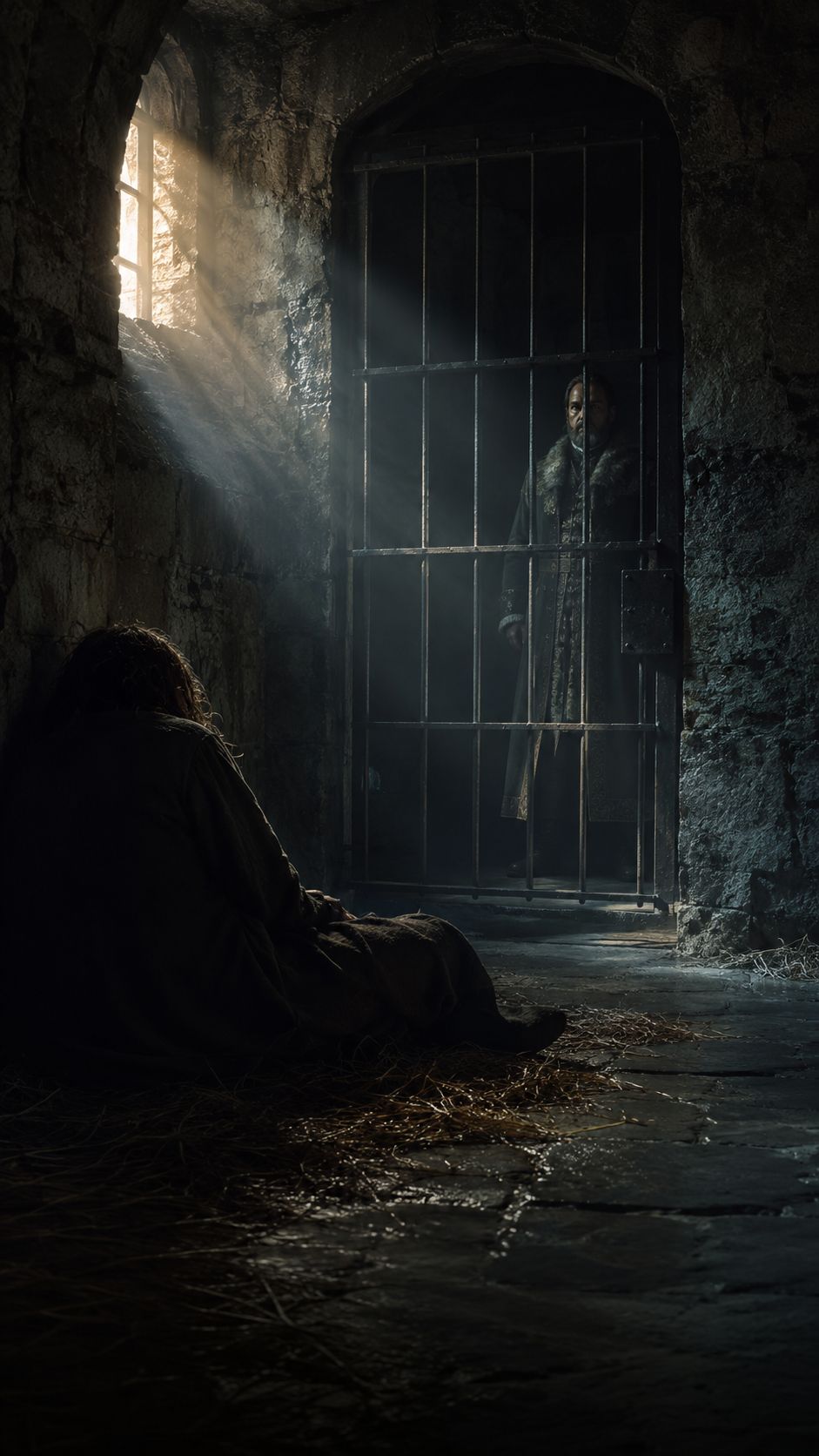 Peter and Paul Fortress, St Petersburg · 1718The Son Peter The Great Had Beaten To DeathSentenced to death by his own father, the heir to Russia's throne died in his cell two days later under a knout.
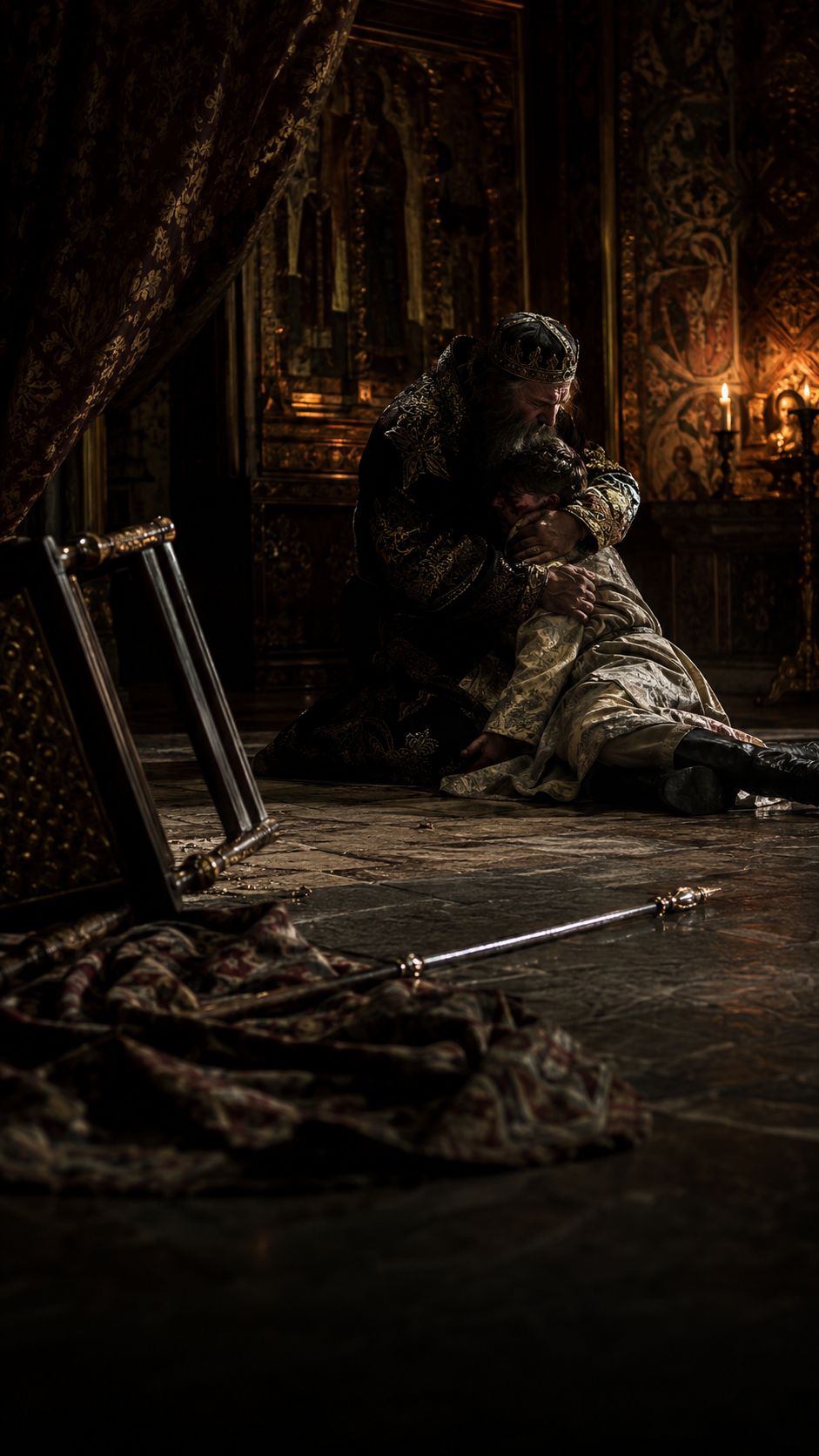 Alexandrov · 1581The Staff That Killed A Tsar's Own HeirA row over his pregnant daughter-in-law's clothing ended with Ivan striking his own son with an iron-tipped staff.
 Paris · 1572The Wedding That Turned Into A MassacreSix days after a wedding meant to bring peace, Paris turned on the Protestant guests who had come to celebrate it.
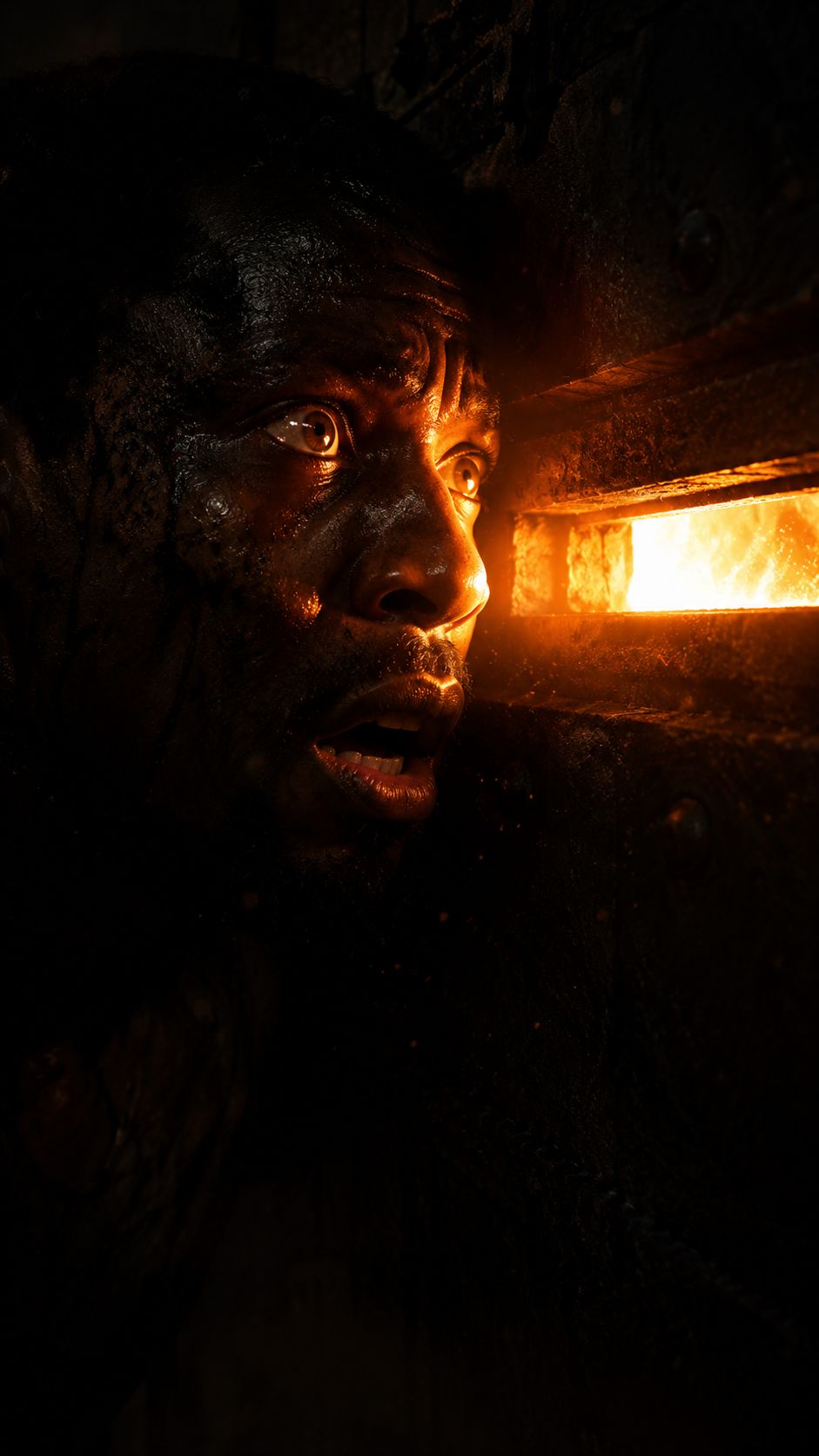 Munich · 1600The Beggar Family Tortured Into A Public WarningA duke needed someone to blame for unsolved crimes, so he picked a family of gravediggers and tortured them into confessing everything.
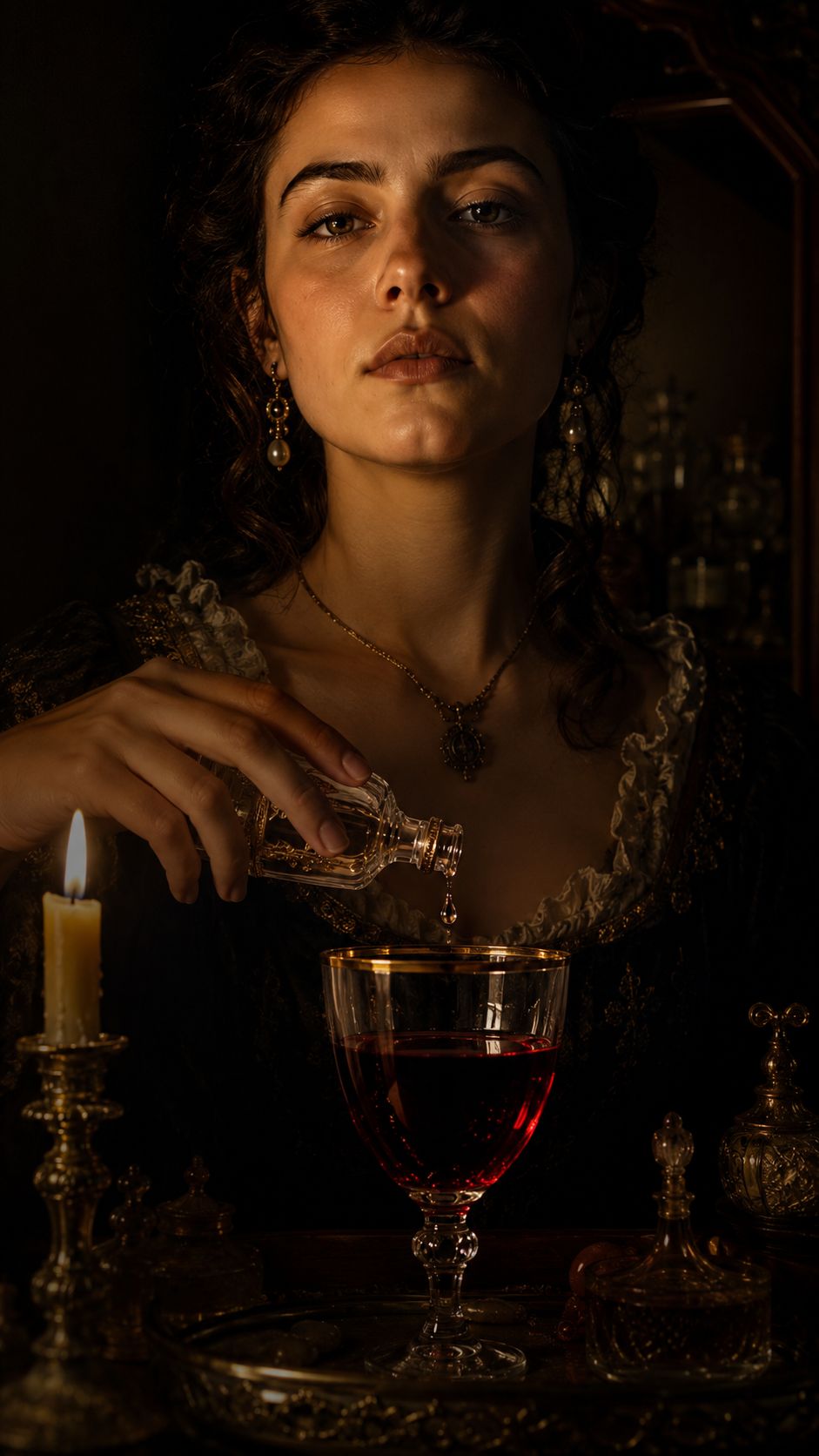 Rome · 1650The Poison Sold As A Woman's Cosmetic OilDisguised as beauty oil, a tasteless poison gave abused wives in Rome a way to outlive their husbands.
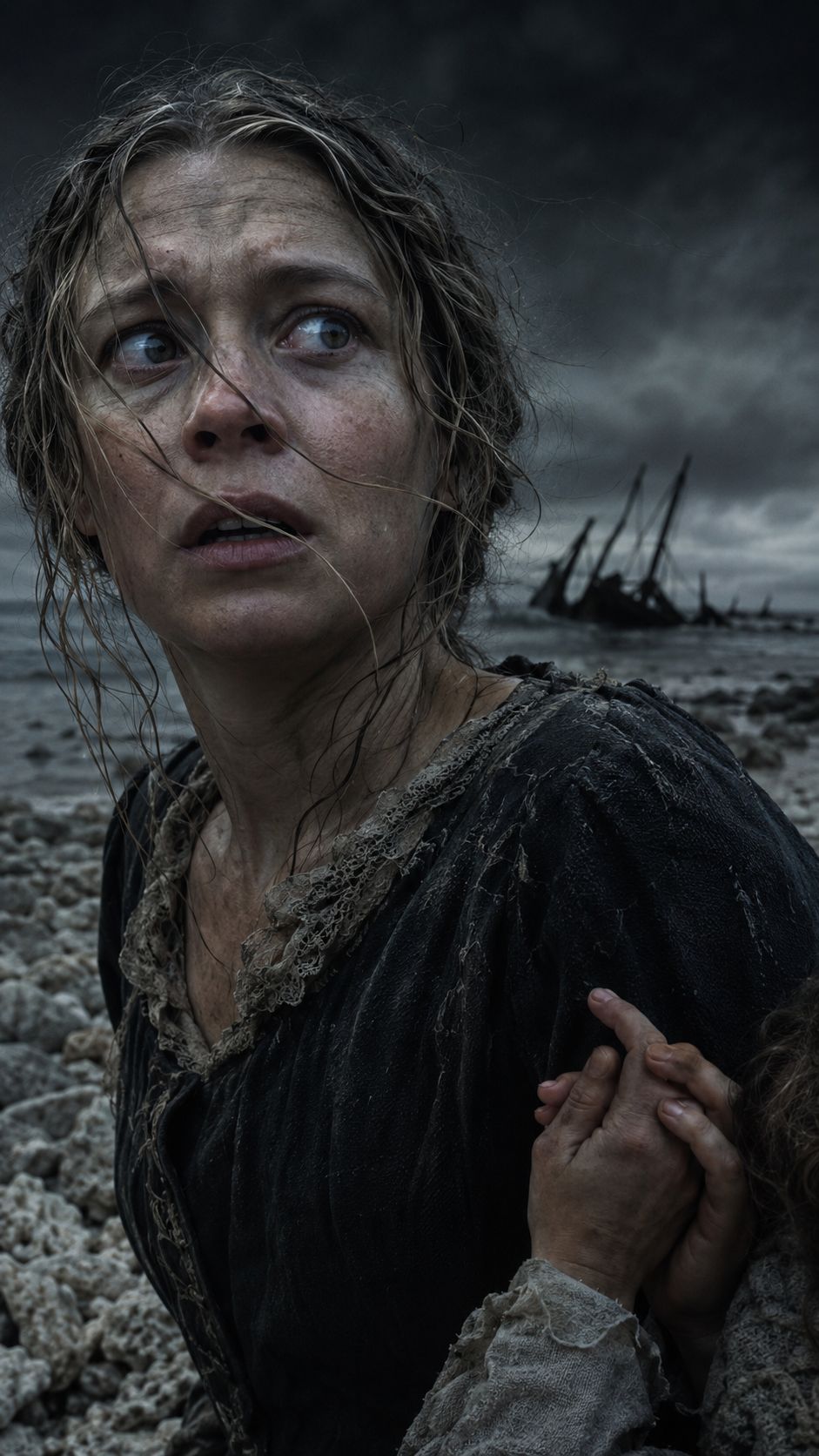 Houtman Abrolhos, Western Australia · 1629The Shipwreck That Descended Into MassacreMarooned on a waterless island after a shipwreck, a self-appointed leader turned survival into a campaign of murder.
 Copenhagen · 1590The Storm That Started A King's War On WitchesA minister blamed a shipwrecking storm on witchcraft to save himself, and the accusation crossed the sea to obsess a king.
 Silkeborg · 375 BCThe Bog Body So Fresh The Finders Called PoliceTwo brothers cutting peat found a face so peaceful and recent-looking they were certain they'd stumbled on a murder.
 St Marx Cemetery, Vienna · 1791The Composer Buried In An Unmarked GraveThe man who wrote The Magic Flute and an unfinished Requiem was given the cheapest funeral money could buy.
 Orange, New Jersey · 1922The Dial Painter Whose Bones Still GlowedA false diagnosis blamed her death on syphilis — the truth was the radium paint she'd been told to point with her lips.
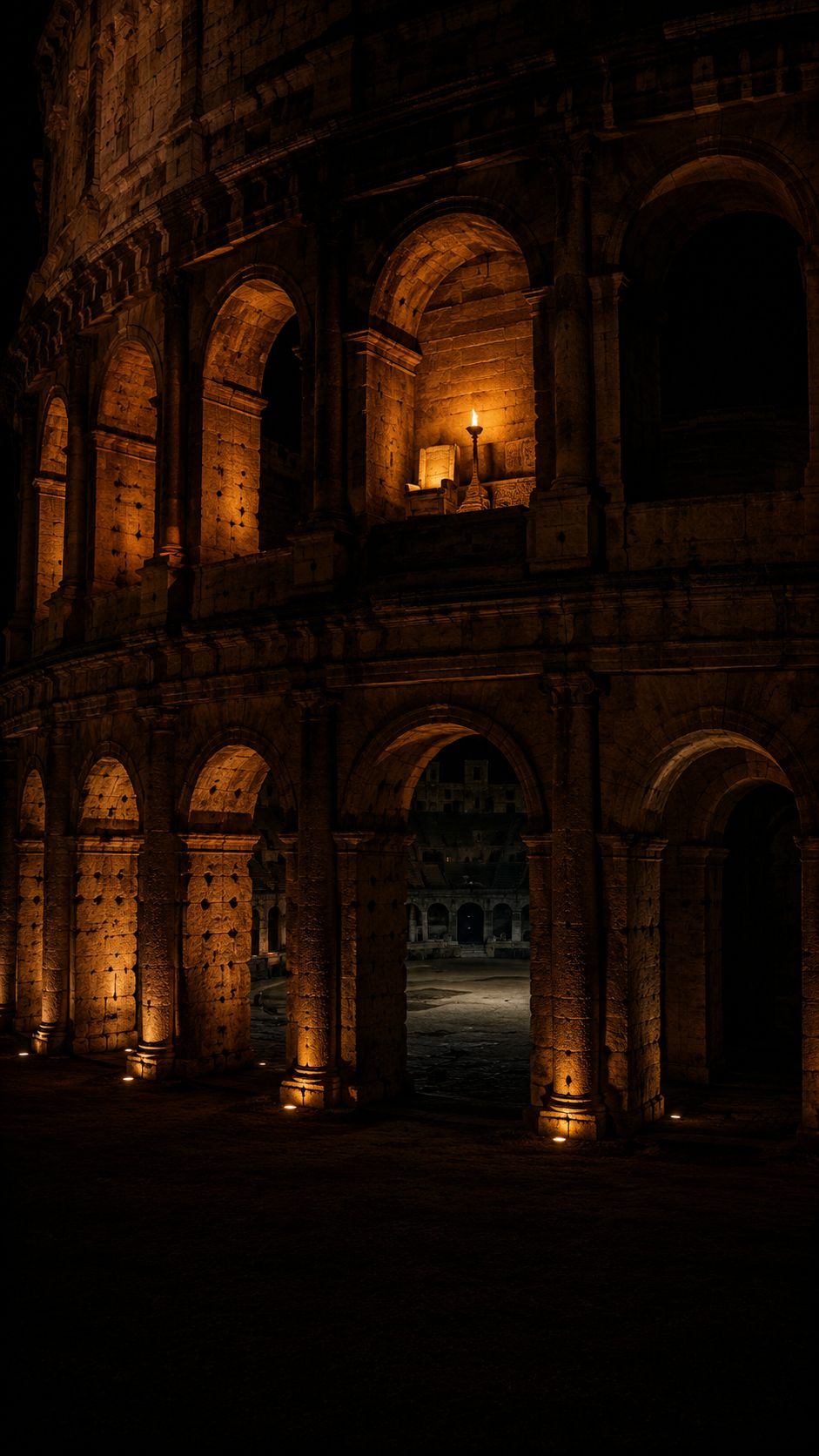 Rome · 192The Emperor Who Fought As A Gladiator For FunGladiator showed him as a scheming villain — the real emperor clubbed amputees to death and billed the treasury for it.
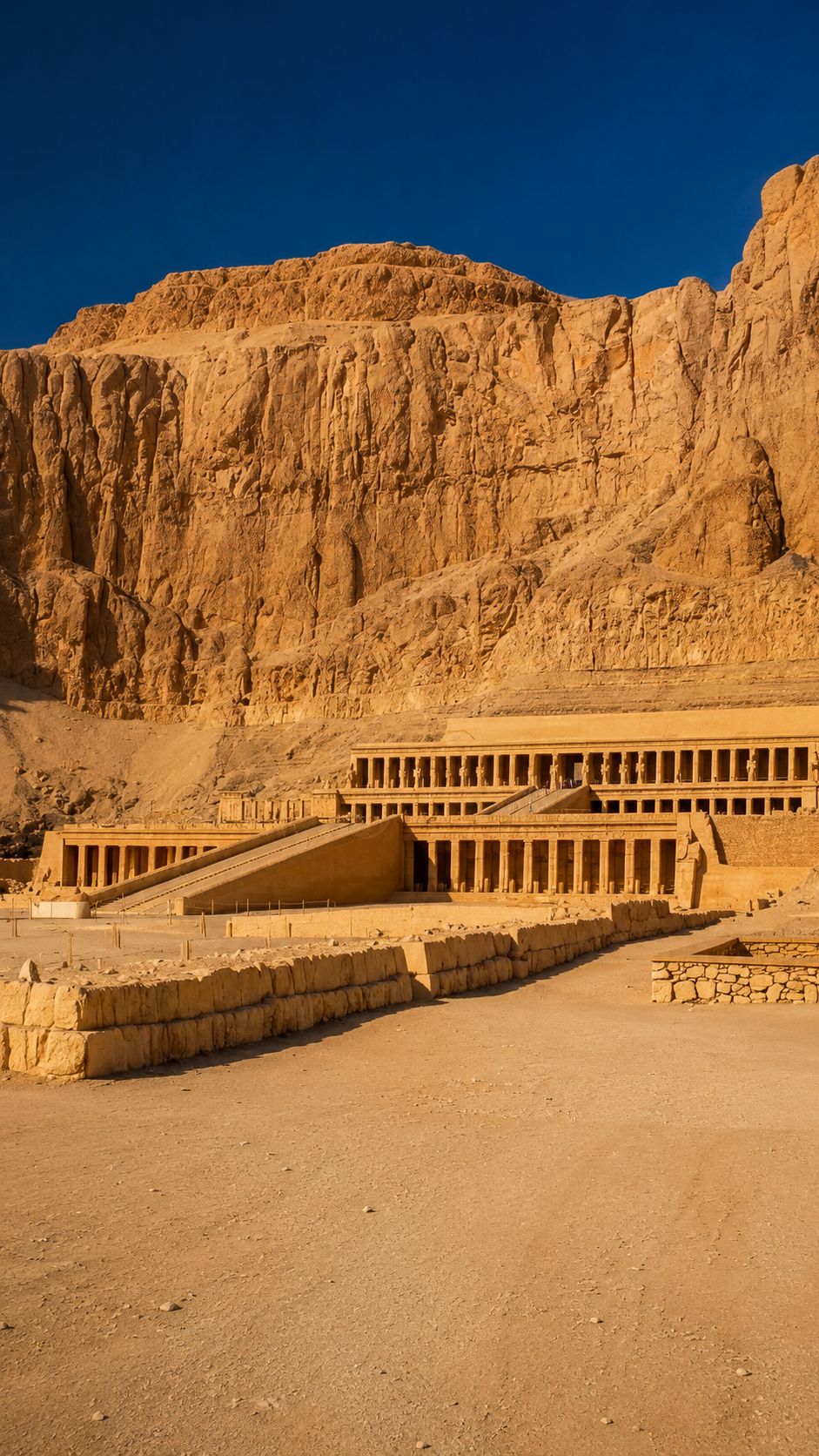 Deir el-Bahri, Luxor · 1458 BCThe Female Pharaoh Erased After DeathShe ruled Egypt through one of its richest eras as a woman wearing the pharaoh's ceremonial beard — then someone tried to erase her.
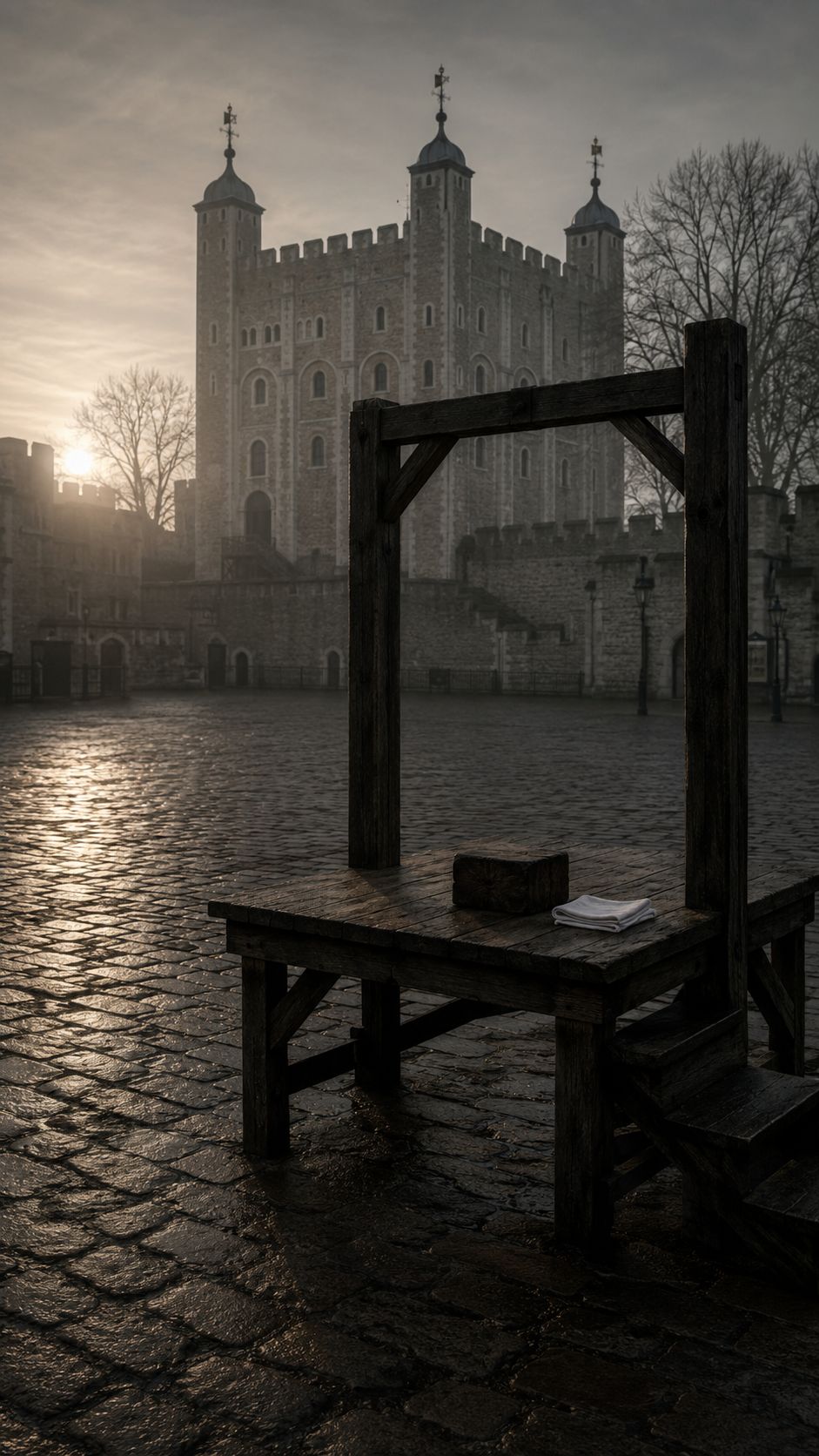 Tower of London, London · 1554The Nine Days' Queen Who Watched Her Husband's Body PassShe saw her husband's headless body lifted from a cart, and walked to her own scaffold inside the hour.
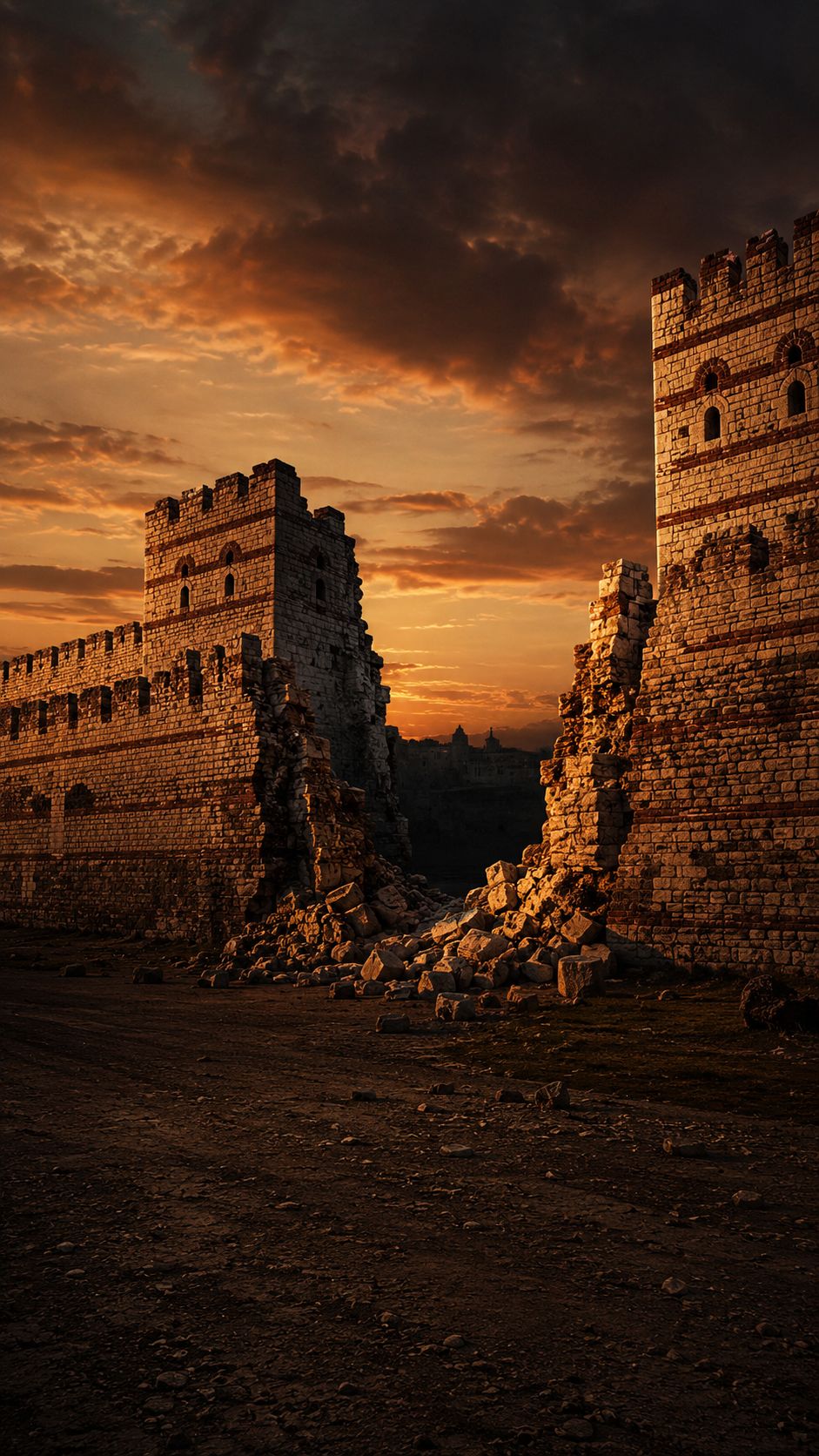 Constantinople (Istanbul) · 1453The Emperor Who Vanished Into The Ottoman DarkThe last Roman emperor took off his purple robes, asked forgiveness of his men, and walked into the final battle of a 1,123-year empire.
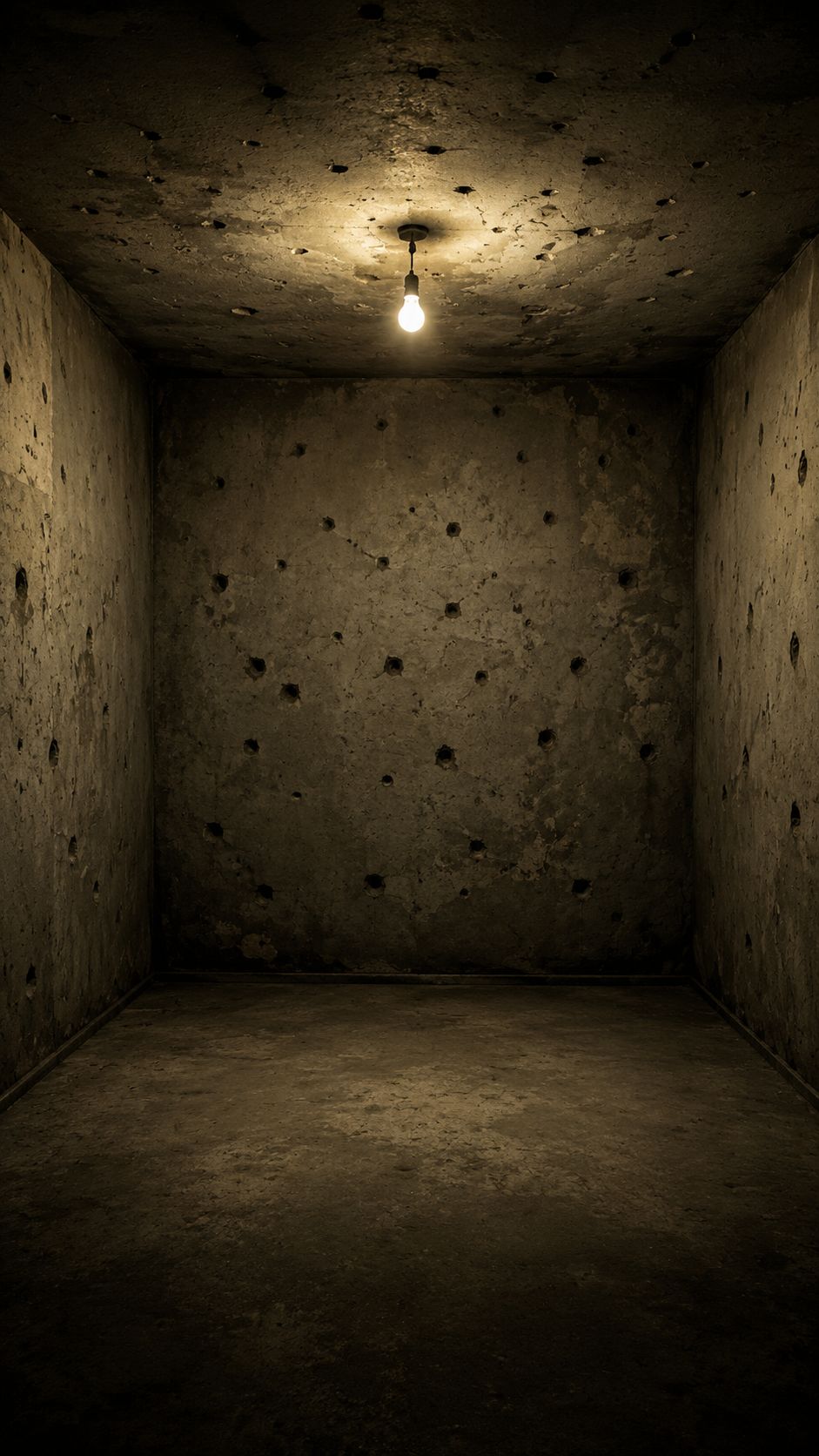 Ipatiev House, Yekaterinburg · 1918The Family Told They Were Only Being MovedWoken at 2am and led to a basement for what they believed was a transfer to safety, the last imperial family brought pillows and their dog.
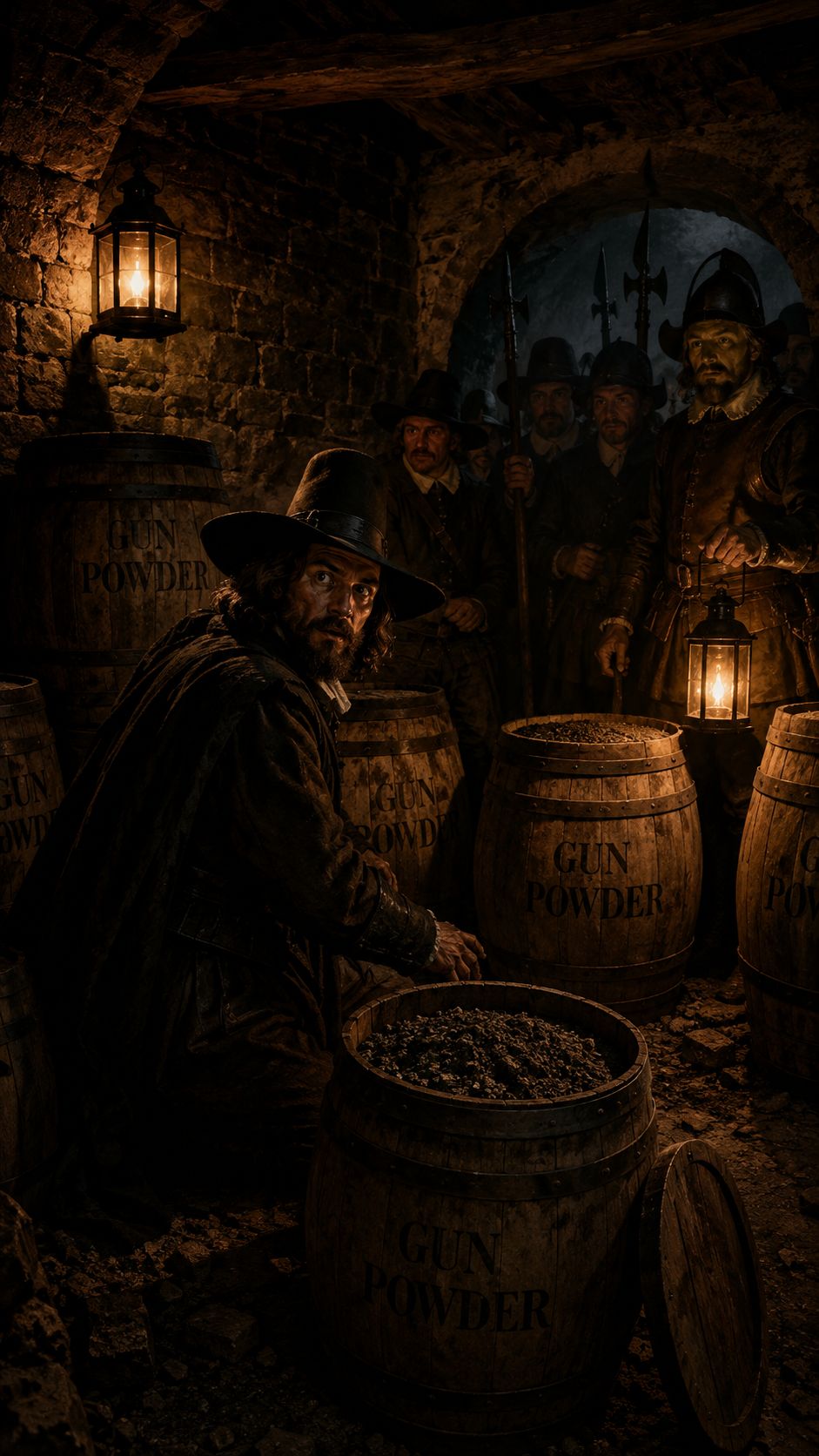 Porto Ercole · 1610The Painter Who Fled Rome With A Sword At His SideA killer, a fugitive and a genius who dragged saints out of pitch-black shadow using the faces of Rome's beggars and sex workers.
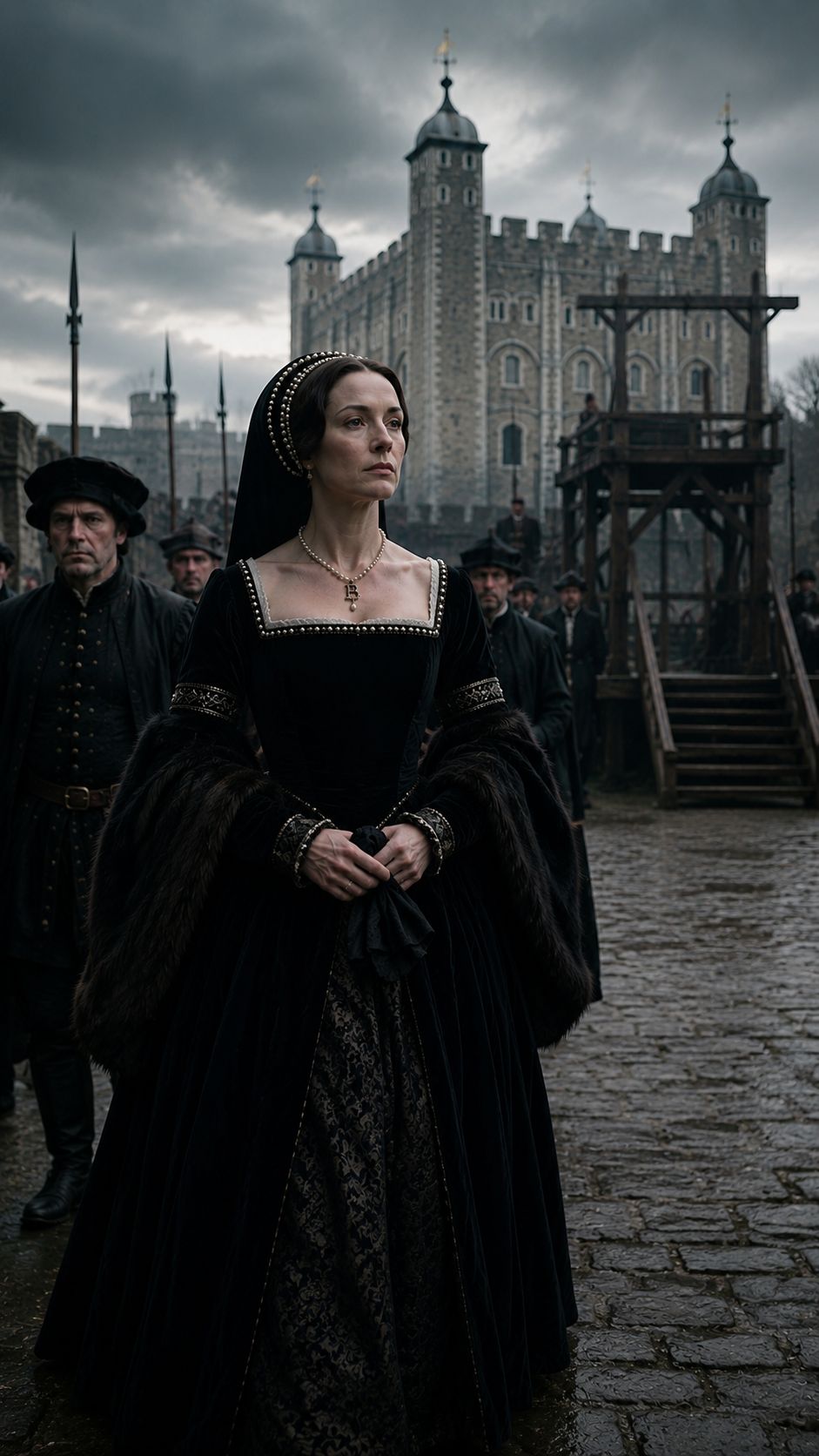 Tower Green, Tower of London, London · 1536The Queen And The Swordsman Of CalaisConvicted on evidence historians now doubt, a queen was beheaded with a sword — sent for from across the Channel before her trial had even returned a verdict.
 Smithfield, London · 1305The Slow Public Death Of Scotland's GuardianDragged naked through London on purpose, a rebel knight faced the full horror of hanging, drawing and quartering.
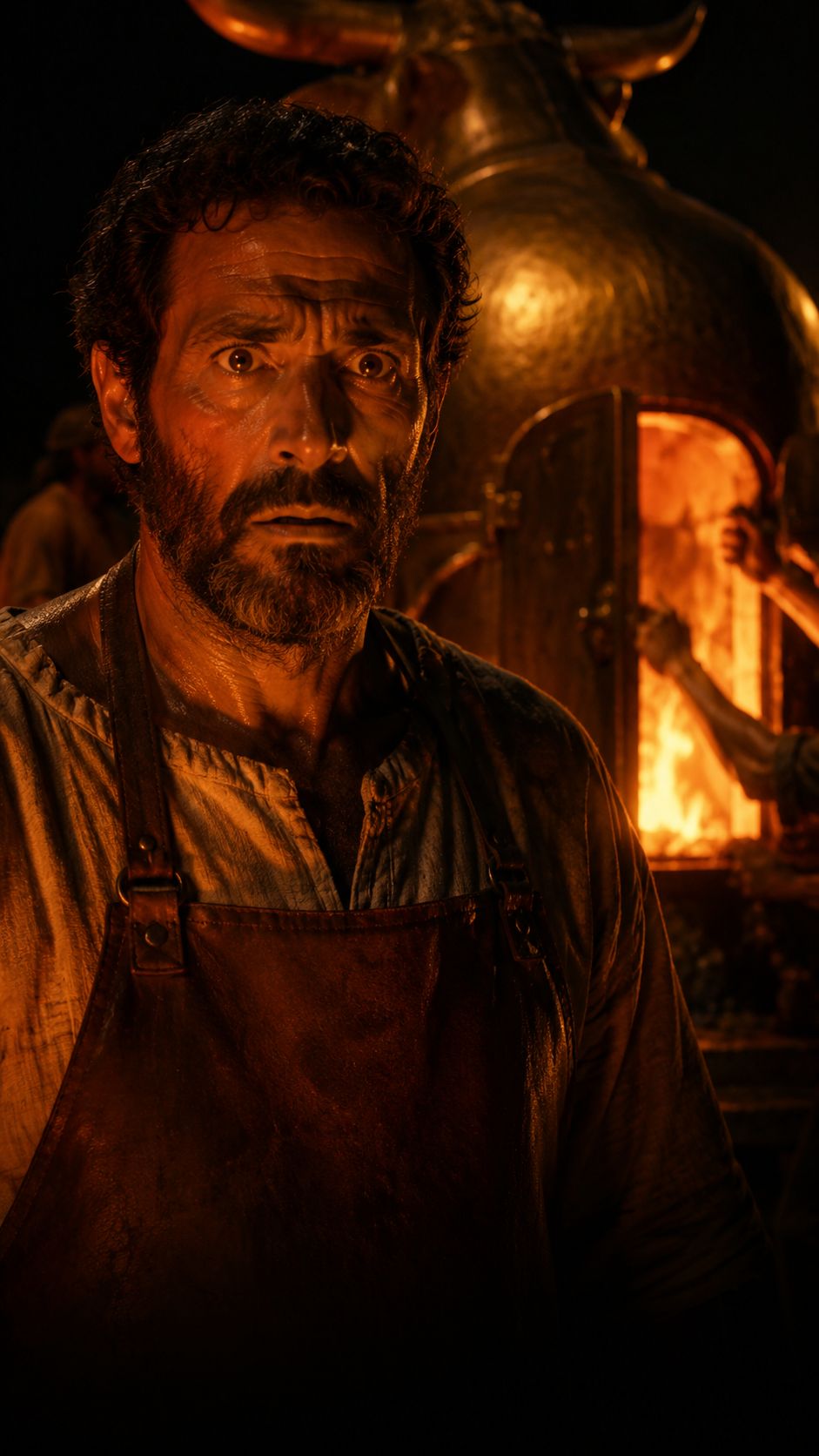 Akragas (Agrigento) · 550 BCThe Bronze Bull Built To Turn Screams Into SongAn inventor designed a bronze bull to roast men alive and pipe their screams out as music — then became its first victim.
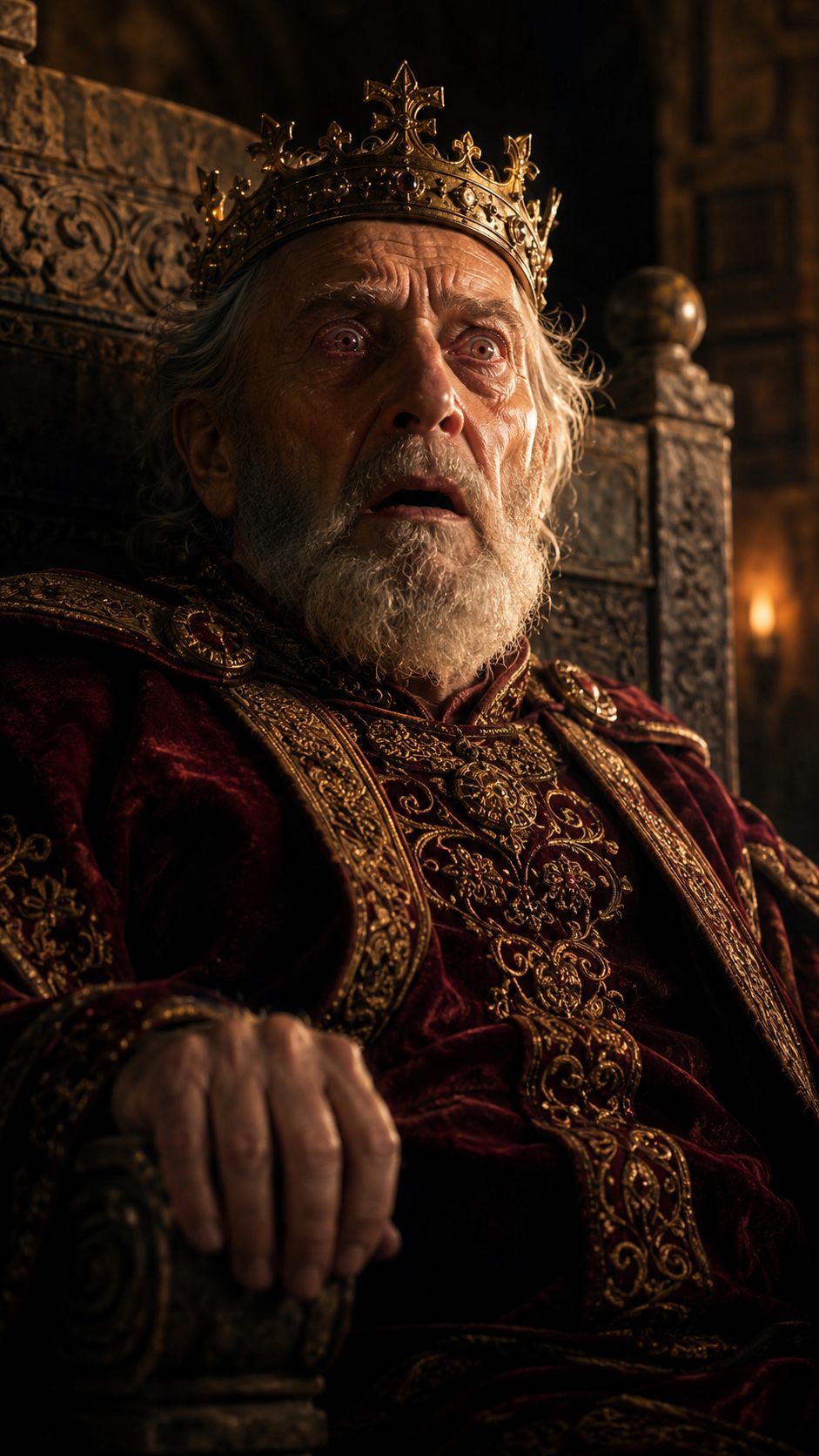 Caen · 1087The Conqueror Whose Funeral Fell ApartThe king who took England died alone, stripped of his valuables, and his funeral turned into a grotesque disaster.
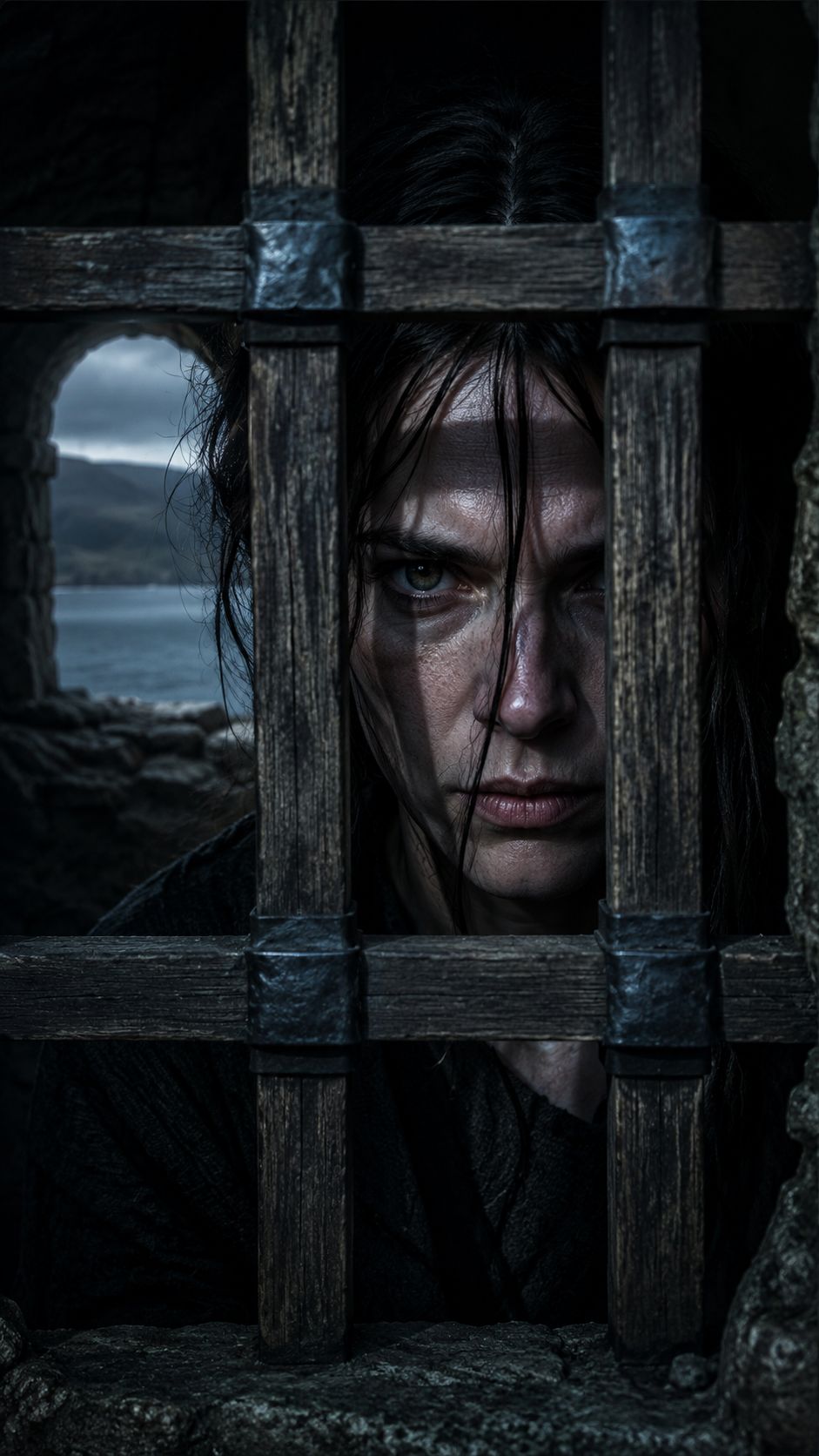 Berwick Castle, Berwick-upon-Tweed · 1306The Countess Locked In A Cage For Crowning A KingShe rode in secret to crown Robert the Bruce, and England answered by hanging her in an open cage.
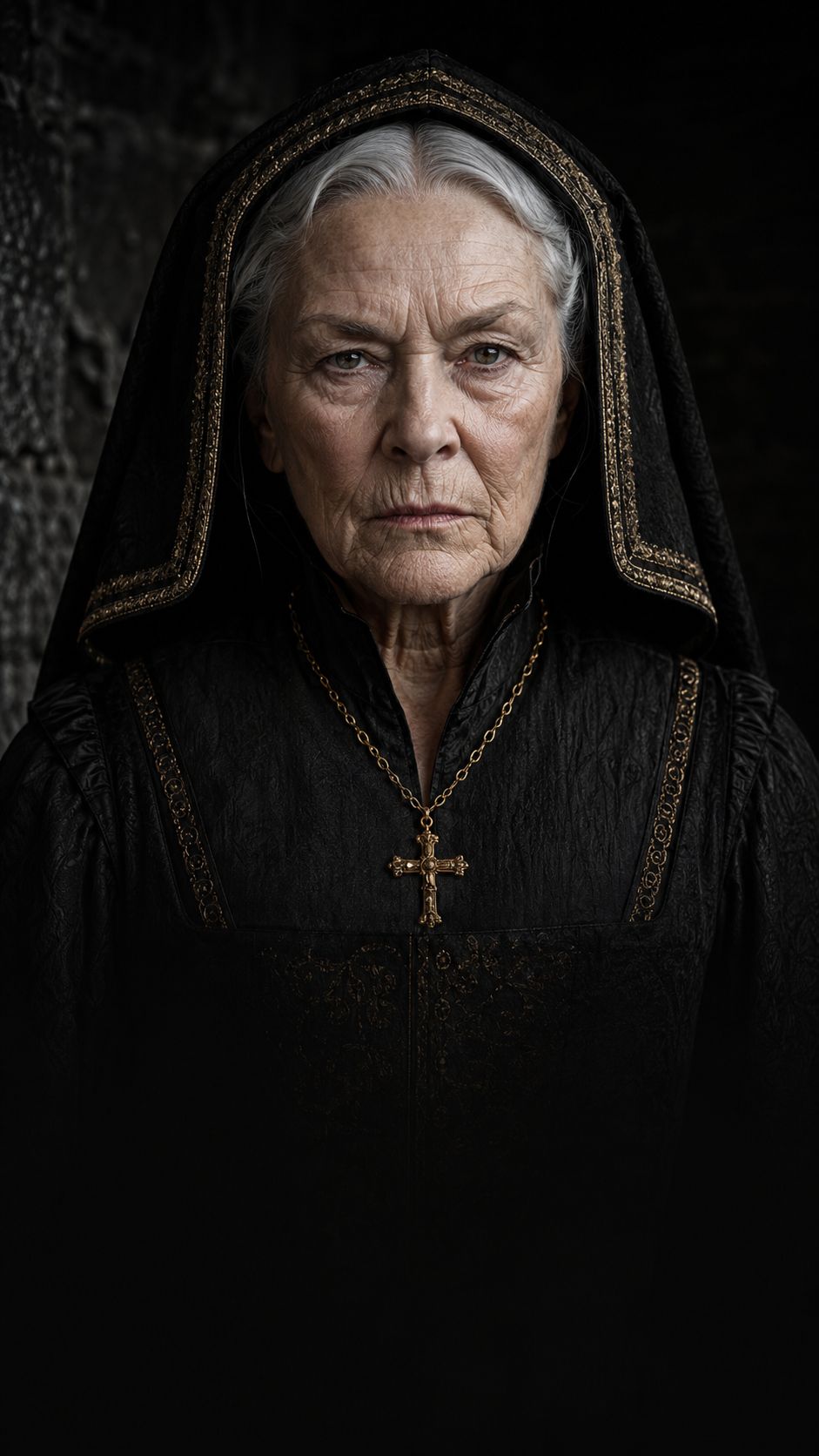 Tower of London, London · 1541The Countess Who Ran From The Executioner's AxeA 67-year-old countess with no trial was told to prepare her soul — and the execution that followed was a butchery.
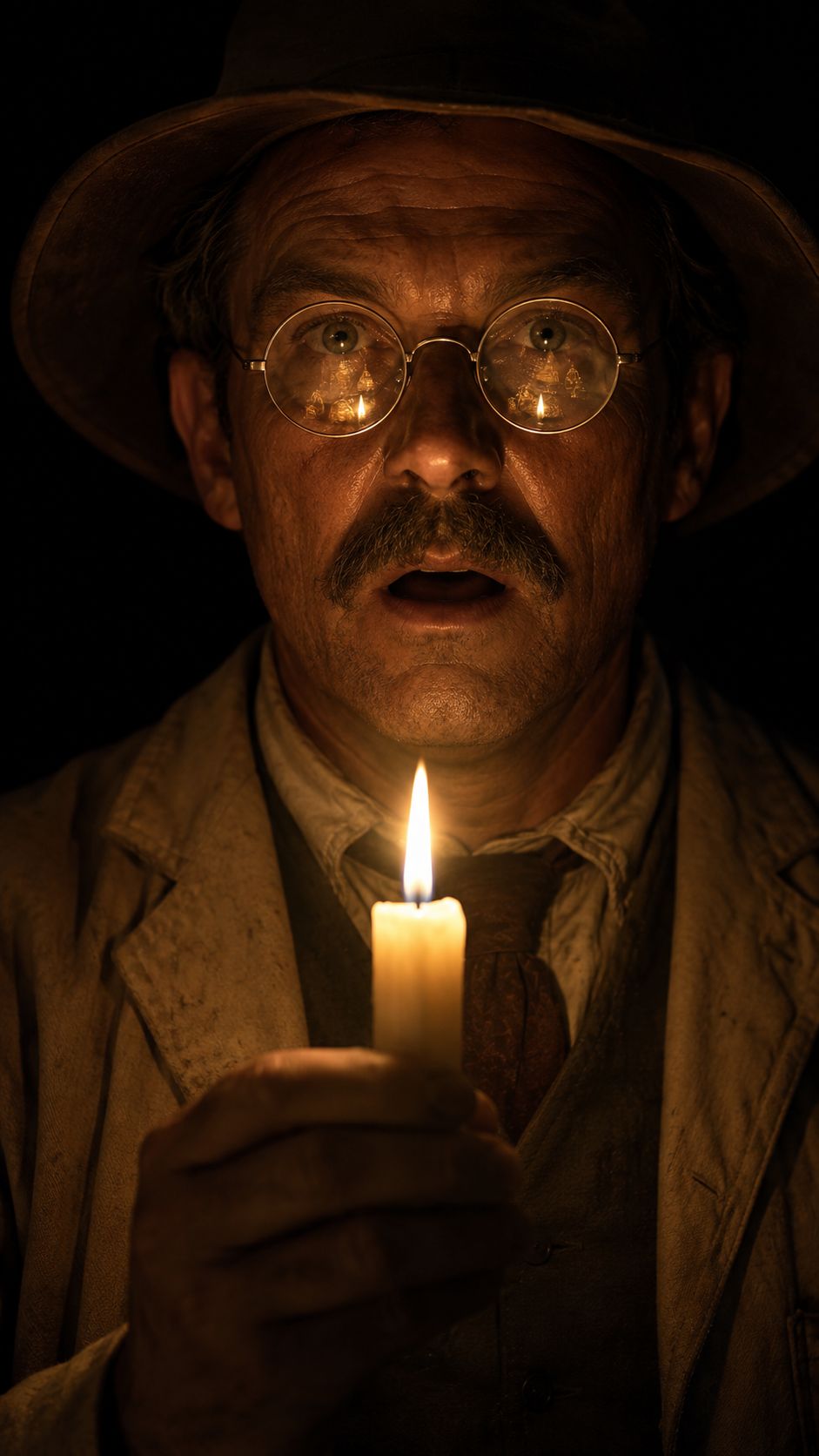 Valley of the Kings, Luxor · 1922The Curse That Followed The Boy King's TombWithin months of opening a pharaoh's sealed tomb, the people connected to the discovery began dying in ways that felt like a ledger being settled.
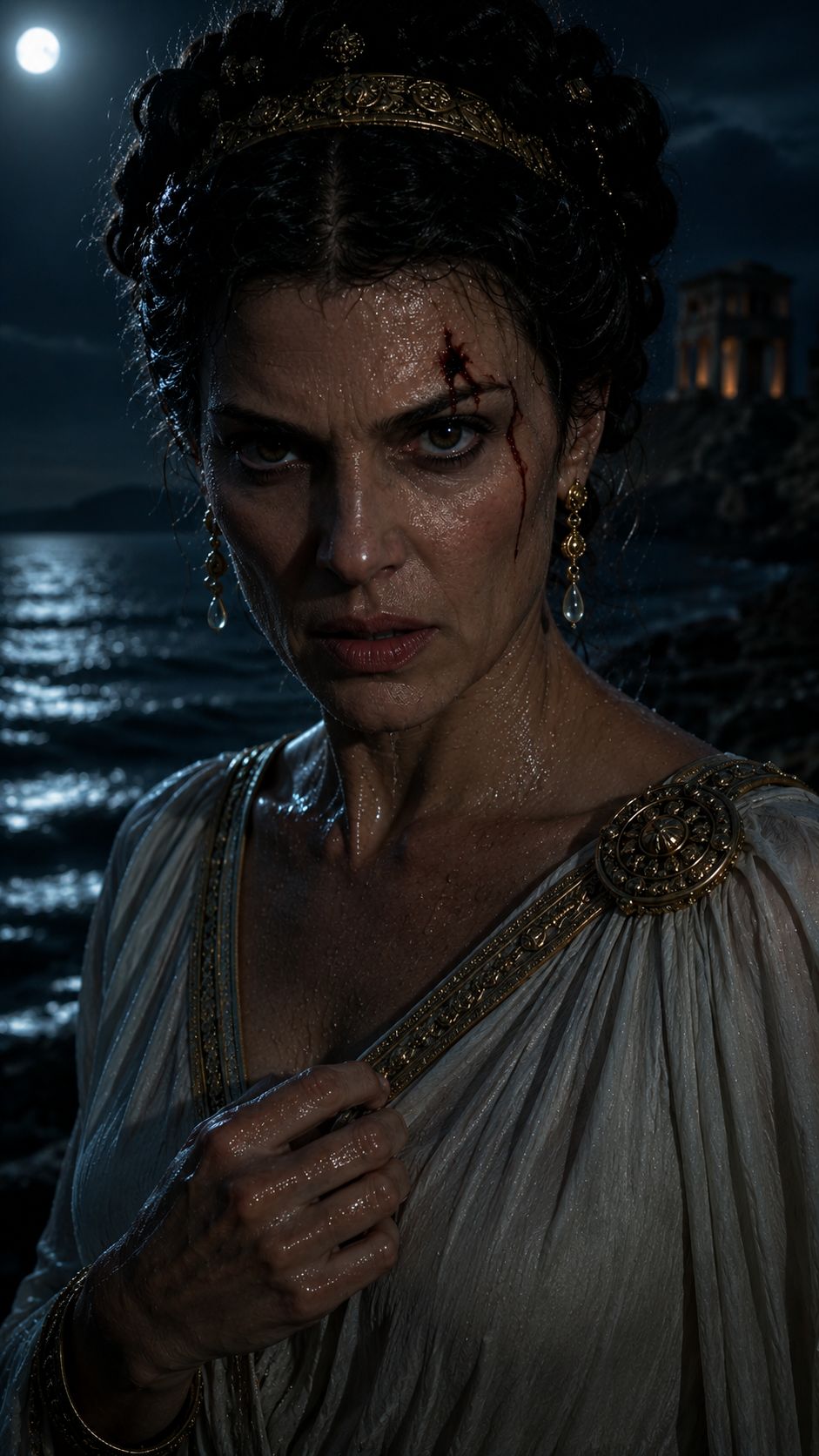 Pydna · 316 BCThe Queen Mother Who Walked Out To Face Her KillersThe mother of Alexander the Great terrified the soldiers sent to execute her so badly they refused.
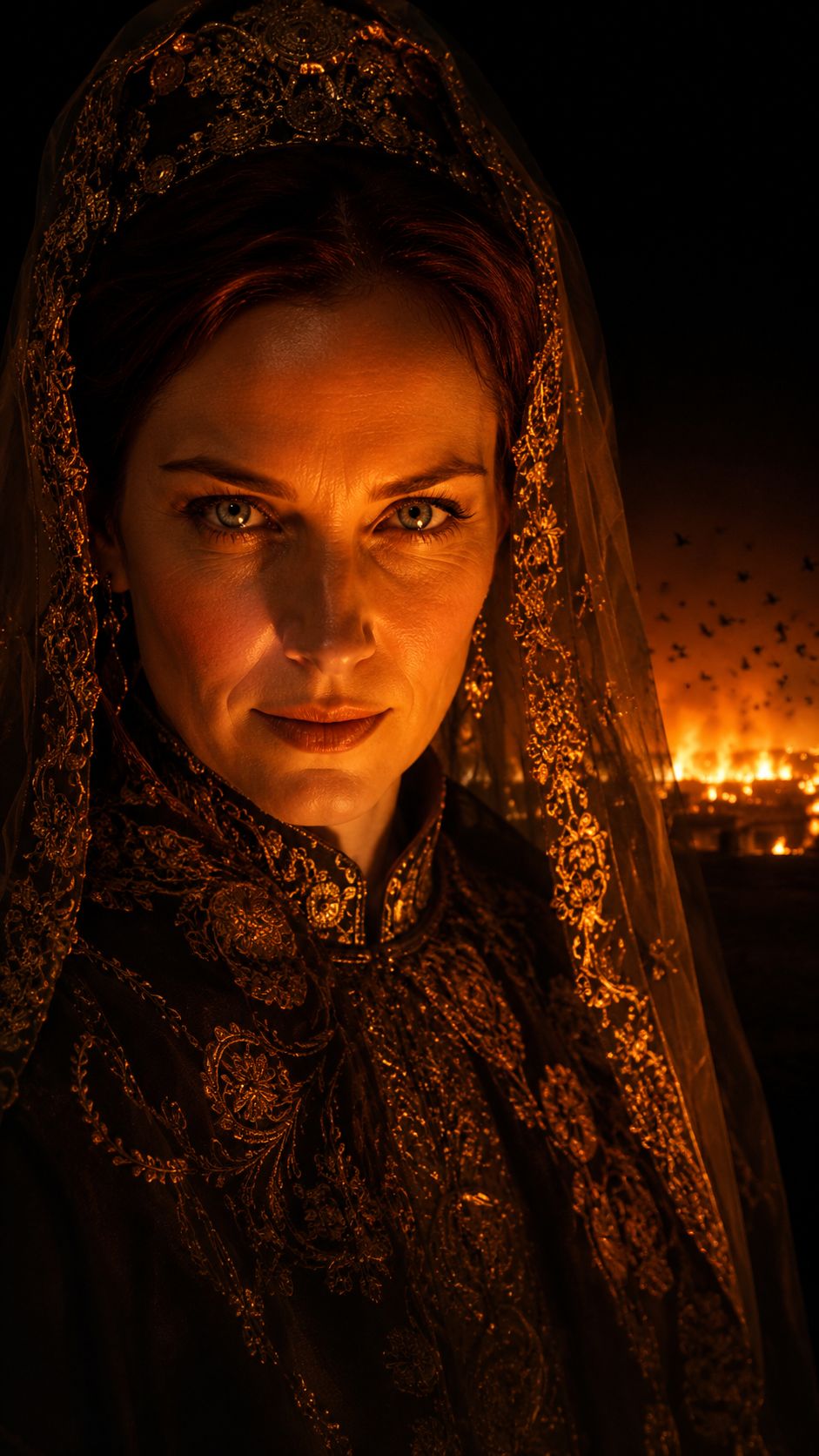 Iskorosten (Korosten) · 945The Widow Who Burned A City With BirdsShe buried ambassadors alive, then burned more, then torched an entire city with sparrows carrying fire.
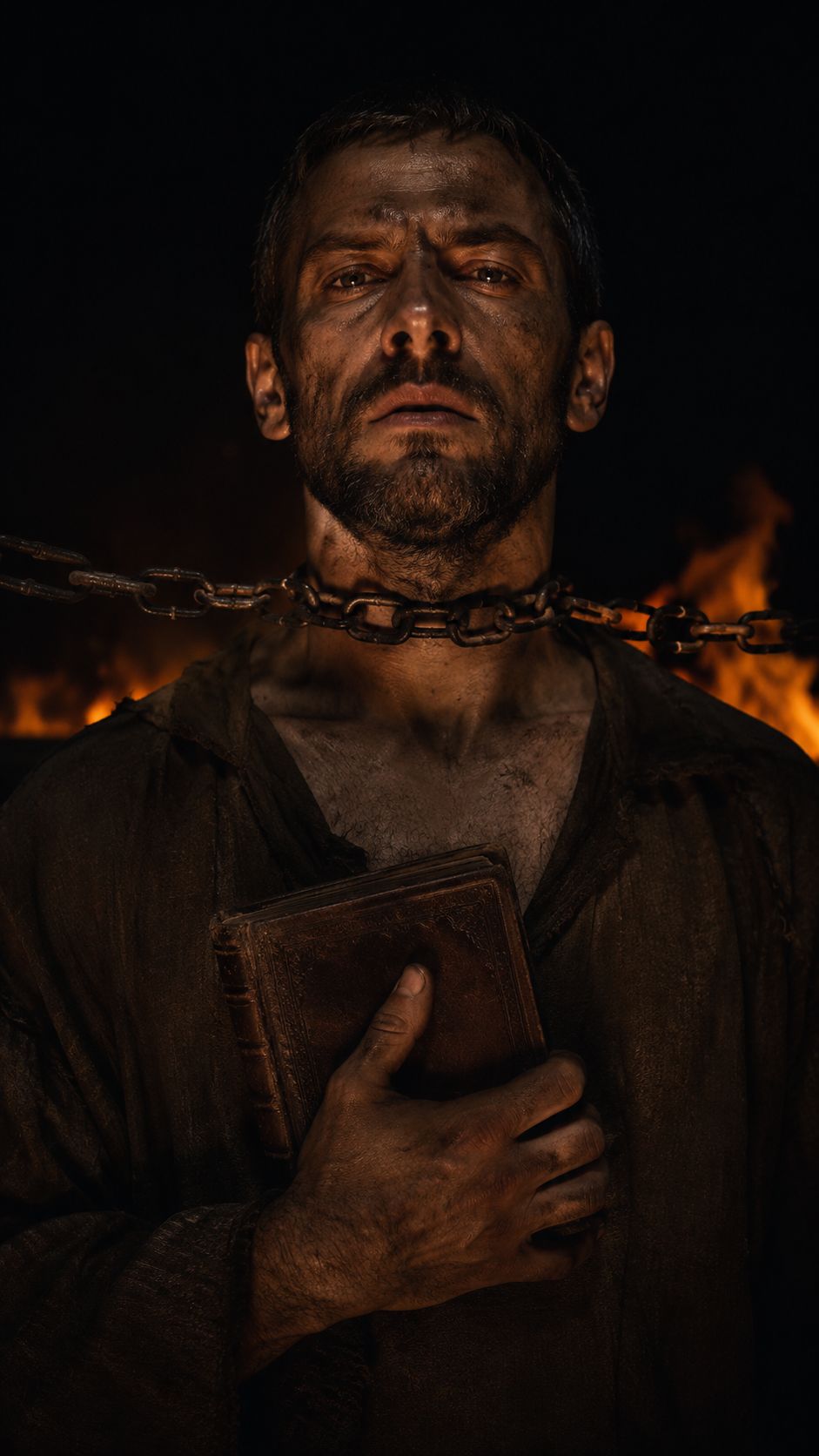 Vilvoorde · 1536Strangled And Burned For Translating The BibleHe vowed a ploughboy would know scripture better than the clergy — and it cost him his life at the stake.
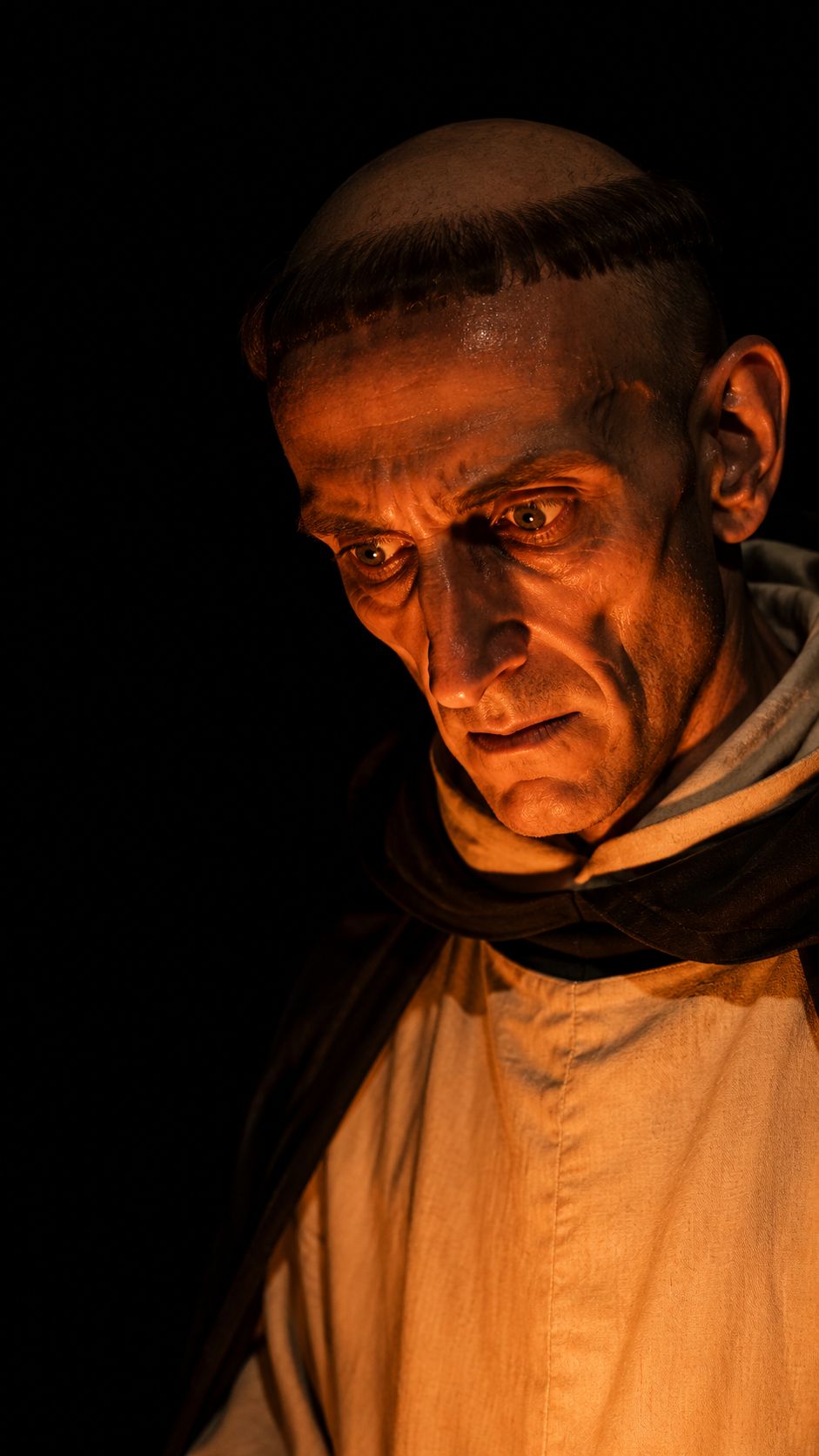 Piazza della Signoria, Florence · 1497The Preacher Who Burned Art And Then Burned HimselfThe friar who torched Florence's treasures in a pyramid of vanity ended up executed in the very same square.
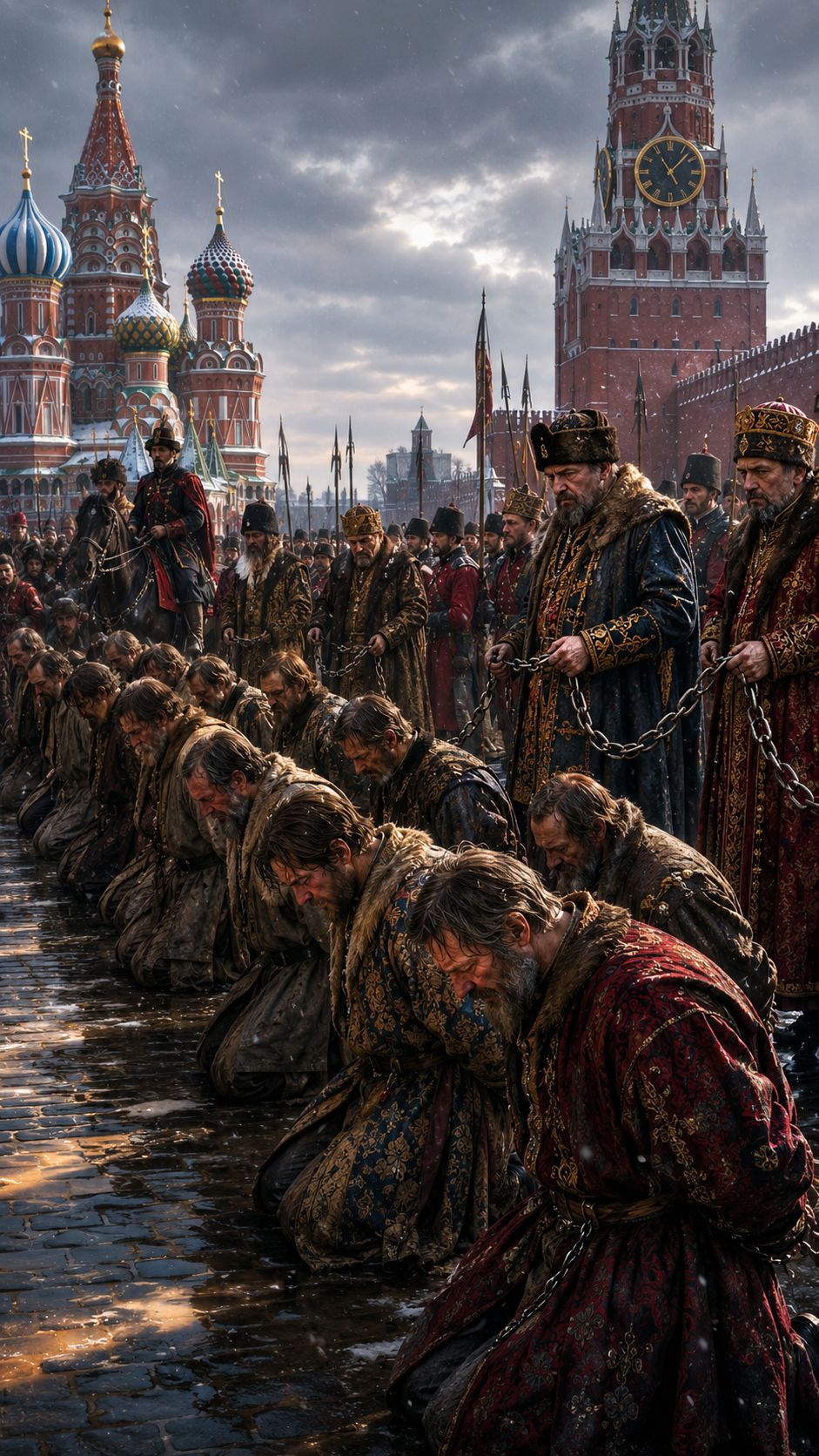 Red Square, Moscow · 1698The Tsar Who Personally Executed His Own GuardTwo thousand rebel soldiers waited in Moscow, and the Tsar refused to let anyone else swing the axe.
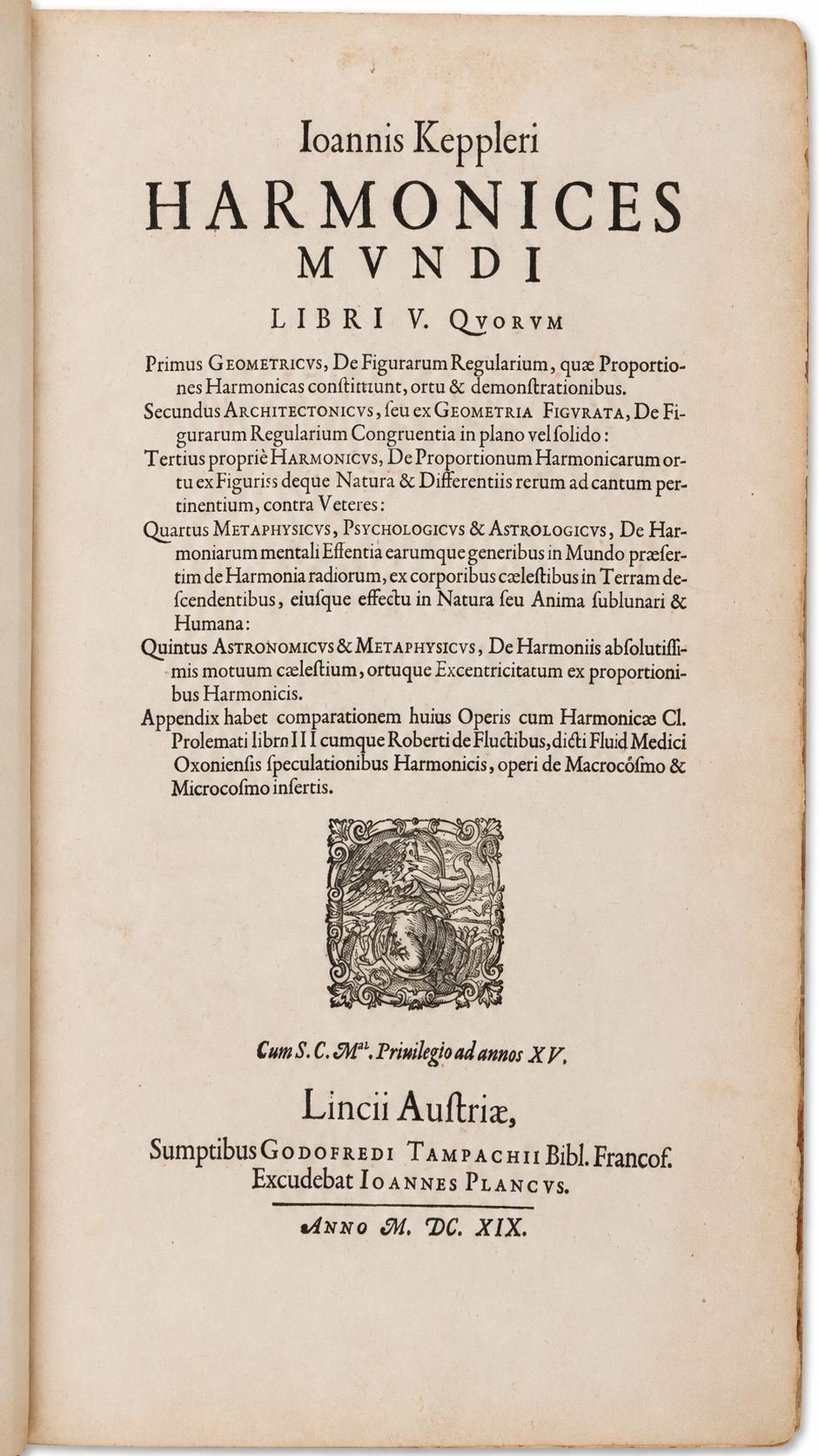 Leonberg · 1615The Astronomer Who Raced Home To Save A WitchWhile her son mapped the orbits of planets, a sharp-tongued old herbalist sat in a cell accused of witchcraft.
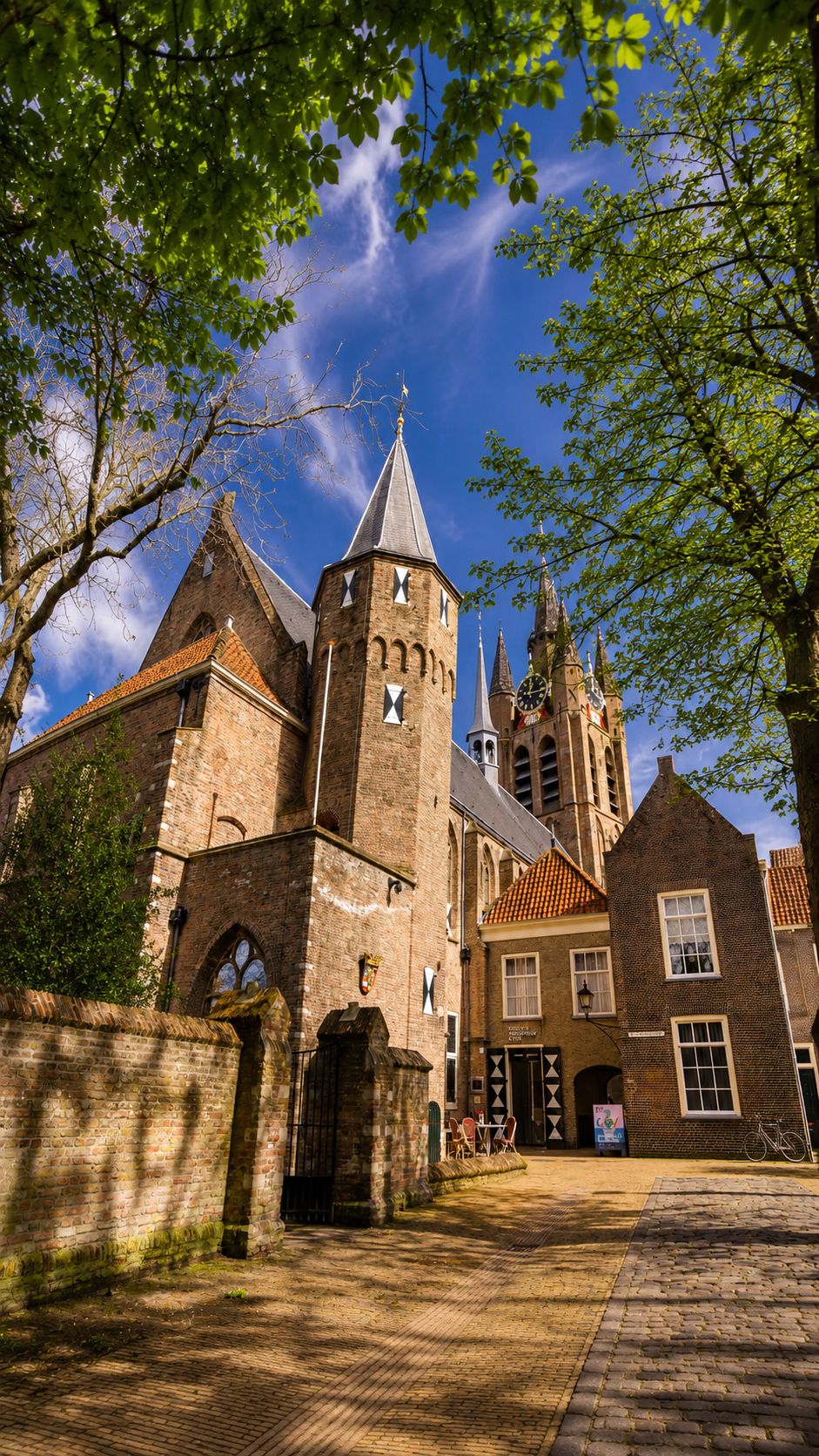 Prinsenhof, Delft · 1584The Bullet Holes Behind The Murder Hall GlassA fanatic waited behind a pillar for a prince to finish lunch, then fired the shots that made him the first head of state shot dead.
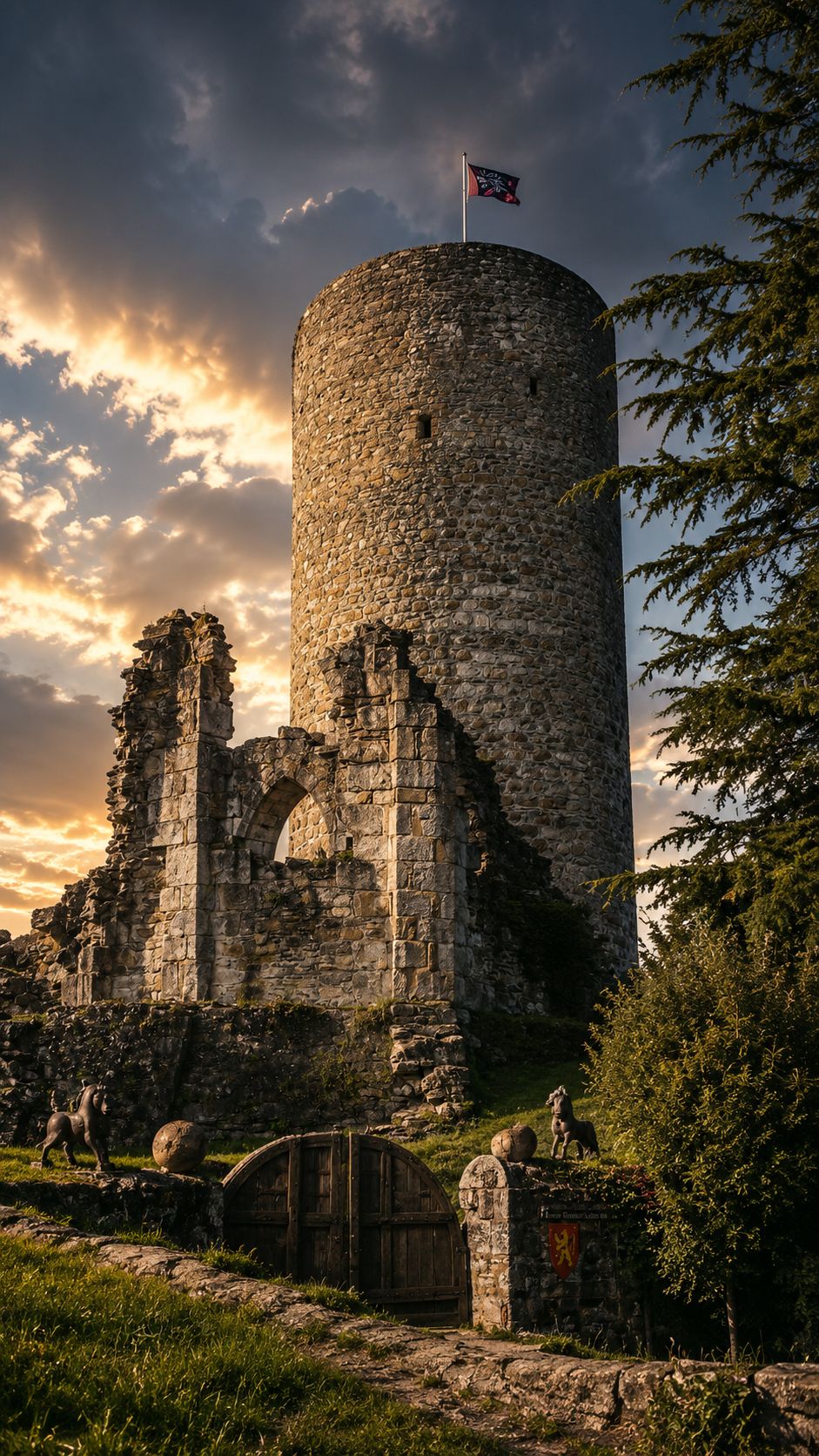 Châlus-Chabrol · 1199The Crossbow Bolt That Killed A Crusader KingA rich king besieging a tiny castle over buried treasure took an arrow he never saw coming.
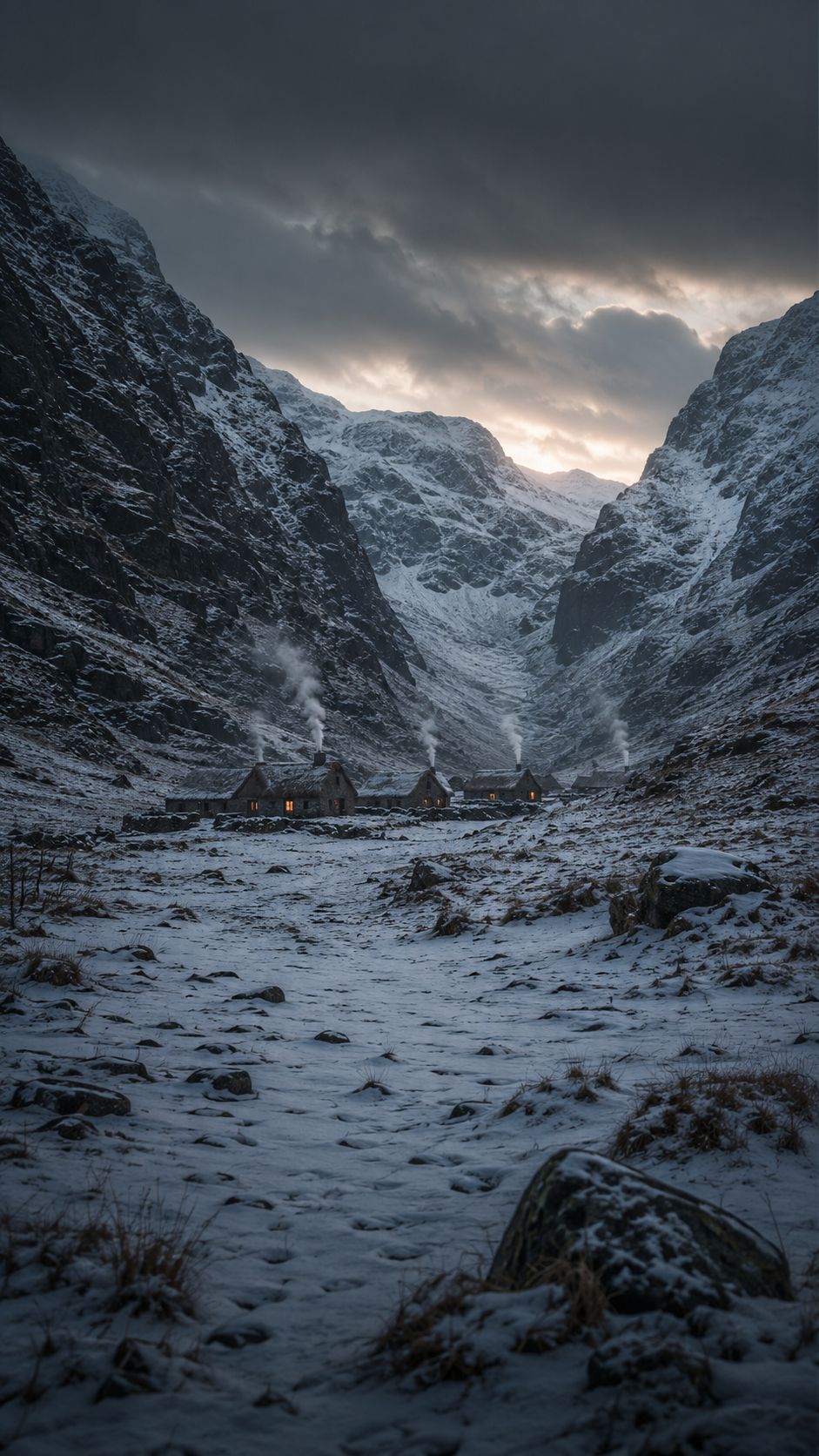 Glencoe, Argyll · 1692The Guests Who Murdered Their Hosts At GlencoeFor twelve days the soldiers lived on MacDonald hospitality in the glen. Then the written order came: put all to the sword under seventy.
- Rome · 80The Vanished Statue That Named The ColosseumRome's greatest arena was never named for itself — it borrowed its name from a giant bronze statue that vanished.
- Rome · 1198The Wheel In The Wall That Took Unwanted BabiesA pope looked at drowned infants in the Tiber and ordered a spinning wooden cylinder built into church walls instead.
- Guangzhou (Canton) · 1839How Britain Paid For Tea With OpiumUnable to pay for its tea habit with anything China wanted, Britain finds a solution that will end in war.
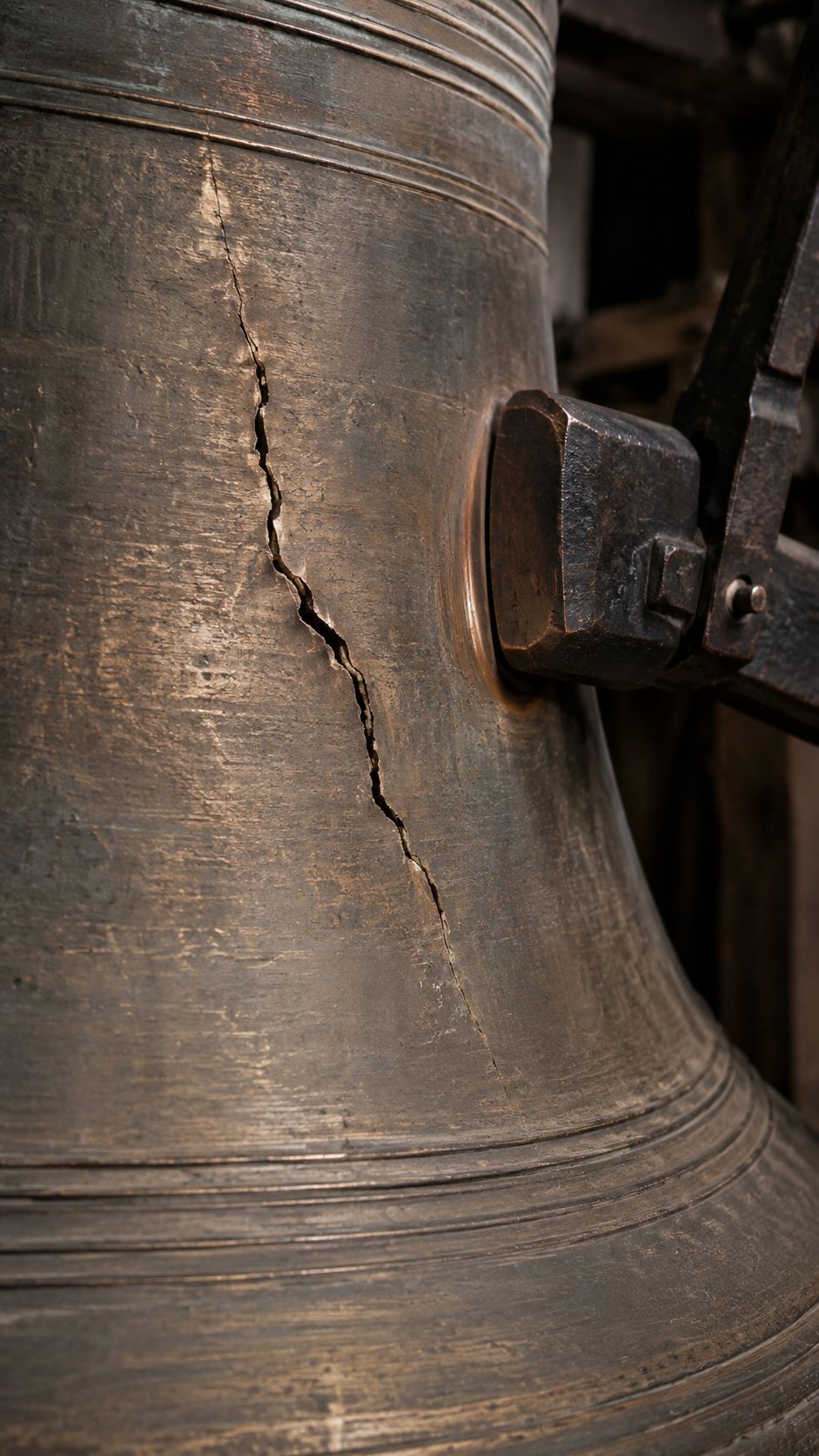 Westminster, London · 1859The Bell That Cracked Before It Ever RangBritain's largest bell ever cast splits during testing before it ever rings in the tower, and nobody has ever fully fixed it.
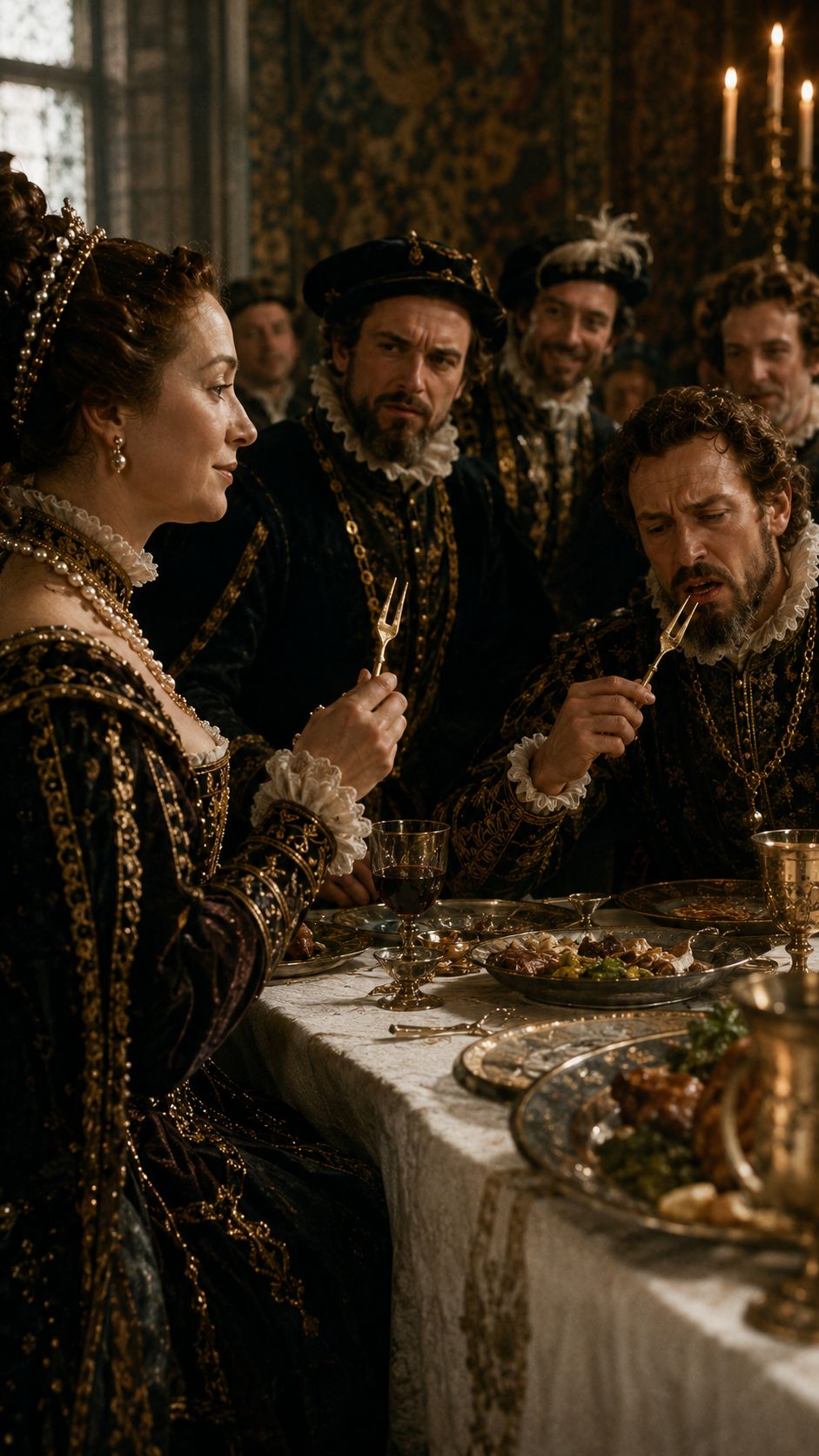 Venice · 1004The Fork That Scandalized VeniceA Byzantine noblewoman marries into Venice's ruling dynasty and horrifies the city by eating with a two-pronged golden utensil instead of her fingers.
 Tyre · 1200 BCThe Royal Dye Made From Rotting SnailsFor three thousand years the most coveted colour in the Mediterranean came from a revolting process involving thousands of crushed sea snails.
 Isfahan · 1600The Weapon That Became A Fashion StatementLong before it symbolised glamour, the elevated heel was battlefield equipment built to help mounted archers kill more efficiently.
 Rome · 1500Why Left-Handed People Were Called SinisterA trait that's stayed steady in ten percent of humans for hundreds of thousands of years got fossilised into language as evil itself.
 Mannheim · 1817How A Volcano Gave Us The BicycleA volcanic eruption on the far side of the world triggers failed harvests, a horse shortage, and the invention that changed how the world moves.
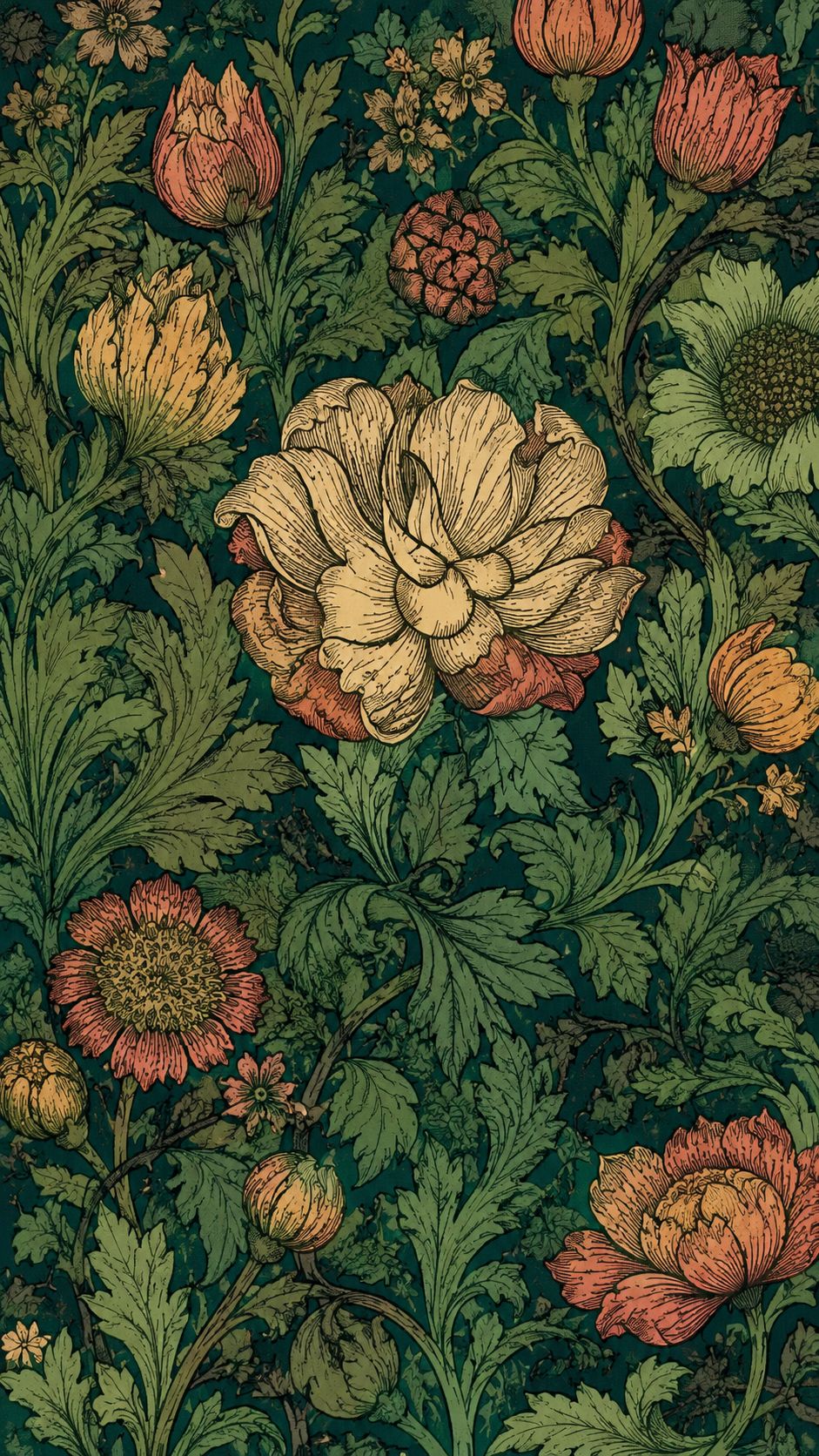 Köping · 1775The Beautiful Colour That Poisoned EveryoneA chemist invents a brilliant new green pigment that Victorians put in everything from wallpaper to sweets, and it's slowly poisoning them all.
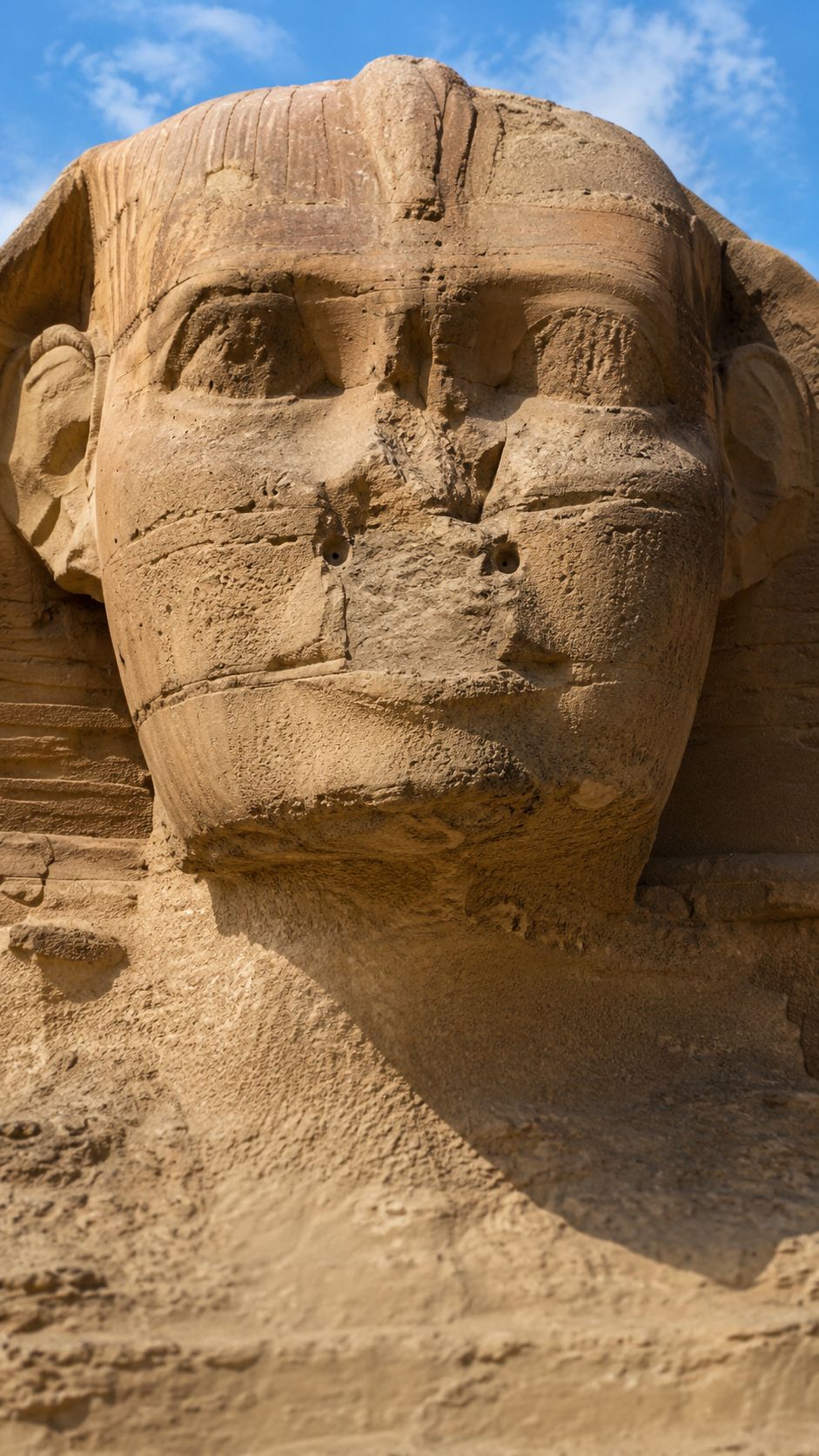 Giza · 1378The Myth That Blamed Napoleon For A Broken NoseEveryone 'knows' Napoleon's soldiers shot the Sphinx's nose off for target practice, but a drawing from decades earlier proves otherwise.
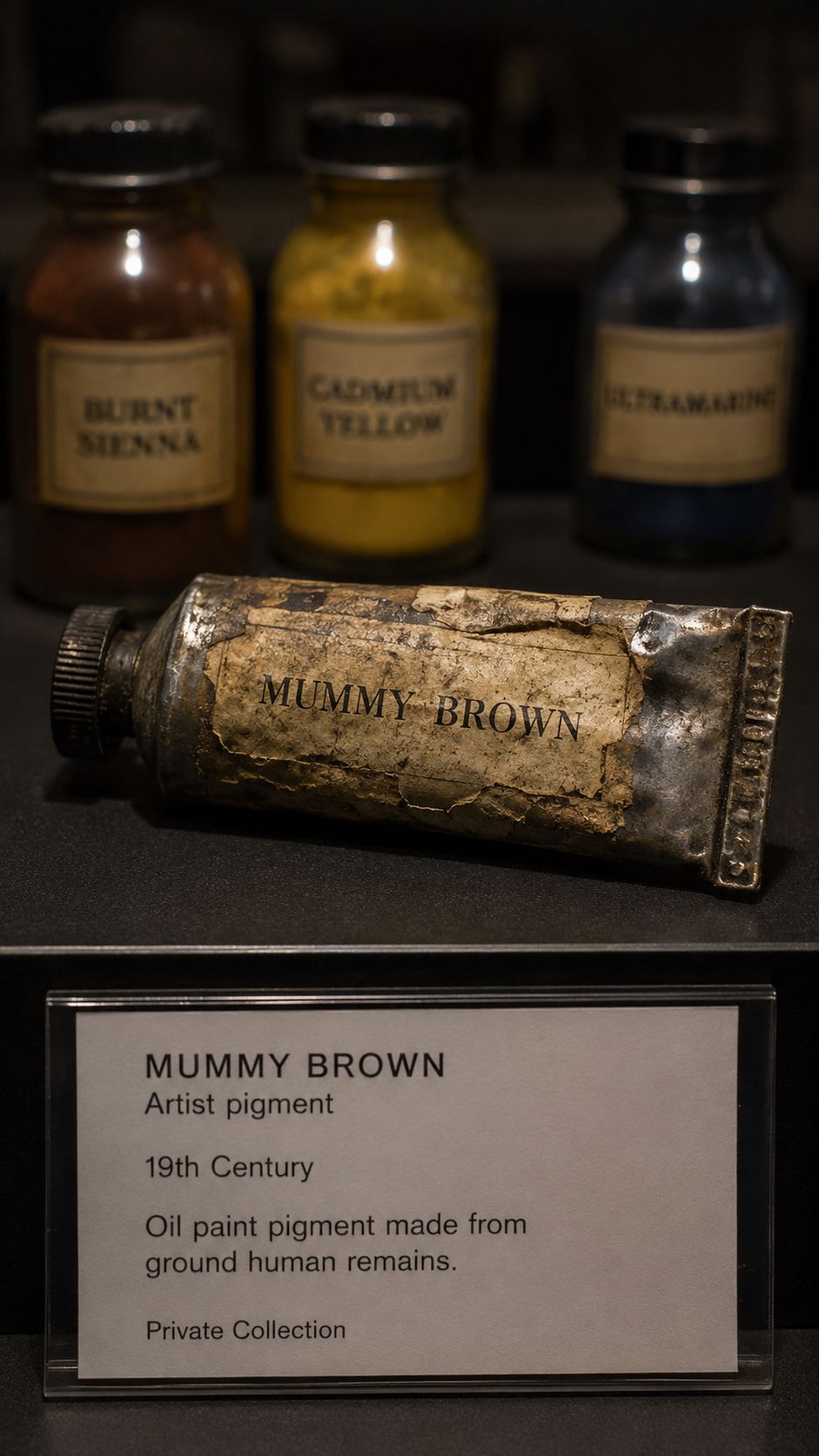 London · 1750The Paint Made From Ground-Up MummiesFor four centuries European artists painted with a warm brown pigment made from the powdered flesh and wrappings of the embalmed dead.
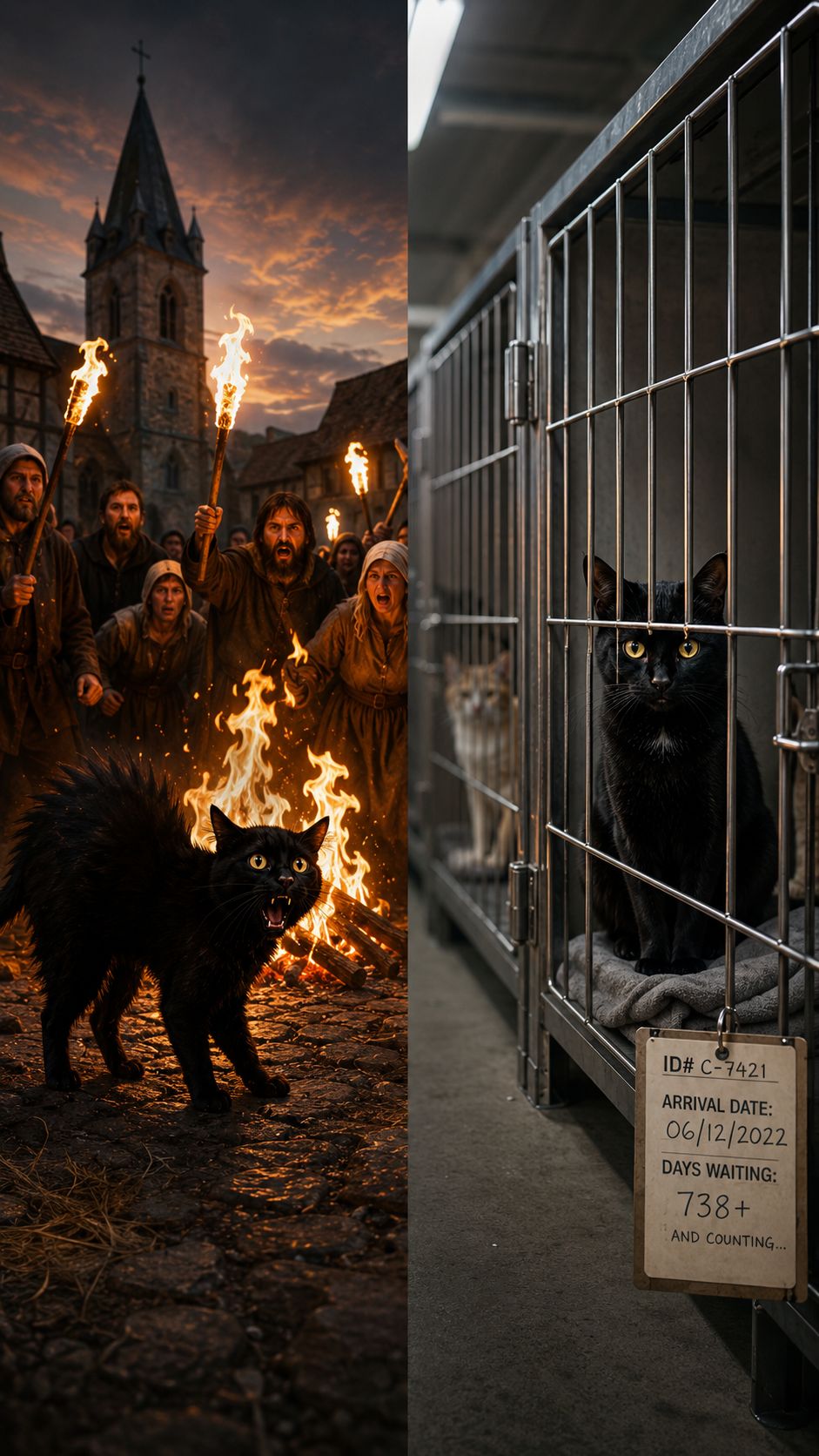 Rome · 1233The Papal Decree That Doomed Medieval CatsA papal bull linking cats to satanic ritual gives medieval communities religious cover to hunt, burn and drown them by the thousands.
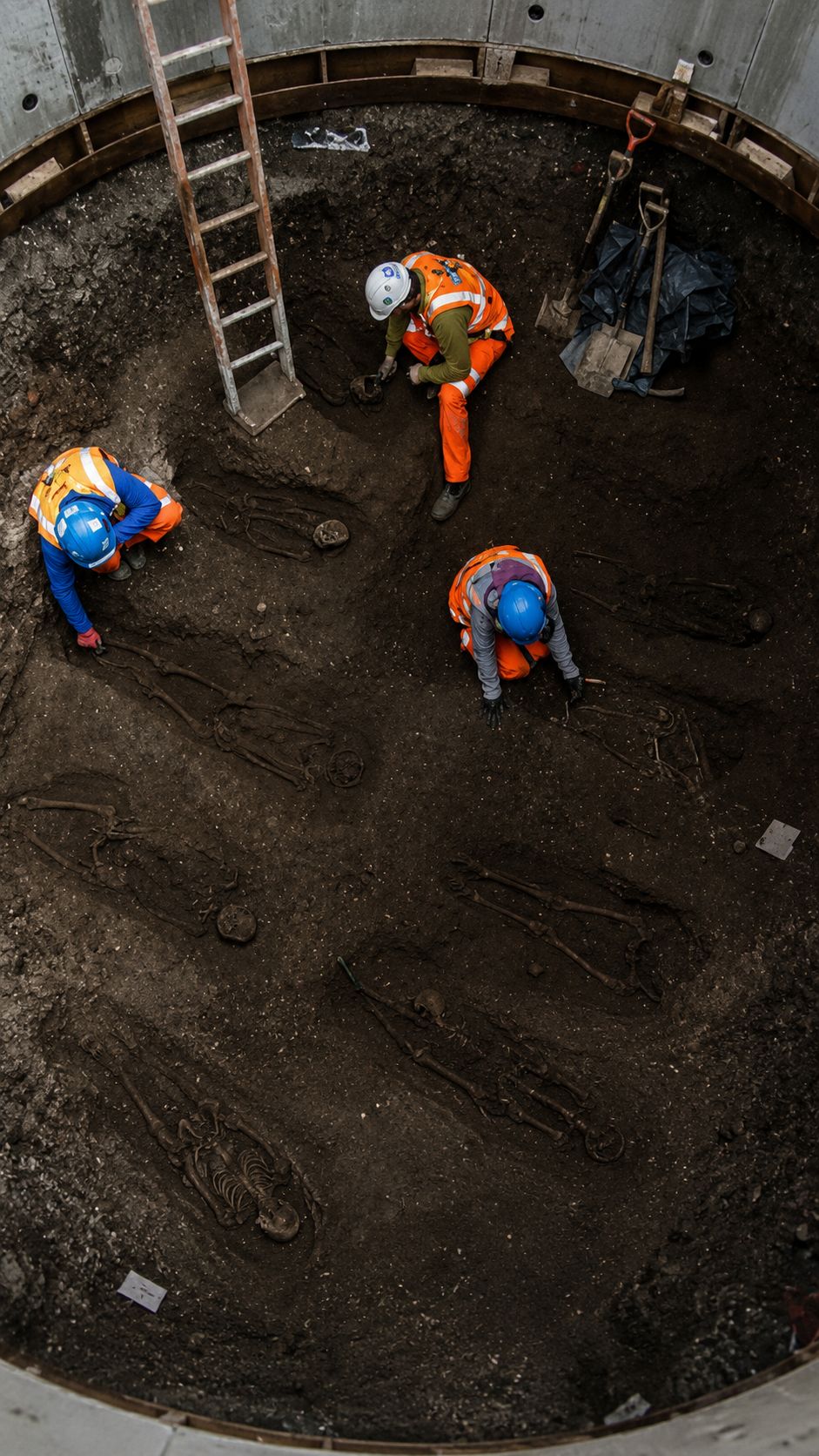 London · 1665The Plague Pits Still Under London's StreetsLondon's plague dead are real, documented and mostly shallow. Almost everything sensational said about them comes from a novel.
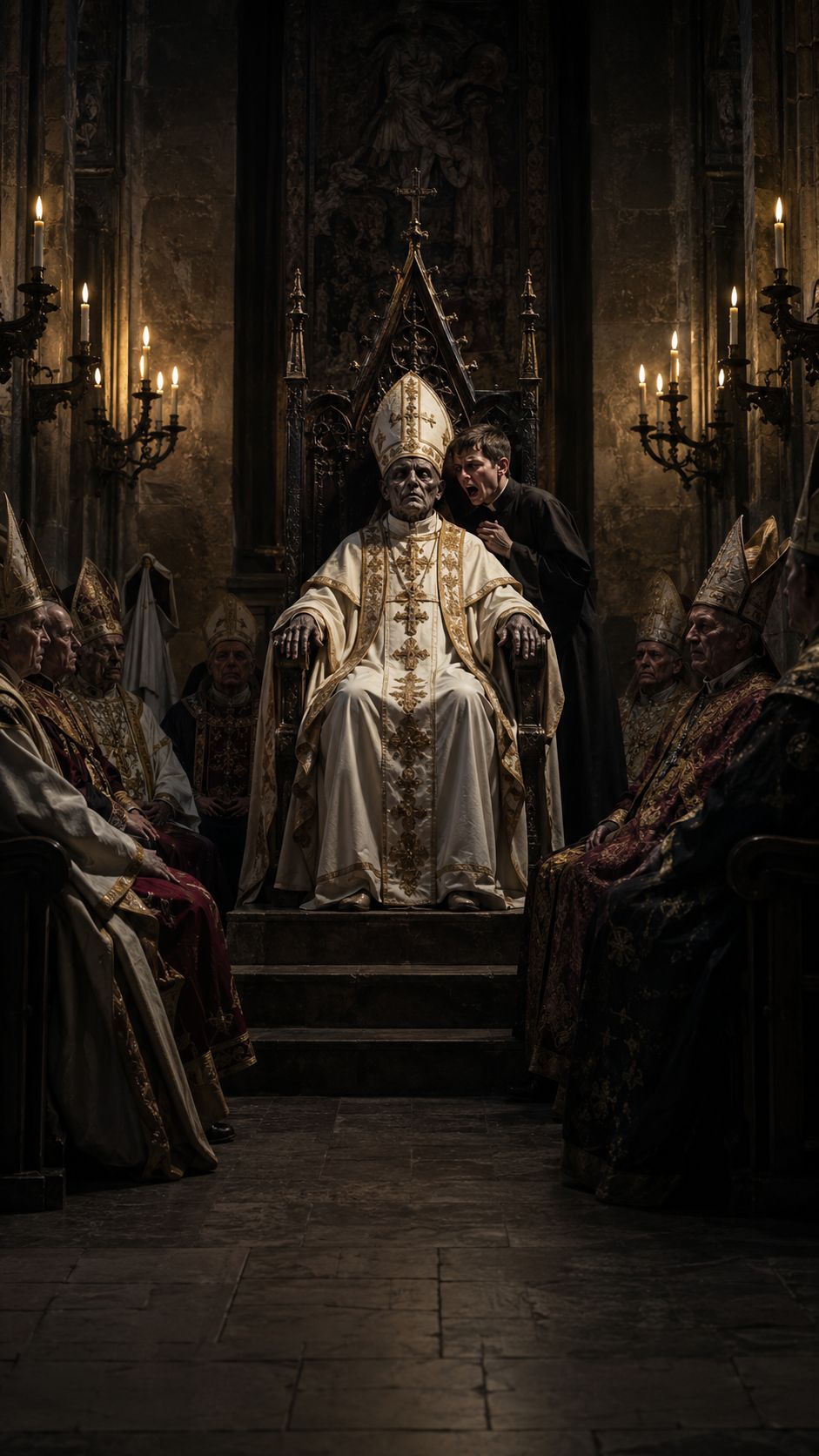 Rome · 897The Trial Of A Dead Pope's CorpseA newly elected pope has his predecessor's rotting body dug up, dressed in full vestments, and seated on a throne to stand trial.
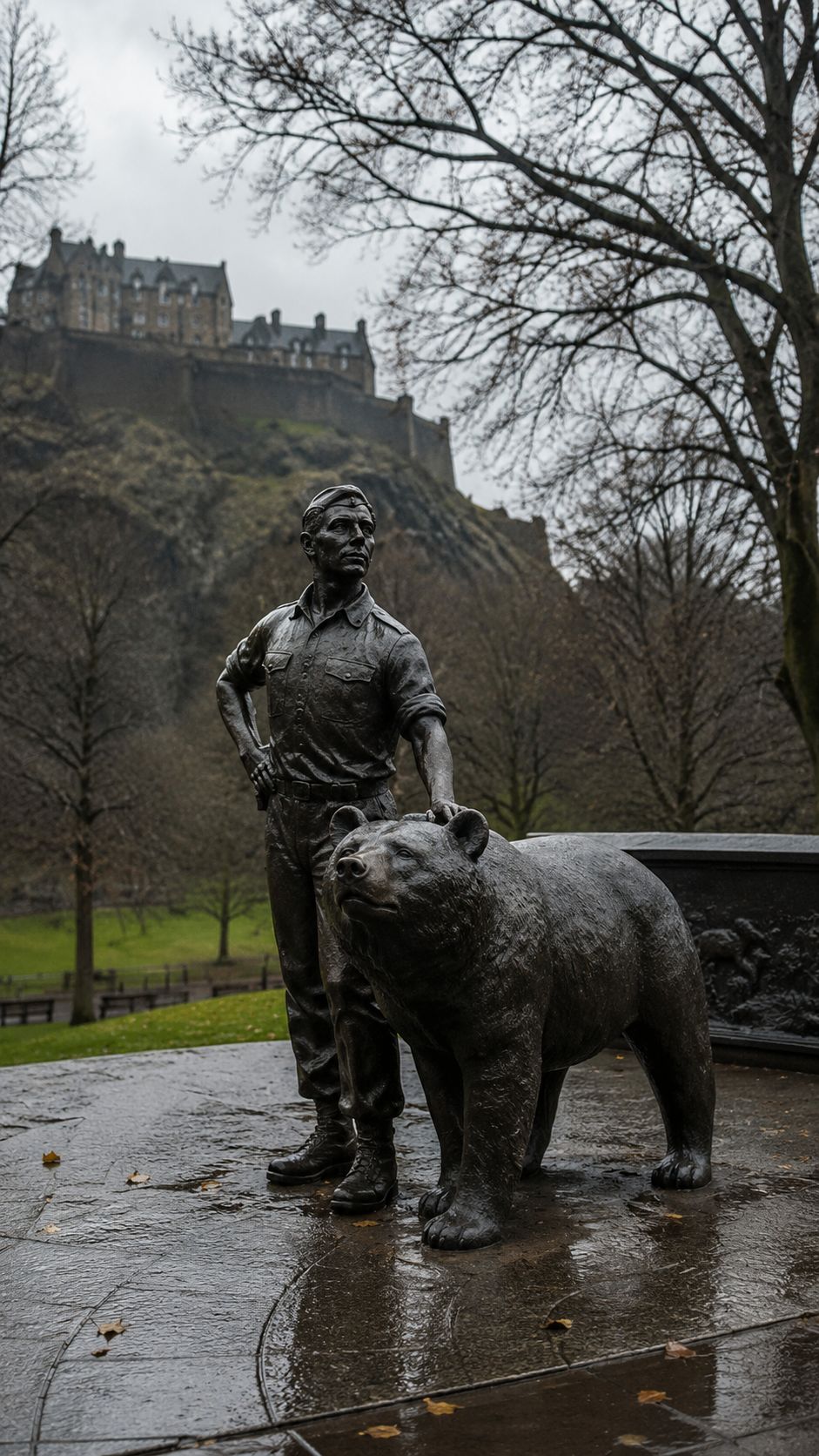 Monte Cassino · 1942The Bear Who Became A Polish SoldierA rescued bear cub bought for a Swiss army knife and some chocolate grows up convinced he's one of the men, and he isn't wrong.
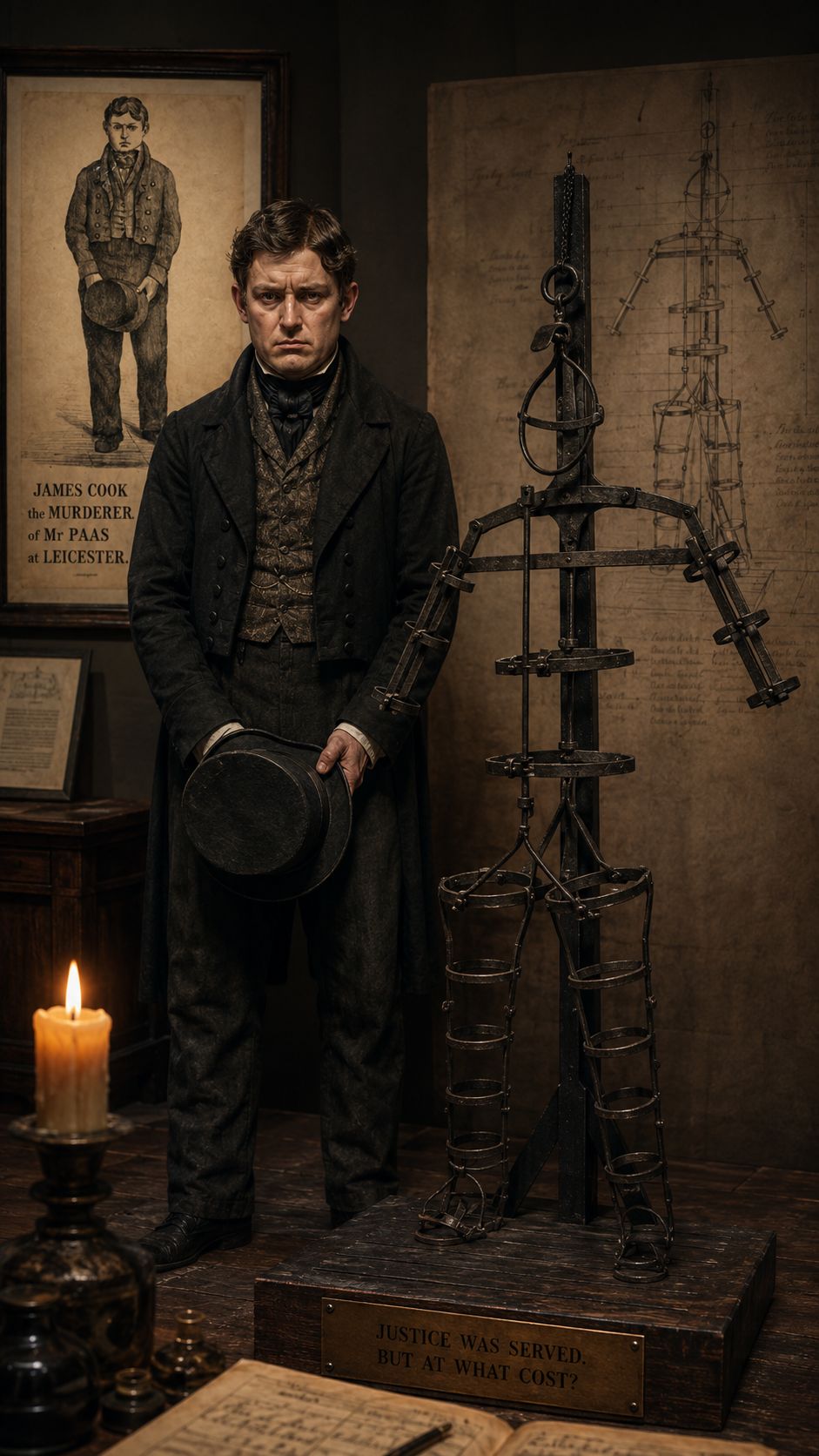 Rye, East Sussex · 1742The Iron Cages Built To Fit A CorpseAfter the hanging, courts could order a second sentence: a body tarred, locked into a custom-forged iron cage, and left to rot in public.
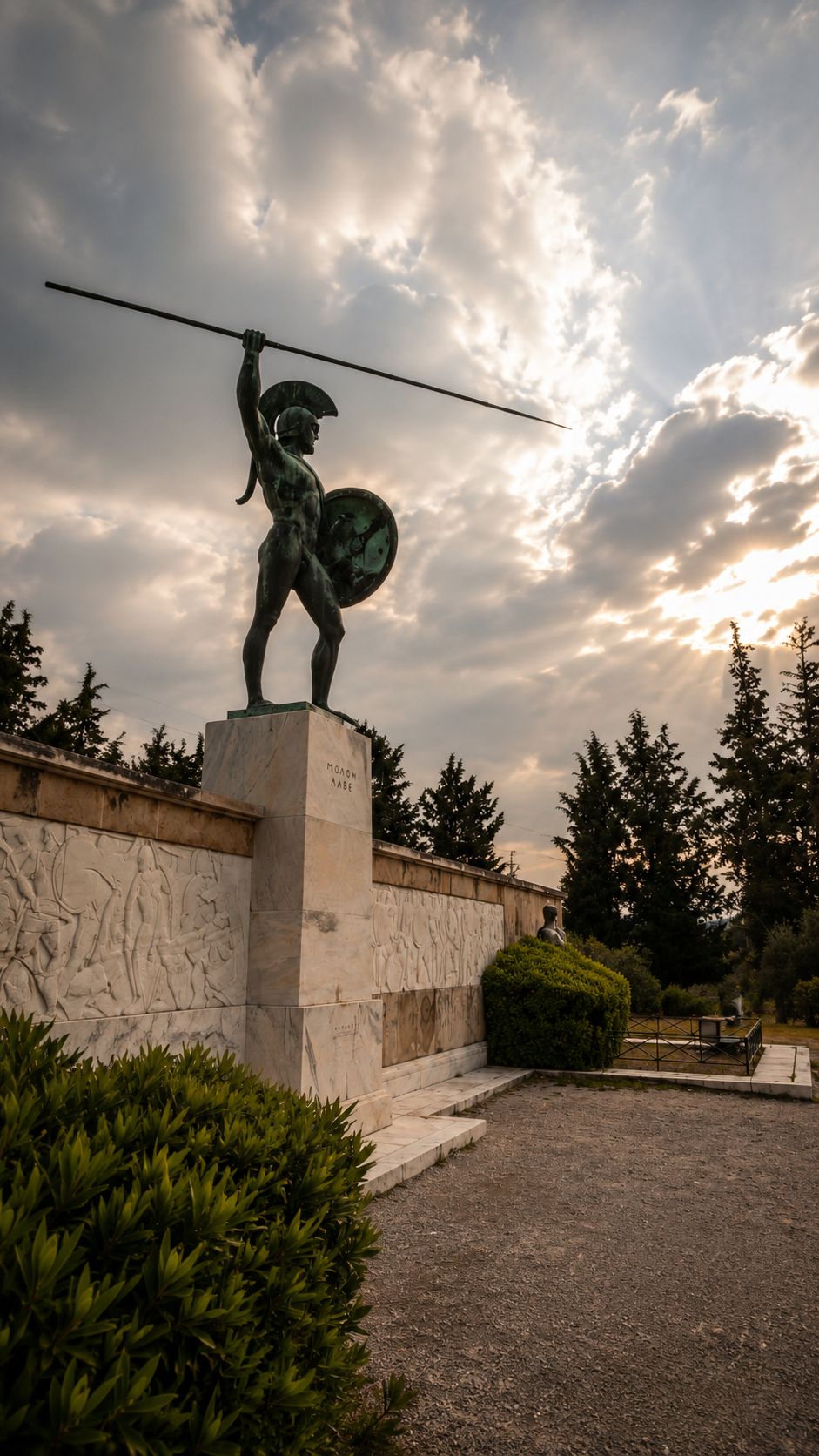 Thermopylae · 480 BCThe Real Battle Behind The Legend Of 300The film shows 300 Spartans making a last stand alone, but the truth about who actually held the pass at Thermopylae is crueller.
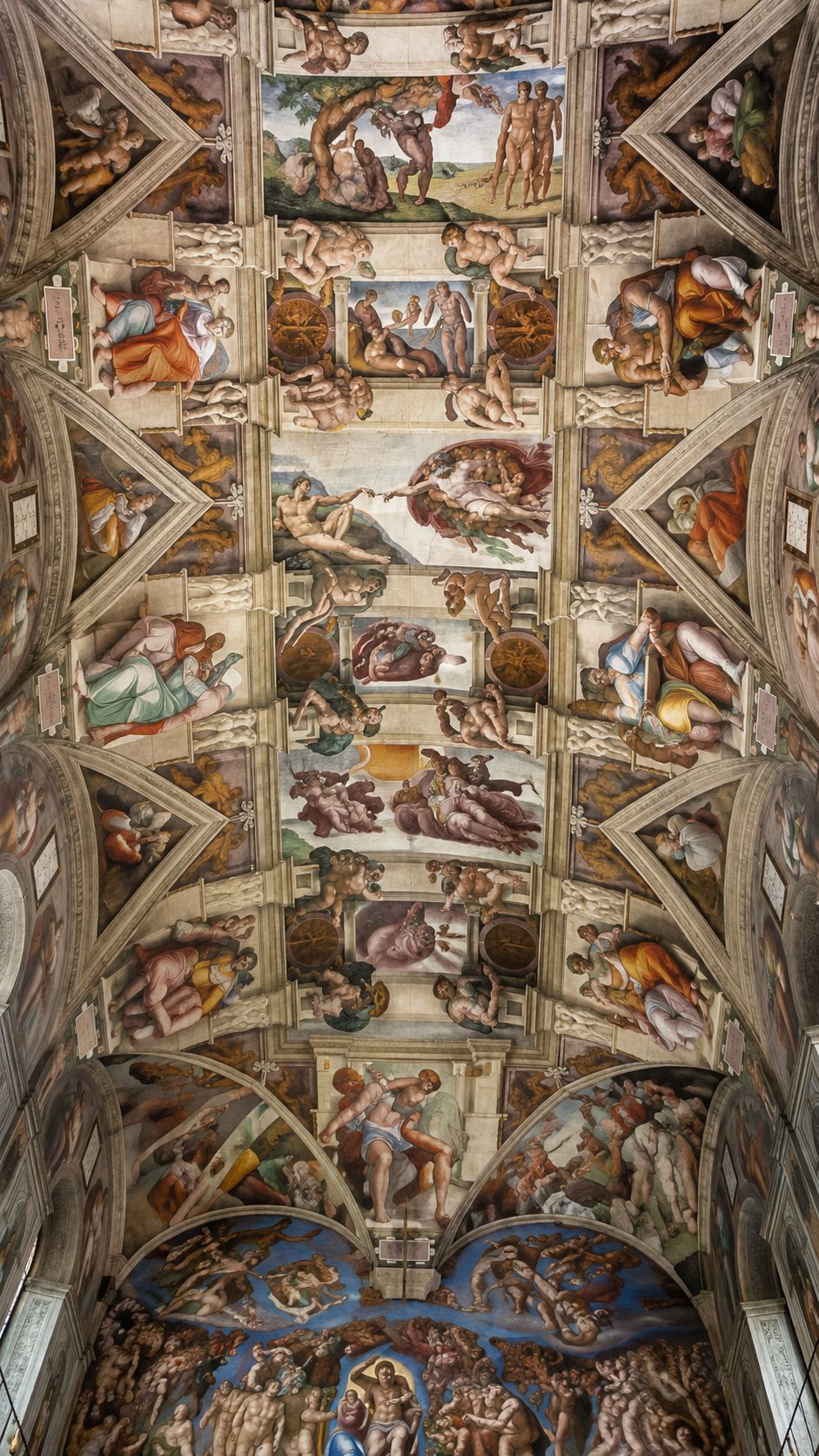 Vatican City, Rome · 1508The Sculptor Forced To Paint A MasterpieceA sculptor who insists painting isn't his profession is ordered by a warrior pope to cover an entire chapel ceiling instead.
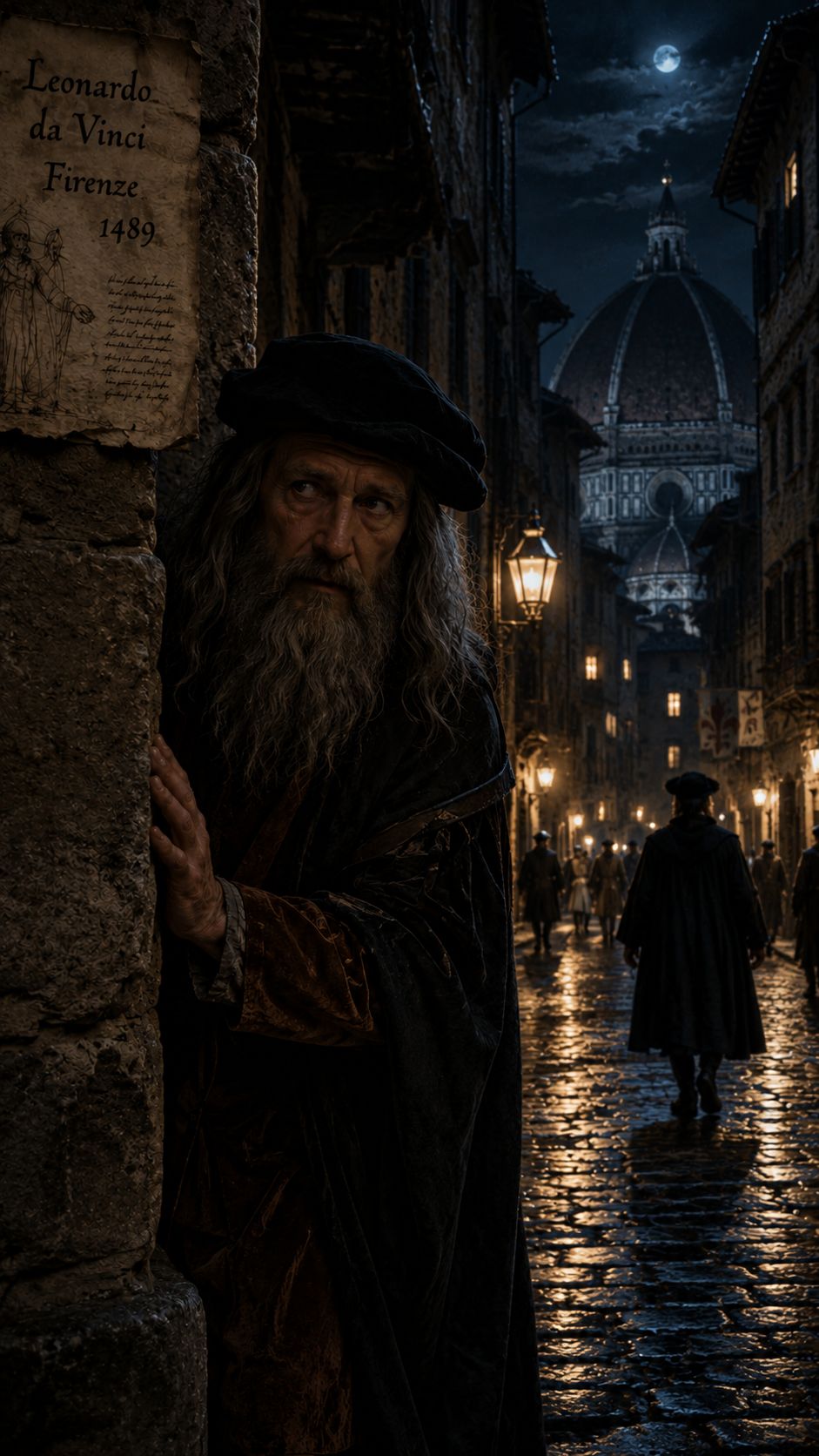 Florence · 1500The Secret Dissections Behind The Mona LisaBy night, alone in the morgues of Florence and Milan, the painter of the Mona Lisa was cutting open at least thirty human corpses.
 North Atlantic Ocean · 1912The Stewardess Who Survived Three Sinking ShipsNot expected to survive childhood, a stewardess goes on to live through disaster aboard all three of the White Star Line's sister ships.
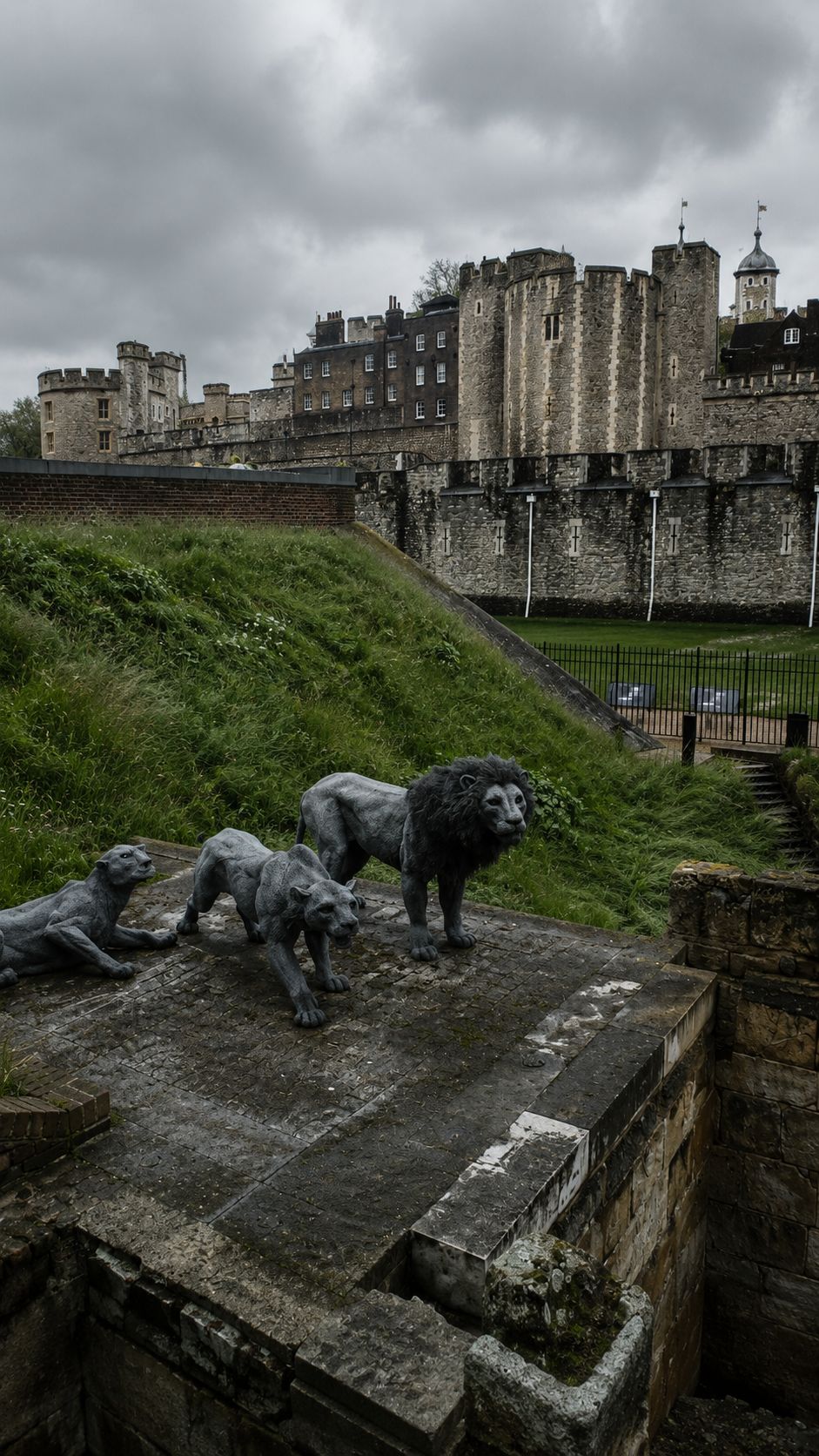 Tower of London, London · 1235When The Tower Of London Was A ZooFor six centuries England's monarchs kept lions, bears and a polar bear at the Tower, diplomatic gifts nobody knew how to care for.
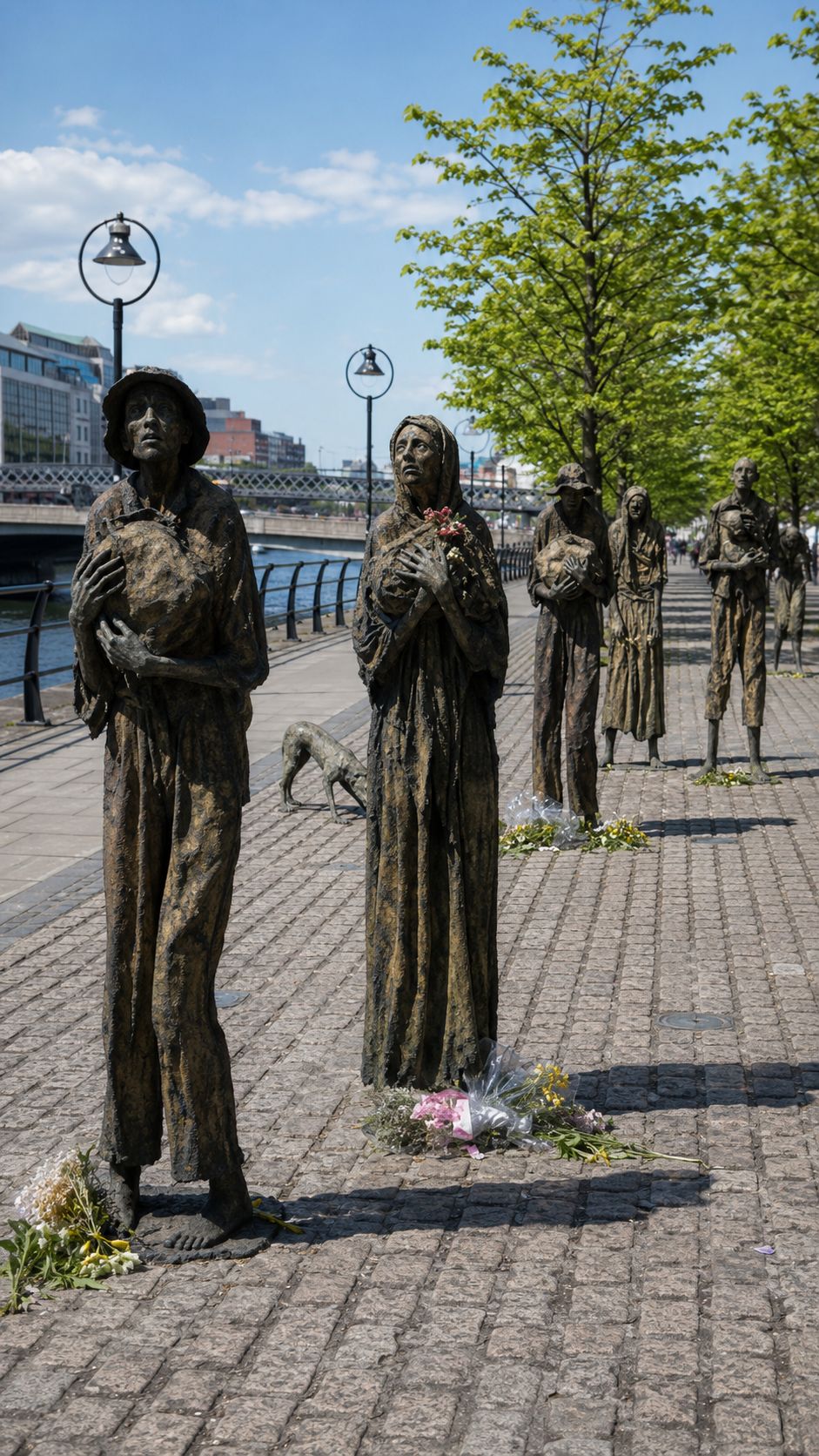 Skibbereen · 1845The Famine That Emptied A NationA potato blight kills over a million people while ships keep leaving Irish ports loaded with food.
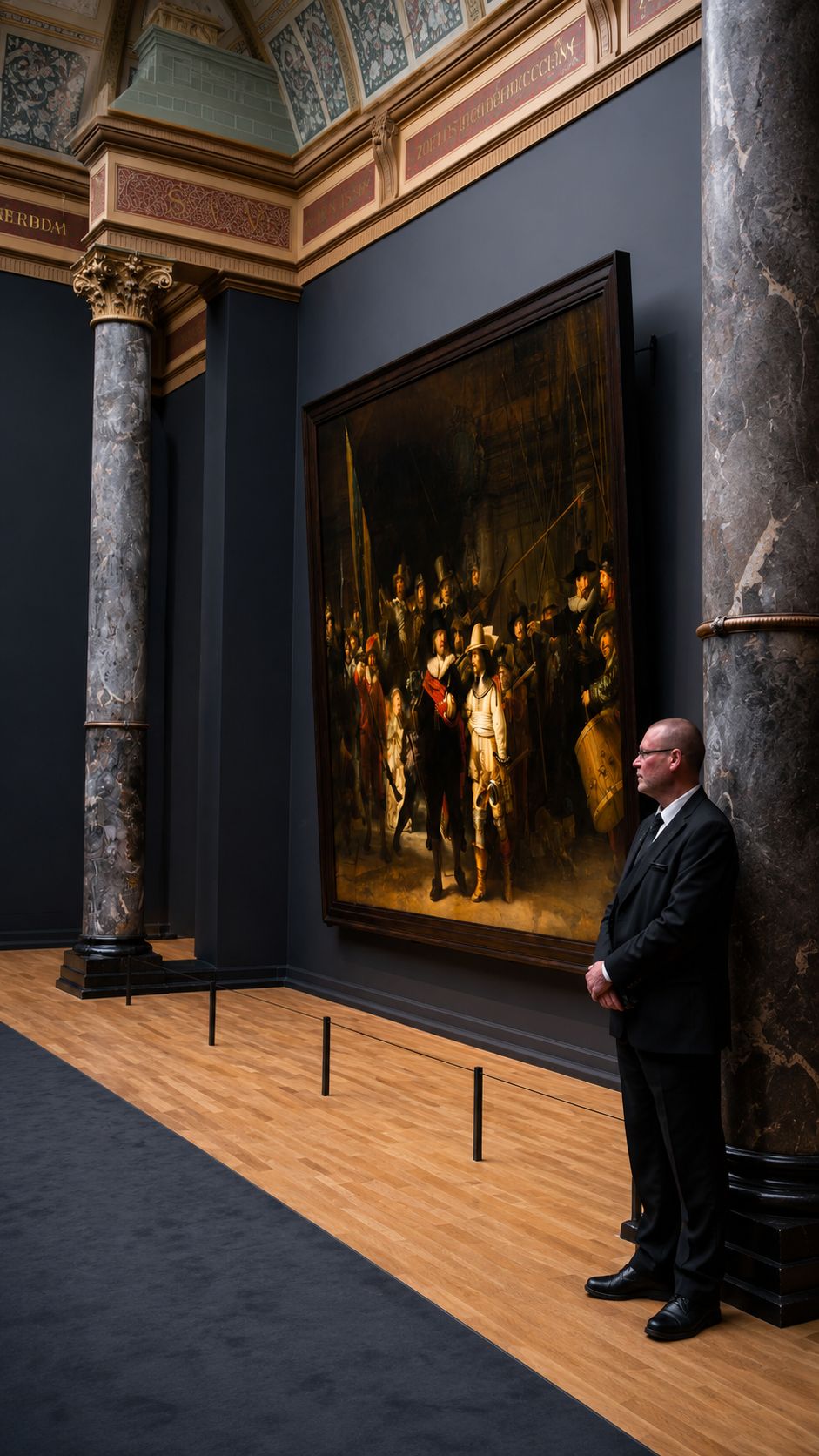 Amsterdam · 1642The Painting That Was Cut Down To SizeThe most famous painting in Dutch history hanging in the Rijksmuseum today isn't the painting Rembrandt actually made.
- Place de la Bastille, Paris · 1789The Prison Stormed To Free Seven MenA Paris mob expects to find a dungeon of political prisoners chained by a tyrant, and finds something far less dramatic instead.
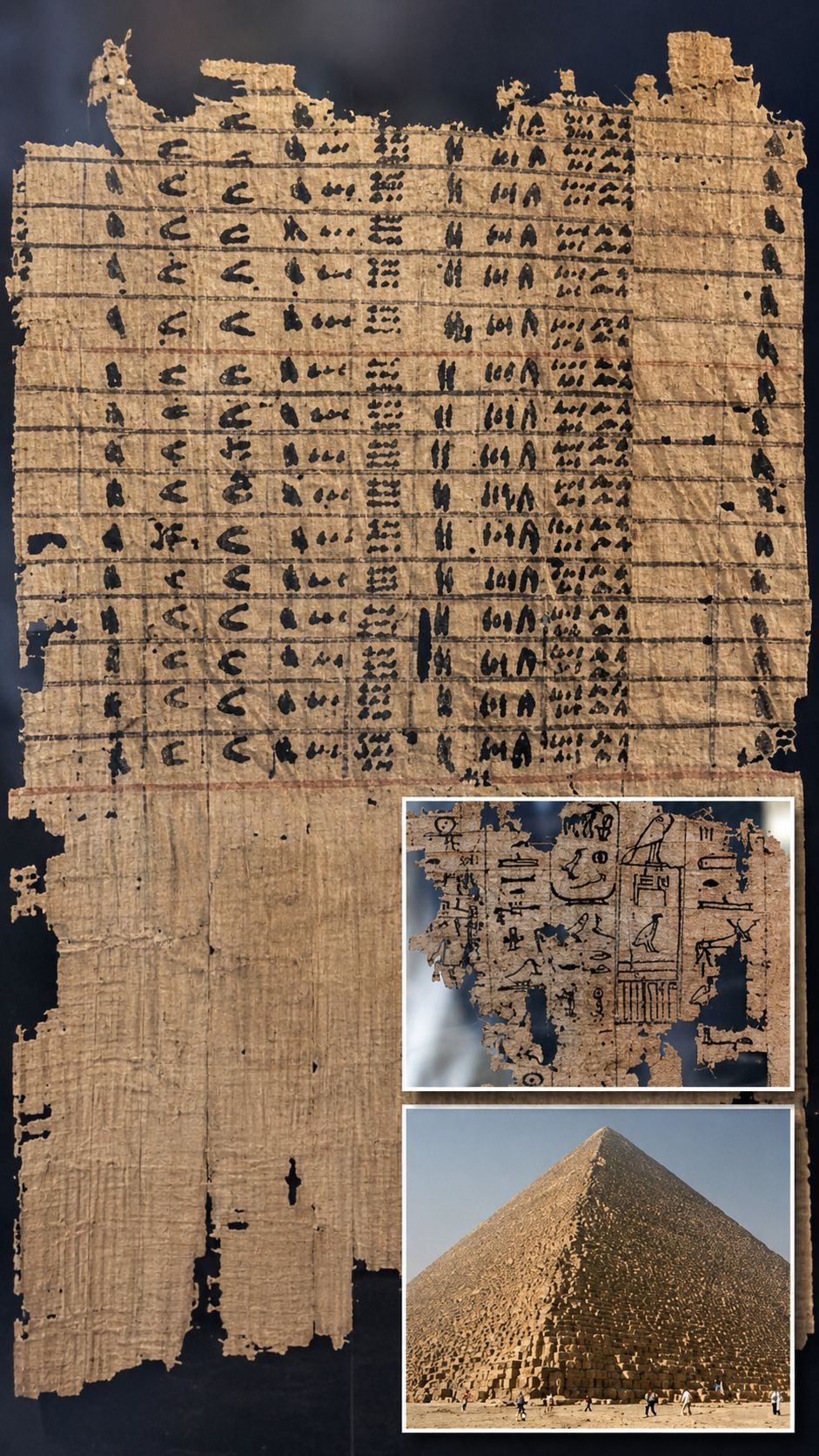 Rashid (Rosetta) · 196 BCThe Tax Document That Unlocked EgyptThe most visited object in the British Museum turns out to be a routine bureaucratic decree that happened to unlock a lost language.
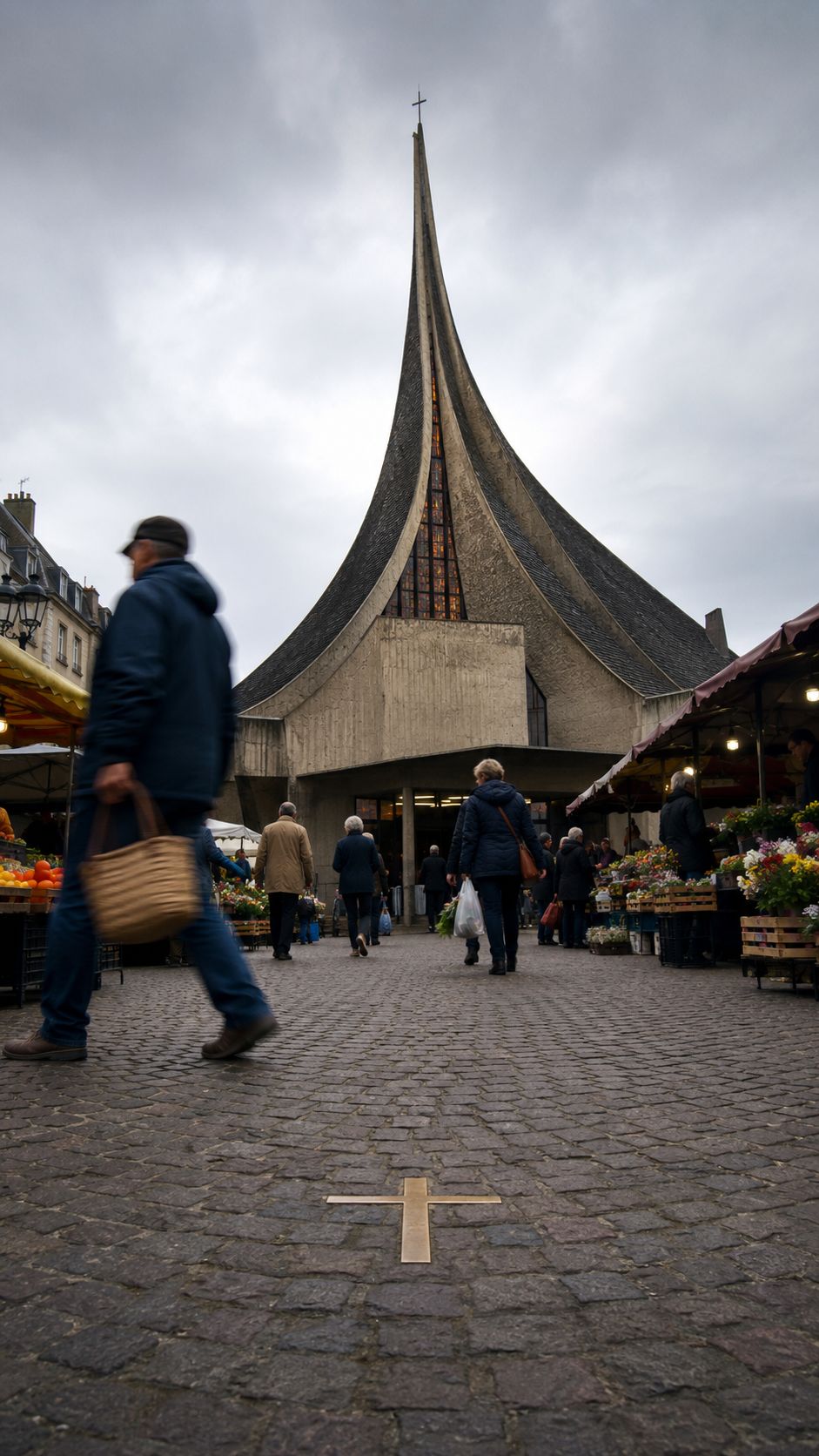 Rouen · 1431The Teenage Warrior Burned As A HereticA nineteen-year-old who turned the tide of a war is condemned to death not for anything military, but for the clothes she wore.
- Giza · 2500 BCThe Workers' Town Buried Under The MythFor centuries the story was whipped slaves dragging stone for god-kings, but archaeologists found a planned, paid workers' town instead.
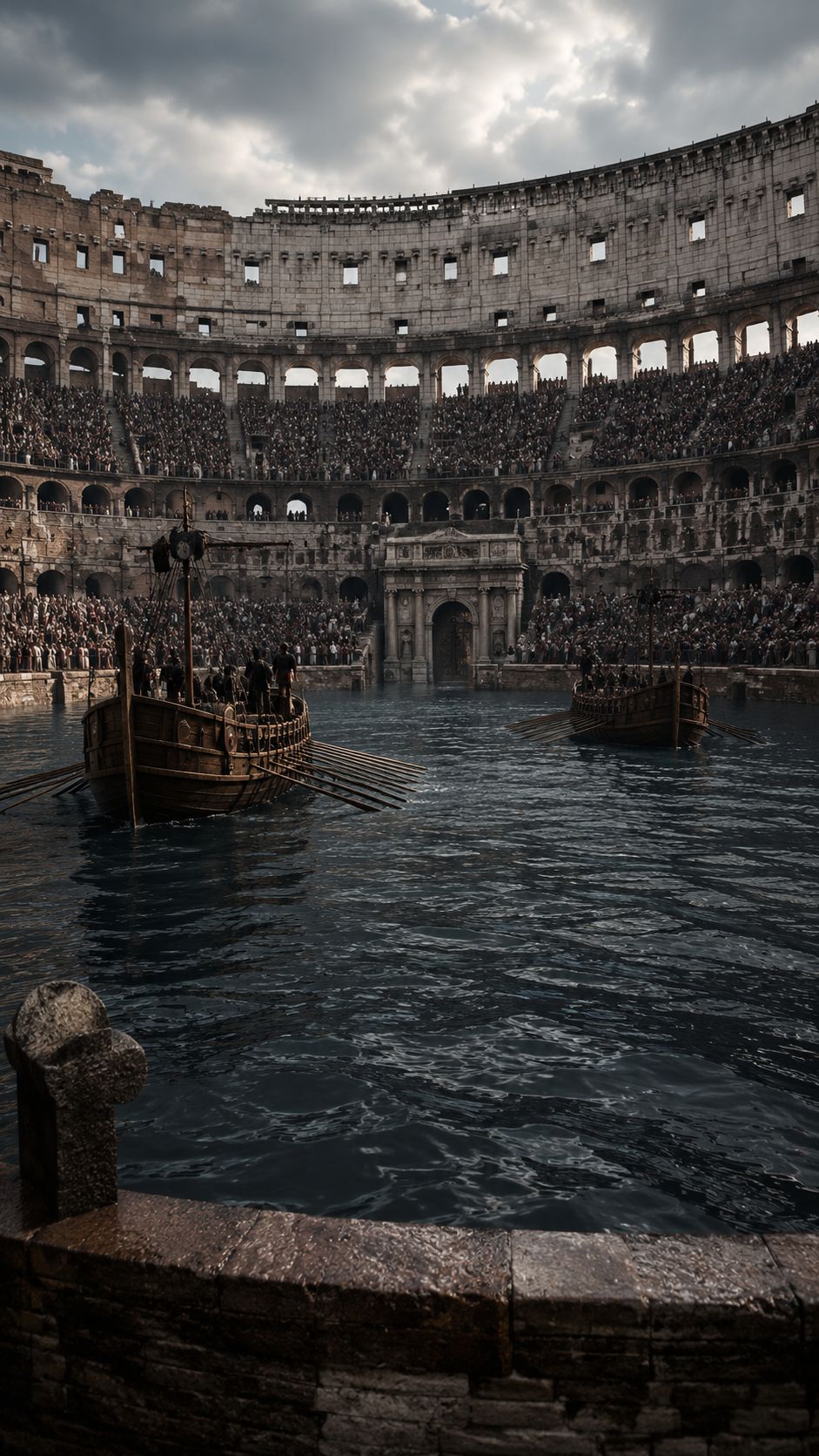 Rome · 80When The Colosseum Was Flooded For Naval BattlesBefore the underground chambers tourists peer into today existed, the arena floor was briefly a lake for staged battles men really died in.
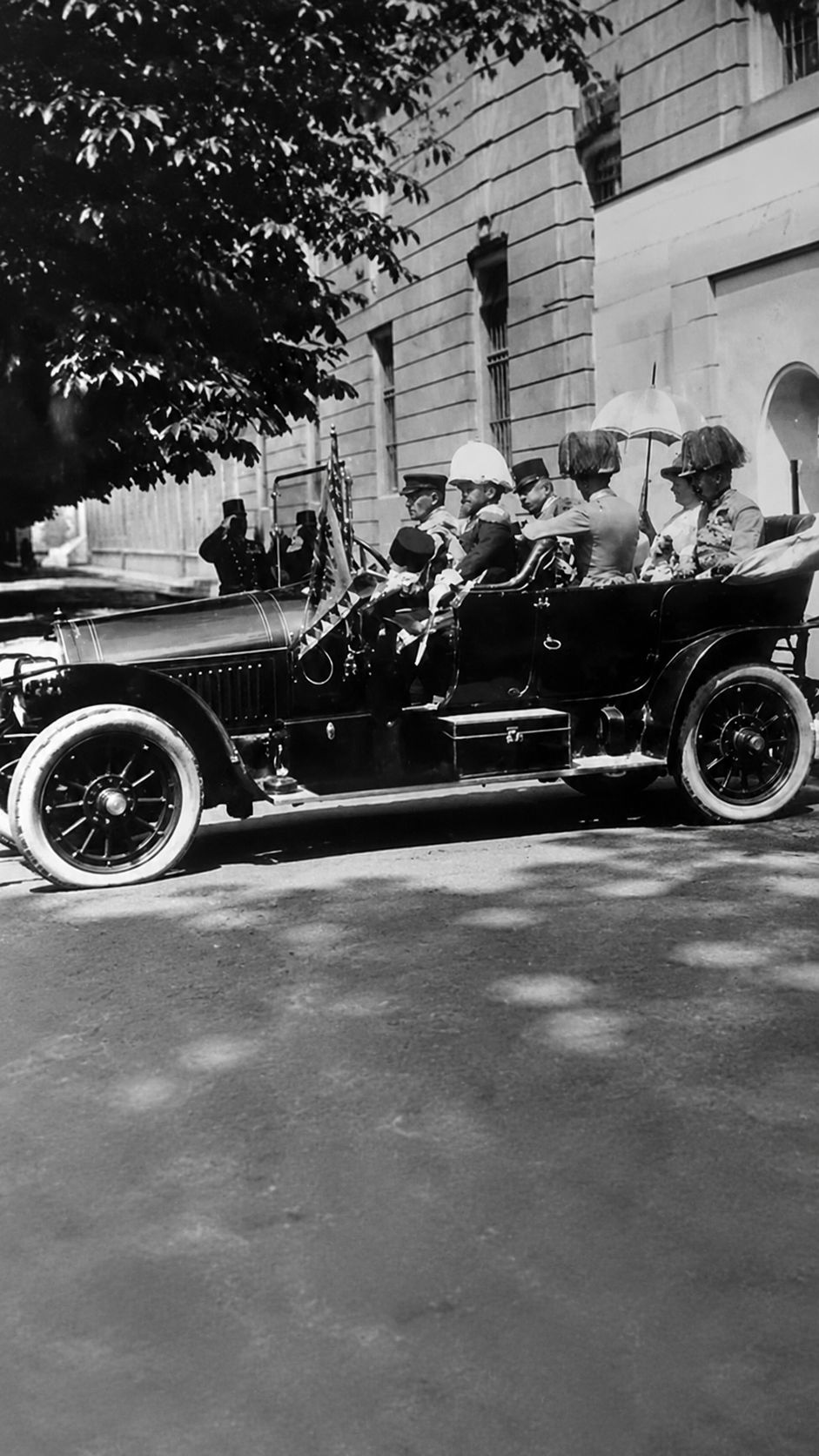 Sarajevo · 1914The Assassination That Started A World WarA bungled bomb attack fails to kill him, and then his car takes a wrong turn straight past a gunman who had already given up.
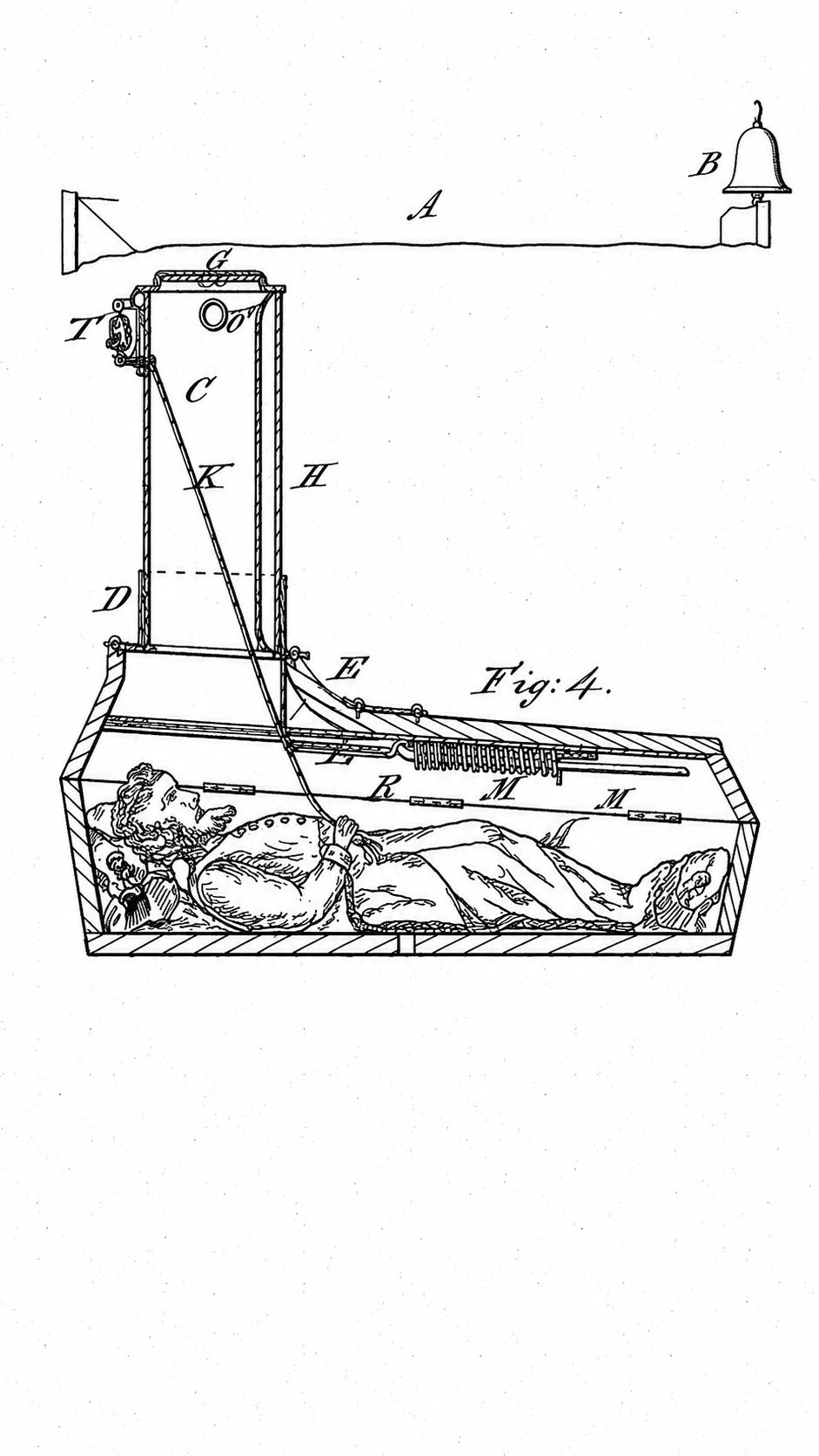 Braunschweig · 1798The Bells Rigged For The Not-Quite-DeadBefore the stethoscope existed, doctors couldn't reliably tell the dead from the merely unconscious, so inventors built coffins with bells attached.
- New York City · 1898The Novel That Predicted The TitanicFourteen years before Titanic sank, a novelist described an 'unsinkable' liner hitting an iceberg on an April night, with eerie precision.
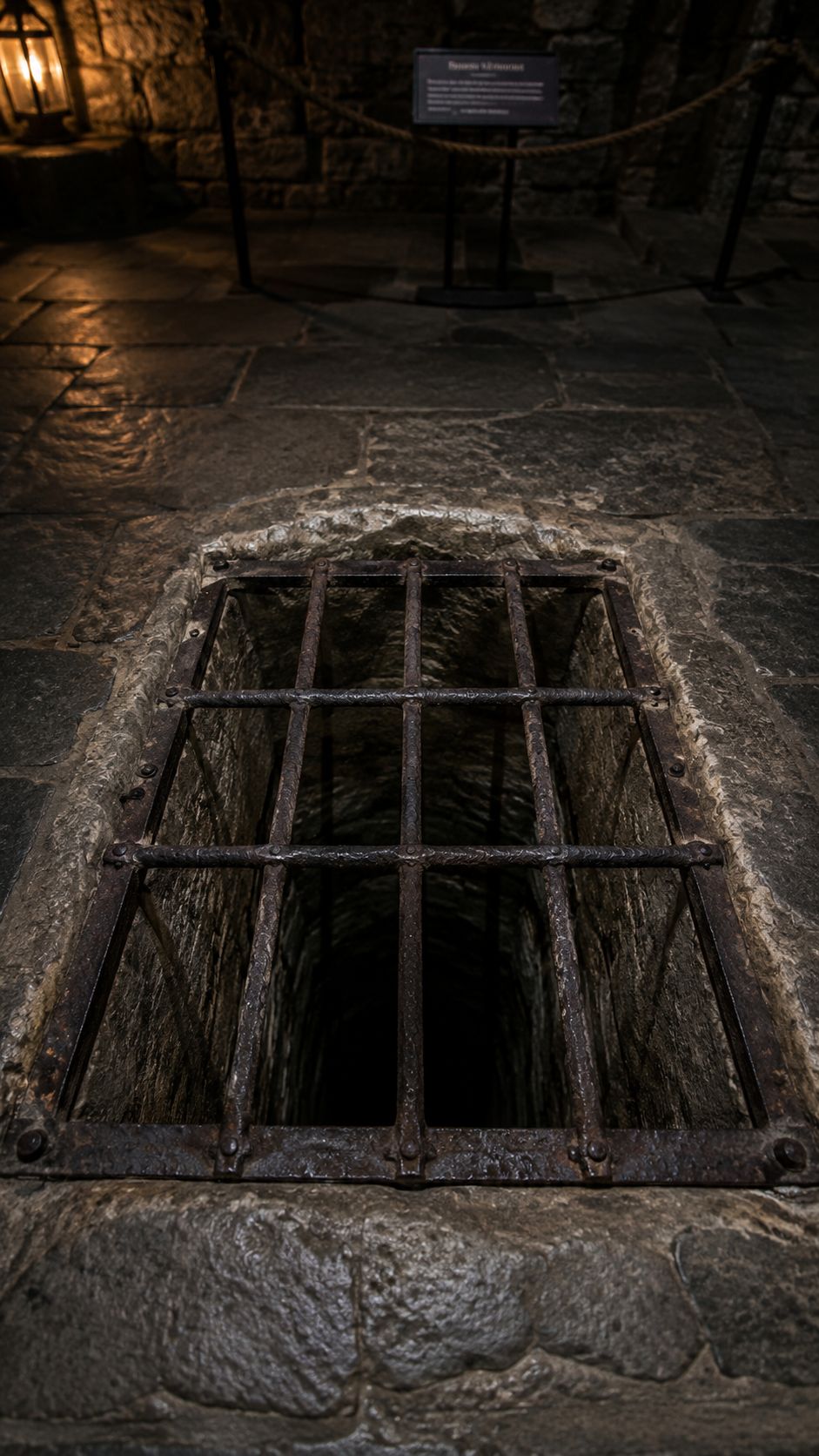 Leap Castle · 1250The Pit Built To Make You ForgottenUnlike a dungeon with doors and gaolers, this drop into darkness offered no sentence, no ransom, and no way out.
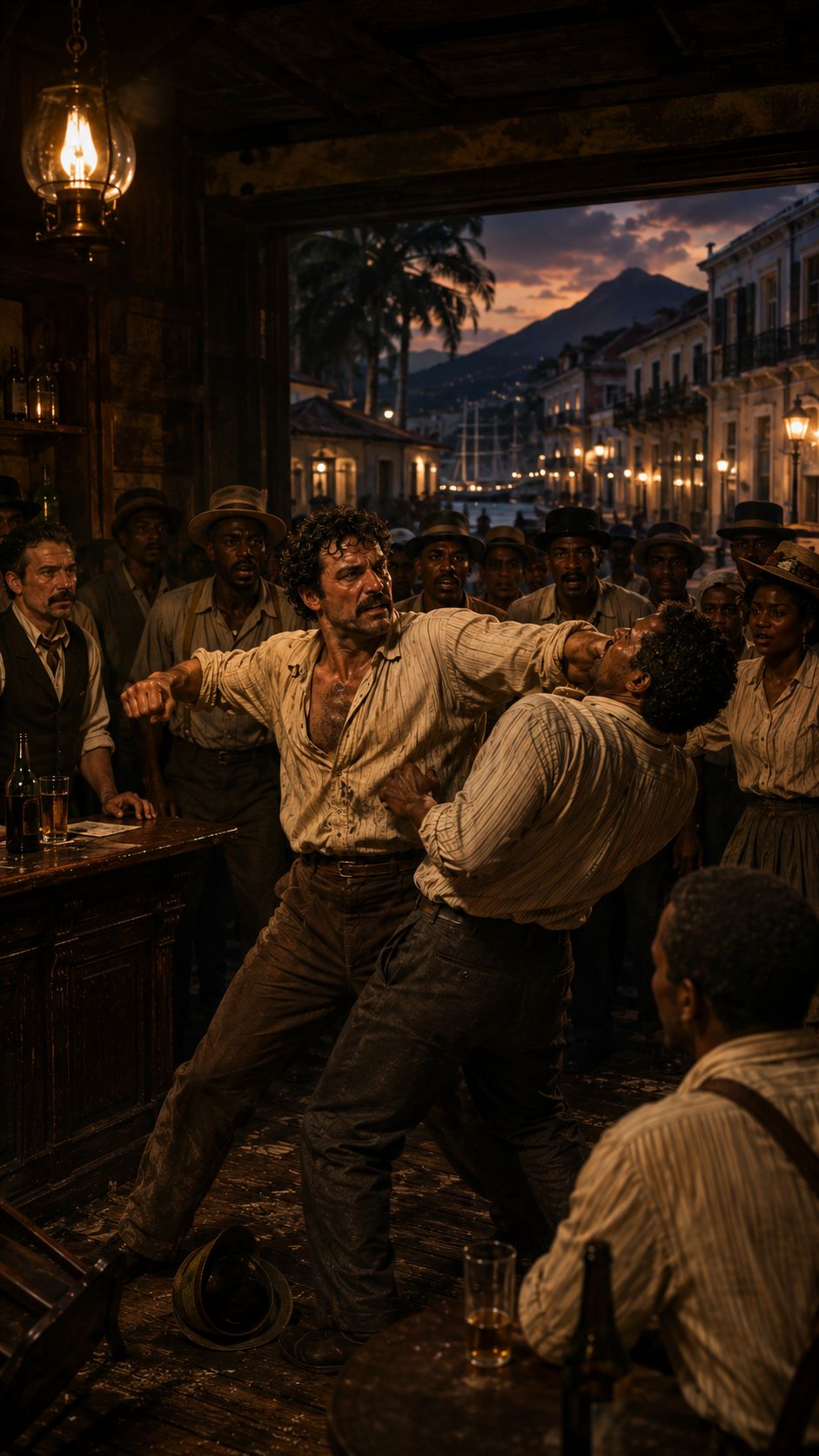 Saint-Pierre, Martinique · 1902The Prisoner Saved By His Own CellA man thrown into solitary confinement for a bar fight becomes the only survivor when the mountain above his city erupts.
- North Atlantic Ocean · 1912The Ship That Watched And Did NothingA steamer stopped for the night sits close enough to see Titanic's lights, while her sole wireless operator has already gone to bed.
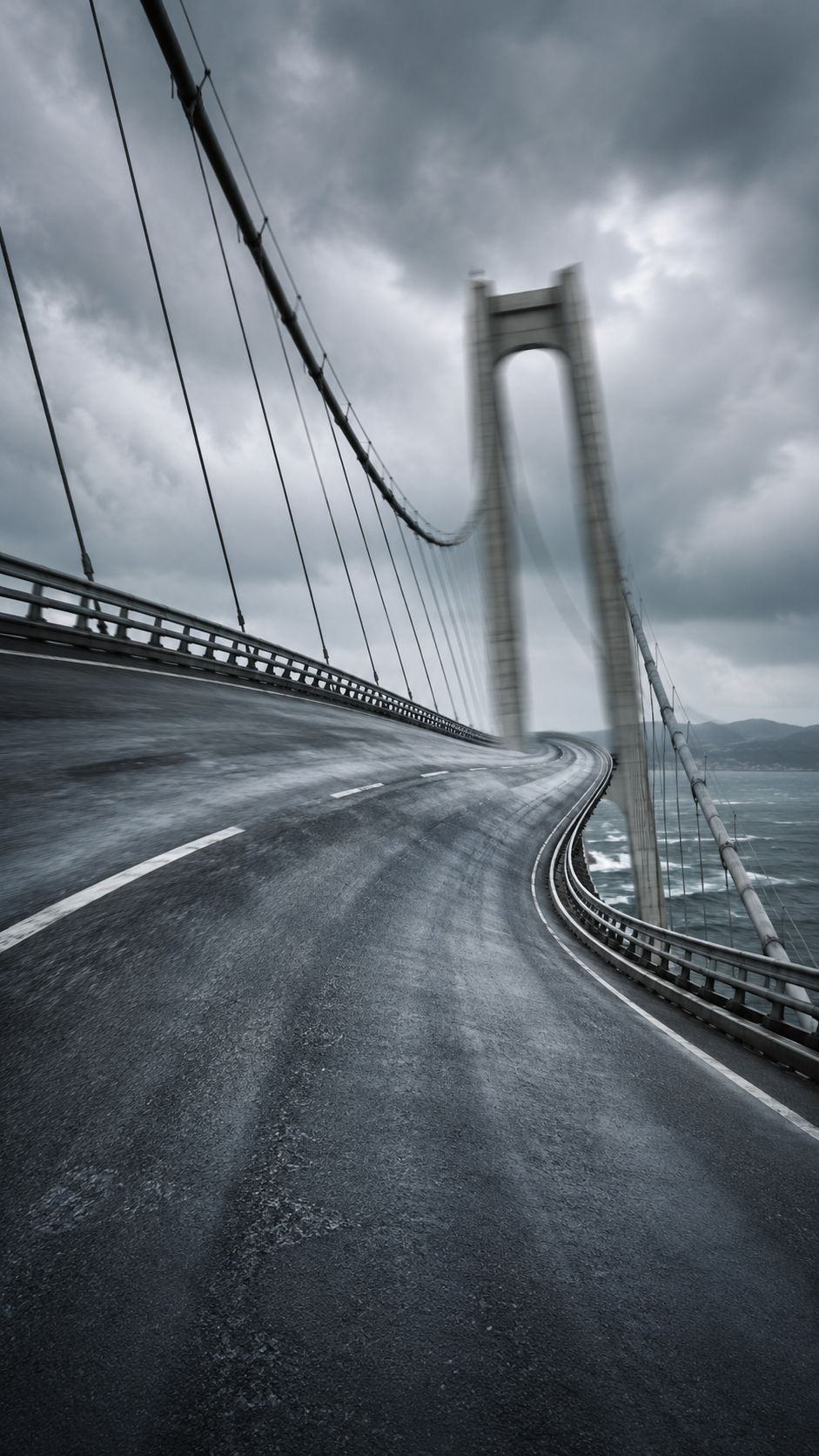 Tacoma, Washington · 1940The Bridge That Danced Itself ApartDrivers nickname a brand-new suspension bridge 'Galloping Gertie' for the way it moves, and then it moves one time too many.
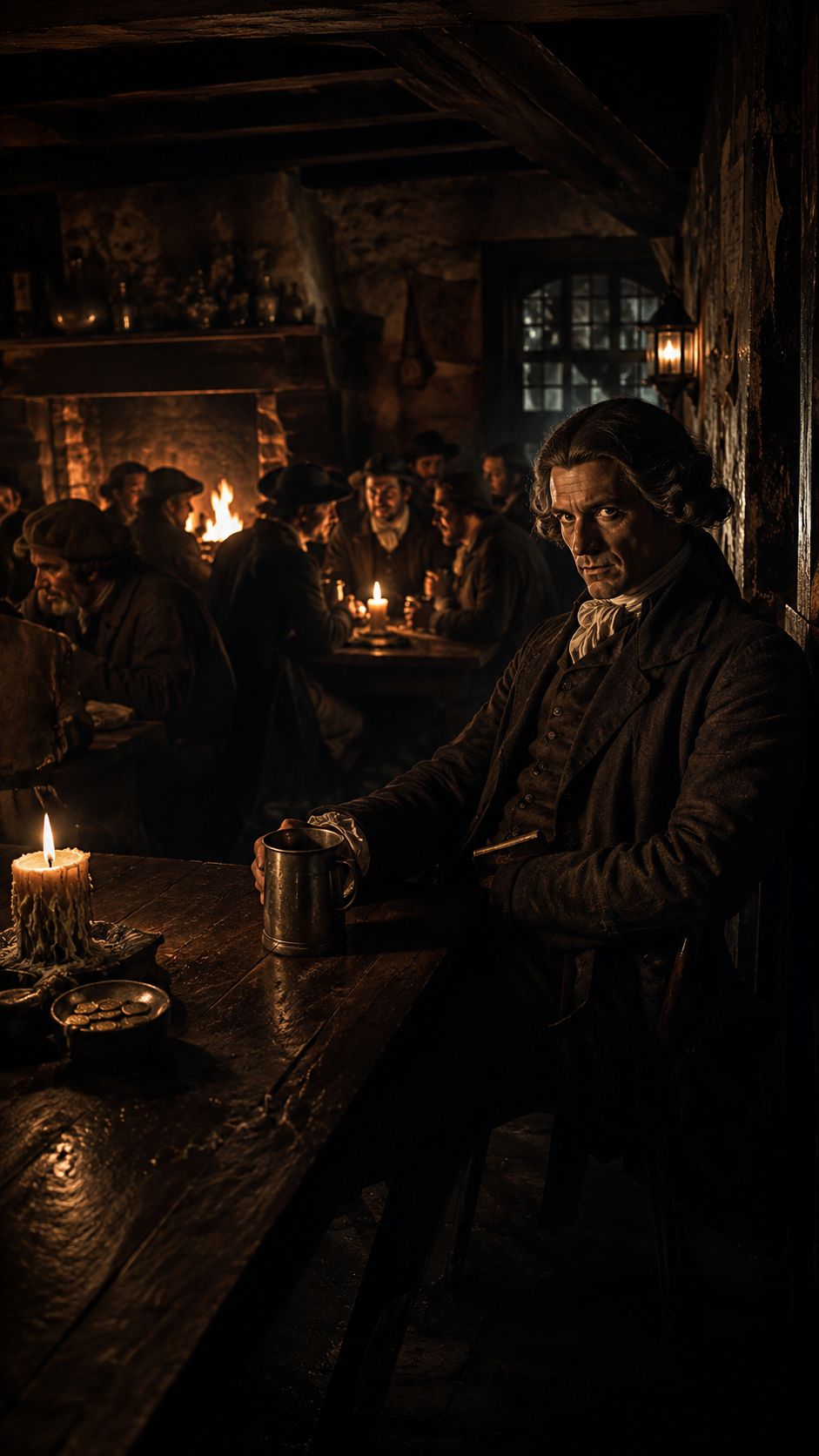 Tower of London, London · 1696The Scientist Who Hunted CounterfeitersThe man who rewrote physics takes what was supposed to be an easy government job and turns it into a personal war on fraud.
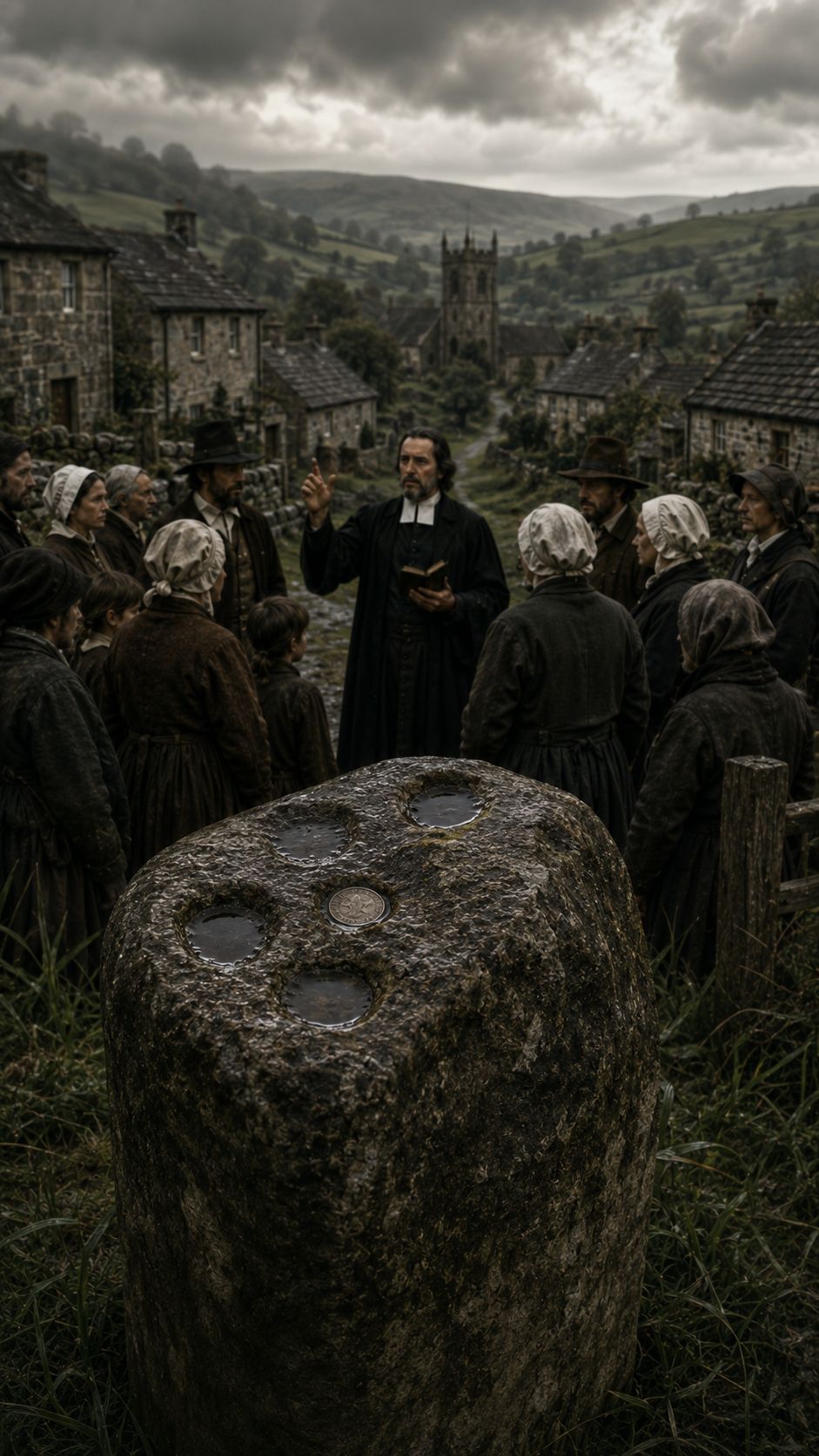 Eyam, Derbyshire · 1665The Village That Chose To Quarantine ItselfNine months into a plague outbreak, a Derbyshire village agreed to seal itself off. The register records who died. Almost everything else is argued over.
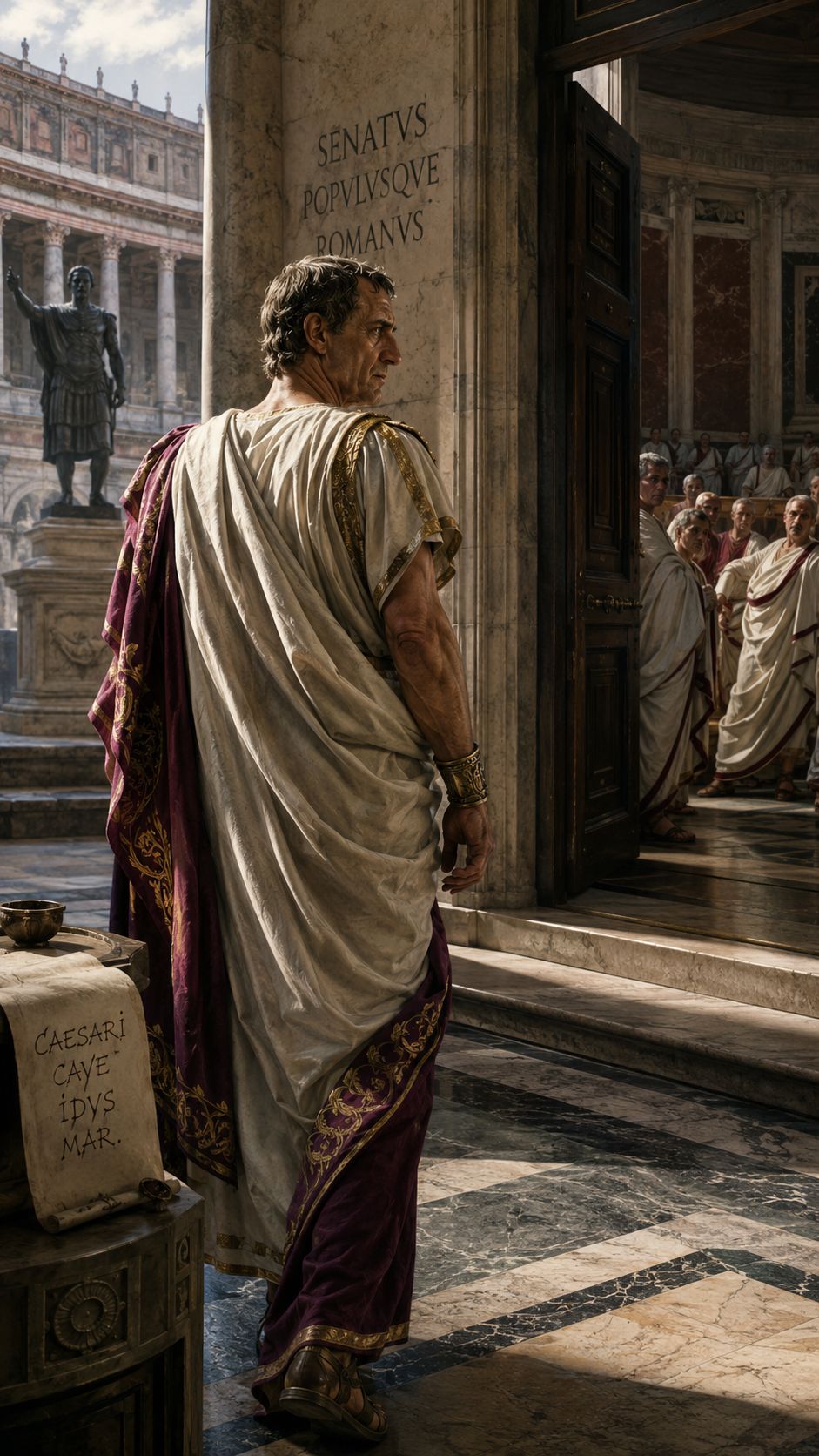 Largo di Torre Argentina, Rome · 44 BCThe Assassination Of Rome's Most Powerful ManWarned by his wife's nightmare and a soothsayer's omen, Caesar walks into the Senate anyway, straight toward twenty-three daggers.
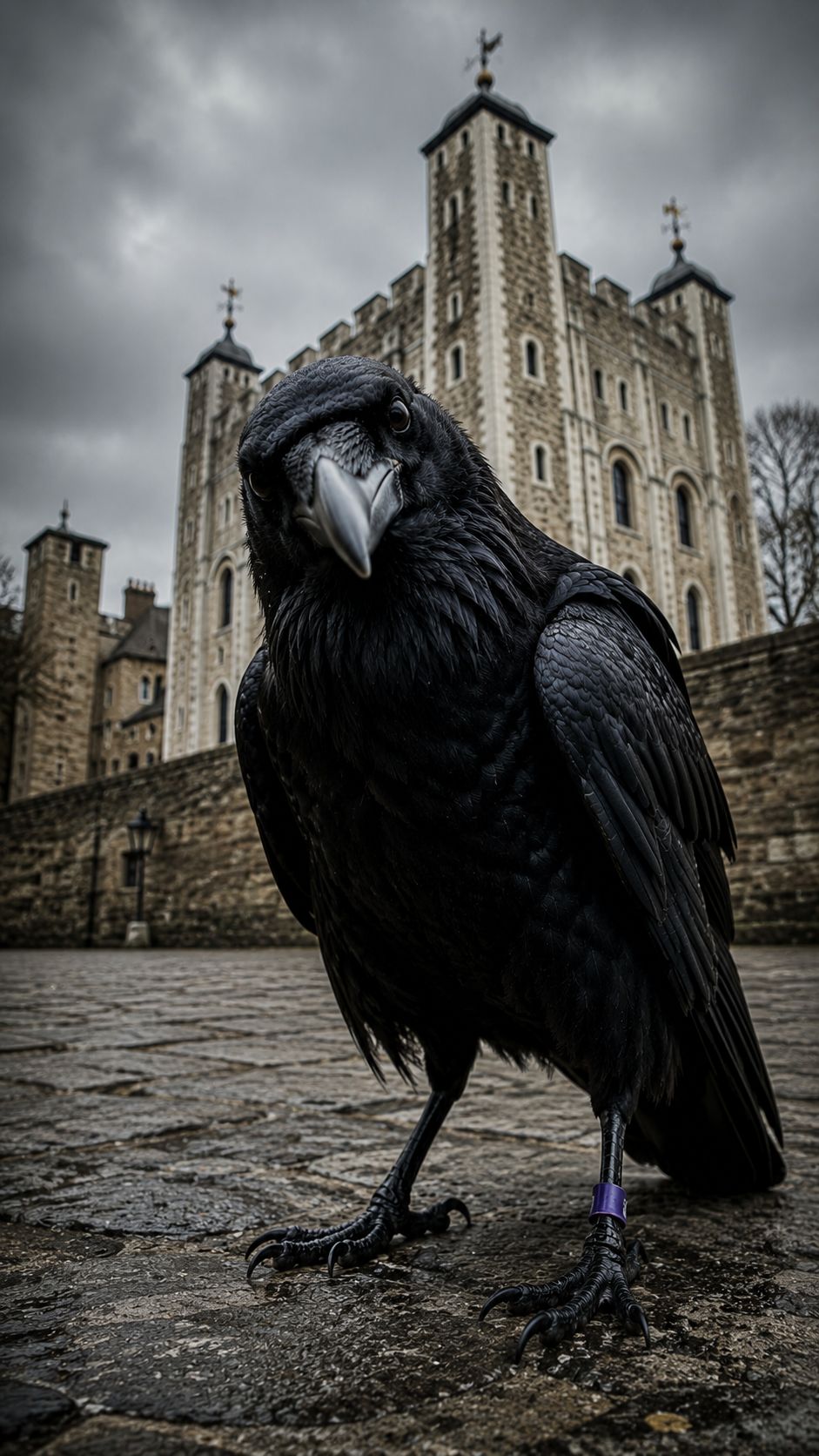 Tower of London, London · 1600The Birds Whose Wings Are Clipped ForeverLegend says England falls the day these birds leave the Tower, so their flight feathers are trimmed to make sure they never can.
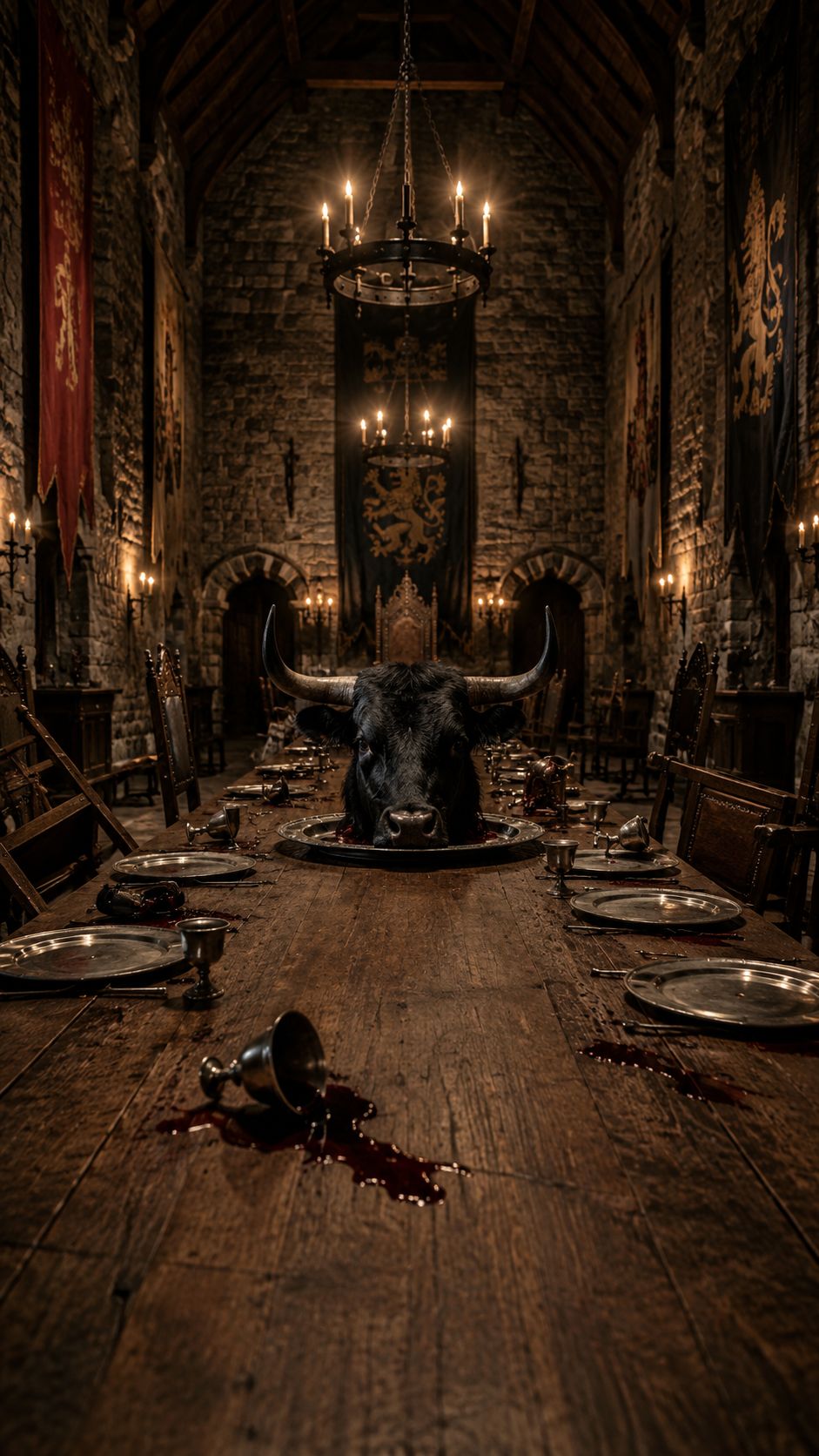 Edinburgh Castle, Edinburgh · 1440The Dinner That Ended With A BeheadingScotland's most powerful teenager accepts a dinner invitation to the royal castle, unaware it was designed to destroy his family.
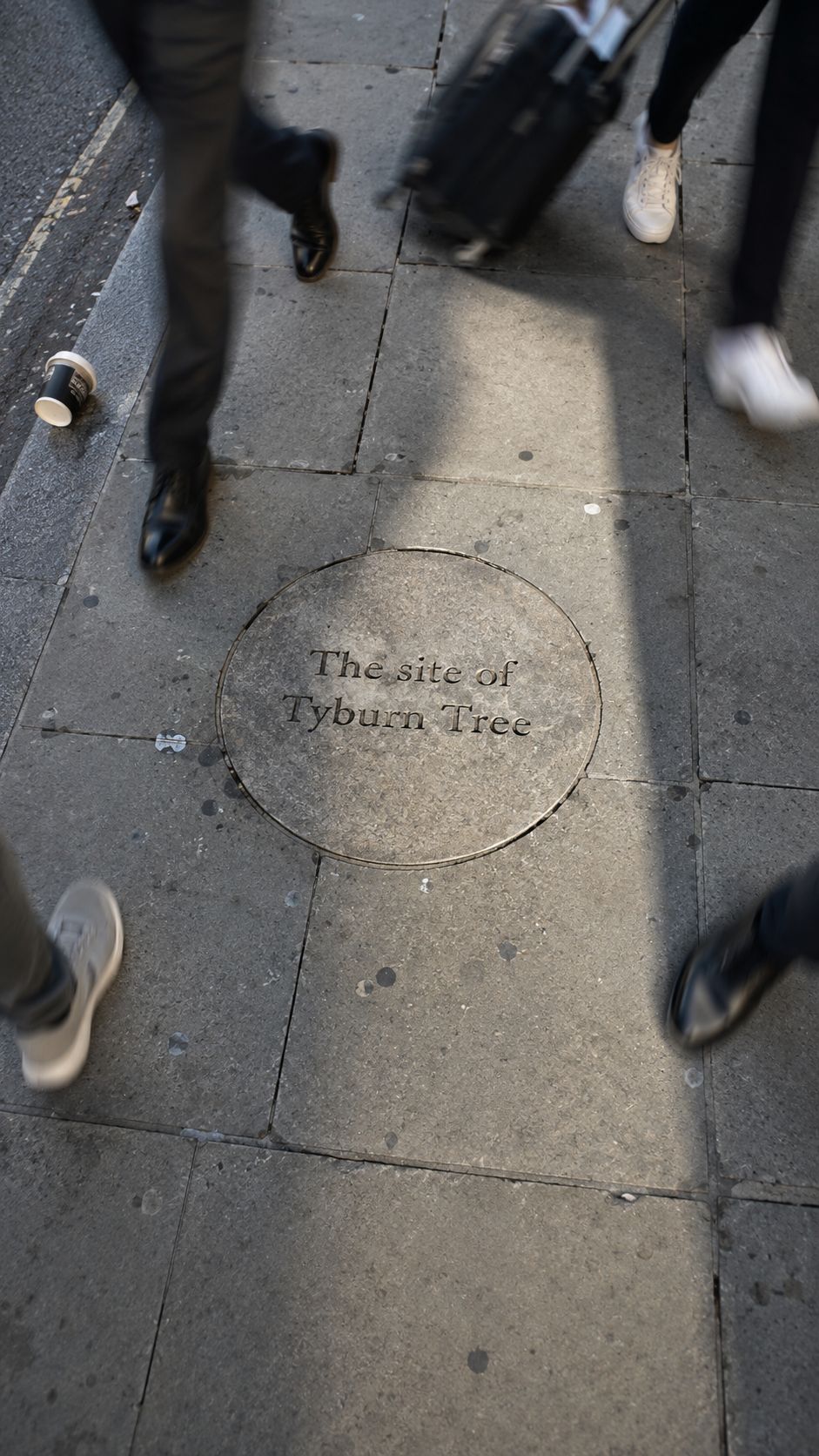 Marble Arch, London · 1700The Killing Ground Beside Marble ArchFor nearly 600 years a triangular wooden gallows on a London traffic island hanged tens of thousands, and almost nobody notices the plaque today.
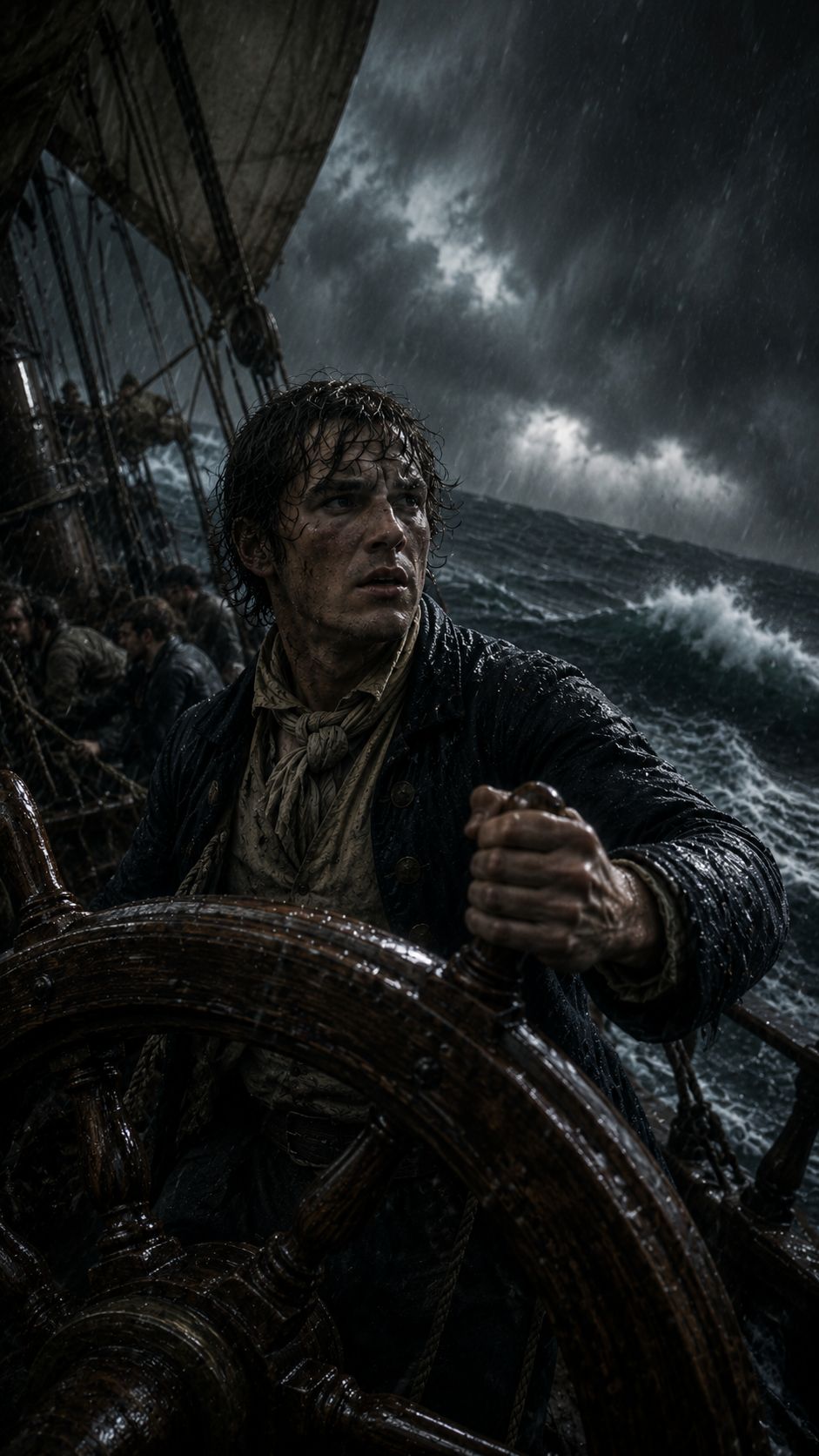 Olney · 1748The Slave Trader Who Wrote Amazing GraceA sailor prays for the first time in years as his ship breaks apart in a storm, then goes back to trading enslaved people for six more years.
- Hungarian Plain · 453The Warlord Who Died On His Wedding NightA man who terrified the Roman Empire for decades survives every battlefield only to die drowning in his own blood in bed.
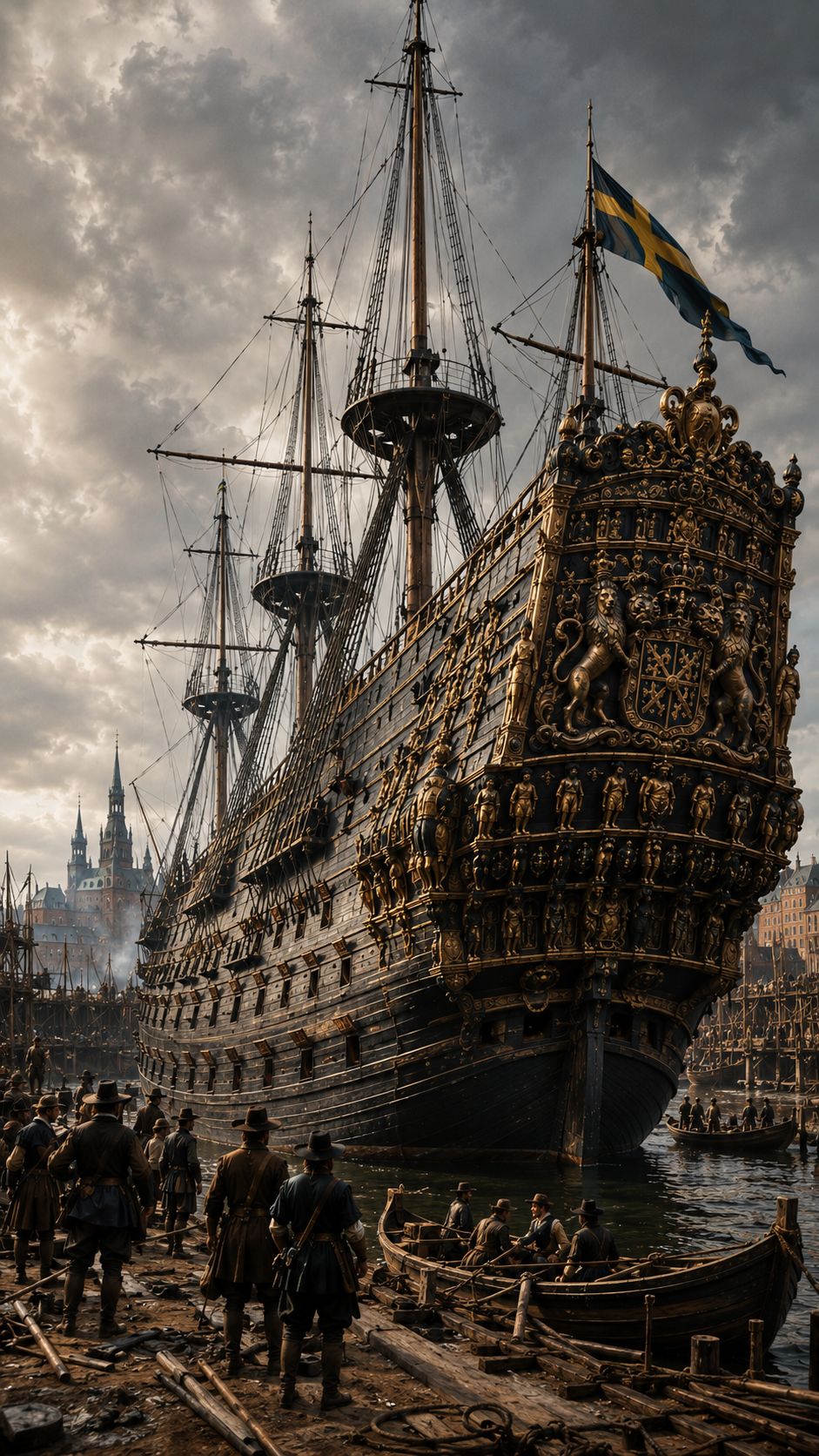 Stockholm · 1628The Warship That Sank In Twenty MinutesSweden's most expensive warship sails less than a mile and a half from harbour before a gust of wind sends her to the bottom.
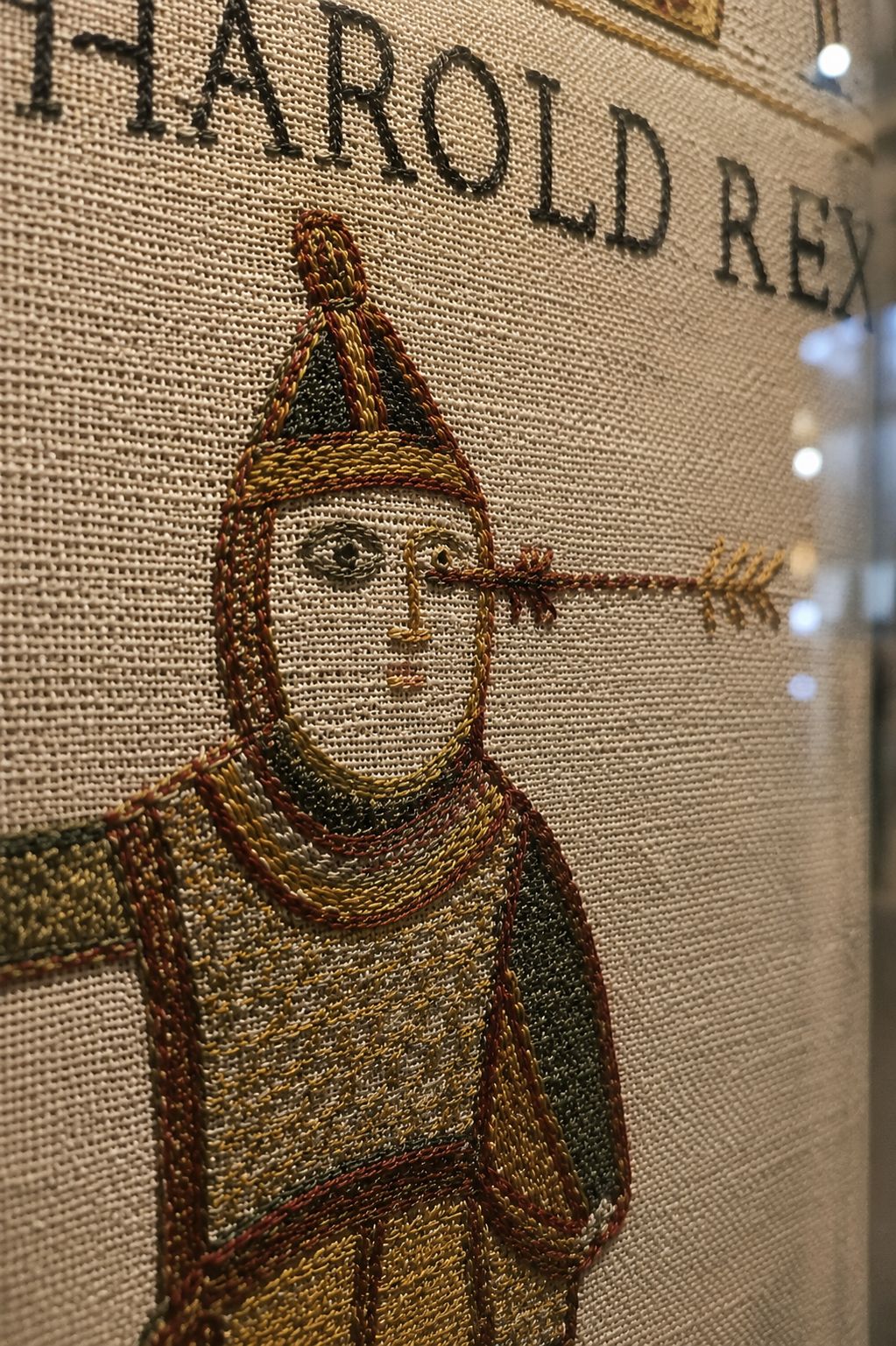 Battle, East Sussex · 1066The King Who May Not Have Died By ArrowEvery schoolchild knows the arrow through the eye from the Bayeux Tapestry, but the embroidery may be telling a different story.
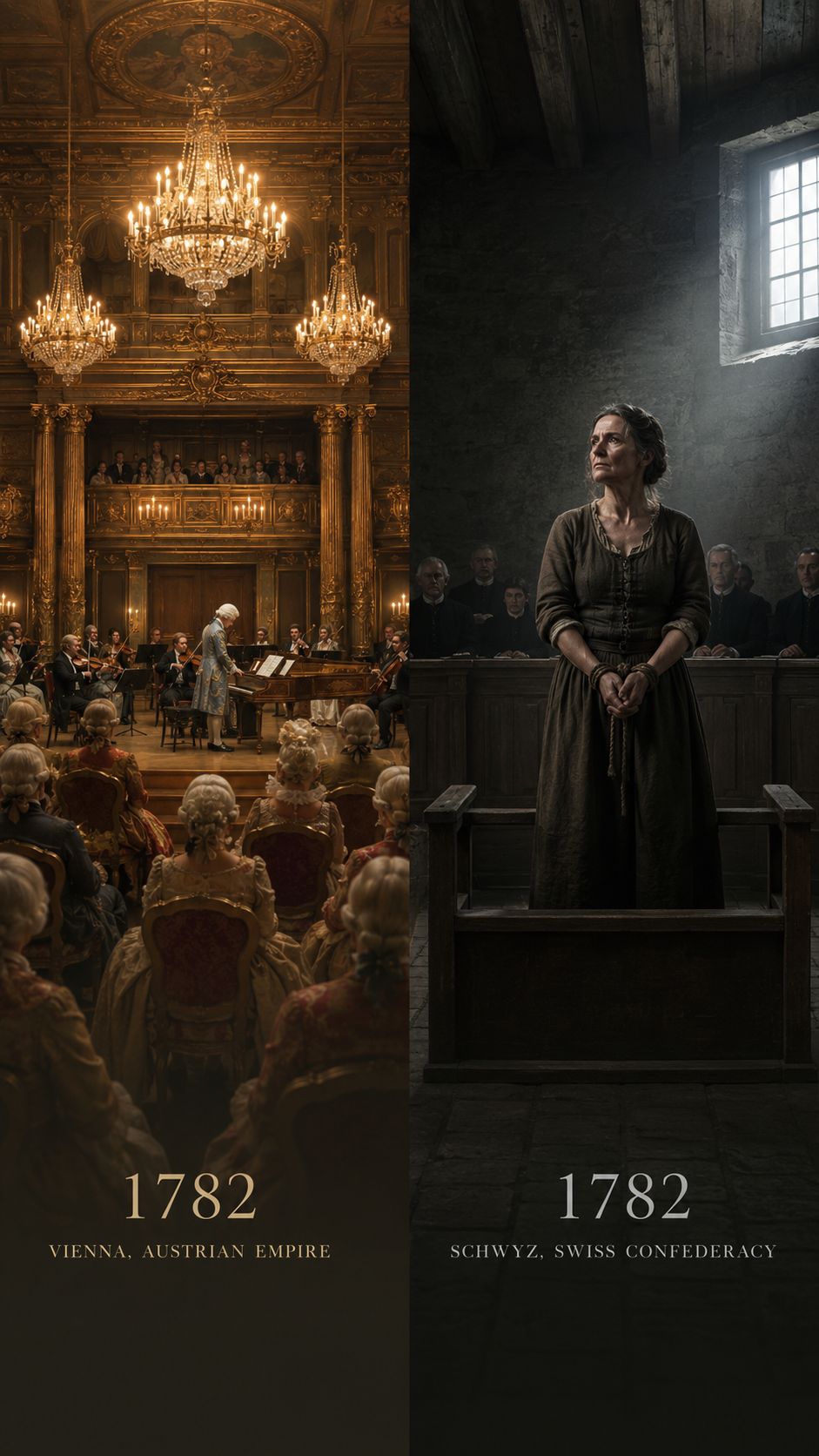 Glarus · 1782The Last Woman Executed As A Witch In EuropeA poor maid accused of poisoning a child with needles is really being punished for an affair with a powerful man.
- Moika Palace, St Petersburg · 1916The Man Who Wouldn't Die (Until He Did)Poison, gunshots and a beating supposedly fail to stop Russia's most hated mystic, but the real killing was far less legendary.
 Ross Ice Shelf · 1912The Race To The Pole That Ended In DeathFive exhausted men reach the South Pole only to find a Norwegian flag already waiting for them, and 800 miles still to walk home.
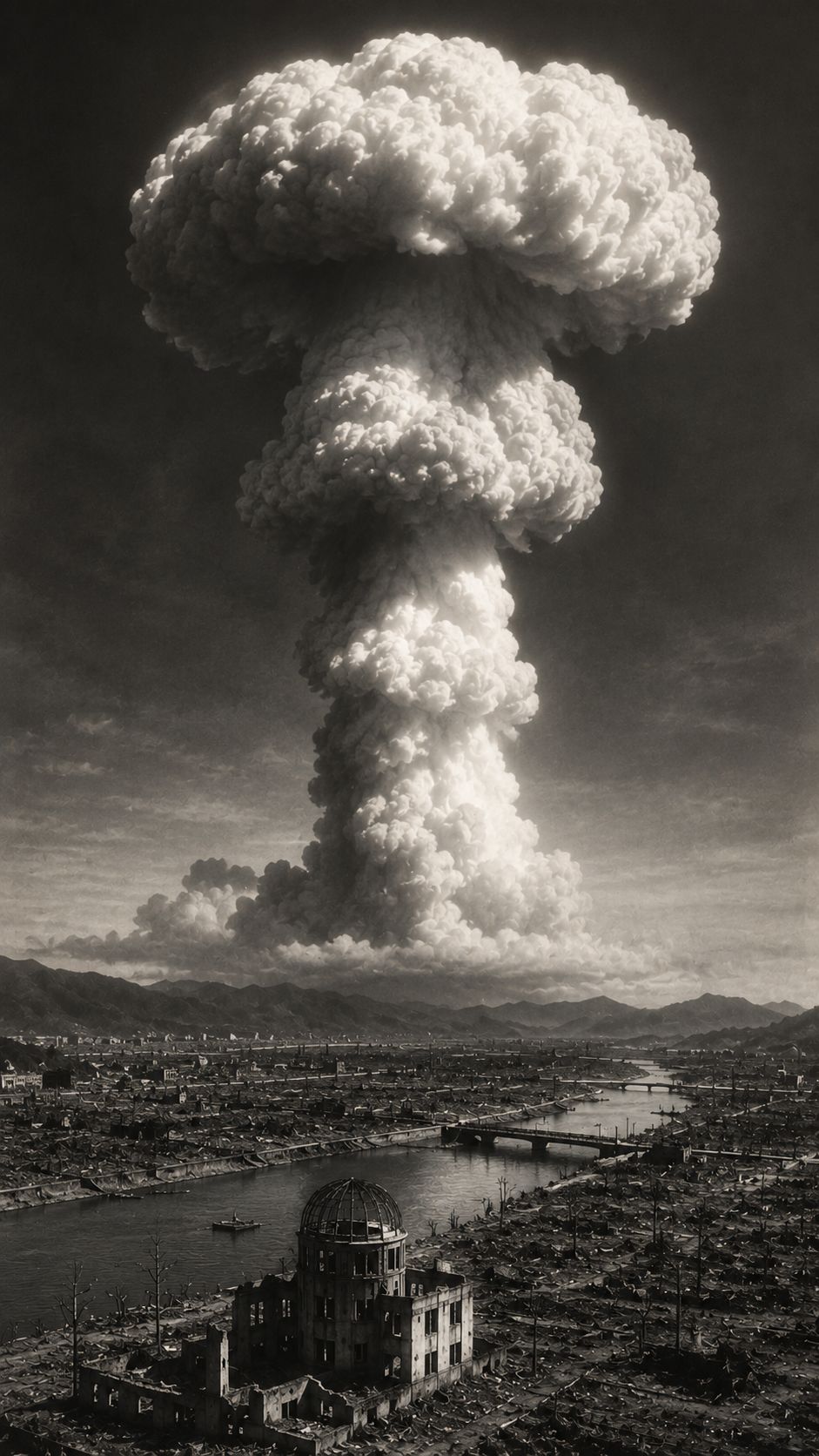 Hiroshima · 1945The Shadow Burned Into The StepsIn less than a second, a bank's granite steps bleach white everywhere except where one person happened to be sitting.
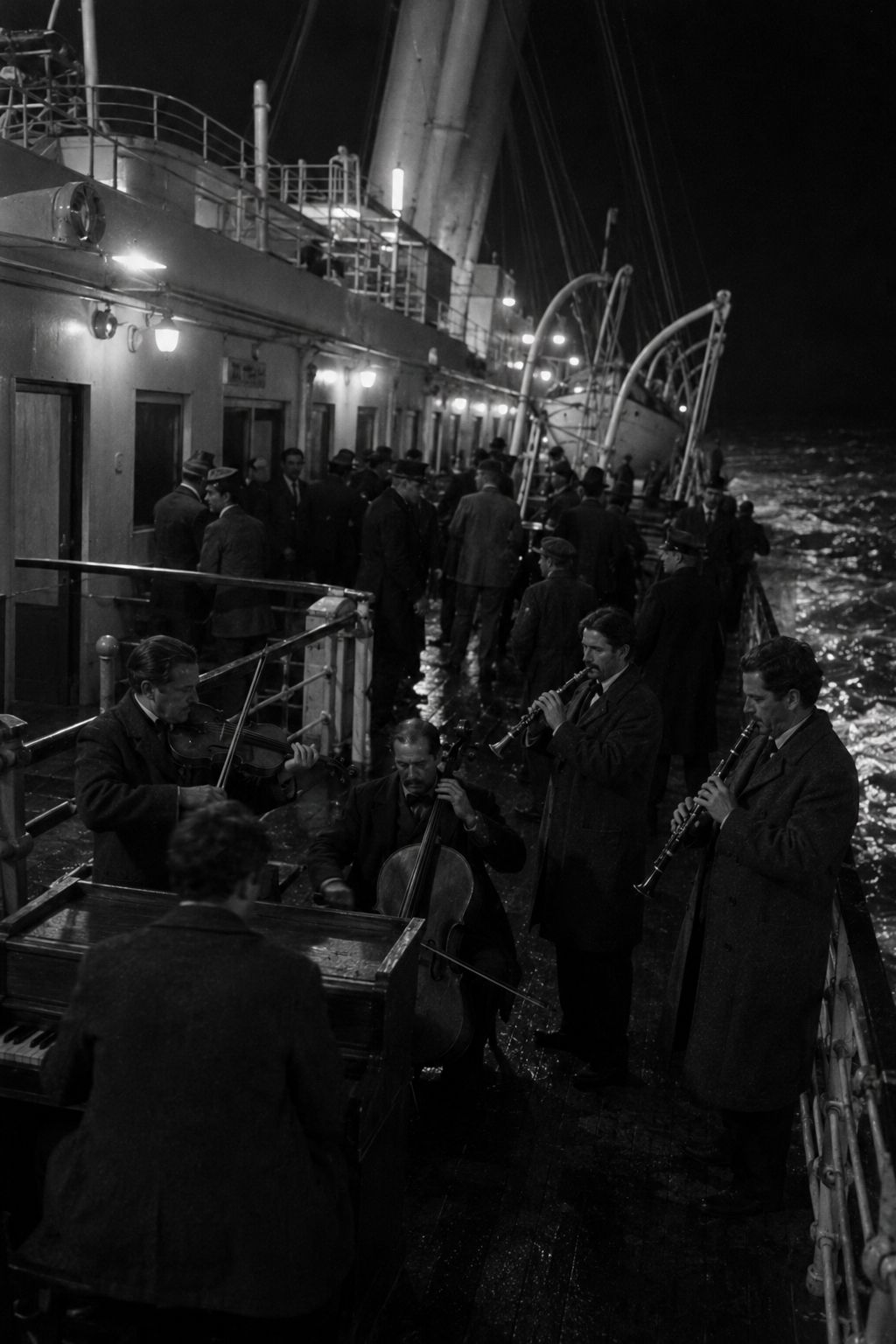 North Atlantic Ocean · 1912The Band That Played Until The EndAs lifeboats load and the deck tilts toward the water, eight musicians keep playing without being ordered to.
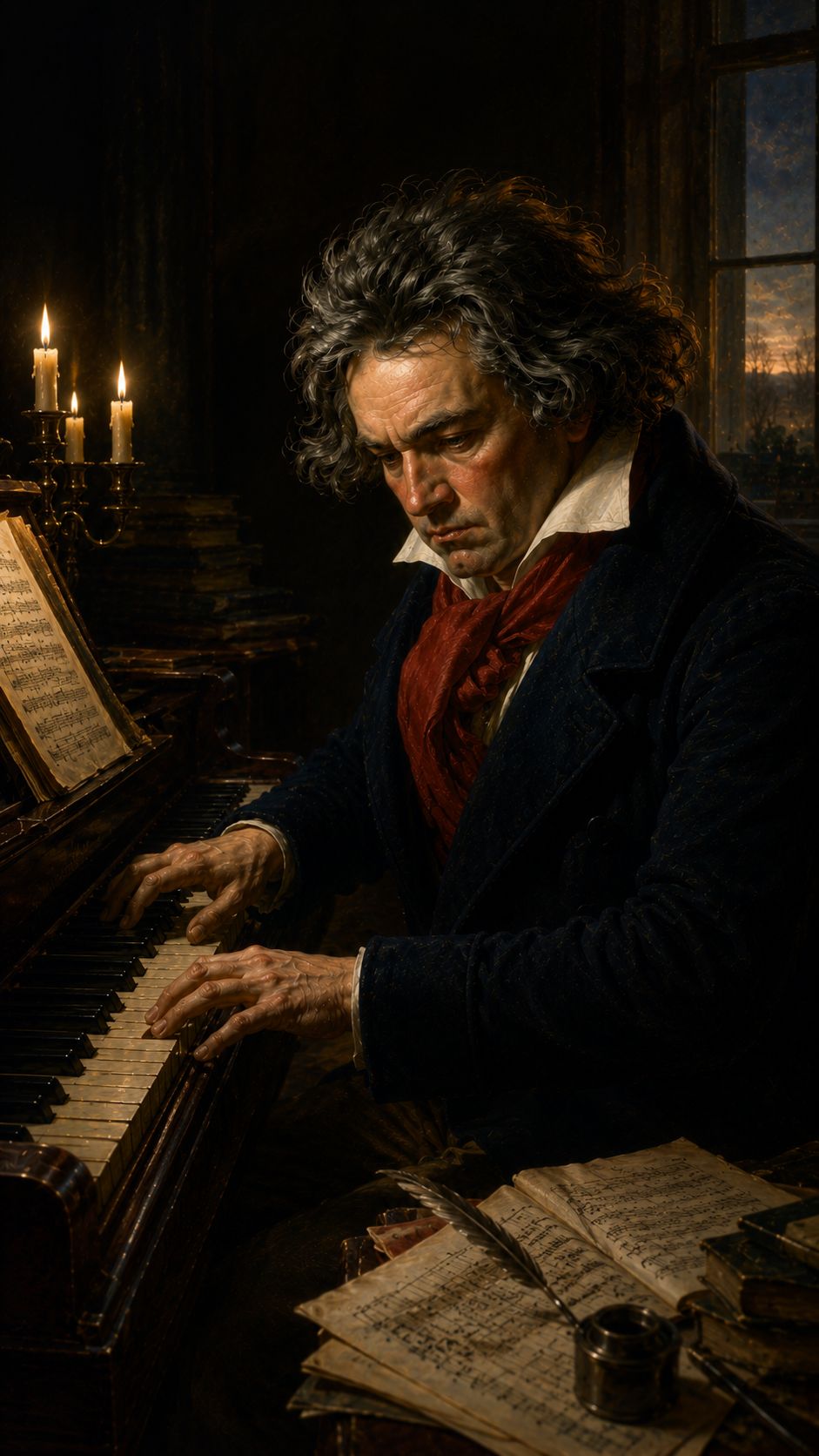 Vienna · 1827The Composer Whose Skull Was StolenA genius conceals his encroaching deafness for years, and even after death, souvenir hunters aren't done taking pieces of him.
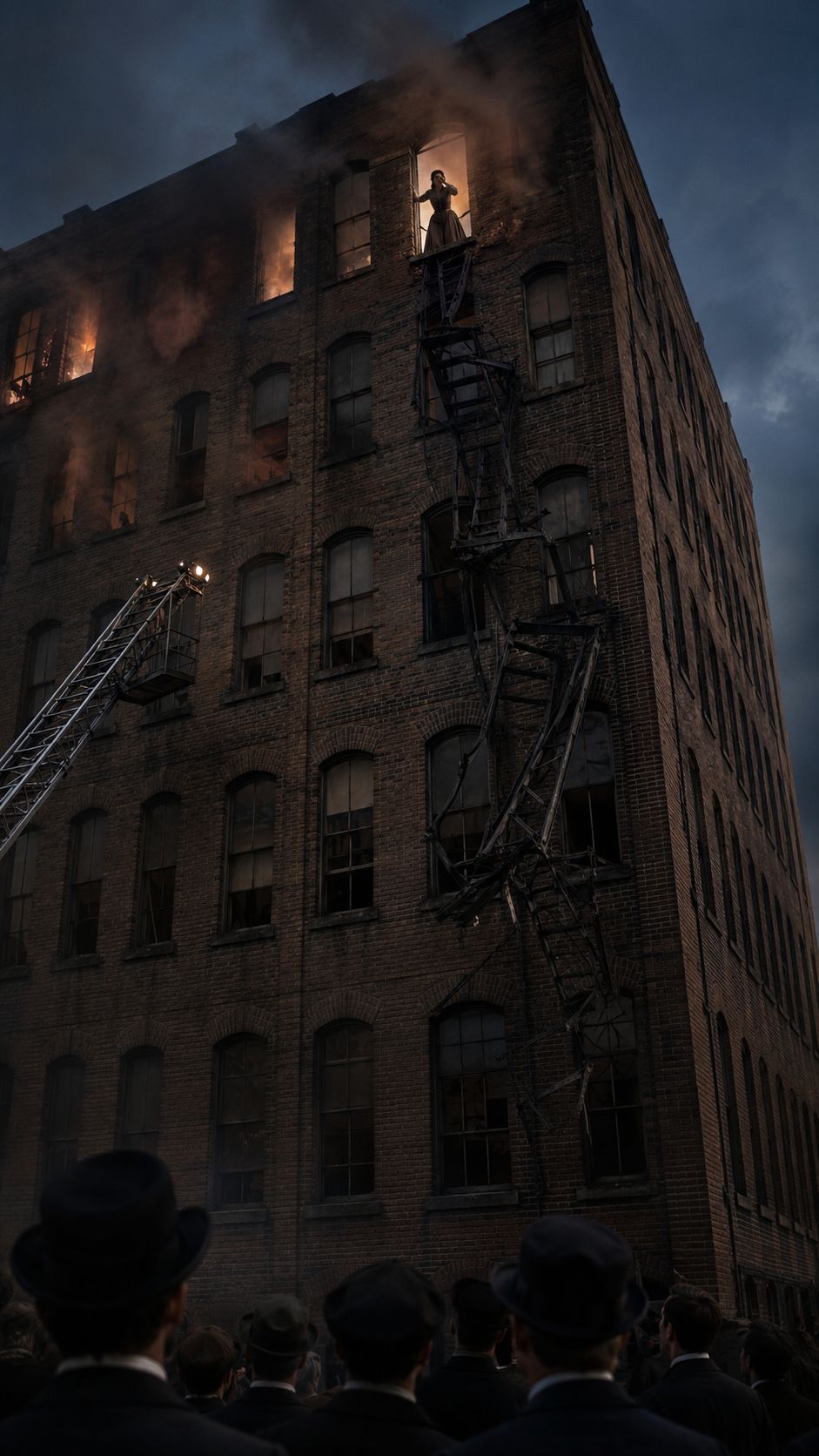 New York City · 1911The Fire That Changed Workplace SafetyHundreds of young immigrant women are locked inside a garment factory when a scrap bin catches fire near closing time.
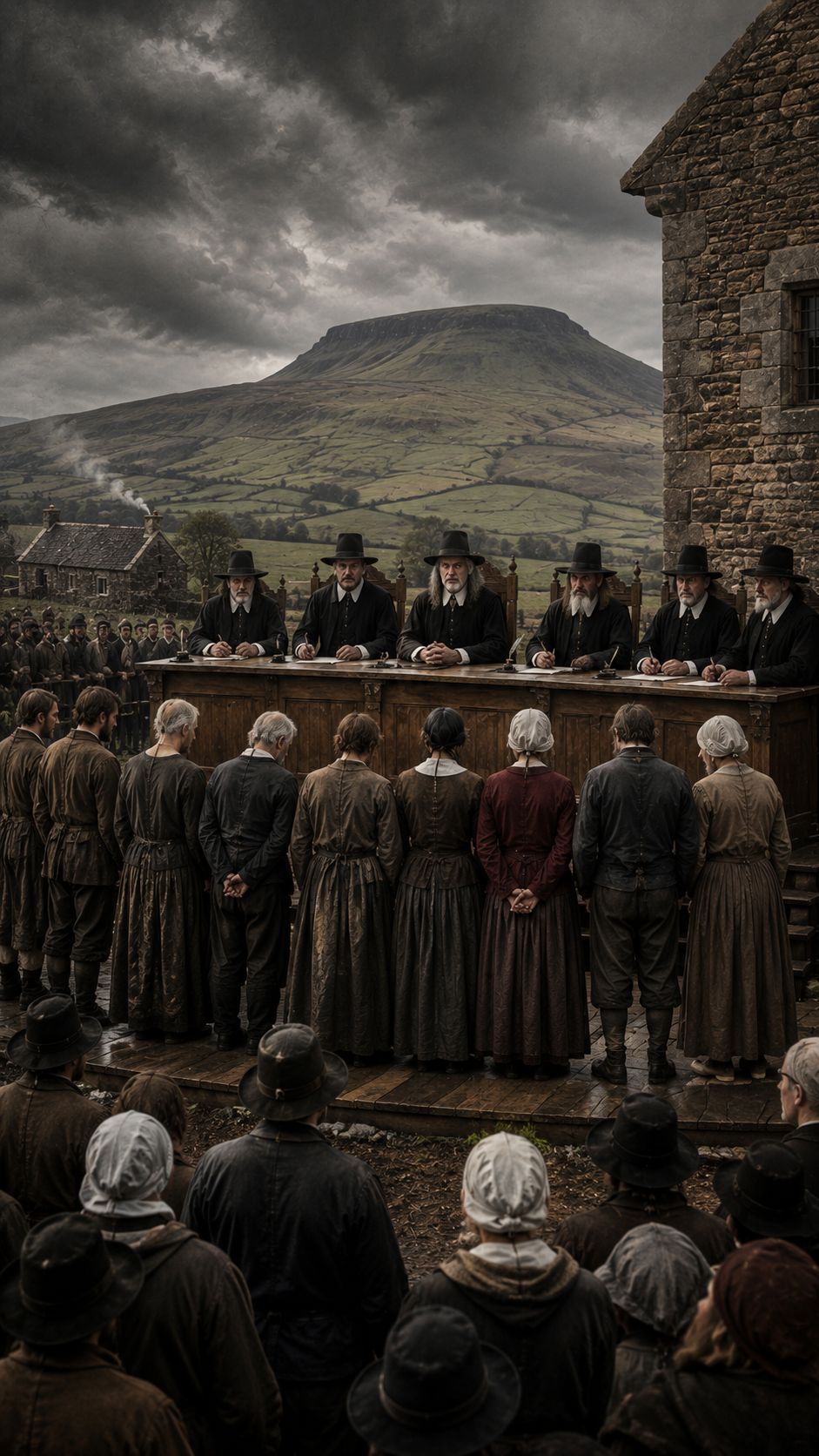 Lancaster · 1612The Girl Who Condemned Her Own FamilyA nine-year-old is placed on a table in a Lancashire courtroom, and her testimony sends her own mother toward the gallows.
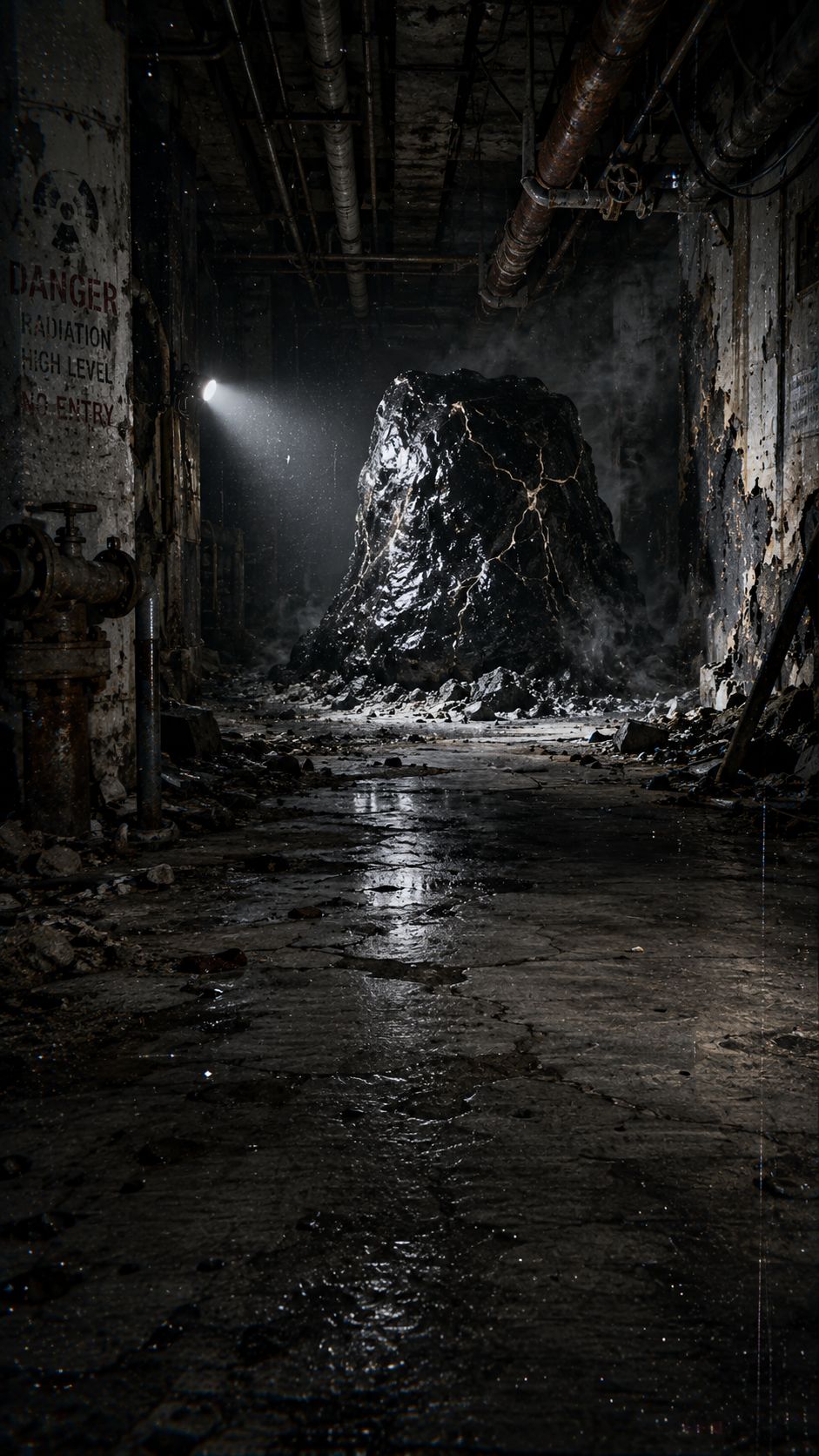 Chernobyl · 1986The Mass Still Too Deadly To TouchScientists force their way into a basement beneath a destroyed reactor and find a substance the world had never seen before.
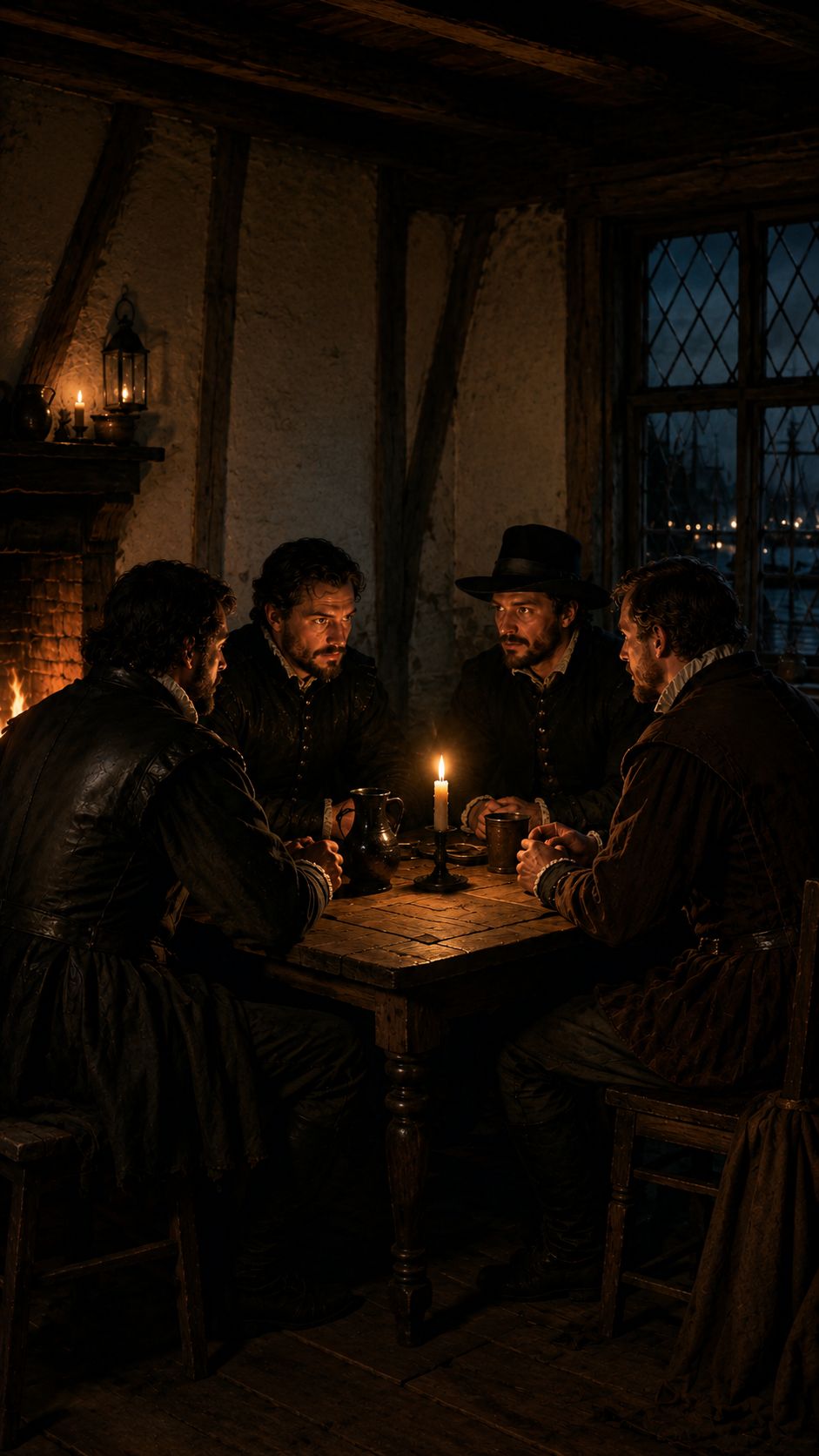 Deptford, London · 1593The Playwright Killed Over A Dinner BillEngland's most celebrated playwright spends a day eating and talking at a Deptford lodging house, then dies over an argument about who pays.
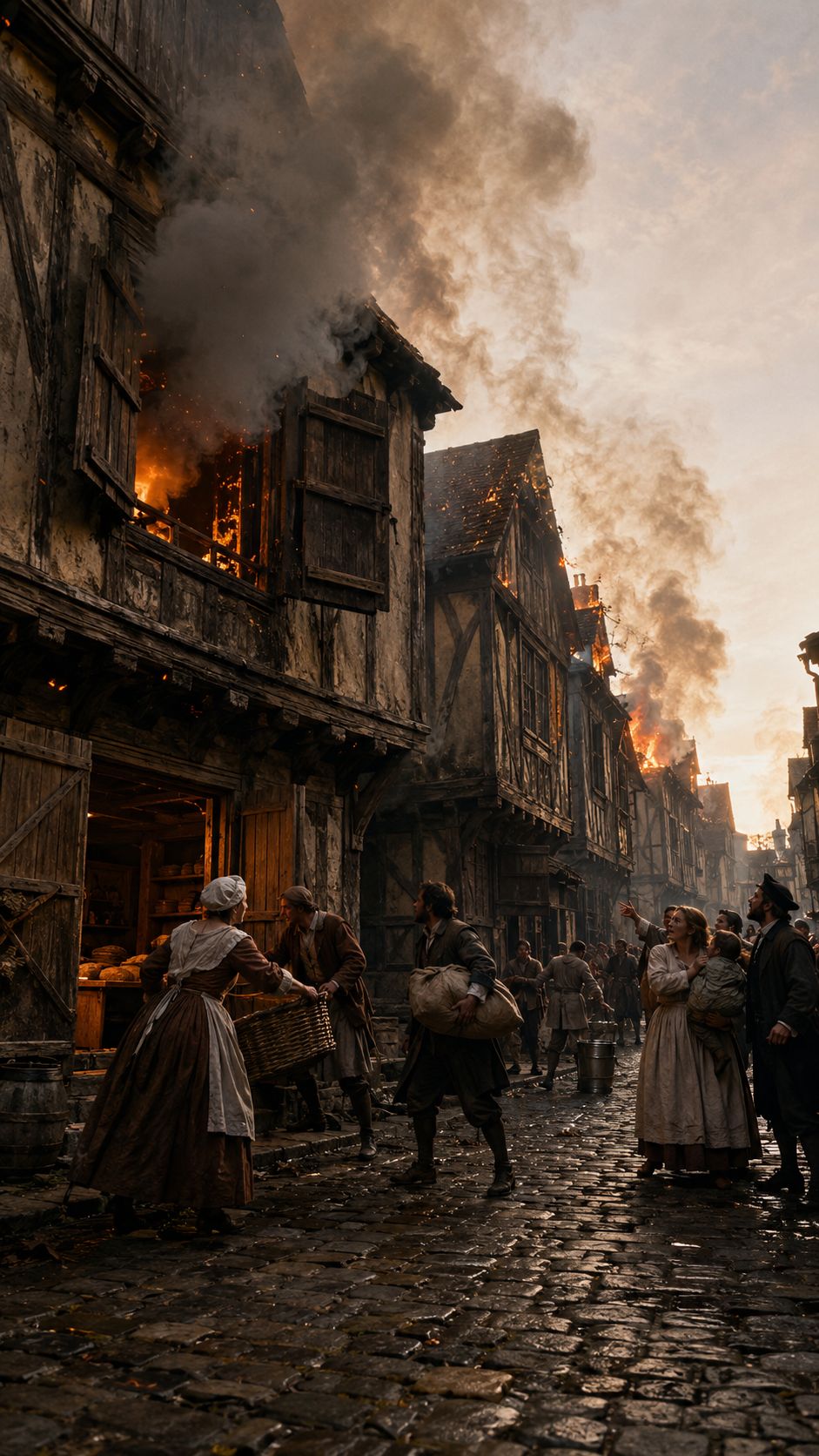 Pudding Lane, London · 1666The Baker Blamed For Burning LondonA fire that destroys 13,000 houses needs someone to blame, and a simple-minded Frenchman gives London exactly what it wants.
 Vienna · 1847The Doctor Who Discovered Handwashing Too LateA Vienna doctor works out why women are dying of childbed fever in droves, and nobody in power wants to believe him.
- Edinburgh · 1828The Landlord Who Turned To Murder For ProfitA simple scheme to sell a dead lodger's body to an anatomy school turns into a ten-month killing spree in Edinburgh.
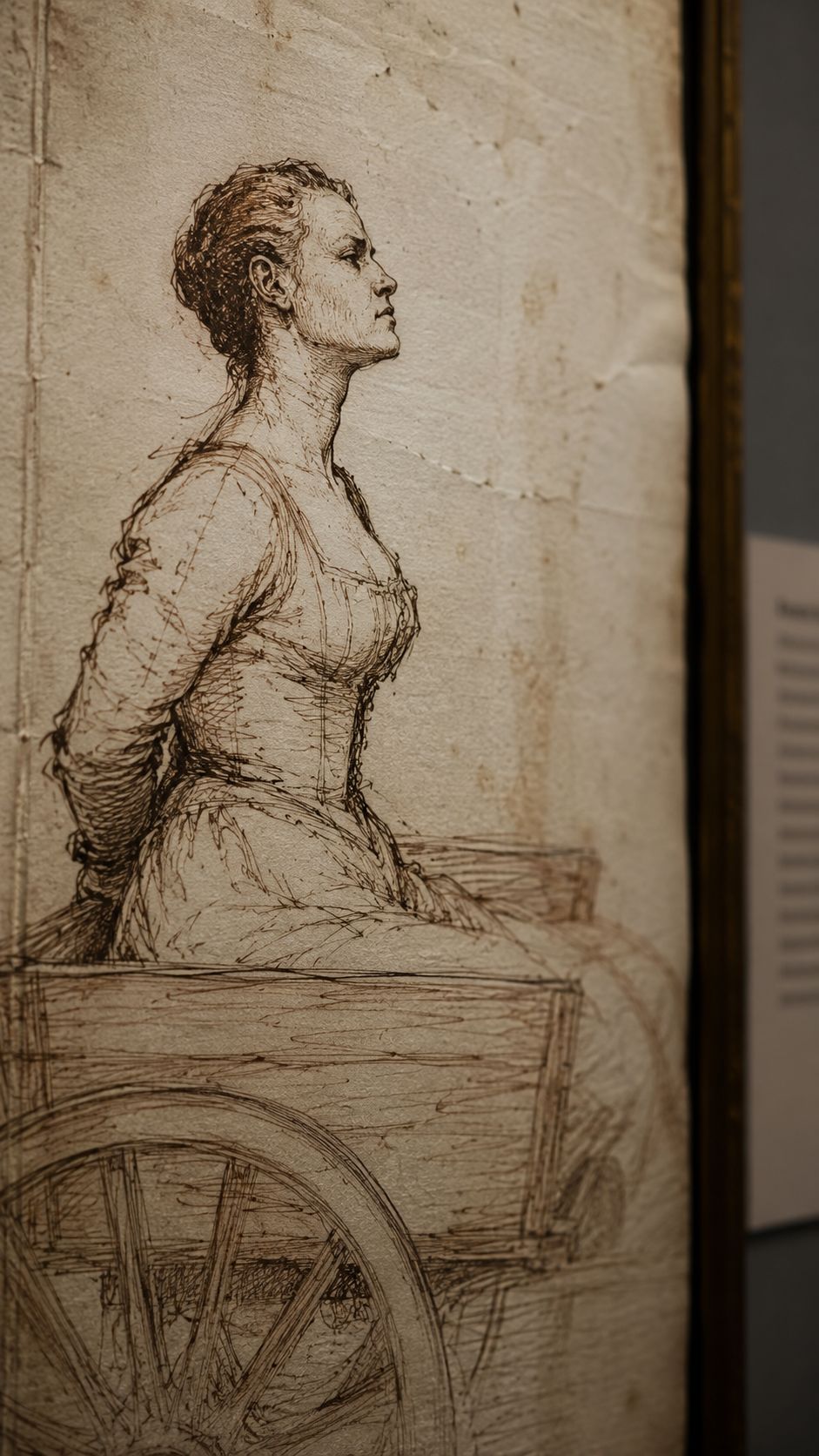 Place de la Concorde, Paris · 1793The Queen Who Faced The Guillotine With DignityA former queen with white hair and nothing left to lose is woken at dawn and told to prepare for the cart to the scaffold.
 Burkhan Khaldun · 1227The Conqueror Buried So No One Would Find HimThe man who built history's largest land empire ordered his own grave hidden forever — and it still has never been found.
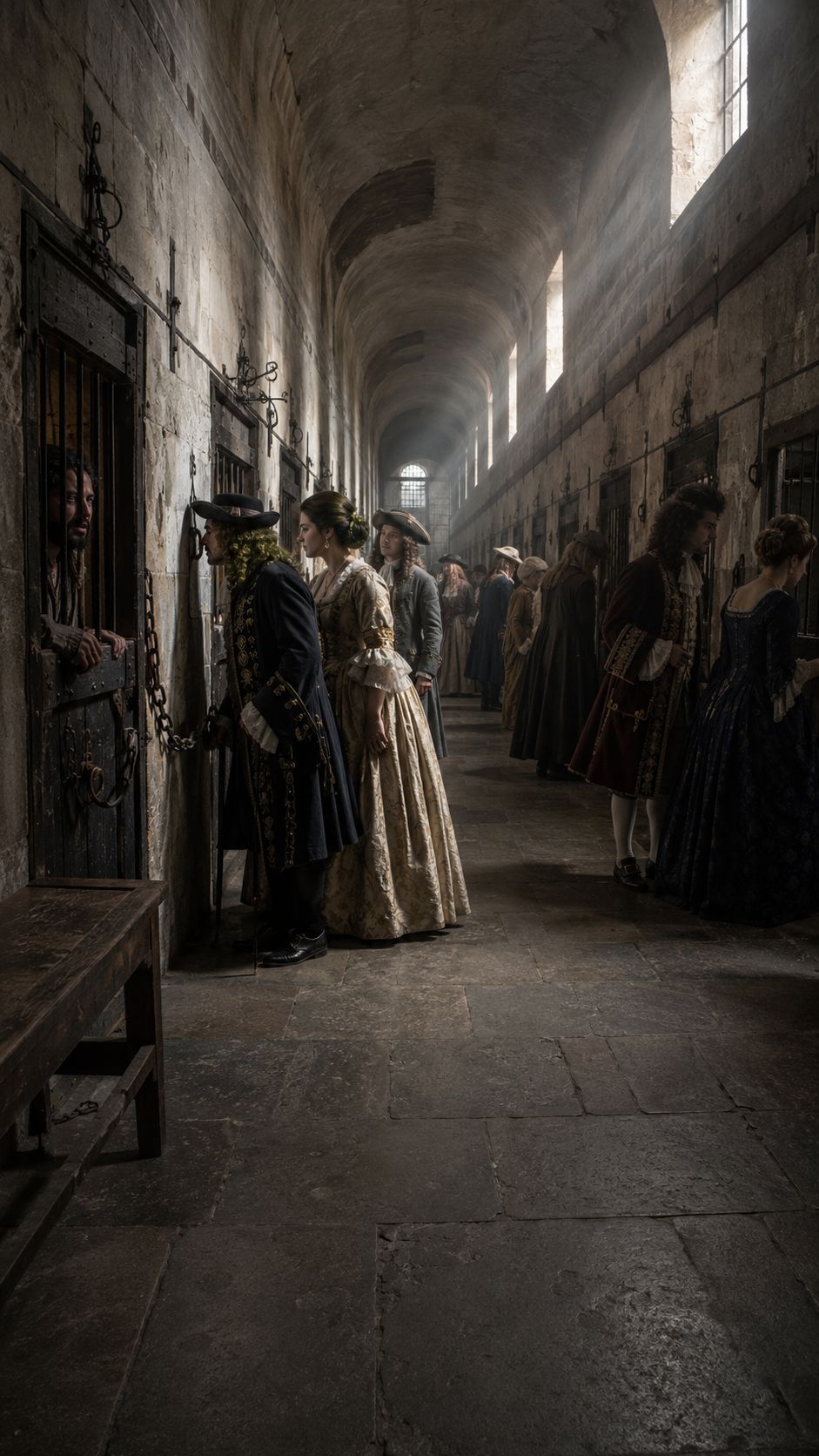 Moorfields, London · 1676The Hospital That Sold Tickets To Watch MadnessEveryone knows Bedlam charged a penny to gawp at the mad. The hospital's own archive says it never charged at all — and the only tickets in the story were the ones that shut the public out.
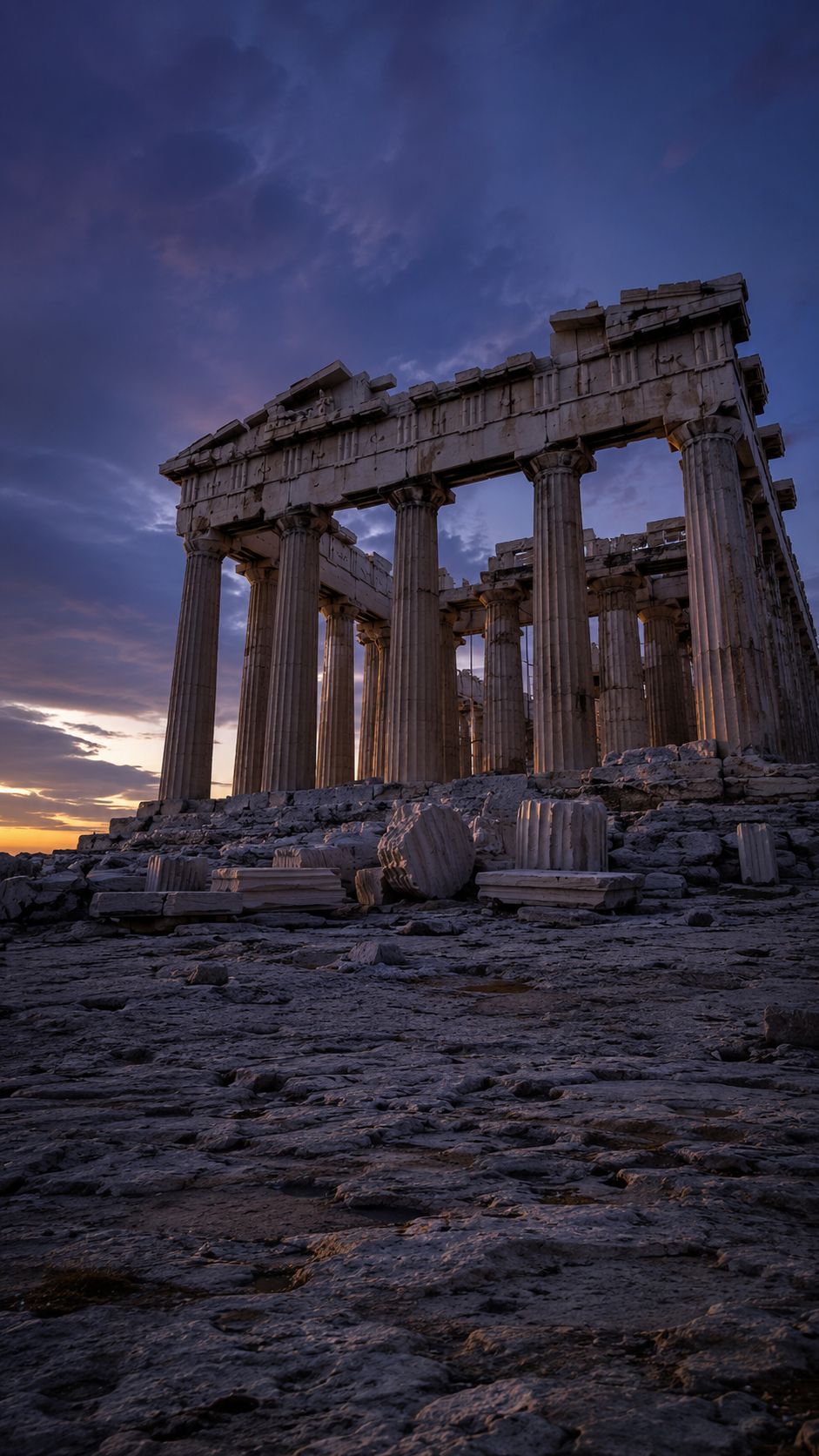 Acropolis, Athens · 1687The Night One Shell Broke A TempleA temple that survived 2,100 years of empires and earthquakes is gutted in a single evening by one gunpowder-filled gamble.
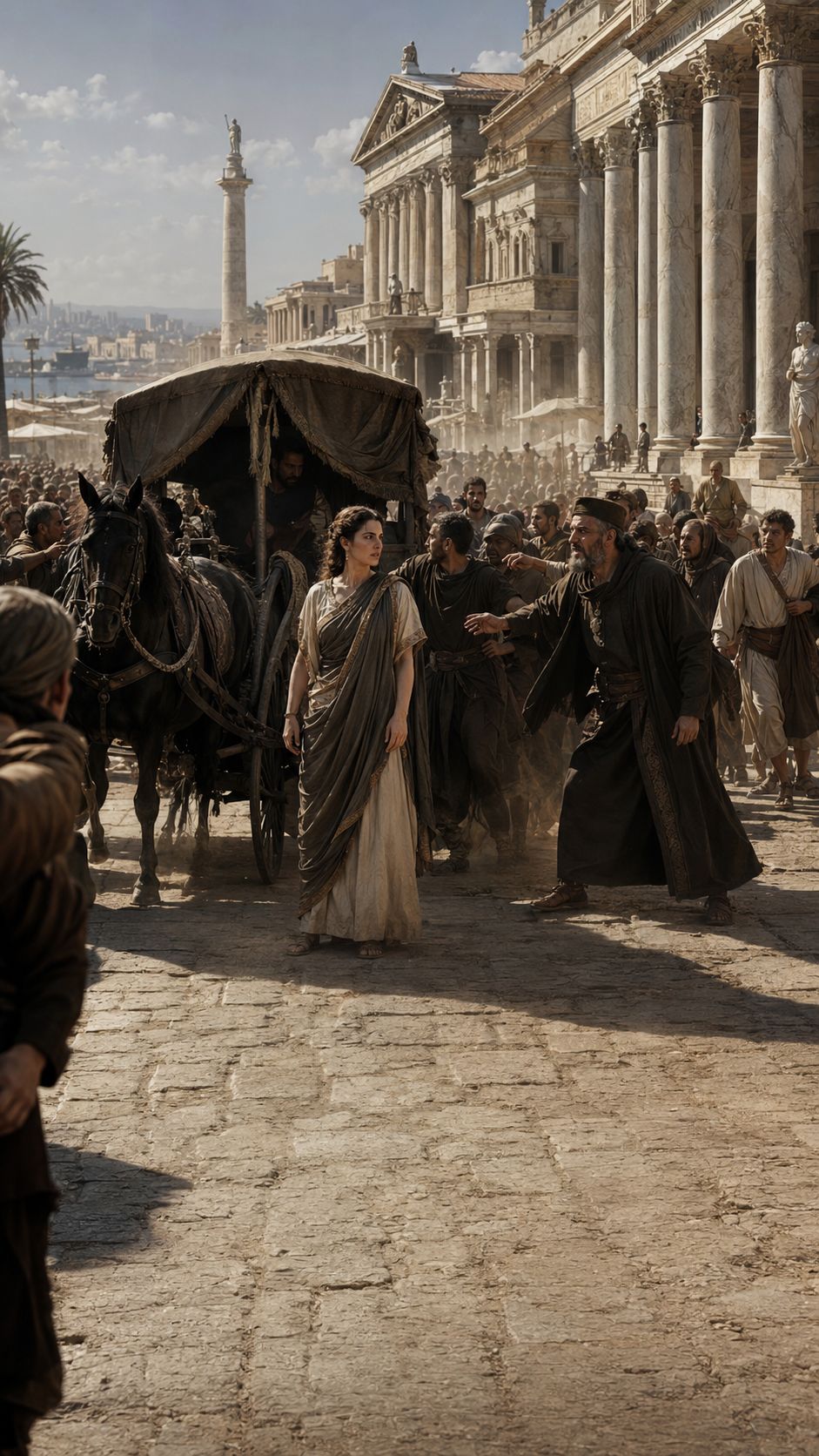 Alexandria · 415The Philosopher Torn Apart By A MobAlexandria's most respected scholar becomes too dangerous a symbol to survive a city tearing itself apart over religion.
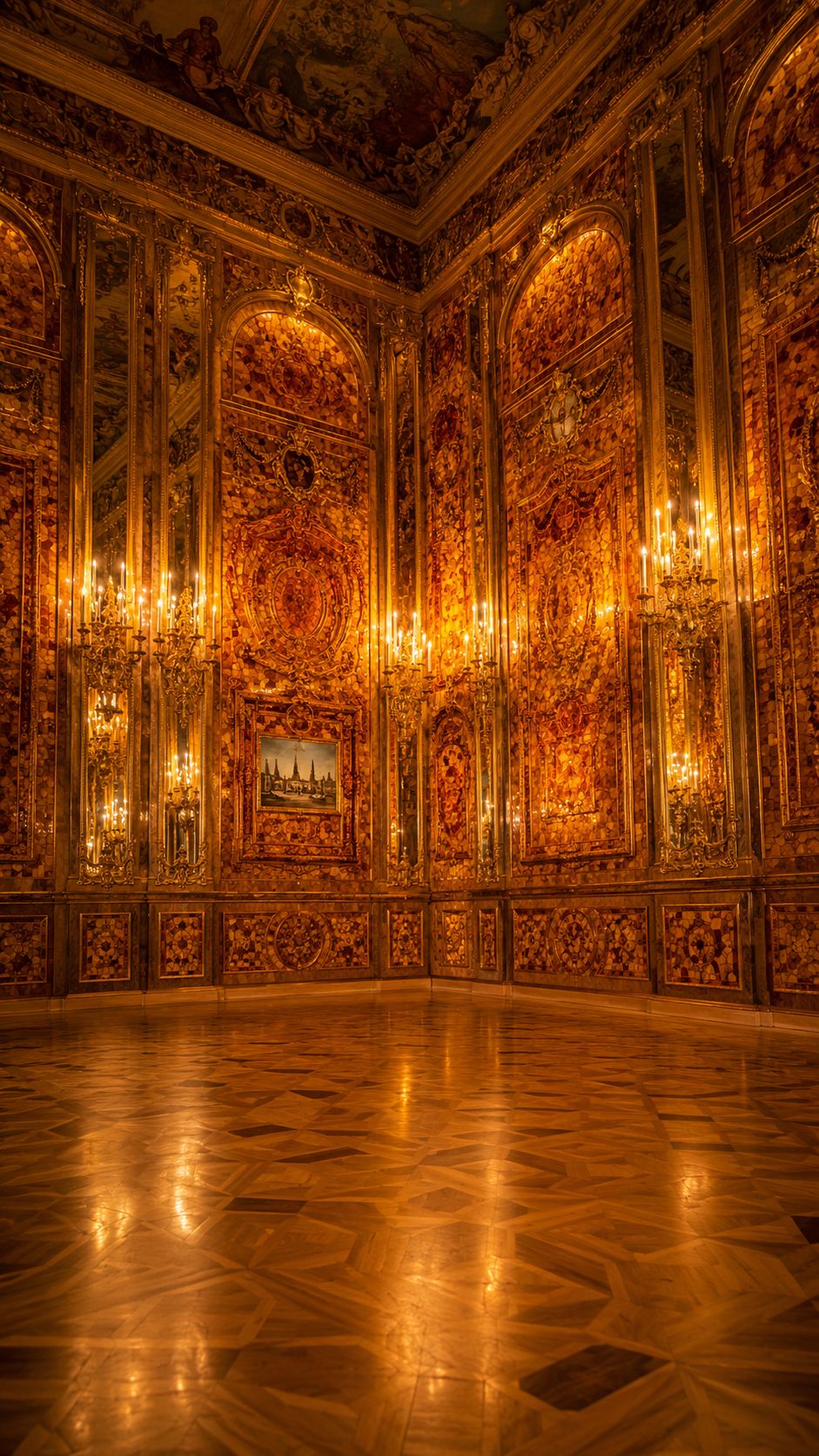 Kaliningrad · 1945The Room Made Of Amber That VanishedA gift so extravagant it was called the Eighth Wonder of the World disappears during a war and has never been found.
 Marathon · 490 BCThe Runner Who Died Delivering VictoryA professional long-distance runner is sent to beg Sparta for help, then races on to deliver news that costs him everything.
- Old Palace Yard, Westminster, London · 1618The Widow Who Carried Her Husband's HeadA courtier condemned on a treason charge many believed engineered walks to the scaffold after one last failed gamble for gold.
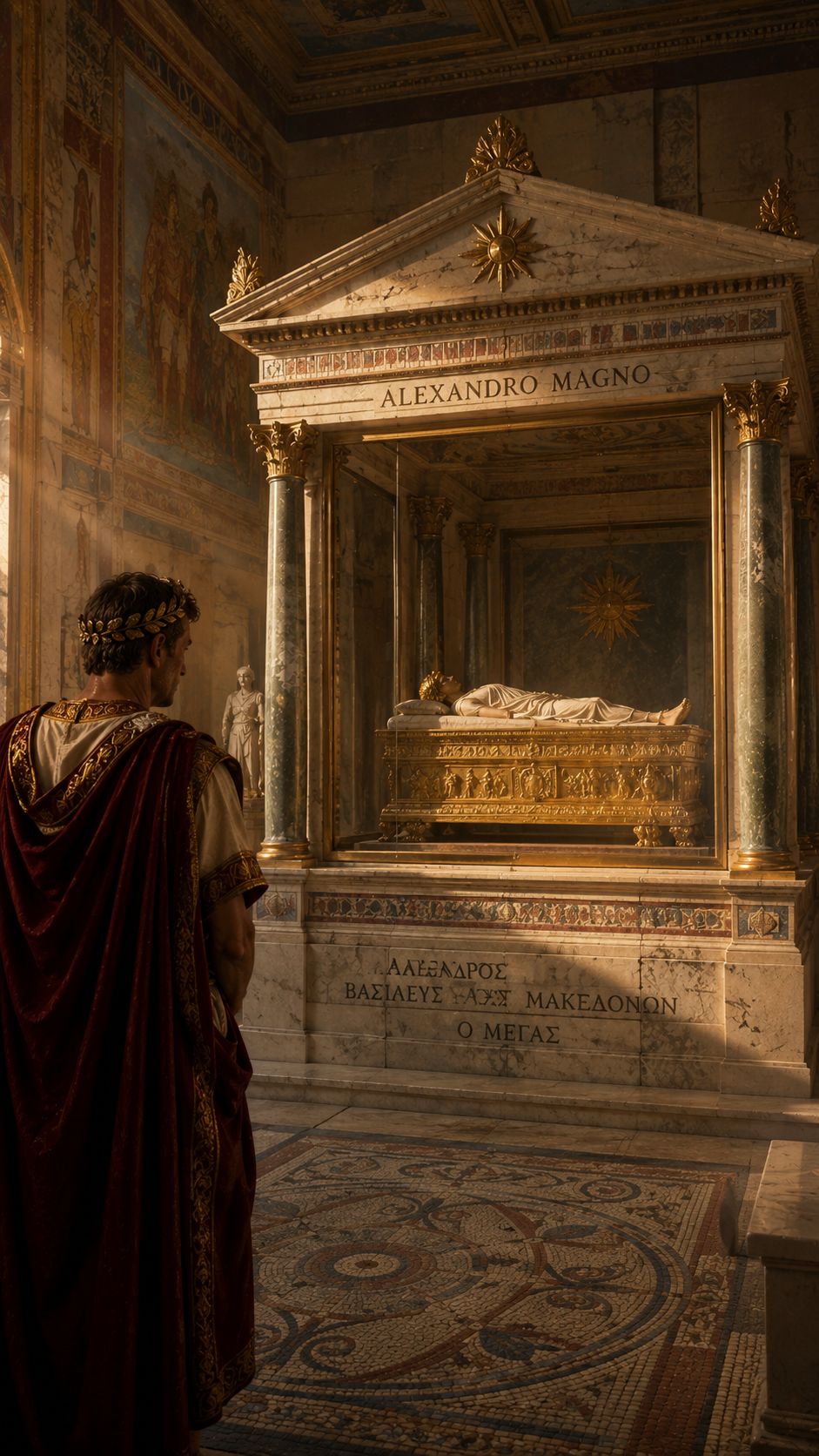 Babylon · 323 BCThe Conqueror Whose Body Started A WarHe conquered more of the world than any king before him, then died with no heir — and his generals went to war over his corpse.
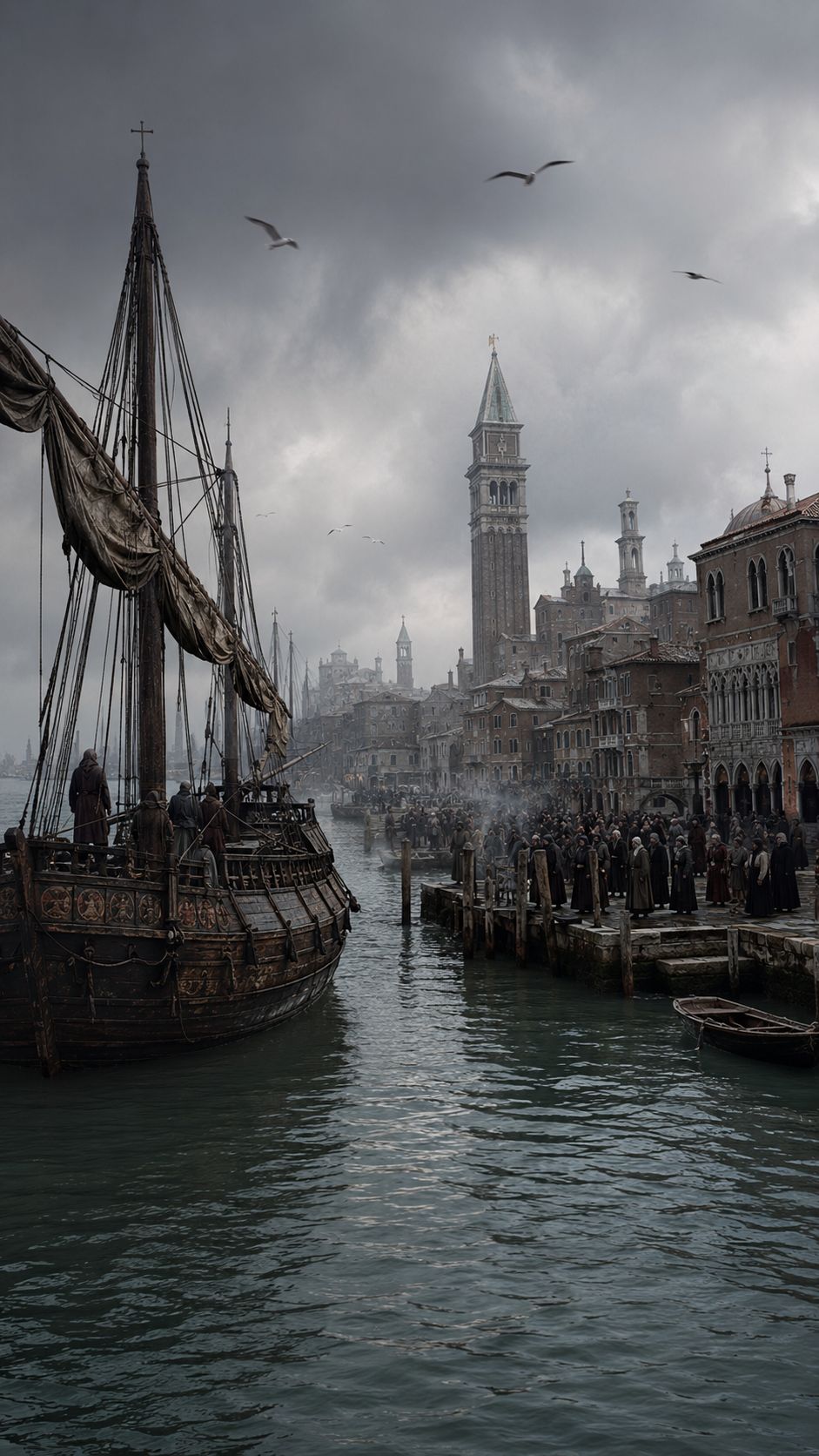 Istanbul · 1204The Crusade That Sacked A Christian CityA crusade meant for Jerusalem was diverted, city by city, until it ended up looting and burning Constantinople itself.
- Tower Hill, London · 1747The Last Man Beheaded In BritainAn 80-year-old Jacobite chief drew the biggest crowd Tower Hill had ever seen, cracking jokes as he went to the axe.
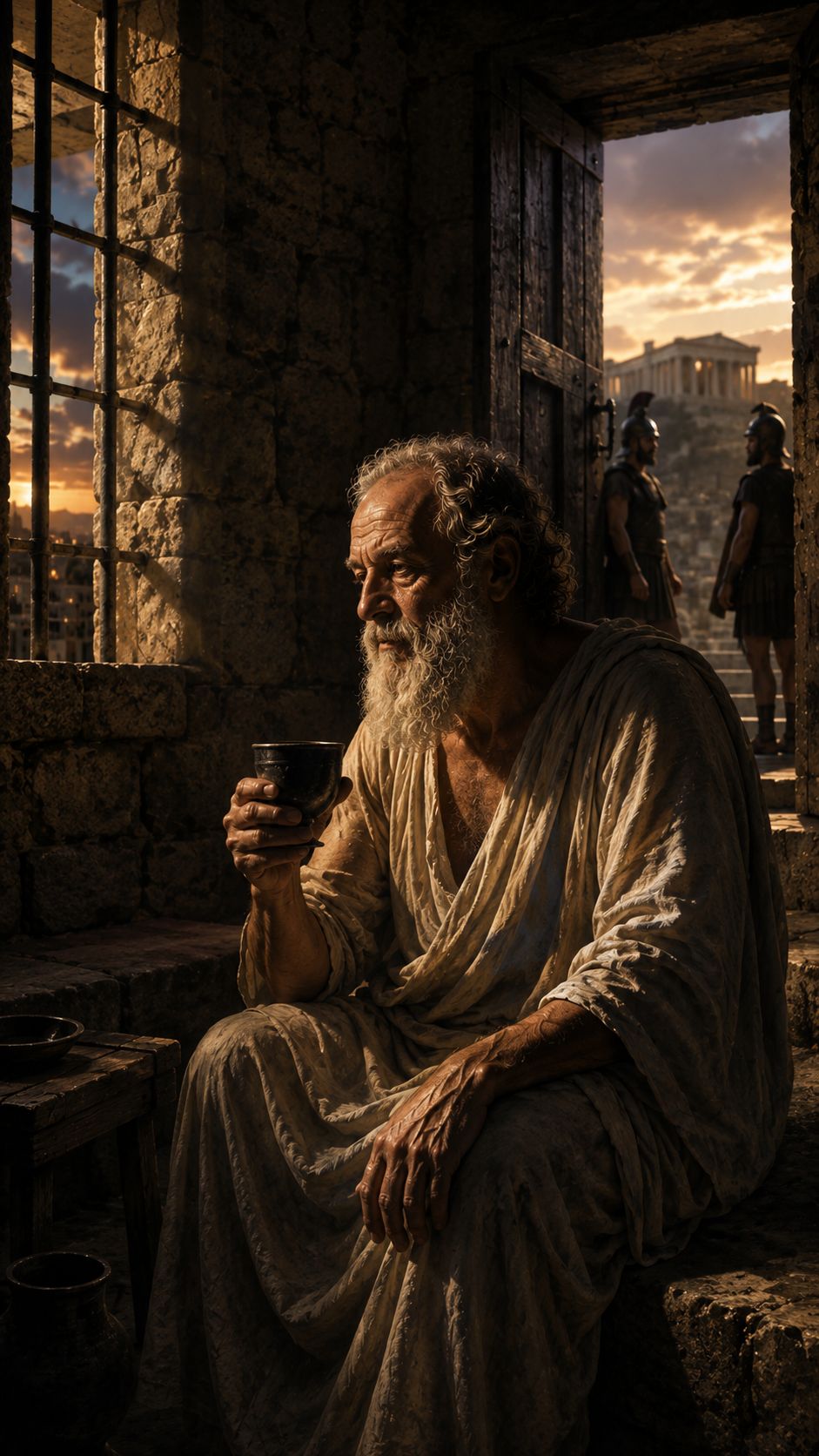 Athens · 399 BCThe Old Man Athens Put On Trial For Asking QuestionsA seventy-year-old philosopher was condemned for corrupting the youth — his real crime was making powerful men look foolish.
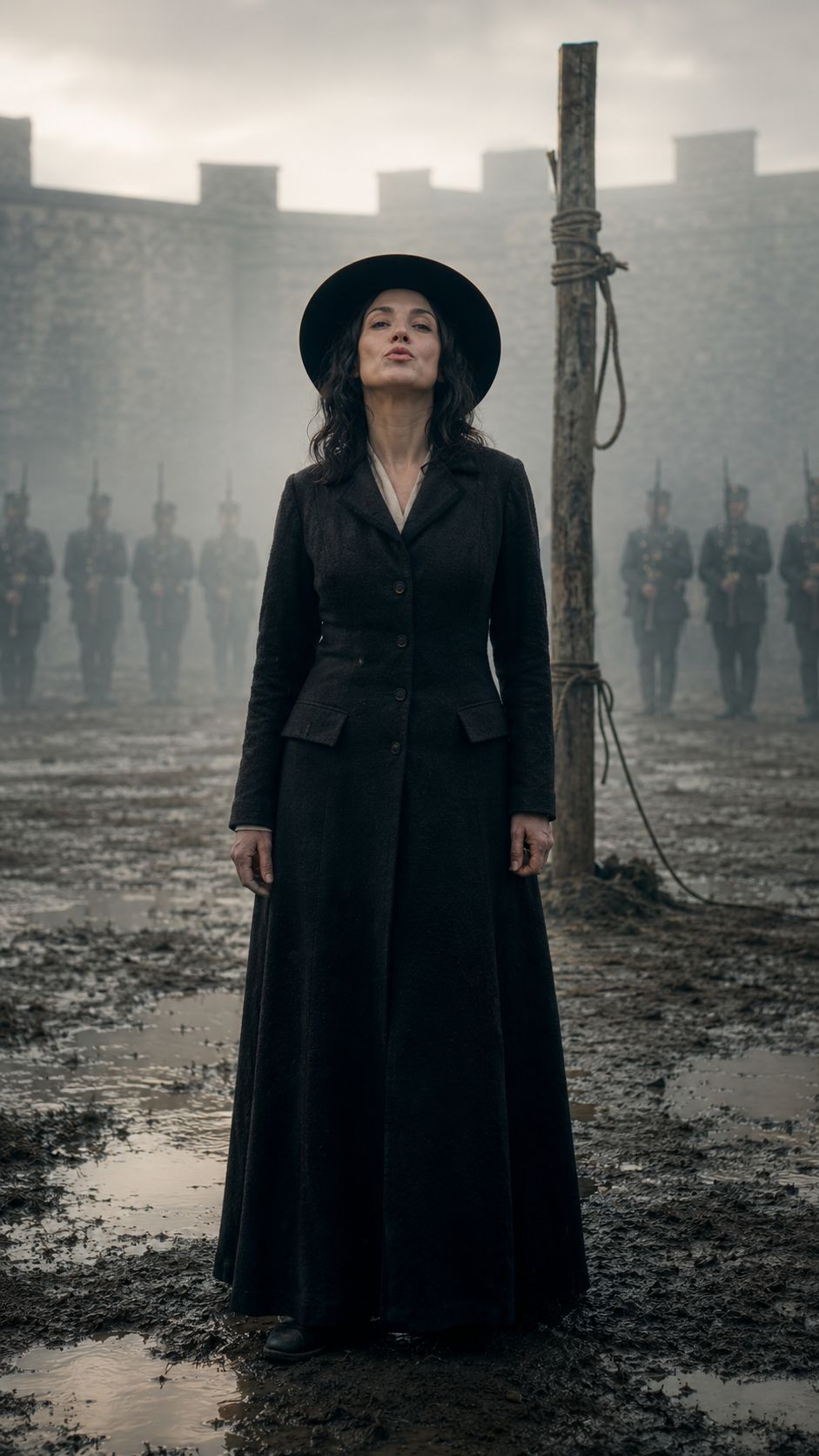 Vincennes, Paris · 1917The Spy Betrayed By Both Sides At OnceAn exotic dancer turned accused double agent faced a French firing squad for a spy career later revealed to be mostly fantasy.
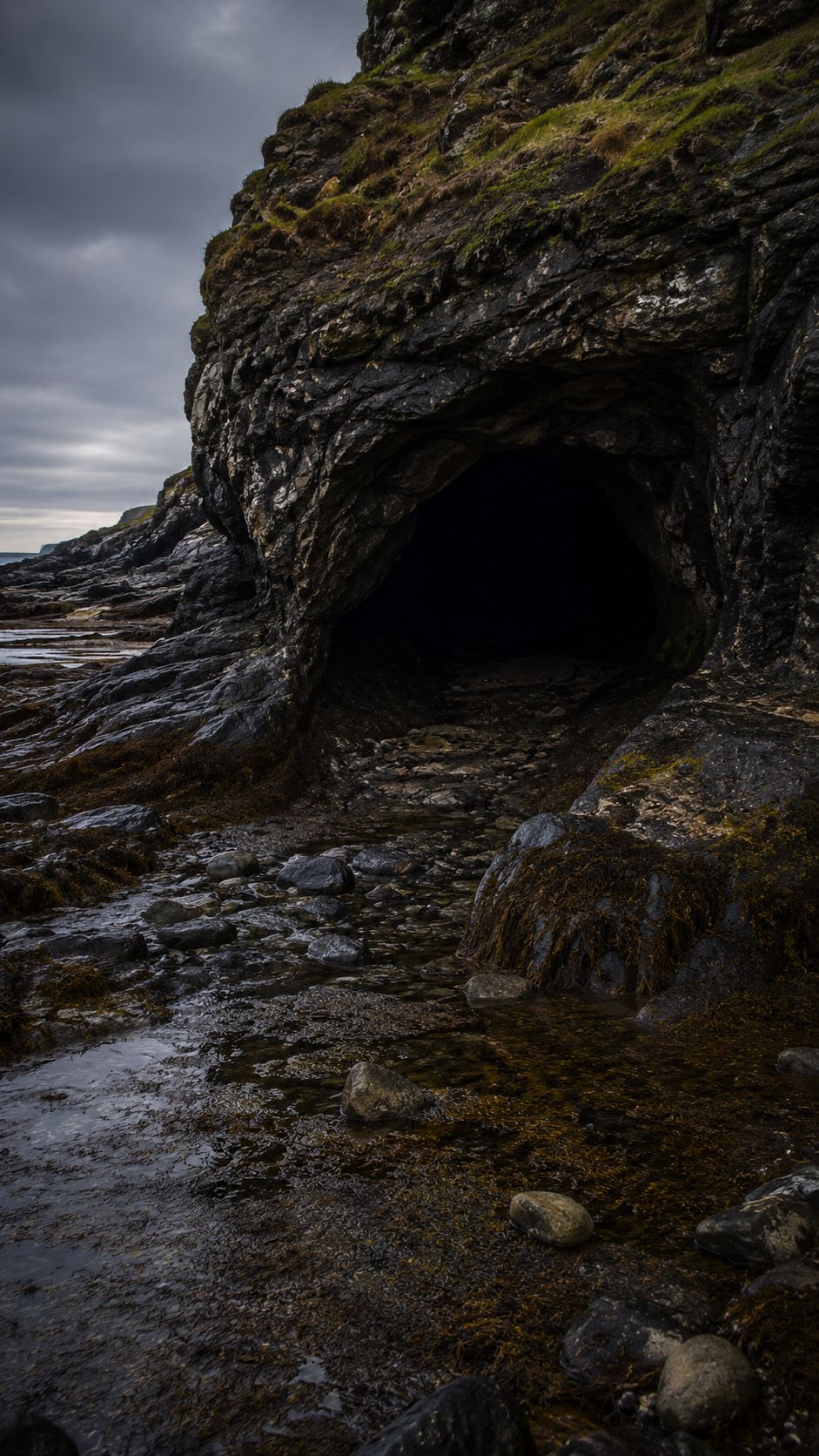 Bennane Head · 1500The Cave Clan That Ate The Coast RoadLegend says a family of 48 lived hidden in a Scottish sea cave for 25 years, ambushing travellers on the road above.
 Čachtice Castle, Čachtice · 1610The Countess Bricked Into Her Own CastleOne of Europe's wealthiest women was sealed inside stone walls for the rest of her life over the deaths of her servants.
- London · 1485The Disease That Killed In Hours And Then VanishedA mystery illness swept England five times in seventy years, killing within a day of the first symptom, then disappeared forever.
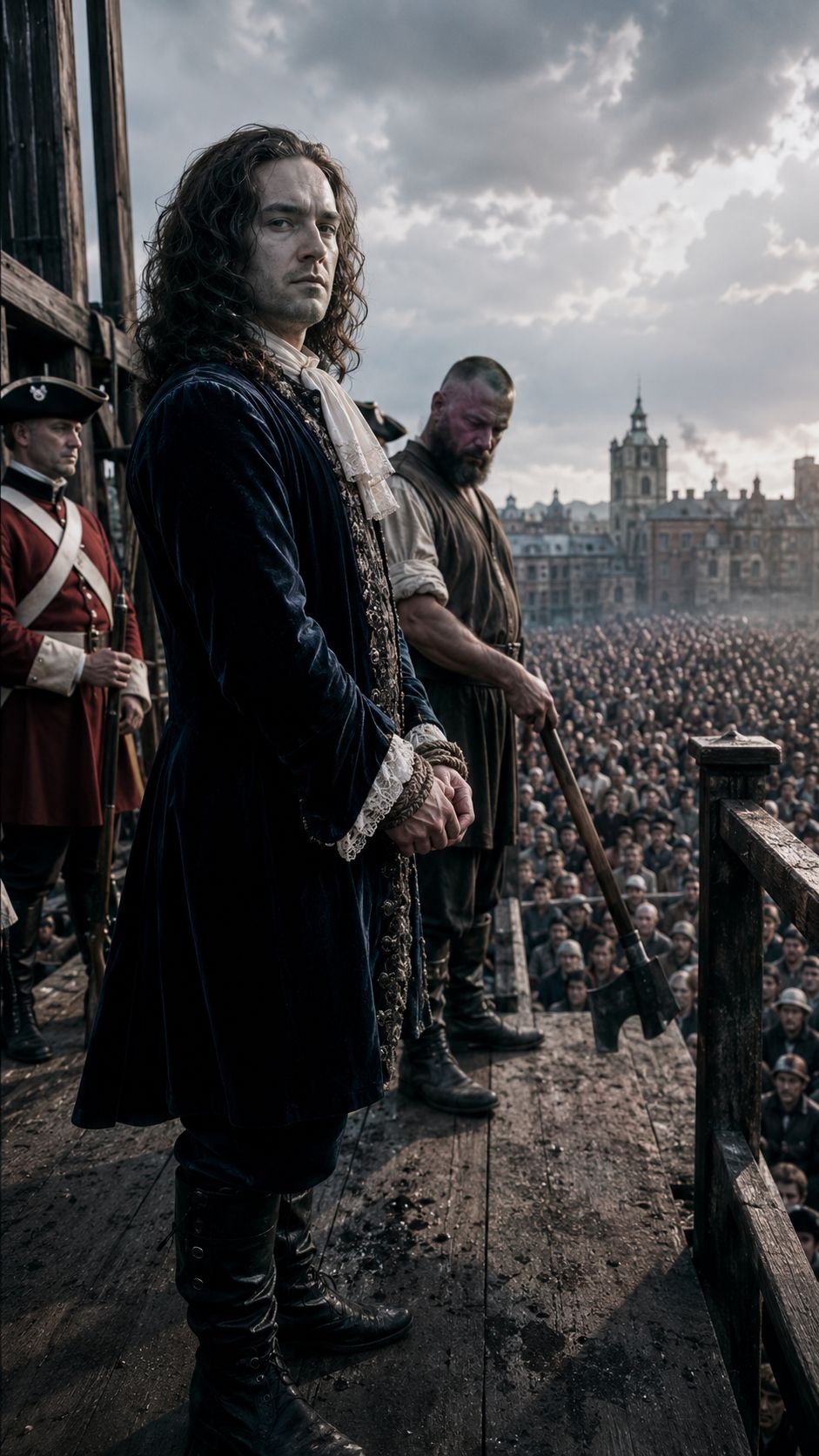 Tower Hill, London · 1685The Duke Who Paid The Headsman In AdvanceHe handed the executioner six guineas and begged him not to hack him apart like his last victim — it didn't work.
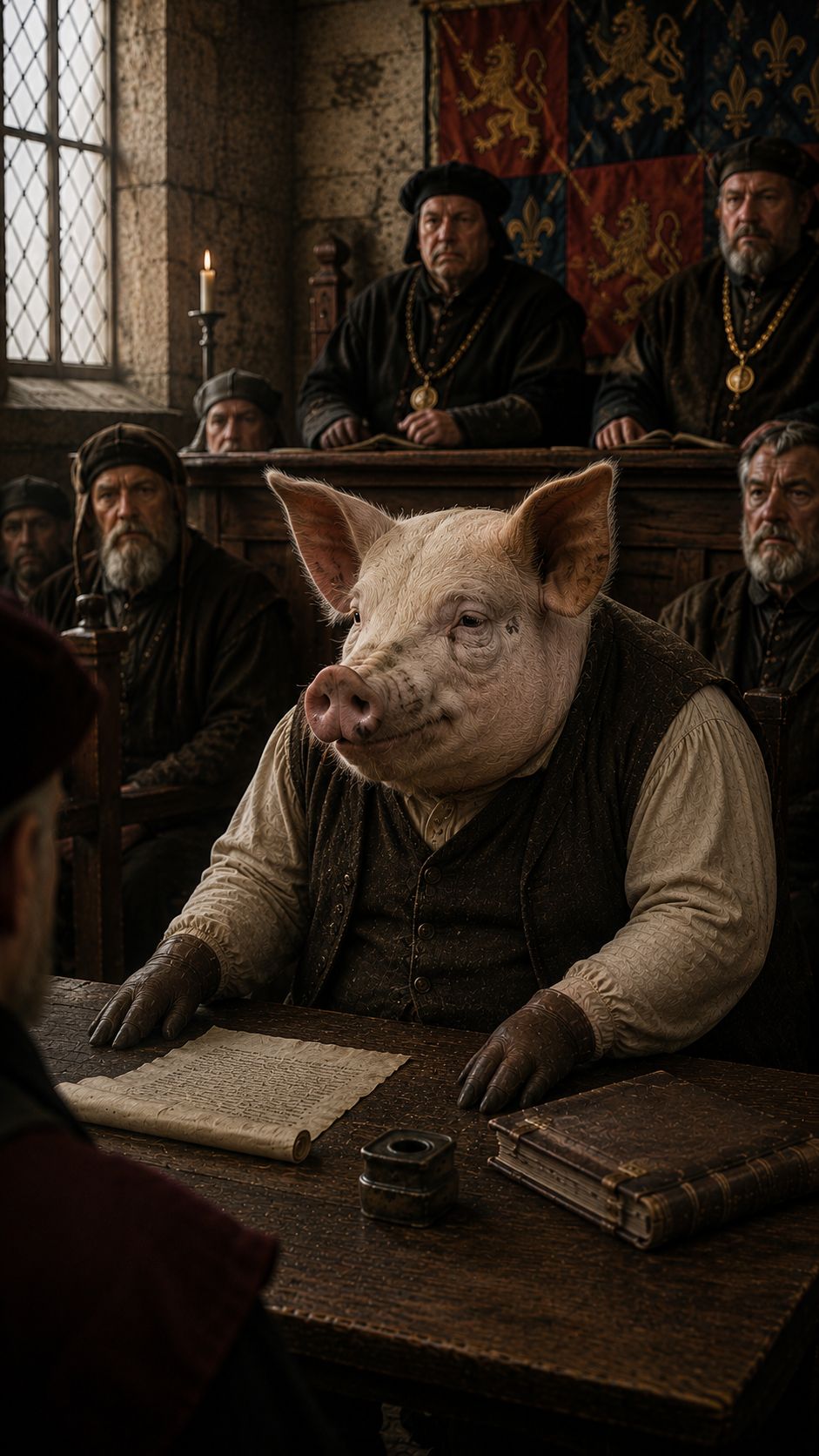 Falaise · 1386The Pig Put On Trial For MurderA pig was arrested, given a lawyer, tried in a real court, dressed in human clothes, and hanged for killing a baby.
 Danger Point · 1852The Shipwreck That Gave The World A DrillWith too few lifeboats for everyone, soldiers stood in ranks on the deck of a sinking troopship so the women and children could go first.
- off Puerto Rico · 1797The Captain Who Flogged Dead MenWhen three sailors fell to their deaths obeying his order, he had their corpses whipped anyway — his crew never forgave him.
- Edessa · 260The Emperor Used As A Human FootstoolCaptured alive by the Persians, a Roman emperor was reportedly used as a mounting step every time his captor rode a horse.
- Venice · 1423The Islands That Invented Forty Days Of IsolationTo hold back the plague, Venice invented a word and a system the whole world still uses: quarantine.
 Bosworth Field · 1485The Last King To Die In Battle, Buried In A Car ParkHe charged straight at his rival hoping to end the war in one blow — and his naked body was slung over a horse and paraded through Leicester.
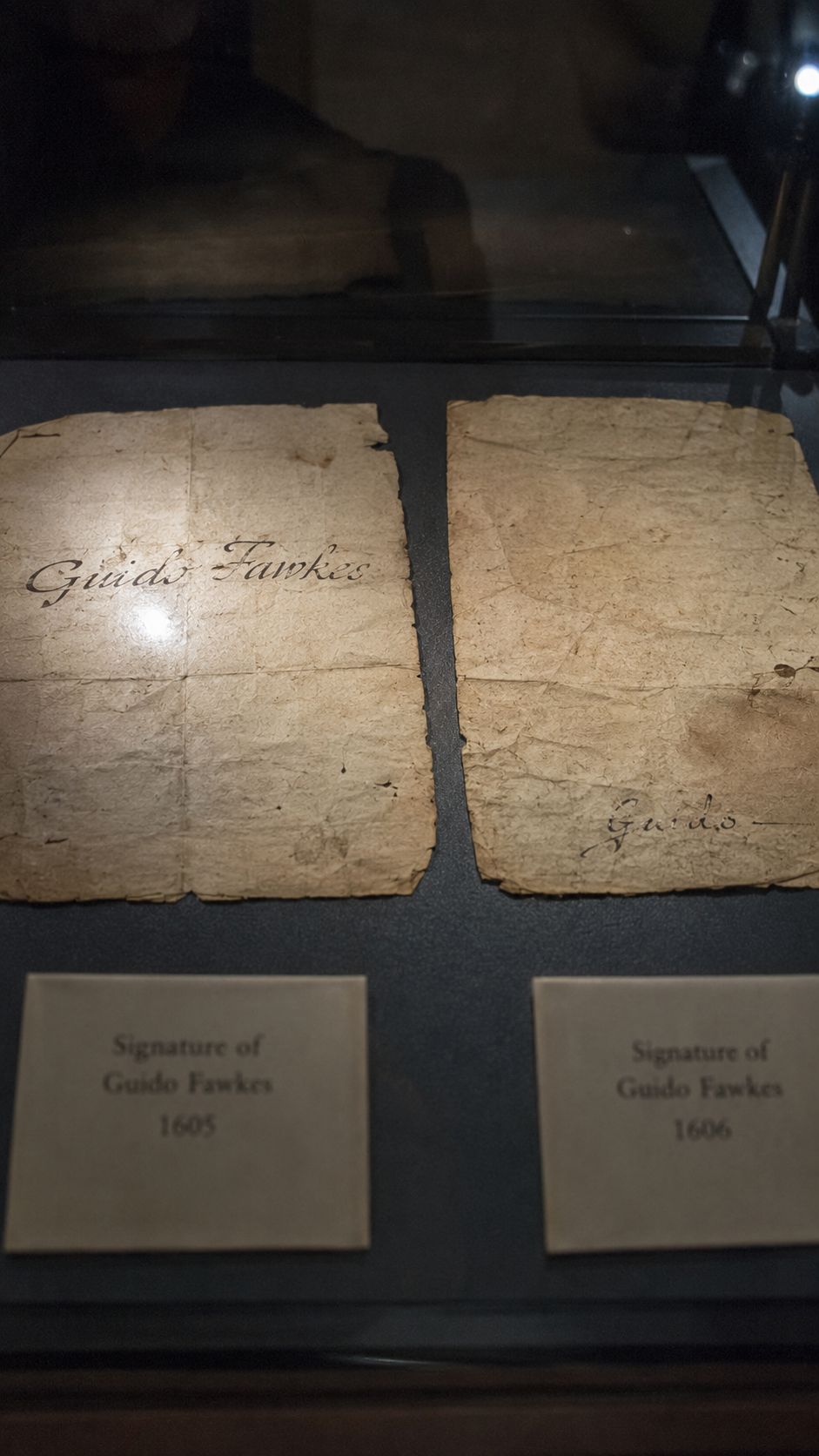 Westminster, London · 1605The Signature That Broke Under TortureFound in a cellar beneath Parliament with 36 barrels of gunpowder, his confident signature collapsed into a scrawl after days on the rack.
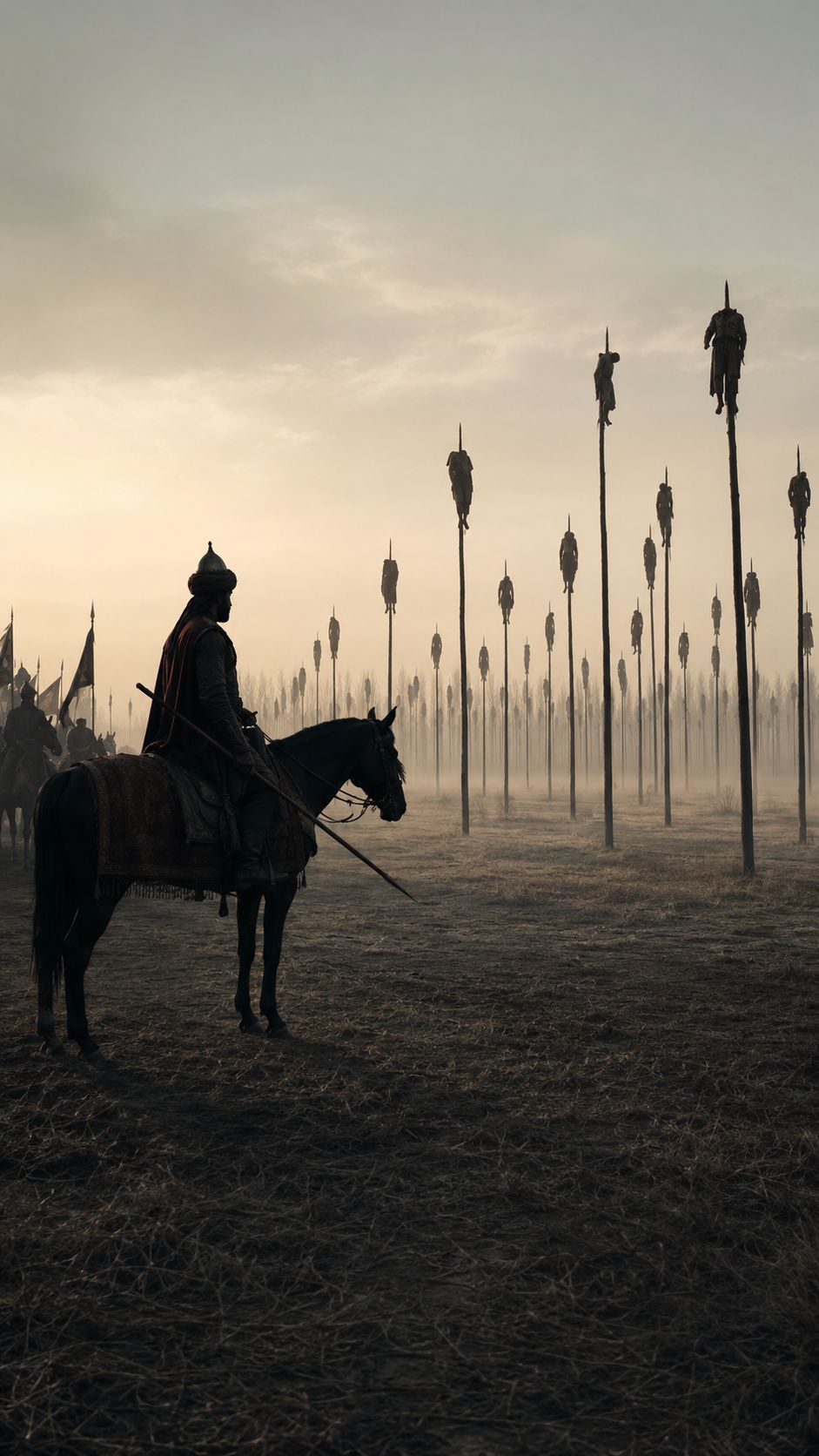 Târgoviște · 1462The Prince Who Broke An Empire's Will To FightOutnumbered by an Ottoman army, a Wallachian prince chose terror over battle — and made a sultan turn back.
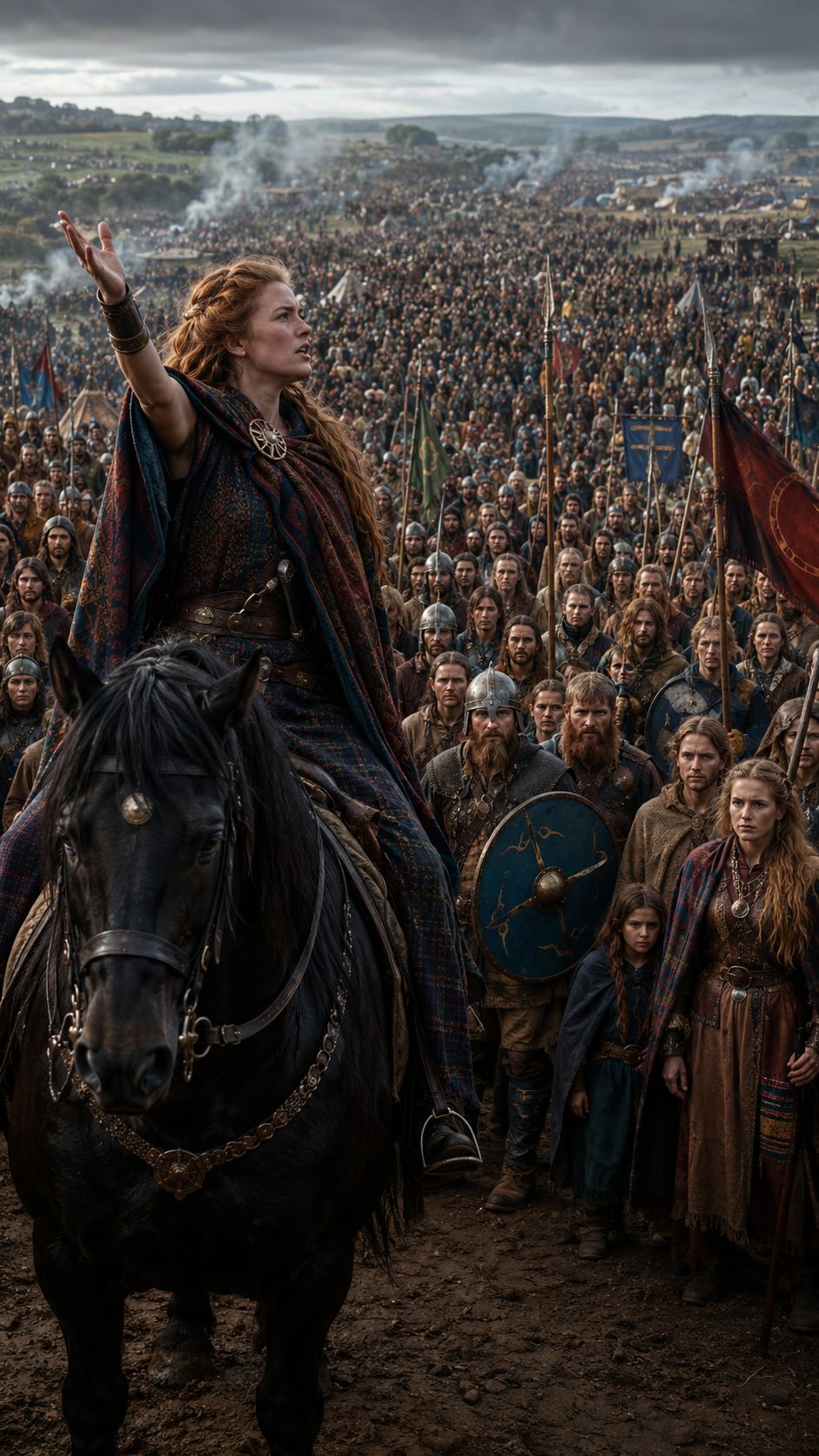 London · 60The Queen Rome Flogged Into A RebellionRome seized her kingdom, flogged her, and let her daughters be assaulted — she answered by burning three cities to the ground.
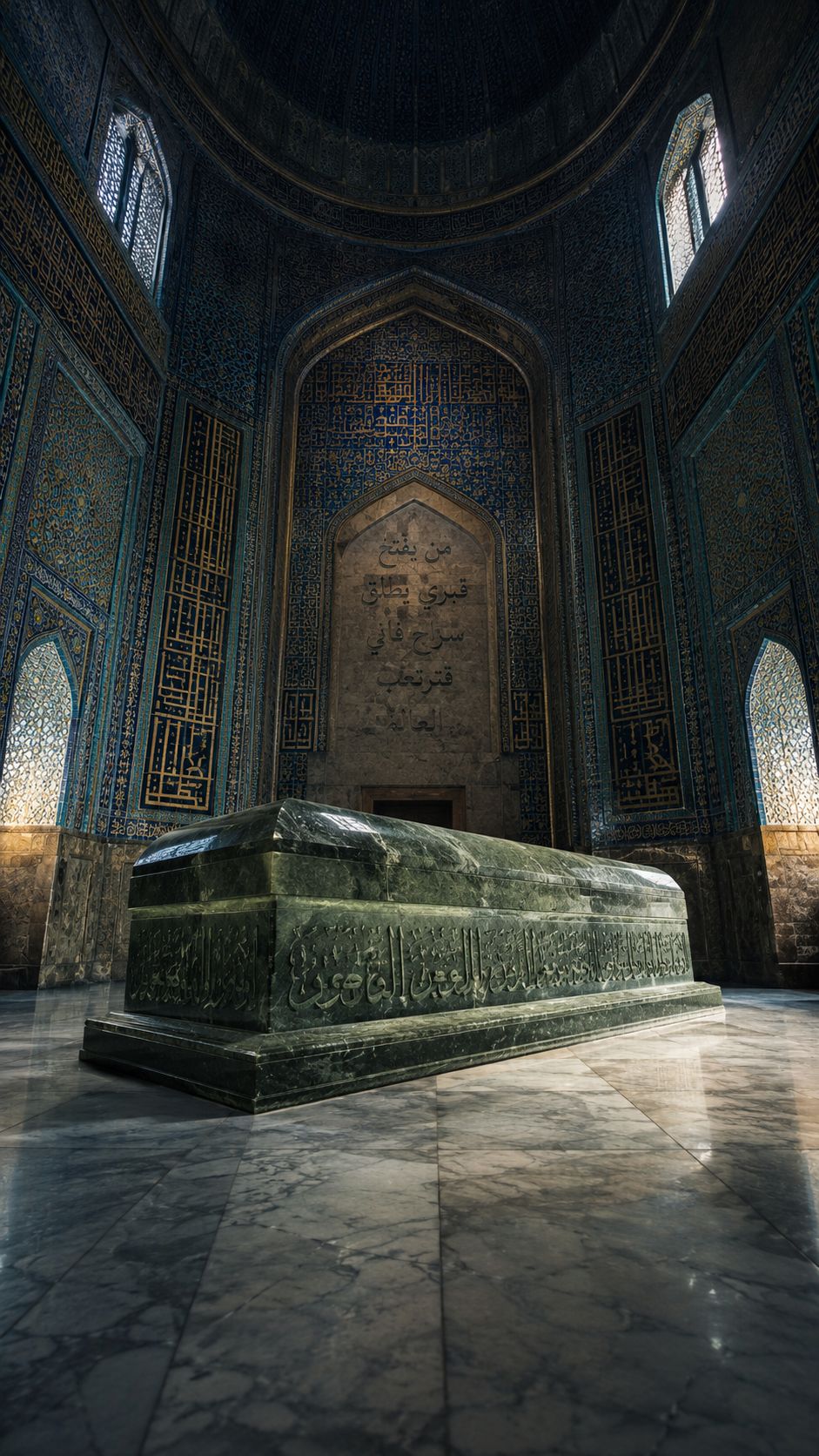 Samarkand · 1941The Tomb That Warned The World Would TrembleSoviet scientists opened the tomb of a conqueror who killed millions — and, so the legend goes, unleashed a curse the next morning.
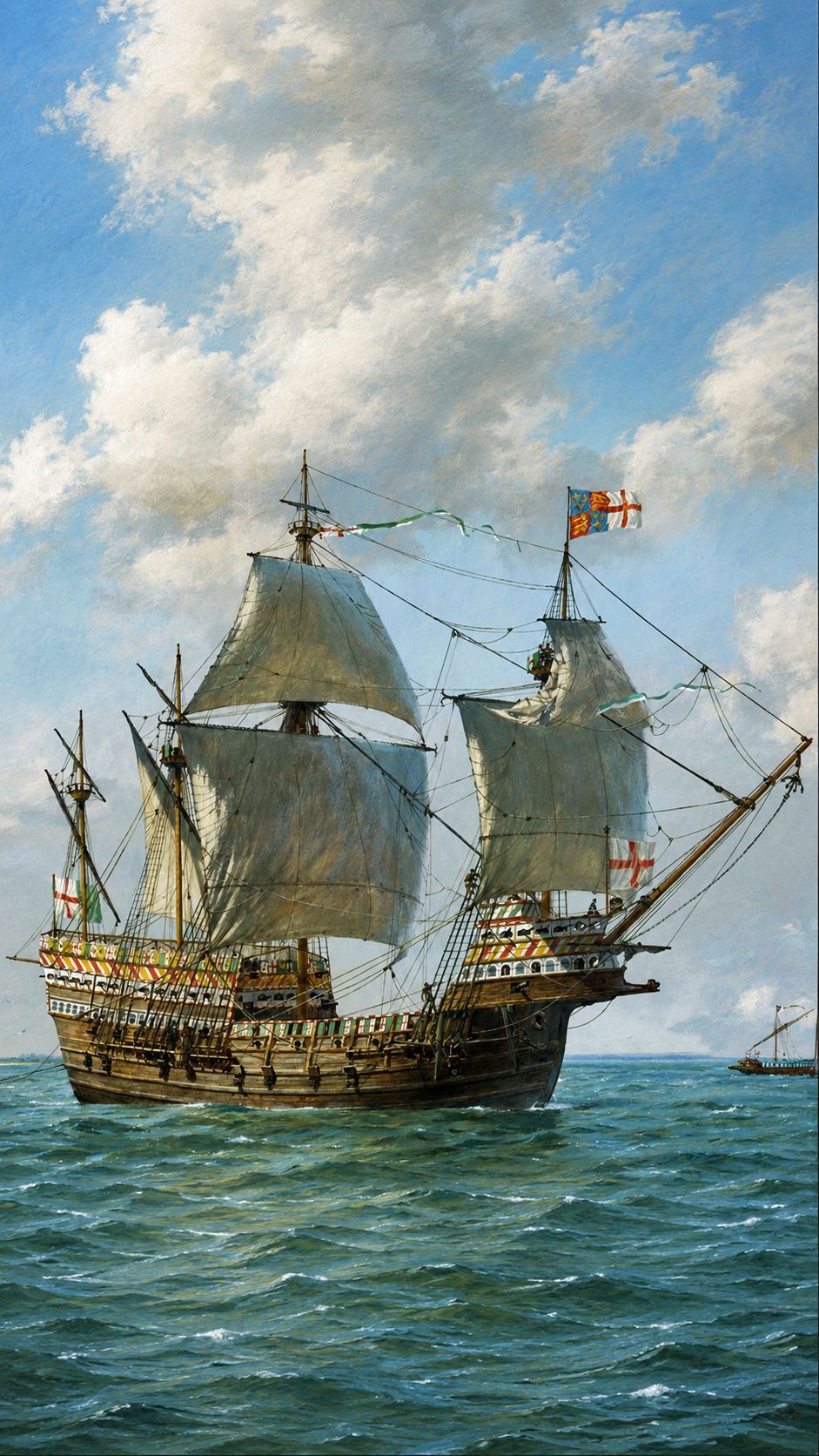 The Solent, Portsmouth · 1545The Warship That Sank Before The King's EyesHenry VIII watched his flagship heel over and vanish beneath the waves in under a minute, taking hundreds of trapped men with her.
- Prague Castle, Prague · 1618The Word Born From Throwing Men Out WindowsProtestant nobles hurled two Catholic officials from a castle window into a moat — and started a war that killed millions.
- Rome · 71 BCThe Word Decimate Was Never A MetaphorWhen a Roman unit broke and ran, one in ten men was chosen by lot to be beaten to death by his own comrades.
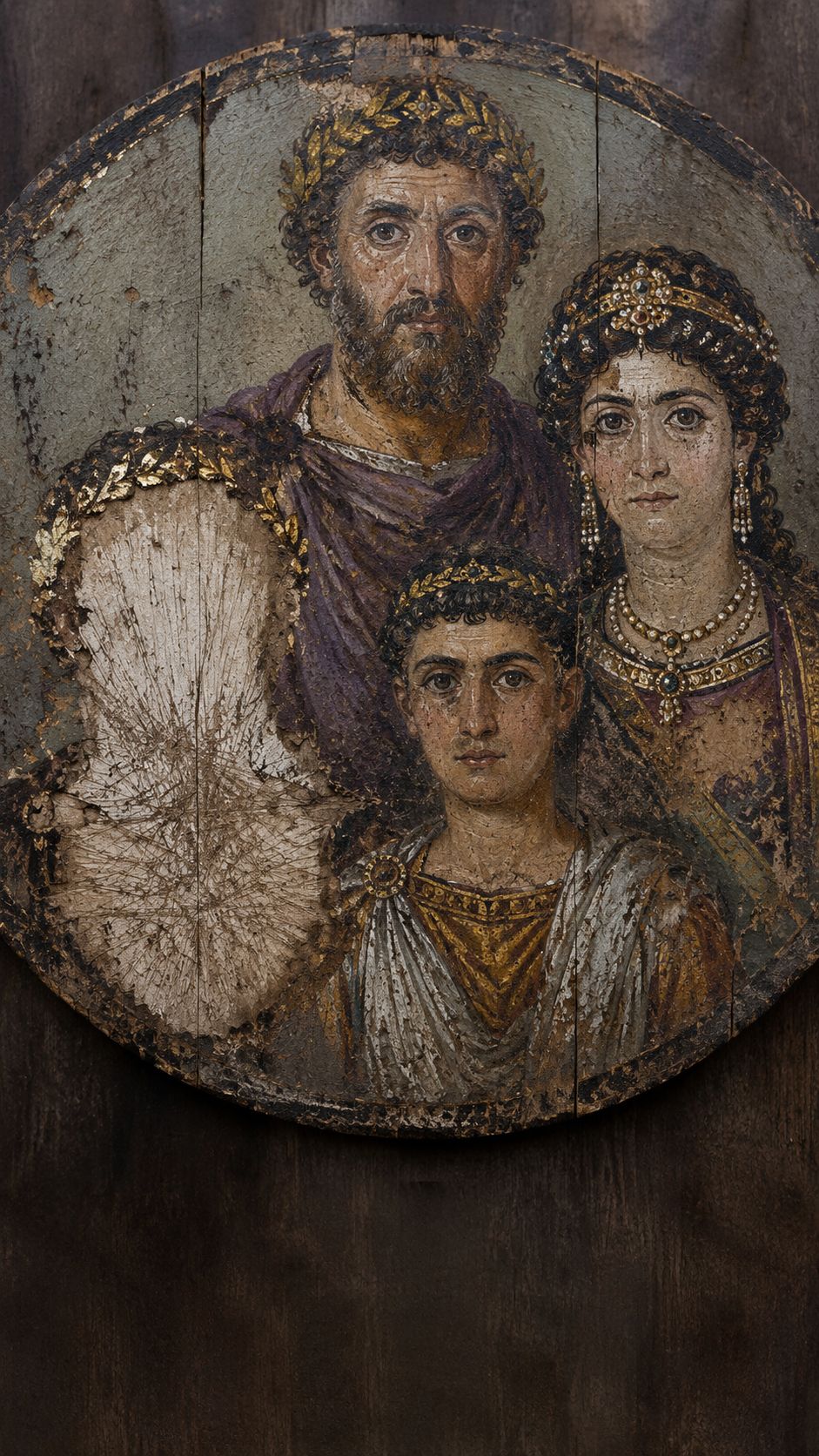 Rome · 211The Emperor Erased From Every PortraitHe murdered his co-emperor brother in their mother's arms — then had every trace of his face chiselled out of Rome.
 Melrose · 1329The Heart That Was Thrown Into BattleDying, he asked his heart be carried to the Holy Land in his place — instead it ended up hurled into a Spanish battlefield.
 Bab-el-Mandeb Strait · 1695The Pirate King Who Vanished With The TreasureHe mutinied over unpaid wages, hunted down the richest treasure fleet afloat, and then simply disappeared forever.
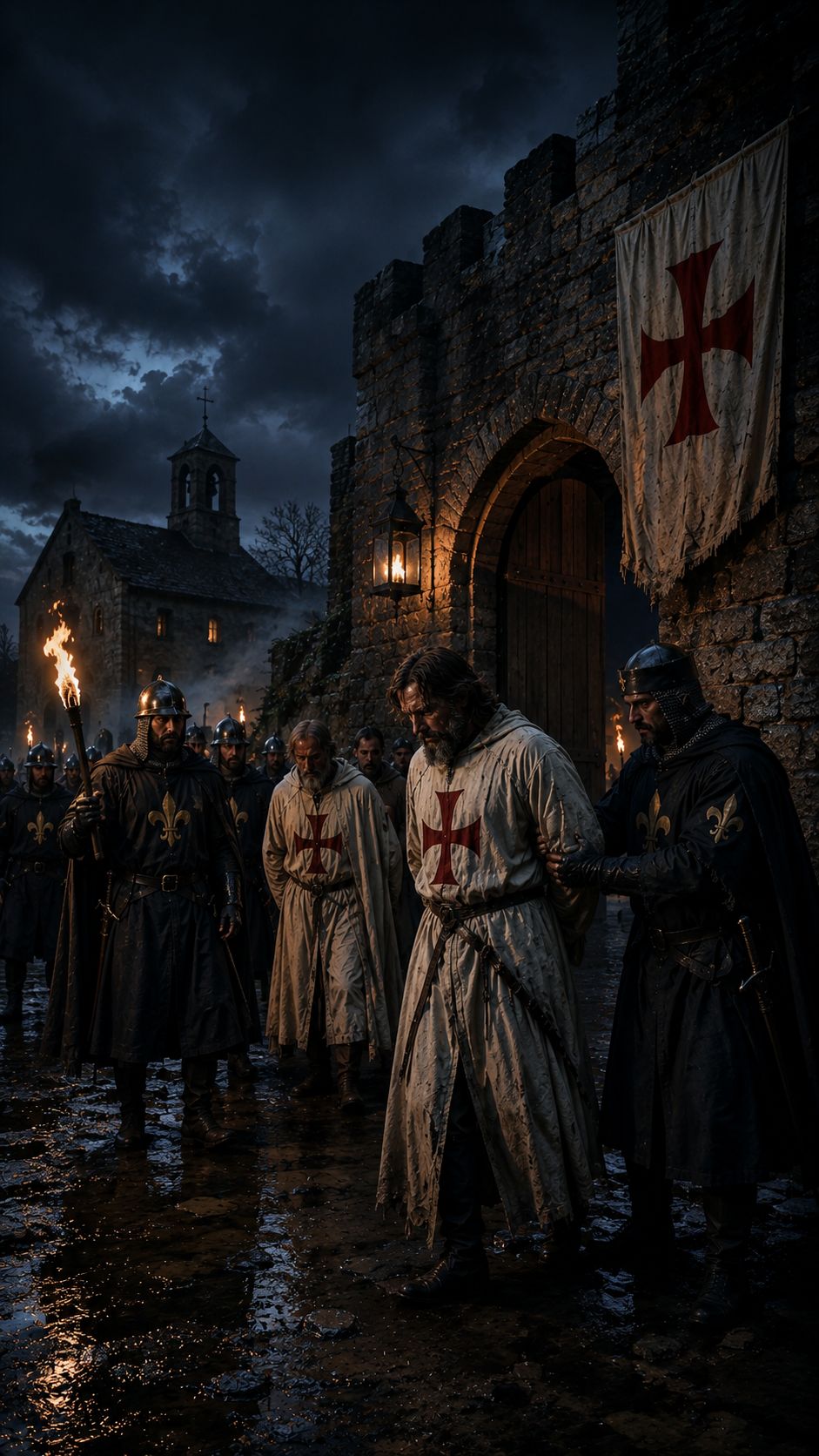 Île de la Cité, Paris · 1314The Templar Who Cursed A King From The FlamesArrested on a single dawn across France on fabricated charges, the last Templar grand master burned still proclaiming his order's innocence.
 Tower Hill, London · 1535The Chancellor Who Refused His King's SupremacyHenry VIII's own former Lord Chancellor walked to the block for refusing to accept the king as head of the Church.
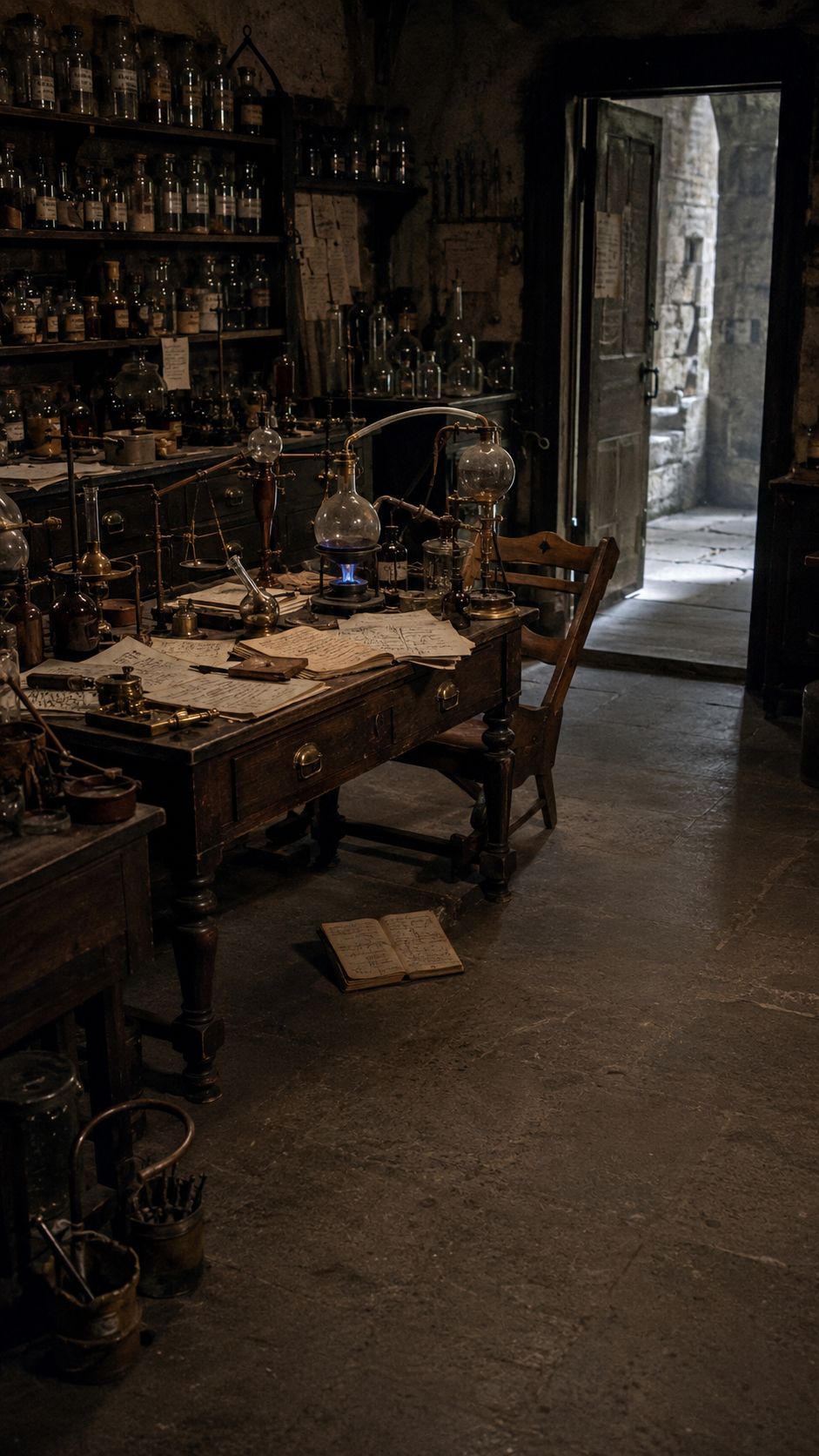 Paris · 1794The Chemist The Revolution Had No Time ForThe man who discovered oxygen was guillotined not for his science, but for a tax company he once belonged to.
- Whitehall, London · 1649The King Who Would Not Be Seen To ShiverOn the coldest morning of his life, he asked for an extra shirt so no one would mistake his shivering for fear.
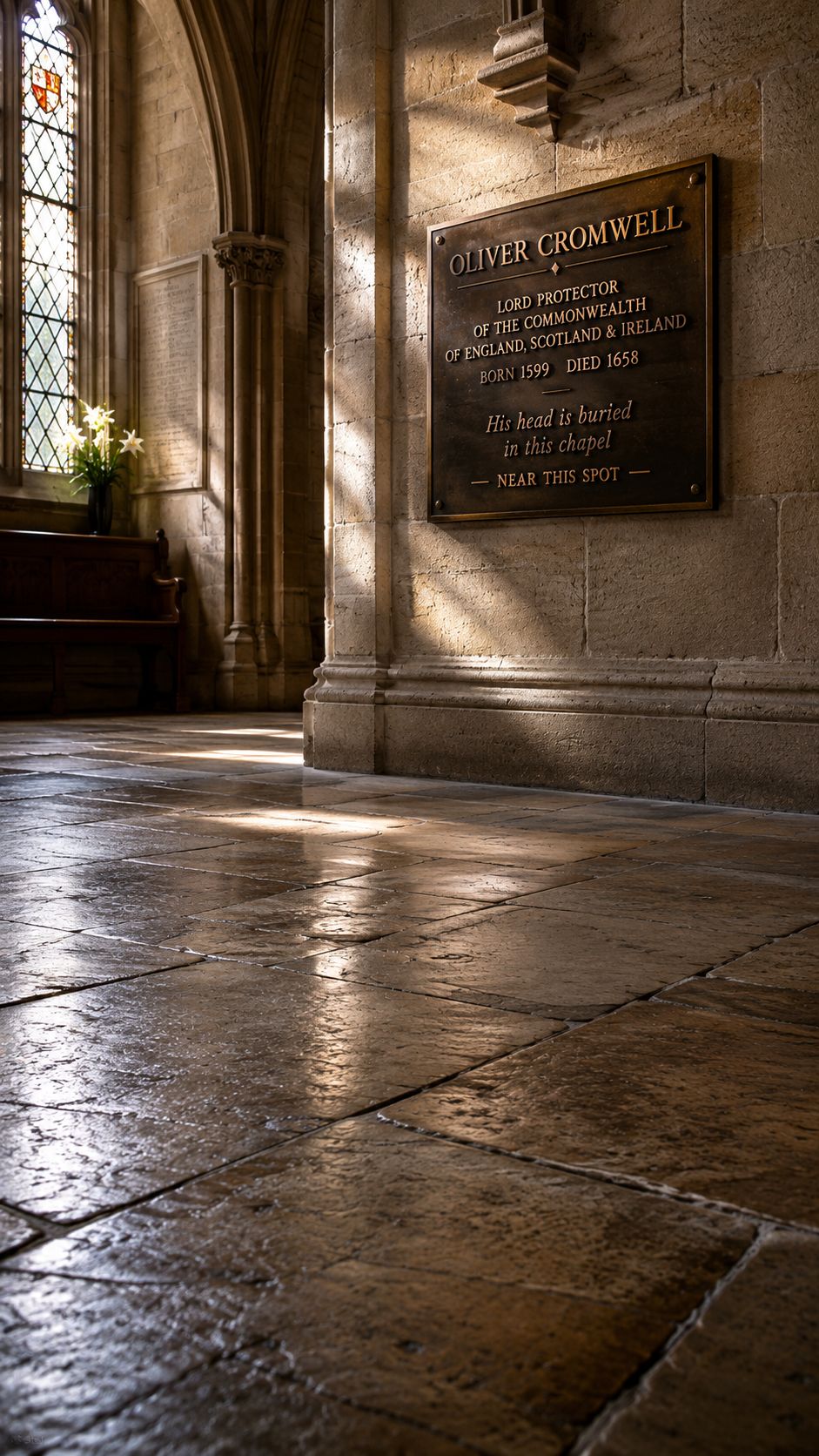 Tyburn, London · 1661The Lord Protector Executed After DeathTwo years after he died in his bed, the king's son had his corpse dug up, hanged, and beheaded.
 Rome · 1612The Painter Tortured To Prove She Told The TruthRaped by her tutor at seventeen, she was thumbscrewed during his trial to test if her testimony was true.
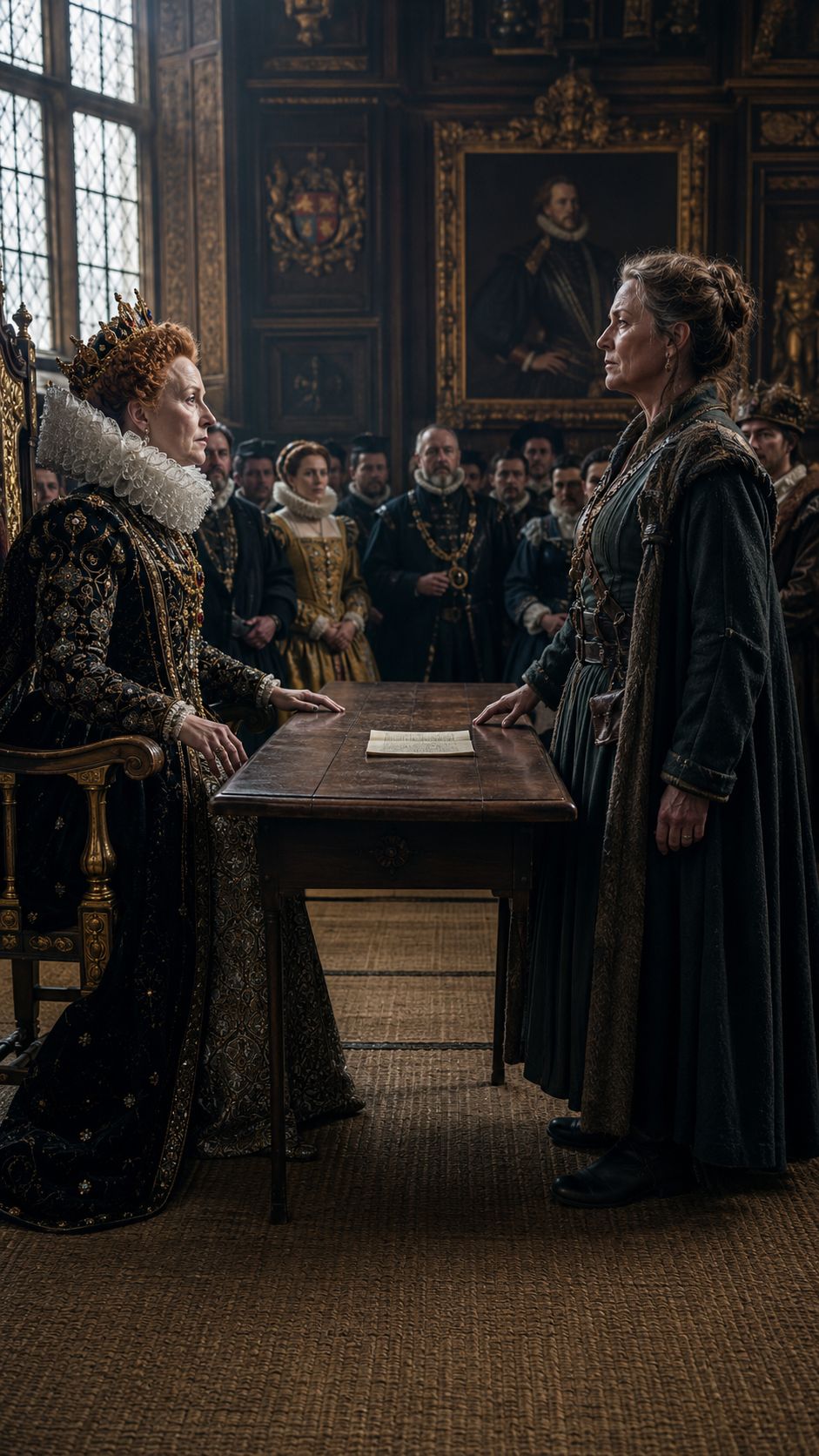 Greenwich, London · 1593The Pirate Queen Who Sailed To See A QueenAt sixty-three, a sea-captain and pirate chieftain sailed straight to England to demand an audience with Elizabeth I.
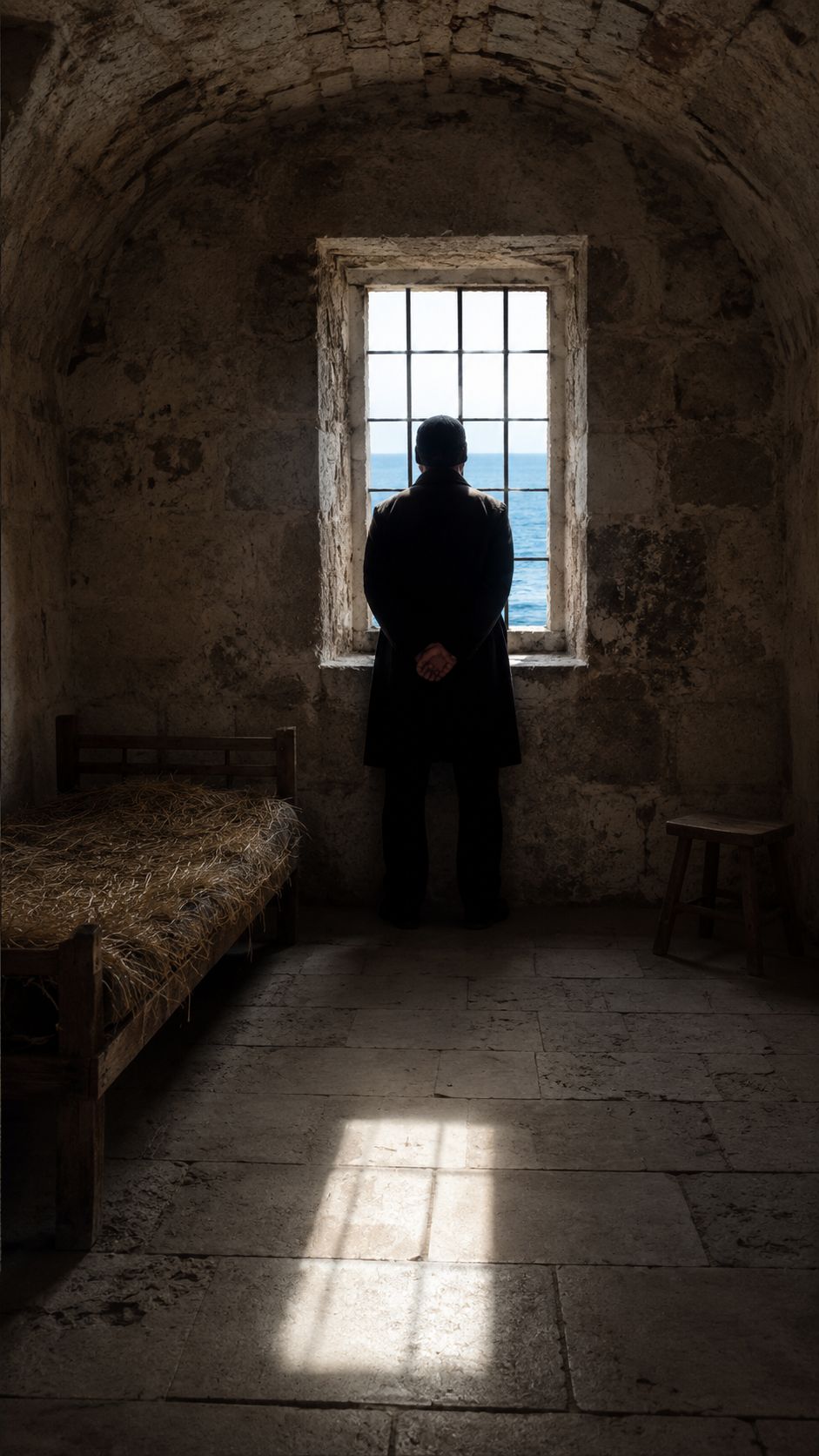 Tower of London, London · 1941The Spy Who Gave Himself Away With A GunshotA parachuting German agent broke his ankle on landing and fired his pistol into the air just to get found.
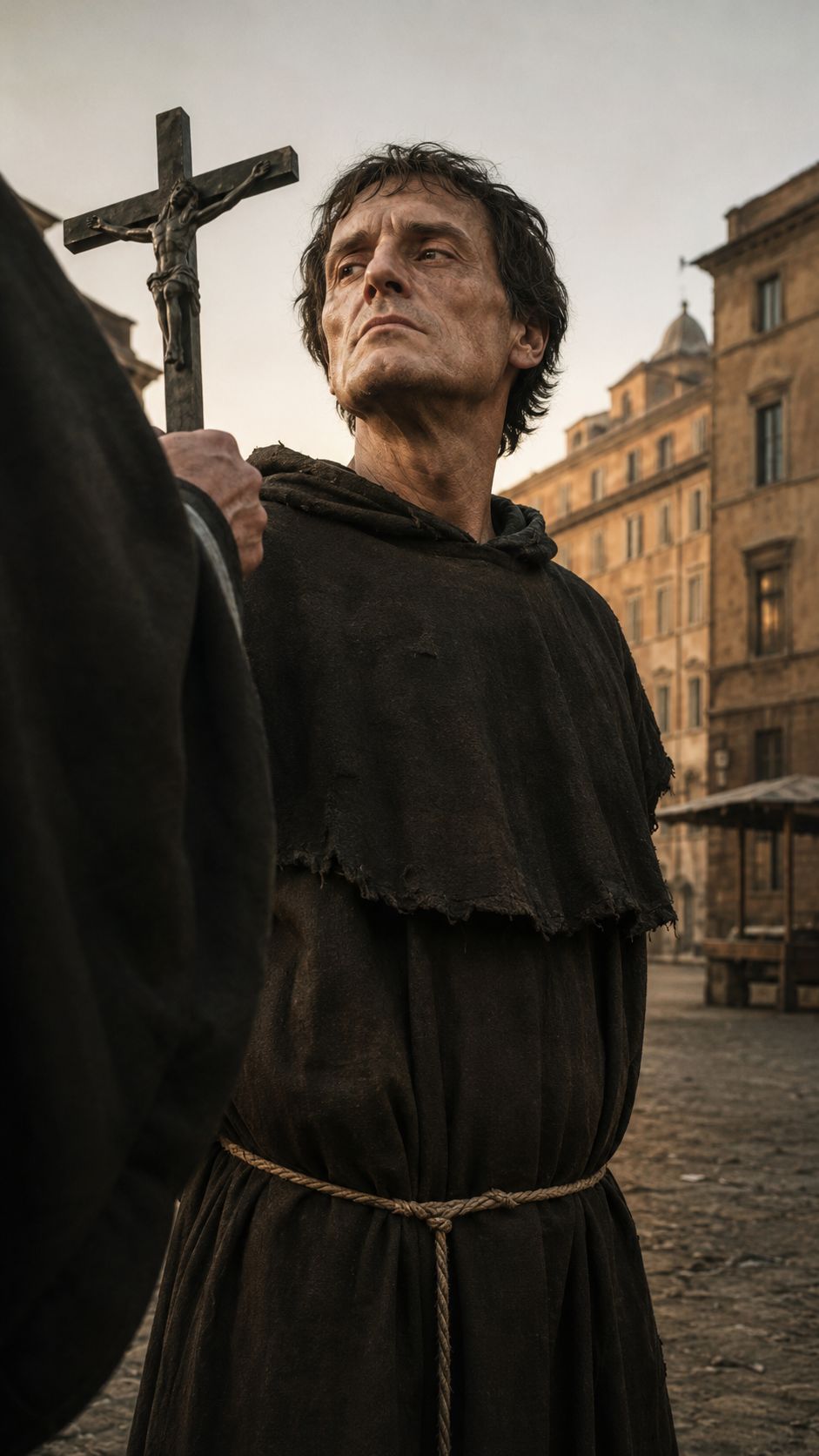 Béziers · 1209Kill Them All, Let God Sort Them OutA city refused to hand over its heretic neighbours — so a crusader army was ordered to kill everyone inside.
- Smithfield, London · 1381The Boy King Who Faced Down A RebellionA fourteen-year-old king rode out to negotiate with the rebel leader who had beheaded his archbishop — the meeting turned to blood.
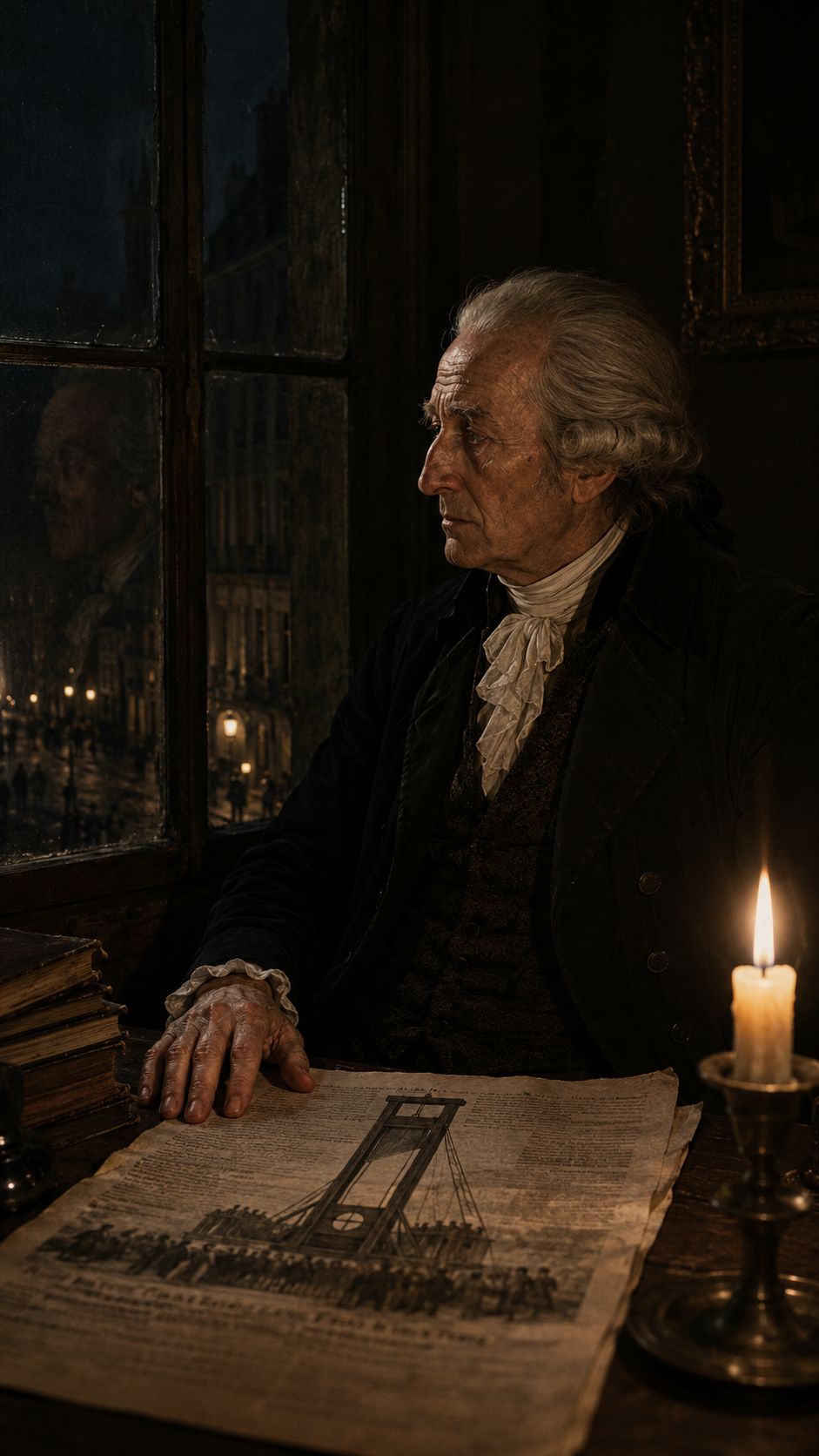 Paris · 1789The Doctor Who Wanted A Kinder Death MachineHe proposed a single humane device to make executions equal for every citizen — his name became a byword for the blade.
 London · 1832The Philosopher Who Attends His Own MeetingsHe carried glass eyes in his pocket for years, waiting to have his own preserved skeleton put on permanent display.
 Newgate Prison, London · 1724The Thief Who Escaped His Own Execution CellChained to the floor of a condemned cell with hours to live, he picked his way out with a crooked nail.
 Toledo · 1567The Woman Condemned For Clean ClothesNot eating pork and washing on Saturdays was enough for the Spanish Inquisition to put her to the rack.
 Portsmouth · 1757The Admiral Shot To Encourage The OthersHe sailed to his own execution with his coffin already aboard, shot by his own marines for failing to win.
- Delft · 1584The Assassin Paid In His Victim's Own CoinA stranger too poor to attend church was given money for clothes — he used it to buy the pistols that killed his benefactor.
- Kutná Hora · 1318The Cemetery That Became A ChandelierA handful of holy soil made one graveyard so coveted that its overflow of bones became a chapel's decoration.
 Tower of London, London · 1478The Duke Drowned In A Barrel Of WineHe betrayed his brother the king twice — and legend says his private execution ended in a butt of Malmsey wine.
 Negril · 1720The Last Two Pirates Standing Were WomenWhen pirate hunters boarded the ship, the drunken crew hid below — only two fighters remained on deck, both women.
 Harran · 53 BCThe Richest Man In Rome Marched To RuinRome's wealthiest man invaded Parthia chasing glory his money couldn't buy — and lost his army, his son, and his head.
 Rome · 80When Rome Staged Executions As MythRomans didn't just execute prisoners — they dressed them as mythological heroes and staged their real deaths as theatre.
 Tisenjoch, Ötztal Alps · 3300 BCThe 5,000-Year-Old Murder VictimTwo hikers found a body frozen in the Alps — he turned out to be Europe's oldest unsolved murder, 5,000 years cold.
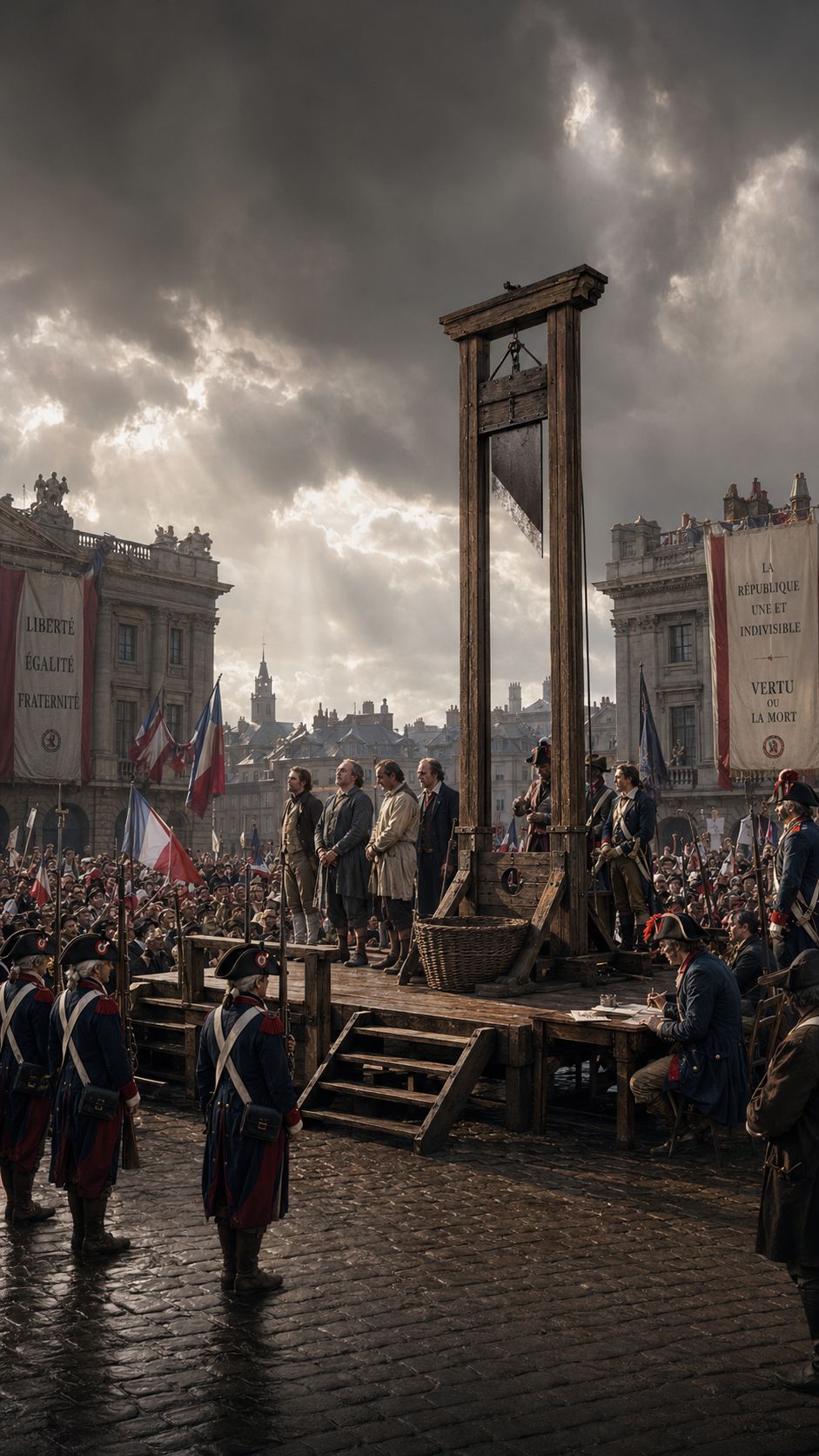 Paris · 1794The Incorruptible Who Lost His JawThe architect of the Terror who sent thousands to the guillotine met it himself with a shattered face.
 Pont-Saint-Esprit · 1951The Night A French Town Lost Its MindA whole town began hallucinating after eating bread from one bakery, and people started jumping from windows.
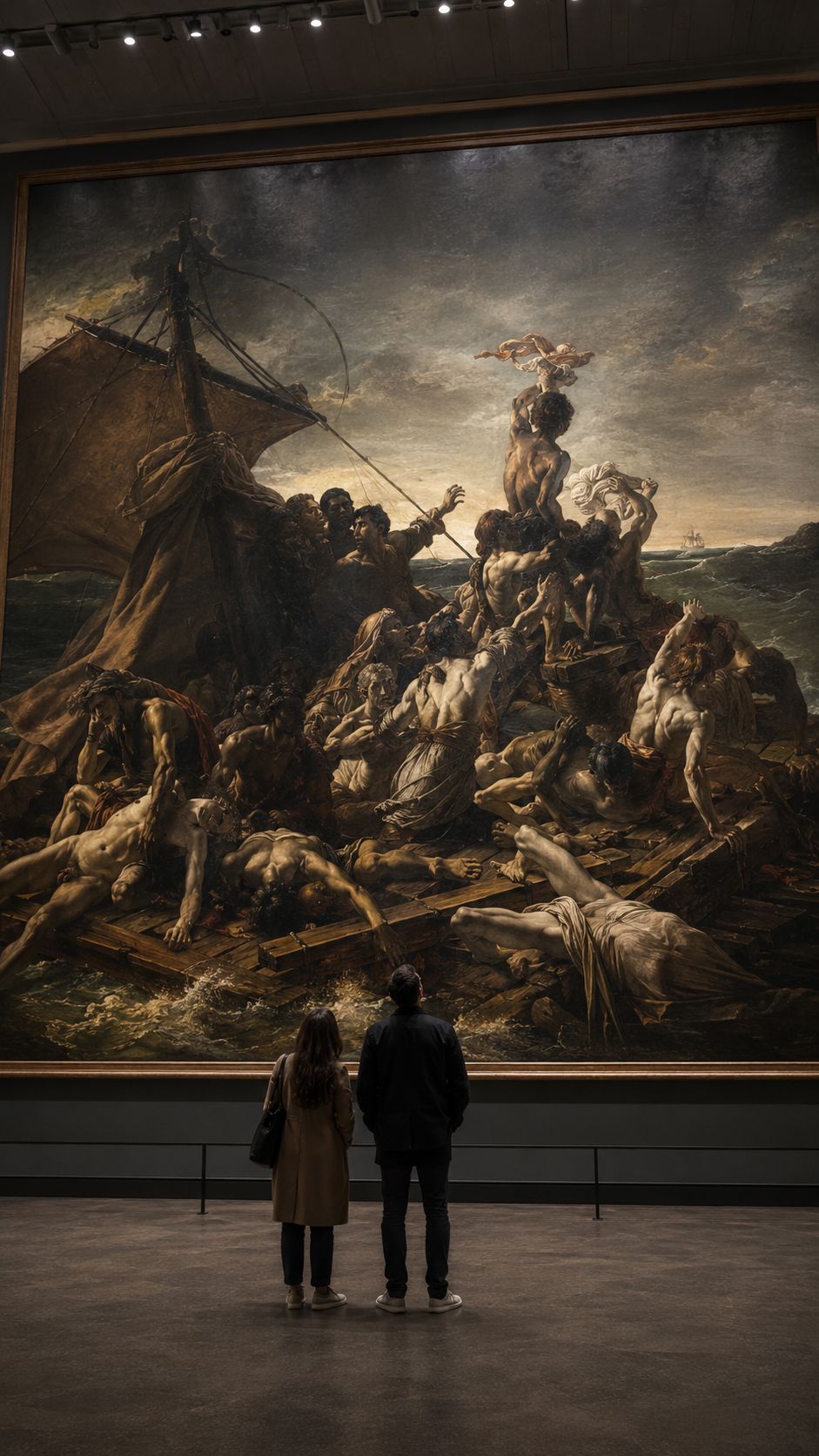 Arguin Bank, off Mauritania · 1816The Raft That Inspired A Masterpiece147 people were abandoned on a raft in the Atlantic — starvation, madness and cannibalism followed before rescue.
 Newgate Prison, London · 1789The Woman Burned So Men Could Be HangedEnglish law spared women the axe for treason — and sentenced them to be burned alive at the stake instead.
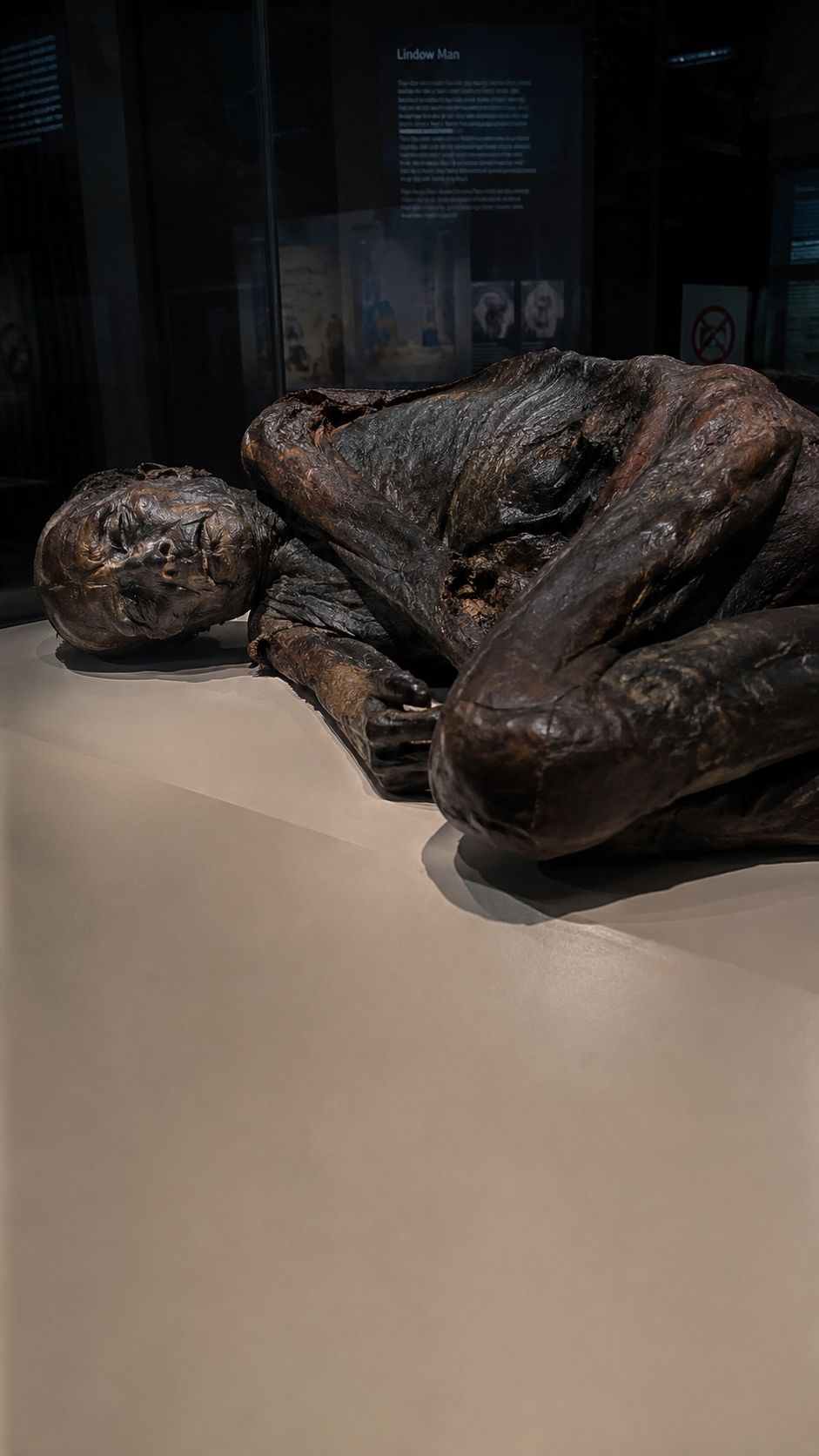 Lindow Moss, Wilmslow · 60The Bog Body With Three Ways To DieA 2,000-year-old body pulled from a Cheshire bog bore a smashed skull, a garrotte, and a slit throat.
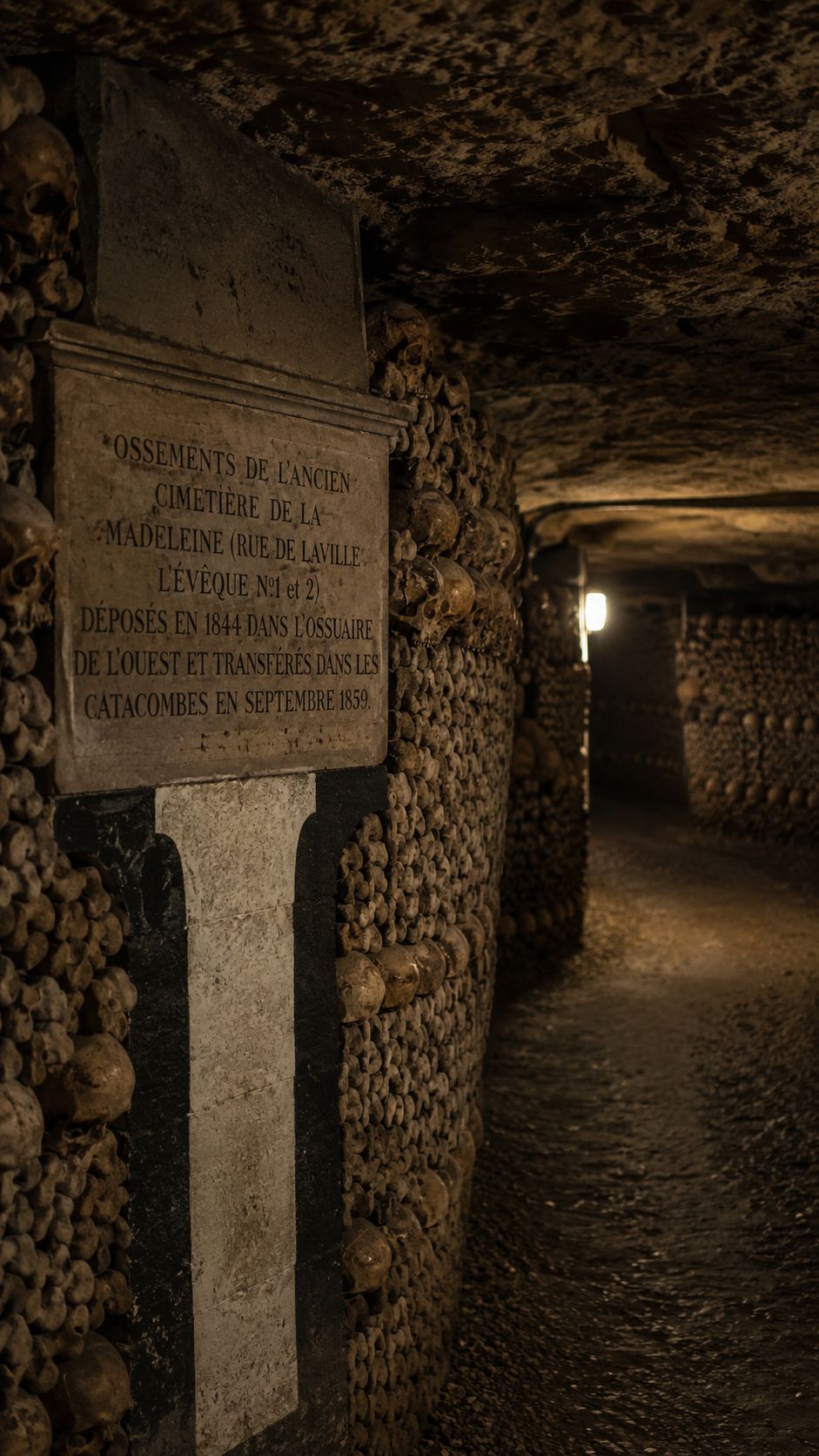 Paris · 1780The Cemetery That Rose Above The StreetsCenturies of bodies raised a Paris graveyard eight feet above the surrounding streets before it finally gave way.
 Coimbra · 1355The Lovers Portugal Crowned After DeathA king's mistress was murdered in front of her children — and her lover later crowned her corpse queen.
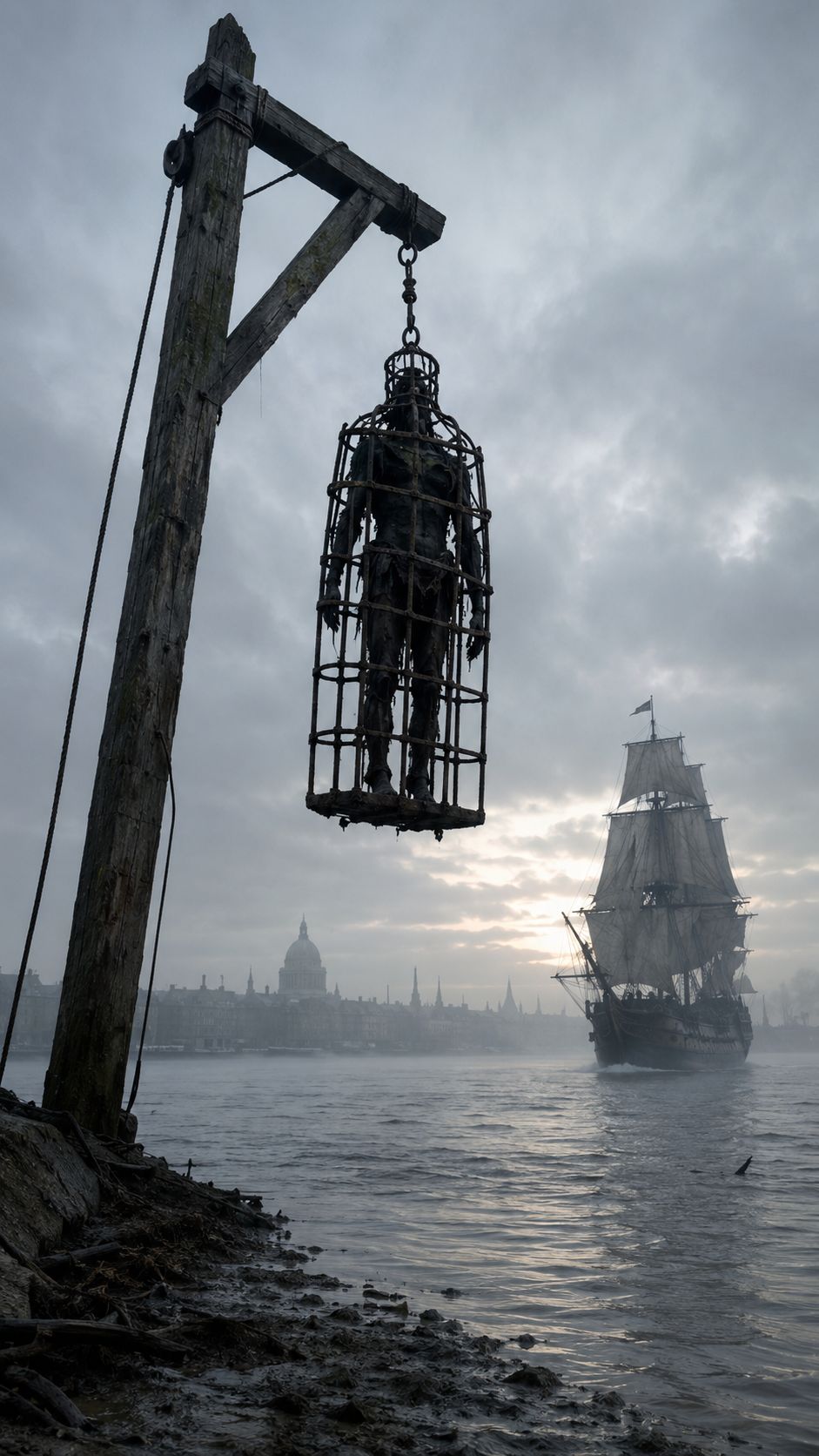 Wapping, London · 1701The Pirate Hunter Who Became A PirateSent to hunt pirates for the Crown, he was hanged for piracy himself when the politics turned against him.
- Palermo · 1920The Sleeping Beauty Who Never DecayedA grieving father had his two-year-old daughter embalmed with a secret formula — a century later she still looks asleep.
 Rome · 100 BCBuried Alive to Avoid Shedding Her BloodRoman law forbade killing a Vestal or burying her in the city, so they sealed the condemned underground alive instead.
 Berwick-upon-Tweed · 1306Caged Above Berwick CastleFor crowning Robert the Bruce with her own hands, an English king locked her in an open cage on a castle wall for years.
 Mistley · 1645The Self-Appointed Witchfinder GeneralA 25-year-old with no official authority talked terrified communities into executing more witches than the previous century combined.
 Barfleur · 1120The Wreck That Sank a DynastyA drunken crew and a hidden rock drowned the only heir to the English throne on a single reckless night.
 Nantes · 1793The Drownings of NantesOverflowing prisons and a revolutionary need for speed turned the Loire River into a mass execution site for priests.
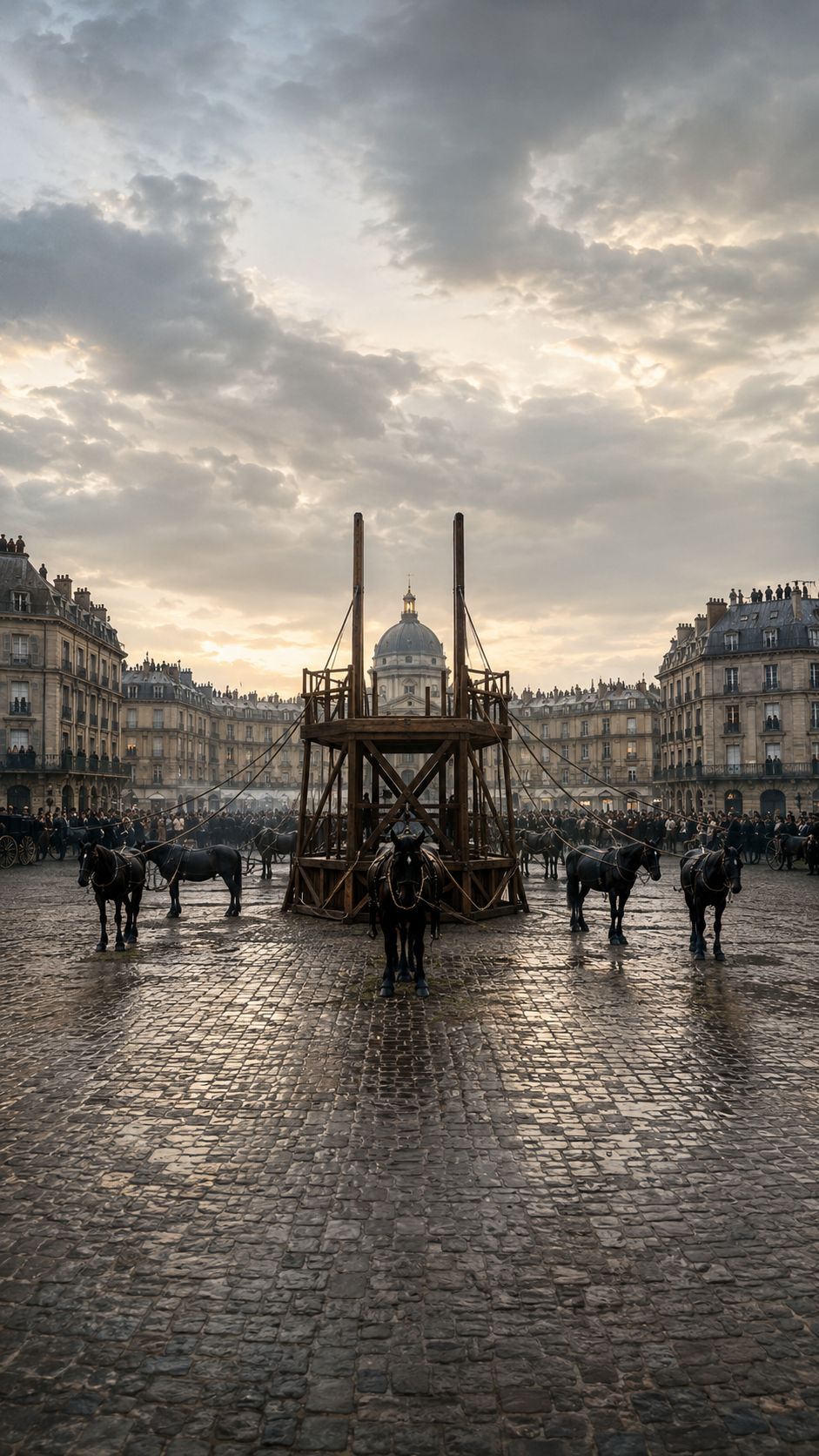 Paris · 1310The Gallows That Ruled Paris for CenturiesBuilt to solve Paris's overflowing gallows problem, this monumental stone gibbet displayed the dead for over 400 years.
 Fotheringhay · 1587The Queen Who Dressed for MartyrdomOn her final morning, she revealed a crimson gown beneath her black robes — the color of Catholic martyrdom.
 York · 1537The Rebel Leader Hanged in Chains Over YorkHe led 30,000 men against the King and nearly won — until false promises brought him back to the city he'd once commanded.
 Luz-Saint-Sauveur · 1500The Untouchables of the PyreneesFor a thousand years, a group indistinguishable from their neighbours was forced through separate, low church doors — and no one truly knows why.
 Delhi · 1335Executed by Trained Elephants in DelhiA travelling scholar watched the Sultan's elephants, hooves fitted with blades, cut condemned men to pieces before a royal court.
 East Molesey · 1487The Boy King Who Ended Up in the KitchensCrowned king in Dublin at age ten, the pretender's rebellion collapsed at Stoke Field — and he lived out his life turning meat in the royal kitchens.
 Münster · 1534The Tailor Who Crowned Himself KingA 25-year-old tailor seized a German city, took sixteen wives, and declared himself king of a new Jerusalem.
 Smithfield, London · 1532Boiled Alive for Poisoning a Bishop's PorridgeA prank with purgatives killed two people and earned the cook a punishment so brutal England abolished it soon after.
 Unzen · 1630Boiled Alive on Unzen's Sulfur MountainChristians who refused to trample a holy image were stripped and doused with boiling spring water on a steaming mountain.
 York · 867The Blood Eagle of King ÆllaViking legend says his ribs were cut from his spine and his lungs spread like wings across his own back.
 Harvington, Worcestershire · 1606The Carpenter Who Hid England's PriestsA five-foot Jesuit carpenter carved hidden chambers into English manors for years, and the state never beat their locations out of him.
 Salem, Massachusetts · 1692The First to Hang at SalemConvicted on nothing but a dream of her spectre, she was the first person executed in the Salem witch trials.
 London · 1534The Prophet Who Warned a KingShe told Henry VIII he would die within months if he married Anne Boleyn — and paid with her own head instead.
 Tyburn, London · 1594The Queen's Physician on the GallowsThe only royal doctor ever executed in English history, his trial may have helped inspire Shakespeare's Shylock.
 Rimouski · 1914Twenty Minutes to the Bottom of the RiverA freighter loomed out of the fog and struck her broadside — she was gone beneath the St. Lawrence in under fifteen minutes.
 Villisca, Iowa · 1912Eight Went to Sleep, None Woke UpEvery mirror in the house was covered the night an axe murderer moved silently through eight sleeping victims.
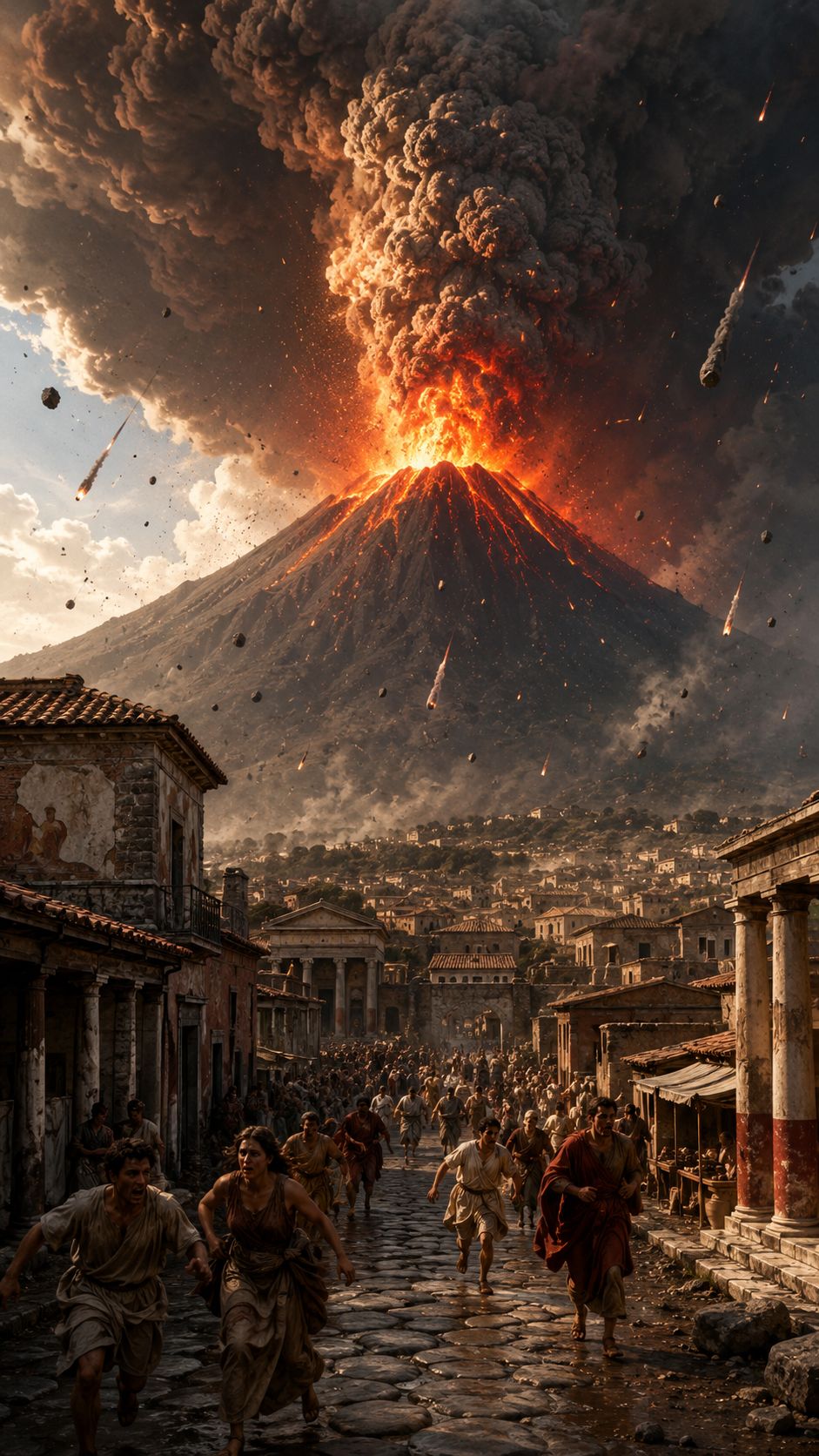 Herculaneum · 79The Boathouses of HerculaneumThree hundred people sheltered from Vesuvius in stone boathouses, and superheated gas killed them all in an instant.
 Persepolis · 400 BCThe BoatsPersian executioners reportedly force-fed the condemned honey and milk, keeping them alive for days inside a locked wooden boat.
 Tyburn, London · 1535The Cheerful Walk to TyburnWatching from his cell, Thomas More saw five monks dragged to Tyburn cheerful as bridegrooms, knowing he would follow.
 Hansan Island · 1592The Crane's Wing That Crushed a FleetA decoy fleet lured Japanese warships into open water, straight into a U-shaped trap that sealed their fate.
 Belfast · 1912The Fire That Never Left Boiler Room SixDays after fighting a hidden coal fire, the same fireman was back in the same boiler room when the iceberg struck.
 Webster County, Kentucky · 1799America's First Serial KillersShot down mid-chase, one killer's severed head was mounted on a pole — and locals swear you can still hear him laughing.
 Tower of London, London · 1613Poisoned in the Tower Over a MarriageImprisoned on a diplomatic post designed to fail, he died slowly of a poison that took months to finish the job.
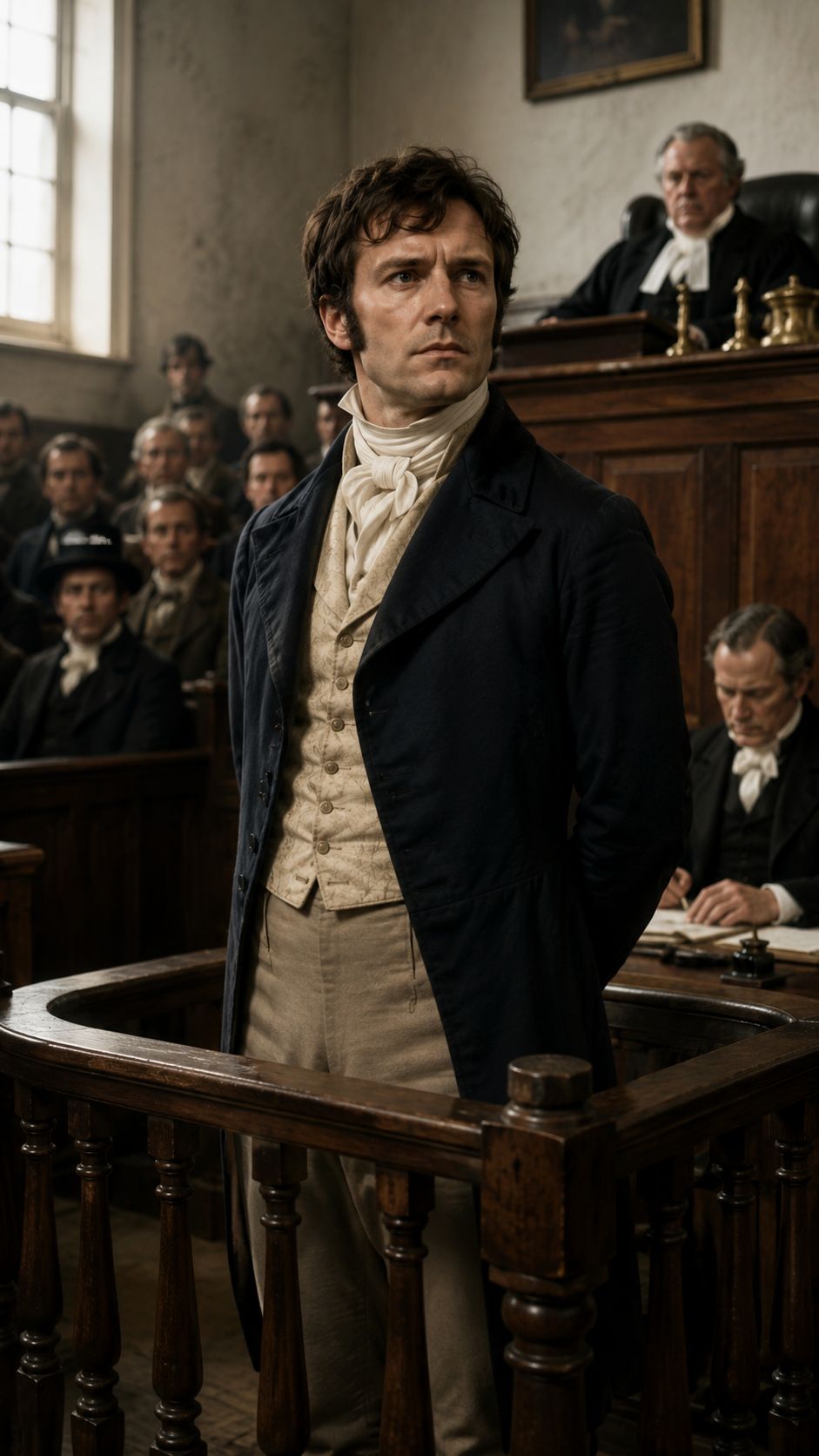 Bethnal Green, London · 1831The Body Snatchers of Nova Scotia GardensA veteran grave robber stopped digging and started killing when he realized freshly murdered bodies paid better.
 Hunsdon · 1536The Erased PrincessWeeks after her mother's execution, an Act of Parliament stripped the toddler of her title and left her begging for clothes.
 Rome · 130The Penalty of the SackRome decided some crimes required more than death — the condemned were sewn into a sack with animals and thrown to drown.
 Saint Peter Port · 1556The Rope That Broke at the StakeAcquitted of theft, three women were burned for heresy anyway when the strangling rope snapped before the flames rose.
- Tyburn, London · 1540Betrayed by a Farmer's GrudgeThe man who helped condemn Anne Boleyn was destroyed years later by a tenant's accusation and a single well-placed word.
 Tower of London, London · 1499Fourteen Years in the Tower for His BloodlineLocked away as a boy for the crime of his birth, he emerged so isolated he could no longer recognize an animal.
 Port Royal · 1692The City That Sank in MinutesContemporaries called it the wickedest city on earth. In three minutes the sand it was built on turned to liquid and took two thirds of it into the harbour.
 Lahore · 1849The Diamond Taken From a Ten-Year-Old KingA legal trap stripped a child king of his mother, his throne, and the most famous diamond in the world.
 Tower Green, Tower of London, London · 1601The Executioner He Made, the Axe That Took HimThe man who spared a killer to become London's hangman met that same executioner years later on his own scaffold.
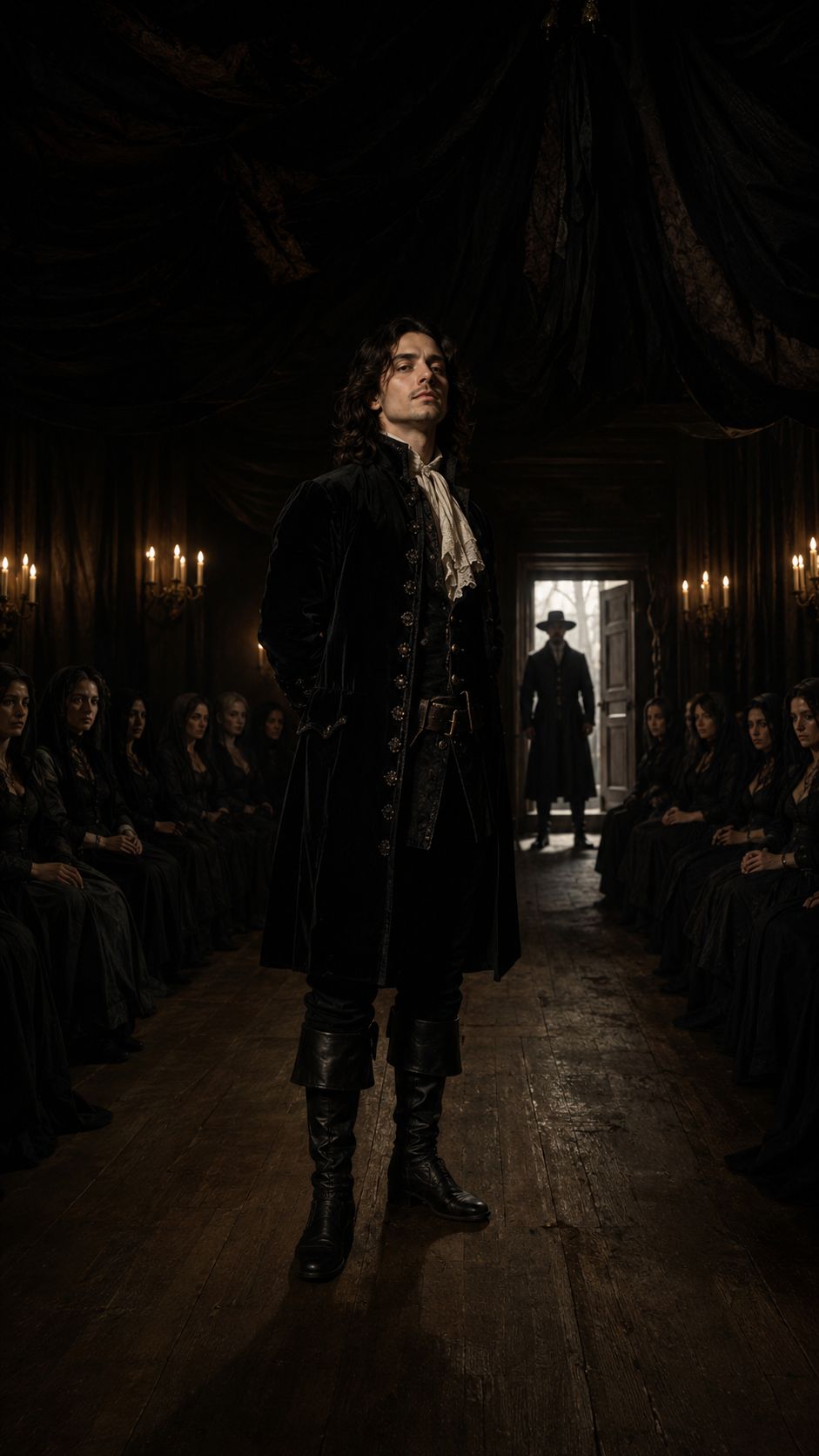 Covent Garden, London · 1670The Highwayman Who Danced With His VictimsA charming French robber turned holdups into theatre — until wine and a tavern brawl finally caught up with him.
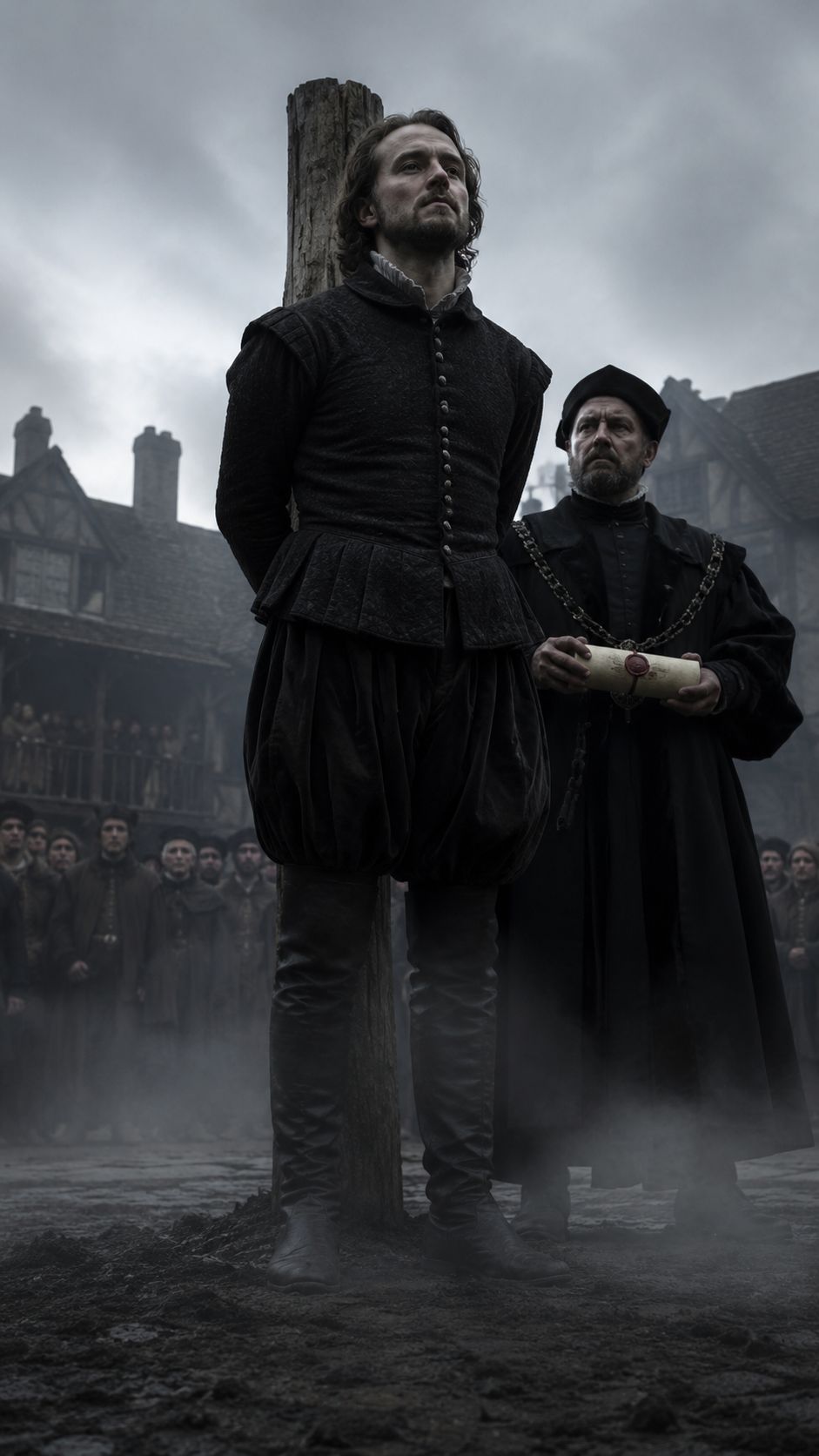 Tower Hill, London · 1536The Man Who Refused to Save HimselfOffered a chance to save his own life, the King's closest attendant chose silence and the executioner's block instead.
 Westminster Hall, London · 1521The Sword That Sealed a Traitor's FateBefore a word was spoken, prisoners at Westminster Hall could read their fate in which way the ceremonial blade pointed.
 Durham · 1537A Hundred Gallows Across the NorthThe Crown built execution timbers in over a hundred town squares to punish an entire region for rebelling.
 Tower Hill, London · 1547Executed for a Coat of ArmsA dying king found an excuse to destroy England's most powerful noble house over a painted family crest.
 Greenwich, London · 1553The Boy King's Hidden CollapseBehind closed doors, the nine-year-old king who inherited a dynasty rotted from a lung disease his advisors desperately hid.
 Norwich · 1549The Killing Field at DussindaleThousands of starving rebels were funneled into an open basin outside Norwich and cut down without mercy.
 Oxford · 1555The Fires That Made Bloody Mary's NameThree of England's highest churchmen were chained to stakes in the center of Oxford and burned before a watching crowd.
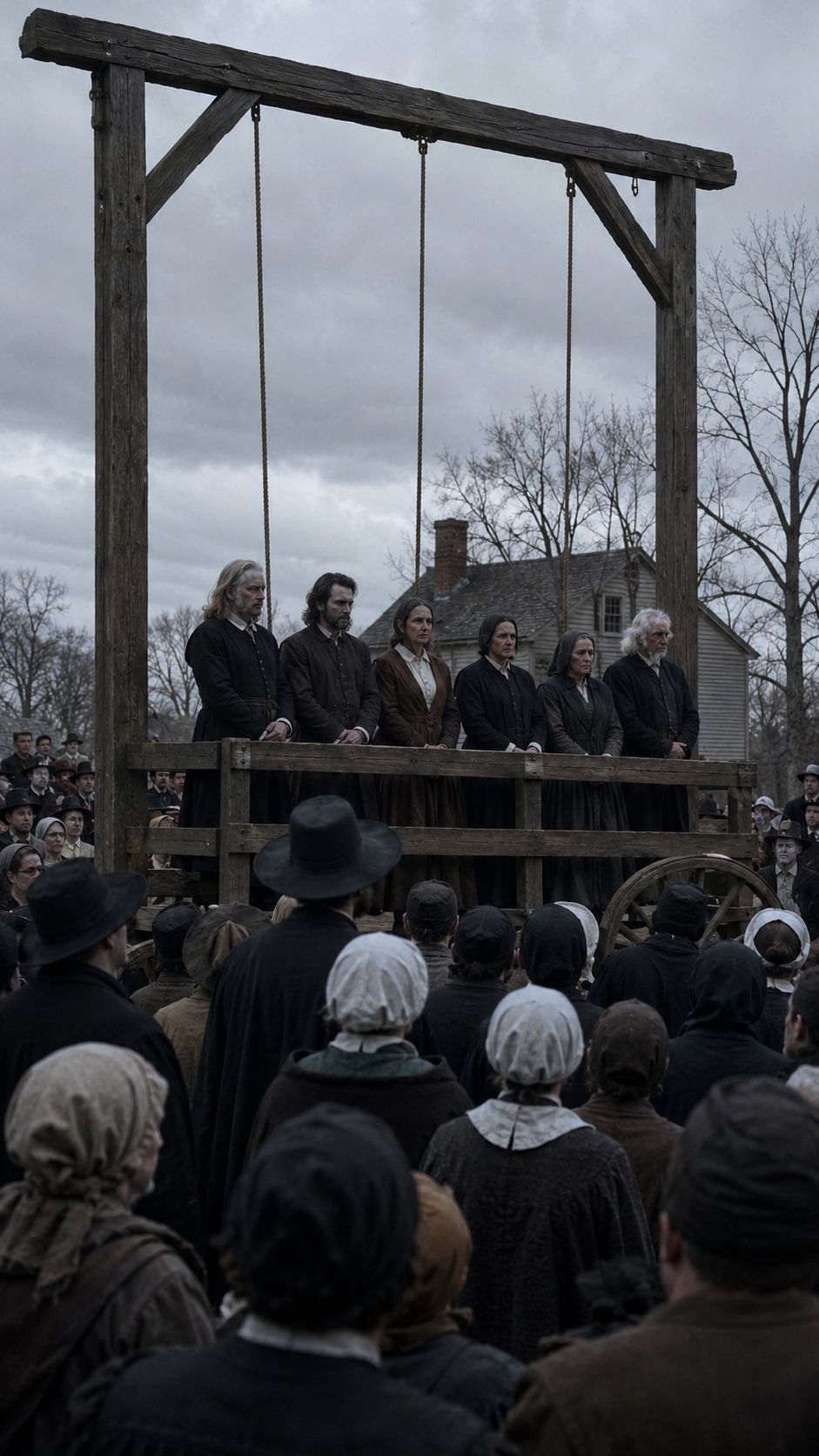 Salem, Massachusetts · 1692The Killing Ground of SalemA colonial village turned mass hysteria into mass execution, hanging dozens on a single barren ridge.
 Smithfield, London · 1535Starved Into Martyrdom at CharterhouseHenry VIII chose slow starvation over swift execution to break England's most devout holdouts.
 Cumnor, Oxfordshire · 1560The Fall That Kept Elizabeth UnmarriedA noblewoman was found dead at the foot of a staircase, and the mystery cost her husband his chance to marry a queen.
- Windsor · 1547The Rotting Death of Henry VIIIEngland's most feared king died fat, diseased, and stinking of infection in a bed few dared approach.
 Bienville Parish, Louisiana · 1934The Ambush That Ended Bonnie and ClydeTexas Ranger Frank Hamer set a trap on a quiet Louisiana road that ended America's most notorious outlaw run in seconds.
 Port Royal, Virginia · 1865The Barn Where Lincoln's Killer FellCornered in a burning tobacco barn, America's most wanted fugitive met a violent end after a twelve-day manhunt.
 Münster · 1536The Iron Cages Above MünsterWhen Münster's radical kingdom fell, its leaders' bodies were hoisted into iron cages that still hang from a church spire.
 Bastille, Paris · 1669The Man Erased Behind a MaskA man who knew a dangerous royal secret was seized in the night and erased from the human race forever.
- Flint Castle, North Wales · 1399The Midnight Coup That Shattered a KingA returning exile raised a silent army under cover of storm and shattered a king's authority in minutes.
 Tower Hill, London · 1538The Multi-Day Execution of the Exeter PlotA conspiracy of ancient noble families earned a punishment timed to exhaust the entire city of London.
 Tower of London, London · 1601The Blunt Blade That Would Not FinishAfter a failed rebellion, an untrained executioner hacked repeatedly at her neck with a dull blade before a mocking crowd.
 Tower Green, London · 1542The Madness That Could Not Save HerEnglish law forbade executing the insane, so the King rewrote the law to make sure it would not save her.
- Paris · 1594The Assassin Torn Apart With Molten LeadA student's failed attempt on the King's life ended with red-hot pincers and molten lead poured into his open wounds.
- Castel Sant'Angelo, Rome · 1517The Cardinal's Poisoned Bandage PlotA furious cardinal bribed the Pope's own surgeon to dress his wounds in slow-acting poison.
- France · 1588The Knight Flayed Alive With PrecisionExecutioners used curved knives to peel his skin away with terrifying precision, keeping him conscious throughout.
- Florence · 1478The Assassination Plot Inside a CathedralRival bankers struck during Sunday Mass, but one Medici brother fought his way out alive.
- St Paul's Cathedral, London · 1441The Duchess Who Turned to WitchcraftDesperate for her husband to be king, a duchess conspired with witches to melt a wax effigy of a young king.
- Holyrood Palace, Edinburgh · 1566The Musician Slaughtered at the Queen's TableA queen's trusted secretary was dragged from her private dinner and stabbed to death by her own jealous husband's men.
- Tower of London, London · 1604The Rack Turned One Notch at a TimeSuspected of leaking palace blueprints, he was stretched on the rack one agonizing notch every twenty minutes.
- Execution Dock, London · 1700The Body Left to Rot in the TidesA tarred corpse was caged in iron and hung above the river, left for the rising tides to slowly consume.
- Venice · 1310The Coup Undone by a Falling PotA secret army marching to seize a republic was stopped cold by a single dropped piece of pottery.
- Lollards' Tower, London · 1514The Corpse Hanged to Complete a SentenceA merchant was found dead in his cell with a broken neck, and the church still had his corpse hanged to cover it up.
- Tower of London, London · 1478The Duke Drowned in a Barrel of WineA treacherous royal brother's noble blood spared him hanging, but not a private death in a barrel of wine.
- Lundy Island · 1242The Pirate Lord of Lundy IslandA pirate nobleman ruled from a fortified island stronghold until the King engineered a four-stage execution to break him.
- Old Town Square, Prague · 1400The Twenty-Four-Hour ExecutionA king turned a rebellion's punishment into a full day-long spectacle designed to exhaust an entire city.
- Kleidion · 1014The Emperor Who Blinded an ArmyFifteen thousand captured soldiers were blinded almost to a man, leaving only one in a hundred to lead the rest home.
- Erfurt · 1184The Floor That Collapsed Beneath the EliteA floor packed with armored nobles gave way and dropped Europe's elite into a sewage pit below.
- Persia · 401 BCThe Soldier Devoured Alive by InsectsA young soldier was bound between two boats and left to be eaten alive by insects drawn to honey on his skin.
- Lyon · 1642The Blade That Shattered on the BlockA half-blind stand-in executioner's first swing shattered a young nobleman's jaw instead of his neck.
- London · 1543The Portrait That Became a Death WarrantA court painter's flattering portrait of a bride-to-be enraged a king desperate for the truth.
- Tower of London, London · 1536The Poet Forced to Watch Her DieA poet who loved Anne Boleyn first was locked in a tower room and made to watch her walk to the scaffold.
- London · 1562The Poisoned Coat Meant for the Queen's ManAssassins bypassed his food and laced his riding coat with poison meant to seep in through his sweat.
- London · 1563The Poisoned Pages of a Martyr's BookConspirators laced the corners of his manuscript pages with arsenic to silence the writer who exposed Bloody Mary.
- Tyburn, London · 1499The Pretender Who Confessed on a PlatformA man who claimed to be a lost prince was forced to publicly unravel his own legend before the gallows.
- Southwark, London · 1569Bloody Bonner's Decade of RotThe bishop who sent dozens to the flames spent his final decade rotting in a foul, forgotten dungeon.
- London · 1536The Musician Twisted Into a False ConfessionA young lute player was dragged to a private room and tortured until he named a queen as his lover.
- Tower of London, London · 1568The Secret Marriage That Sealed Her FateA love match without the Queen's permission led to a slow, quiet erasure from the world.
- Tower of London, London · 1581The Cell Too Small to Stand or SitA prisoner was crammed into a stone box designed so his body could never fully rest.
- London · 1483The Mistress Forced to Walk BarefootA king's beautiful mistress was publicly humiliated to break her before she ever reached a scaffold.
- Smithfield, London · 1537The Rebel Woman Burned for TreasonA law meant to spare women from the executioner's blade instead condemned her to the flames.
- Tower Hill, London · 1554The Giant Who Fought His Own ExecutionA rebel knight's sheer size turned his botched execution into a horrifying struggle on the scaffold.
- Tower of London, London · 1503The Queen Whose Death Broke a KingA desperate late pregnancy killed a beloved queen and drove her husband into total madness.
- Tower of London, London · 1588The Spy Poisoned Drop by DropInstead of the rack, his jailers slipped mercury into his water until his body dissolved from within.
- Newgate Prison, London · 1537The Monks Starved in the DarkRefusing to bow to the King, ten monks were chained upright in darkness and left to waste away.
- Tower Hill, London · 1549The Uncle Who Stalked a PrincessA queen's widower crept into a teenage princess's bedroom at night in a scheme that would cost him his head.
- London · 1562The Lady Who Caught the Queen's SmallpoxShe nursed a dying queen back to health and paid for it with her own face.
- Lincoln's Inn Fields, London · 1586The Execution That Started a RiotA plot against the Queen ended so brutally on the scaffold that the watching crowd turned violent.
- Tower of London, London · 1570The Nobleman Erased in a Stone RoomA young man with royal blood was left to rot for over a decade in a single freezing cell.
- Agrigento · 550 BCThe Bull That Sang With Human ScreamsA bronze bull was built to turn a dying man's screams into music for the crowd.
- Ludlow Castle, Ludlow · 1502The Golden Prince Who Died Old at FifteenA brilliant young prince died mysteriously with the withered organs of an old man.
- Rome · 48The Empress Who Lived a Double LifeRome's most powerful woman slipped out at night in a wig to chase thrills the palace could never contain.
- Greenwich Palace, London · 1553The Boy King Whose Lungs Rotted Inside HimHis skin turned green and his legs swelled as he coughed up pieces of his own blackened lungs.
- Burgh by Sands · 1307The King Who Wanted His Bones Carried Into BattleDying of dysentery on the border, he ordered his flesh boiled away so his skeleton could lead the army.
- Teba · 1330The Heart Thrown Into Battle Against The EnemySurrounded and facing certain death, the knight hurled his dead king's heart into the enemy line and followed it.
- Whitehall Palace, London · 1546The Wife Who Talked Her Way Off The BlockShe read her own death warrant, then walked to Henry and played the weak woman until he tore it up.
- Windsor Castle · 1811The Mad King Chained Inside His Own PalaceBlind, deaf and screaming for hours, he was restrained by his own doctors while his family hid from him.
- Chelmsford · 1566The First Woman Executed For Witchcraft In EnglandVillagers said her cat spoke in a human voice and drank blood in exchange for killing her enemies.
- 11 nautical miles off the Old Head of Kinsale · 1915The Liner Torpedoed In Eighteen MinutesOne torpedo, a second explosion nobody has ever explained, and a list so steep that only six of forty-eight lifeboats reached the water.
- Tower Hill, London · 1536The Brother Executed Alongside The QueenAccused of incest with his own sister on evidence historians now call impossible, he died two days before her.
- Syon House, London · 1547The King's Corpse The Dogs Got To FirstSealed in lead and left overnight, his body leaked and swelled until stray dogs found their way inside the room.
- Agrigento · 560 BCThe Bull That Turned Screams Into BellowsTubes built into its bronze head disguised a burning man's screams as the roar of an animal.
- Smithfield, London · 1556The Queen Who Burned Nearly Three Hundred SubjectsDetermined to restore Catholic rule, she made denying doctrine a capital offence and lit the fires herself.
- Kilmainham Gaol, Dublin · 1916The Wedding Held Hours Before His ExecutionUnder armed guard, he married his fiancée in a prison chapel, then had ten minutes with her as a husband.
- Tower of London, London · 1483The Boy King Who Vanished Inside The TowerSent to the Tower for his own coronation, he and his brother were seen less and less until they were gone.
- Cologne · 1581How The Breaking Wheel Killed By InchesExecutioners shattered every limb in sequence, then wove the broken body through the spokes while it still lived.
- London · 1517The Riot That Turned Cannons On London ItselfA thousand citizens rampaged against foreign workers until the Tower fired its own artillery on the city.
- Berlin · 1945The Dictator Who Tested Poison On His Own DogAfraid the cyanide might be fake, he tested it on his German Shepherd before using it himself.
- Sudeley Castle · 1548The Wife Who Survived Henry But Not ChildbirthShe finally married the man she'd wanted all along, then died days after giving birth accusing him of hastening it.
- Meknes · 1705The Execution Designed To Keep Victims Alive LongerHanging a person upside down kept blood in the brain long enough for the saw to finish its work.
- Tyre · 1192The King Of Jerusalem Killed Days After His CrownTwo men without cloaks approached him in the street and drove knives into him as they ran past.
- Tower of London, London · 1536The Princess Who Lost Everything OvernightAt two she watched her mother beheaded — at three she had no gowns and no title.
- Mactan Island · 1521The Explorer Who Died On A Foreign BeachHe'd already crossed a continent no one believed existed — then was abandoned by his own men.
- Kimbolton Castle · 1536The Queen Whose Heart Turned BlackEmbalmers found every organ healthy except one — shrivelled, black, and hideous to look at.
- Florence · 1478The Assassination Attempt During High MassIn front of ten thousand worshippers, the Pazzi conspirators drove their knives into a Medici at the altar.
- Rome · 100How Crucifixion Actually Killed Its VictimsThe nails weren't the killer — the Romans built a death that came from suffocation, one agonising push-up at a time.
- Troy (Hisarlik) · 1184 BCThe Wooden Horse That Ended A Ten-Year WarTwo people warned Troy not to bring it inside — a priest and a princess no one believed.
- Clontarf, Dublin · 1014The High King Killed Praying After VictoryHe broke the Vikings at Clontarf, then was murdered in his own tent by men fleeing the battlefield.
- Alkmaar · 1572The Interrogation Method That Used Starving RatsA bowl of starved rats and hot coals turned a prisoner's own body into the exit wound.
- Tower Green, London · 1542The Teenage Queen Who Never Saw Him AgainHenry's fifth wife ran screaming through Hampton Court trying to reach a king who refused to look at her.
- Ypres · 1915The Gas Attack That Tore Open The LineGerman forces released a poison cloud that dissolved men's lungs from the inside in minutes.
- Columbus · 1930The Fire That Killed 322 Men Locked in Their CellsAs flames tore through an overcrowded cellblock, guards had the keys, and hundreds burned to death still chained inside.
- Tyburn, London · 1534The Prophecy That Got Her HangedThe Pope, Thomas More, and 20,000 witnesses believed her visions, then she told Henry VIII he'd die, and he didn't.
- Greyfriars Kirkyard, Edinburgh · 1858The Dog Who Slept on His Owner's Grave for 14 YearsFor fourteen years, rain or shine, a loyal dog refused to leave his owner's grave, and the city made sure no one could take him away.
- London · 1837The Fire-Breathing Figure No One Ever CaughtFor over 60 years a clawed, fire-breathing figure terrorized England, and was never identified or caught.
- York · 867The Viking Execution Carved Into LegendRibs pulled outward like wings and lungs drawn through the back; historians still debate if this ritual was ever real.
- Salem · 1692The Enslaved Woman Who Started the Salem Witch TrialsHer confession to save herself named two other women as witches, setting off accusations that would kill twenty people.
- Charleston · 1820The Innkeeper Who Poisoned Her Guests at TeaGuests checked into her hotel and didn't check out; she drugged them with oleander before her husband finished the job.
- Worms · 1521The Monk Who Defied the Emperor and SurvivedDeclared an outlaw who anyone could kill without consequence, he stood before the empire and refused to take back a word.
- Tyburn, London · 1685The Last Woman Burned Alive for Politics in EnglandBetrayed by the man she sheltered, she arranged her own straw to make the fire catch faster and end it quickly.
- Walkern · 1712The Last Woman Sentenced to Die for Witchcraft in EnglandReprieved from the gallows, she spent the rest of her life hiding from a community that never accepted her acquittal.
- London · 1611The Cross-Dressing Criminal Who Died in Her BedA pickpocket and forger who smoked a pipe on stage in men's clothes, she outlived every man who tried to stop her.
- Tyburn, London · 1740The Boy Who Woke Up on the Dissection TableHanged and pronounced dead at 17, he opened his eyes as surgeons prepared to cut him open.
- Formia · 303The Saint Who Kept Preaching While DisemboweledRomans wound his intestines out on a ship's winch, and he reportedly never stopped preaching.
- London · 1530The Youngest Person Ever Hanged in Tudor EnglandIn Tudor England age was never a defense, and the youngest known person executed was just eleven, her name never recorded.
- Oxford · 1555The Candle That Would Never Be Put OutBurned together for their faith, one died quickly while the other screamed in agony for nearly an hour.
- Tyburn, London · 1705The Man Who Survived His Own HangingHe hung strangling at Tyburn for fifteen minutes before a reprieve arrived, and he lived for decades afterward.
- Tyburn, London · 1763The Woman Who Hanged Herself Before the Executioner CouldShe fought off her executioner, stripped to deny him his fee, and threw herself from the cart on her own terms.
- London · 1797The Feminist Philosopher Killed by ChildbirthShe wrote one of history's first feminist manifestos, then died days after giving birth to the daughter who wrote Frankenstein.
- York · 1809The Poisoner Whose Skin Was Sold as CharmsAfter she was hanged for poisoning a client, her skin was tanned into good-luck charms and sold to the public.
- Place Maubert, Paris · 1546Burned for Mistranslating a Single LineA single disputed word in a translation of Plato was enough to have him tortured and burned alongside his own books.
- Arnhem · 1944The Ballerina Who Danced for the ResistanceBefore Hollywood, a starving teenage Audrey Hepburn performed secret ballets to raise money for the Dutch resistance.
- Alexandrov · 1581The Father Who Killed His Own HeirA single blow in a fit of rage killed his son and heir, and the moment was later painted so disturbing a man attacked it with a knife.
- Edinburgh · 1650The Iron Mask That Punished Women for TalkingAn iron spike rested on the tongue and any attempt to speak drove it in, and a husband alone could order it used.
- Dallas · 1963The President's Brain That VanishedHis brain was preserved for the National Archives after his assassination, then it disappeared and has never been found.
- Rome · 40The Execution Designed to Keep You ConsciousHung upside down so blood kept the brain oxygenated, victims stayed conscious until the saw reached the chest.
- Uppsala · 995The Queen Who Burned Her Suitors AliveTwo kings came to propose marriage; she locked the doors and burned the hall down instead.
- London · 1690The Fashion That Killed Hundreds of WomenA candle and a wide flammable skirt were all it took, and it happened to countless women for two centuries.
- Amsterdam · 1853The Naval Punishment Worse Than the LashDragged beneath the ship across barnacle-covered wood, few survived the infections that followed, if they survived at all.
- Samarkand · 1941The Curse That Coincided With BarbarossaHis tomb warned that opening it would unleash a conqueror worse than himself, and it was opened the day before Hitler invaded Russia.
- Targoviste · 1462The Forest of Corpses That Turned Back an EmpireHe left 20,000 impaled bodies outside his capital, and the sight was so horrifying it made the conquering Ottoman army retreat.
- Sing Sing Prison, Ossining · 1936The Letter That Caught a Child KillerTen years after murdering a child, he mailed her mother a letter describing it in detail, and it caught him within days.
- North Brother Island, New York · 1938The Cook Who Refused to Believe She Was Typhoid MaryShe infected dozens as an asymptomatic carrier and spent 26 years in forced isolation, still insisting she was innocent.
- Tower Hill, London · 1540The Chief Minister's Botched BeheadingHenry VIII's most powerful minister was executed by an inexperienced headsman who needed several strikes to kill him.
- Windsor · 1537The Only Wife Henry Chose to Rest BesideShe was the only one of Henry VIII's wives he never divorced, executed, or left.
Nothing in the archive matches that. The Dark Atlas can search places we have not written about yet.